Armenia vs Georgia: Which Should You Visit?
Armenia or Georgia? An honest head-to-head on cost, scenery, wine, cities and safety from someone who has travelled both, plus how to do the two together.
Pick Georgia for more variety in one trip: a real coastline, bigger alpine mountains, a louder capital and a tourist scene that’s already switched on. Pick Armenia for ancient monasteries in dramatic landscapes, fewer crowds and a slower, more under-the-radar feel. The honest truth, having spent time in both, is that they’re close cousins rather than opposites, and the smartest move for most people isn’t to choose at all but to loop the two together. This guide breaks down where each one actually wins, so you can match the trip to what you care about.
First, the family resemblance. Both are small, mountainous nations in the South Caucasus with their own ancient alphabet, some of the oldest churches in Christendom, generous food, cheap prices by European standards and a hospitality that still runs on inviting strangers to the table. Both also carry a hard political edge: each has a border zone you shouldn’t go near, which I cover below. Get past the surface and the differences sharpen fast.
The quick answer by traveller type
If you have to pick one, here’s the short version. Georgia suits first-timers to the region, anyone who wants a beach day folded into a mountain trip, wine obsessives, party travellers and people who like a bit of tourist infrastructure around them. Armenia suits repeat Caucasus visitors, history and architecture people, hikers who prefer solitude, and anyone allergic to crowds who will happily trade polish for a monastery to themselves on a weekday morning. Neither is hard to travel; both are safe day to day.
Getting there and getting around
This is where Georgia pulls ahead on pure logistics. Tbilisi is the regional transport hub, with far more direct flights from Europe and the Gulf, and Georgia hands most nationalities a generous visa-free stay of up to 365 days per entry. Armenia is more of a cul-de-sac: two of its four borders (Turkey and Azerbaijan) have been shut for decades, so you arrive overland only through Georgia or Iran, or you fly into Yerevan. Its visa-free allowance is shorter too, typically up to 180 days per year for the same passports. For the current fine print on the Armenian side, see our Armenia visa and entry guide.
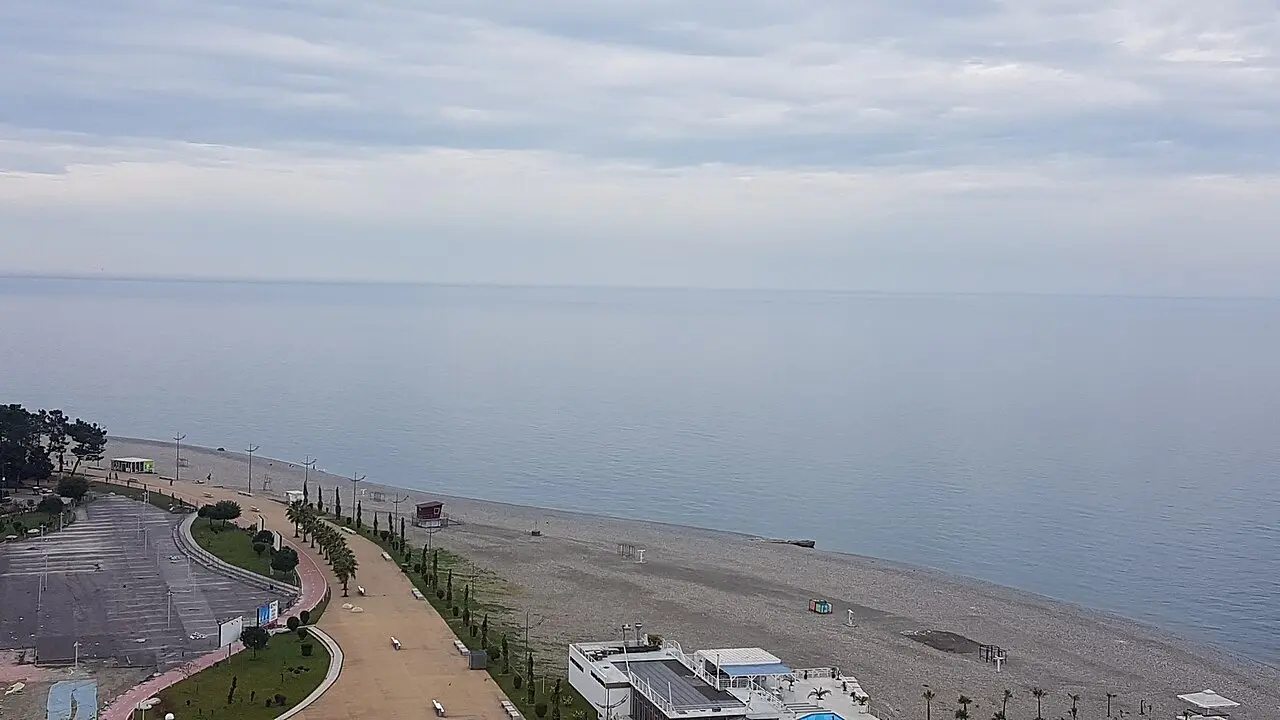
The other structural difference is the sea. Georgia has a Black Sea coast; Armenia doesn’t. If sand and a swim matter to you even for a day, that settles it, because the nearest Armenia gets is the high blue expanse of Lake Sevan, which is lovely but nobody’s idea of a beach holiday.
Once you’re on the ground, both run on cheap, slightly chaotic marshrutka minibuses and metered taxis booked through apps. The two capitals are joined by a road trip of roughly six hours and, in summer, an overnight train, which is exactly why doing both is so easy; our Yerevan to Tbilisi guide lays out the options and timings.
Mountains and landscapes
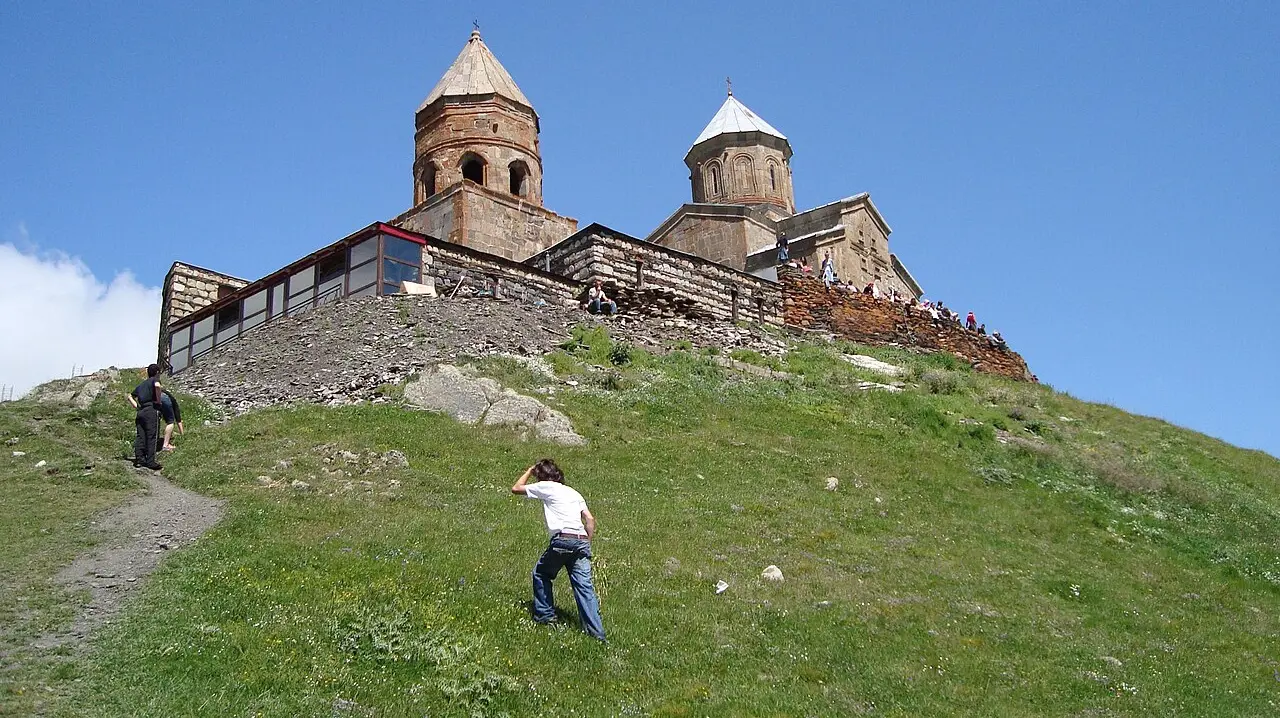
Both countries are gorgeous, but they do gorgeous differently. Georgia has the higher, more theatrical mountains. The Greater Caucasus along its northern edge gives you the glaciated peak of Mount Kazbek above the tiny Gergeti Trinity Church, and the medieval stone towers of Svaneti at Mestia and Ushguli, some of the highest continuously inhabited villages in Europe. For raw alpine drama and multi-day trekking, Georgia has the edge, and it has the better-developed ski scene at Gudauri.
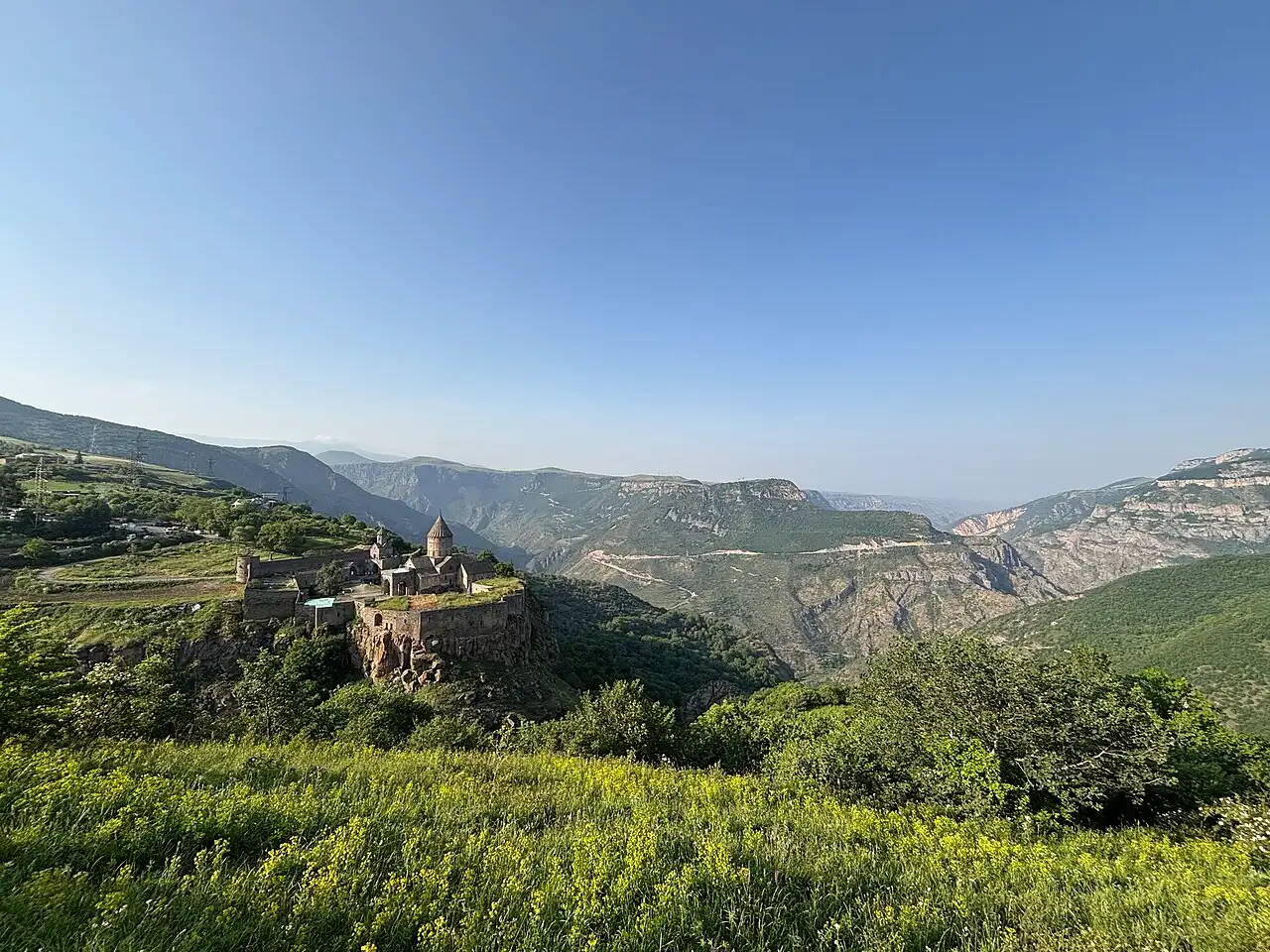
Armenia’s landscape is a high volcanic plateau, and its trump card is what humans built on it. This is a country where the scenery and the history are the same photograph: a thousand-year-old monastery placed on a cliff edge or under a snow cone for maximum effect. Tatev clinging to its gorge, Khor Virap directly beneath Mount Ararat, Noravank in its red-rock canyon. Armenia also has real height of its own in Mount Aragats at 4,090 m, and quiet hiking that you will often have to yourself, mapped out in our best hikes in Armenia roundup.
Tbilisi vs Yerevan
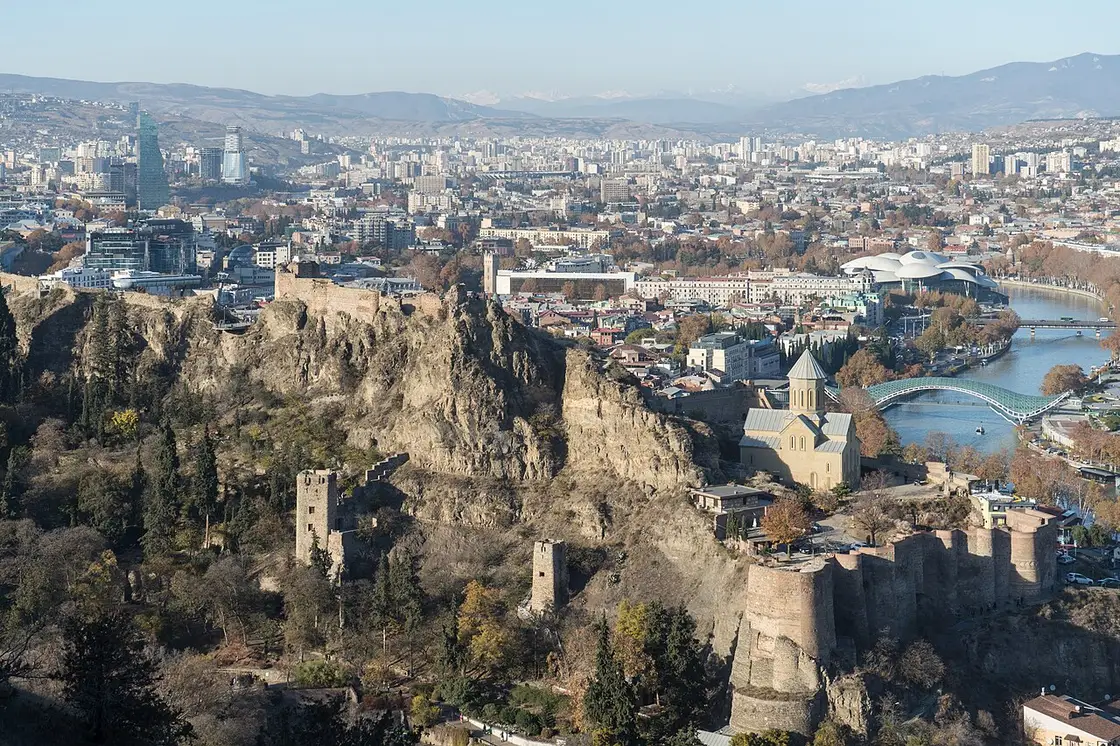
The capitals are the clearest personality test of the whole comparison. Tbilisi is the extrovert. It’s bigger, older-feeling and further along the tourist curve, with a tangle of an Old Town, hillside sulphur bathhouses, a cable car up to the fortress, and a nightlife that has made it a weekend-break name. It’s also, frankly, busier and more visibly touristy, which you’ll either enjoy or find you came here to escape. If Georgia is your pick, our sister site’s guide to Tbilisi is the place to start planning it.
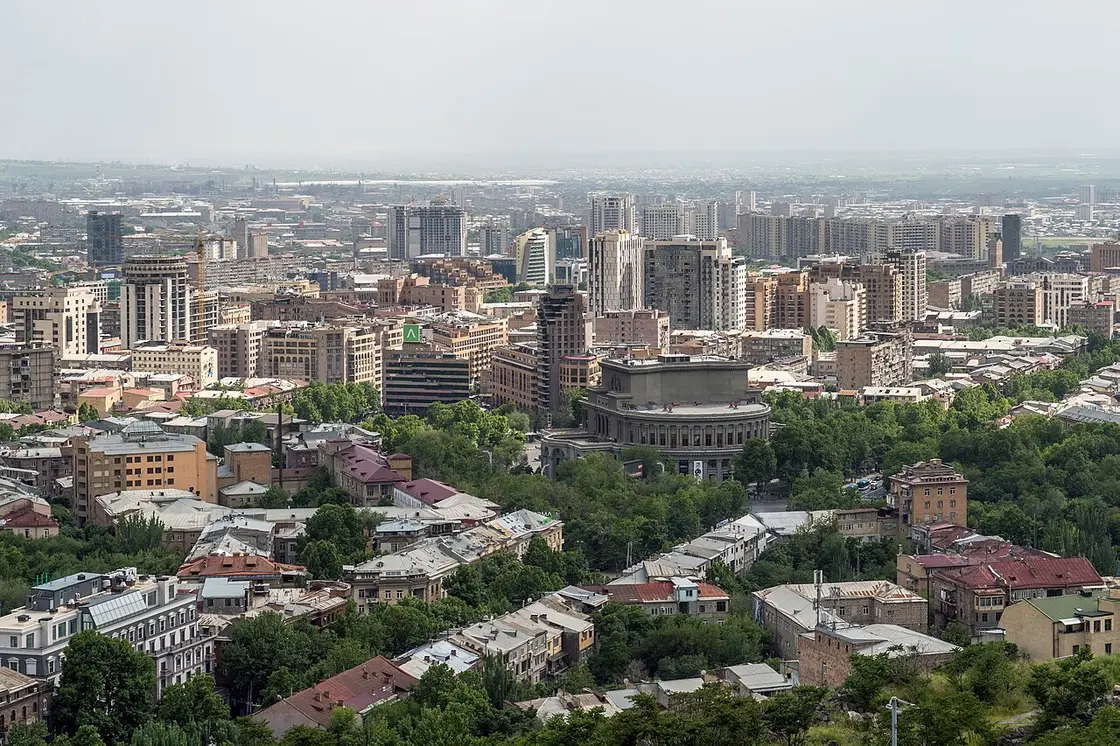
Yerevan is the calmer, greener sibling. Built from pink and apricot volcanic tufa, it’s a walkable grid of leafy boulevards, an outdoor cafe culture that spills across the squares in summer, the giant stairway-gallery of the Cascade, and Mount Ararat floating on the skyline on a clear day. It has late bars and good restaurants, but the register is relaxed rather than raucous. For a first-timer weighing the whole country, our is Armenia worth visiting piece gives the fuller case, and if it is specifically the two capitals you’re torn between, our Yerevan vs Tbilisi head-to-head digs into walkability, nightlife and cost.
Food and wine
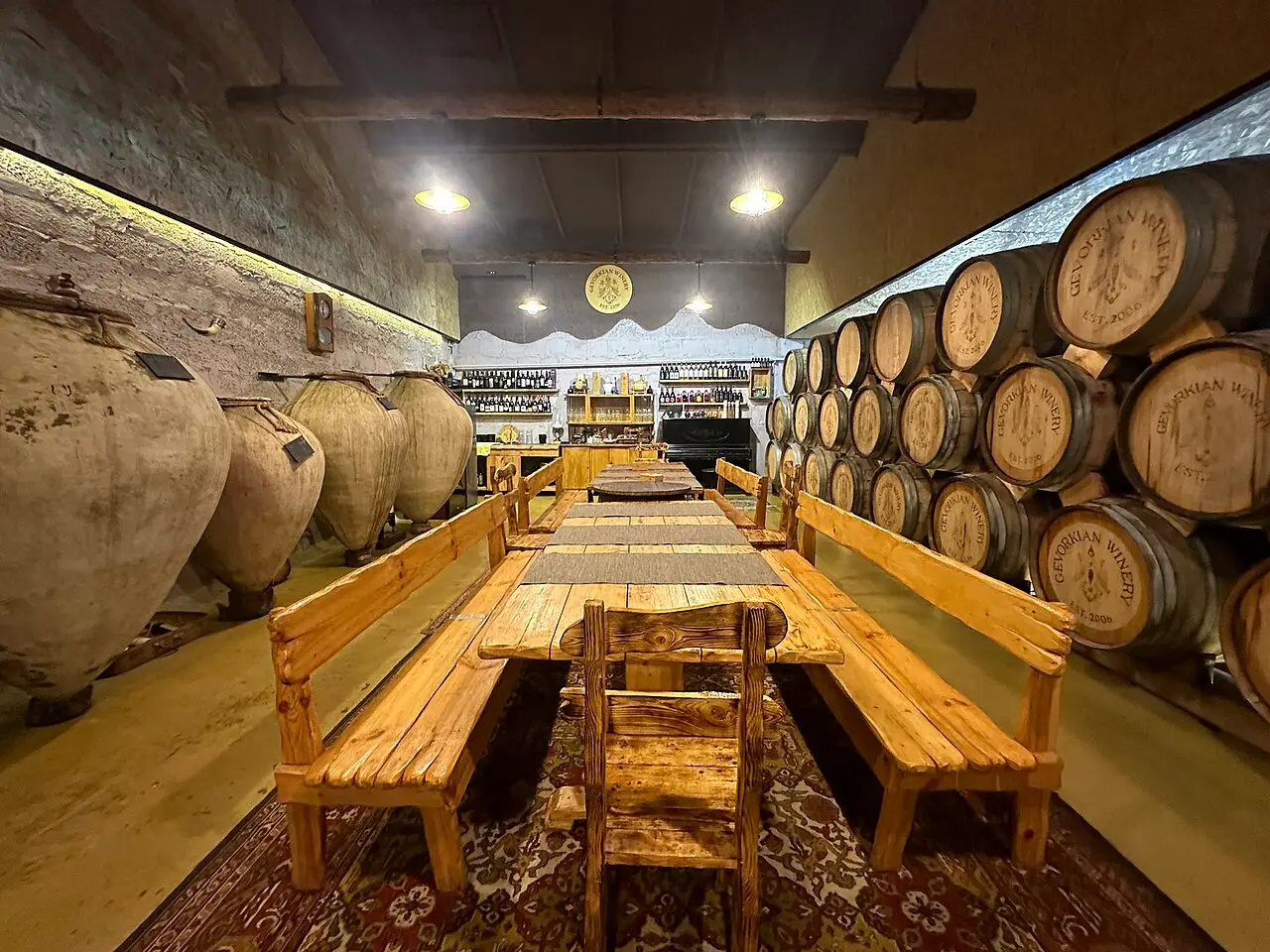
Here’s the fun one, because both countries claim to have invented wine and both have a genuine case. Georgia has the oldest continuous winemaking tradition: residue in clay vessels from sites like Gadachrili Gora dates the practice back roughly 8,000 years, and Georgians still ferment in buried egg-shaped qvevri, a method now on the UNESCO heritage list. Armenia holds the oldest known winery: the Areni-1 cave in Vayots Dzor preserves a 6,100-year-old press, fermentation vats and a drinking bowl. So the accurate, bar-settling answer is that Georgia has the older drinking and Armenia the older production line. You can taste the modern Armenian side around Areni in our Armenian wine guide.
On the plate the two overlap heavily: char-grilled meat, dumplings, fresh cheese, herbs, walnuts and flatbread baked on the walls of a clay oven. Georgia leans on its khinkali dumplings and the molten cheese bread khachapuri; Armenia leans on khorovats barbecue, herby dolma, lavash and the fruit (apricots and pomegranates) that shows up in everything. Both are strong; Georgian food is arguably the more famous export, Armenian food the quieter surprise. Ours is broken down in the Armenian food rundown.
Cost and crowds
On money the two are close, and anyone telling you one is dramatically cheaper across the board is overselling it. Both sit among the best-value trips within reach of Europe, and prices swing more with the season, and with capital versus countryside, than with which country you’re in. What’s clearly different is volume: Georgia pulled in around 7.4 million international arrivals in 2024 (a figure that counts all border arrivals, not only overnight tourists) against Armenia’s 2.2 million visitors, so very roughly three times the traffic. In peak summer that shows up as fuller guesthouses on the Georgian trail and, in Armenia, a monastery you can often have almost to yourself. If solitude is part of what you’re buying, Armenia’s lower numbers are a feature, not a shortcoming.
Safety, honestly
Both countries are safe for everyday travel, with low violent crime and easy solo trips, and both have exactly one zone you keep away from. In Georgia it’s the Russian-occupied territories of Abkhazia and South Ossetia, which carry a firm “do not travel” warning over landmines and detention risk; the rest of the country is calm. In Armenia it’s the eastern frontier with Azerbaijan: the US State Department keeps Armenia at an overall “exercise increased caution” level while flagging the immediate border region as “do not travel”, and the UK advises against all travel within 5 km of that border and along the Ijevan to Noyemberyan road. A cautious rapprochement is under way in 2026, but the advisories still stand, so treat this as live and check your own government’s current wording before you book; our full is Armenia safe to visit breakdown covers the Armenian side in detail. Crucially, the tourist core of each country sits well away from these lines. Wherever you land, a policy is cheap peace of mind; see our travel insurance for Armenia checklist.
If the question is relocation and not a holiday, our Armenia vs Georgia for relocation guide compares visas, taxes and daily life on that axis.
Why not both
The strongest recommendation in this whole comparison is to stop treating it as either-or. The two capitals are a half-day apart, the overland hop is simple, and a classic two-week Caucasus loop flies into Tbilisi, works down through Armenia’s monastery circuit and back, giving you Georgia’s coast and high mountains plus Armenia’s churches and quiet in a single trip. If you genuinely only have a week, choose by the list above, then start with our best time to visit Armenia and how many days in Armenia guides to size the Armenian half of the plan.
Read also
Before you go · 10 min read
What to Pack for Armenia: Plugs & Layers
Verified · August 7, 2026Armenia packing list: Type C/F plugs at 230V, summer heat in Yerevan vs cold mountain nights, layers, eSIM and insurance to sort before you fly.
Before you go · 8 min read
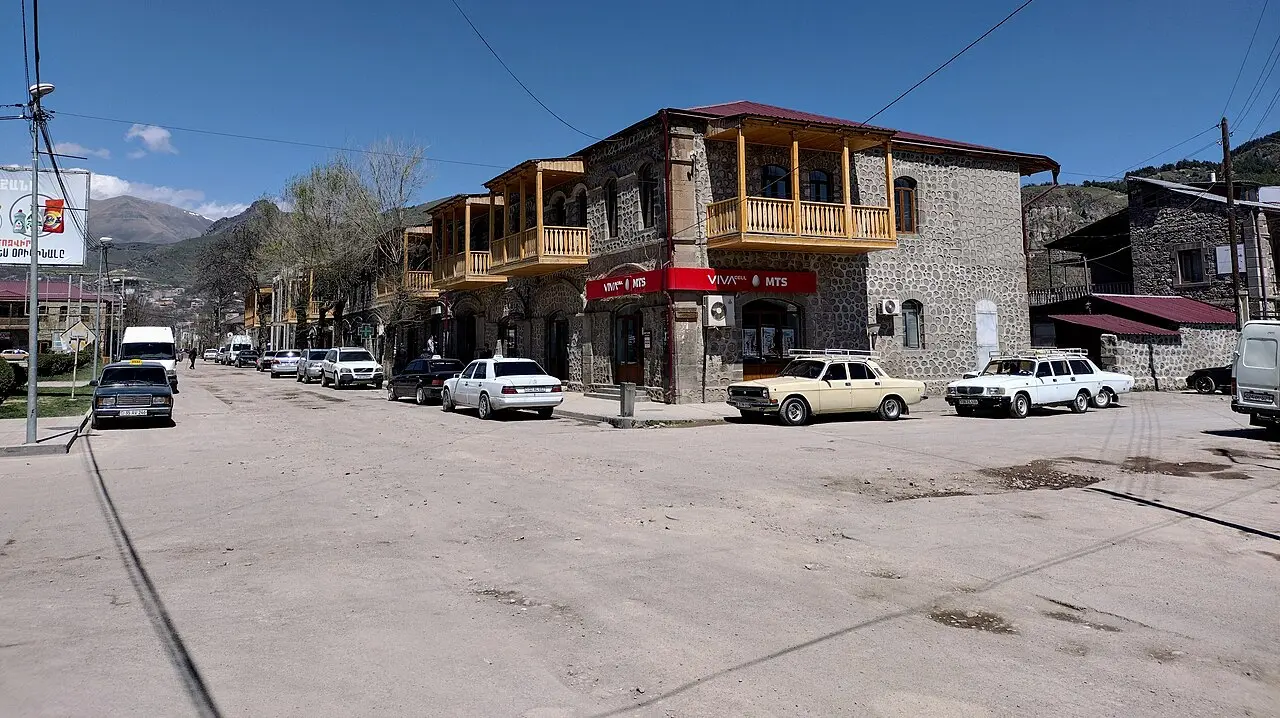
Where to Stay in Goris: Hotels for Tatev
Verified · August 7, 2026Where to stay in Goris for Tatev: centre hotels and guesthouses, honest day-trip warning (12-13 hours), and what a night in Syunik actually costs.
Before you go · 8 min read
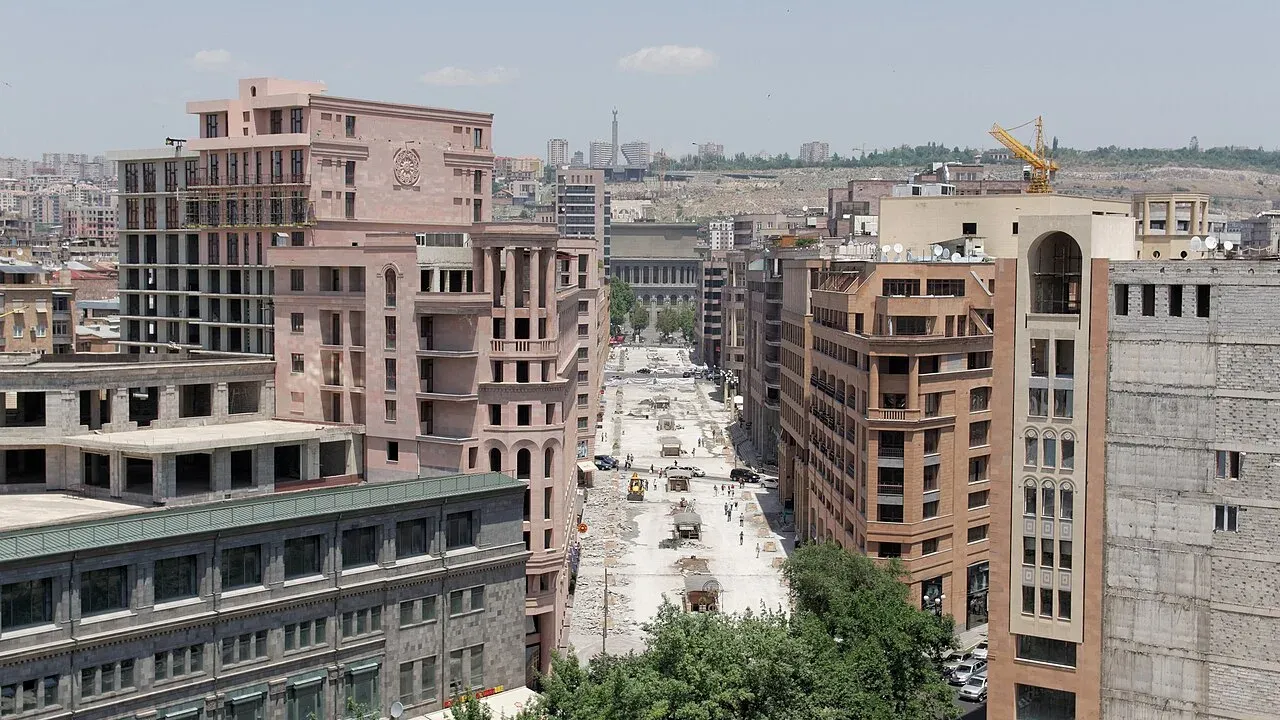
Solo Female Travel in Armenia: Is It Safe?
Verified · August 6, 2026FCDO reports low crime in Armenia. Solo women should avoid informal or street-hailed taxis and use app, licensed or arranged transport.
Before you go · 12 min read
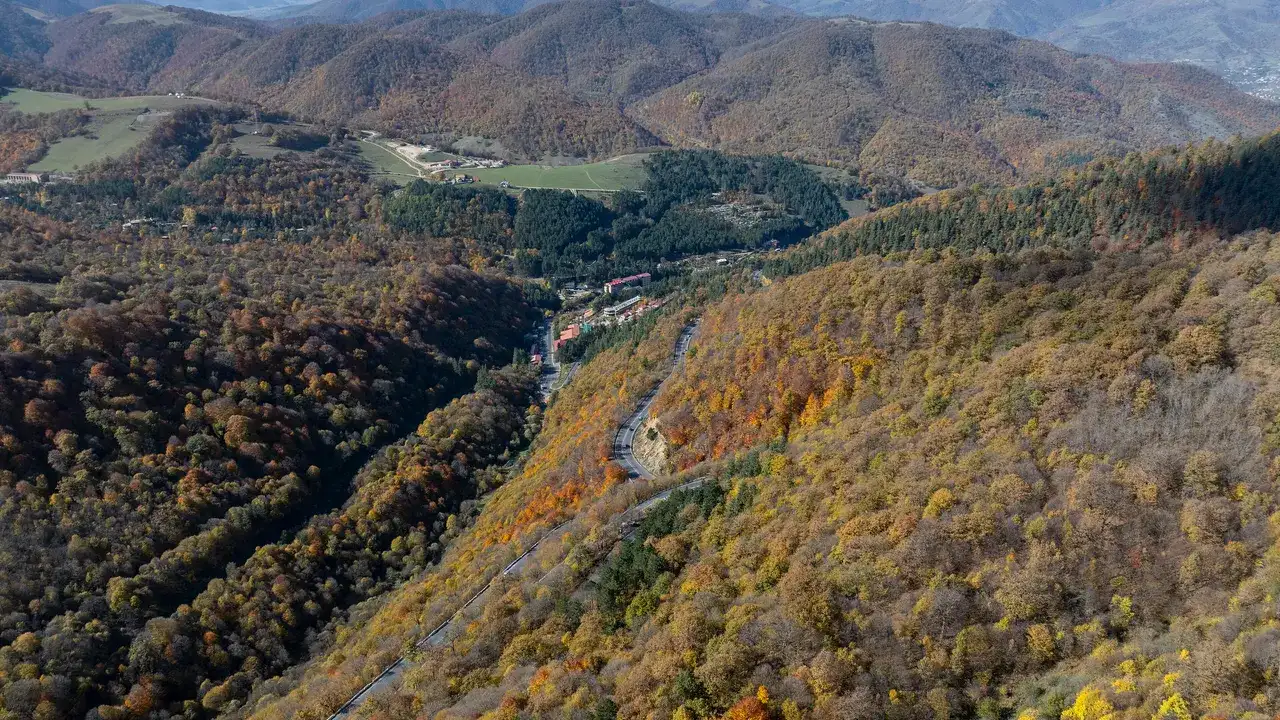
Armenia in October: Autumn Colour and Wine Festivals
Verified · September 23, 2026Armenia in October: peak leaf colour 15-20 October, the Areni wine festival on the 3rd, five times September rain, and what shuts for winter.