Is Armenia Safe to Visit in 2026?
Yes, as of September 2026 Armenia is broadly safe for tourists: low crime, easy solo travel. The one real caveat is the eastern border with Azerbaijan.
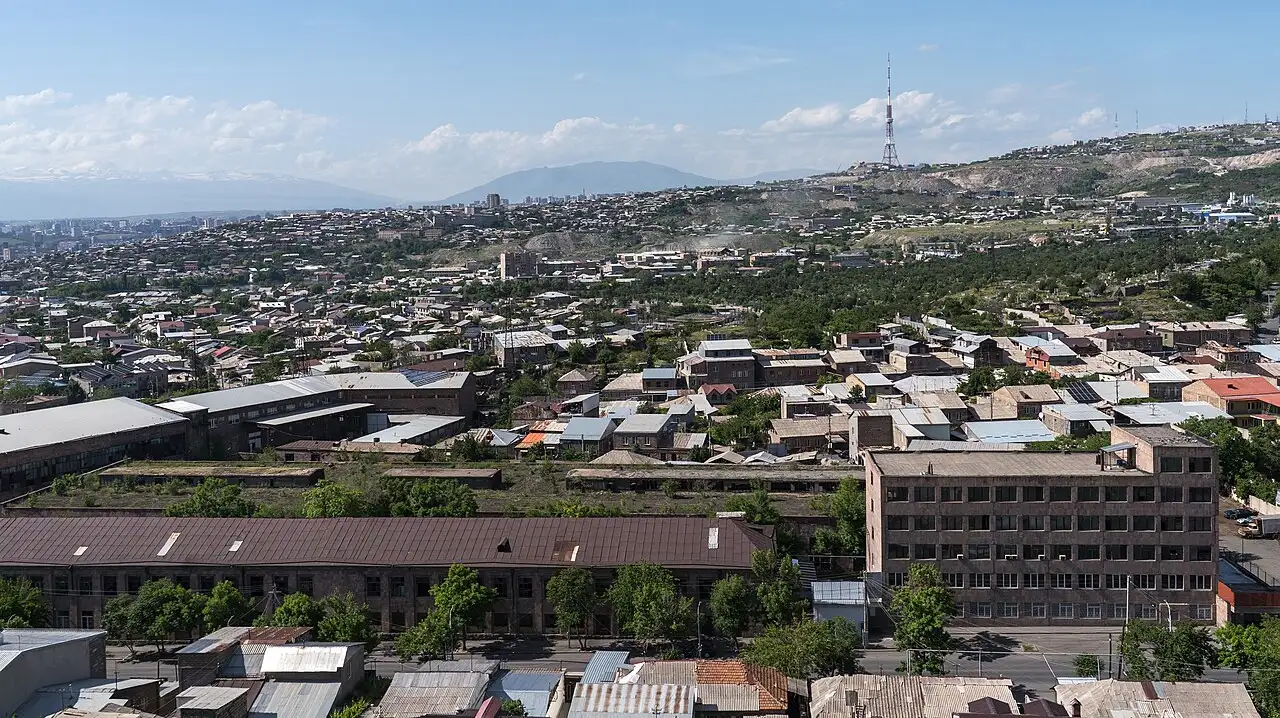
Yes, as of September 2026 Armenia is a safe country to visit for a normal trip. Violent crime is rare, day-to-day scams are minor, and it’s one of the easier places in the region to travel alone, including as a woman. There’s one real caveat, and it’s geographic rather than general: a strip along the eastern border with Azerbaijan carries a do-not-travel warning from all four governments checked here, the US, the UK, Canada and Australia, and you keep away from it. Everything a normal itinerary covers, the capital, the monasteries, the lakes and the wine country, sits clear of that line, with one edge case in the deep south. The wider region matters in a different way: Australia raised its overall level for Armenia because of the Middle East, and warns that a fresh deterioration there could close airspace and cancel flights at short notice, which is a reason to leave slack in your dates. What follows is what each advisory says, where each one draws the map, and the ordinary risks, mostly the roads, that matter far more day to day. Last checked: 23 September 2026; this is guidance, not official advice, so confirm your own government’s current wording before you travel.
Everyday safety: better than you might expect
Start with the reassuring part, because it’s the part that affects you every day. Armenia has low levels of violent crime, and tourists are very rarely a target for anything worse than an inflated taxi fare. Pickpocketing and petty theft exist, as they do anywhere, but the direction of travel is good: in the first half of 2026 Yerevan’s police registered 1,833 crimes, about 20.9% fewer than a year earlier, with crimes against the person down 39.3%. In the Kentron division, the central district where most visitors stay and walk, the count was 1,553, down 44.4% year on year. Yerevan feels calm and social late into the night, with families and cafe crowds out on the squares well past midnight.
That easy feel extends to people travelling alone. Armenia is widely reported as comfortable for solo travellers, and solo women consistently describe central Yerevan as relaxed and low-hassle. Normal city sense still applies: stick to lit, busy streets late at night and keep an eye on your bag in a crowd, but you’re not walking around on edge here, and you sense it from the first evening.
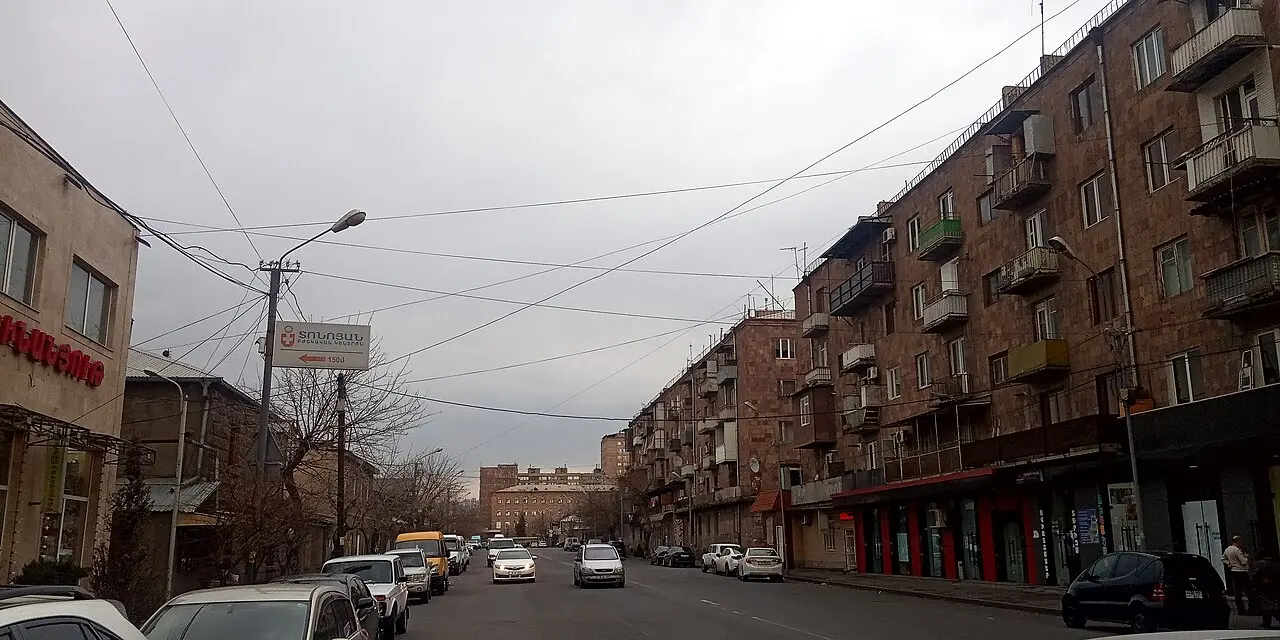
The scams that do exist are small and avoidable. The main one is taxi drivers quoting a tourist price, most often around Republic Square, the Cascade and the Vernissage weekend market. The fix is simple: use a ride-hailing app such as Yandex Go or GG, where the fare is set before you get in, instead of flagging a car down and haggling. Our guide to taxi apps in Armenia covers which to install and how they work. Beyond that, ordinary attention does the job: keep your bag on you in a crowd and don’t leave your phone on the edge of a pavement-side table. You’ll also be carrying some cash outside the capital, since much of Armenia still runs on notes; our money in Armenia guide covers how much to keep on you and where cards work.
What four governments say about the border
Now the caveat, stated plainly, because vagueness helps nobody here. Armenia’s eastern frontier with Azerbaijan has seen repeated military flare-ups, and although the two countries are engaged in a peace process, Australia’s advisory notes that parts of the border still have not been agreed between them. That is why all four governments keep a standing warning against it.
Reading all four side by side is more useful than reading just one, because they agree on the principle and disagree, usefully, on the detail. The US State Department keeps Armenia at Level 2, Exercise Increased Caution overall (last reissued 5 September 2025), telling travellers not to go to the immediate border region with Azerbaijan “for any reason”, and putting the level down to “areas of potential armed conflict” with the warning that “further military activity could occur in the region.” Its own staff are barred from specific pockets: Gegharkunik east of Vardenis, Syunik east of Goris, and Syunik south of Kapan. The UK Foreign Office (updated 1 March 2026) is more precise on distance: it advises against all travel to within 5 km of the entire eastern border, and against all travel along the M16/H26 road between Ijevan and Noyemberyan in the northern Tavush region, because that stretch runs close to the line.
Australia’s Smartraveller (updated 17 June 2026) draws the same 5 km band, and its wording on the road is more specific than anyone else’s: cars and other vehicles on the roads from Kayan and Ijevan to Noyemberyan could be attacked. Its overall rating, though, is raised for a completely different reason. Australia tells travellers to exercise a high degree of caution in Armenia “due to the unpredictable security situation in the Middle East region”, and warns that if that situation deteriorates again it may mean airspace closures, flight cancellations and other disruption at short notice. For a visitor, that is the practical regional risk, and it isn’t the border: it’s your flight. Leave a day of slack around your dates, avoid booking a tight connection on the way home, and check that your insurance covers trip disruption rather than medical costs alone.
Canada’s travel advisory (updated 9 September 2026) is the outlier, and it’s more relaxed on both counts: its overall rating is “take normal security precautions” for the country as a whole, and its border buffer is narrower, advising against all travel within just 1 km of the eastern border rather than 5 km, while flagging the same Ijevan-Noyemberyan road. Global Affairs Canada also notes there have been no major incidents along the border since September 2023, though ceasefire violations and landmines remain a real concern close to the line. For planning, use the widest band: stay 5 km or more from the eastern border and off the Ijevan-Noyemberyan road, and you are inside all four advisories at once. That isn’t pedantry about distance. The FCDO states plainly that your travel insurance could be invalidated if you travel against its advice, so Canada’s 1 km is not a permission slip if you are covered by a British policy.
Two things follow. First, landmines and unexploded ordnance are a genuine hazard in and near former front-line areas, which is why the buffer zones matter and why you never wander off-road near the border. Second, the main north-south highway briefly brushes a sensitive stretch at Yeraskh in Ararat province, where it skirts Azerbaijan’s Nakhchivan exclave. That one is a US rule in particular, and its wording is exact: travel through Yeraskh village is allowed, stopping is not. On the ground this affects almost nobody’s holiday, because the eastern border is not where the sights are.
Where you go is calm
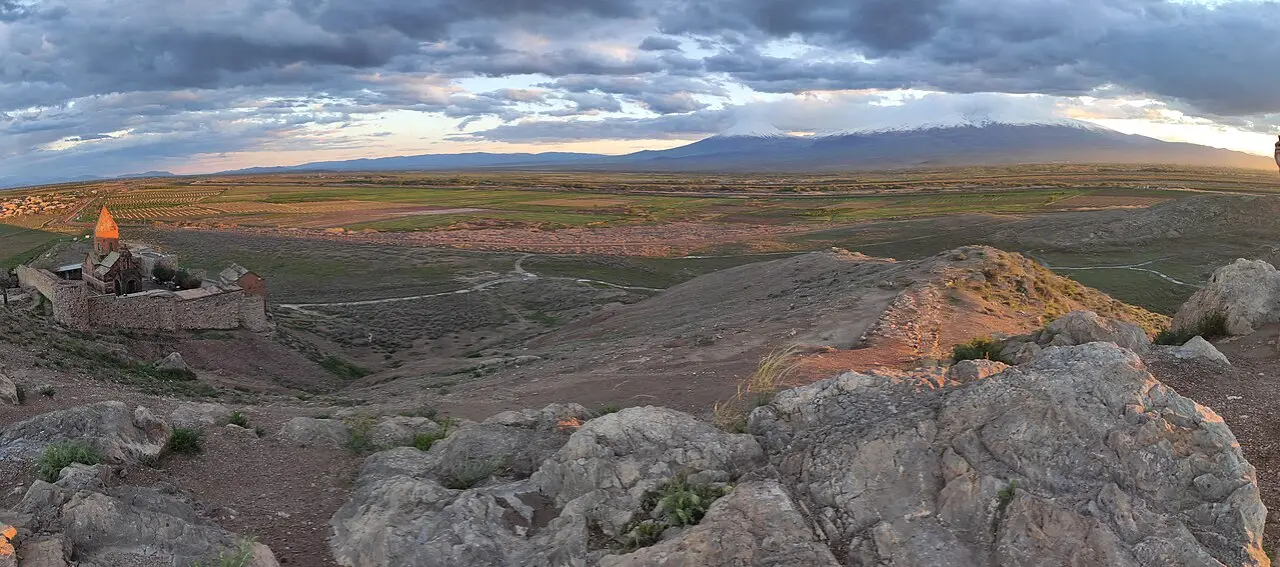
Line the advisories up against a normal itinerary and they barely touch it. The tourist core sits in the centre, west and interior of the country, and a classic route comes close to a flagged area exactly twice: at the Yeraskh stretch of the highway south, which you drive through without stopping, and at Goris, which sits right at the western edge of the zone the US bars its own staff from.
Yerevan and its day trips are fine. The monastery run of Khor Virap, Garni and Geghard, Noravank and Tatev is fine. Lake Sevan, the forests of Dilijan, the second city of Gyumri, the Areni wine country in Vayots Dzor, and Goris town and the village of Tatev in the south are all normal, welcoming destinations. The nuance in the southern advisory matters, though: what is flagged is the deep ground east of Goris and south of Kapan, hard against the border, and not Goris itself or the Tatev cable car, which sit on the tourist route and are calm. The margin there is real rather than academic, which is why the drive down is worth planning properly; we do it leg by leg in the deep south route from Goris to Meghri. If you’re mapping out your trip, our best day trips from Yerevan all stay comfortably inside the safe zone. The rule to keep in your head is the one above: 5 km from the eastern border, and off the Ijevan-Noyemberyan road.
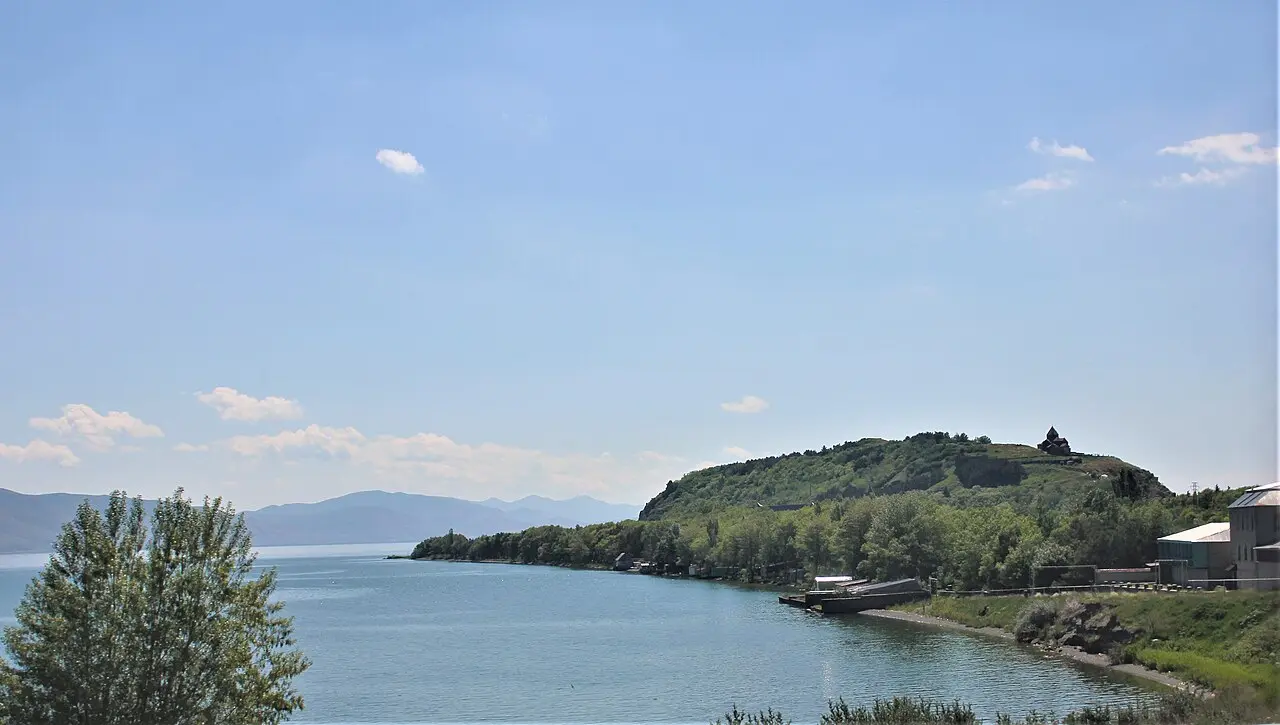
The risks that really affect tourists
If you strip out the border, the dangers that are statistically likely to touch a visitor are the ordinary risks of any trip, and one stands out above the rest.
Roads are the real hazard, though the death toll has been falling. Armenia’s Interior Ministry, answering a request from local outlet CivilNet, put 333 road deaths across 2024, close to one a day, against 232 in the first eleven months of 2025. Per month that is roughly 28 against roughly 21, about a quarter lower. The crashes themselves barely moved: 4,314 injury-causing accidents in 2024 against 3,840 over eleven months of 2025, which works out at almost the same monthly rate. In other words, the same number of people are still crashing, and fewer of them are dying. The ministry’s own half-year review in August 2026 found the same split in Yerevan, where the number of accidents rose while deaths and injuries fell. So expect fast, assertive overtaking, patchy lighting and rough surfaces once you leave the main highways. This isn’t hostility to outsiders but the general driving style, with rules read loosely and following distance rarely kept, so build spare time into every leg and don’t rush. If you’re renting a car, drive defensively and avoid long night drives on mountain roads; our driving in Armenia guide goes into the specifics. If you’d rather not drive at all, the shared taxis and marshrutkas covered in getting around Armenia do the job cheaply.
Mountain passes add a winter-specific risk. Armenia’s Rescue Service publishes a road-passability bulletin, and it runs every day of the year rather than only through the snow season; you’ll find it on the service’s “Roads in Armenia” page at rescue.mia.gov.am, which is the detail that makes “check the bulletin” an instruction you can actually follow. It names the passes and stretches affected that day. The bulletin of 3 January 2026, typical of a snowy week, closed the roads running from the Amberd high-mountain meteorological station up to Lake Kari and Amberd fortress; it closed the Noravan-Ltsen-Tatev road to articulated lorries and the Aghvani-Tatev road to trucks; and it listed the Vardenyats (Selim) Pass on the Martuni-Yeghegnadzor road as closed to articulated lorries and difficult to pass for every other kind of vehicle, which is the line that matters if you’re in a hire car. It also warned of black ice across Gegharkunik, Aparan, Aragats, Spitak and a string of other districts, and told drivers to use winter tyres. None of that should cancel a winter trip to Tatev or Dilijan; it just means reading that day’s bulletin and being ready to wait out a closure rather than pushing through one.
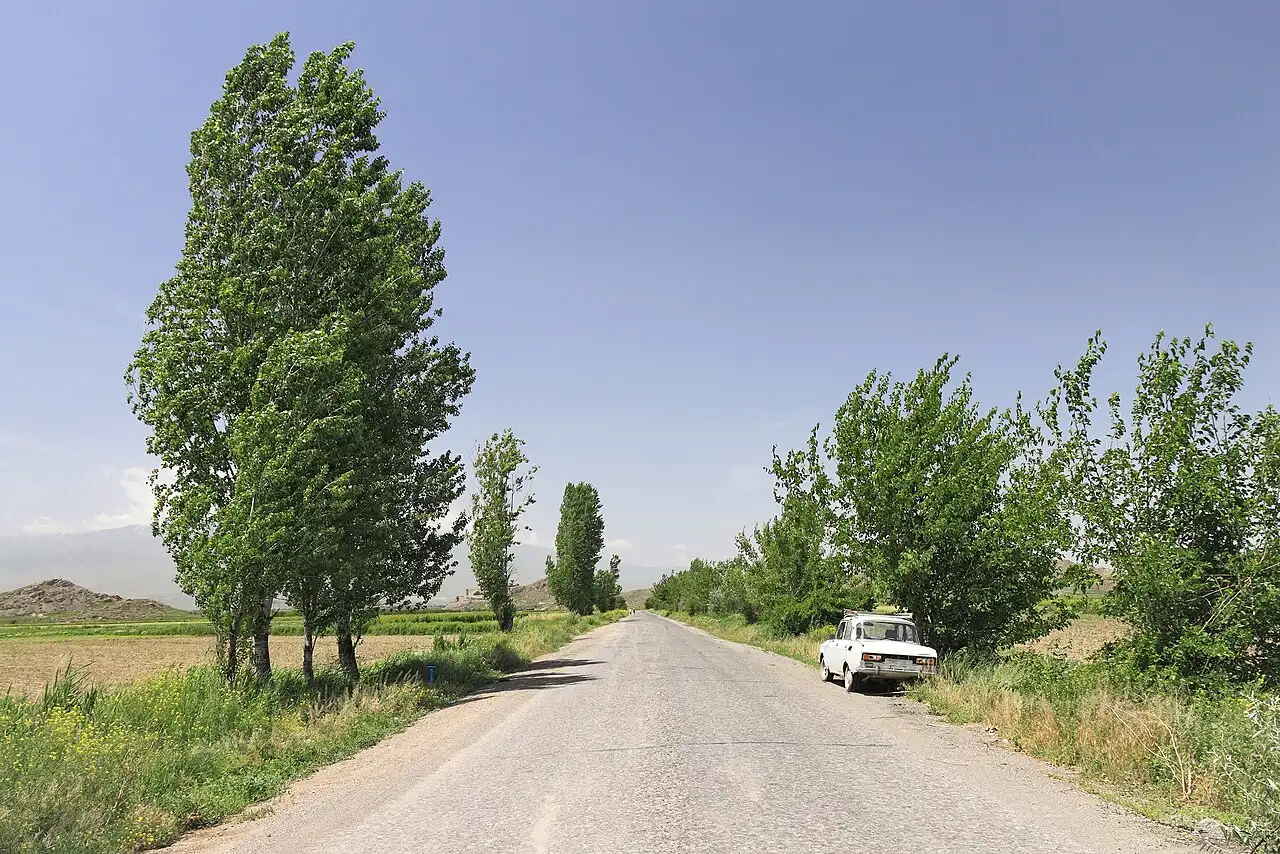
Armenia is earthquake country. It sits on the Arabia-Eurasia collision zone, and the history is serious: the 1988 Spitak quake in the north killed tens of thousands. Day to day this isn’t something to plan a short trip around, but the drill is quick to learn (get under a solid table, stay away from windows) on the unlikely chance you feel a tremor.
Politics can bring protests. Yerevan and Gyumri see occasional demonstrations, and high-profile arrests and political disputes brought people onto the streets in 2025. These are usually peaceful, but any crowd can turn, and as a foreigner you have nothing to gain by being in one. Give protests a wide berth and your trip carries on unaffected.
Insurance and staying reachable
None of the above should put you off, but two small pieces of admin make a real difference if something goes wrong. Under Armenian law, emergency medical care is provided free of charge to everyone, including foreign nationals, where there is an immediate threat to life. Everything short of that you pay for yourself, and a serious problem gets expensive fast, so a basic travel policy covering medical care, mountain activities and driving-related injury is the single smartest thing to pack; our travel insurance for Armenia checklist explains what to look for. The other is staying reachable. The emergency number here is 112, Armenia’s single line for the police and rescue services since February 2026; the old 911 still gets through, and an ambulance is 103. A local SIM or a travel eSIM gives you working maps and ride-hailing apps wherever there’s signal, which quietly removes most of the situations where visitors get stuck; note that a travel eSIM carries data only, so a phone that can dial out on an Armenian number means a local SIM, as our SIM card and eSIM guide explains.
For the entry rules that sit alongside all this, see our Armenia visa and entry guide, and to time your trip well, the best time to visit Armenia. Our things to know before visiting Armenia guide pulls the wider first-timer practicalities together.
The verdict
Armenia in September 2026 is a safe, rewarding place to travel for the ordinary visitor. Treat it like the low-crime country it is, stay 5 km or more from the eastern border and off the Ijevan-Noyemberyan road, which keeps you inside all four advisories at once, be wary of the driving and the winter mountain roads, and check your own government’s current advisory before you fly. Do that and the honest risk profile of an Armenian holiday looks a lot like a road trip anywhere: the scenery is the point, and the biggest thing to watch is the road.
People travelling alone should also read solo female travel in Armenia.
Read also
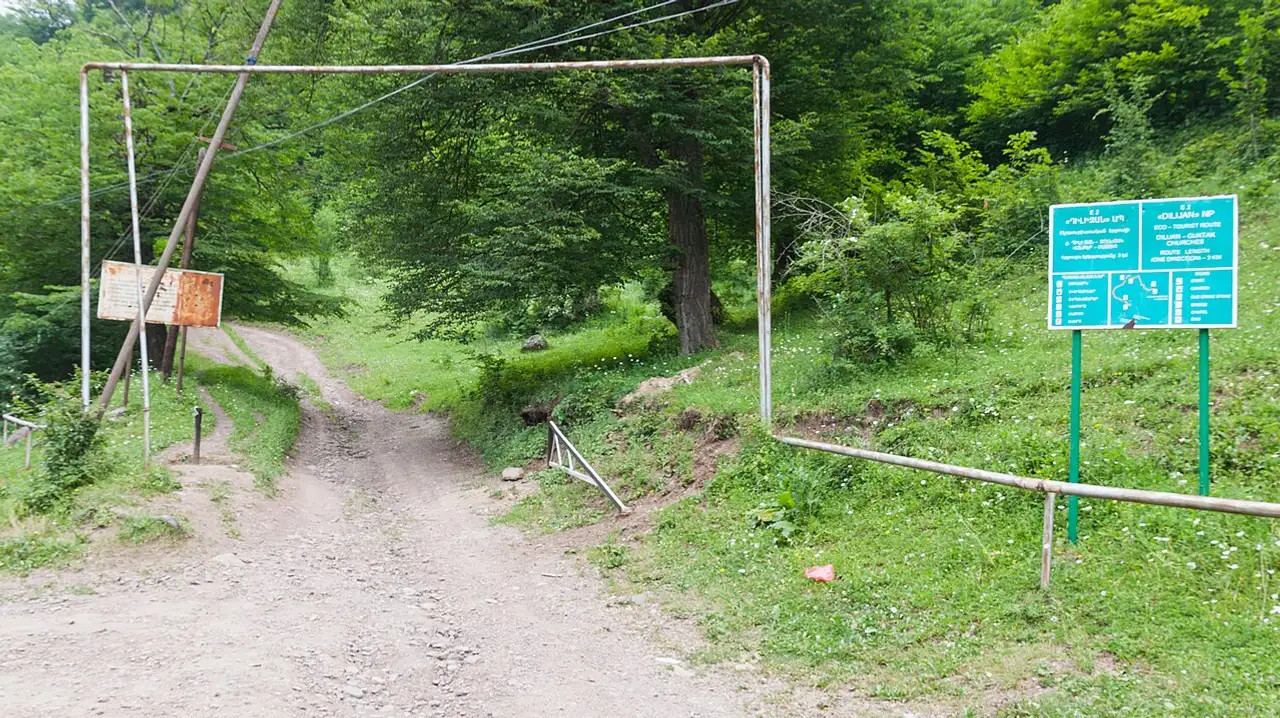
Before you go · 10 min read
What to Pack for Armenia: Plugs & Layers
Verified · August 7, 2026Armenia packing list: Type C/F plugs at 230V, summer heat in Yerevan vs cold mountain nights, layers, eSIM and insurance to sort before you fly.
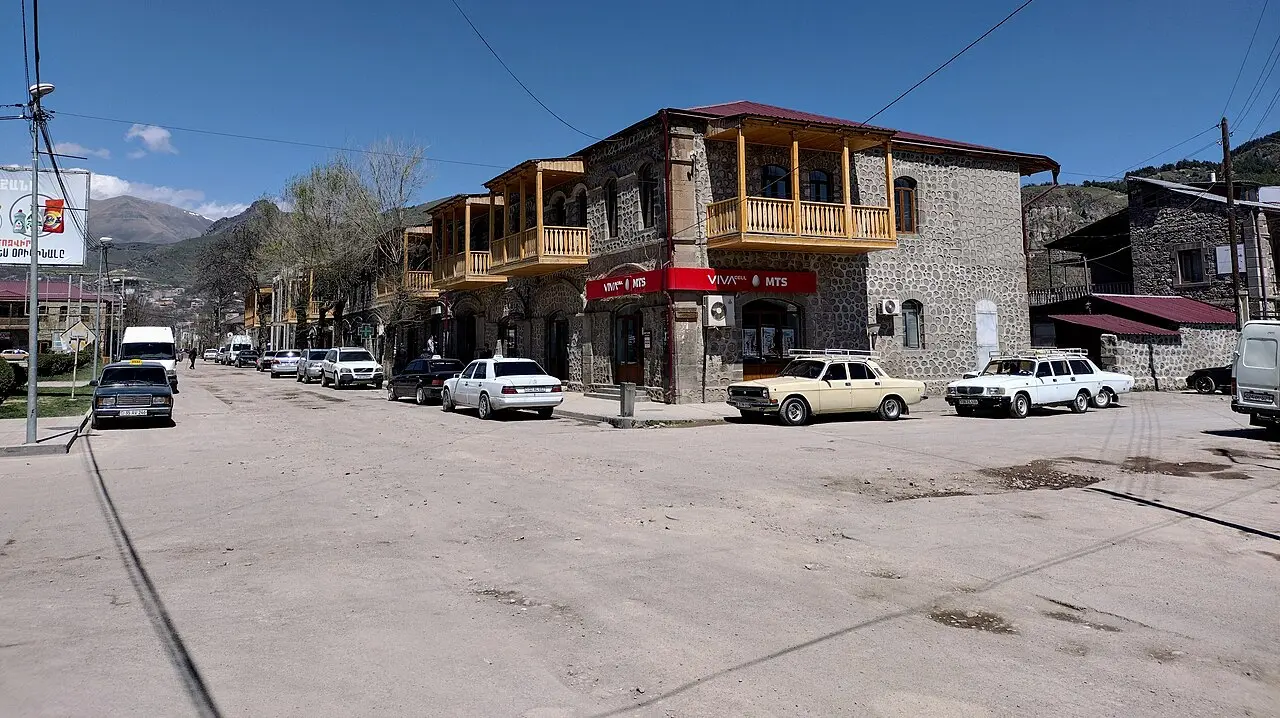
Before you go · 8 min read
Where to Stay in Goris: Hotels for Tatev
Verified · August 7, 2026Where to stay in Goris for Tatev: centre hotels and guesthouses, honest day-trip warning (12-13 hours), and what a night in Syunik actually costs.
Before you go · 8 min read
Solo Female Travel in Armenia: Is It Safe?
Verified · August 6, 2026FCDO reports low crime in Armenia. Solo women should avoid informal or street-hailed taxis and use app, licensed or arranged transport.
Before you go · 14 min read
Armenia in October: Autumn Colour and Wine Festivals
Verified · September 23, 2026Armenia in October: peak leaf colour 15-20 October, the Areni wine festival on the 3rd, five times September rain, and what shuts for winter.