What to Pack for Armenia: Plugs & Layers
Armenia packing list: Type C/F plugs at 230V, summer heat in Yerevan vs cold mountain nights, layers, eSIM and insurance to sort before you fly.
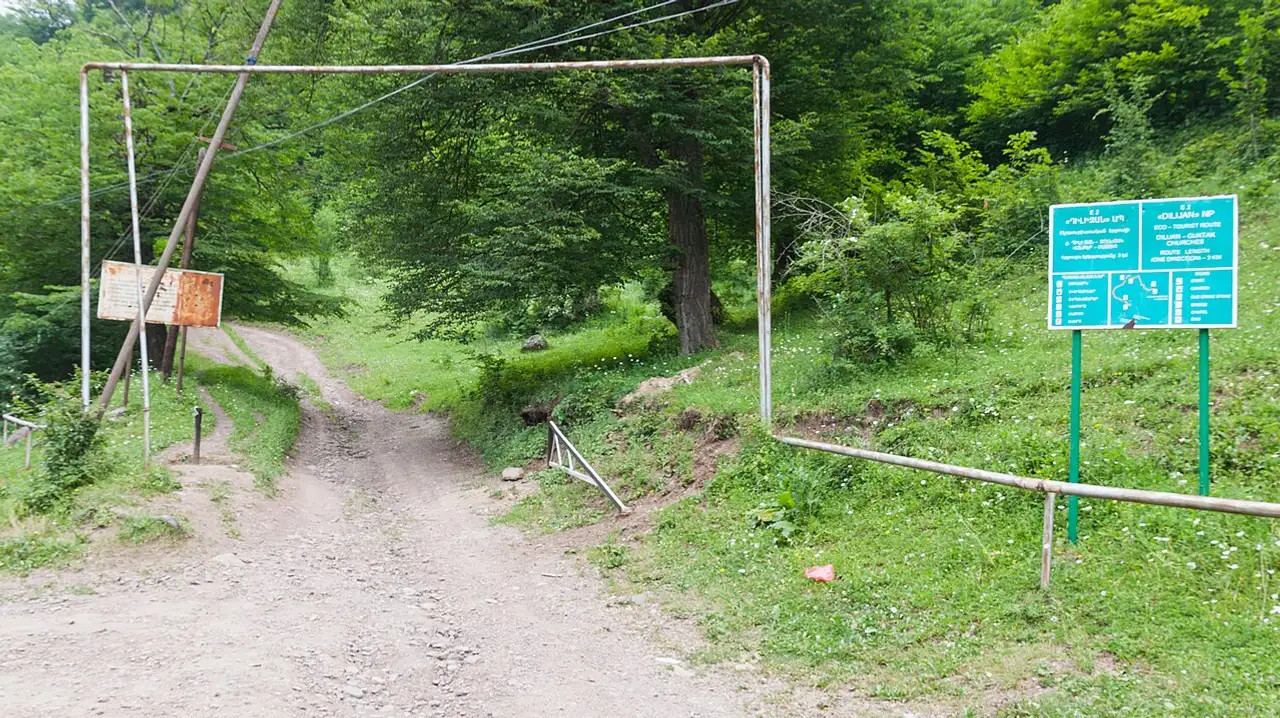
Pack for layers and a Type C/F adapter, not for one climate. Armenia runs on 230 V, 50 Hz with Type C and Type F sockets, so EU plugs fit and UK, US and Australian travellers need an adapter. In July and August Yerevan often hits highs around 34°C, yet the same afternoon can end cool at Lake Sevan near 1,900 m or in the forests around Dilijan. Facts here were checked on 7 August 2026; treat weather as typical, not a guarantee.
The mistake first-timers make is packing a “summer city” bag and then freezing on a cable car, a pass or a monastery courtyard after dark - or, if you’re camping, on a Lake Sevan beach at midnight. Armenia is small on the map and huge in altitude. Once you’ve planned for that split, the rest of the list is short and practical; campers should also read camping in Armenia for water, fires and site choice.
Power plugs: Type C/F at 230 V
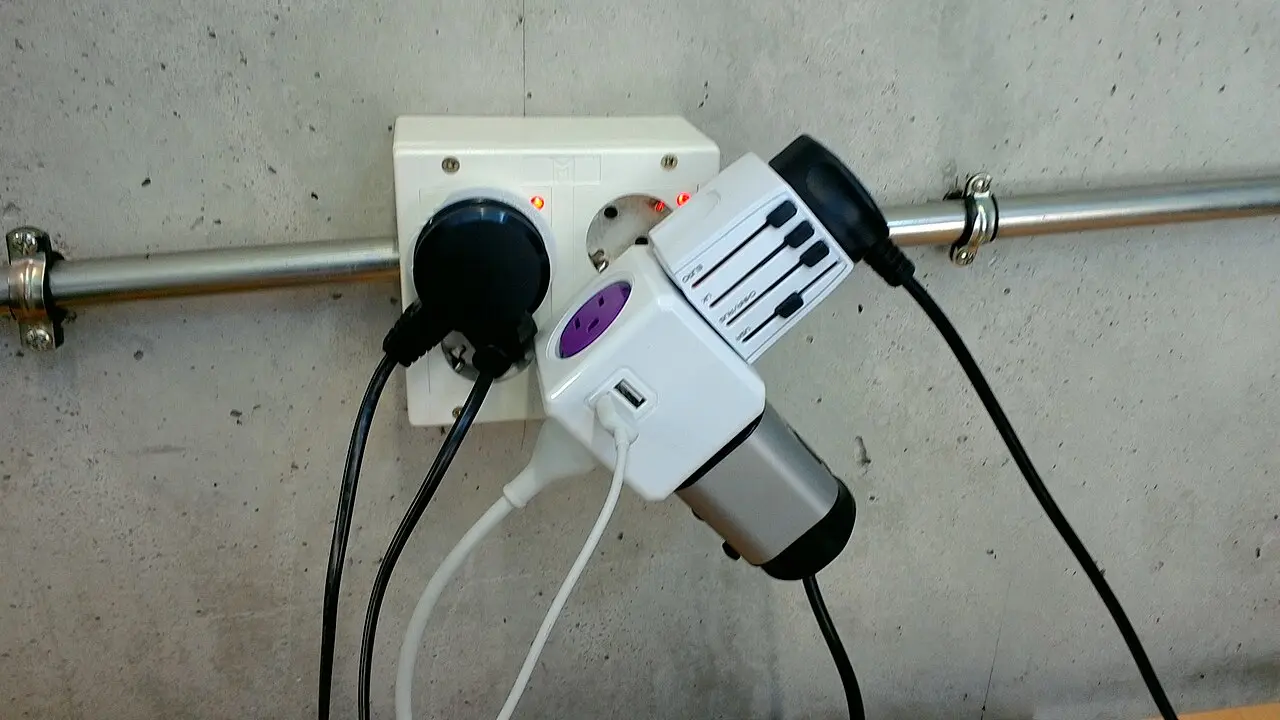
This is the search people actually type before they fly, so here is the short answer without fluff. Armenia uses Type C (two round pins, Europlug) and Type F (Schuko, two round pins with side earth clips). Mains power is 230 volts at 50 Hz, the same broad standard as most of continental Europe. A Type C plug will seat in a Type F wall outlet; modern installs lean toward grounded Type F sockets.
Who needs an adapter:
- EU / most of continental Europe: usually nothing. Your phone and laptop chargers already fit.
- UK / Ireland (Type G): yes, you’ll need a travel adapter.
- USA / Canada (Type A/B): yes. Also check the label on anything that isn’t a phone, laptop or camera charger. If it says 100-240 V, you only need the plug shape. If it’s single-voltage 110-120 V gear (some hair tools, older appliances), leave it at home or bring a proper converter, not just a plastic adapter.
- Australia / New Zealand (Type I): yes, adapter only for dual-voltage chargers.
One practical tip: Armenian hotel rooms aren’t always generous with free sockets. A small two- or three-way splitter that accepts Type C/F saves the evening scramble when four people are charging phones, a power bank and a camera. Buy it before you fly; airport shops are a last resort.
The real packing problem: Yerevan heat vs mountain cold
Armenia’s weather page is the place for month-by-month numbers; our Armenia weather by month guide keeps the full table. For packing, you only need the shape of the contrast.
Yerevan sits near 1,000 m. In July and August typical highs sit around 34°C, nights around 19°C, and the pink tuff holds heat into the evening. Midday sightseeing in Kentron is hard work. Linen or light cotton, a sun hat with a brim, sunglasses and high-SPF sunscreen earn their space. Flip-flops are fine for the hotel and evening walks; they’re useless on monastery cobbles.
Lake Sevan is near 1,900 m. Even in high summer the air and the water stay cooler than the capital, and wind off the lake cuts through a T-shirt once the sun drops. Dilijan sits in forest around 1,500 m and feels several degrees kinder than Yerevan on the same day. Drive toward Aragats, high passes or an early Wings of Tatev ride and you’ll want a real mid-layer, not a decorative cardigan.
So the non-obvious rule is this: pack as if every summer day has two climates. One set of breathable day clothes for the capital and the Ararat plain. One warm layer you can pull on in a taxi, on a cable car or at a lakeside dinner. People who “only packed for heat” buy an overpriced fleece in a tourist shop. Don’t be that person.
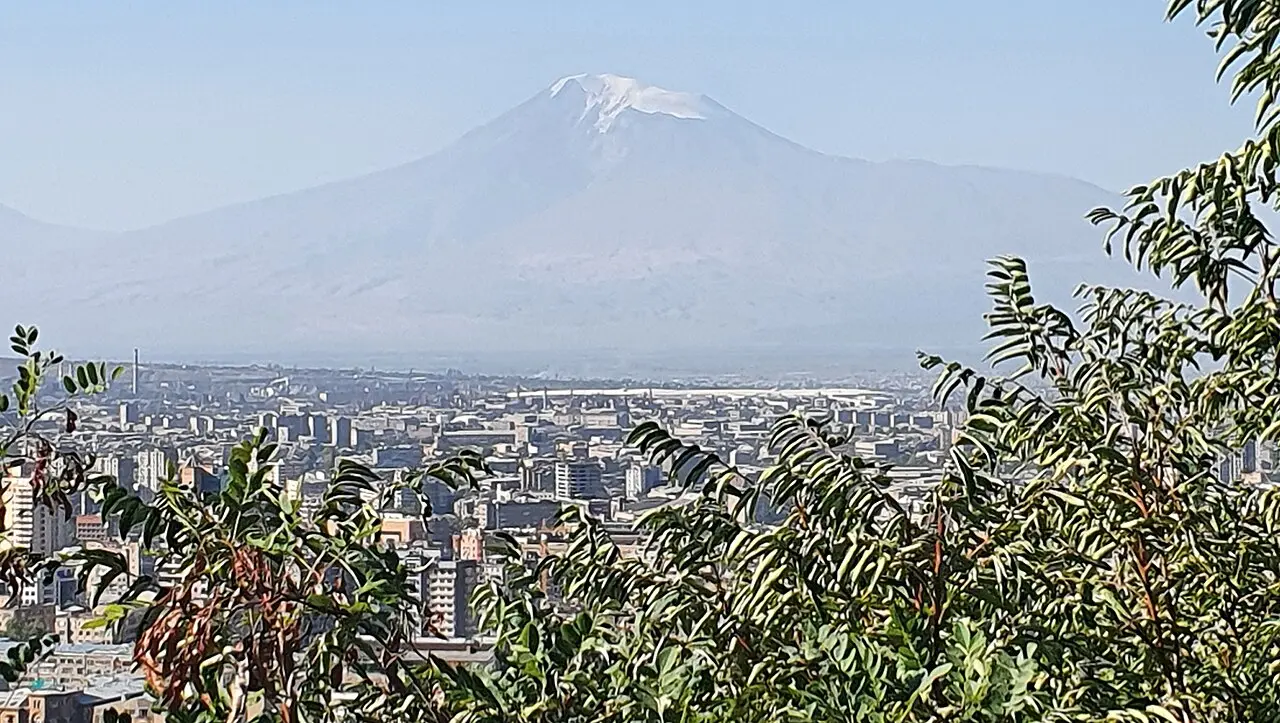
For the bigger seasonal call - when to come at all - use best time to visit Armenia. May and September-October are the easiest packing months: warm days, cool evenings, less furnace heat in the capital. You’ll pack less and still cover both climates.
Clothes that actually get worn
Think in three piles, not twenty outfits.
Everyday: two or three light tops, one pair of trousers or jeans that survive long marshrutka rides, one pair of shorts or a summer dress for Yerevan evenings, underwear for every day plus one spare. Dark colours hide road dust better than white linen after a day on southern asphalt.
Warm layer: a fleece or light down jacket that compresses into the daypack. In shoulder season add a thin waterproof shell; spring and autumn still throw showers, especially in the north.
Church-ready cover: shoulders and knees covered for Armenian Apostolic monasteries. A light scarf or long-sleeve shirt in the daypack solves it without changing your whole outfit. Many churches keep wraps at the door, but bringing your own is faster and cleaner.
Skip the formal dress code stress for Yerevan itself: the capital dresses like any European city. Save the modest layers for Geghard, Tatev, Haghpat and the other stone courtyards on your list.
Shoes: the packing decision that saves your feet
You’ll need two pairs, not five.
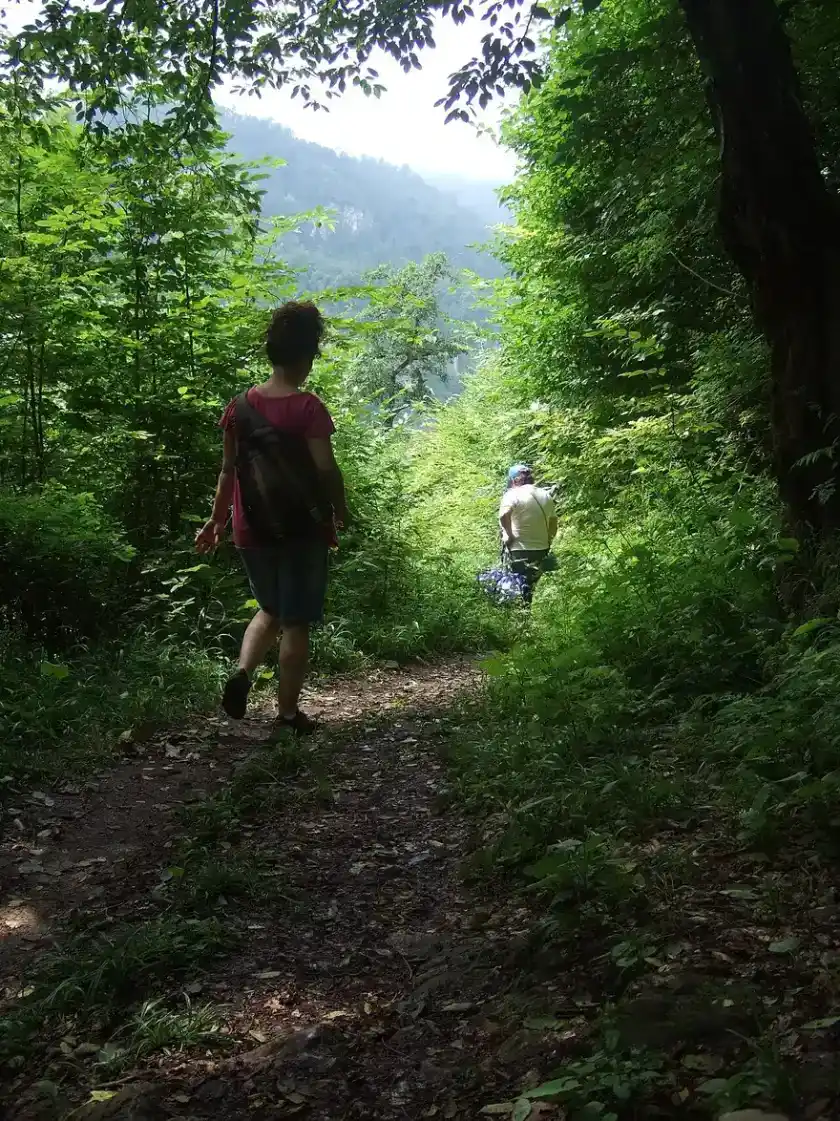
- Broken-in walking shoes or light hikers with grip. Monastery approaches, Dilijan forest paths, Khndzoresk steps and cobbled old towns punish fashion trainers. Ankle support helps on loose gravel.
- Comfortable city shoes or sandals for evenings and short capital walks.
If you only hike once, trail runners are enough. If the trip is built around Lastiver, Aragats or multi-hour gorge walks, pack proper hikers and blister plasters. New boots on day one are a classic way to ruin Tatev - don’t do that to yourself.
Daypack essentials (the bag you actually carry)
Your suitcase stays in the room. The daypack does the work you’re actually going to need:
- refillable water bottle (Yerevan tap water is drinkable; see our first-timer tips for the caveats outside the capital)
- sunscreen, lip balm, sunglasses, brimmed hat
- light layer, even in July
- small first-aid strip: plasters, painkillers you already trust, any prescription meds in original packaging
- portable power bank (full before long southern drives)
- photocopy or phone photo of your passport biodata page
- a few thousand dram in small notes for marshrutkas, candles and roadside fruit
Leave the bulky guidebook at home if you’ve got offline maps. Bring a compact umbrella only in spring or autumn; high summer is mostly dry in Yerevan.
Phone, data and offline maps
Connectivity is cheap in Armenia, but landing already online is still the calmest start. Install a travel eSIM before you fly so maps and ride apps work the moment you clear Zvartnots. Yesim is the partner route on this site; other brands such as Airalo exist as ordinary options too, without a link from us. If you prefer a local SIM with an Armenian number, our SIM and eSIM guide compares Viva, Ucom and Team and explains when the airport kiosk is worth the queue.
Also download offline maps for Yerevan, Dilijan, Goris and the southern loop while you’ve still got home Wi-Fi. Coverage thins on mountain roads even when your plan is good.
Documents and travel insurance
Passport validity, visa rules and entry stamps live on their own pages; packing only needs the physical habit. Carry the passport on travel days, keep a digital copy in cloud storage, and store a paper photocopy separate from the original. EU, UK, US and Australian passport holders usually enter visa-free for tourism, but confirm your nationality against the current MFA list before you book - Canadians aren’t on the unilateral passport visa-free list (other routes may apply; check evisa.mfa.am). Start with our Armenia visa and entry guide rather than a random blog.
Travel insurance belongs in the bag you never hope to open. Clinics in Yerevan handle routine care, yet mountain roads, cable cars and rental-car excesses are exactly why a policy with medical cover and evacuation wording is worth sorting at home. Compare options early; travel insurance for Armenia walks through what to look for, and our safety overview at Is Armenia safe? covers the practical risk picture without the scare headlines.
Seasonal quick lists
May-June: layers, light rain shell, walking shoes, adapter, eSIM. Days warm up fast; evenings still cool up high.
July-August: maximum sun protection, breathable fabrics, one warm mid-layer, more water capacity, adapter, eSIM. Expect capital heat and highland chill on the same itinerary.
September-October: the easiest bag. Daytime warmth, sharper nights, possible rain later in October, still the same Type C/F adapter.
November-March: proper winter coat, hat, gloves, insulated shoes if you’re leaving the capital, and the same plug kit. Ski days at Tsaghkadzor need their own kit list; city sightseeing is calmer than the mountain forecast suggests, but nights are cold.
What you can skip
You don’t need formal clothes for restaurants in Yerevan. You don’t need a voltage converter for modern phone and laptop chargers. You don’t need a week’s worth of bottled water if you’re based in the capital. You don’t need five pairs of shoes. And you don’t need to pack “for Armenia” as if it were one beach climate - that single assumption is what leaves people underdressed at Sevan and overdressed at Republic Square after dark.
Get the adapter right, pack one warm layer for altitude, set up data before you fly, and the rest of the suitcase can stay light. That’s the whole job.
Quick pack checklist
- Type C/F adapter (plus splitter if you share a room)
- Dual-voltage chargers only; leave 110 V-only tools at home
- Breathable day clothes + one warm mid-layer every season
- Walking shoes with grip + one evening pair
- Sun hat, sunscreen, sunglasses
- Scarf or long sleeves for monasteries
- Daypack, water bottle, power bank
- eSIM installed or a plan for a local SIM
- Passport, digital copy, travel insurance documents
- Small cash float in dram for the first day outside card-friendly Yerevan
Photos
Read also
Before you go · 8 min read
Where to Stay in Goris: Hotels for Tatev
Verified · August 7, 2026Where to stay in Goris for Tatev: centre hotels and guesthouses, honest day-trip warning (12-13 hours), and what a night in Syunik actually costs.
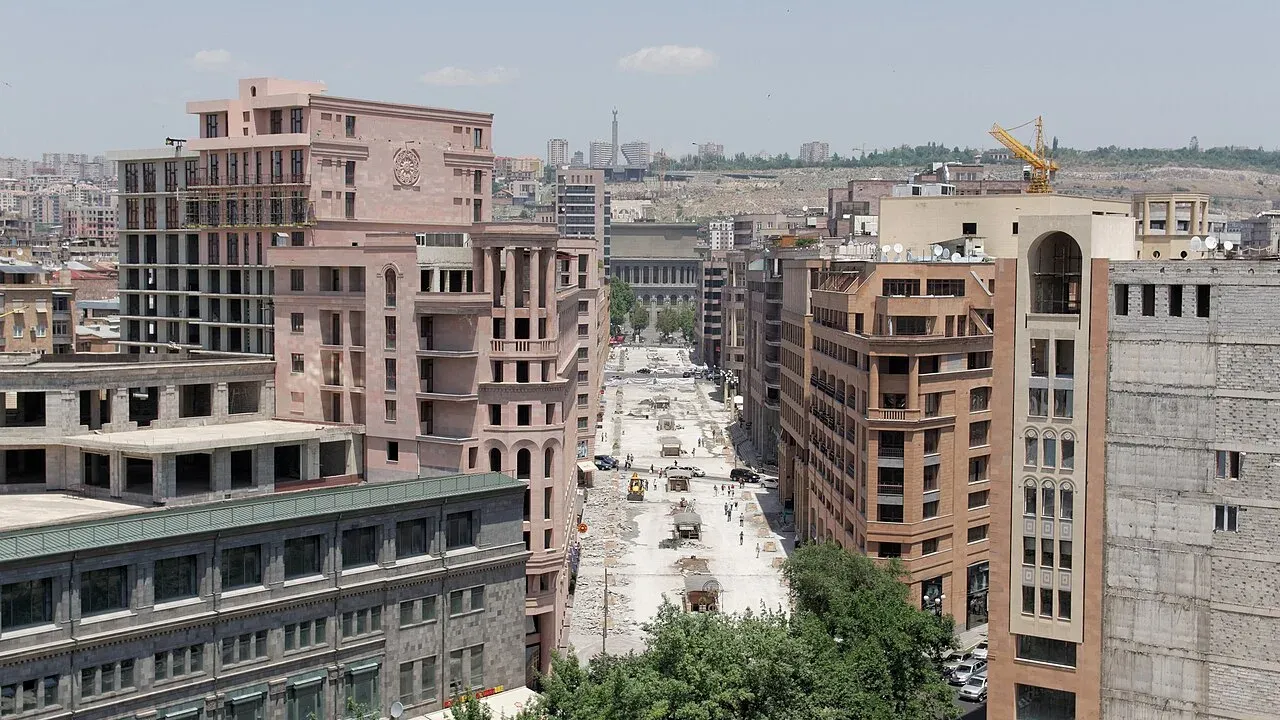
Before you go · 8 min read
Solo Female Travel in Armenia: Is It Safe?
Verified · August 6, 2026FCDO reports low crime in Armenia. Solo women should avoid informal or street-hailed taxis and use app, licensed or arranged transport.
Before you go · 12 min read
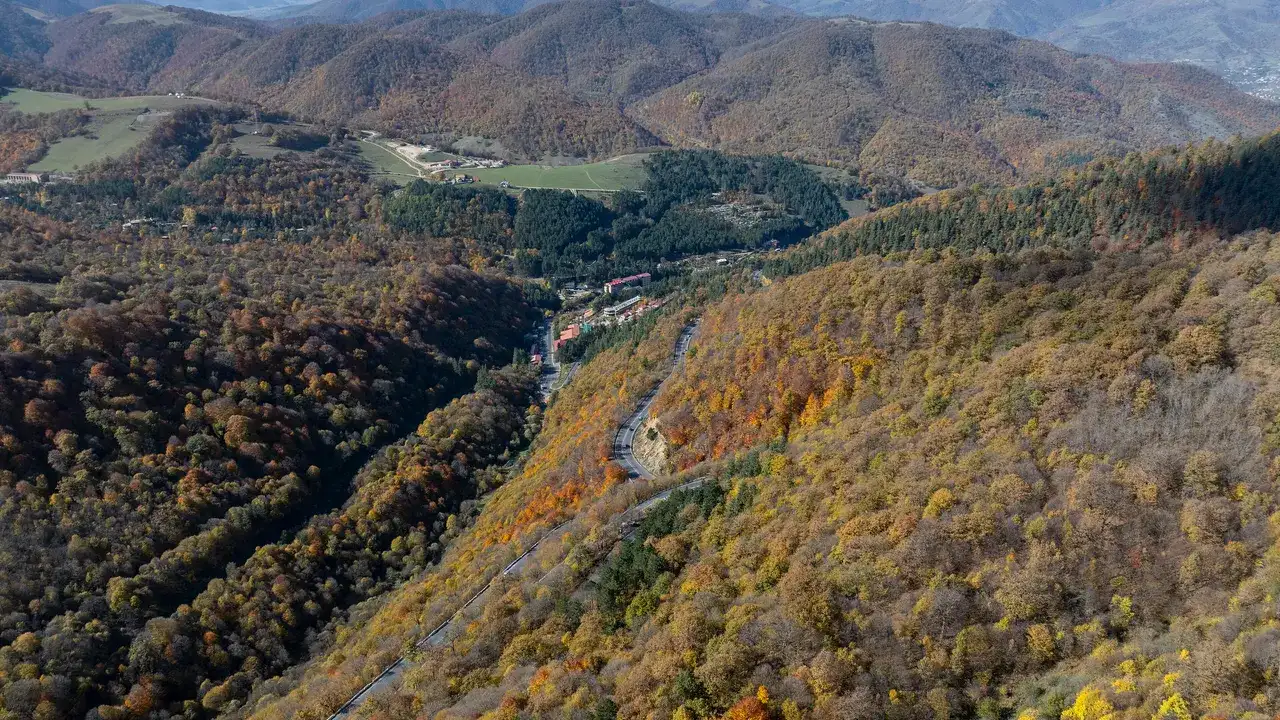
Armenia in October: Autumn Colour and Wine Festivals
Verified · September 23, 2026Armenia in October: peak leaf colour 15-20 October, the Areni wine festival on the 3rd, five times September rain, and what shuts for winter.
Before you go · 10 min read
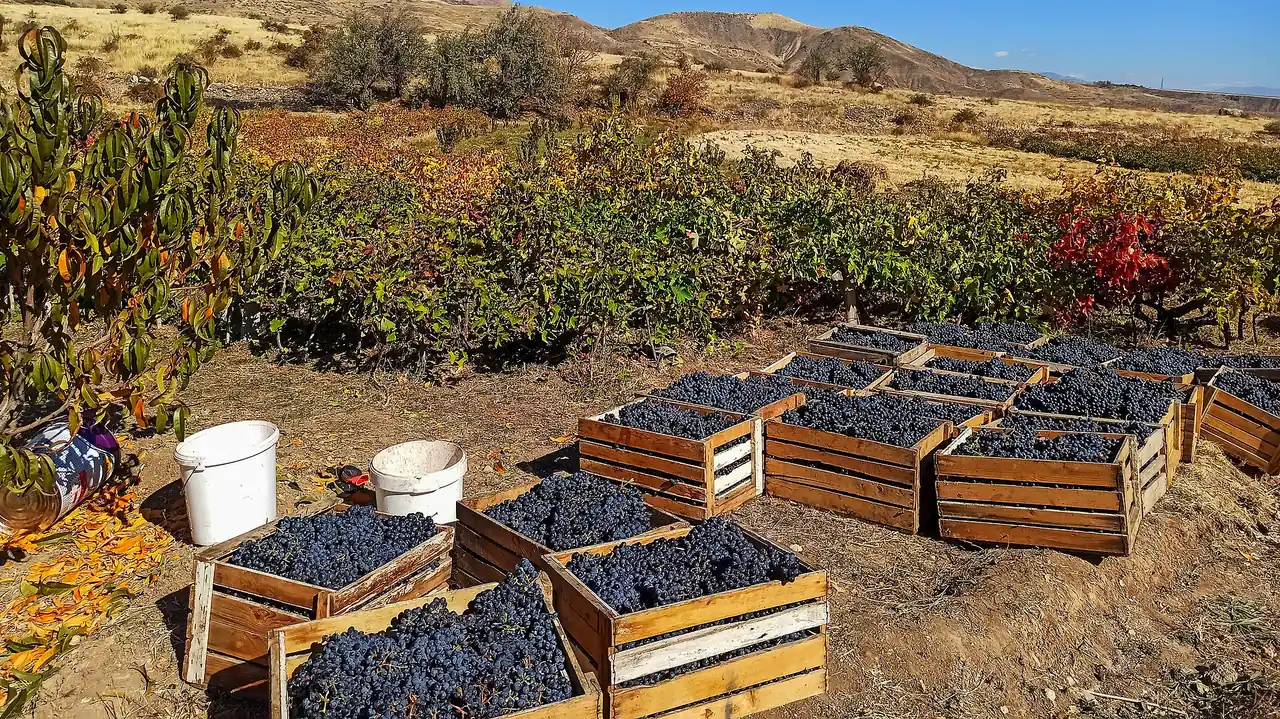
Armenia in September: Weather, Harvest and Events
Verified · September 23, 2026What September is really like in Armenia: hot first half, perfect second half, the grape harvest, Independence Day on 21 September and what is open.