Armenia Weather by Month
Armenia weather month by month: average temperatures, rain and what is open or closed, from snowbound January to the golden harvest of October.
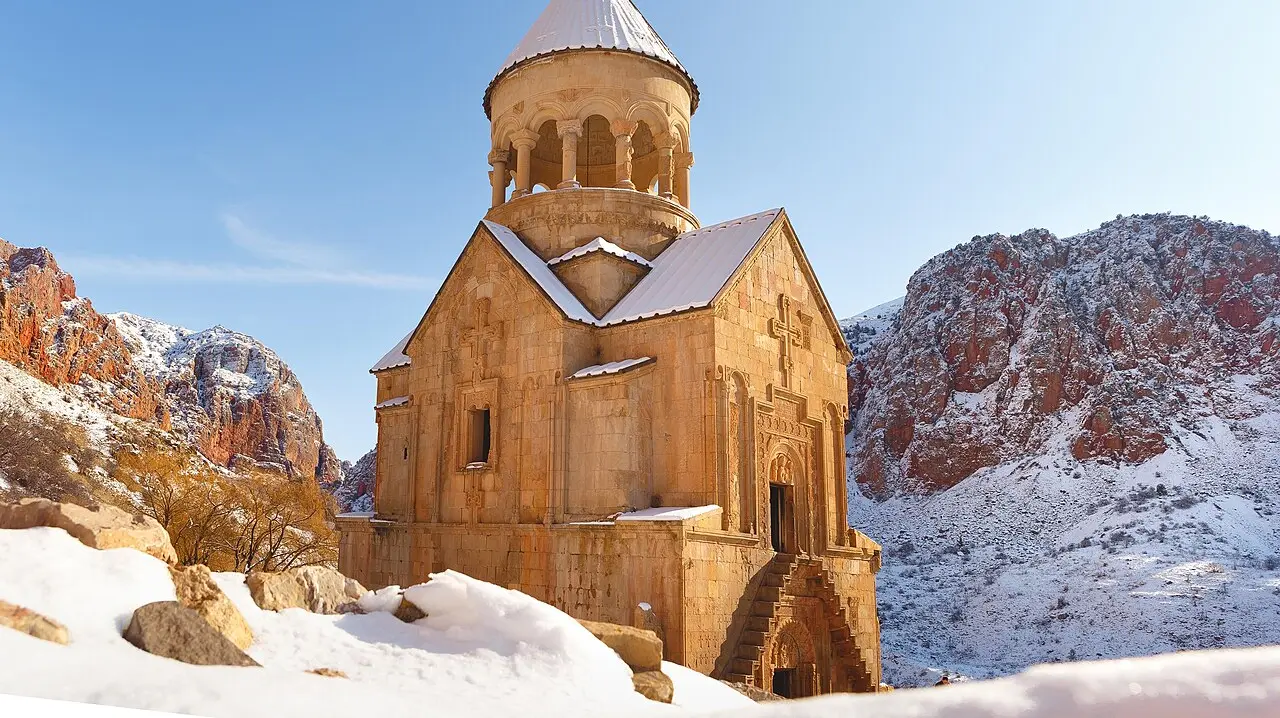
Armenia’s weather runs to extremes for a small country: think a hot, dry continental summer and a genuinely cold, sometimes snowbound winter, with two short, lovely shoulder seasons in between. If you just want the mildest weather, aim for May or the second half of September into October. But averages hide as much as they show here, so this guide goes month by month, with rough temperatures, how much rain to expect, and, just as usefully, what’s actually open or closed at that time of year. If you want the seasons weighed up as recommendations rather than a reference, our companion guide to the best time to visit Armenia does exactly that; this page is the month-by-month detail.
One thing to fix first, because it changes everything below: the figures here are for Yerevan, at around 1,000 m, and Armenia is a high, crumpled country. Lake Sevan sits near 1,900 m and is always cooler and windier; the ski slopes and mountain passes climb past 2,400 m and hold snow for months. So read every temperature below as the warm baseline, add a jacket for the high country in any season, and assume the mountains run several degrees colder than the capital. With that caveat in place, the year runs like this.
The year at a glance
Before the detail, the shape of it. These are approximate Yerevan daily highs and lows, rounded, and the general rain picture; treat them as typical, not guaranteed.
- January: around 1°C / -8°C, occasional snow. Deep winter, ski season, low season.
- February: around 6°C / -5°C. Cold, still skiing.
- March: around 14°C / 1°C, wetter. Plains greening, mountains still white.
- April: around 20°C / 6°C, the rainiest stretch. Blossom on the plains.
- May: around 25°C / 11°C. Green, fresh, one of the two best months.
- June: around 31°C / 15°C. Hot begins; apricots ripen.
- July: around 34°C / 19°C, dry. The hottest month; lake season.
- August: around 34°C / 19°C, the driest month. Hot; lake season.
- September: around 30°C / 14°C. Warm, harvest, the other best month.
- October: around 22°C / 7°C, rain returns. Golden, grapes and pomegranates.
- November: around 13°C / 0°C. Cooling fast into low season.
- December: around 4°C / -5°C, snow. Cold; ski season opens.
Annual rainfall is modest, on the order of 370 to 430 mm depending on the source, and it’s spread unevenly: the wettest months are March through May and again in October, and the driest are the high-summer stretch of July and August. Now to the detail, quarter by quarter.
January and February: deep winter
The coldest weeks of the year. January is the bottom of the thermometer, with Yerevan highs barely above freezing (around 1°C) and nights down near -8°C; February eases only slightly. Snow falls in the capital and can lie for days, and the high country is properly wintry. Humidity is at its yearly peak and the sun is scarce, so expect grey, short days in the city.
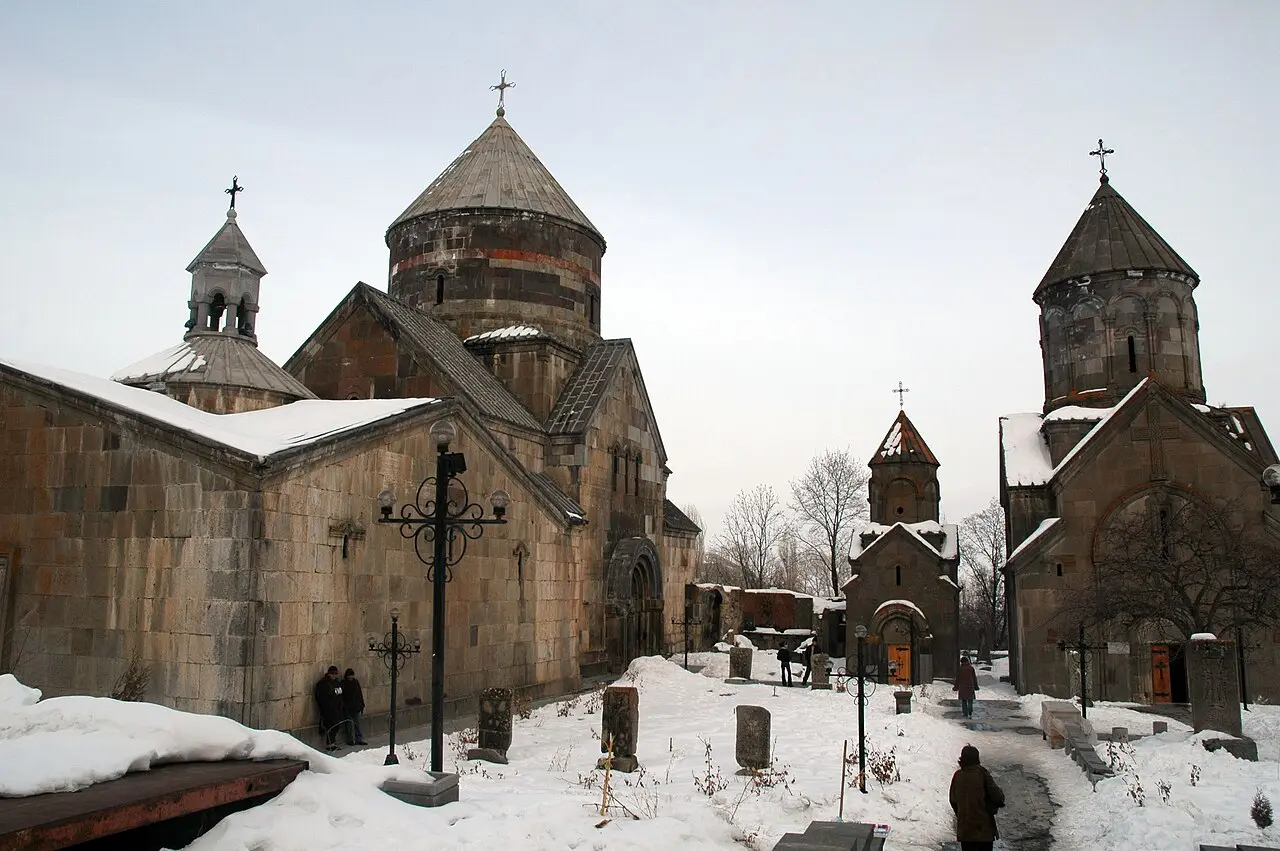
What that means for a trip: this is ski season, centred on Tsaghkadzor, where the linked lifts climb to around 2,819 m and the snow is usually best in January. It’s also low season for everything else, so prices soften and the monasteries stand near-empty under snow, which is quietly beautiful if you dress for it. The trade-offs are real, though: the high mountain roads can close with weather, the Vardenyats (Selim) Pass is shut by snow, and a long southern road trip is slow and unpredictable. The Wings of Tatev cable car still runs, but on shorter winter hours (10:00-18:00) and, as in every other season, closed on Mondays; the operator’s winter table also resumes only from 2 January, so check tatever.am if it’s on your list.
March and April: the wet, greening spring
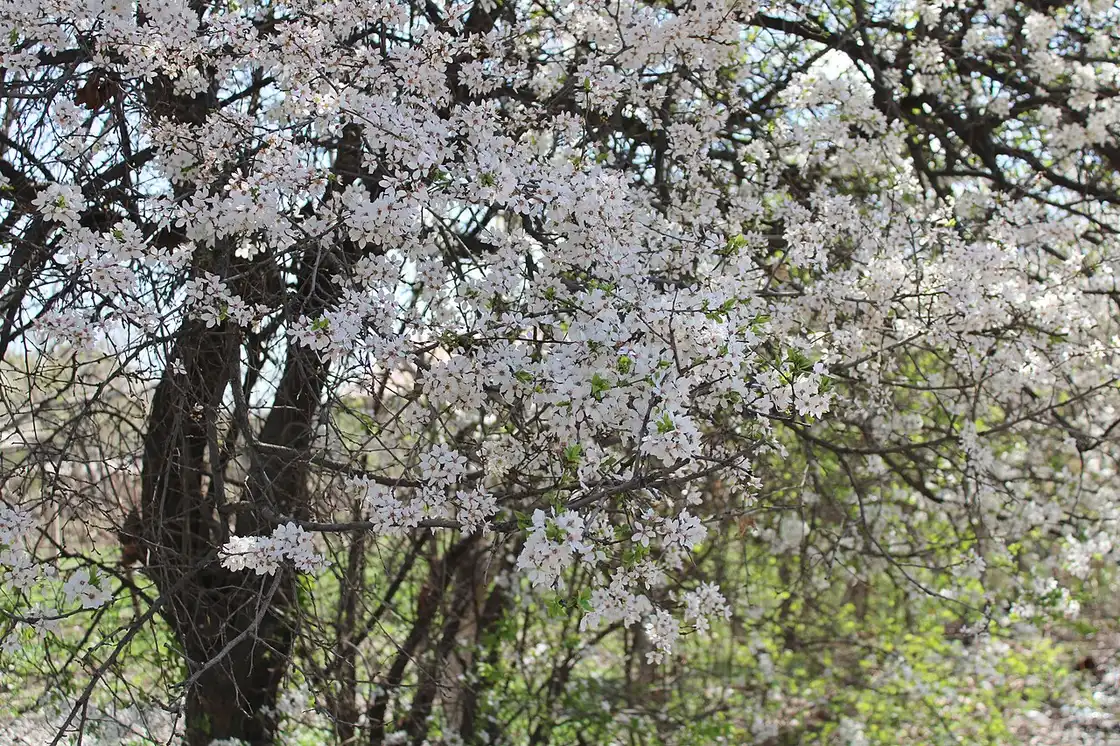
Spring arrives on the plains well before the mountains. March swings widely, with Yerevan highs climbing toward 14°C by day but nights still near freezing and the peaks white; April warms further, to around 20°C, and the fruit trees blossom across the Ararat plain. The trade-off is water: this is the rainiest part of the year, with April the single wettest month, so pack for showers and expect some mountain roads to open late.
For sights, March is still mostly a capital-and-lowlands month; the high passes and northern forests can stay cold and damp. April is lovelier and greener, and the snowmelt has the rivers and waterfalls running full, but the Selim Pass and the highest routes may still be closed early in the season. Ararat, worth knowing if you are chasing the view, tends to be at its clearest in spring and autumn.
May and June: the sweet spot, then the heat
May is, for many, the best single month of the year: Yerevan highs around a comfortable 25°C, cool evenings, the plains fully green, and the waterfalls still full. Rain is easing but not gone. Almost everything is open by now, and the country looks its freshest. If you want one word of warning, it’s that May can still throw a wet afternoon, so keep a light layer handy.
June is where summer announces itself. Highs jump to around 31°C in Yerevan and the rain drops off sharply, so days turn hot and reliably dry. It is the gentlest of the three summer months, and it lands two treats: the first apricots ripen (Armenia’s signature fruit, at its best from late June), and the open-air street festival of Yerevan Wine Days typically falls in early June, though the exact dates shift each year, so confirm before you build a trip around it. By late June the lakes and forests are already the smart place to be in the afternoon heat.
July and August: hot, dry and lake season
The peak of summer, and the one stretch that most needs a caveat. Yerevan in July and August is genuinely hot, with highs around 34°C and the pink tuff of the city radiating warmth into the evening; August is the driest month of the year, with barely any rain. If your whole trip is capital-bound now, you will spend it hunting shade, and the city only really comes alive after dark, when the fountains run and the cafes fill.
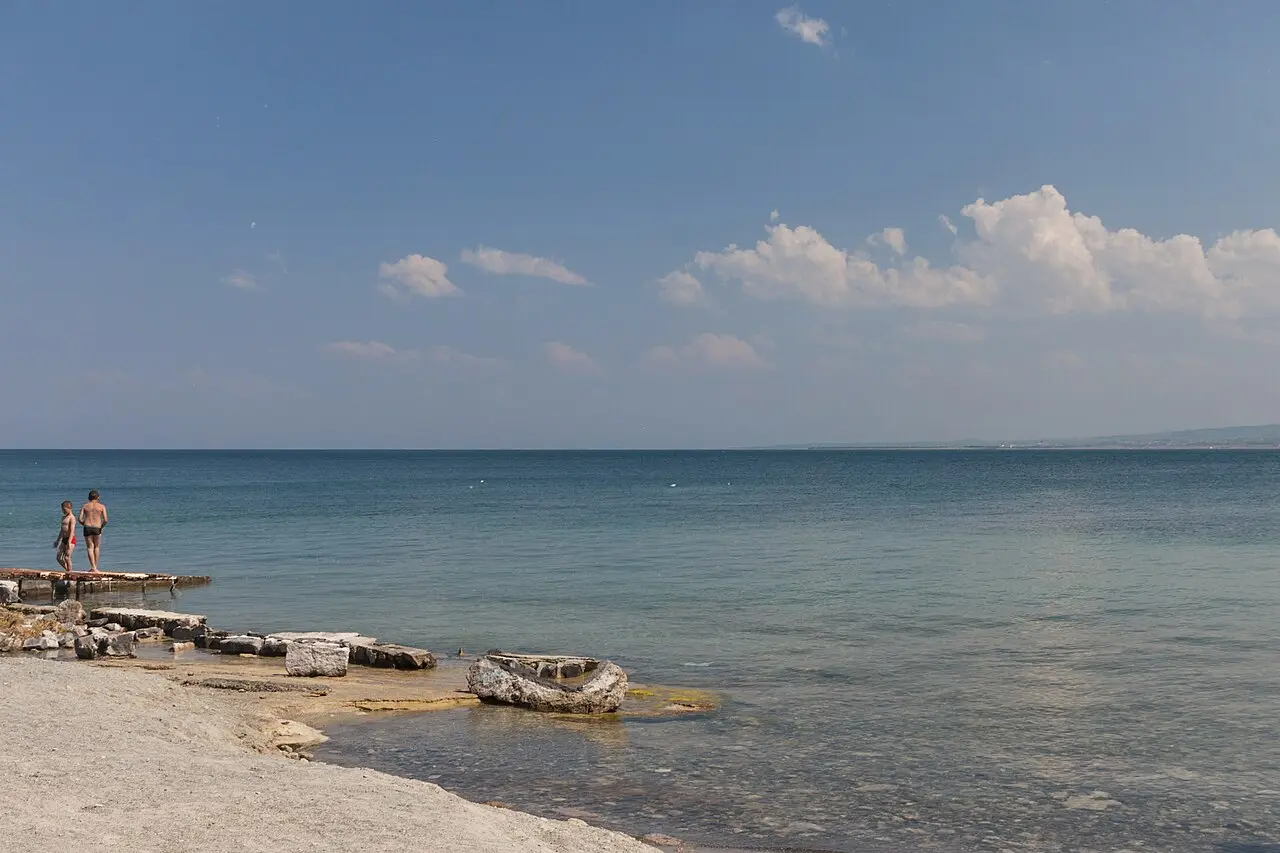
This is exactly when altitude pays off. Drive an hour to Lake Sevan and it’s noticeably cooler by the water; these two months are the only realistic window for a swim, since the lake sits high and stays cold the rest of the year. Carry on to Dilijan and you’re in cool, forested air. The high passes, including Selim, are open and at their most spectacular now, and the apricot season runs into early August. In short: get out of the hot capital and into the mountains and the water, and high summer is a pleasure rather than a trial.
September and October: harvest and gold
If May is the spring peak, September is its autumn equal, and for a first visit it may edge ahead. Highs ease back to around 30°C early in the month and fall through it, the furnace of August lifts, and the harvest comes in: grapes, pomegranates and market stalls piled high. Rain is still light early on. It’s warm, ripe and, for many, the single best time to be here, and our dedicated guide to Armenia in September tracks the month from its summer start to its harvest finish.
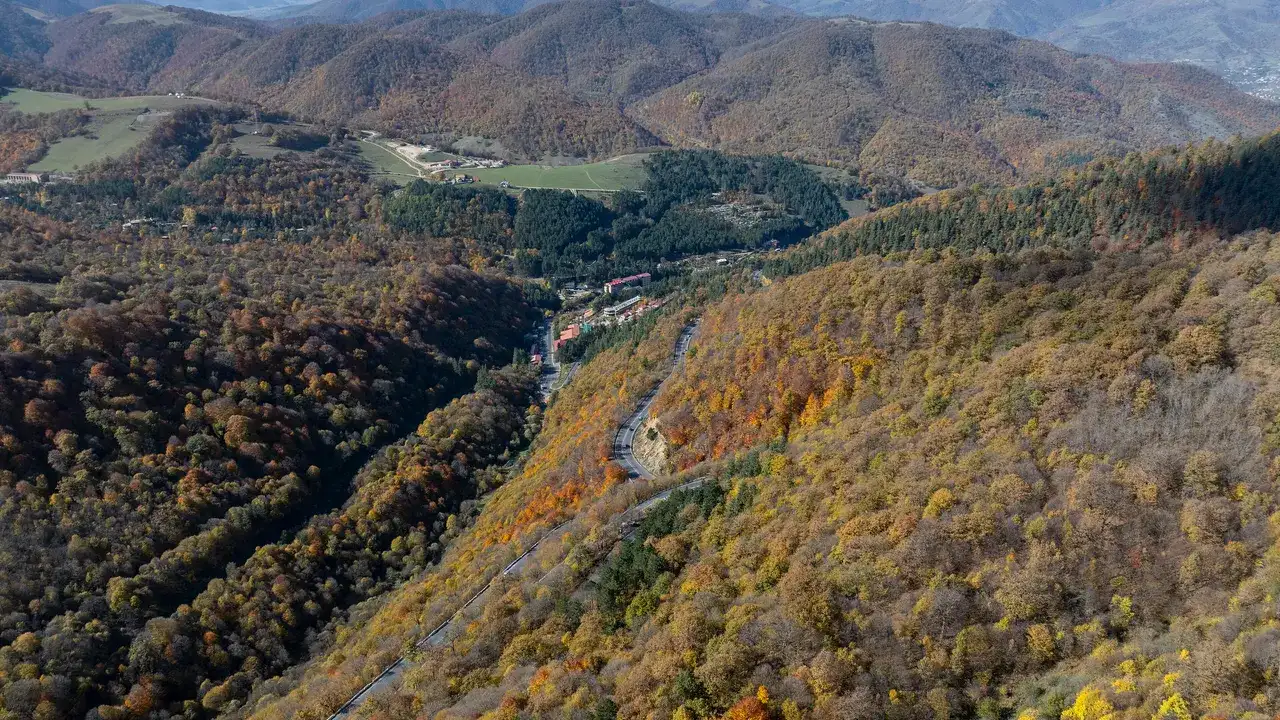
October cools faster, to daytime highs around the low 20s and sharp nights up high, and the autumn rains return, making it the wettest month after the spring. But it’s also the golden one: the forests around Dilijan turn orange and yellow, the light is the softest of the year, and the wine country celebrates the harvest, with the Areni Wine Festival traditionally on the first Saturday of October (dates shift, so confirm). Grape season runs September into November, and September and October are the two best months for pomegranates, with picking running on into November in the far south. The one caveat is that late October can turn abruptly cold and grey, and the Selim Pass may close for the winter toward the end of the month, so the earlier half is the safer bet.
November and December: the turn back to winter
The year closes as it began. November cools quickly, with Yerevan highs dropping to around 13°C and nights to freezing; the golden leaves fall, the crowds thin, and it slides into low season. The high country is already wintry, and the Selim Pass is closed or closing. It’s a quiet, cheap, shoulder-of-winter month, fine for the capital and the lowlands but not for a mountain-heavy road trip.
December is properly cold again, with highs around 4°C, nights below freezing, and snow returning to the city and the mountains. The Tsaghkadzor ski season generally opens mid-month, and Yerevan puts on its New Year lights, which is a genuinely festive time to be in the city. Do note that the Wings of Tatev cable car closes over the New Year holidays (around December 29 to January 1) and runs reduced winter hours otherwise. From here the cycle repeats into another deep-winter January.
How to read this, and a packing note
The single most useful habit with Armenian weather is to plan by altitude as much as by month. The temperatures above are the Yerevan baseline; whenever your day climbs, to Sevan, to a high monastery, over a pass, subtract several degrees and add wind. That is why a warm layer earns its place in your bag in almost every month, and why a mountain plan in deep winter is a different, slower thing than the same route in June. For the bag itself - plugs, layers and what to leave at home - use our what to pack for Armenia checklist.
Beyond that, match the month to what you came for and check the movable pieces before you commit: the Selim Pass and the highest roads for a warm-season southern loop, the swimming window at Lake Sevan for July and August, the ski dates for winter, and current cable-car hours at Tatev year-round. Once you know your month, our guide to how many days you need in Armenia helps you size the trip, the best time to visit Armenia weighs the seasons as a recommendation, and the forests of Dilijan are worth timing for the autumn gold if your dates are flexible.
Photos
Read also
Before you go · 10 min read
What to Pack for Armenia: Plugs & Layers
Verified · August 7, 2026Armenia packing list: Type C/F plugs at 230V, summer heat in Yerevan vs cold mountain nights, layers, eSIM and insurance to sort before you fly.
Before you go · 8 min read
Where to Stay in Goris: Hotels for Tatev
Verified · August 7, 2026Where to stay in Goris for Tatev: centre hotels and guesthouses, honest day-trip warning (12-13 hours), and what a night in Syunik actually costs.
Before you go · 8 min read
Solo Female Travel in Armenia: Is It Safe?
Verified · August 6, 2026FCDO reports low crime in Armenia. Solo women should avoid informal or street-hailed taxis and use app, licensed or arranged transport.
Before you go · 12 min read
Armenia in October: Autumn Colour and Wine Festivals
Verified · September 23, 2026Armenia in October: peak leaf colour 15-20 October, the Areni wine festival on the 3rd, five times September rain, and what shuts for winter.