Armenia in September: Weather, Harvest and Events
What September is really like in Armenia: hot first half, perfect second half, the grape harvest, Independence Day on 21 September and what is open.
September is the best month to be in Armenia, but it is really two months bolted together. The first ten days are still summer: Yerevan pushes towards 30°C, the stone holds the heat until midnight, and the plains are hazy. From about the 15th the whole country changes gear, the nights drop into single figures in the mountains, the light goes long and gold, and the grape harvest starts coming in. The month’s average works out at roughly 30°C by day and 14°C at night in the capital, with about 10 mm of rain across four wet days and nine and a half hours of sun, but that average hides the arc entirely.
If you can pick your dates, aim at the second half. That is when the vineyards of Vayots Dzor are being picked, when Independence Day on 21 September puts flags across Yerevan, and when high mountain routes are still snow-free but no longer roasting.
The weather, ten days at a time
1-10 September. Effectively August with slightly shorter days. Yerevan sits in the high twenties to low thirties, the Ararat plain shimmers, and midday sightseeing at Khor Virap or Zvartnots is genuinely uncomfortable. This is the stretch to spend at altitude: Lake Sevan, Dilijan, Jermuk, the Aragats road.
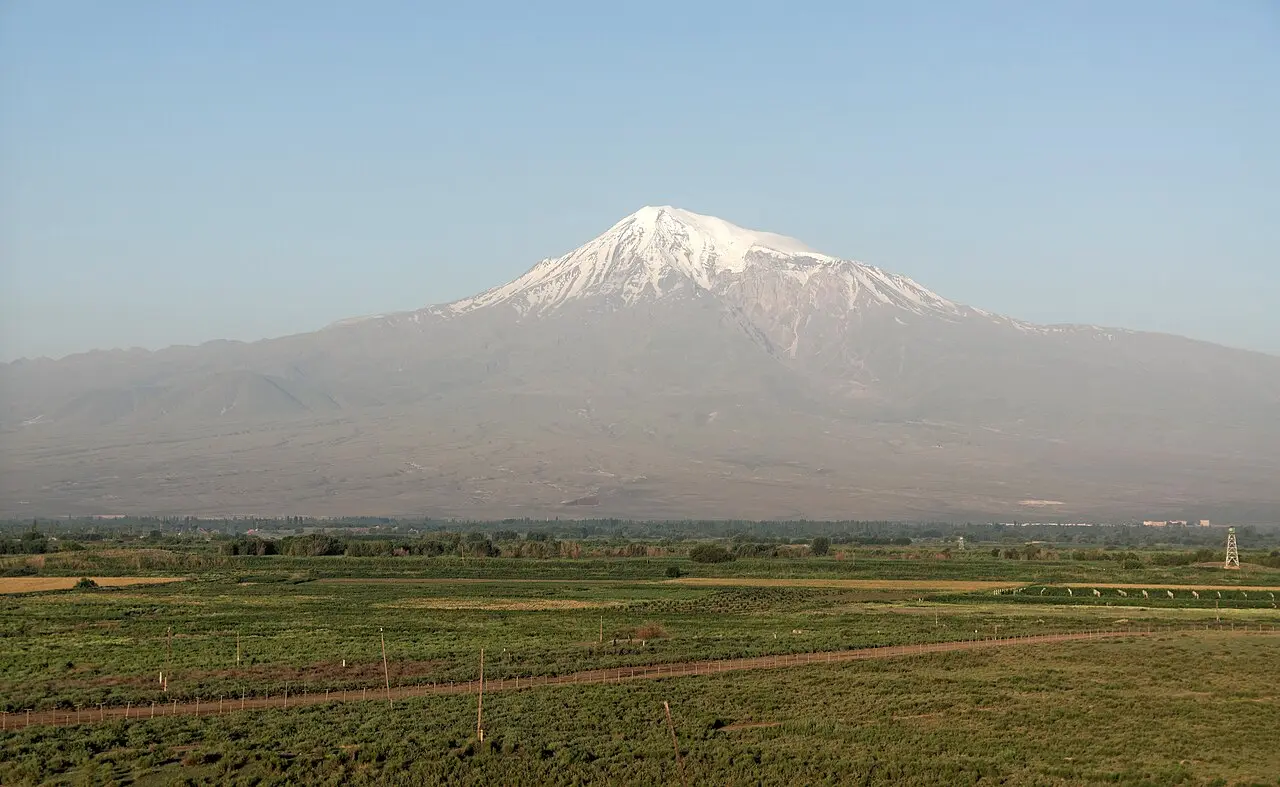
10-20 September. The turn. Daytime highs slide into the mid-to-high twenties, the nights become properly cool, and the haze that hides Ararat all summer starts to clear on some mornings. Sightseeing days get easy again.
20-30 September. The good weeks. Warm afternoons, cold-ish evenings, the first colour appearing in the mountain forests, and clear light for photography. Rain is still a rarity, though the first proper autumn systems can arrive at the very end of the month; October is where the rainfall really steps up.
The number to hold onto is the day-night spread. Those Yerevan averages of 30 and 14 are for a city at around 1,000 m. Lake Sevan is near 1,900 m and is several degrees colder with real wind; mountain passes are above 2,400 m and can be near freezing at dawn by late September. Pack in layers and stop thinking of it as a hot country the moment you leave the plain. Our month-by-month weather guide has the full year in numbers if you are comparing September against May or October.
Harvest: the real reason to come now
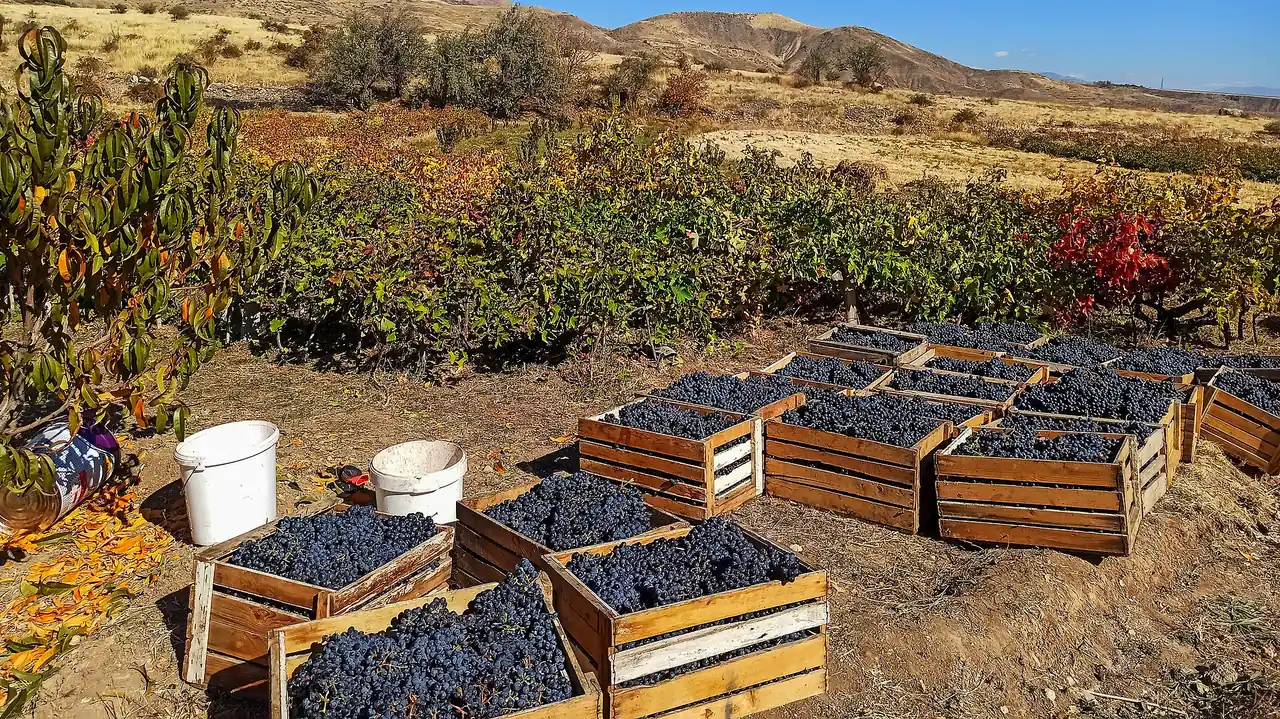
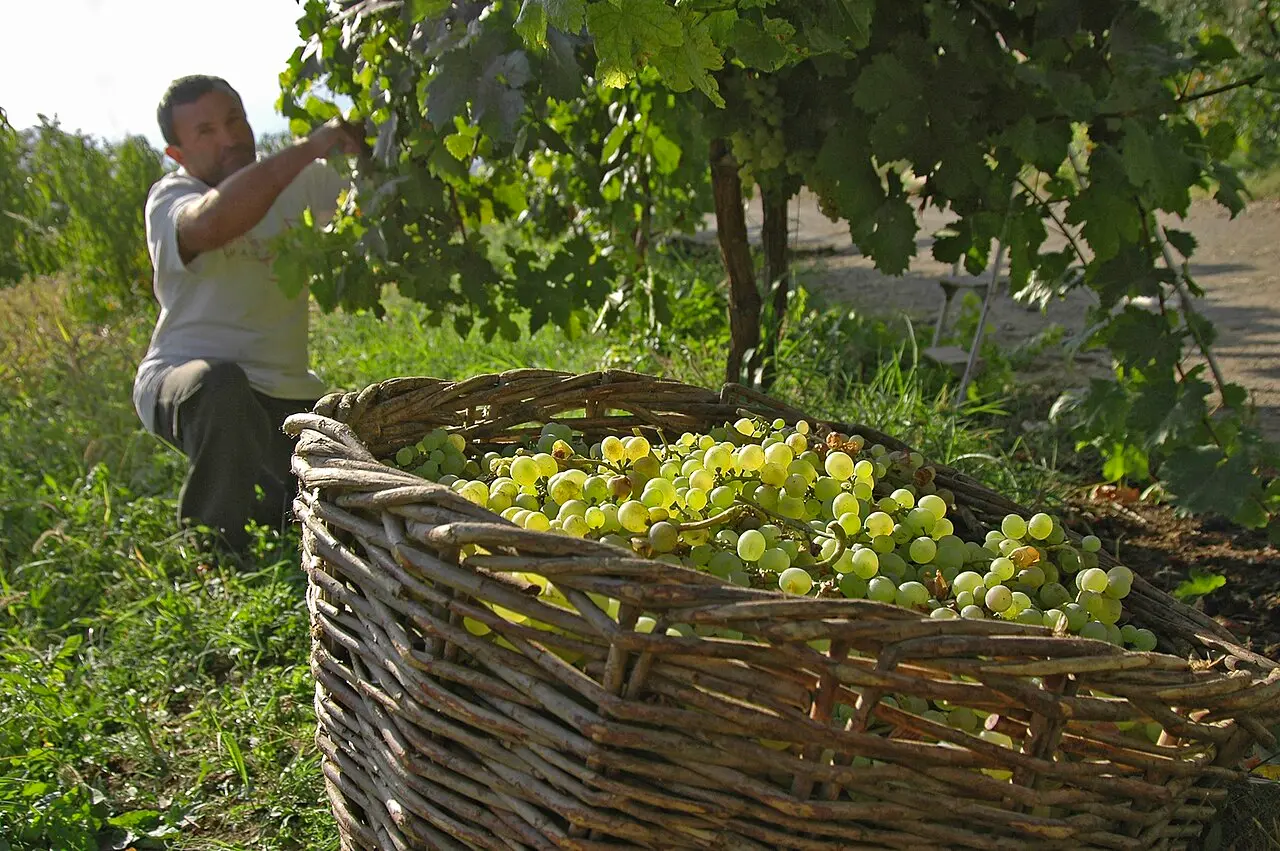
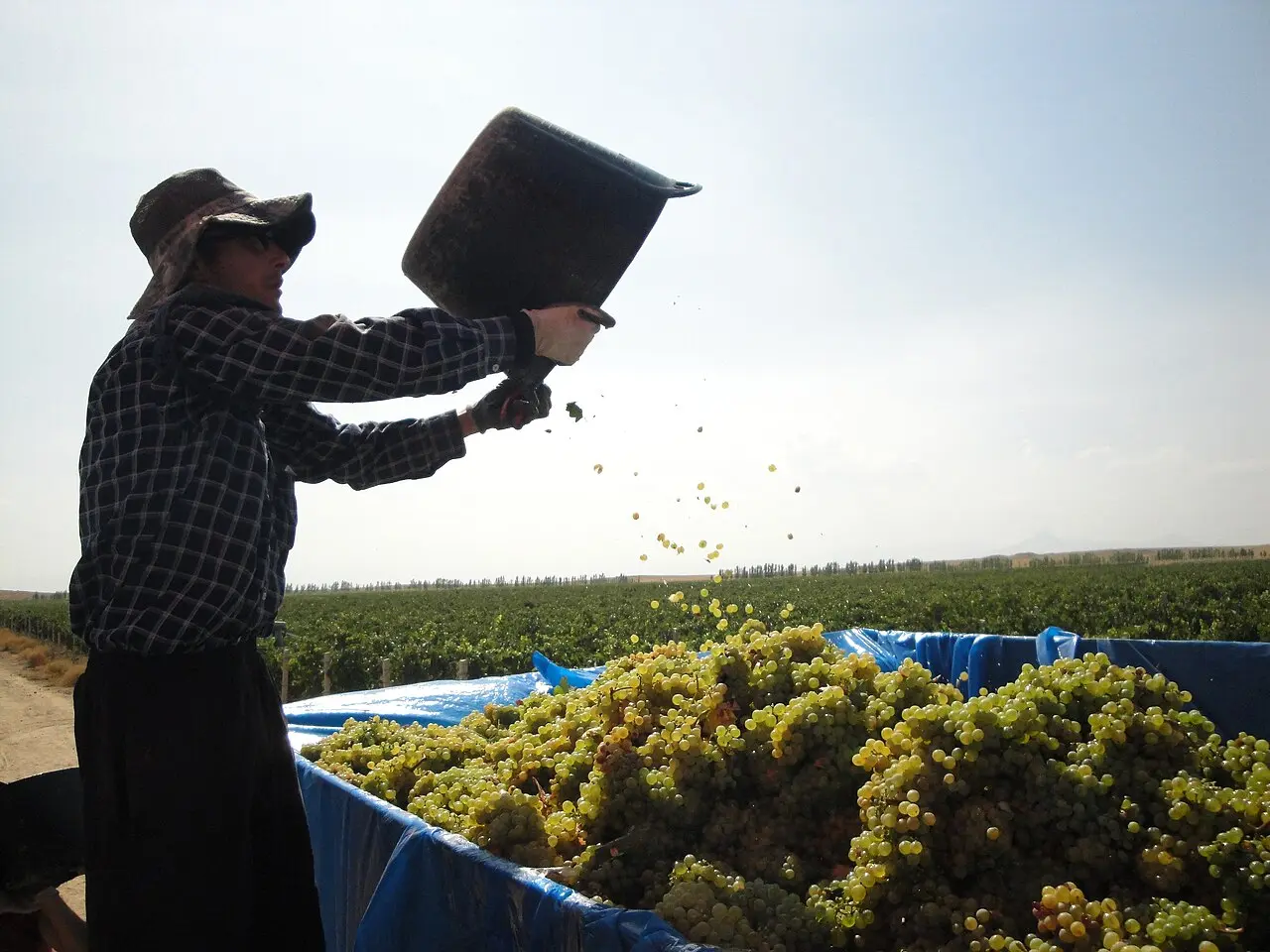
Armenia in September smells of fruit. The grape harvest runs from late September into mid-October, concentrated in Vayots Dzor around Areni and across the Ararat plain, and if you drive the M2 in the last week of the month you will pass tractors hauling crates, roadside scales and families picking in the rows. Small wineries are at their busiest and their most welcoming; several will let you look round or taste if you arrange it in advance, which in practice means messaging a day or two ahead rather than turning up.
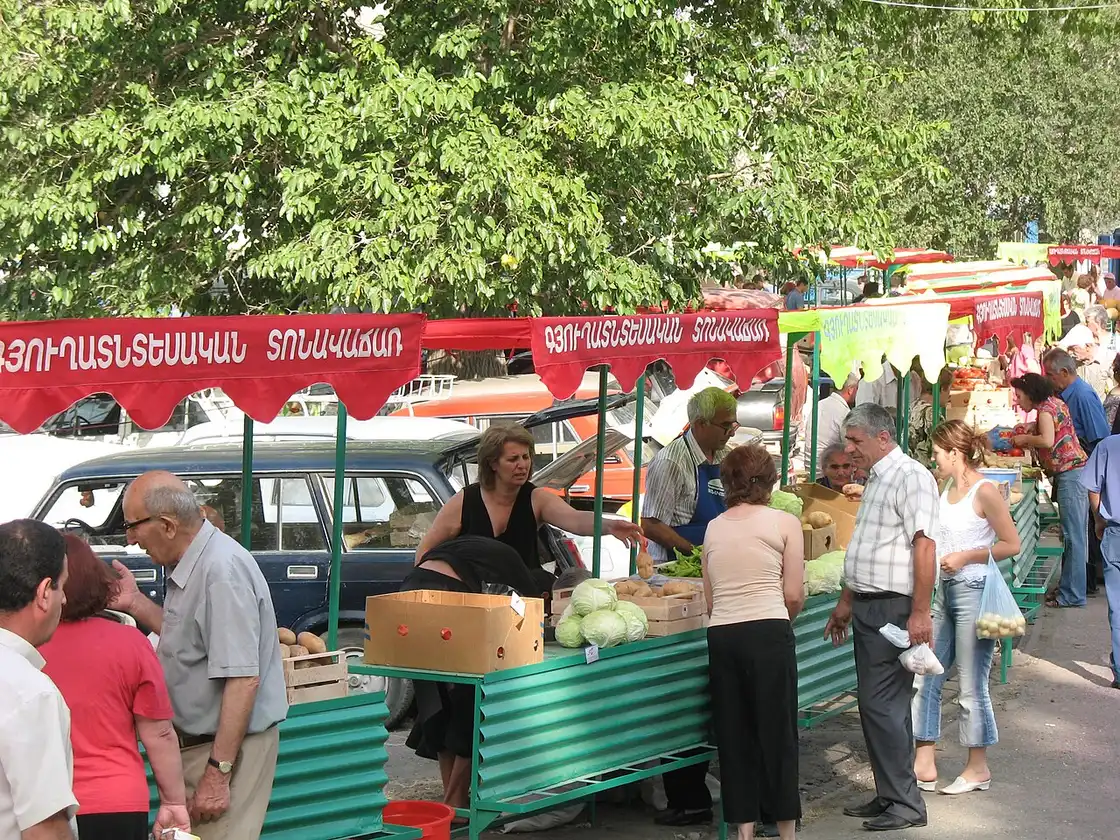
Then there is everything else that ripens at once. Figs are abundant from August into October and at their best now. Peaches arrived in June but reach their absurd, juice-down-your-arm peak in September. Plums in every colour are at their best. And by mid-month the pomegranate trees on the roads south of Yerevan are so loaded they bend, though the main pomegranate picking comes later, in October and November. Market prices are about as low as they fall all year. If you like fruit at all, budget a morning for a produce market and take a bag.
One useful piece of timing that trips people up: the Areni Wine Festival is not in September. In 2026 it lands on 3 October, in Areni village, 11:00 to 20:00, free to enter. And the big city event, Yerevan Wine Days, is a June festival (5-7 June in 2026), not an autumn one. So September is the working harvest without the festival crowds, and if you want the festival too, plan the last days of September to run into that first weekend of October. Our guide to Armenian wine and the Areni region covers the wineries and the cave where the whole story starts.
Independence Day, 21 September
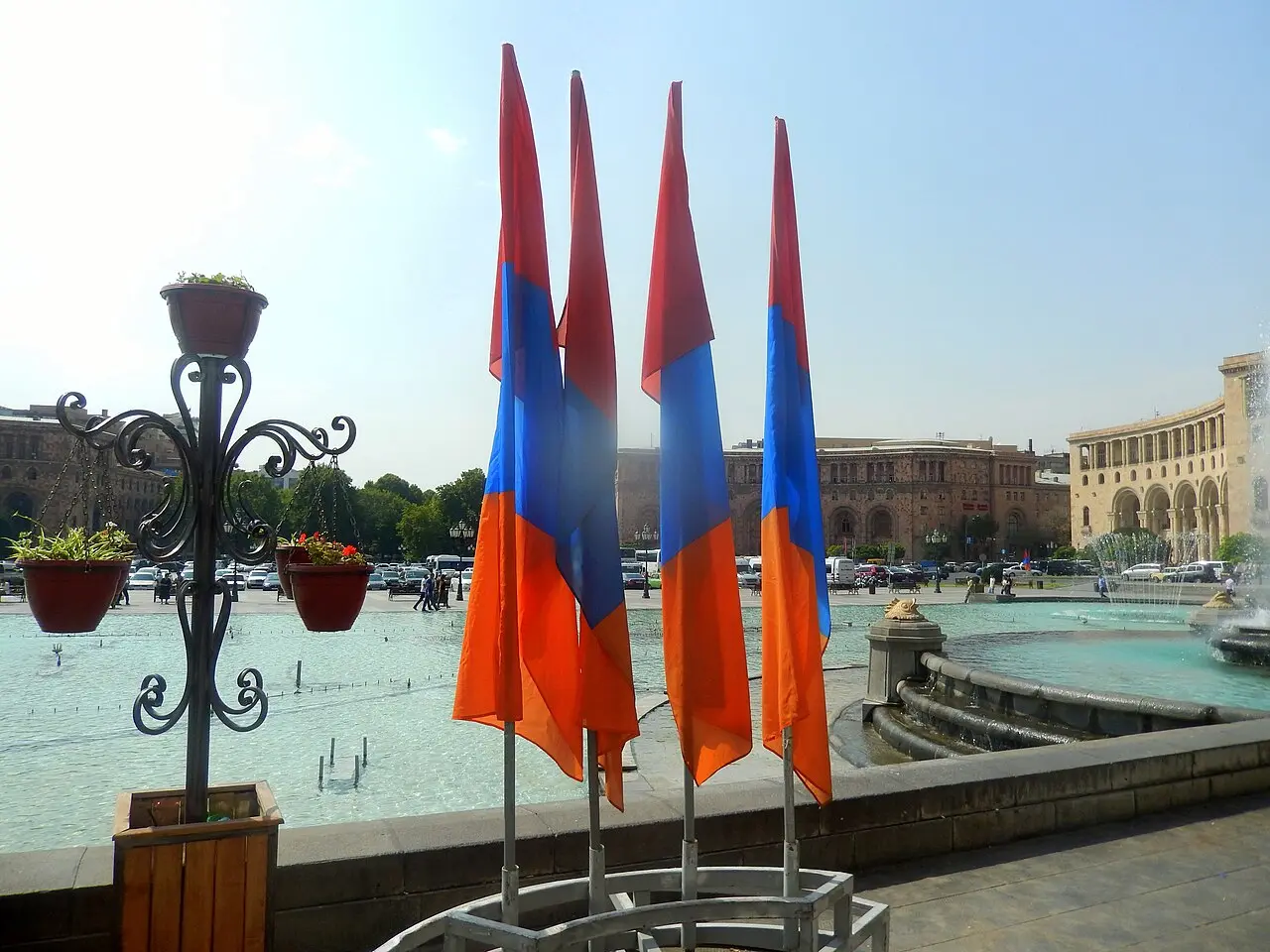
The one fixed date in the Armenian September is Independence Day on 21 September, and in 2026 it falls on a Monday and marks 35 years. The anniversary is of the referendum of 21 September 1991: turnout reached about 95%, and 99.5% of those who voted backed an independent republic outside the Soviet Union, which works out at roughly 94% of the whole electorate.
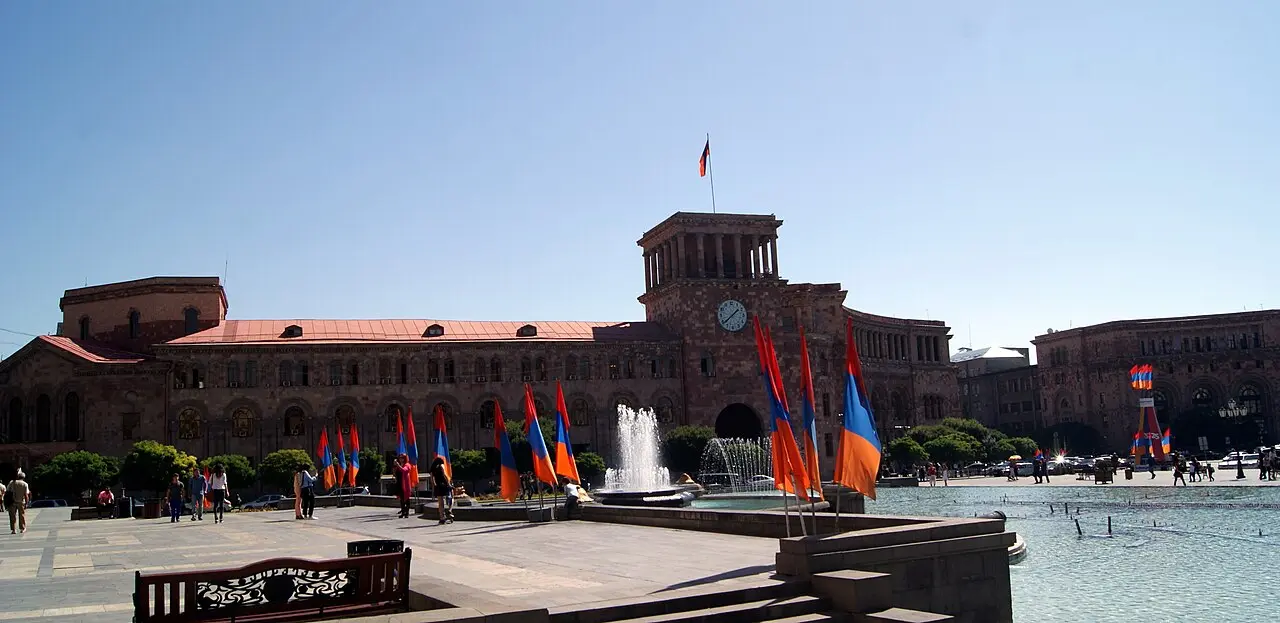
It is a public holiday rather than a tourist festival, and it behaves like one: offices and many businesses shut, Yerevan fills up with tricolours along Northern Avenue, and the centre of gravity is Republic Square, with an evening concert and fireworks. Major anniversaries have brought large military parades to the square in the past, though nothing had been announced for 2026 as this was written, so treat a parade as possible rather than promised.
Two practical notes. A Monday holiday makes it a three-day weekend, so domestic travel and hotels in Dilijan, Sevan and Jermuk get busy from Saturday. And if you want the square at its best, go in the evening: the fountains, the lit facades and the crowd are the point, not the daytime formalities.
What else is on
September is a quieter month on the events calendar than July or October, which is part of its appeal. The confirmed fixture worth knowing is the Yerevan Book Festival, 4-6 September 2026, an open, free-to-attend literary weekend in the city with readings and workshops, and the city also lists an outdoor art event, the Night of Artists, for September without published dates.
The heavy festival weeks sit either side. July has Vardavar and the Golden Apricot film festival; the first fortnight of October brings HighFest, the Areni wine day and Erebuni-Yerevan Day, the capital’s own birthday. Our Armenian festival calendar lays the whole year out with dates, and it is the page to check if your trip can flex by a week.
Where September works best
The mountains, while they are still open. High routes above 2,500 m only come good from about the start of July: snowfields linger on high and north-facing slopes through May and into early June, and the shoulder season carries a real avalanche risk. September catches the tail of that summer window and is arguably the best of it, cooler than July and with fewer of the afternoon thunderstorms that build over the Geghama plateau in midsummer. Late in the month the first colour comes into the forests of Tavush and Lori. See our hiking guide for routes and difficulty.
Lake Sevan, for the last swims. Water temperature runs about 17-20°C in September with air around 25°C, which is chilly by Mediterranean standards and completely normal for a lake at 1,900 m. The gain is that the beaches empty out after the first weekend of the month, when Armenian schools go back. If a swim in Sevan is on your list, the first half of September is the window; our Lake Sevan guide covers where to get in.
The south, in the good light. Noravank’s cliffs and the Tatev gorge photograph best in the low, clear light of late September, and the drive down the M2 through Vayots Dzor doubles as a wine route. The Noravank monastery page has the timings for avoiding the tour buses.
Crowds, prices and booking
September is shoulder season, and it behaves like one everywhere except on three sets of dates. The Independence Day long weekend (19-21 September in 2026) fills mountain guesthouses with domestic travellers. The last weekend of September into the Areni festival on 3 October strips the beds out of Vayots Dzor, where the total stock is a few dozen guesthouses. And the first days of the month still carry late-summer prices on the lake before Armenian schools go back.
Everything in between is calm. Yerevan hotels are easier than in high summer, tour operators still run their full schedule, and monastery car parks empty by five in the afternoon. Book the harvest and holiday dates early, and stay flexible with the rest.
What to pack, and how long to give it
Layers, and more of them than the forecast suggests: a T-shirt for Yerevan at two in the afternoon and a fleece for Sevan at eight in the evening are the same day. Add sunscreen and a hat, because the sun at 1,000-2,000 m stays fierce even when the air feels mild, and proper shoes if you plan on any of the fortress or monastery approaches, which are rocky rather than manicured.
For length, September rewards a slightly longer trip than midsummer, because the driving is more pleasant and the days are still long. Ten days lets you pair Yerevan and the north with a proper run south through wine country; a week is enough for the classics. Our guide to how many days you need in Armenia breaks that down properly, and if you are still weighing months, the best time to visit Armenia sets September against the rest of the calendar. The short version: come in the second half, and bring an empty bag for the fruit.
Photos
Read also
Before you go · 12 min read
Things to Know Before Visiting Armenia: First-Timer Tips
Verified · July 23, 2026Practical first-timer tips for Armenia: cash vs cards, drinkable tap water, which language actually works, plugs, etiquette, closed borders and 911.
Before you go · 9 min read
Armenia & Georgia Itinerary: 2 Weeks in the Caucasus
Verified · July 14, 2026A day-by-day 2-week Armenia and Georgia itinerary: Tbilisi, Kazbegi and Kakheti, the overland border, then Lake Sevan, Yerevan and Tatev.
Before you go · 8 min read
Armenia Travel Budget 2026: What a Trip Really Costs
Verified · July 14, 2026Armenia on $25-30/day backpacker, $60-75 mid-range, $120+ comfort (2026, before flights). Real daily budgets, a sample week and where to save.
Before you go · 9 min read
Yerevan vs Tbilisi: Which City to Visit First?
Verified · July 14, 2026Yerevan or Tbilisi? A city-break comparison on walkability, cafes, wine, nightlife and cost, plus which Caucasus capital to see first when you do both.