
Areni: Armenia's Ancient Wine Country
Areni in Vayots Dzor is Armenia wine country: the 6,100-year-old cave winery, the native Areni Noir grape, the cellars and the October festival.
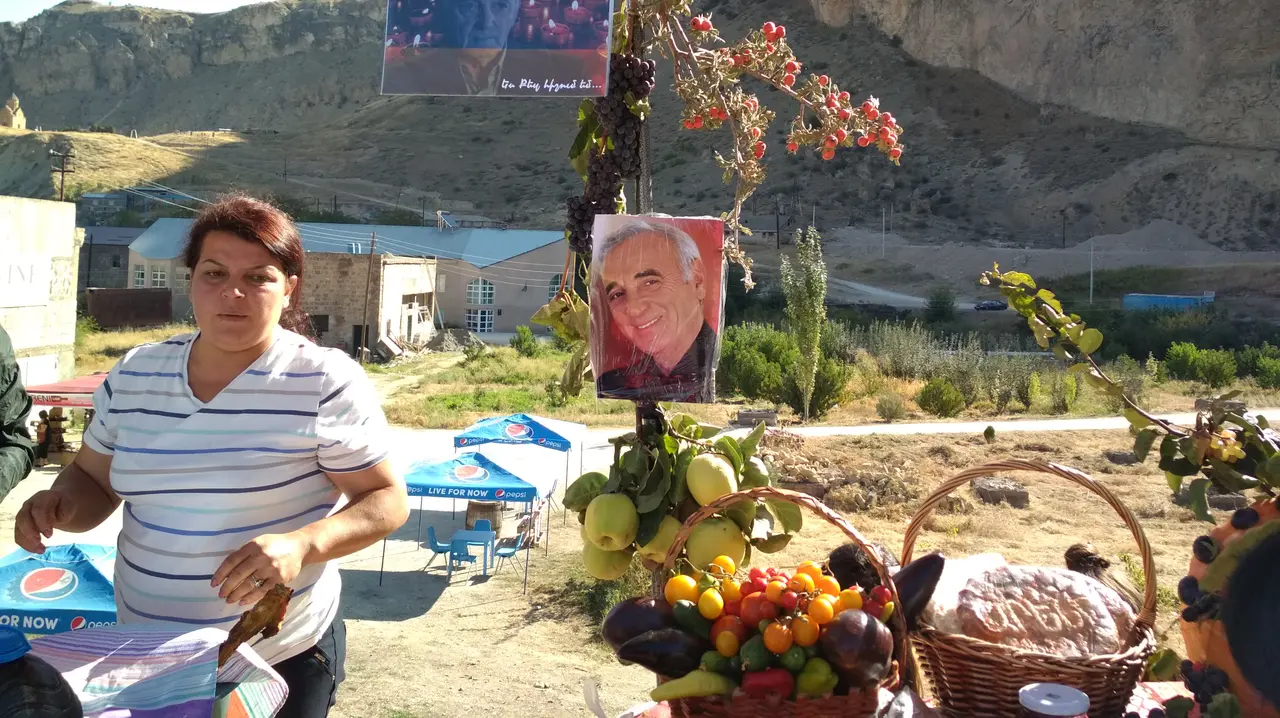
Areni is a small village in the southern province of Vayots Dzor, about an hour and a half south of Yerevan, and it’s the beating heart of Armenian wine. Two things make it worth the drive: it sits beside the cave where archaeologists found the oldest known winery on earth, roughly 6,100 years old, and it’s the home of Areni Noir, the native red grape that most of the country’s serious wine is built on. Around the village a cluster of family cellars and modern wineries pour that grape straight for visitors, and every October the whole place throws a wine festival. This is what Areni is, why the wine matters, and how to fit it into a trip.
One thing to clear up first, because it trips people up: this is wine country, not brandy country. The famous Armenian “cognac” is a grape brandy distilled and aged in Yerevan, a different drink made in a different place, and it has its own story in our guide to Yerevan brandy. Areni is about the actual wine, grown and made here in the south among the vineyards. Come for the reds. If you’d rather taste that same Areni Noir without leaving the capital, Saryan Street’s bars pour it by the glass every night, and our guide to wine tasting in Yerevan covers exactly where. In early June, the capital’s own Yerevan Wine Days festival turns those same blocks into a city-wide tasting floor - a different scale from October’s harvest party out here in Areni.
The oldest winery in the world
The reason Areni turns up in history books sits in a cliff just outside the village, above the Arpa river: the Areni-1 cave. Between 2007 and 2011, archaeologists digging in this karst cave uncovered what’s now recognised as the oldest known winery in the world, dated to roughly 4100-4000 BC, about 6,100 years old. That makes it at least a thousand years older than the next-oldest winery, found decades ago in the West Bank.
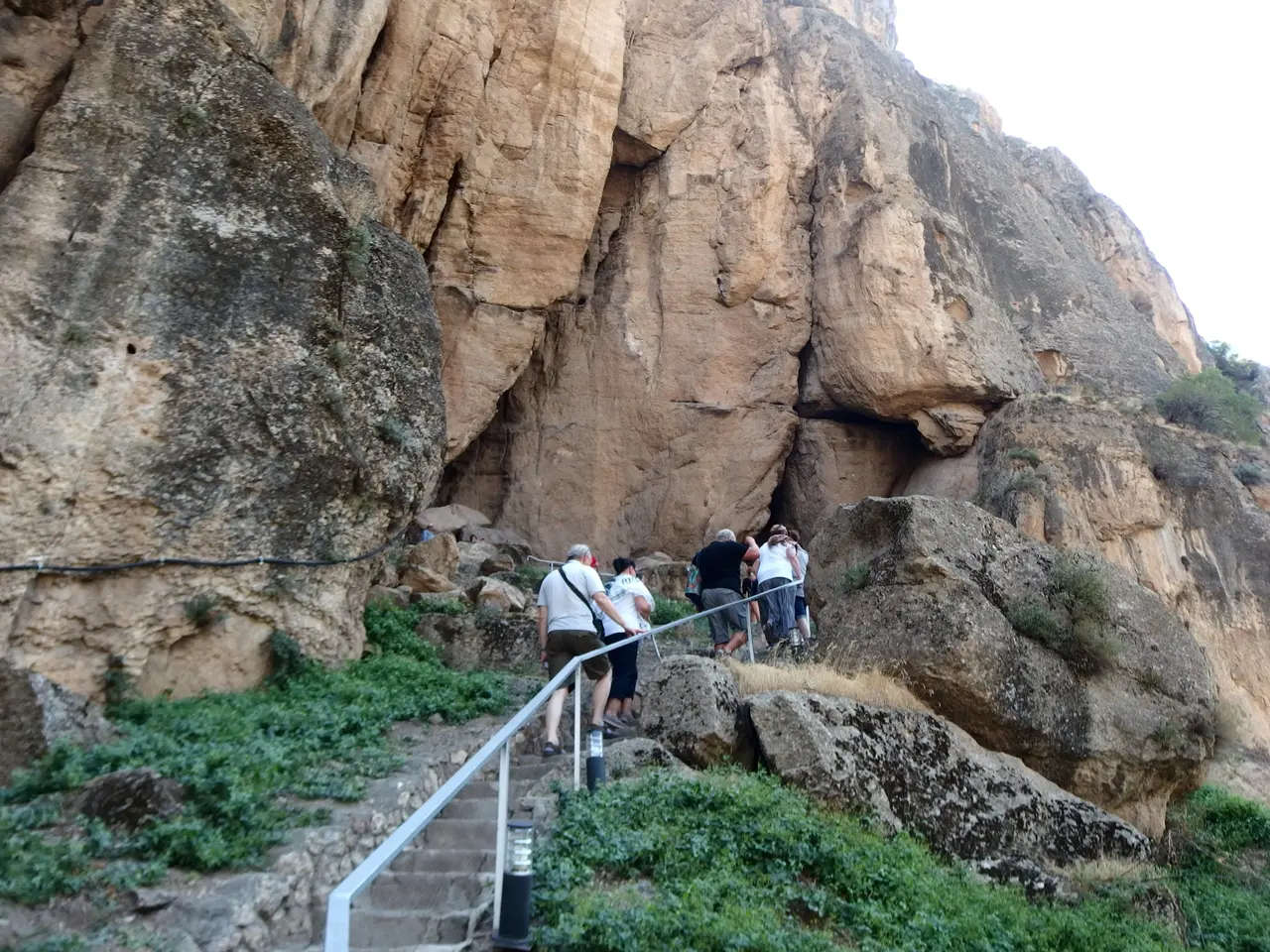
What they found wasn’t a jar or two but an actual production line: a shallow clay basin about a metre across for treading grapes, a vat roughly 60 cm deep for the juice to run into and ferment, storage jars, a drinking cup, and the withered remains of grape seeds, skins and vines. In other words, people were pressing and fermenting wine here, on purpose and at scale, six thousand years ago. The dry, cool air of the cave preserved it all in a way that almost never survives. The finds themselves are studied and stored rather than left on show, so temper your expectations: the cave is a place to stand and take in the setting and the age of it, not a museum full of artefacts.
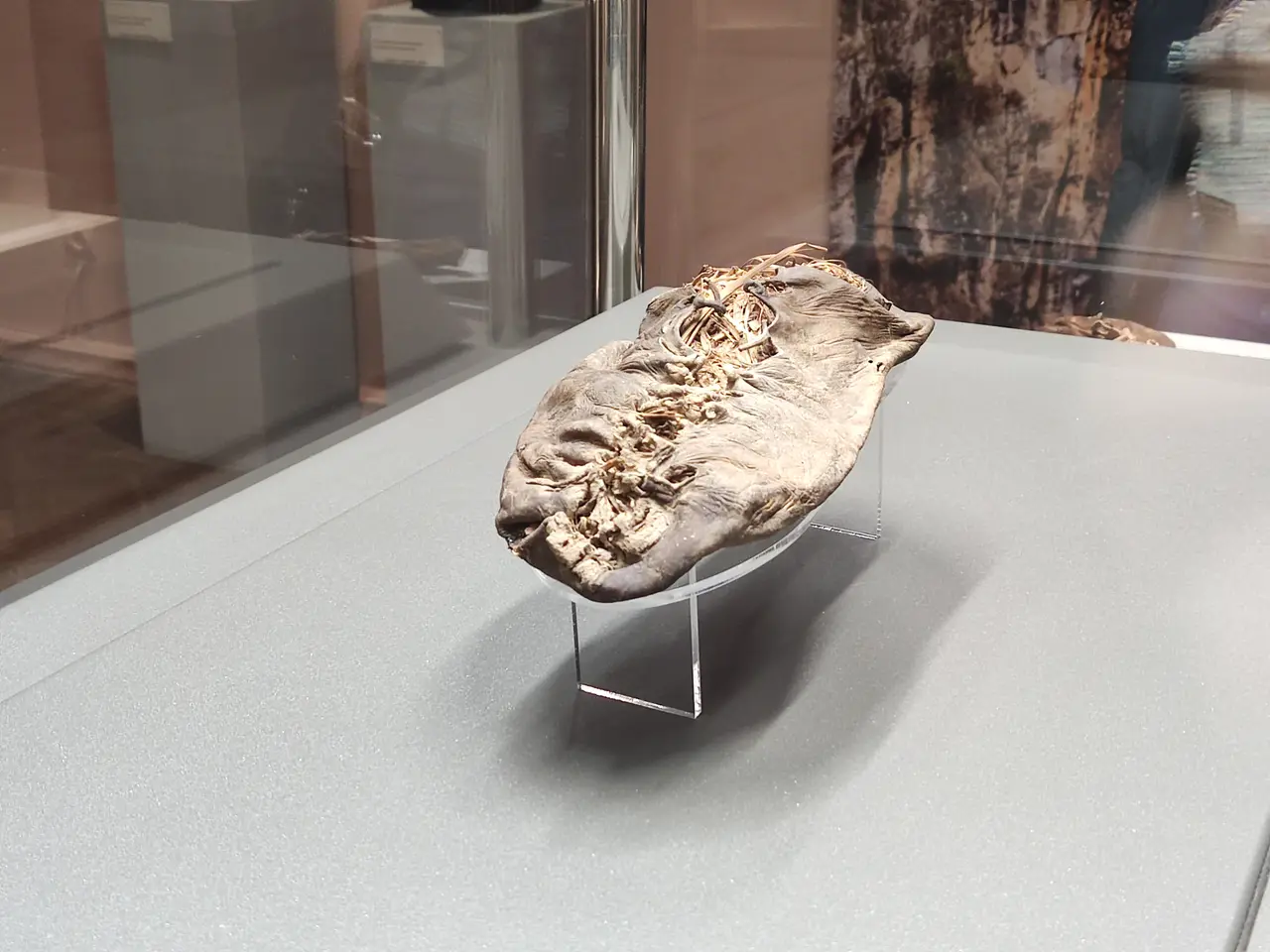
There’s a second reason the cave is famous, and it has nothing to do with wine. In the same excavations, in 2008, archaeologists pulled out the world’s oldest known leather shoe, a single well-worn moccasin about 5,500 years old, stuffed with grass and preserved almost perfectly. The Areni-1 shoe now lives in the History Museum of Armenia in Yerevan, so if the deep past grabs you, that’s where to see it up close. Our full guide to the Areni-1 cave covers the winery, the shoe and the darker finds made there in depth.
Areni Noir: the grape that carries the country
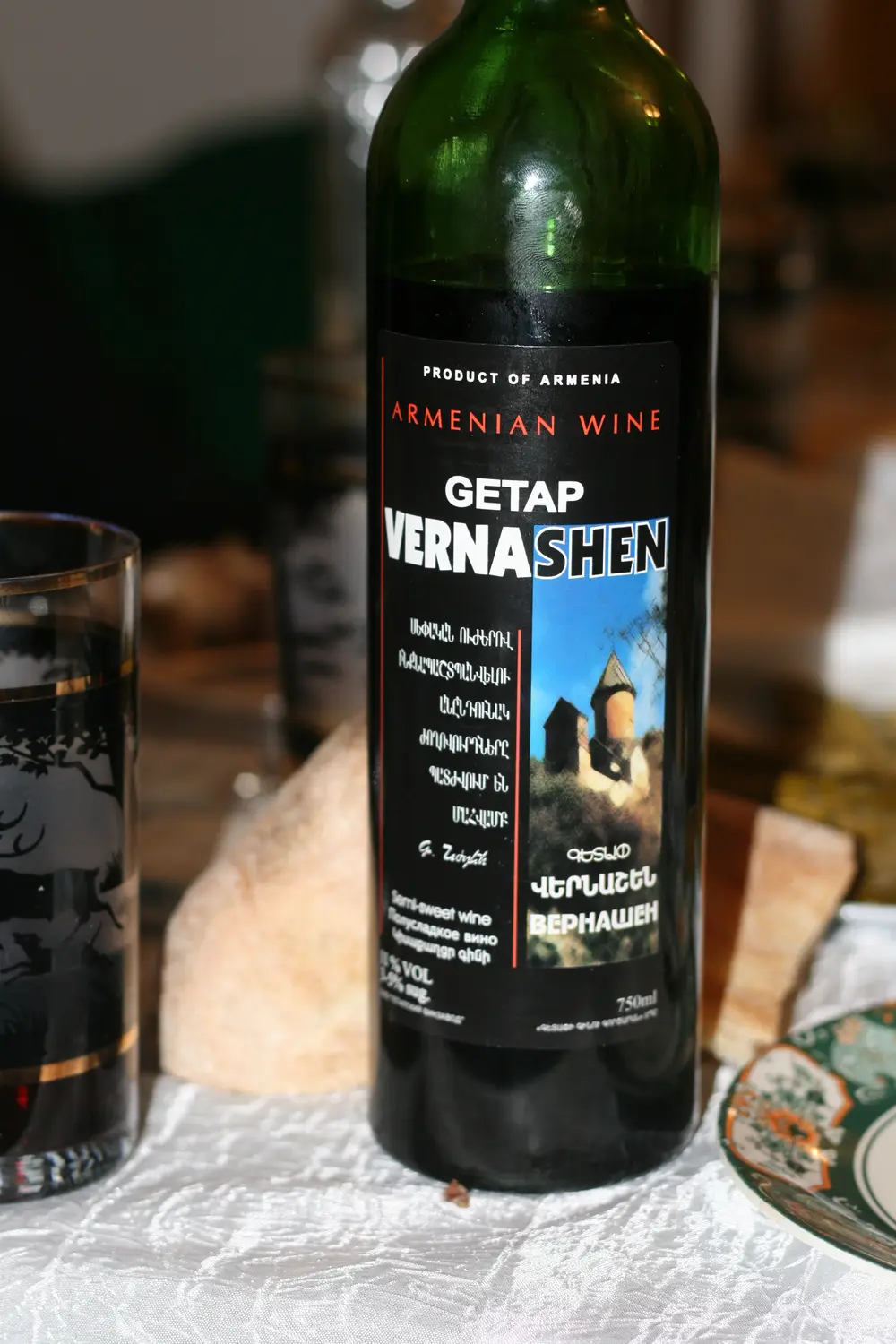
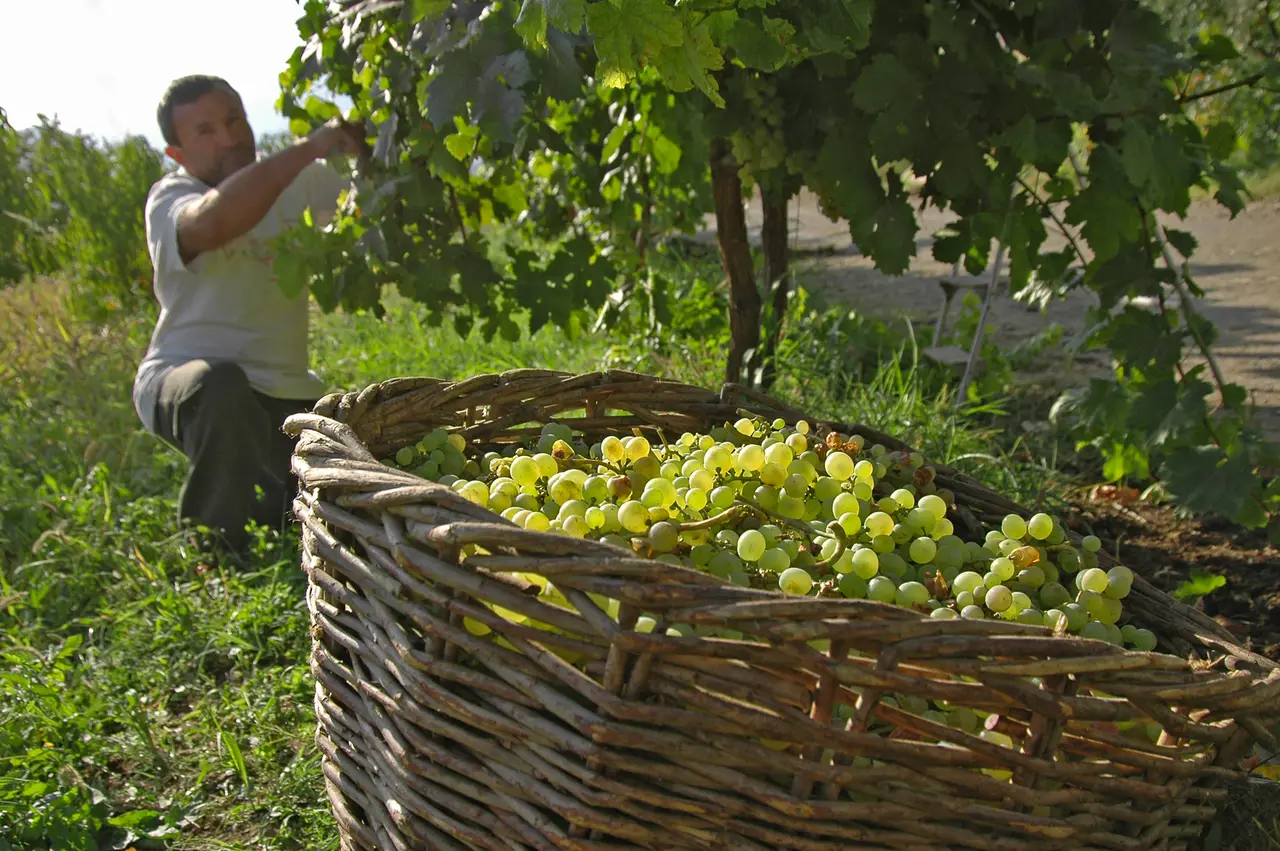
The wine you’ll actually drink here’s made mostly from Areni Noir, sometimes just called Areni or black Areni. It’s an indigenous red grape, native to Vayots Dzor and grown high up, and it’s the closest thing Armenia has to a signature variety, the emblem of the country’s winemaking. It has been cultivated in these valleys for thousands of years, which is part of the romance, but the practical point is that it makes good wine: light-to-medium bodied reds with bright acidity, red-fruit and spice notes, and enough structure to age. Think of it as Armenia’s answer to a cool-climate pinot noir, grown at altitude in volcanic and limestone soils.
That altitude matters. Vayots Dzor vineyards sit high, often well above 1,000 metres, where the days are warm and the nights are cold, and that swing is exactly what gives the grapes their acidity and perfume. The region also grows white varieties, chiefly the native Voskehat, so you’ll find crisp whites alongside the reds, but Areni Noir is the reason to come. Buy a bottle or two at the source; it travels home far better than most souvenirs and is cheaper here than abroad.
Where to taste: cellars and wineries
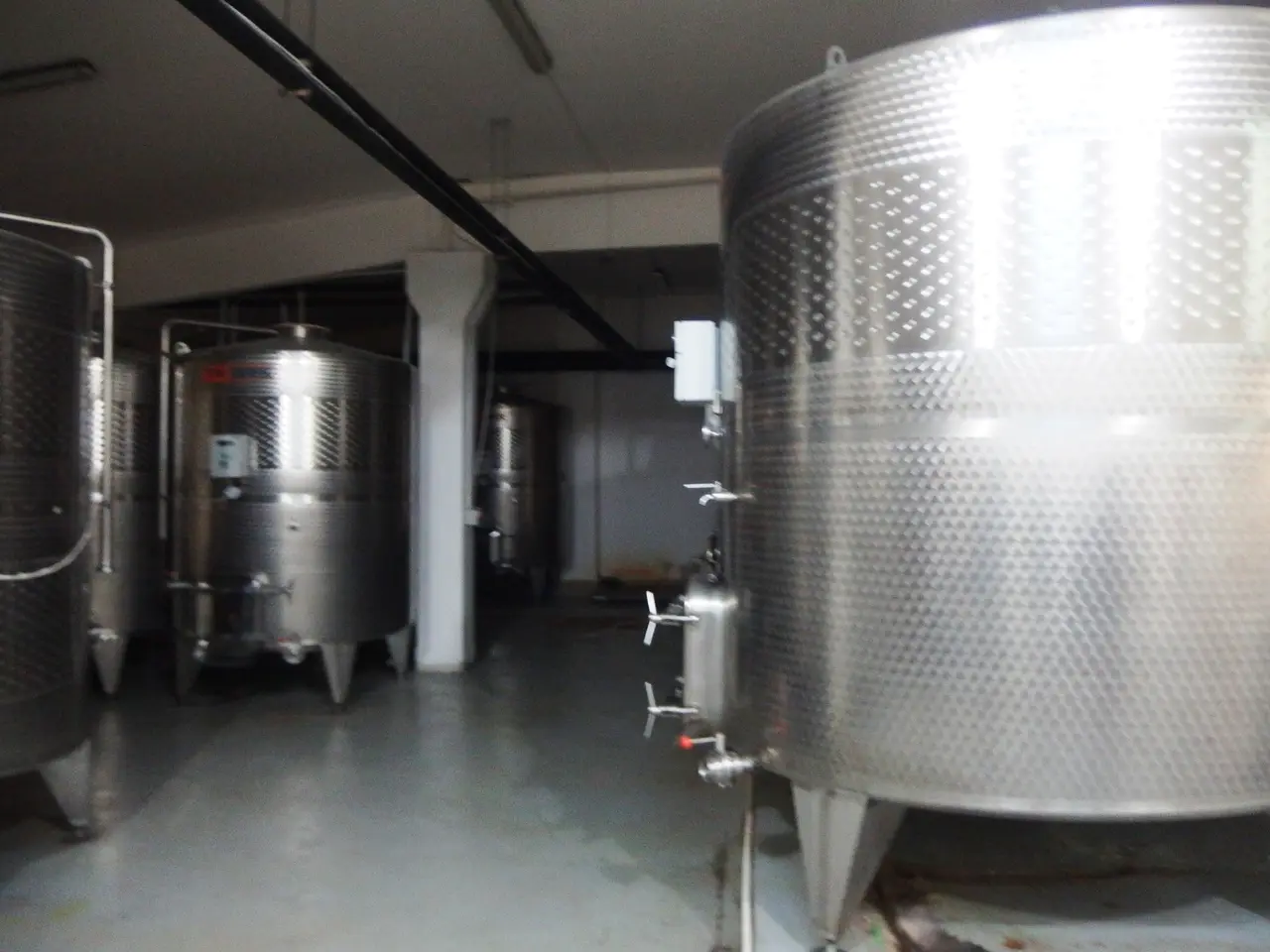
Tasting in Areni comes in two flavours, and the fun is doing a bit of both. At the roadside you’ll pass family cellars, small operations where a household sells its own homemade wine, often poured straight from the barrel into whatever you brought, sweet fruit wines alongside the dry reds. It’s rough-and-ready, cheap and completely authentic, and the pomegranate and other fruit wines are worth trying once even if the dry reds are the serious drink.
Then there are the proper wineries, several of which now run tastings and tours and have put Armenian wine back on the international map. Names you’re likely to come across in and around Areni include Old Bridge, Trinity Canyon Vineyards (founded in 2009 near the ancient cave), Hin Areni (making wine here since 2013), Momik and ArmAs. Between them they offer sit-down tastings, cellar visits and vineyard views, and a couple have terraces made for a long lunch. Opening hours, tour formats and prices vary by winery and season, and the smaller ones can be appointment-only, so don’t just turn up - book or call ahead, especially outside summer. Treat any figure you see online as a starting point and confirm the current rate when you book.
The Areni Wine Festival
If you can time it, the Areni Wine Festival is the region at full volume. Held once a year in October, it gathers Armenia’s winemakers in and around the village for an afternoon of tasting, food, music and dancing, and it draws thousands. The format is simple: entry is free, but to taste you buy a glass on a neck harness from a booth and then work your way round the producers’ tables, sampling as you go. In 2025 the festival ran on a single Saturday afternoon in early October, with the tasting glass costing a few thousand dram. In 2026 the big day is Saturday 3 October. That’s the date to lock if you’re building a wine weekend - see our full Areni Wine Festival guide for tasting logistics.
How to visit Areni
Areni sits right on the main road south, about 1.5 hours from Yerevan, which makes it easy to reach and easy to combine. Two ways work. The first is a dedicated wine day trip from the capital, out and back, giving you time for a couple of tastings and the cave - our Vayots Dzor wine route strings Khor Virap, Hin Areni, Trinity Canyon, Areni-1 and Noravank into one self-drive day; a small-group Areni wine tour takes the driving and the designated-driver problem off your hands, which matters when tasting is the point of the day. The second, and the neat one, is to fold Areni into a southbound trip you’re making anyway, since it lies directly on the route to Noravank, Goris and the Wings of Tatev. Our 3 days in Yerevan itinerary does exactly that on its southern day. To slow down and use the region as a base rather than day-tripping from the capital, the nearby town of Yeghegnadzor has the guesthouses, food and drivers for the whole wine country.
However you come, the single best pairing is Areni plus Noravank, the honey-coloured monastery up a red-rock canyon a few minutes away; the two are made to be seen together, and our Noravank guide covers the drive and the famous cliff-face staircase. If you’d rather have someone else plan the day, our roundup of the best day trips from Yerevan sorts the southern route among the rest. And to put the wine in the context of the table it belongs on, our guide to Armenian food covers the khorovats and the herbs and cheeses that Areni Noir was made to wash down. Drink the rough barrel wine and the sweet fruit wines at the cellars, where they belong, but save a bottle of estate-labelled Areni Noir for the drive home and the table back there: that’s the one that survives the journey, and it comes into its own against a plate of grilled pork or aged cheese rather than on its own.
Photos
Read also

Food · 8 min read
Where to Eat in Dilijan: Best Restaurants
Verified · September 4, 2026Where to eat in Dilijan: Haykanoush on Sharambeyan, Hovk and Old Winery on Myasnikyan, Flying Ostrich, plus resort dining with real menu prices.
Food · 9 min read
Yerevan Cafe Culture: Coffee, Courtyards & Cakes
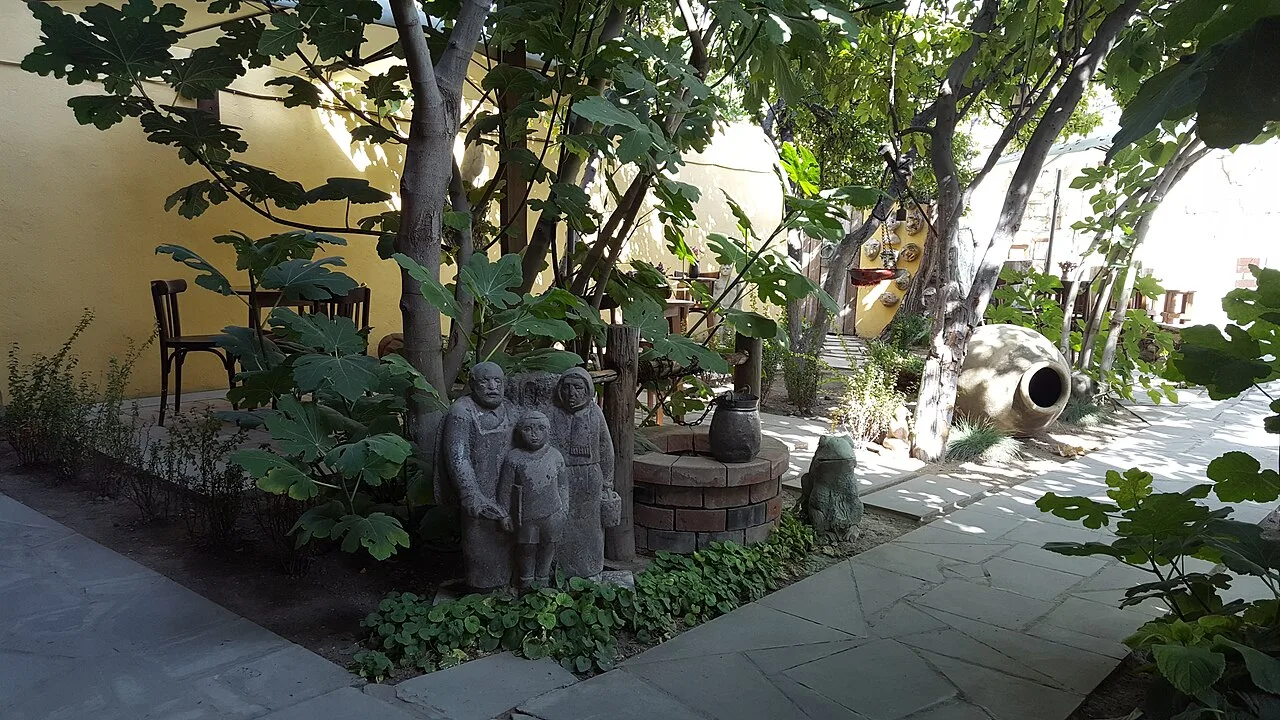
Verified · August 30, 2026Yerevan cafe culture: soorj in a cezve, specialty roasters, vine courtyards and cakes. Where to sit with coffee in Kentron - not dinner restaurants.
Food · 8 min read
GUM Market: Yerevan's Fruit & Spice Bazaar
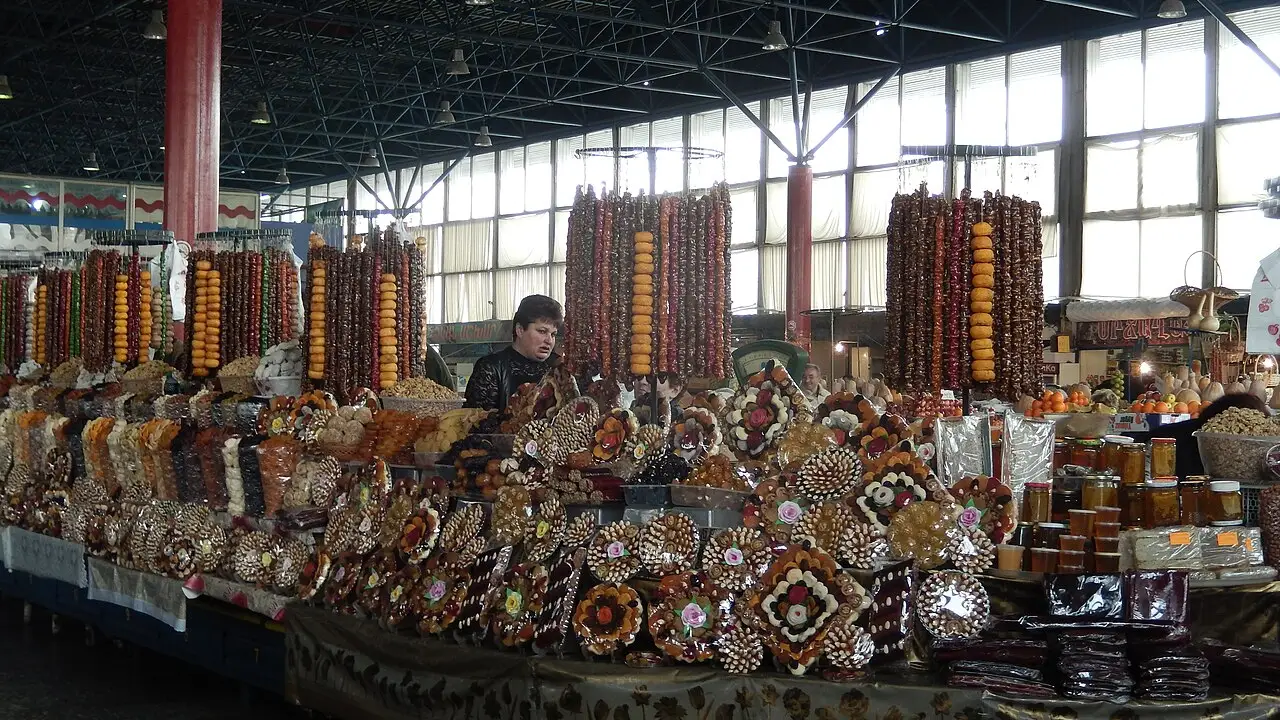
Verified · August 24, 2026Dried fruit, sweet sujukh, basturma and chechil at Yerevan GUM Market: address, hours, what to taste, sampling etiquette and how to bargain.
Food · 9 min read
Gyumri Restaurants: 5 Places by Dish, Panrkhash 1,950 AMD
Verified · August 23, 2026Gyumri restaurants by dish: trout at Cherkezi Dzor (open 09:00-23:00), panrkhash 1,950 AMD at Gwoog, the Poloz Mukuch beerhouse, new Rustaveli Street row.