Yerevan Brandy: Ararat, Noy & the 'Cognac'
Armenian brandy explained: why it is called cognac, the Ararat and Noy factories in Yerevan, how to do a tour and tasting, and the famous Churchill legend.
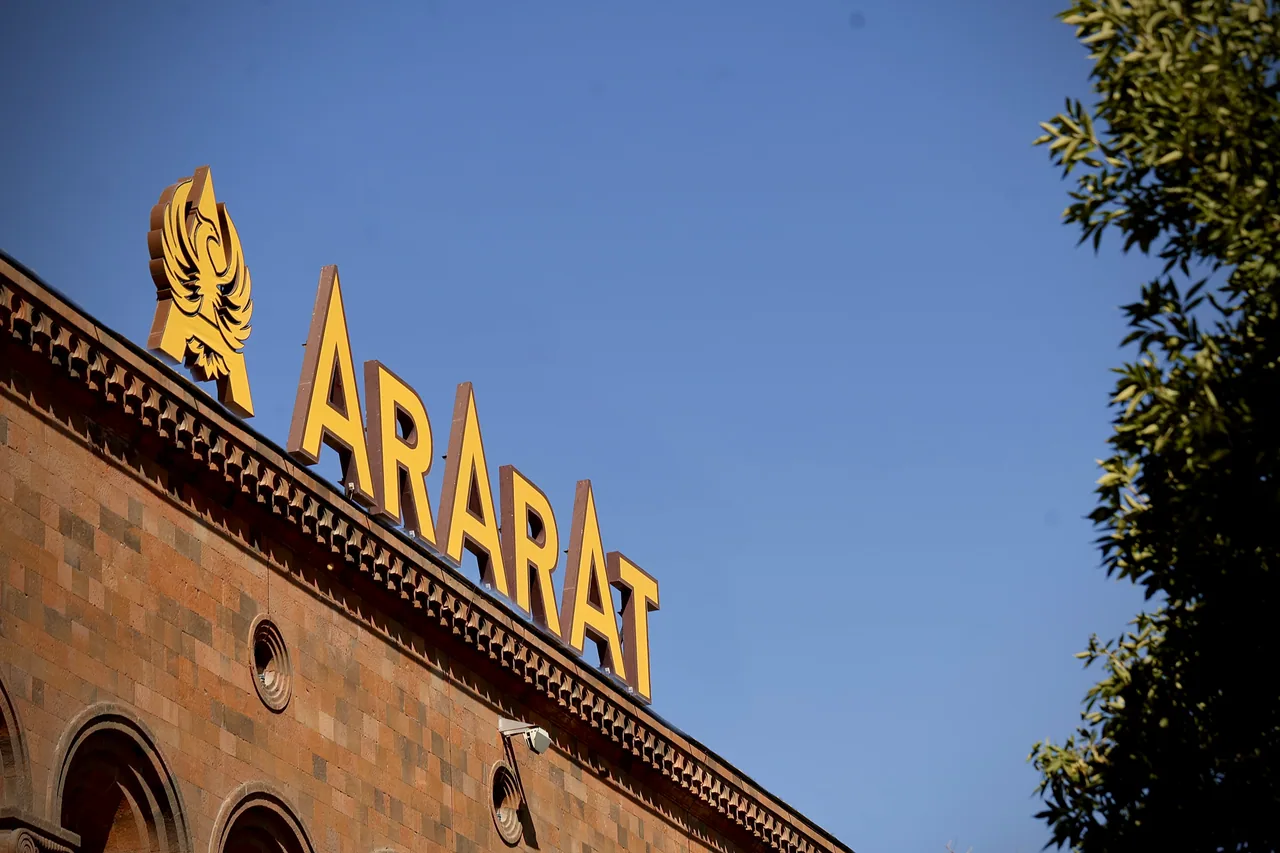
Armenian brandy is the drink Armenians are proudest of, and confusingly they call it cognac. The short version is this: it’s a fine grape brandy, aged in oak, made in Yerevan since the late 1800s, and “cognac” is the old local name rather than a legal one, because true Cognac can only come from one region of France. Two rival houses on the hills above the Hrazdan gorge carry the story: the Yerevan Brandy Company, which makes the export-famous ARARAT brand, and the Yerevan Ararat Brandy-Wine-Vodka Factory, which makes Noy. Both run tours that end in a tasting, and both are among the more memorable couple of hours you can spend in the capital. This is what the drink actually is, where it comes from, and how to try it properly.
If you have only skimmed the subject over a plate of khorovats, this goes deeper than the paragraph in our Armenian food guide: the history, the two factories, and the honest version of the famous legends.
So is it brandy or cognac?
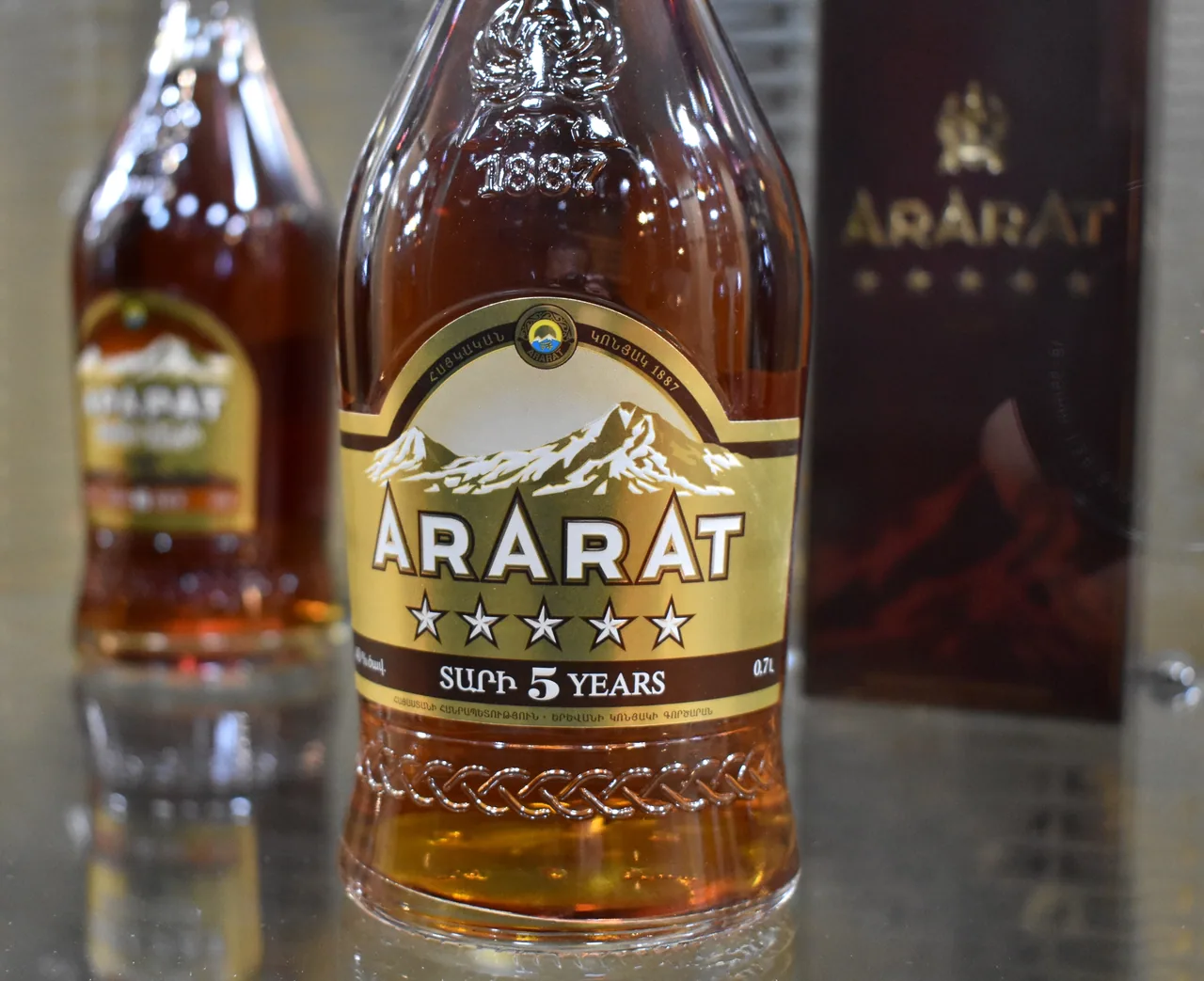
Both words are correct, depending on who you ask. Technically the drink is brandy: a spirit distilled from wine and matured in oak casks. “Cognac” is a protected French designation, an appellation that only brandy from the Cognac region of France is legally allowed to use, which is why you’ll see the Armenian product sold abroad simply as ARARAT brandy rather than cognac.
So why does everyone in Yerevan still say cognac? Habit and history. The style was built in the French manner from the start, and for the whole Soviet era it was marketed across the union as “Armenian cognac,” a name that stuck at home and never left. Call it what you like on the ground, order a “cognac” in any Yerevan bar and you’ll be understood perfectly. Just know that the label and the law say brandy.
The history behind the bottle
The story starts in 1887, when an Armenian merchant named Nerses Tairyan built a distillery on the site of the old Erivan Fortress and began making brandy in the French style (wine production on the same ground goes back a decade earlier, to 1877). Around the turn of the century the business passed to the Russian industrialist Nikolay Shustov, whose “Shustov and Sons” name became the label that carried Armenian brandy to international fairs.
That single origin later split in two. Under a Soviet reorganisation in the late 1940s the operation divided into the two separate companies you can visit today: the Yerevan Brandy Company, maker of ARARAT, which since 1998 has belonged to the French drinks giant Pernod Ricard; and the Yerevan Ararat Brandy-Wine-Vodka Factory, maker of Noy, which was privatised in 2002 and bought by the Armenian group Multi Group Holding. Noy’s grand present-day building, on the opposite side of the gorge, dates to 1938 and was designed by the architect Rafael Israelyan. They’re separate businesses now, but they share one great-grandfather.
The famous stories, told honestly
Two tales come up on every tour, and both are worth telling with a light touch, because the fun of them has outrun the paperwork. The first is the Paris story: the popular version has Shustov’s brandy winning top honours at the 1900 Paris exhibition, so impressing the judges that the French granted it the rare right to be called “cognac.” It’s a wonderful anecdote and you’ll hear it everywhere. What’s firmly documented is slightly different and just as flattering: at the 1902 Bordeaux exhibition, an early Armenian blend was recognised as meeting the standards of cognac production, a nod from the heart of French brandy country. Treat the “allowed to call it cognac” line as legend, and the Bordeaux recognition as the fact behind it.
The second is the Churchill legend. As the tale goes, Stalin served Armenian brandy to Winston Churchill at the 1945 Yalta conference; the British prime minister took such a liking to it that Stalin sent him a case every month, and when Churchill remarked that the flavour had slipped, Stalin discovered that the master blender, Margar Sedrakyan, had been exiled, and promptly had him freed and reinstated. The brandy at the centre of it, ARARAT Dvin, is real and still made. The anecdote itself is told as a legend, so enjoy it as one. It’s a good story whether or not every detail holds.
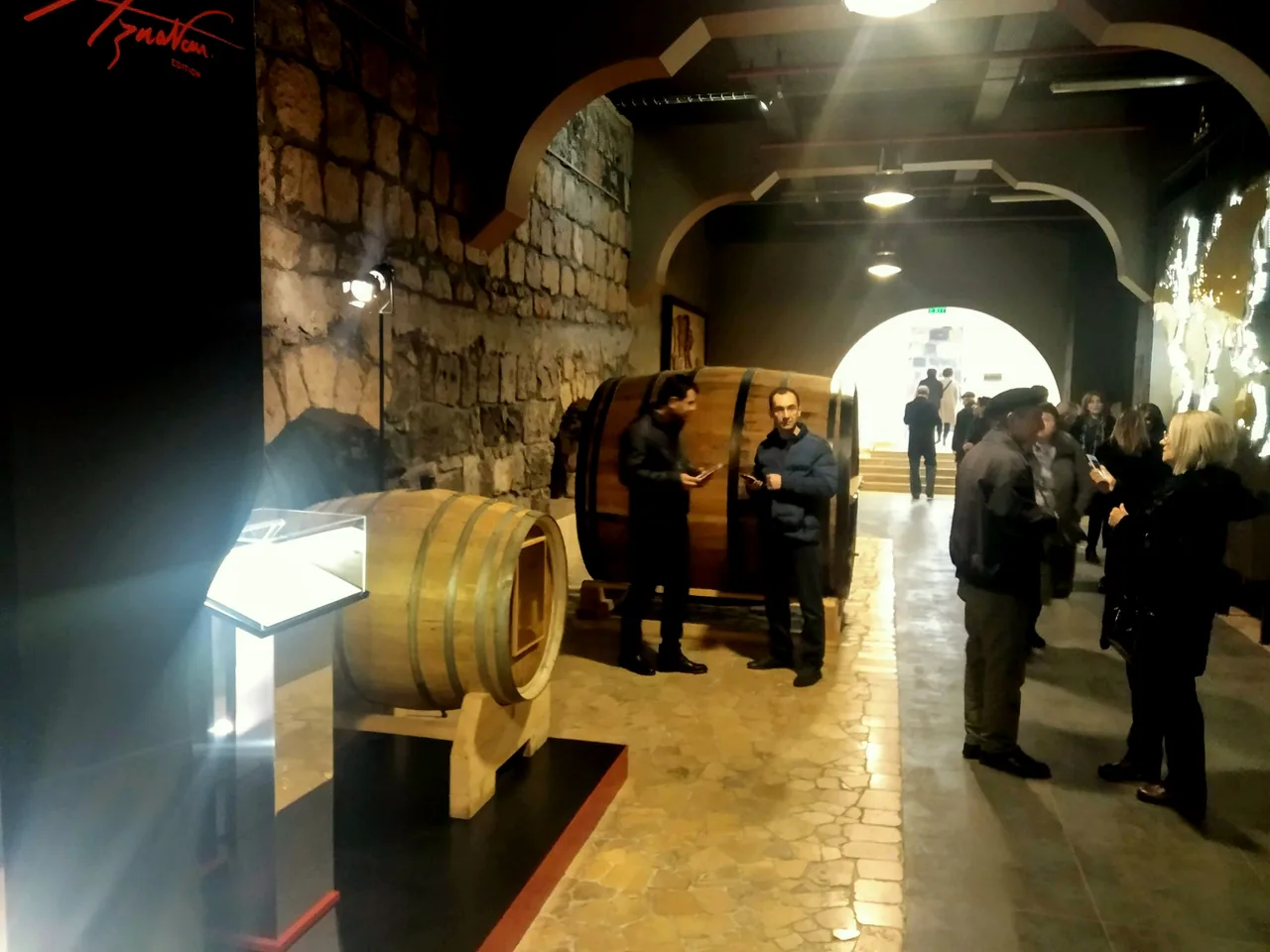
Doing a factory tour and tasting
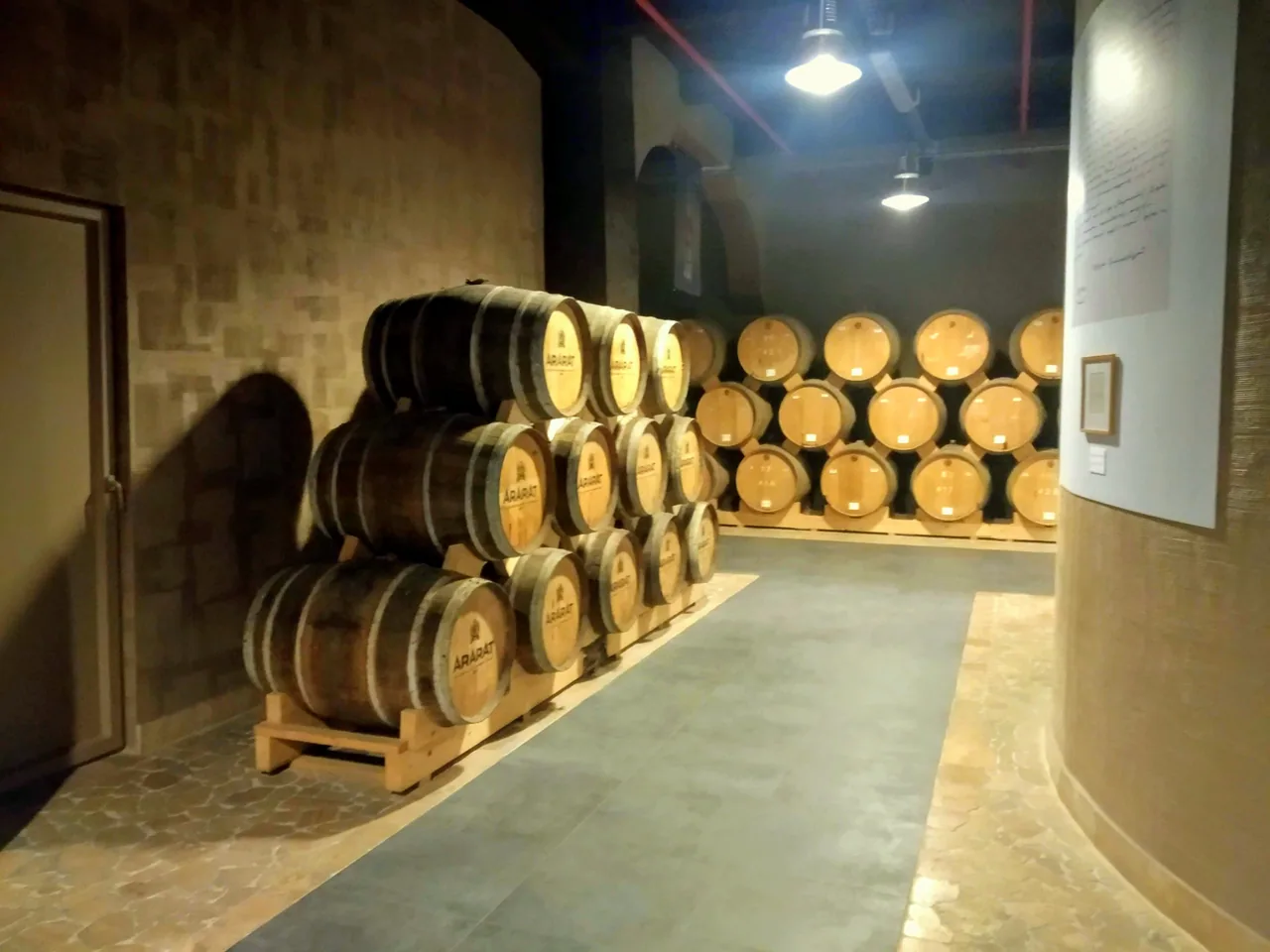
This is the part worth planning, because a tour is the best way to understand the drink. The ARARAT museum at the Yerevan Brandy Company is the polished, internationally minded option: a guided walk through the brand’s history and its archive of collectible bottles, past an active aging cellar stacked with oak, ending with a seated tasting of two or three expressions. Across the gorge, Noy offers its own tour through cellars in the old fortress vaults, with a tasting to match, and it tends to feel a touch more local and less corporate. You can’t really go wrong; if you only have time for one, pick ARARAT for the slicker production or Noy for the atmosphere.
A few practical notes. Tours are paid and best booked ahead, especially in high season and for English-language slots, and they usually run to a set schedule rather than drop-in. The tasting is the heart of it, so go easy on the coffee beforehand and let the guide walk you through how the older blends differ. Prices change, so confirm the current rate and what’s included when you book rather than trusting an old figure.
On what to actually taste: the everyday bottles are graded by a star system (three, five and six stars, by age), while the character really shows in the older named blends. Look for Otborny, the classic; Akhtamar, a well-loved older expression; Nairi, aged around twenty years; and Dvin, the strong, dark style of Churchill fame. You don’t need to be a connoisseur to notice how much rounder and more complex the aged blends are than the young ones. That contrast, tasted side by side, is the reason to sit down for a proper tasting.
Bringing a bottle home
If you want a souvenir with more staying power than a fridge magnet, a bottle of Armenian brandy is the obvious one, and it is cheaper bought here than abroad. Buy from the factory shop, a reputable wine-and-spirits store or a supermarket rather than a street stall, where fakes aren’t unheard of. A mid-aged named blend hits the sweet spot between price and something genuinely special, and it survives the flight home far better than any other Armenian edible.
Check your duty-free allowance before you load up, since spirits are limited on the way into most countries, and pack the bottle well in your hold luggage. One well-chosen bottle you can share at home beats three cheap ones that never get opened.
Where it fits in a Yerevan day
A brandy tour slots neatly into an afternoon in the capital, and both factories sit within reach of the centre near the Victory Bridge. Pair it with lunch and a wander and you have an easy, characterful half-day. For the wider menu of the city, our guide to things to do in Yerevan sets out how an afternoon like this fits alongside the Cascade, the museums and the market. If you would rather taste where the grapes grow, the wine country of the south makes an easy excursion, and our guide to Areni’s ancient wine country covers the cellars and the 6,100-year-old cave winery that started it all. And if it’s wine rather than brandy you’re chasing tonight, Saryan Street’s bars pour it by the glass a short taxi ride from either factory, covered in our guide to wine tasting in Yerevan. However you take your “cognac,” it’s one souvenir of Armenia that tastes as good as the story behind it.
Photos
Read also

Food · 8 min read
Where to Eat in Dilijan: Best Restaurants
Verified · September 4, 2026Where to eat in Dilijan: Haykanoush on Sharambeyan, Hovk and Old Winery on Myasnikyan, Flying Ostrich, plus resort dining with real menu prices.
Food · 9 min read
Yerevan Cafe Culture: Coffee, Courtyards & Cakes
Verified · August 30, 2026Yerevan cafe culture: soorj in a cezve, specialty roasters, vine courtyards and cakes. Where to sit with coffee in Kentron - not dinner restaurants.
Food · 8 min read
GUM Market: Yerevan's Fruit & Spice Bazaar
Verified · August 24, 2026Dried fruit, sweet sujukh, basturma and chechil at Yerevan GUM Market: address, hours, what to taste, sampling etiquette and how to bargain.
Food · 9 min read
Gyumri Restaurants: 5 Places by Dish, Panrkhash 1,950 AMD
Verified · August 23, 2026Gyumri restaurants by dish: trout at Cherkezi Dzor (open 09:00-23:00), panrkhash 1,950 AMD at Gwoog, the Poloz Mukuch beerhouse, new Rustaveli Street row.