
Armenian Food: 17 Dishes and Drinks to Try
The 17 Armenian dishes and drinks worth ordering: khorovats, tolma, lavash, harissa, gata, oghi and Areni wine - what each one is and where to try it.
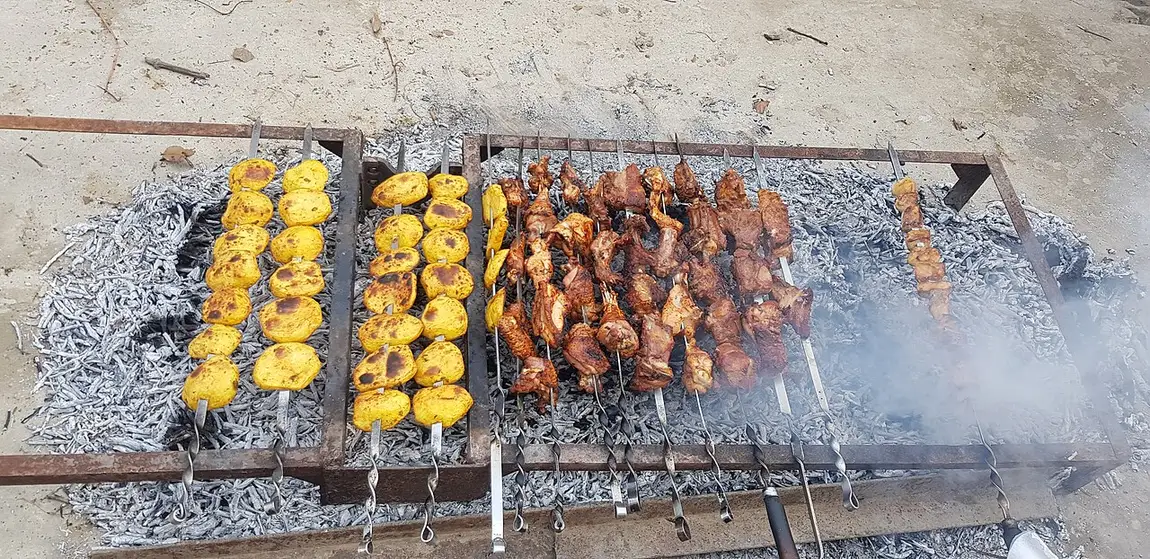
Armenian food is grill, bread and greens, built around a shared table rather than a plate each. If you only eat five things here, make them khorovats (barbecue over vine embers), tolma (meat and rice in grape leaves), lavash (the tonir-baked flatbread on UNESCO’s heritage list), zhingyalov hats (a herb-stuffed flatbread from the south) and a glass of dry Areni red from a valley that has been making wine for six thousand years.
One habit to adopt on day one: order fewer mains than feels right and more of the small plates. The starters, cheeses and breads are usually the best part of the table, and the grill will always be more than you expect.
The five-minute version
- Order at any grill house: khorovats, lavash, chechil cheese, greens.
- Order at a proper Armenian restaurant: tolma, gapama, spas, harissa.
- Order in summer, from a street counter: zhingyalov hats.
- Order in winter, before 9am, if you’re brave: khash.
- Drink: dry Areni red, Voskehat white, brandy after dinner, Armenian coffee last, tan with anything grilled, oghi if a village host pours it.
Off the grill and the fire
1. Khorovats is the national dish in everything but law, and the meal every family defaults to for a celebration. It’s barbecue taken seriously: chunks of pork, lamb or beef marinated and grilled over glowing embers, ideally grapevine cuttings, then piled onto lavash with fire-blistered vegetables and raw onion. There is an aubergine-and-pepper version too, sometimes called summer khorovats. Where: anywhere with a wood fire going, and the roadside grill houses on the highways are usually better than the smart places in town. In Yerevan, Tavern Yerevan does the dependable version.
2. Ishkhan, the “prince” trout endemic to Lake Sevan, is the fish to try, grilled whole or stuffed. Be honest with yourself about what you are eating: the wild Sevan trout has been under real pressure for decades and much of what reaches the table is farmed, so treat it as a treat rather than an everyday order. Where: the lakeside eateries around Lake Sevan, where it’s cooked within sight of the water.
3. Khash is the one locals will dare you to order. A plain, rich broth of slow-boiled cow’s feet and tendons, eaten early on winter mornings with masses of garlic, dried lavash crumbled in and a shot of vodka for courage. It’s a social ritual more than a meal and a genuinely acquired taste. Where: specialist khash houses, in winter only, opening around dawn. Nobody will mind if you admire this one from a distance.
Slow-cooked comfort
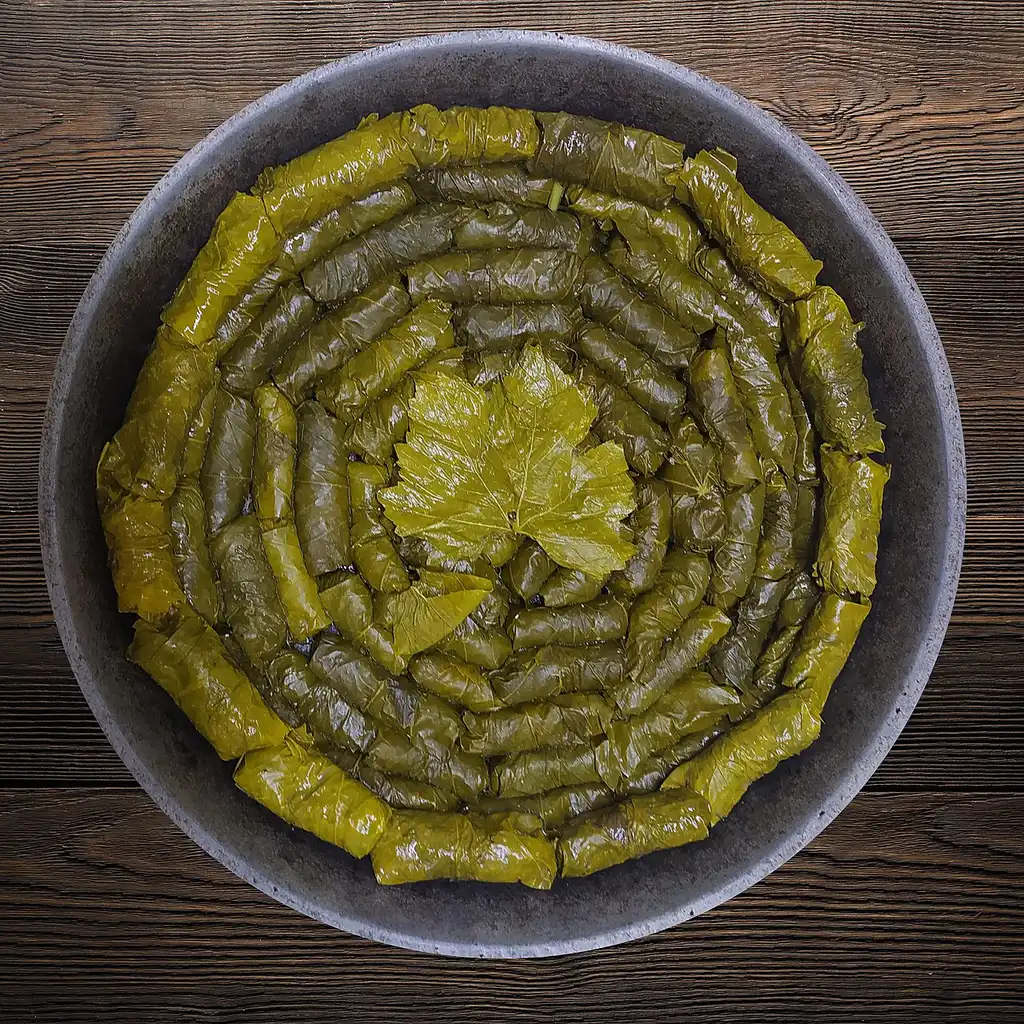
4. Tolma (also written dolma) is the dish to actively seek out: minced meat and rice with herbs, wrapped in a grape or cabbage leaf, simmered soft and served with garlicky yogurt. Two variations are worth knowing, the stuffed-vegetable “Echmiadzin” tolma and a meatless summer version of beans and grains made for fasting days, which is arguably the better of the two. Where: any sit-down Armenian restaurant; Dolmama on Pushkin Street built its reputation on it.
5. Harissa is winter food and ritual food at once: a porridge of cracked wheat and lamb or chicken, cooked for hours and beaten until it turns silky and almost stretchy. Plain-looking, deeply savoury, and the sort of thing that tastes of somebody’s grandmother’s kitchen. Its biggest stage is Musa Ler, where the community cooks it in huge communal cauldrons every September as part of a commemoration of the 1915 Musa Dagh resistance. Where: seasonal and homely rather than restaurant food; ask, because kitchens that make it are proud of it.
6. Spas (also called tanabur) is a warm, tangy yogurt soup thickened with wheat or barley and flecked with herbs, served hot in winter and sometimes cold in summer. It’s the Armenian answer to chicken soup, soothing and a little sour, and the gentlest way into the country’s love of fermented dairy. Where: on almost every traditional menu, all year.
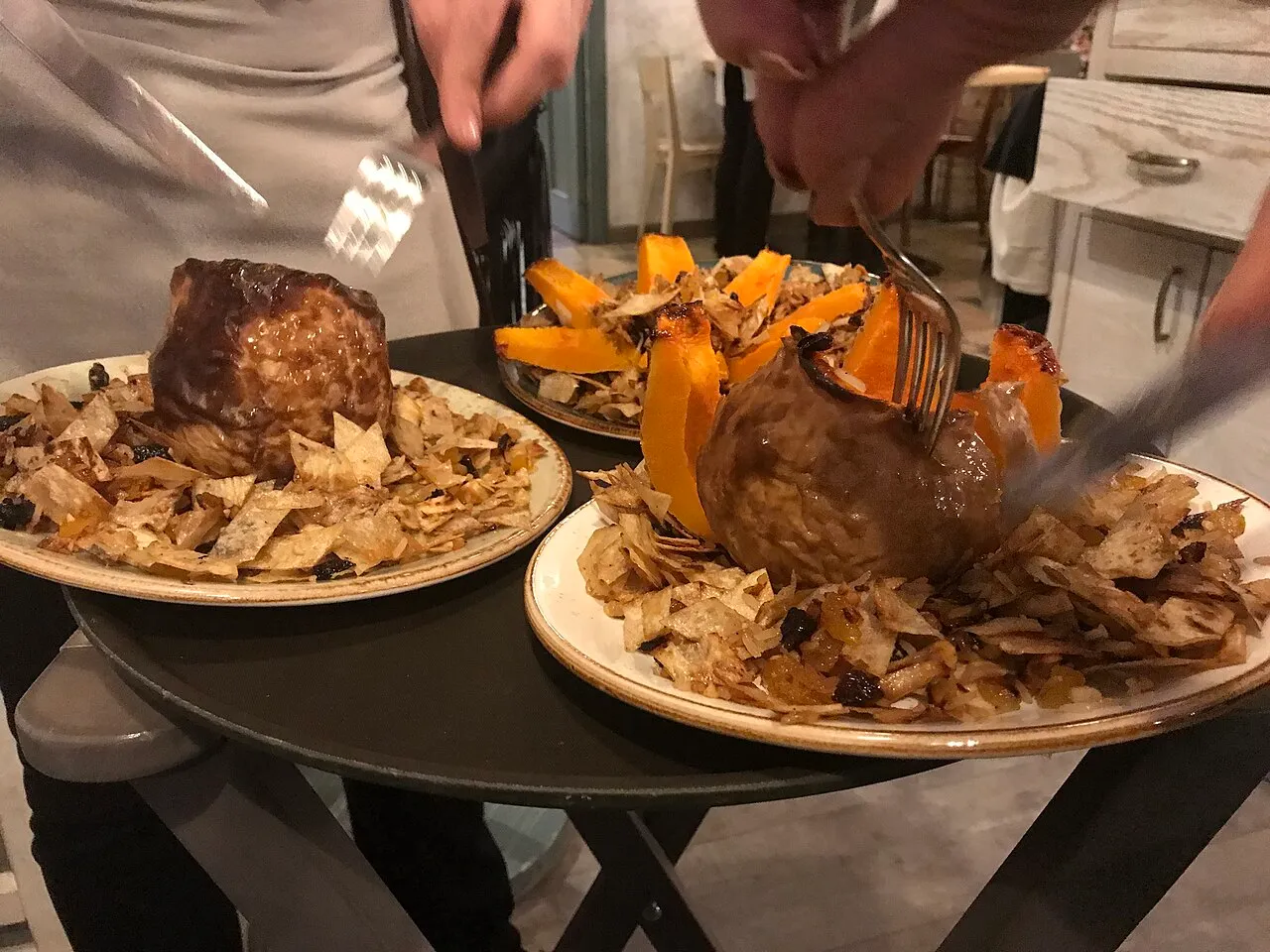
7. Gapama is the showpiece: a whole pumpkin hollowed out, stuffed with rice, dried apricots, plums, raisins and nuts, and baked until the shell softens and the filling turns fragrant. It’s festive, cold-weather cooking that most families only make at New Year. Where: Lavash restaurant on Tumanyan Street serves it year-round and brings it out whole to the table, which is the easiest way to eat it in July.
Bread, greens and cheese
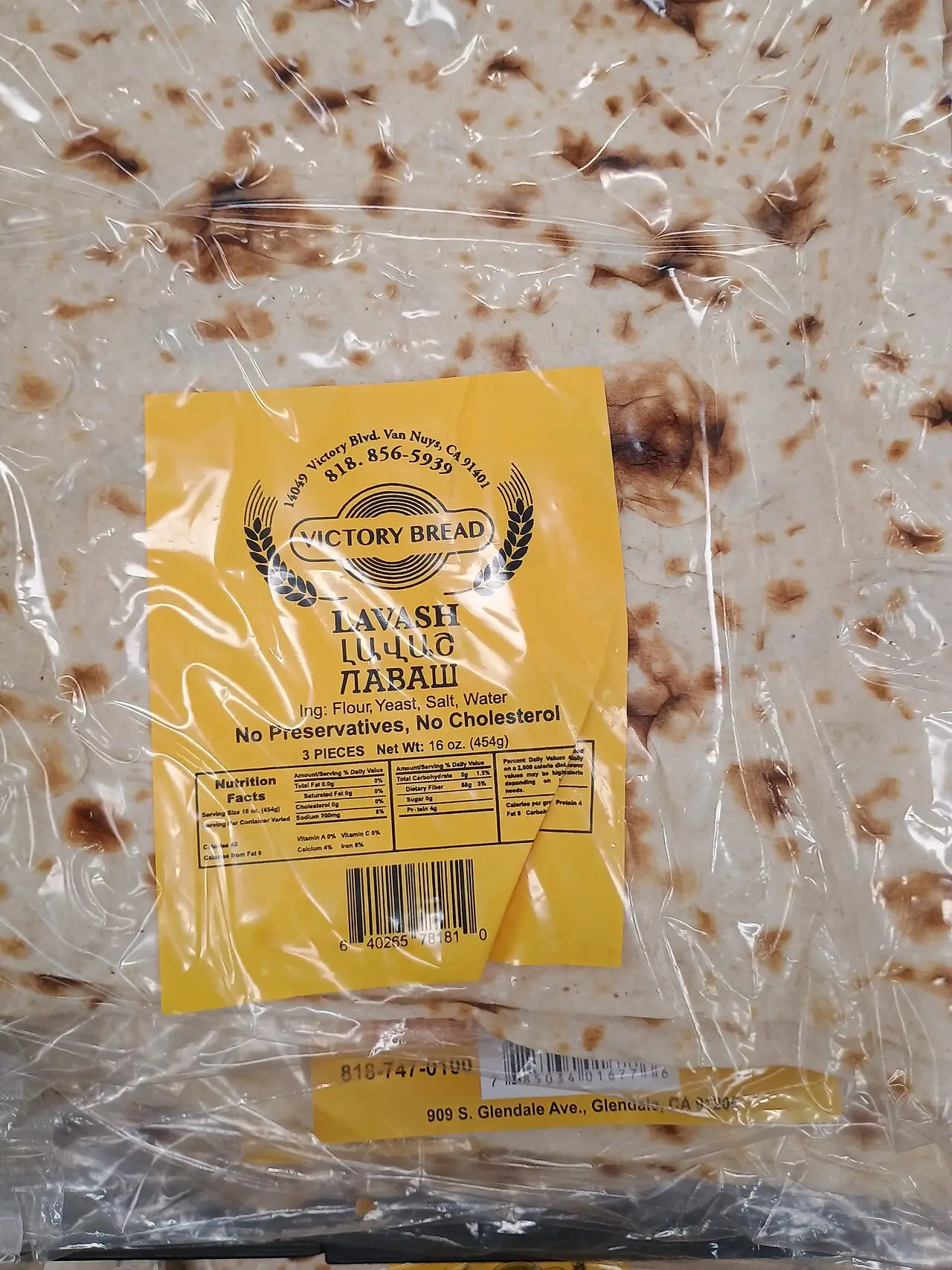
8. Lavash is not a side, it’s the floor the whole meal stands on. The thin, soft flatbread is slapped onto the searing inner wall of a clay tonir and peeled off seconds later, then used to wrap the grill, scoop up dips or simply torn and eaten. Its cultural weight is official: the craft of making lavash joined UNESCO’s Intangible Cultural Heritage list in 2014, a story our full guide to lavash tells in depth. Where: everywhere, but watch it baked at least once, at a village tonir or the bakery beside the temple at Garni.
9. Zhingyalov hats is the green one, and the dish visitors fall hardest for: a thin flatbread packed with a dozen or more chopped wild herbs and greens, then griddled. It comes from the south, from Syunik and Artsakh, and it’s cheap, filling and entirely vegetarian. Where: street counters and small bakeries across Yerevan; eat it standing up, hot.
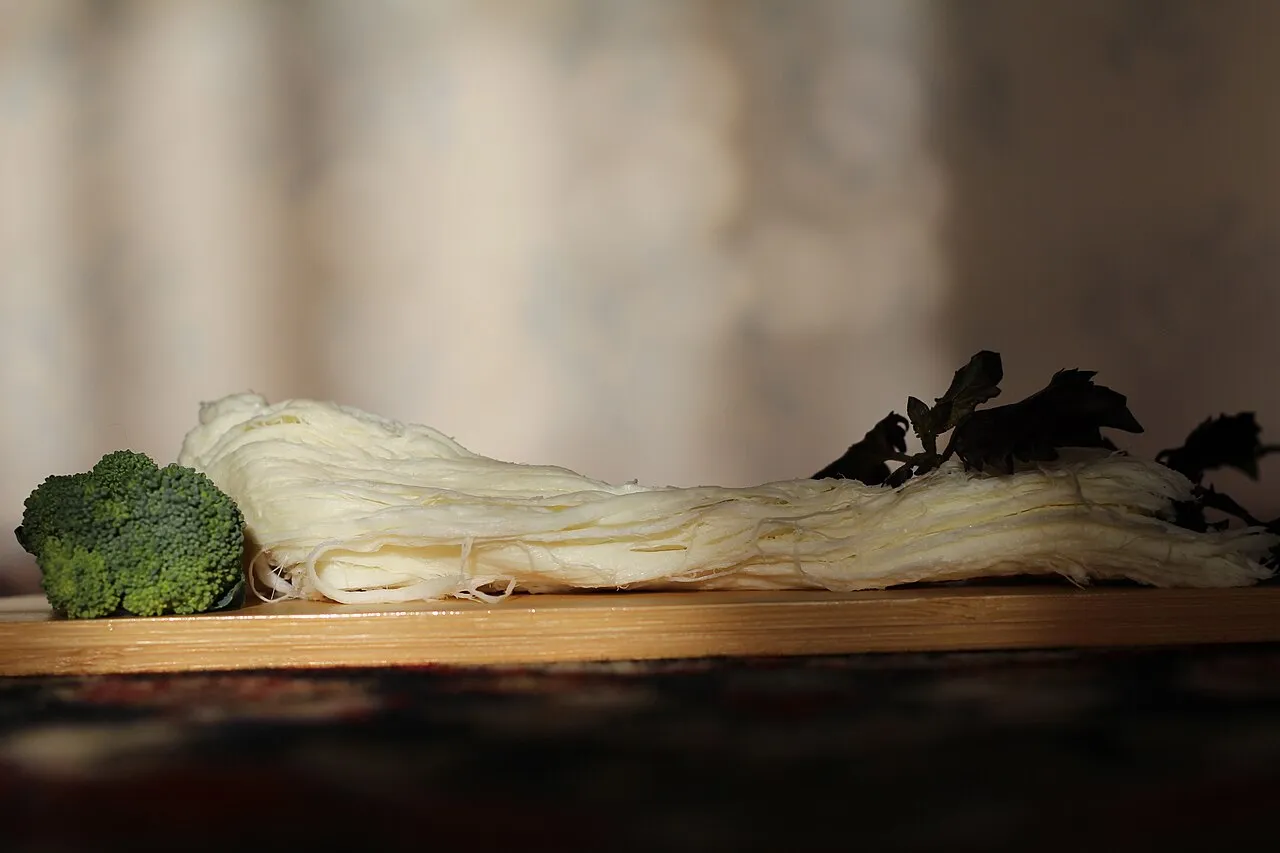
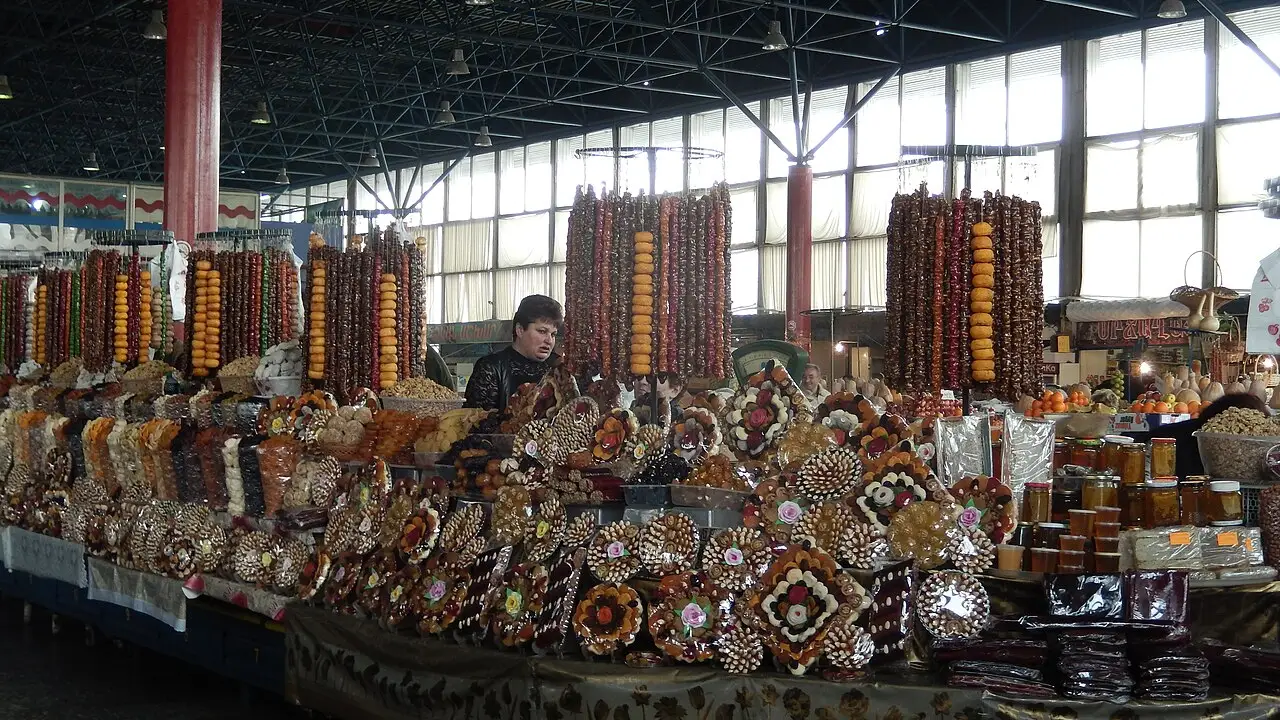
10. Chechil is the cheese you’ll notice first, salty and braided into strands that peel apart, sometimes smoked. Past it lie sharper aged cheeses like motal, matured in a clay pot or an animal skin, and the mild lori. Where: a plate of cheese, greens and lavash opens almost every table; the GUM Market in Yerevan is the place to taste your way along a counter and buy some to take home.
Cured meats
11. Basturma is air-dried beef, pressed and coated in a thick red paste of fenugreek and spices called chaman, then sliced wafer-thin. It’s intense, garlicky and slightly funky, and a small amount goes a long way. Where: the meze section of any menu, or a market counter, where the cured stuff is sold by weight and tastes better.
12. Sujuk is basturma’s cousin, a firm, spiced dry-cured sausage in the same savoury family. Where: the same meze plates and market counters. Mind one ambiguity here: a near-twin word, sujukh, names a completely different, sweet thing, a rope of walnuts dipped again and again in thickened grape juice, close to what Georgians call churchkhela. If a menu lists sujukh among the desserts, that’s the sweet one, not the sausage.
Something sweet
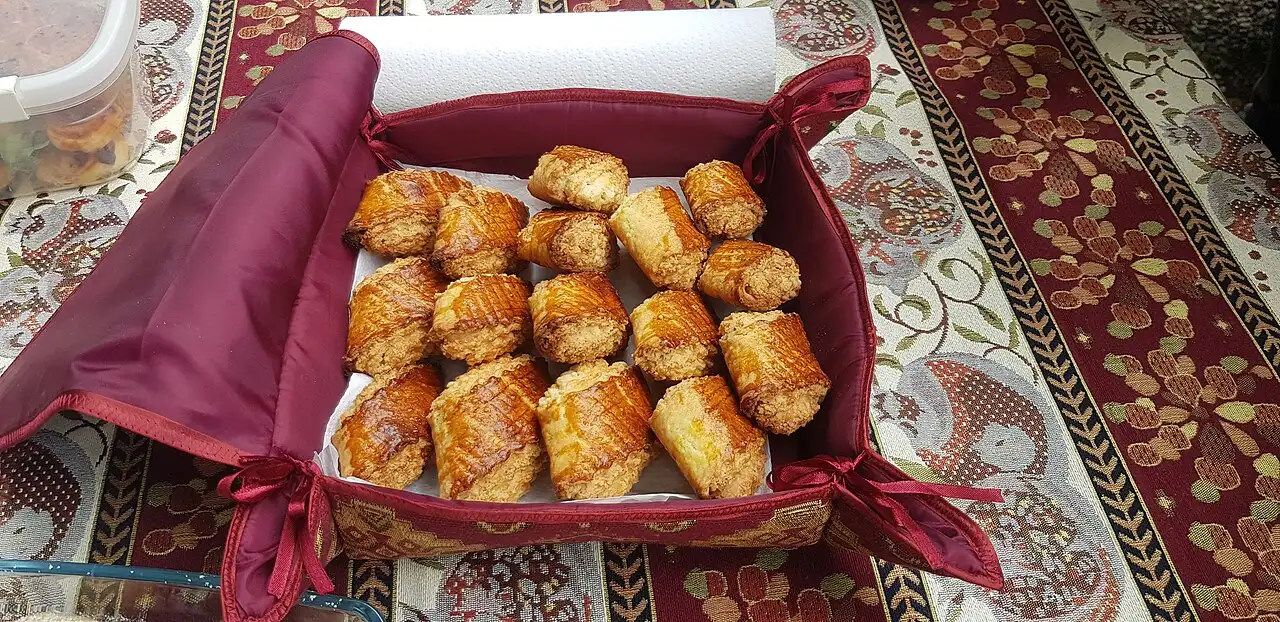
13. Gata is the everyday sweet: a rich pastry or sweet bread wrapped around a filling of butter, sugar and flour called khoriz, often stamped with a pattern on top. Every region bakes its own. Where: the stalls at monastery gates, and the ones outside Geghard are the famous ones, still warm and made for eating in the car.
What to drink
14. Armenian wine is where the country quietly overdelivers, led by dry reds from the Areni grape in the southern region of Vayots Dzor. The pedigree isn’t marketing: the Areni-1 cave holds the remains of the oldest known winery on earth, dated to roughly 4100-4000 BC, so grapes have been pressed in that valley for about six thousand years. Look for dry Areni reds and the crisp white Voskehat. Where: the wine bars along Saryan Street in Yerevan for a fast education across many producers; or drink it where it grows, which our guide to Areni’s wine country maps out, cellars, ancient cave and October festival included.
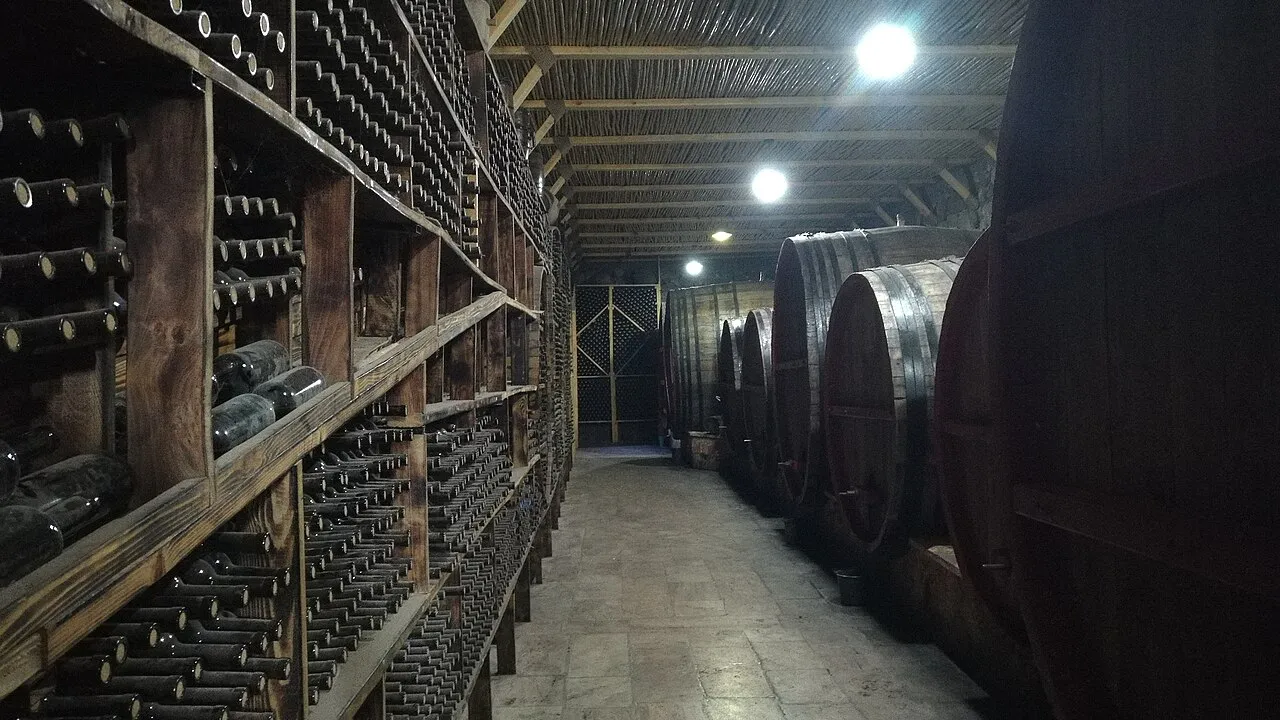
15. Armenian brandy, which locals proudly call cognac even though it legally is not, since the Cognac name belongs to one region of France. The Yerevan distilleries behind Ararat and Noy trace their craft to the 1880s, won medals at turn-of-the-century French exhibitions, and come wrapped in a famous, probably legendary, Churchill story. Where: the two factories run tastings, and our deep-dive on Yerevan brandy separates the history from the tales. A small glass after dinner with a cup of thick, unfiltered Armenian coffee brewed in a little pot called a jazzve is how a meal properly ends here.
16. Oghi is the village counterpart to wine and brandy: a home-distilled fruit spirit made from mulberries, apricots, pears, cherries or grapes, with the mulberry version, tuti oghi, the classic welcome pour in a rural home and now bottled commercially too. Locals often call it “vodka,” a Soviet-era habit that undersells it, since it’s really a fruit brandy and worth sipping rather than shooting. Where: offered as hospitality in villages and guesthouses across the country, and bottled tuti oghi turns up in shops if you want to bring one home.
17. Tan is the drink for a hot afternoon: a cold, salted yogurt drink, often flecked with mint, that cuts through a griddled zhingyalov hats or a plate of khorovats better than anything else on the table. Where: every corner shop and supermarket sells it bottled, and village restaurants pour it fresh alongside the grill.
Ordering well
Share, and start small. Order the cheese, greens, basturma and bread first and let the grill arrive later. Tables here are built to be picked at.
Book the good places, carry cash for the rest. Popular Yerevan kitchens fill up on weekend evenings; the grill shacks, market stalls and monastery-gate vendors that cook the food you’ll actually remember often take cash only. Our pick of the best restaurants in Yerevan lists who to reserve and what to order at each.
Eat seasonally, because the country does. Khash and harissa are winter; gapama belongs to New Year; zhingyalov hats and the tomato-and-herb end of the table peak in summer; the grape harvest and the best fruit land in September and October. Follow that rhythm and the whole table starts to make sense the way it does for everyone who eats here often. The drive out through the vineyards and monasteries in our best day trips from Yerevan pairs half this list with the scenery it came from.
Photos
Read also

Food · 8 min read
Where to Eat in Dilijan: Best Restaurants
Verified · September 4, 2026Where to eat in Dilijan: Haykanoush on Sharambeyan, Hovk and Old Winery on Myasnikyan, Flying Ostrich, plus resort dining with real menu prices.
Food · 9 min read
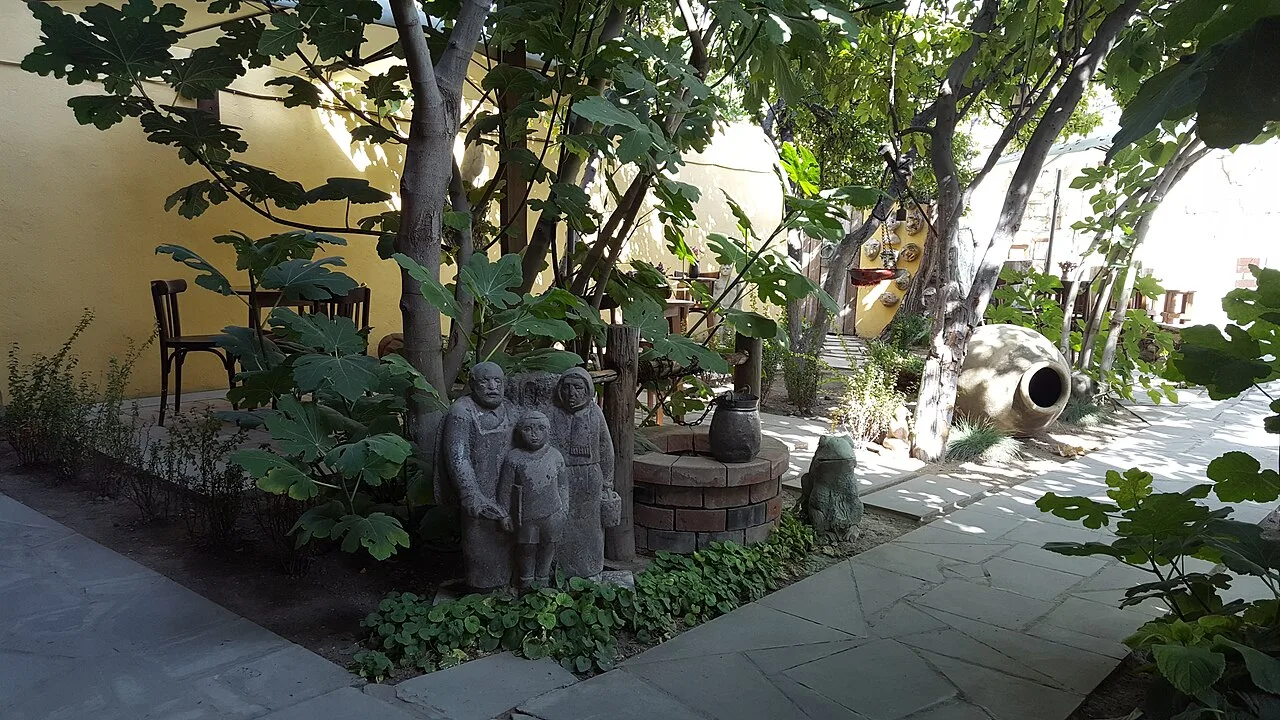
Yerevan Cafe Culture: Coffee, Courtyards & Cakes
Verified · August 30, 2026Yerevan cafe culture: soorj in a cezve, specialty roasters, vine courtyards and cakes. Where to sit with coffee in Kentron - not dinner restaurants.
Food · 8 min read
GUM Market: Yerevan's Fruit & Spice Bazaar
Verified · August 24, 2026Dried fruit, sweet sujukh, basturma and chechil at Yerevan GUM Market: address, hours, what to taste, sampling etiquette and how to bargain.
Food · 9 min read
Gyumri Restaurants: 5 Places by Dish, Panrkhash 1,950 AMD
Verified · August 23, 2026Gyumri restaurants by dish: trout at Cherkezi Dzor (open 09:00-23:00), panrkhash 1,950 AMD at Gwoog, the Poloz Mukuch beerhouse, new Rustaveli Street row.