Lake Sevan, Armenia: Beaches, Water Temps and Getting There
Water near 20°C in July and August, free public beaches, 24 departures a day from the Northern Bus Station in Yerevan, Sevanavank and the lake off-season.
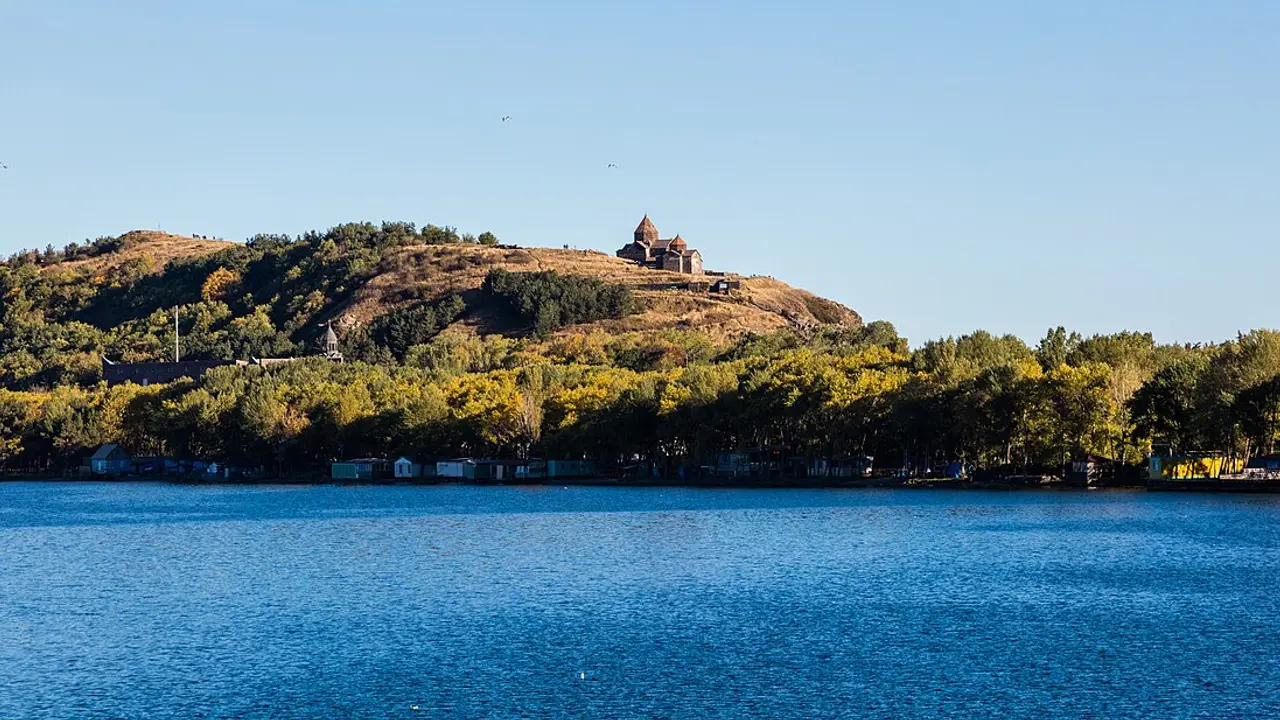
Lake Sevan is Armenia’s summer coast: a freshwater lake about 1,900 metres up and roughly 65 km northeast of Yerevan, where the water reaches about 20°C in July and August and the beaches fill with families from the capital. You don’t need a car to get there. Minibus 304 runs from Yerevan’s Northern Bus Station to Sevan town 24 times a day, 08:00 to 20:30 on the ministry-approved timetable, and takes 1 h 20 min. The Sevanavank peninsula and the main beaches are a few minutes further by taxi. In 2025 the state opened five public beaches on the lake, free to enter, on 1 July.
When the water is warm enough to swim
Sevan is a mountain lake, and it warms late. The best record of how warm it gets comes from Armenia’s Hydrometeorology and Monitoring Center, which measures the water just below the surface twice a day at four shore stations, the Sevan peninsula and Shorzha among them. A 2026 study in the journal Water charted those readings for 1991-2020, and across the most recent decade they run roughly like this:
- May: about 10°C, too cold for most swimmers.
- June: about 16°C. Bracing, fine for a quick dip.
- July: about 20°C. The Environment Ministry’s own reading at 08:00 on 10 July 2026 was 19.3°C.
- August: 20-21°C, the warmest month and the one to aim for if swimming is the point.
- September: about 18°C, still warmer than June.
- October: about 14°C, the month the lake lets go.
- November: about 9°C.
- December: still about 4-5°C.
- January and February: 2-3°C, the coldest water of the year.
The water lags the air. A deep lake warms after the air and cools after it too, so in September the water is only 2-3°C off its August peak, while the air on the beach has turned sharply cooler and averages just 13-14°C across a September day and night. Early September swims feel fine once you’re in; the cold waits for you on the shore. A satellite study by researchers at the Armenian Academy of Sciences adds a local twist: the shallow southern shore is the warmest part of the lake in summer and the coldest in winter. Whatever the month, the evening air at this altitude cools fast. Pack a warm layer even in August. For the wider seasonal picture, see our guide to the best time to visit Armenia.
Free public beaches and paid private ones
The state runs public beaches inside Sevan National Park, on sites the government set aside around Sevan town and near Drakhtik, Lchashen, Tsovazard, Noratus and Tsovagyugh. In 2025 their season opened on 1 July, when the Environment Ministry opened five of them, free to enter, with changing rooms, showers, shade, playgrounds, lifeguards and first-aid points.
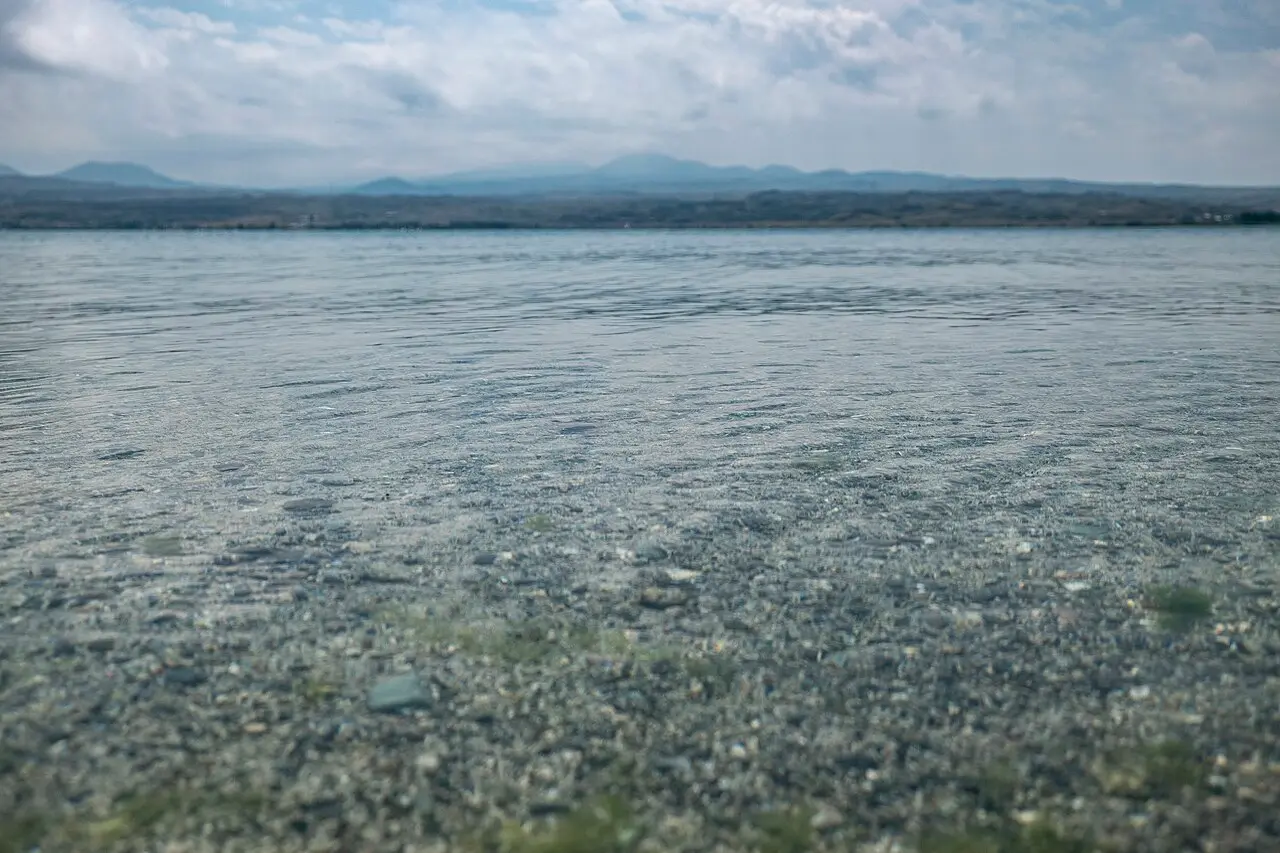
Much of the developed shore near Sevan town and the peninsula is run by hotels and beach clubs that charge at the gate. None of the operators we checked had a current beach price online on 23 September 2026. Bring cash in dram. The shore is mostly pebble and coarse sand, which makes water shoes worth packing. For cleaner water and more room, the quieter east and south shores reward anyone with a car, and if you’re bringing a tent, our guide to camping in Armenia covers wild pitches and lakeside campsites.
Getting there without a car
The workhorse is minibus route 304, and it leaves from Yerevan’s Northern Bus Station, the Hyusisayin avtokayan on the road out towards Sevan at the city’s northern edge, not from the central Kilikia station. A ride-hailing car from the centre is the easy way to reach it. The approved timetable from the Ministry of Territorial Administration and Infrastructure (checked 23 September 2026) lists 24 departures a day from Yerevan, the first at 08:00 and the last at 20:30, with gaps of 15 to 45 minutes. Every run is scheduled at 1 h 20 min over the 54 km to Sevan’s bus station. Coming back, the first minibus leaves Sevan at 07:00 and the last at 20:30, from the bus station in town, not the peninsula, so allow time for the taxi to reach it. In June and July the sun sets about when that last minibus leaves, so a peninsula sunset and the last bus fit together only from mid-August on.
The timetable doesn’t print a fare, and in September 2026 the Sevan routes were passing to a new operator with 36 new minibuses, according to Armenpress. Ask the price as you board, pay the driver in dram, and check the times at the station as well as the fare. Route 304 ends at the bus station in Sevan town rather than at the peninsula, which lies a few kilometres further on with the busiest beaches. A ride-hailing app covers that gap easily, and our guide to taxi apps in Armenia has their out-of-town rate per kilometre.
In summer there’s a rail option too. South Caucasus Railway runs a seasonal electric train from Yerevan’s main station via Sevan to Shorzha on the east shore on Fridays, Saturdays and Sundays. In 2026 it ran from 12 June to 13 September, leaving Yerevan at 08:30 and starting back from Shorzha at 17:00. The railway posts the dates on its own site shortly before the season (the 2026 notice went up on 1 June), so treat it as a summer-weekend plan only. For taxis, fixed-price transfers and driving yourself, our guide to getting from Yerevan to Lake Sevan compares every option.
Sevanavank and the peninsula
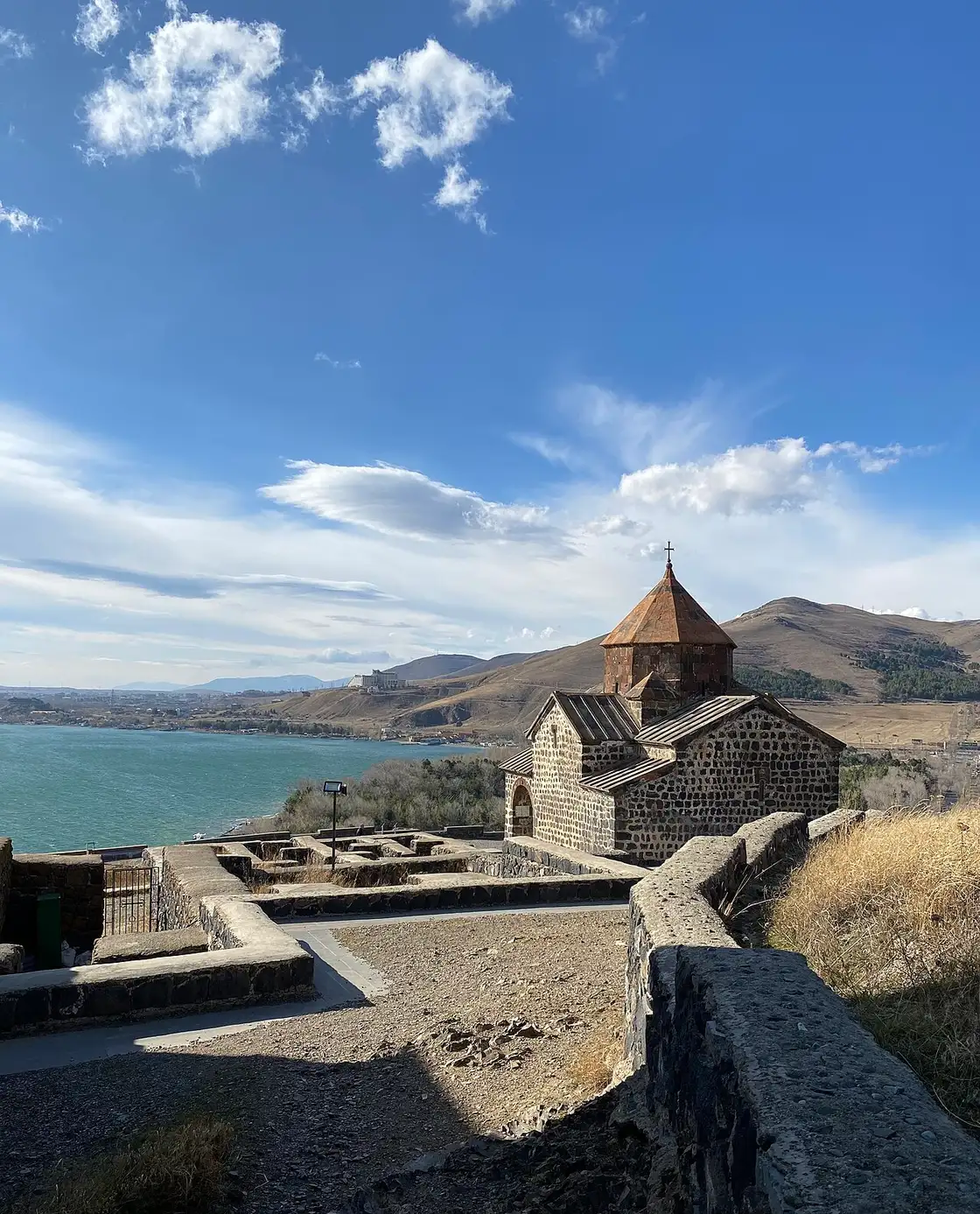
Almost everyone starts at Sevanavank, because it hands you the whole lake in one view. Princess Mariam, daughter of King Ashot I Bagratuni, founded it in 874 with two churches that still stand, Surb Arakelots and Surb Astvatsatsin, squat and dark in rough basalt under conical drums of red tuff. The monastery was built on an island. Soviet drainage later lowered the lake, exposed a land bridge and turned the island into the peninsula you can now drive to, so the “island monastery” of older books is today a climb from a car park.
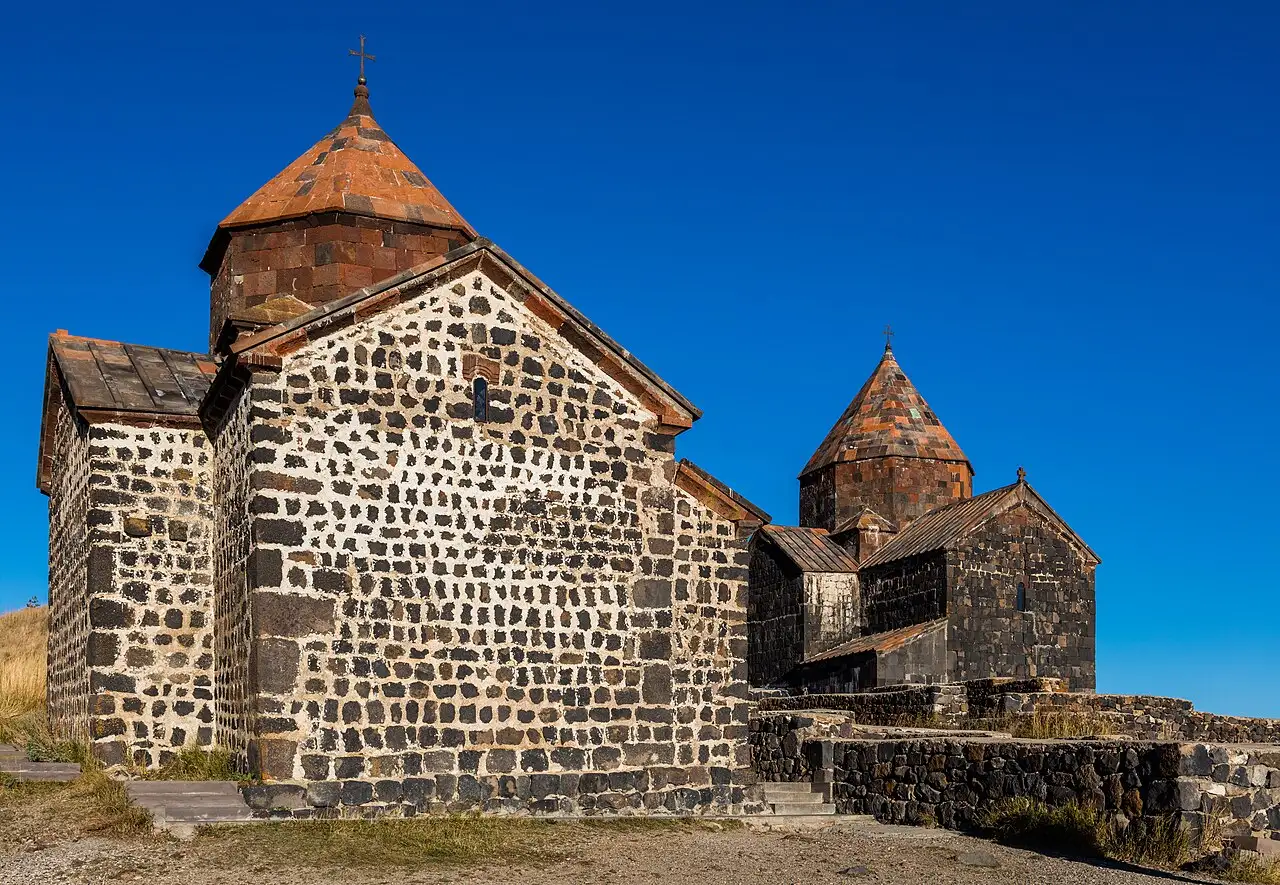
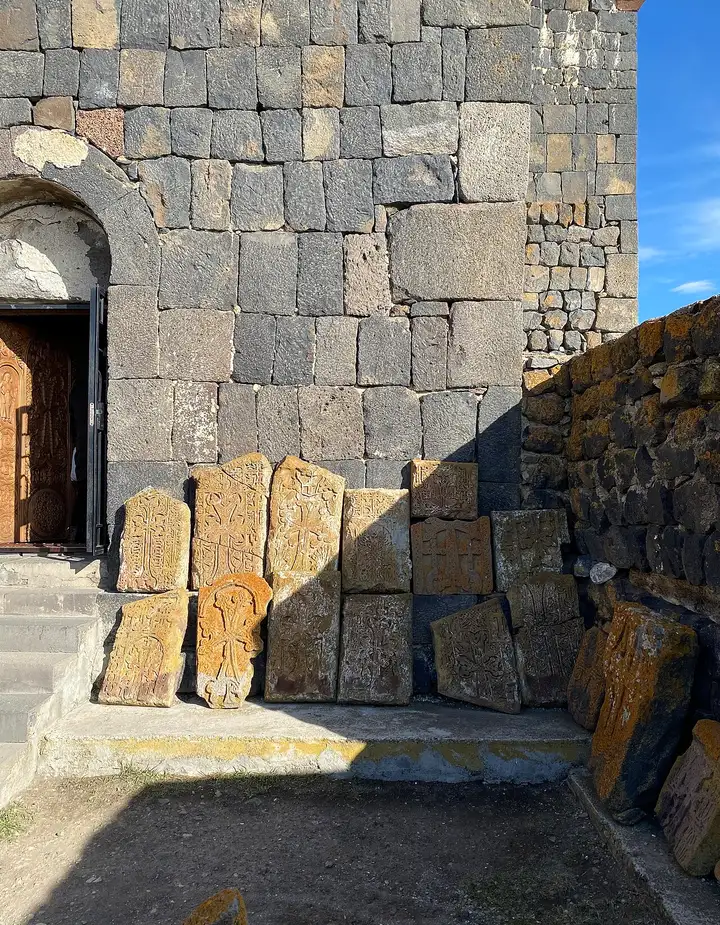
That climb runs up roughly 230 steps, and at 1,900 m the thin air makes them feel like more. Take them slowly. At the top, beside the churches, stand rows of weathered khachkars and the working Vaskenian Theological Academy, a seminary re-established on the peninsula in 1990. Entry is free, since it’s a functioning church rather than a ticketed museum. There’s no published timetable, which makes it a daylight visit. For the founding story, the battle of 921 on the island and the churches in detail, see our Sevanavank monastery guide.
Why the lake is rising again
The numbers explain why Armenians call it a sea. Sevan covers about 1,240 km² and drops to 79 m at its deepest, it’s been a national park since 1978 and it’s a Ramsar-listed wetland. From the 1930s Soviet engineers drained it for irrigation and hydropower, and over the century the level fell by nearly 20 m and the volume by more than a third, wrecking trout spawning grounds on the way. Two long tunnels now feed it mountain water, the Arpa-Sevan (opened 1981) and the Vorotan-Arpa (2004), and the recovery has passed a milestone: on 1 September 2026 the Environment Ministry put the level at 1,900.70 m, the highest in 64 years.
Ishkhan trout: order the farmed one
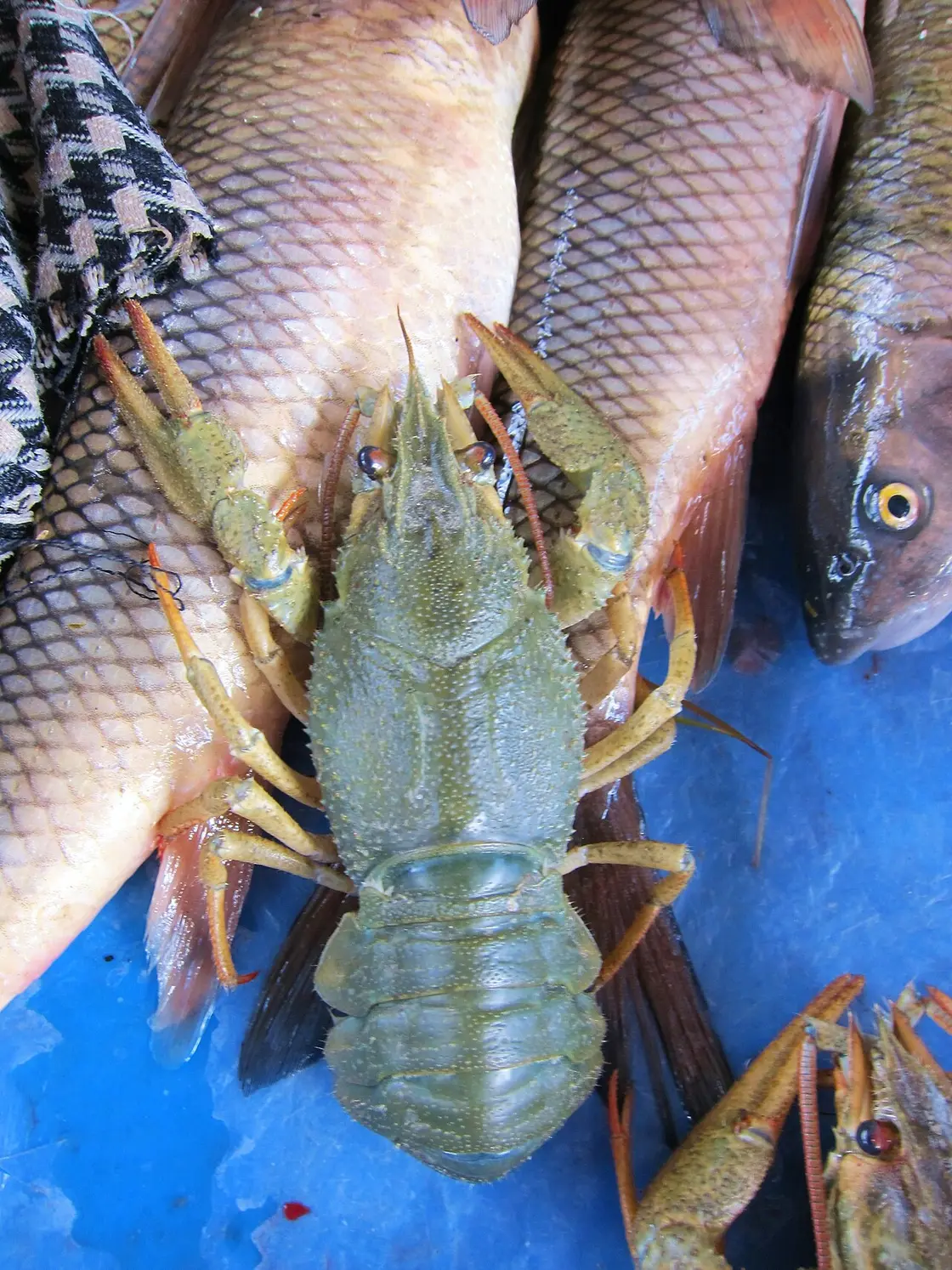
Sevan’s other claim to fame is on the plate. The lake’s signature fish is ishkhan, the Sevan trout, whose name means “prince”, and grilled ishkhan is the dish every lakeside restaurant advertises, usually alongside crayfish and whitefish. Wild ishkhan, though, is endangered: introduced competitors and the falling water pushed it onto Armenia’s Red Book, and fishing wild Sevan trout is banned. What restaurants legally serve is farm-raised ishkhan or the introduced whitefish. Order either with a clear conscience, and skip anyone on the shore selling “wild-caught Sevan trout” as a delicacy. The restaurants right beside the monastery charge for the view. Ishkhan is one of the dishes in our guide to Armenian food.
Where to stay on the lake
Most beds are on the north-west shore, in and around Sevan town and the peninsula, including the Soviet-modernist Writers’ House on the peninsula itself, and it’s the practical base if you’re arriving by minibus. The east shore is quieter and cleaner but needs wheels. The Tufenkian Avan Marak hotel in Tsapatagh gives guests free use of a nearby private beach for swimming and kayaking, and it’s seasonal: its own site gives the opening as 15 April to 1 October. Our guide to where to stay at Lake Sevan weighs the Writers’ House against the beach resorts and sorts the rest by budget.
Sevan out of season
From October the lake changes character rather than shutting down. Minibus 304 keeps its daily timetable and Sevanavank stays a daylight visit. What stops is everything seasonal: the Shorzha train in mid-September, the staffed beach season on the public shore, and hotels such as Tufenkian Avan Marak, which closes on 1 October.
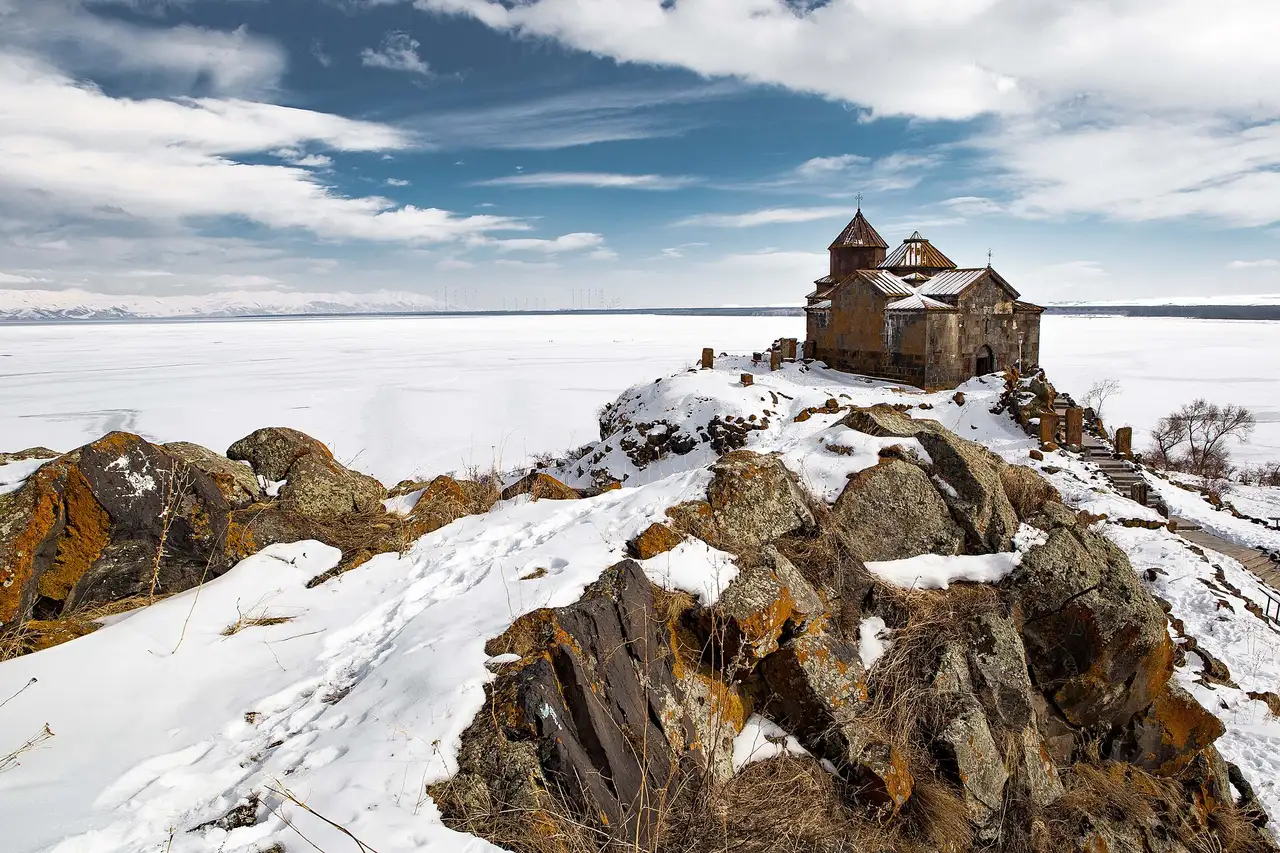
The water sinks to 2-3°C in January and February, and in a hard winter the lake can freeze, though that satellite study notes it doesn’t freeze over completely every year. Come for empty shores, clear light and the monasteries of the west shore, Hayravank on its headland and the khachkar field at Noratus, and check the Rescue Service’s daily road bulletin before crossing the Sevan Pass towards Dilijan in snow.
Choosing your Sevan day
By minibus, the day is Sevan town, the peninsula and a public beach, with the 20:30 back from the bus station. With a car, head for the quieter east shore at Tsapatagh or Shorzha, or give the Lake Sevan Grand Loop a spare day. From October to May, pair Sevanavank in daylight with Hayravank and the Noratus khachkars. Sevan and Dilijan in a single day is timed out in our Yerevan to Lake Sevan guide, and the lake earns its place among the day trips from Yerevan beside Khor Virap and Garni and Geghard.
Photos
On the map
The map loads on click - to keep the page lightweight.
The map didn’t load. Check your connection and refresh the page.
Read also

What to see · 10 min read
Soviet Modernist Yerevan: An Architecture Walk
Verified · September 5, 2026Walk Yerevan's Soviet modernism: Rossiya Cinema, Komitas Hall, Cascade, Hrazdan Stadium and Demirchyan Complex - dates, route order, and what still stands.

What to see · 9 min read
Kond: Walking Yerevan's Oldest Neighborhood
Verified · September 3, 2026Walk Kond, Yerevan's oldest living quarter: Surp Hovhannes, Tepebashi mosque walls, Leo Street alleys, and how to visit without treating it like a set.
What to see · 8 min read
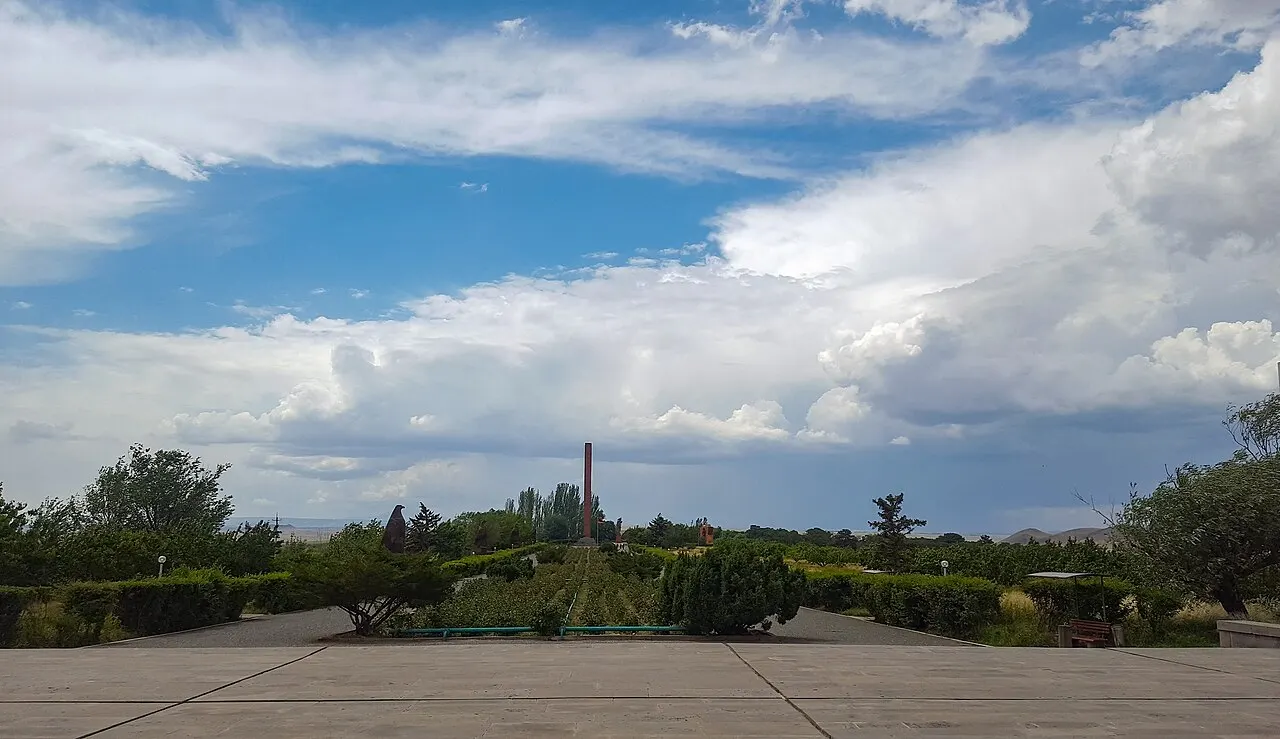
Sardarapat Memorial: Armenia's 1918 Battle Site
Verified · August 31, 2026Sardarapat Memorial near Armavir: 1918 battle site, Israelyan's red-tufa complex, ethnography museum tickets, hours and how to reach it from Yerevan.
What to see · 12 min read
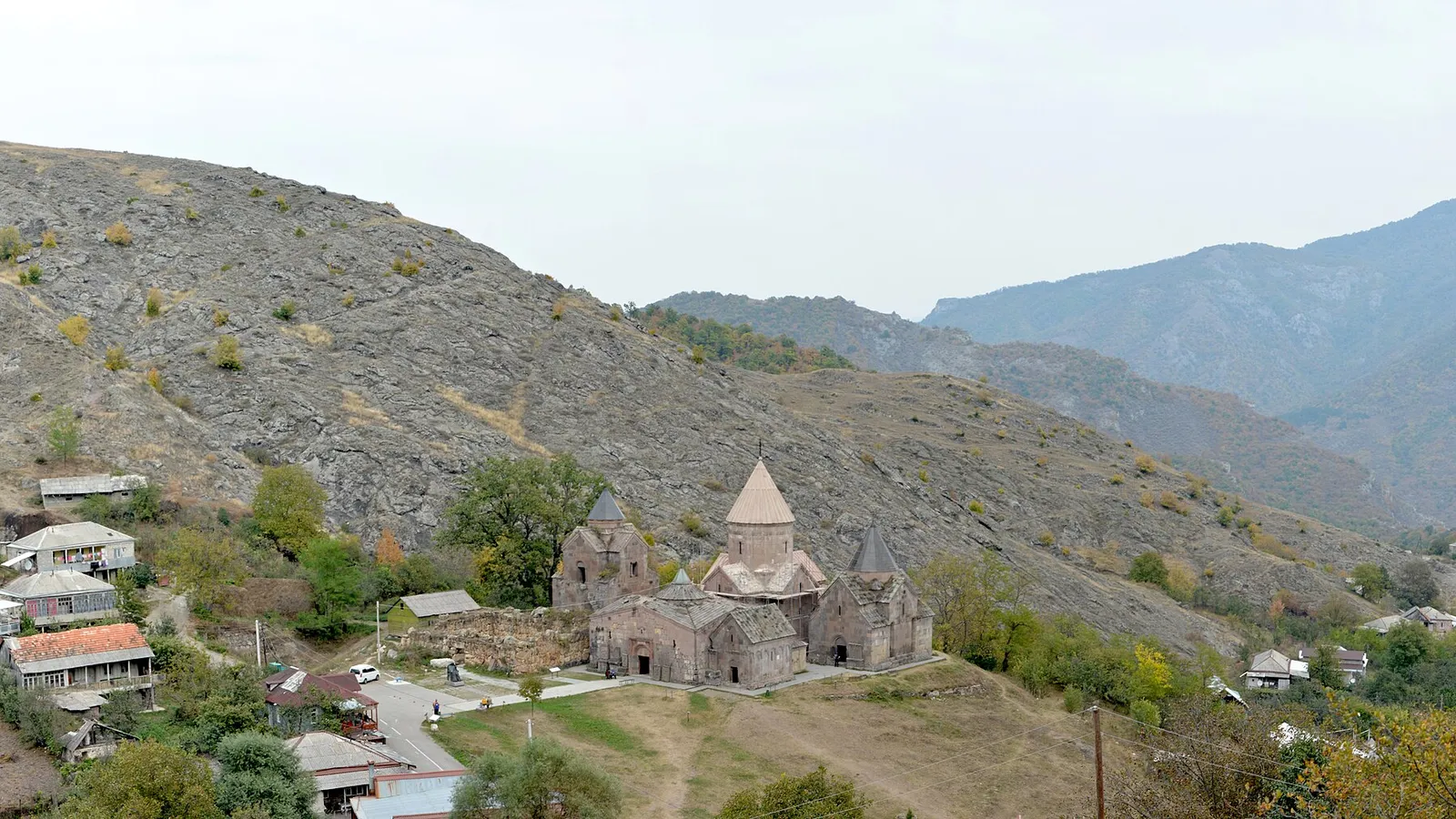
Goshavank Monastery & the Village of Gosh
Verified · August 29, 2026Visiting Goshavank: Mkhitar Gosh's law code that reached Poland, the 1291 embroidered khachkar, his statue and hillside tomb, and the drive from Dilijan.