Yerevan to Lake Sevan: How to Get There
How to get from Yerevan to Lake Sevan: minibus 304 on the ministry timetable, taxi, transfer or rental car, and the last-mile catch to Sevanavank.
Lake Sevan sits about 65 km northeast of Yerevan, about an hour’s drive up the M4 highway, which makes it one of the simplest half-day or full-day trips you can make from the capital. The cheapest way is minibus 304 (a shared marshrutka) to Sevan town, but it comes with a catch worth knowing before you go. A taxi or private transfer costs more but takes you door to door in about an hour, and a rental car is the pick if you want to swim off a quiet shore or carry on north to Dilijan the same day. This guide lays out each option, what it involves, and how to avoid getting stranded a long walk from the water.
The short answer
For most people, the choice comes down to budget versus convenience. Minibus 304 runs from Yerevan’s Northern Bus Station to Sevan town 24 times a day and is scheduled at 1 h 20 min for the 54 km; the timetable prints no fare, so ask as you board and pay the driver in dram. It drops you in the town, not at the lake, so you then need a short taxi to reach the monastery and the beaches. A taxi or booked transfer takes about an hour and delivers you straight to the peninsula with no faffing. A rental car is the smart move if the lake is one stop in a bigger northern day, because Sevan sits right on the road up to Dilijan.
The catch is the last mile. The minibus gets you to Sevan town on a fixed timetable, but the famous bits (the Sevanavank monastery on its peninsula, the developed beaches) are a few kilometres north of the centre. Sort out how you’ll cover that gap before you leave - taxi apps in Armenia handle the short hop from town - and the trip is effortless. Ignore it and you can end up paying for an unplanned taxi anyway, which erodes the saving.
Marshrutka: the budget option
The shared minibus is how most budget travellers and locals make the trip, and route 304 runs on a ministry-approved timetable (checked 23 September 2026): 24 departures a day from Yerevan between 08:00 and 20:30, every 15 to 45 minutes, every day of the week, with one timetable all year. Each run is scheduled at 1 h 20 min for the 54 km. There’s no fare on it either, so keep small dram notes for the driver.
It leaves from Yerevan’s Northern Bus Station (Hyusisayin avtokayan), on the highway out towards Sevan and Dilijan at the city’s northern edge, not from the central Kilikia station. That’s about 8 km in a straight line from Barekamutyun metro, where some older guides place it, so a ride-hailing car from the centre is the easy way to reach it. Once you’re aboard it’s simple: pay the driver, take a seat, and enjoy the run up onto the high plateau.
The real limitation isn’t the ride but the drop-off. The minibus terminates in Sevan town, which sits back from the water, so you are still a few kilometres from Sevanavank and the beaches. From the town, a short taxi covers the gap to the peninsula. Factor that add-on into your budget and your timing, because it is the part first-timers forget.
You don’t need to book the minibus ahead: you pay the driver on board. For the full picture of how Armenia’s buses, minibuses and ride-hailing apps fit together, our guide to getting around Armenia without a car covers the whole network and the practical quirks.
Taxi and private transfer
If you would rather skip the connections, a taxi covers the 65 km in about an hour and takes you all the way to the peninsula. You get door-to-door service, your own timing and no guessing about stations. Armenia’s ride-hailing apps, GG and Yandex Go (plus UTaxi), are the easy way to book one at a fair, metered price; there’s no Uber or Bolt here. Coverage is strong in and around Yerevan but thins on the quieter shores, so agree a return or a wait time if you’re heading somewhere remote.
For a fixed price locked in beforehand, with a driver who meets you and can wait while you climb up to the churches, a pre-booked private transfer does the same job without any negotiating at the roadside. It’s the low-stress choice if you’re short on time, travelling with family, or simply want a lazy lakeside lunch without watching the clock.
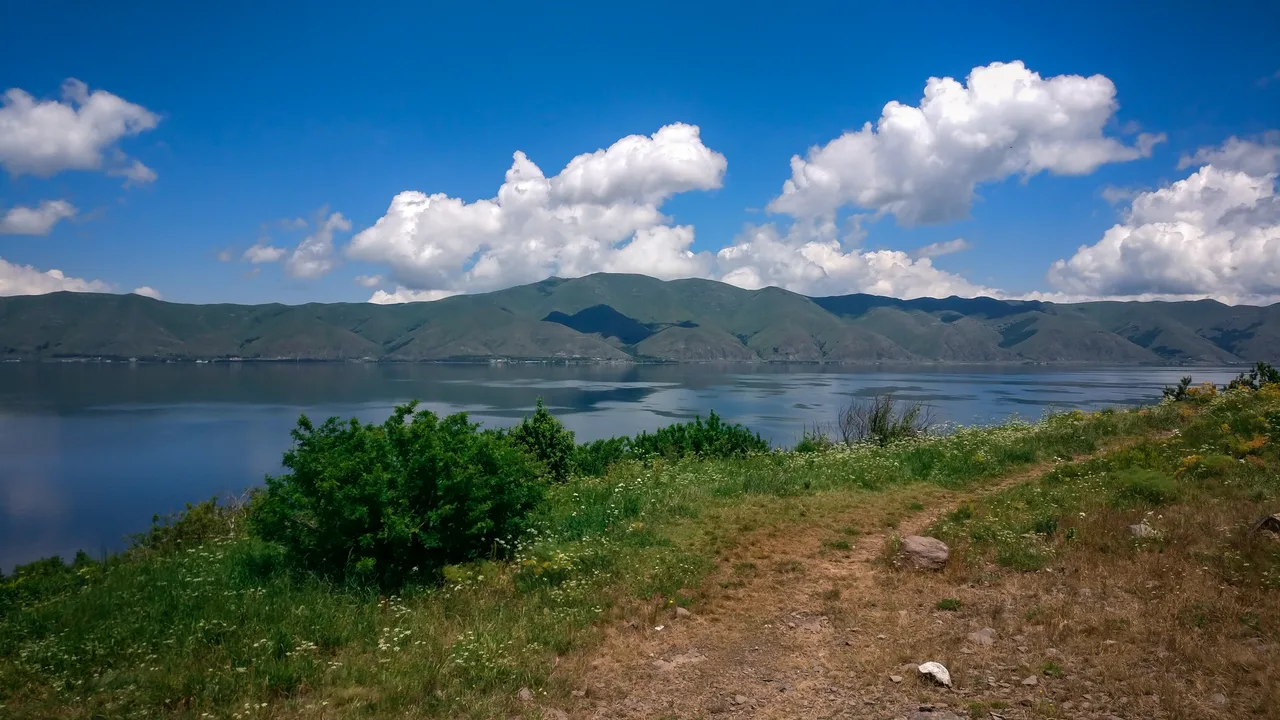
Rental car: best if Sevan is one stop of several
Hiring a car changes what the trip can be. The drive is straightforward, an hour up the M4 on good road, and having your own wheels solves the last-mile problem outright: you park at the foot of the peninsula and you’re done. More to the point, a car lets you reach the quieter eastern and southern shores (toward villages like Shorzha), where the water is cleaner and there is room to spread out, rather than being tied to the busy, developed northwest.
The bigger reason to drive, though, is what lies beyond. The M4 carries straight on over the Sevan Pass and down into Dilijan, the forested “Little Switzerland” of the north, which is why the two pair so naturally into a single day. Do the monastery and a trout lunch by the lake in the late morning, then drop over the pass into the woods for the afternoon. With more time, the same road keeps going toward the second city of Gyumri and the Lori monasteries. And if you would rather make the lake itself the whole trip, our Lake Sevan Grand Loop circles the west and south shores over one or two days, taking in Hayravank, the Noratus khachkars and the Selim pass caravanserai.
What to do once you are there
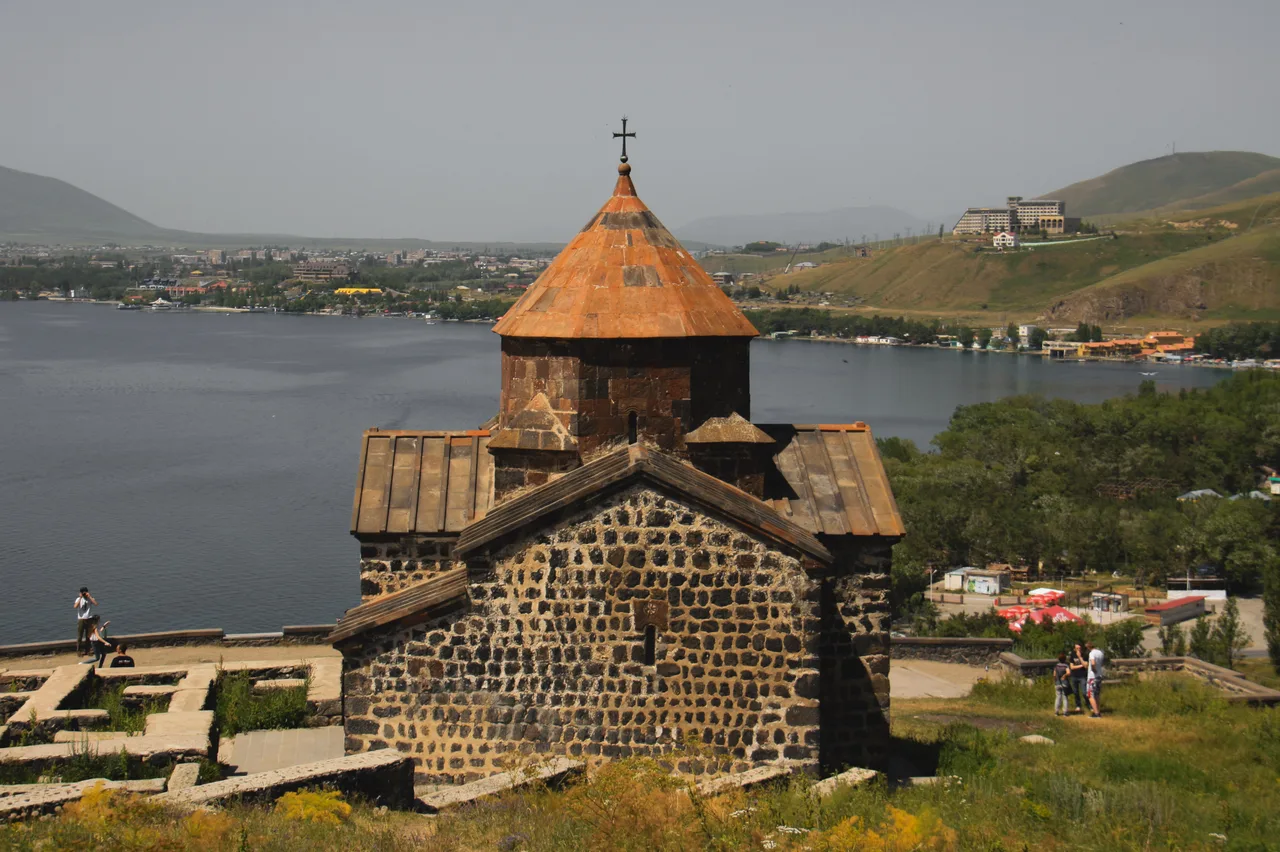
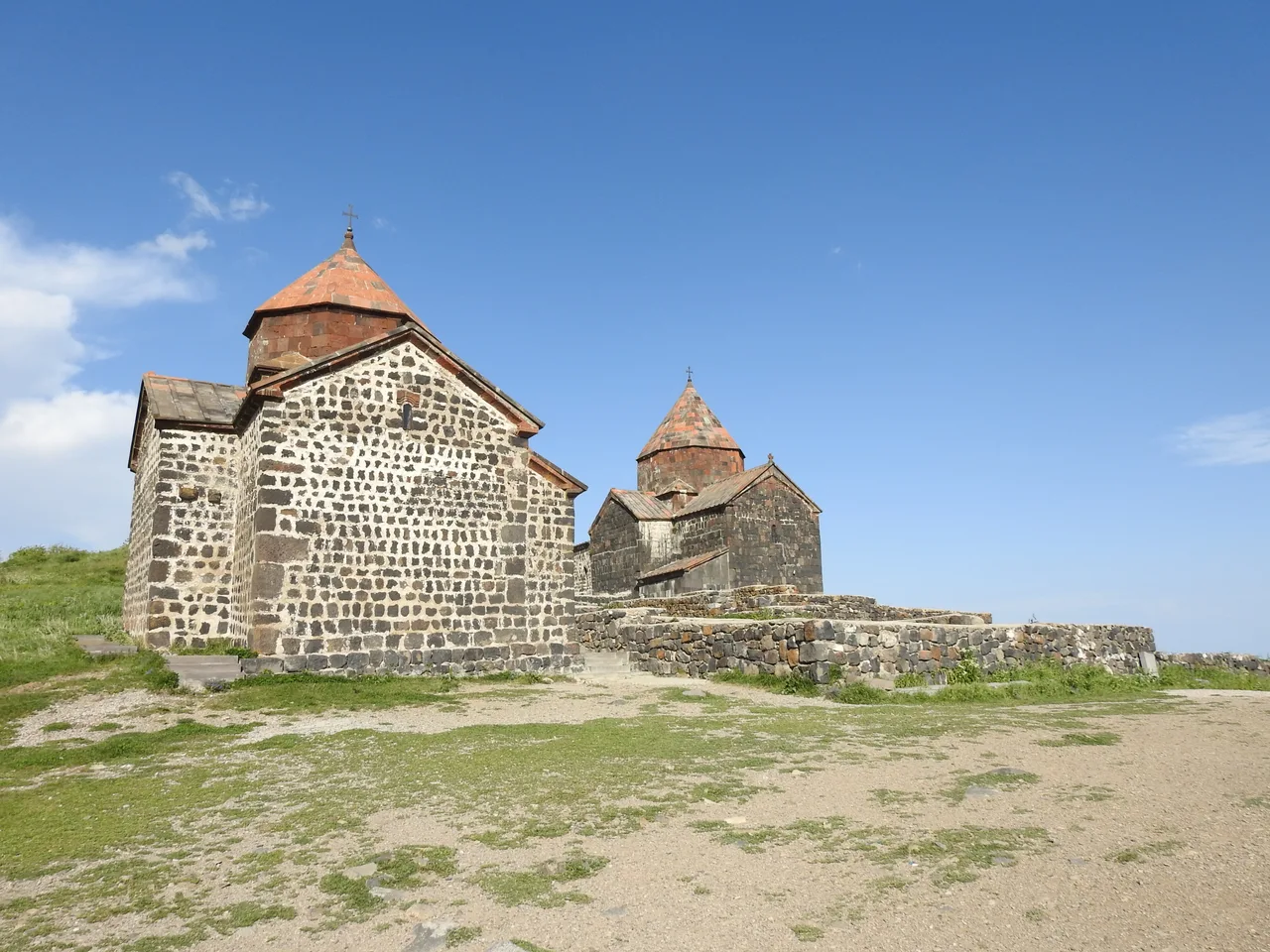
The main draw is Sevanavank, the 9th-century monastery on the peninsula, reached by a steep flight of roughly 230 steps that you’ll feel at this altitude. In high summer, the northwest shore doubles as Armenia’s seaside: the swimming season is essentially July and August, with the surface water at about 20°C in July and 20-21°C in August, warm enough for a proper dip, if bracing. June water sits nearer 16°C, and September keeps about 18°C. If you’re coming mainly to swim, aim for a weekday, because the north-shore beaches get genuinely busy with Yerevan weekenders on summer Saturdays and Sundays. It’s also worth staying overnight to swim early or late and skip the day crowds, and our guide to where to stay at Lake Sevan compares the shores and the beach hotels. For the full rundown of the monastery, the beaches, the trout and how to visit, see our guide to visiting Lake Sevan.
Which should you choose?
Match it to your plan:
- Minibus 304: 24 departures a day from 08:00 to 20:30, scheduled at 1 h 20 min; ask the fare as you board. Best on a tight budget, as long as you plan the short taxi from Sevan town to the water.
- Taxi / private transfer: about an hour, door to door. Best for a group, your own timing, or a relaxed lunch by the lake.
- Rental car: best when Sevan is one stop of several, when you want a quiet shore to swim off, or when you’re carrying on into Dilijan and the north afterwards.
However you arrive, Sevan makes an easy escape from the summer heat of the capital and one of the most rewarding day trips from Yerevan. Sort the last mile, pick your shore, and the big blue is about an hour away.
Photos
Read also
Transport · 10 min read
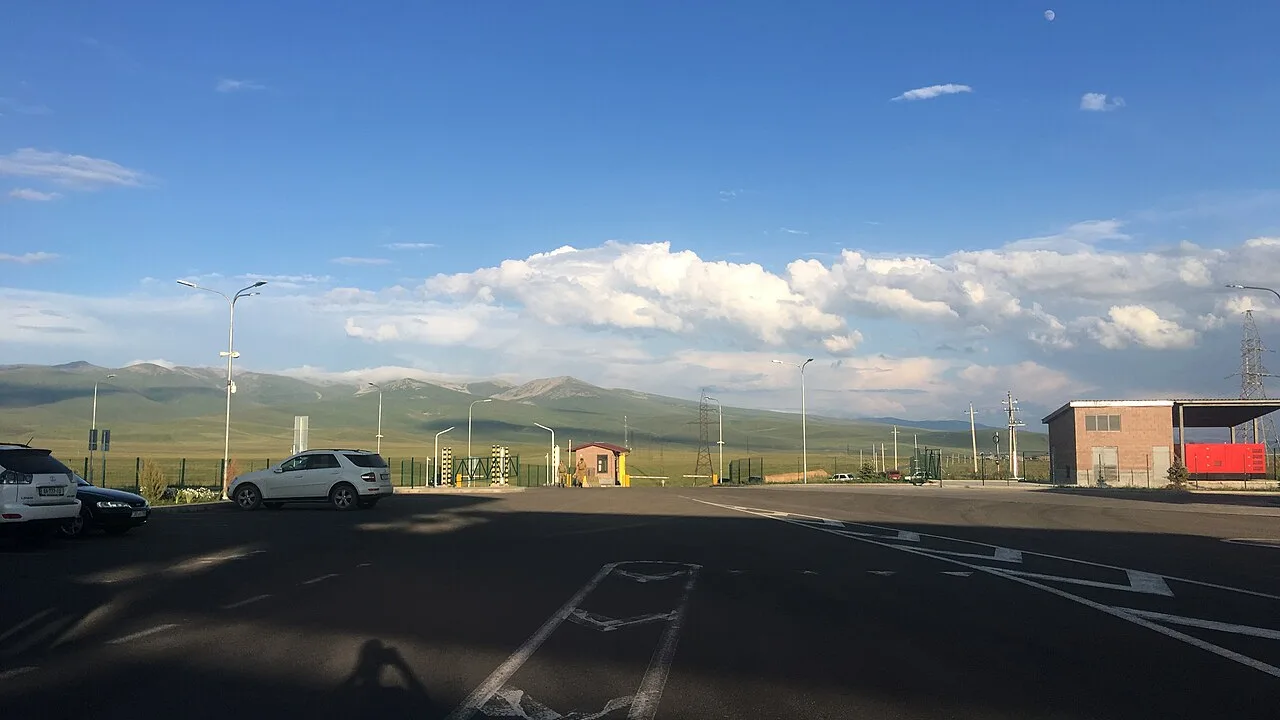
Gyumri to Tbilisi 2026: Train, Road & Border
Verified · August 12, 2026Gyumri to Tbilisi in 2026: SCR train times via Gyumri (summer 16:29→00:11; winter 23:59→07:35), Bavra road crossing, marshrutka and private transfer.
Transport · 13 min read
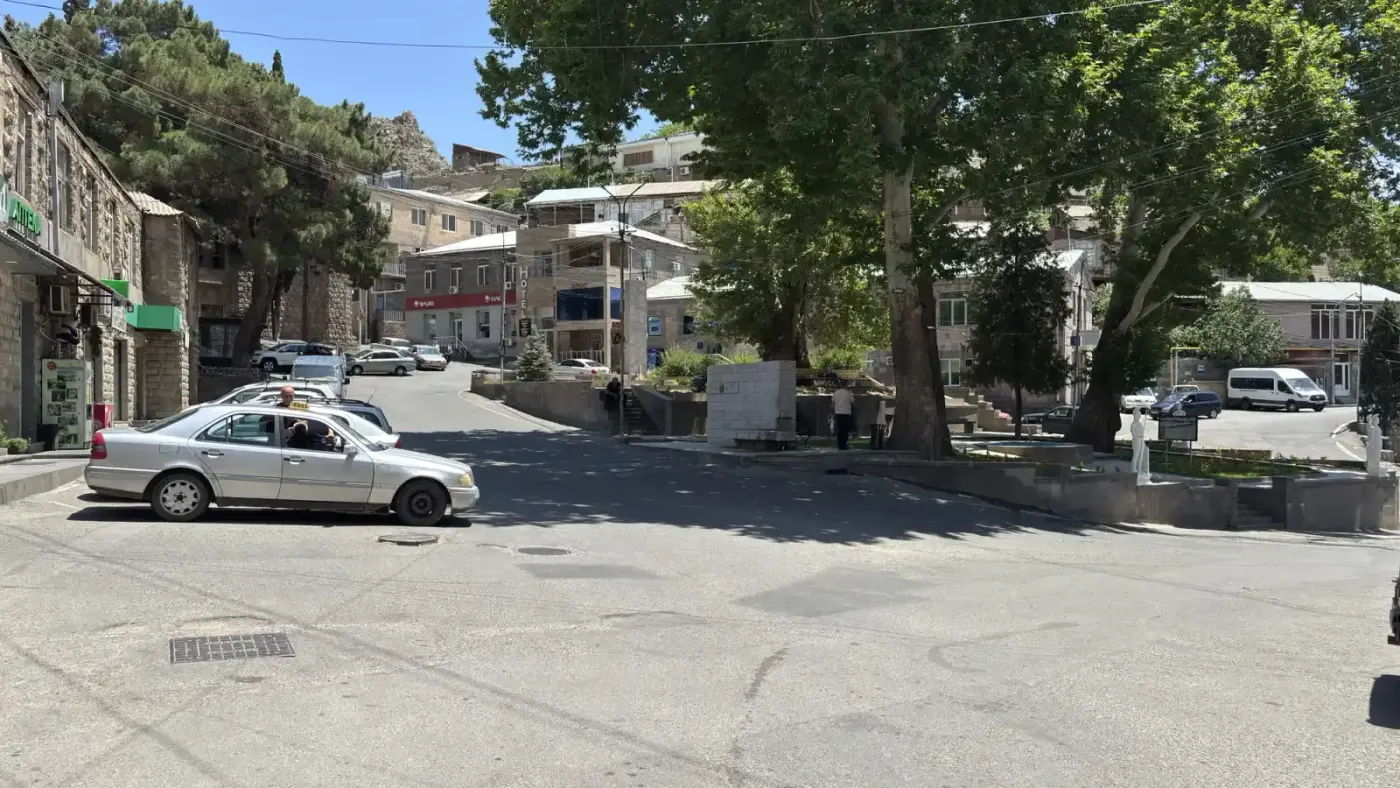
Armenia to Iran Border Crossing: Meghri-Agarak (2026)
Verified · August 9, 2026Armenia-Iran border crossing at Meghri-Agarak in 2026: visa rules by nationality, the Yerevan-Tehran bus, carnet rules and the current safety picture.
Transport · 8 min read
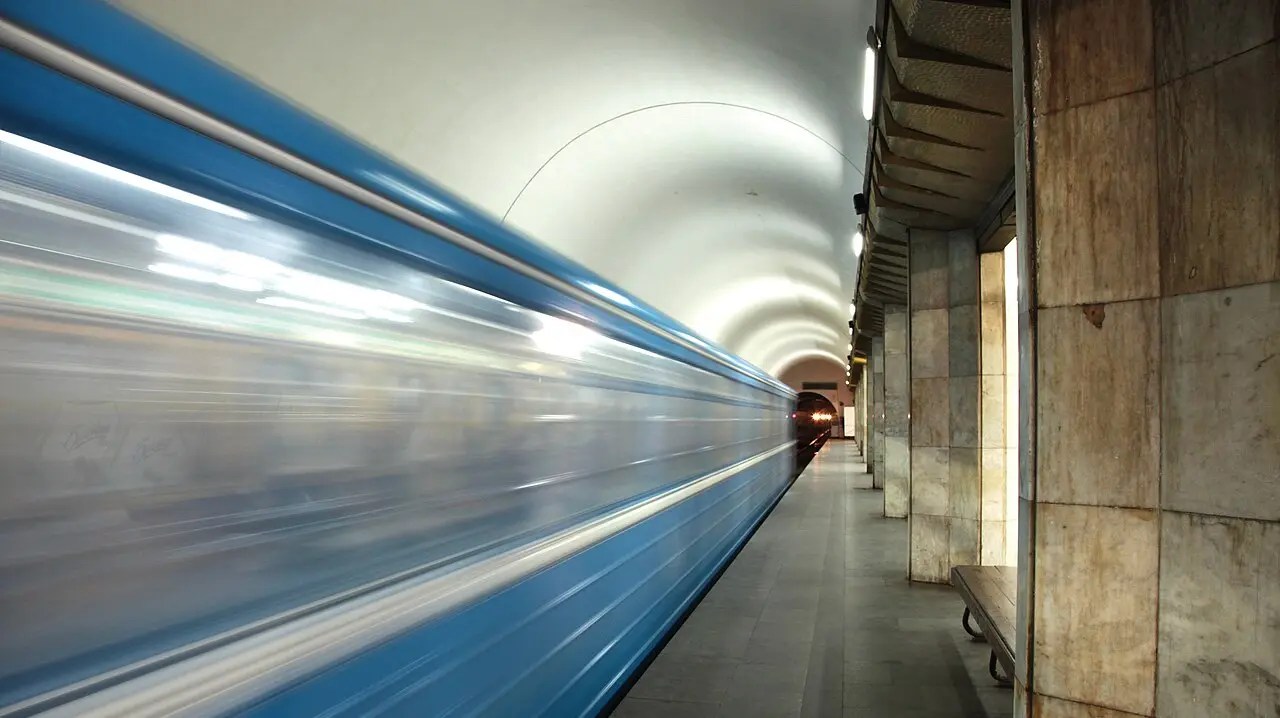
Yerevan Public Transport: Metro, Buses & Fares
Verified · July 12, 2026How Yerevan public transport works in 2026: the Soviet metro, city buses and trolleybuses, vanishing marshrutkas, and the new 150 AMD tap-and-go fare.
Transport · 9 min read
Yerevan to Jermuk: Bus, Taxi & Car
Verified · August 9, 2026How to get from Yerevan to Jermuk in 2026: the Kilikia marshrutka, taxis and private transfers, or self-drive - prices, times and the spa-town catch.