Armenia to Iran Border Crossing: Meghri-Agarak (2026)
Armenia-Iran border crossing at Meghri-Agarak in 2026: visa rules by nationality, the Yerevan-Tehran bus, carnet rules and the current safety picture.
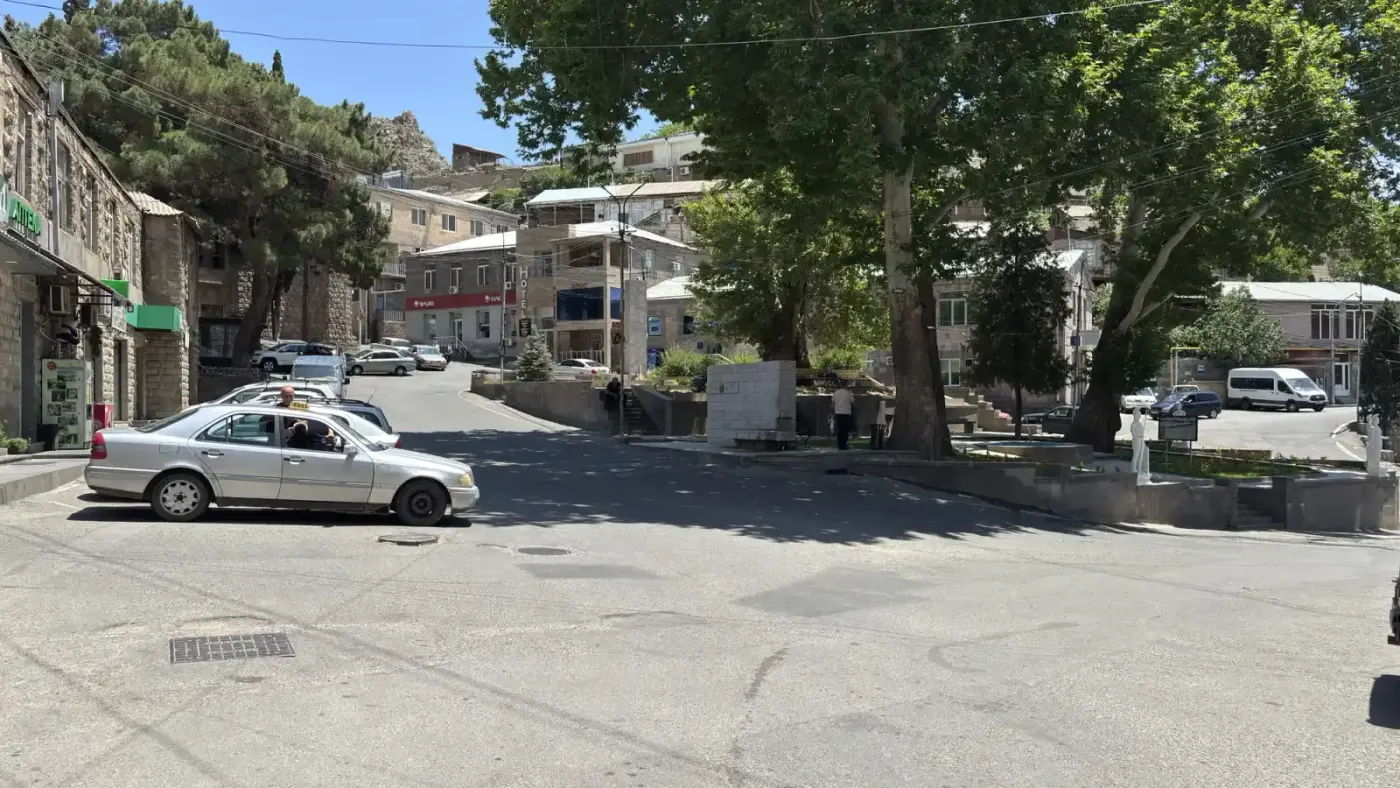
Armenia’s only working border with Iran sits at Agarak, a small Syunik town about 376 km south of Yerevan, where a single bridge over the Araks river carries you across to Norduz on the Iranian side. It’s normally a quiet crossing; overlanders have used it for years without much fuss, a handful of vehicles a day rather than a queue. Normal is doing a lot of work in that sentence right now. Iran carries a Level 4 “Do Not Travel” rating from the US State Department and an “advises against all travel” warning from the UK’s Foreign Office - both long-standing, both about the risk of arbitrary detention rather than this year’s fighting, and both sharper now that the region’s 2026 conflict has left things this unsettled. That changes the calculation more than any visa rule does.
Check the official source. This reflects US, UK, German and Canadian government travel advisories and Iran’s visa rules as published by authorised agencies, checked 9 August 2026 - all of it moves fast, see the dated section below. Confirm your government’s advisory and your nationality’s visa rule before travelling. Nothing here is legal advice.
The quick answer
Agarak is the only place you can cross by land between Armenia and Iran, about 376 km south of Yerevan on the M2, the same highway that runs down through Goris and Kapan. Getting to Meghri, the last Armenian town before the border, takes the best part of a day by marshrutka or shared taxi, or you can skip the staging entirely and book a seat on the direct Yerevan-Tehran bus. Armenia’s half of the paperwork is routine for most Western passports; Iran’s isn’t. If you hold a US, UK or Canadian passport, you can’t cross independently as a tourist; you need a licensed Iranian tour operator and a guide arranged well in advance. Before any of that, check where things stand: four Western governments currently warn against the trip, not just the US and UK (more below), and the region’s 2026 conflict is unsettled enough to move that picture on short notice.
Should you go right now?
Start here - it matters more than any visa rule. Treat this section as time-stamped, checked 9 August 2026: four Western governments currently warn against the trip, and none of these ratings are new.
- United States - Level 4: Do Not Travel, well before this year’s conflict, for terrorism, kidnapping and wrongful detention, not the fighting.
- United Kingdom - advises against all travel since mid-2025, and warns dual nationals face “significant risk of arrest” on a UK passport alone.
- Germany - calls on its citizens to leave outright, and separately flags cycling, motorcycling or camper travel here as a particular arbitrary-arrest risk.
- Canada - “avoid all travel to Iran” (updated 29 July 2026), citing protests, regional tension and unpredictable enforcement of local law.
All four predate the conflict’s worst weeks - sharpened by it, not created by it, so don’t expect them to lift the moment a ceasefire holds.
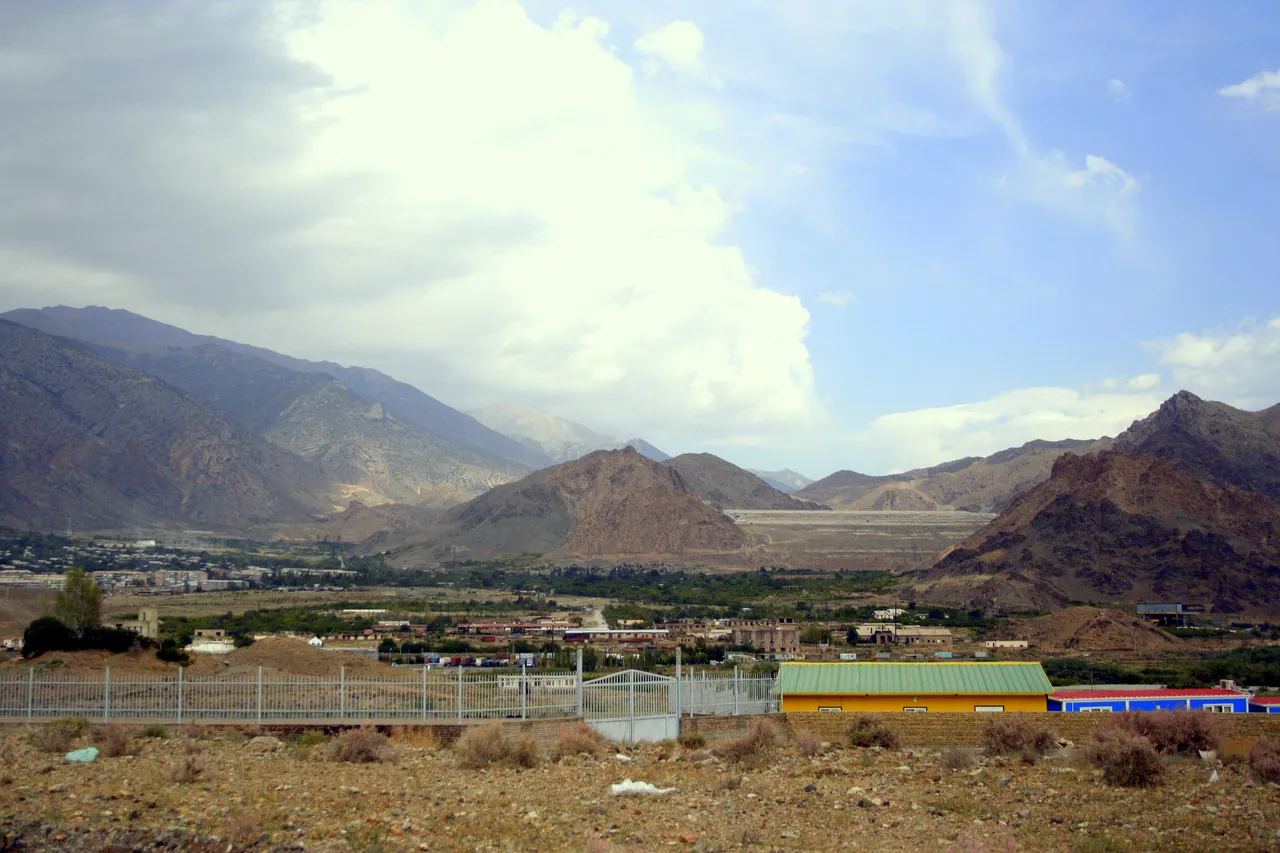
The conflict itself is unresolved - strikes, a ceasefire meant to buy room for a deal, a broken truce, inconclusive talks since, still moving as of August 2026 with no settlement reached. During the worst weeks, reporting right at Agarak described civilian crossing as genuinely hard: cargo trucks kept rolling while ordinary travellers often couldn’t cross at all, and one traveller who did described a three-hour wait on the Iranian side alone. Check your own government’s advisory and the week’s border news before you travel, not the version printed here.
Getting to Meghri from Yerevan
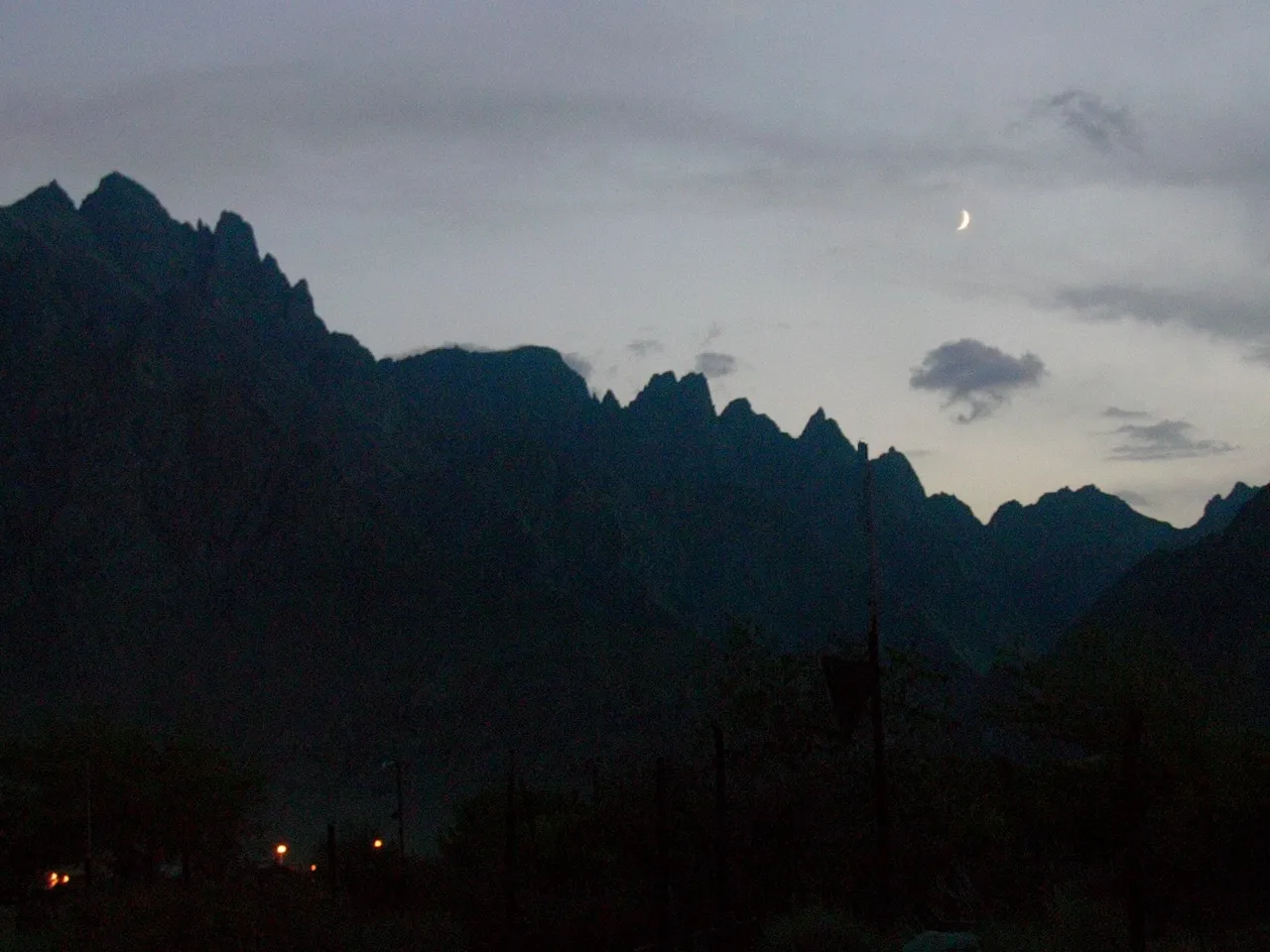
Meghri, the last Armenian town before the border, is about 376 km south of Yerevan on the M2, the same highway that carries you down through Goris and Kapan; see our guide to driving in Armenia for what that road is actually like, and our Goris to Meghri deep-south road trip for the inland Tatev-Aghvani detours and the US/UK advisory wording on Syunik south of Kapan. Reckon on the best part of a working day whichever way you travel - mountain driving the whole distance, running slower than the number on the map suggests.
The ministry’s Syunik timetable gives Meghri one through bus a day. No. 604 leaves Yerevan’s Southern Bus Station, by Sasuntsi Davit metro, at 07:30, stops in Goris and Kapan, and is due in Meghri at 17:09 and at Agarak, by the border, at 17:25, so budget ten hours; the return leaves Agarak at 07:30. With one bus a day, don’t leave the seat to chance. Go to the Southern Bus Station the day before to check the time, since timetables get reissued, and buy a seat if the office sells them ahead, as it does for Goris. The timetable prints no fare, so ask the price there and pay in cash. A shared or private taxi covers the same run faster, with room to stop, for meaningfully more money. If the single bus doesn’t line up, many travellers stage it instead: bus or taxi to Goris (our Yerevan to Goris and Tatev guide covers that leg) or on to Kapan, then a local taxi for the final stretch south.
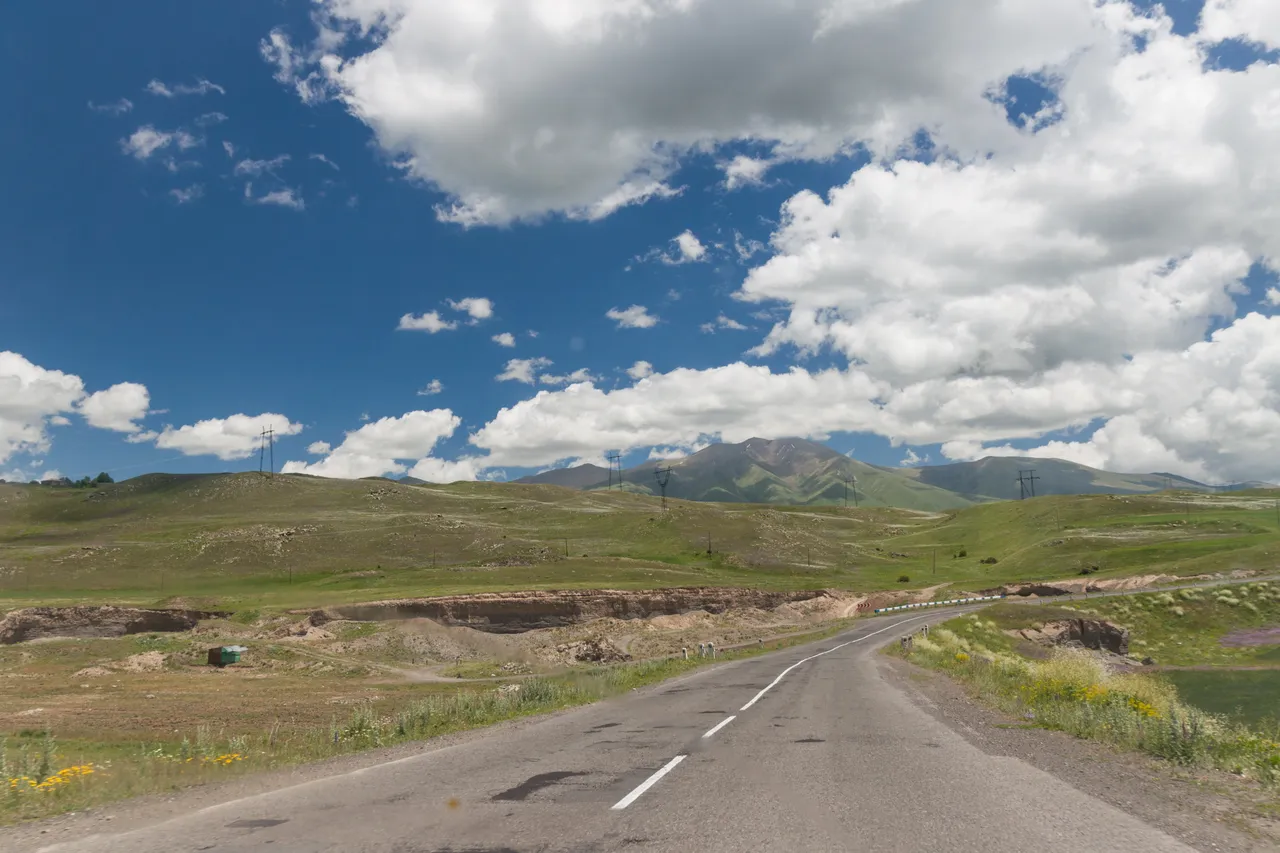
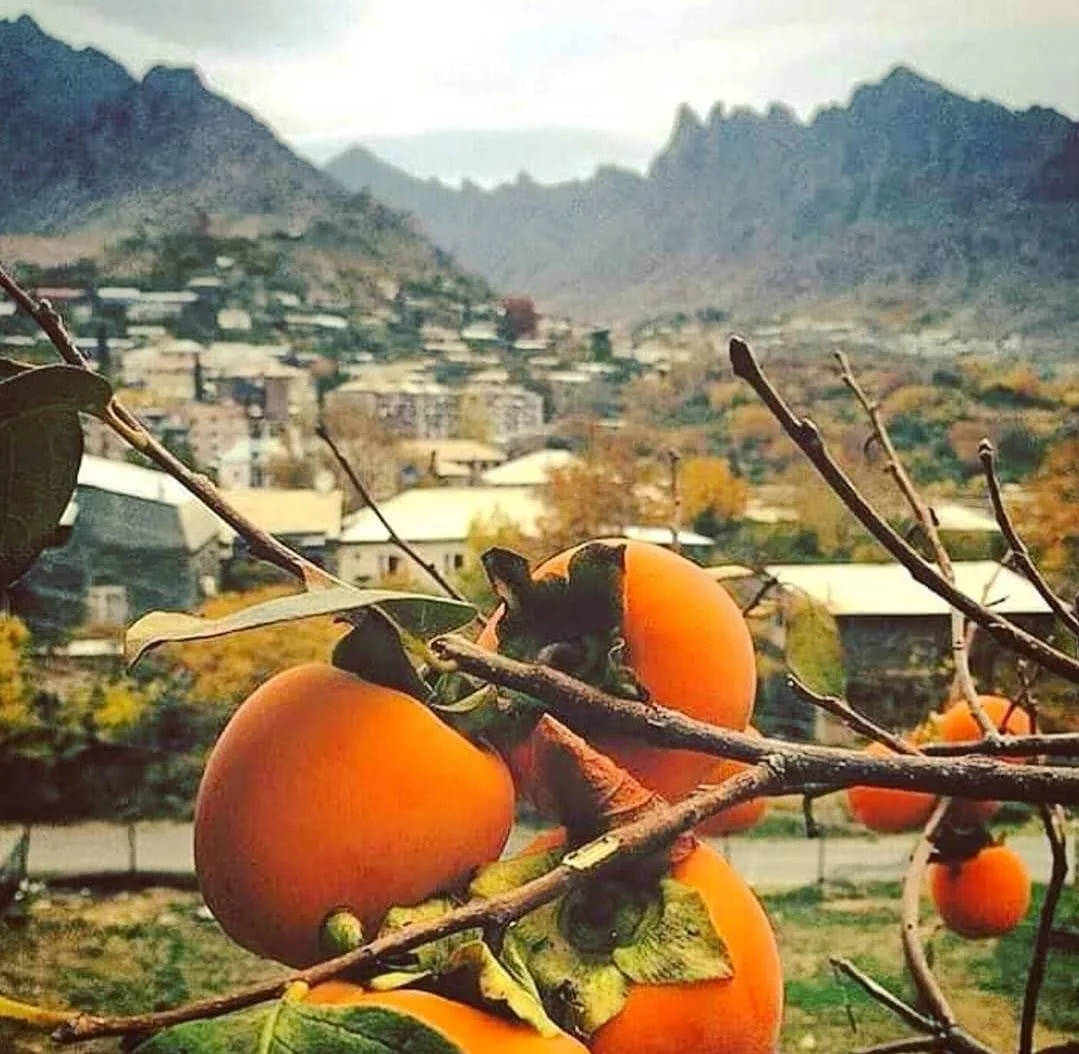
If you’re driving yourself, a rental car covers the road to Meghri the same way it covers the rest of southern Armenia; just don’t expect the agreement to extend across the border, more on that below. Meghri rewards a slower look if your schedule allows it: it’s Armenia’s only pomegranate-growing area, and the same subtropical microclimate grows some of the country’s best figs and ripens persimmons that struggle in Armenia’s colder, higher terrain; the town also once tied the national heat record, a startling 43.7°C.
The Agarak-Norduz crossing itself
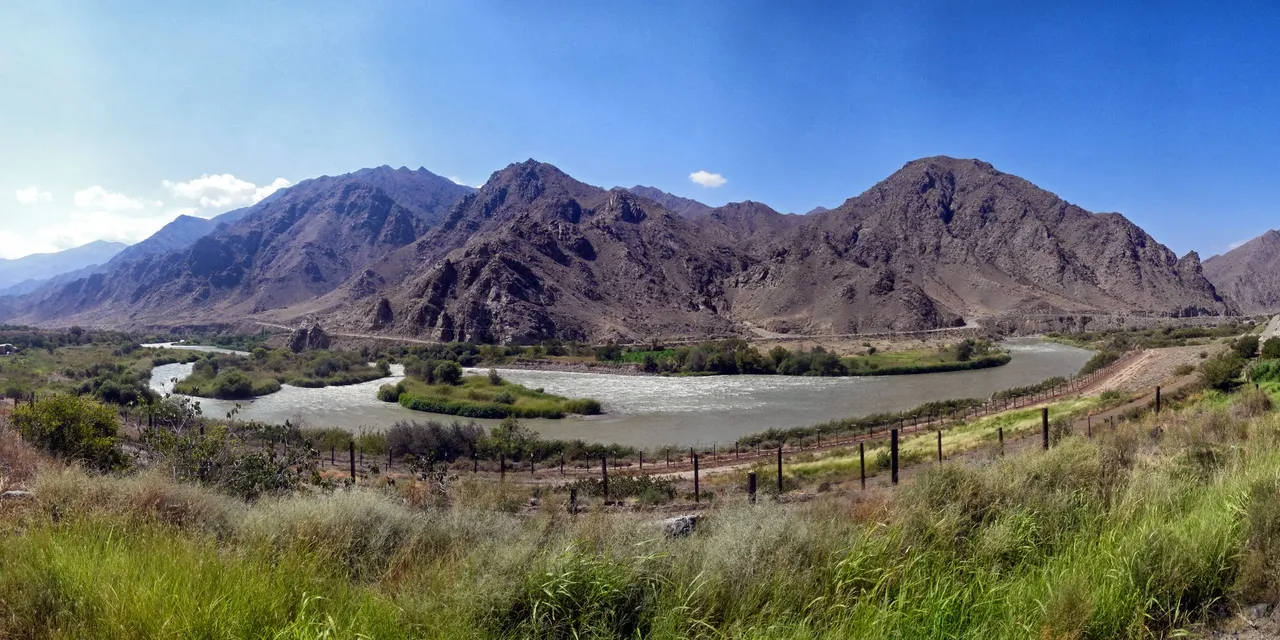
The crossing is small and low-key by land-border standards: a bridge over the Araks river, Agarak’s checkpoint on the Armenian side, Norduz on the Iranian side, about 8-9 km past Meghri, an easy short taxi ride. Both sides have a cafeteria and currency exchange offices, which is handy, because there are no SIM cards sold at the border itself. The first place to buy one is Jolfa, the nearest Iranian town, about 65 km further on.
The sequence is simple to describe, if slow to live through. At Agarak on the Armenian side, recent accounts describe baggage screening, a passport desk that stamps you out, and a short interview about your Iran plans - no exit fee, no real friction. A short walk across the bridge brings you to Norduz (headscarves on for this stretch, not after - more below), where the same accounts describe three checkpoints, not one: a stop on your onward plans, a slow, deliberate passport desk, then customs. A vehicle adds a layer pedestrians skip - a full search of the car itself, the reason driving takes longer here than walking.
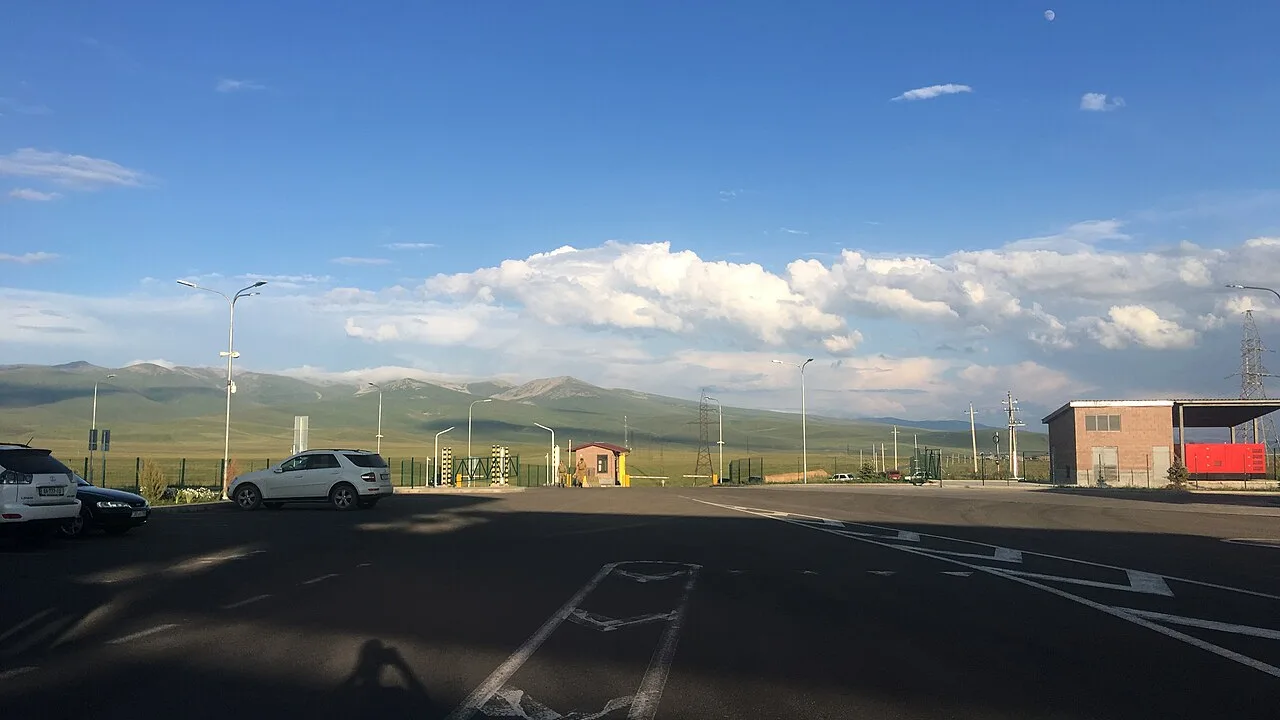
We couldn’t pin down a clean, official set of opening hours for Agarak-Norduz from either government, and we’d rather say that plainly than repeat an unsourced “24/7” claim from travel blogs. Confirm current hours before an early or late crossing, through Armenia’s border guard hotline (1-91 inside the country) or your own embassy. Iranian customs checks, especially of vehicles and luggage, run long by design - budget the better part of a day for the crossing, and don’t book anything for the same evening on the other side.
Iran’s visa rules: nationality matters here
Armenia’s side of this is routine - most Western passports enter and exit visa-free, exactly as they would through the airport; our Armenia visa and entry guide covers the specifics. Iran’s side is where a plan can unravel, and the passport you hold matters more here than almost anywhere else in the region.
If you’re travelling on a US, UK or Canadian passport, you can’t simply apply for an Iranian tourist e-visa and go. Current practice requires a licensed Iranian tour operator and a certified guide for the length of your stay, with a fixed itinerary and pre-booked accommodation in the application; agencies commonly ask for fifty to sixty days’ lead time. British nationals have one documented alternative: the Iranian embassy has told the UK government a passport holder may apply through an organised tour or with a sponsor already in Iran - though the FCDO advises against the trip regardless.
EU citizens have it easier today, though “today” is doing real work there: as the rule stands, they skip the guide requirement and can generally use the standard e-visa alone. That wasn’t true a year ago - Iran briefly extended the same rule to European, Australian and New Zealand travellers in September 2025, then rolled it back weeks later - so don’t assume Australian or New Zealand passports sit with the EU group without checking. No Western passport gets visa-free or on-arrival entry; confirm your current rule with an authorised agency or the Iranian consulate, not this paragraph.
Driving your own car across
Bringing your own vehicle into Iran is its own project, best started long before you reach Agarak. The standard document is a Carnet de Passage en Douane, arranged through an authorised automobile association at home; it lets you import the car temporarily without paying duty. Arrive without one and you’re not automatically turned away - Iranian border officials can arrange a temporary import against a cash deposit instead, with local insurance bought on the spot, since a foreign motor policy essentially never carries over into Iran. Treat those specifics as a starting point, not a fee schedule: confirm with your own automobile association or a specialist resource like Caravanistan’s forum before you commit to a route.
One thing worth ruling out early: a car hired in Armenia isn’t the vehicle for this. Cross-border cover into a high-risk destination is excluded from rental agreements as a matter of course - check your contract, but plan on a rental car staying on the Armenian side of the bridge.
Dress code at the border, not after
For women, Iran’s dress code is a legal requirement from the moment you cross, tourists included - and the UK Foreign Office doesn’t soften the picture: “Islamic codes of behaviour and dress are strictly enforced,” and authorities have “arrested, detained and in some cases committed serious acts of violence against women and girls” over breaches, with crackdowns capable of large-scale arrests at short notice. In practice: a headscarf, trousers or a floor-length skirt, and a long-sleeved tunic or coat to mid-thigh or knee. Men need long trousers and a long-sleeved shirt - a lighter bar, not a zero one. Have the headscarf on and the outfit sorted before the checkpoint, not fished from a bag once you’re already waved forward.
The direct Yerevan-Tehran bus
If staging the trip through Meghri sounds like too much logistics, there’s a simpler option: a direct long-haul bus from Yerevan’s Kilikia station to Tabriz and on to Tehran, crossing this same border along the way. Royal Safar, among other operators, runs comfortable Iranian VIP coaches here; Caravanistan, the overlanders’ usual reference for this crossing, prices it at 18,000 AMD for the roughly 15-hour hop to Tabriz and 23,000 AMD for the 24-hour run to Tehran, while Transport for Armenia’s schedule data puts the full journey a touch longer, around 25 hours 10 minutes - budget a full day and night either way. Fares run in dram here, not the rial that prices the return trip from Iran, a currency sliding hard for years - treat these as a starting point and confirm with Royal Safar or a Yerevan agent before booking. It’s a long way to sit, but it skips the Meghri staging entirely: one ticket, one border to think about.
Before you go: insurance and paperwork
Standard travel medical insurance, including SafetyWing, the policy we point readers to for the rest of an Armenia trip, doesn’t cover Iran; it’s on their own excluded-countries list alongside North Korea and Syria, so a normal policy protects you right up to the bridge and no further. That’s not a reason to skip insurance for the Armenia leg - arrange it as you would for any trip, and our travel insurance for Armenia guide covers what a decent policy should include. Budget separately for the Iran side, and ask the operator arranging your visa whether they can also help with in-country medical cover. Keep photocopies of your passport, visa approval and, if driving, your carnet, separate from the originals - consular help inside Iran is limited right now for exactly the nationalities most likely reading this.
What actually decides this
Three things settle whether this crossing makes sense for you, roughly in order of weight. Most important: what your own government says right now, not the crossing’s reputation for being quiet - a calm week and a tense one look identical from a distance, and only a live advisory and that week’s border news tell them apart. Next, your passport: an EU citizen with a sorted e-visa has a different trip ahead than an American, British or Canadian one locked into a licensed tour months out - real, but not permanent. Last, how you’re travelling: a self-driver needs carnet paperwork settled before Agarak, while staging by marshrutka and taxi through Goris is a long day on the road, not a bureaucratic one.
This isn’t a single yes-or-no - it’s a real, usable border in calm periods, inside a genuinely unsettled year. For the wider south of Armenia while you weigh it up, our guides to getting around Armenia without a car and Yerevan to Goris and Tatev cover the legs that get you most of the way there, whatever you decide about the last one.
Photos
Read also
Transport · 10 min read
Gyumri to Tbilisi 2026: Train, Road & Border
Verified · August 12, 2026Gyumri to Tbilisi in 2026: SCR train times via Gyumri (summer 16:29→00:11; winter 23:59→07:35), Bavra road crossing, marshrutka and private transfer.
Transport · 8 min read
Yerevan Public Transport: Metro, Buses & Fares
Verified · July 12, 2026How Yerevan public transport works in 2026: the Soviet metro, city buses and trolleybuses, vanishing marshrutkas, and the new 150 AMD tap-and-go fare.
Transport · 9 min read
Yerevan to Jermuk: Bus, Taxi & Car
Verified · August 9, 2026How to get from Yerevan to Jermuk in 2026: the Kilikia marshrutka, taxis and private transfers, or self-drive - prices, times and the spa-town catch.
Transport · 8 min read
Gyumri Shirak Airport: Wizz Air Flights & Transfer
Verified · July 8, 2026Who flies to Gyumri Shirak Airport (LWN), the Wizz Air Larnaca route, how far it is from the city, and how to get to Gyumri and Yerevan when you land here.