Driving in Armenia: Roads, Rules & Tips
How to drive in Armenia: which side, speed limits, the traffic-police reality, mountain roads and winter, plus the eastern border zones to stay out of.
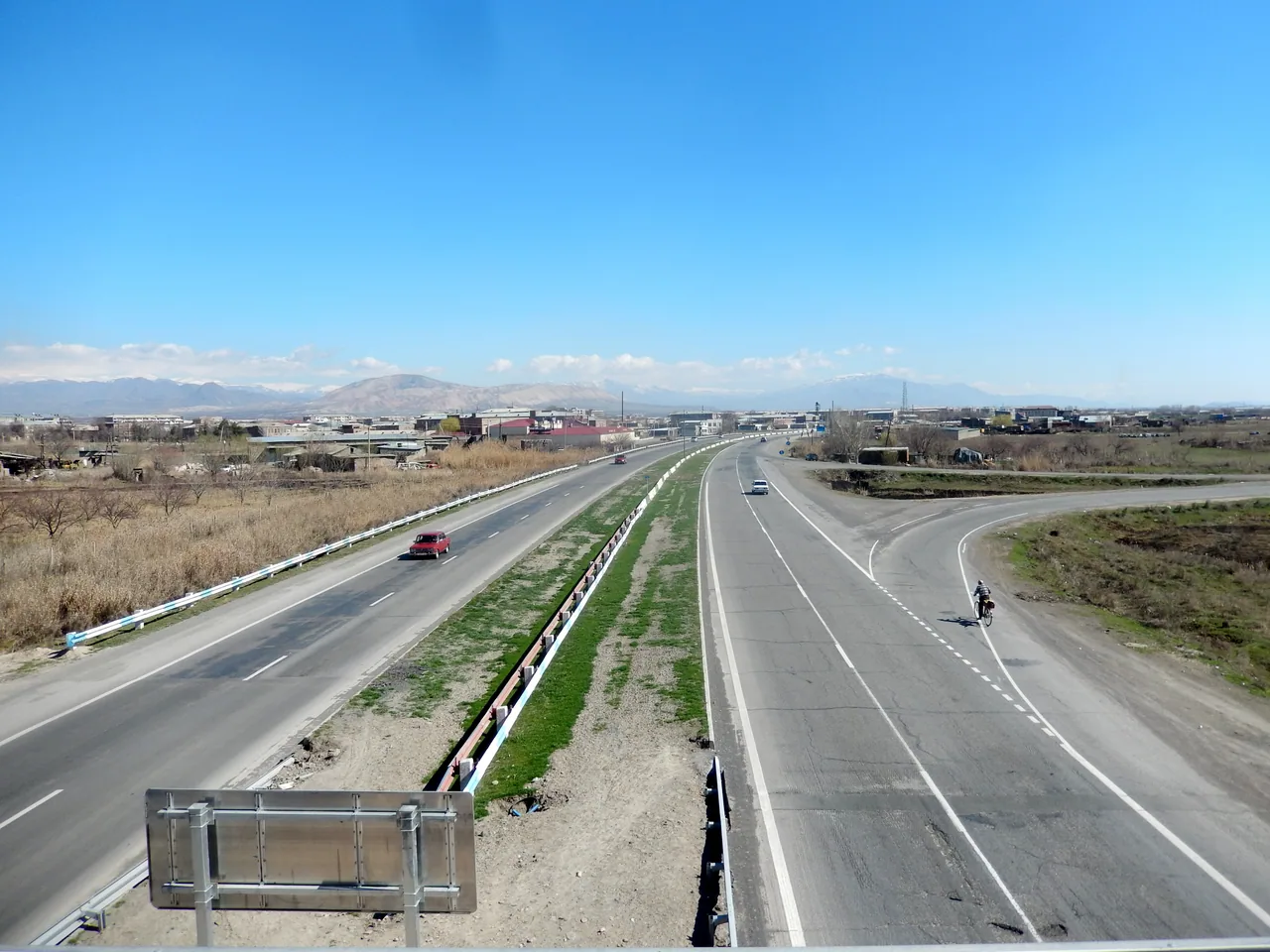
Driving in Armenia isn’t difficult, but it’s different, and knowing the local rules and rhythms before you turn the key saves you a fright and possibly a fine. You drive on the right. Speed limits sit around 50 to 60 km/h in towns, roughly 90 on the open road, and cameras and traffic police enforce them, especially on foreign-plated cars. Seatbelts are compulsory, phones must be hands-free, and drink-driving is treated harshly, so keep it at zero. The main highways are good; the mountain back-roads to the monasteries are rough and slow; winter turns the high passes treacherous. And there are border areas in the east you simply must not enter. This guide is about how to actually drive here, not where to rent (for booking, deposits and the IDP mechanics, see our car rental guide; if you’re collecting at Zvartnots, start with car rental at Yerevan Airport).
Rules and enforcement shift year to year, and the police lean hard on foreign plates, so anything safety-critical below is worth a fresh check on the day you drive rather than a leap of faith in a page you read at home. What follows was cross-checked against official advisories in mid-2026, and I’ve flagged where the live security picture on the eastern border can move faster than any guide.
The rules of the road
Start with the basics, because a couple of them trip up newcomers. Armenia drives on the right and overtakes on the left, as most of Europe does. Speed limits aren’t always signposted where you would expect, and sources quote slightly different numbers, but as a working rule reckon on roughly 50 to 60 km/h in built-up areas, about 80 to 90 on rural roads, and up to around 90 to 110 on the few motorway stretches. Where a sign or a camera gantry tells you otherwise, believe the sign.
A few rules are worth committing to memory. Seatbelts are mandatory for everyone in the car, front and back, and children need an appropriate restraint for their size. Using a hand-held phone at the wheel is banned, so set up your navigation before you pull away. And drink-driving carries serious penalties: sources disagree on whether the legal blood-alcohol limit is a low figure or a flat zero, which tells you everything about how to play it. Have none. The fines, licence confiscation and worse aren’t worth a beer with lunch.
Traffic police, cameras and the small stuff
Enforcement here has a particular flavour. Armenia has a dense network of fixed speed cameras and an active traffic police presence, and both pay close attention to foreign-registered and rental cars. A ticket often catches up with the rental company after you’ve gone, who then bill your card, so the honest advice is to drive to the limits and not gamble on being a tourist who gets waved through.
If you’re stopped, stay calm and polite, keep your documents to hand, and let the officer lead. The vast majority of stops are routine document checks. Keep your passport, licence, International Driving Permit and the car’s papers together in the glovebox where you can reach them without a scramble. One quiet tip from experience: a dashcam is standard kit for many local drivers here, and having your own is a sensible bit of insurance against a disputed version of events.
What the driving is actually like
Be ready for a more assertive style than you may be used to. The UK Foreign Office puts it bluntly, warning that “the standard of driving is poor” and that you should expect drivers who “drive recklessly and ignore traffic laws.” In practice that means overtaking on blind bends, loose lane discipline in Yerevan, tailgating, and cars appearing from side turnings without much ceremony. It looks alarming for the first hour and then becomes readable: drive defensively, leave a bigger gap than feels necessary, and assume the other driver will do the surprising thing.
Two local habits are worth adopting. Watch for livestock and pedestrians on rural roads, where a cow or a flock on a blind corner is a genuine hazard, and be wary of driving after dark outside towns. The Foreign Office specifically advises against night driving beyond built-up areas “because of the poor condition of the roads and lack of lighting,” and that’s sound: unlit edges, unmarked potholes and the occasional unlit vehicle add up fast. Plan to be where you’re sleeping by dusk.
Roads, mountains and fuel
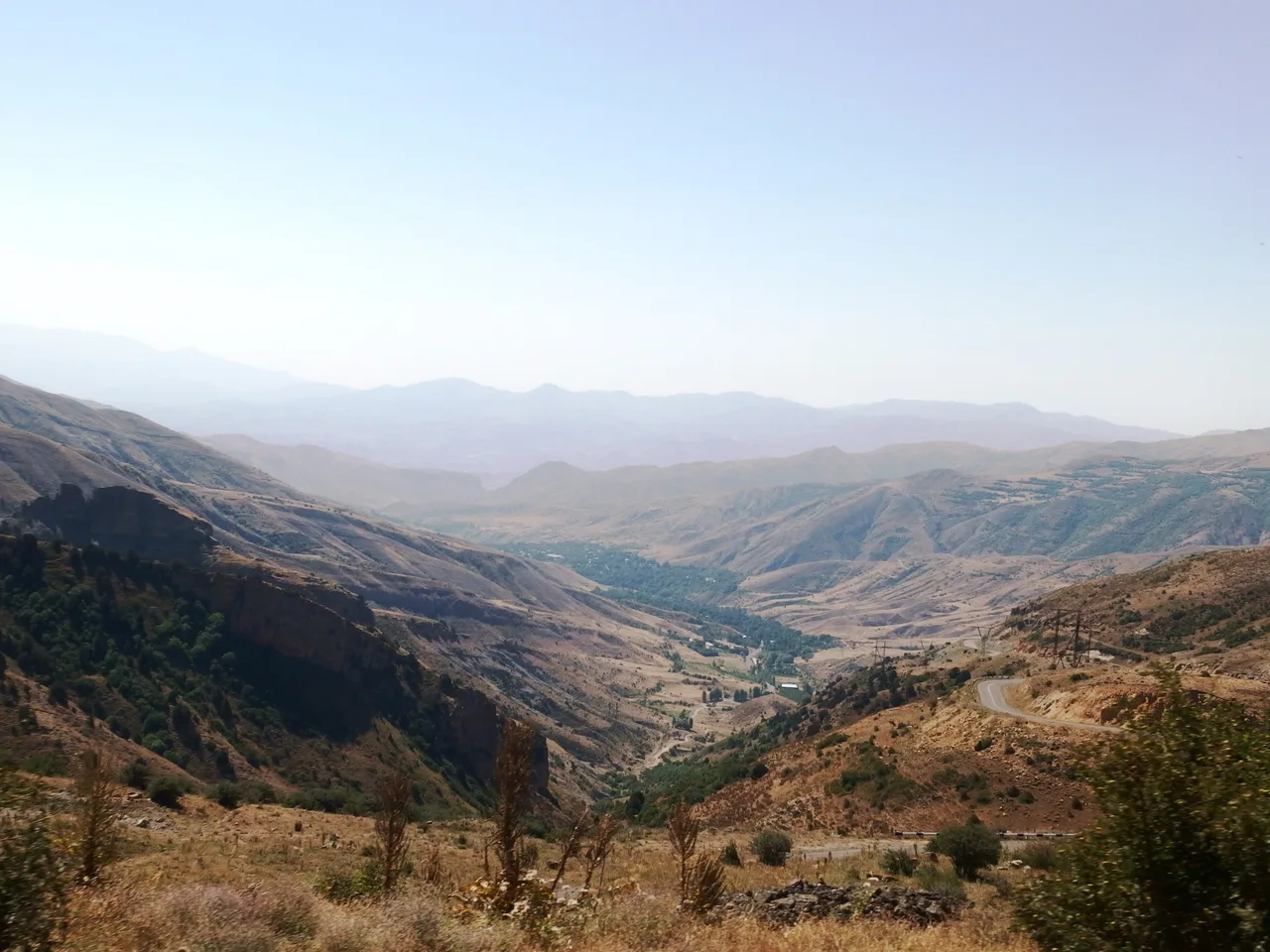
The surface under you changes character fast, and it changes how you drive. On the main M-highways to Gyumri, Sevan, Dilijan and the south you can settle into a normal touring rhythm. The moment you turn off toward a monastery, a gorge village or a mountain lake, drop your speed and your guard: broken asphalt, sudden potholes and the transition to dirt arrive with little warning, and you feel every one of them through the wheel. If you’re in a low car on those back-roads, you learn to read the surface ahead and crawl the bad bits rather than trust your suspension. (Whether that means renting something with clearance in the first place is a booking question you’ll settle before you land, and our car rental guide covers which car to pick.)
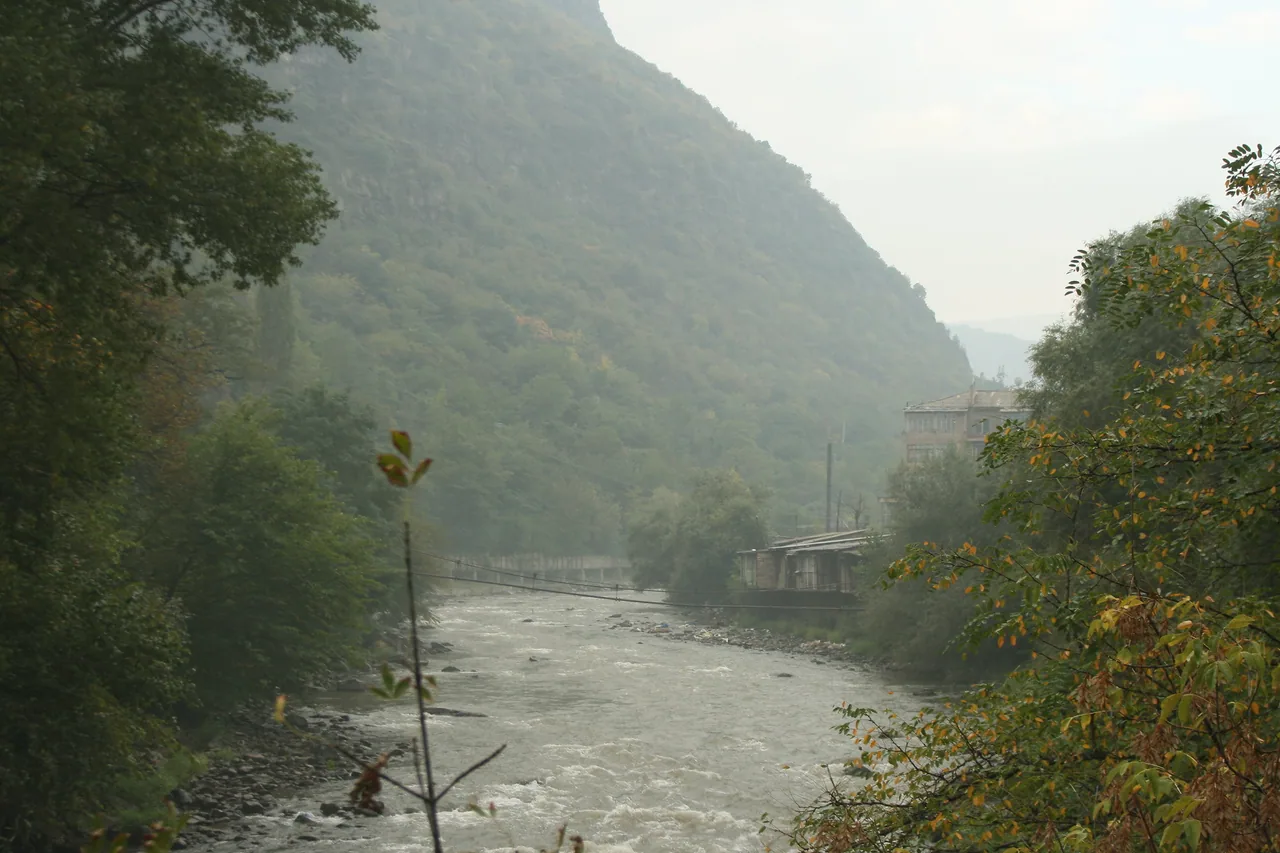
The trap behind the wheel is pace. On a switchbacking mountain road your average speed collapses, and the temptation is to push and claw the time back, which is exactly when a self-drive day goes wrong. Drive to the road in front of you, not to the arrival time you’d pencilled in, and never chase a booking down a pass. One habit smooths the whole thing out: keep your tank comfortably above half. Filling stations thin out fast once you leave the M-roads, plenty of them sell gas (LPG or CNG) rather than petrol, and most take cash only, so you don’t want a low fuel light catching you on a remote road with nothing open for miles. Our car rental guide has the fuel-type and paperwork specifics; on the road, the rule is simply to top up early and keep dram in the door pocket.
On documents. Carry a 1968 International Driving Permit alongside your home licence. The UK Foreign Office states outright that British drivers need “both a 1968 International Driving Permit (IDP) and your UK driving licence,” and in general any licence not printed in the Latin alphabet should be paired with an IDP. Arrange it in your own country before you fly, since it isn’t something you can sort on arrival. The full documents, age and deposit rules live in our car rental guide.
Winter and the seasons
Season changes the calculation more than anywhere flat. From late spring through autumn the roads are at their best and every route is open, and summer up in the hills is a relief from the heat of the plain. The cold months are another matter, and they aren’t kind to a casual plan. The Foreign Office notes that roads are “in a poor state, particularly in the coldest months, from November to February,” and the high crossings prove it.
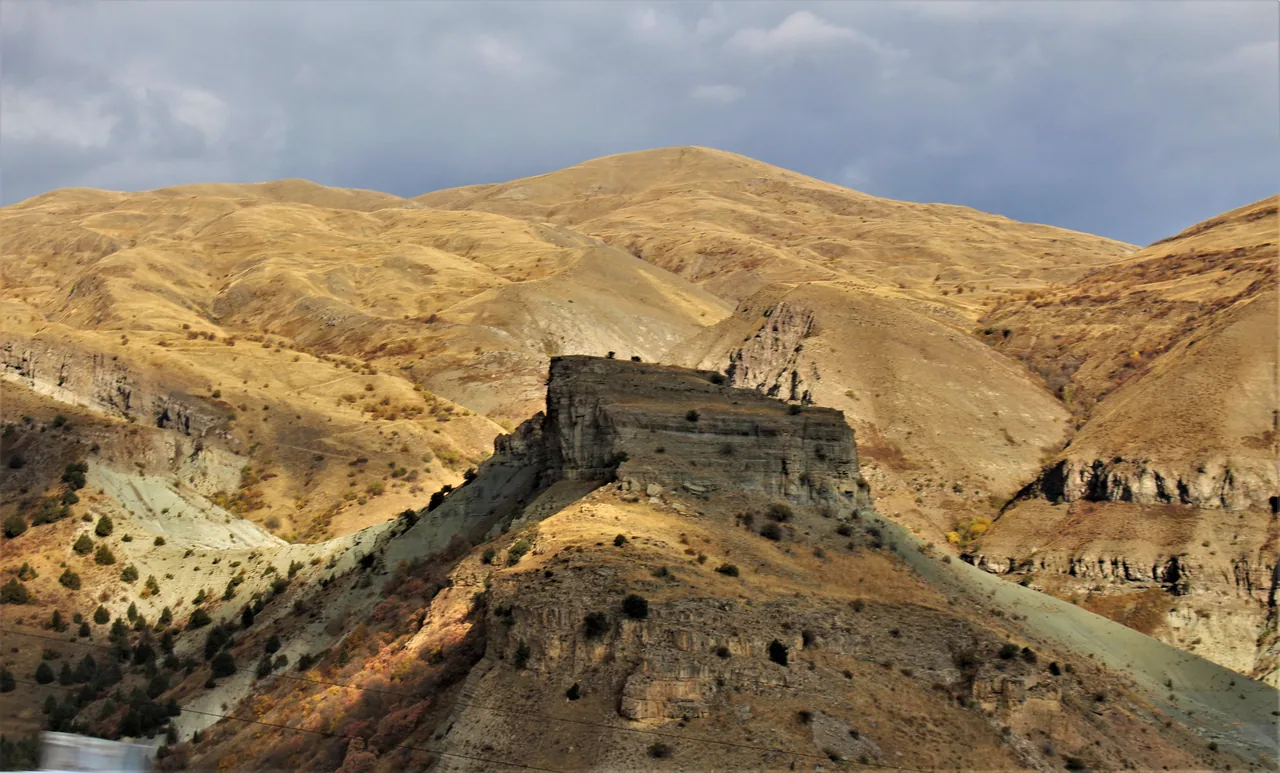
Up on the high crossings, the Selim (Vardenyats), the Sevan pass and the other altitude routes, snow and sheet ice change what the driving actually asks of you. On a frozen unfenced hairpin you brake earlier and gentler than instinct wants, keep off the accelerator through the bend itself, and leave a gap that would look absurd in summer. Check the forecast for every pass on your day’s route before you leave, because a crossing that’s clear in the morning can close by afternoon, and treat turning back as a normal decision rather than a defeat. There’s no view worth an ice slide on a mountain road with nothing between you and the drop. (What the car should be fitted with for the cold months, tyres and chains, is a rental question our car rental guide settles.)
The border zones you must not enter
This part isn’t negotiable, and behind the wheel it comes down to knowing where not to point the car. Don’t drive into the border areas with Azerbaijan. As of its advisory dated 5 September 2025, the US State Department rates Armenia “Level 2: Exercise Increased Caution” overall while designating the border region with Azerbaijan as “Do Not Travel,” and it keeps its own embassy staff out of Gegharkunik east of Vardenis, Syunik east of Goris, and Syunik south of Kapan (transit straight through Yeraskh village is allowed, without stopping). The UK Foreign Office likewise warns off the eastern frontier. Both the Azerbaijan and Turkey land borders have been closed since the early 1990s, so they lead nowhere in any case. The southern border with Iran, at Meghri, is a different story: it’s open and functioning, and if that’s the direction you’re driving, our guide to the Armenia-Iran border crossing at Agarak covers the paperwork and the current safety picture before you commit to the road south.
The problem for a driver is that a road doesn’t announce this. Some minor roads and unpaved short-cuts shadow the eastern border far more closely than the line on your map suggests, and satnav will happily route you along one to save ten minutes. So build it into how you navigate: keep your planned route well west of Vardenis, Goris and Kapan, be suspicious of any small road that trends east toward the frontier, and if you can’t tell where a back-road is heading, take the main road instead. These areas carry real risks, from armed incidents to unexploded ordnance in places, your rental insurance is void there, and this is a live situation that can shift, so check your own government’s advisory on the day you travel. Our car rental guide sets out the same advisories in more depth.
The bottom line
Drive on the right, keep to the limits with the cameras in mind, belt up, and never drink and drive. Take the mountain roads slowly and in a car with clearance, respect the passes in winter, avoid unlit rural roads after dark, and steer well clear of the eastern border. Do that and Armenia is a genuinely rewarding country to explore under your own steam, with the best of it waiting at the end of exactly the roads a car makes reachable.
Ready to plan the route? Our 7-day Armenia itinerary is built around a self-drive loop that takes one region at a time so you’re not doubling back. The longest single haul on it, Tatev monastery and the Wings of Tatev cable car in the far south, is exactly the kind of trip a car makes far easier. And when you’re ready to pick one up, our car rental guide has the booking, deposit and insurance detail this page deliberately leaves out. One thing worth settling before you drive off: the CDW excess on the car isn’t covered by a normal travel policy, and our guide to travel insurance for Armenia explains how the two fit together.
Photos
Read also
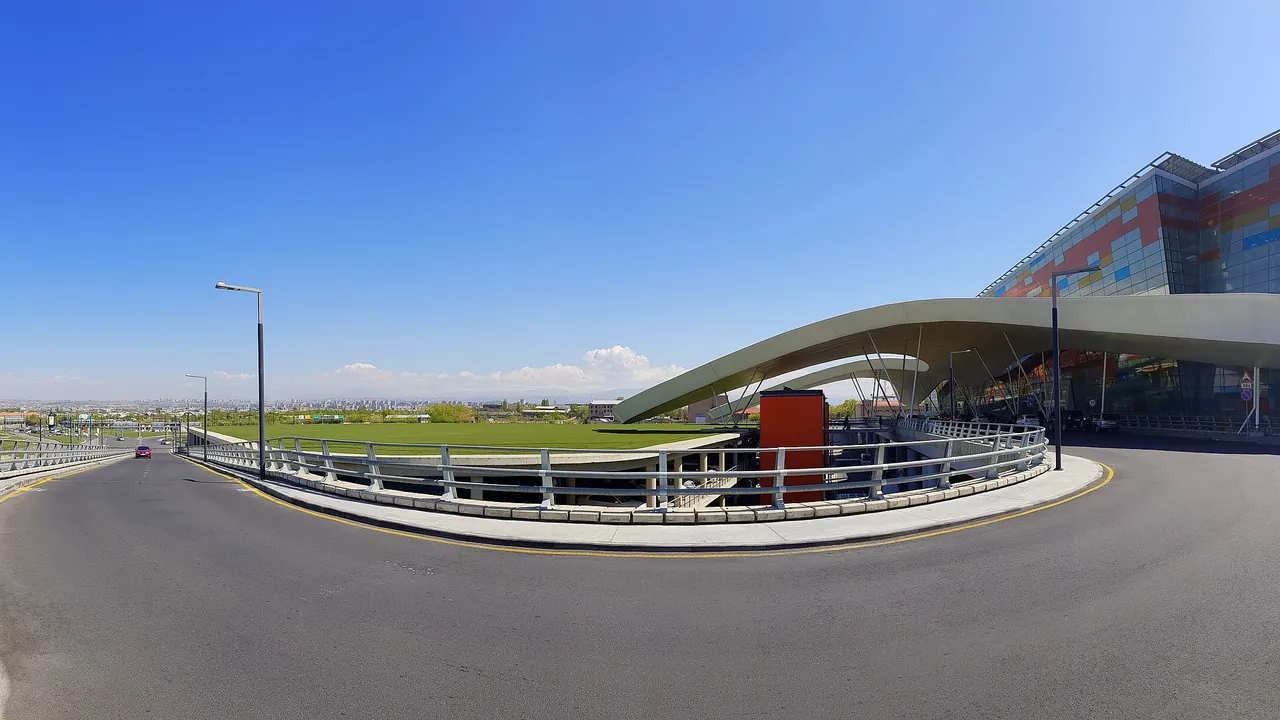
Car rental · 11 min read
Car Rental at Yerevan Airport: Pickup, Deposits & Tips
Verified · August 18, 2026Zvartnots pickup: 24h desks vs meet-and-greet, card holds from 50,000 AMD (Sixt) to 800,000 (Hertz), documents, and why this is not your ride into town.
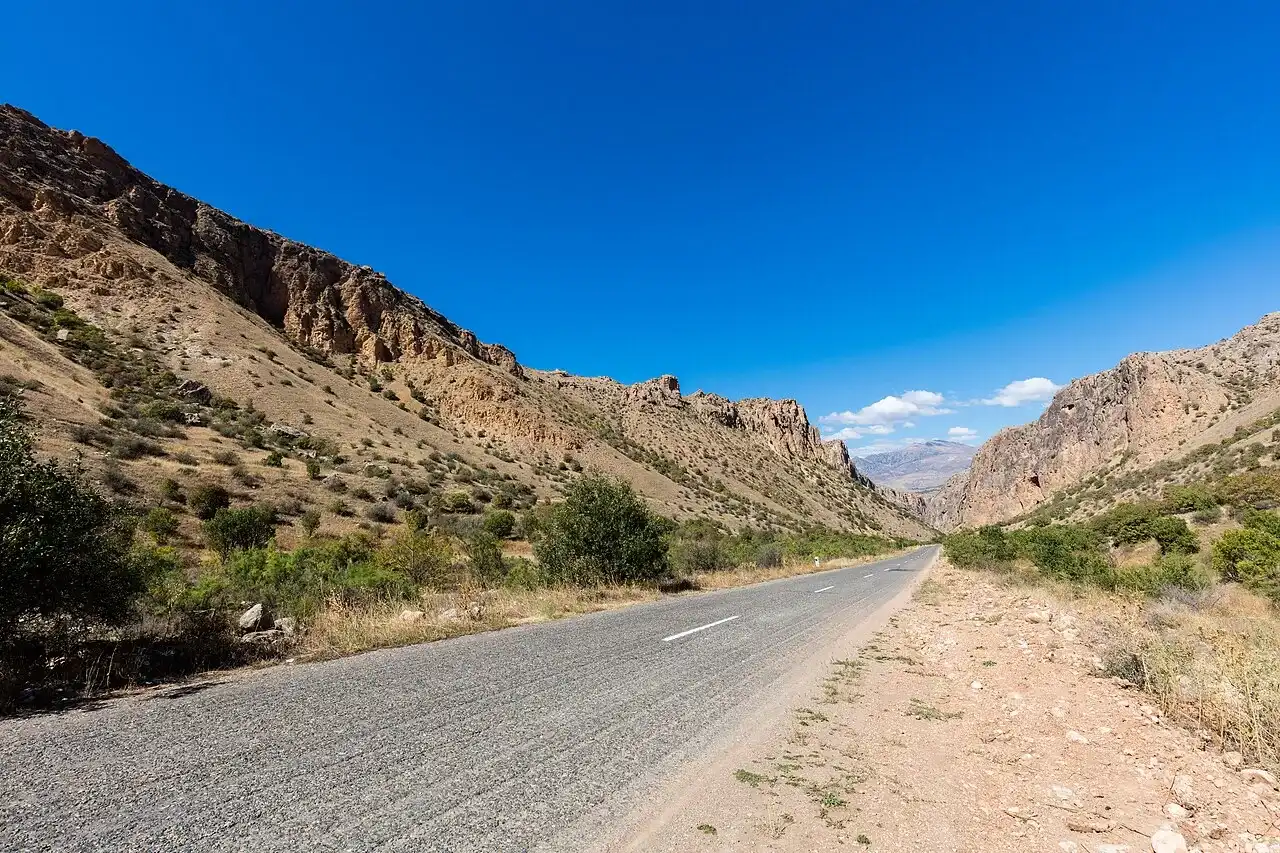
Car rental · 9 min read
Do You Need a Car in Armenia? Tours vs Rental
Verified · August 8, 2026Group tours from $30 a person include admissions; a private car from $240 doesn't. What actually gets you to Armenia's monasteries, and what it costs.
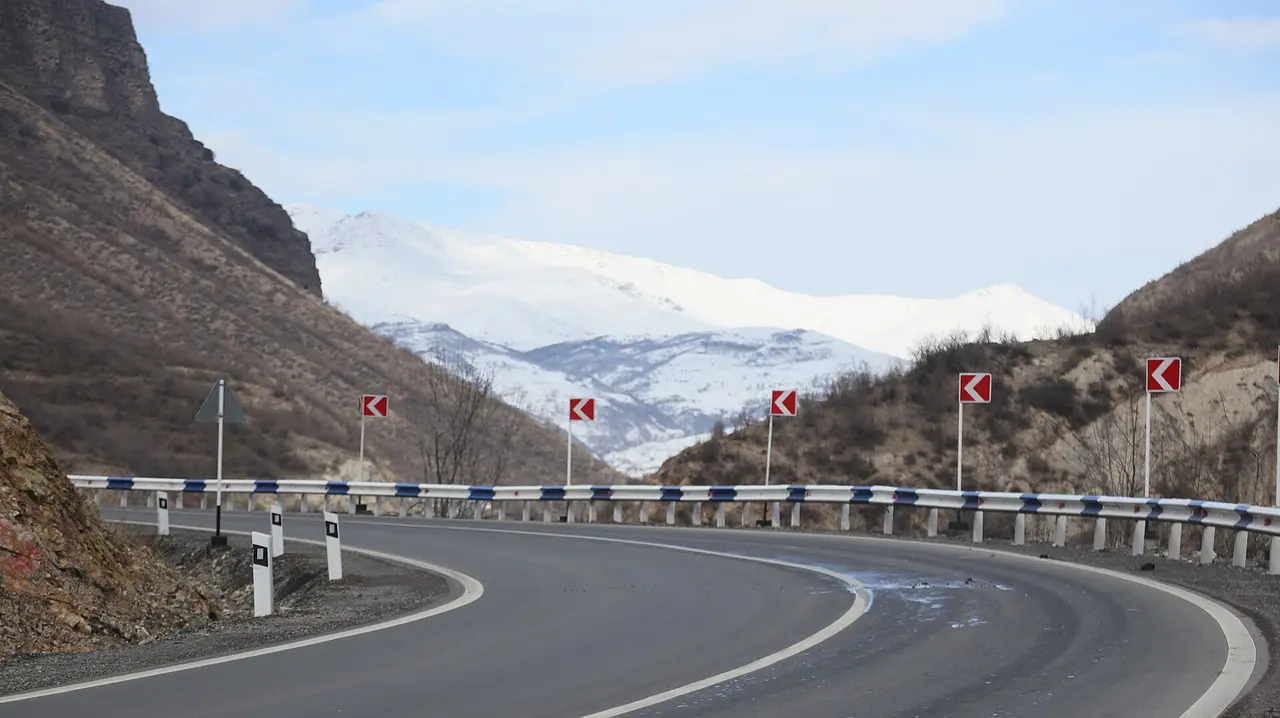
Car rental · 10 min read
Rental Car from Georgia to Armenia
Verified · July 9, 2026Taking a Georgian rental car into Armenia in 2026: the cross-border permit, the insurance gap, the Bagratashen crossing and the Azerbaijan catch.
Car rental · 10 min read
Car Rental in Armenia: Tips & Where to Book
Verified · July 3, 2026Renting a car in Armenia in 2026: the IDP rule, age and deposit, fuel and mountain roads, winter passes, and the border zones you must not drive into.