Car Rental in Armenia: Tips & Where to Book
Renting a car in Armenia in 2026: the IDP rule, age and deposit, fuel and mountain roads, winter passes, and the border zones you must not drive into.
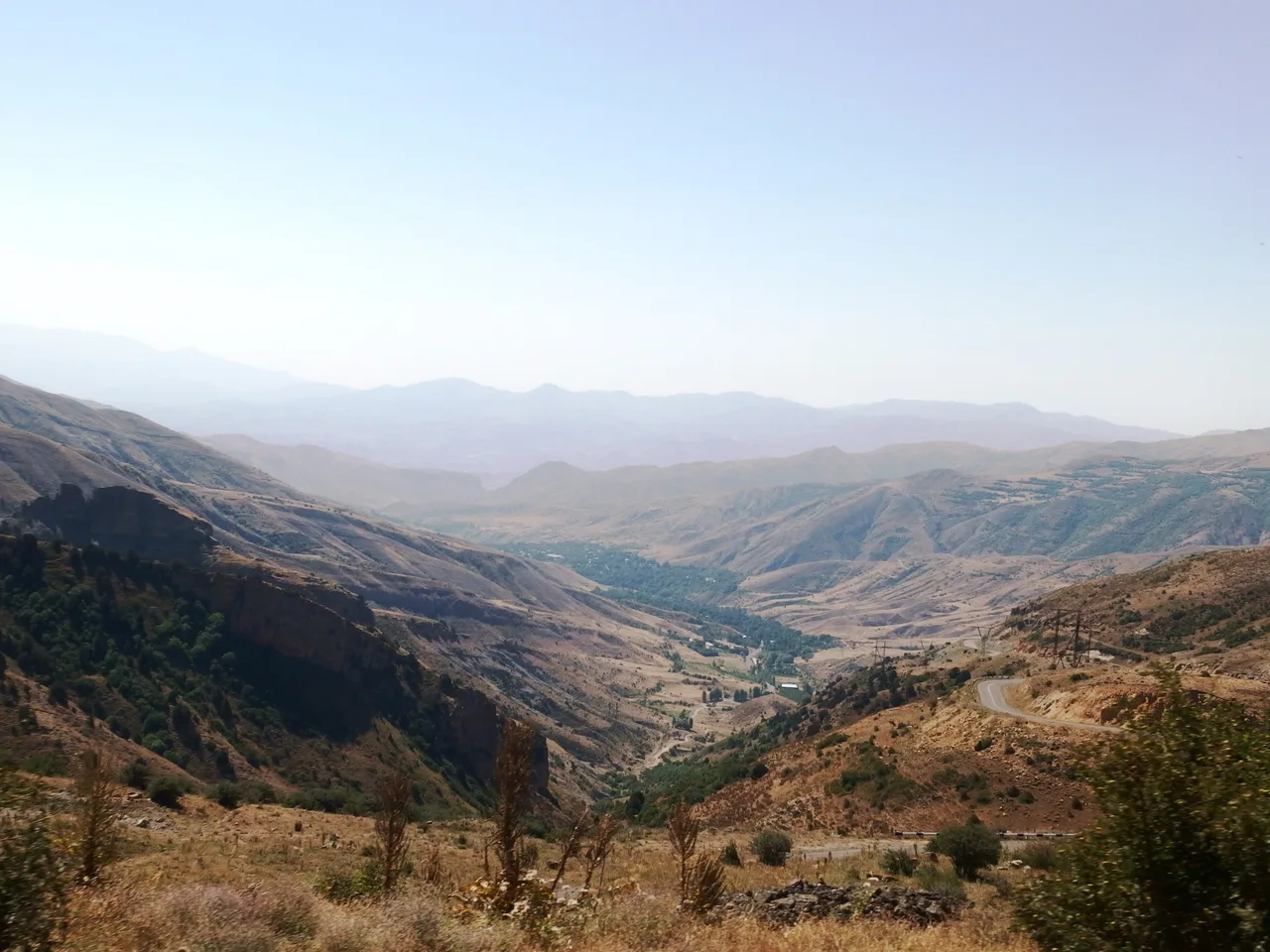
A rental car is the single best way to see Armenia, because the country’s headline sights - the cliff-top monasteries, Lake Sevan, the wine valleys of the south - sit off the bus network and reward you for setting your own pace. Book through a comparison site or a reputable local agency, bring your passport, driving licence and a credit card, and add an International Driving Permit if your licence isn’t in the Latin alphabet. Reckon on a refundable deposit of roughly US$150-300 and a minimum age around 21-23. The rest is knowing the roads: the M-highways are fine, the mountain back-roads to the monasteries aren’t, fuel is often cash-only, and there are border zones you simply don’t drive into. This guide walks through all of it (every price here’s a 2026 ballpark, not a quote - confirm at booking).
The quick answer: is renting worth it?
For most trips, yes. Armenia is compact but its best days are self-drive days: a quieter shore of Sevan, a long lunch in Dilijan, the afternoon light on the cliffs at Noravank. Public buses run between towns, not to the sights, so without a car you’re leaning on tours or taxis to reach the monasteries anyway. If you’re two or more people and comfortable on mountain roads, a rental is usually the best value and the most freedom you can buy here.
It’s not for everyone, though. Yerevan itself doesn’t need a car (it’s flat, walkable and cheap by taxi app), so if you’re city-only, skip it. And if the idea of steep, unlit switchbacks with the occasional livestock and assertive overtaking sounds like a bad holiday, a driver-guide or private transfer will serve you better. Be honest with yourself about that before you book, not at the top of a pass. Still weighing a rental against a group tour or a private driver? Our tours-versus-rental breakdown runs the real operator prices for each side by side.
Where to book, and what it costs
You have two sensible routes. A comparison platform lets you line up international chains (Sixt, Enterprise and the like operate at Zvartnots) against Armenian agencies on one screen, which is the fastest way to see who’s cheapest for your dates and to lock a price before you land. Or you can book direct with a well-reviewed local agency in Yerevan, which often works out cheaper for longer hires and gets you people who actually know the roads you’re asking about. Whichever you choose, book ahead in summer: the fleet is smaller than in a big European market and the good cars go early. If you’re pairing Armenia with Georgia, note that some travellers rent in Tbilisi instead, where the fleet is bigger and cheaper, and drive across the border - our guide to taking a rental car from Georgia to Armenia covers the cross-border permit and the insurance gap that catches people out.
On price, treat any figure as a moving target. A small economy car in 2026 tends to start somewhere in the region of a few tens of dollars a day, with SUVs and anything with real ground clearance costing more, and it all swings with season and demand. Pick up at Zvartnots airport or in central Yerevan; the airport is the smoother handover if you’re driving straight out of the capital, and car rental at Yerevan Airport covers the desks, night pickup and the card hold. Read the fuel and insurance lines on the contract before you sign, not after.
Two costs people forget: the deposit (a hold on your credit card, typically around US$150-300, released after you return the car undamaged) and insurance excess. Basic cover usually comes with a hefty excess, meaning you pay the first chunk of any damage yourself; you can often buy that excess down, and separate standalone hire-car excess insurance is frequently cheaper than the counter’s version. Decide how much risk you want to carry before the agent starts upselling at the desk.
Documents, age and the IDP rule
Get the paperwork exactly right, because this is where people get turned away at the counter. To rent, you’ll generally need a passport, your national driving licence, and a credit card in the main driver’s name for the deposit. Armenia is a party to the 1968 Vienna Convention on road traffic, which means many foreign licences are recognised - but one condition trips people up.
That condition is the International Driving Permit (IDP). In practice you should carry one if your national licence is not printed in the Latin alphabet (for example Cyrillic, Armenian, Arabic, Chinese or Japanese) or isn’t clearly identifiable as a driving licence to an Armenian officer or rental agent. US and Canadian drivers are also commonly advised to bring one. An IDP isn’t a licence on its own; it’s an official translation you carry alongside your home licence, and you must arrange it in your own country before you travel. If there’s any doubt about your licence, get the IDP - it’s cheap insurance against a ruined first morning.
On age, rules vary by company. Many agencies want you to be at least 21-23 with a couple of years of driving experience, some rent to younger drivers on selected cars, and drivers under 25 often pay a young-driver surcharge. Deposit and card rules vary too: some agencies advertise no-deposit or debit-card options, but the mainstream expectation is a credit card and a hold. Because none of this is uniform, confirm the exact age, licence, IDP and deposit terms with your specific rental company before you book, rather than trusting a general rule (including this one).
A quick note on the legal bits. Licence, IDP and insurance requirements can change and are enforced differently by different agencies and officers. Treat this section as orientation, not legal advice: verify the current rules with your rental company and, for the border and safety information below, with your own government’s official travel advisory before you drive.
Fuel, roads and how Armenians actually drive
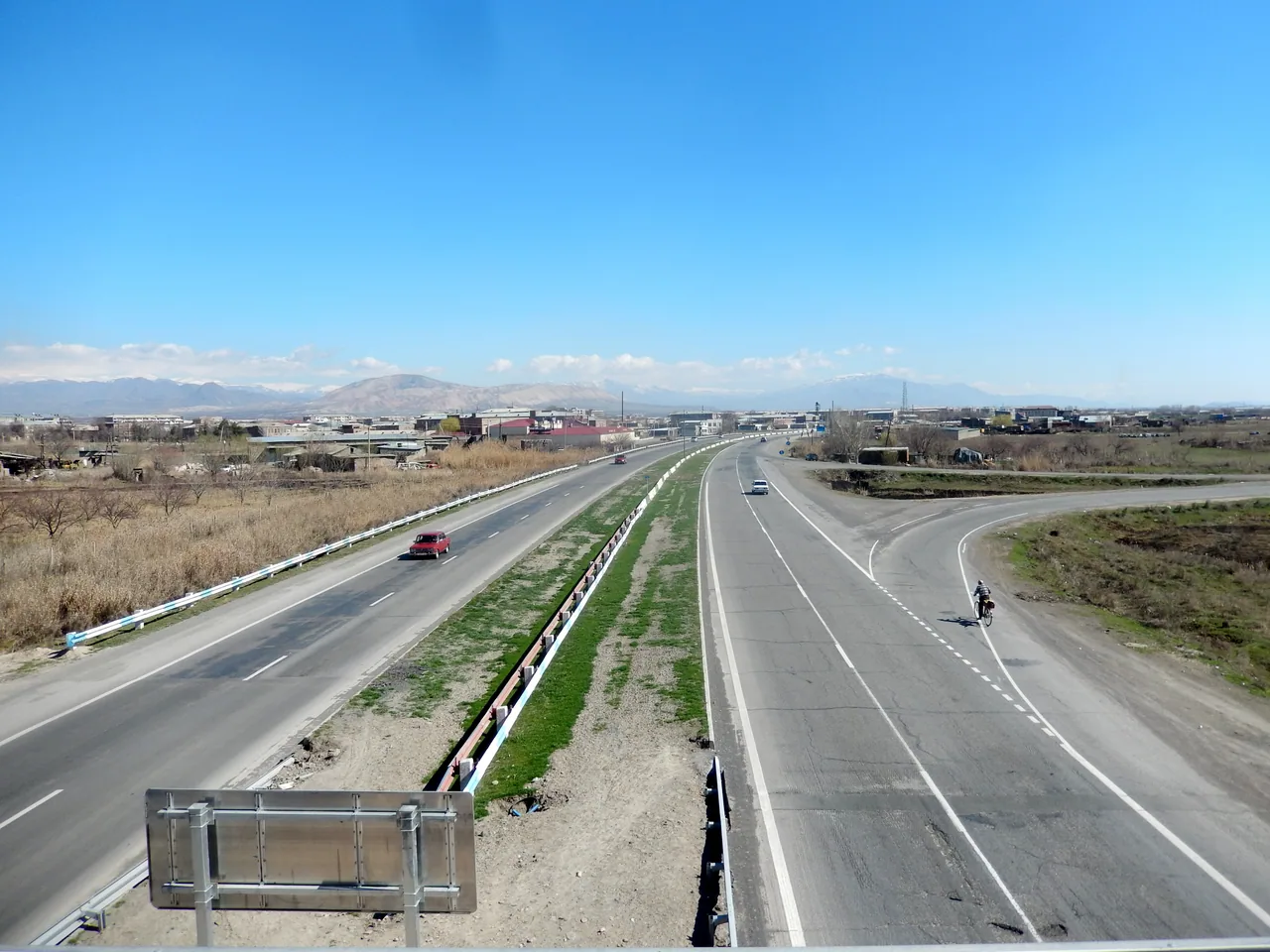
Armenia’s road network is a tale of two surfaces. The main M-roads (the M1, M2, M4 and their like, linking Yerevan to Gyumri, Sevan, Dilijan and the south) are mostly paved and perfectly manageable. Step off them onto the rural and mountain roads - and many of the best monasteries sit at the end of exactly those - and the surface can drop from smooth tarmac to broken asphalt to a dirt track without much warning. This is why ground clearance matters: for the back-roads to remote churches and gorge-edge villages, a small city car will scrape and struggle where a higher car shrugs it off. If your itinerary is monastery-heavy, pay up for the clearance.
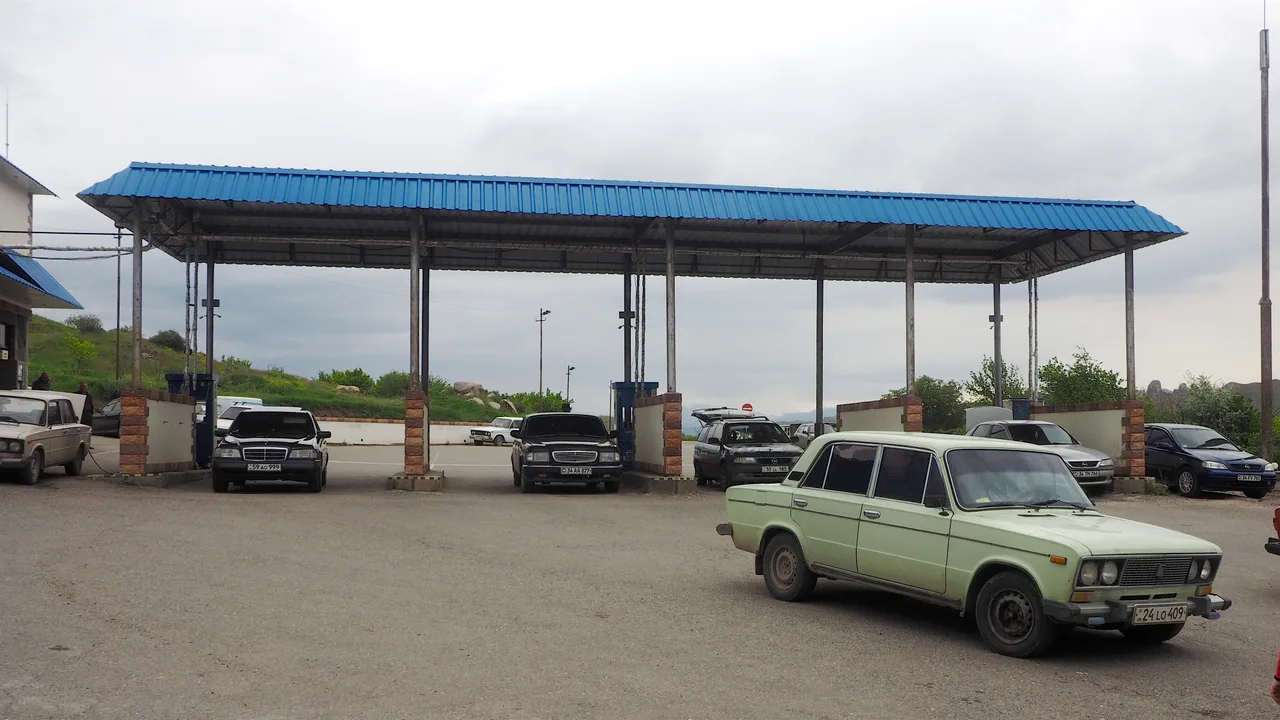
Fuel has its own quirks. Petrol (92 and 95 octane) and diesel are widely sold, but a large share of Armenian stations are LPG or CNG (gas) only, because many local cars run on gas, so if you need petrol don’t assume the next station has it. Stations are usually attended rather than self-service (someone fills the car for you), and crucially fuel is very often cash-only, with cards frequently not accepted. On main roads you’ll rarely go more than about 100 km between stations, but off the highways they thin out fast. The habit that keeps you moving: top up when you’re half-full, and carry enough dram in cash to fill the tank.
As for the driving culture, it’s more assertive than most Western Europeans are used to. Overtaking on blind bends, loose lane discipline in Yerevan traffic, and the odd cow or flock on a rural road are all part of it. None of it’s dangerous if you drive defensively and unhurried, but the golden rule of Armenian mountain roads is simple: think in hours, not kilometres. A “short” 100 km can eat two hours once you factor in switchbacks, potholes and photo stops, so plan gentle days and never rush a pass to make a booking.
Winter, seasons and the border zones you must not enter
Season changes the whole calculation. From late spring through autumn the roads are at their best and every route is open. In winter, the high passes - the Selim (Vardenyats) pass, the Sevan pass and other altitude crossings - can be snowbound or sheeted with ice, and roads at height turn treacherous. Winter tyres and even snow chains may be needed or required depending on conditions, and some crossings close in bad weather. If you’re driving in the cold months, ask the agency what the car is fitted with, check the forecast for any pass on your route, and be willing to turn back.
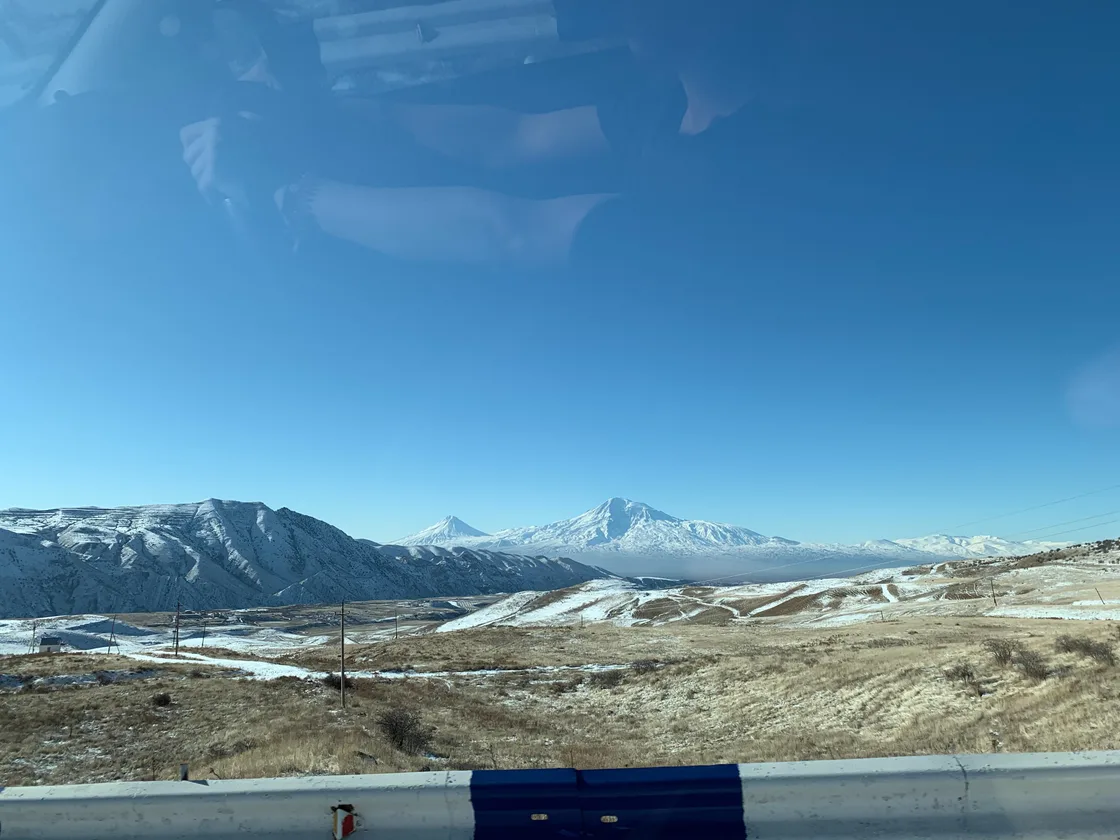
Now the non-negotiable part. Don’t drive into the border zones with Azerbaijan. As of its advisory dated 5 September 2025, the US State Department rates Armenia “Level 2: Exercise Increased Caution” overall, but flags the border region with Azerbaijan as “Do Not Travel,” and bars its own embassy staff from non-essential travel to Gegharkunik east of Vardenis, Syunik east of Goris, and Syunik south of Kapan. The UK Foreign Office advises against all travel within 5 km of the entire eastern Armenia-Azerbaijan border, and against all travel on the M16/H26 road between Ijevan and Noyemberyan. The land borders with both Azerbaijan and Turkey have been closed since the 1990s. These frontier areas carry real risks including the possibility of armed incidents and, in places, landmines; rental insurance won’t cover you there, and some of these roads shadow the border more closely than a map suggests. Check your own government’s current advisory before you set off, plan routes that stay well clear of the eastern frontier, and if in doubt about a particular road, don’t take it.
Making the call
Rent if you want the real Armenia and you’re up for the roads; skip it if you’re staying in Yerevan or the driving worries you. Book ahead for summer, bring the IDP if your licence isn’t Latin-script, budget a refundable deposit, and choose a car with clearance if monasteries are the plan. Fill up on cash and half a tank, treat winter passes with respect, and give the eastern border a wide berth. For the rules of the road themselves, from speed limits and the traffic police to what the local driving is actually like, see our companion guide to driving in Armenia.
When you have the keys, the country opens up. With a tent in the boot, the obvious overnight loop is Yerevan - Lake Sevan - Dilijan along the M4; our camping in Armenia guide names the legal shores and forest pitches. A short first loop without camping is the Ararat plain heritage drive - Zvartnots, Etchmiadzin, Sardarapat and Khor Virap in one day. Our 7-day Armenia itinerary is built around exactly this kind of self-drive pacing and shows how to string the sights together area by area; the grandest of them, Tatev monastery and the Wings of Tatev cable car, is the long southern haul a car makes so much easier. And if you would rather not pick the car up at the airport, our guide to getting from Zvartnots to Yerevan covers transfers and taxis into town. Whatever you decide, sort the paperwork and the insurance before you land, and the driving here becomes the best part of the trip.
Photos
Read also
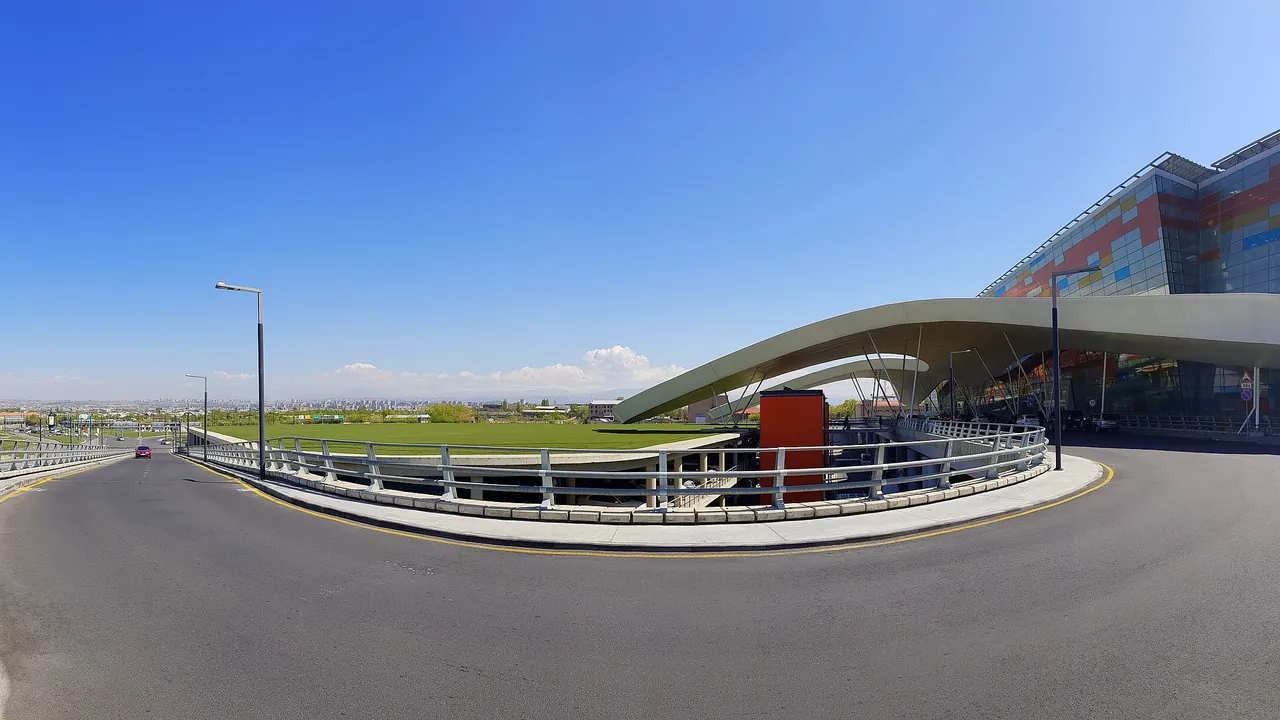
Car rental · 11 min read
Car Rental at Yerevan Airport: Pickup, Deposits & Tips
Verified · August 18, 2026Zvartnots pickup: 24h desks vs meet-and-greet, card holds from 50,000 AMD (Sixt) to 800,000 (Hertz), documents, and why this is not your ride into town.
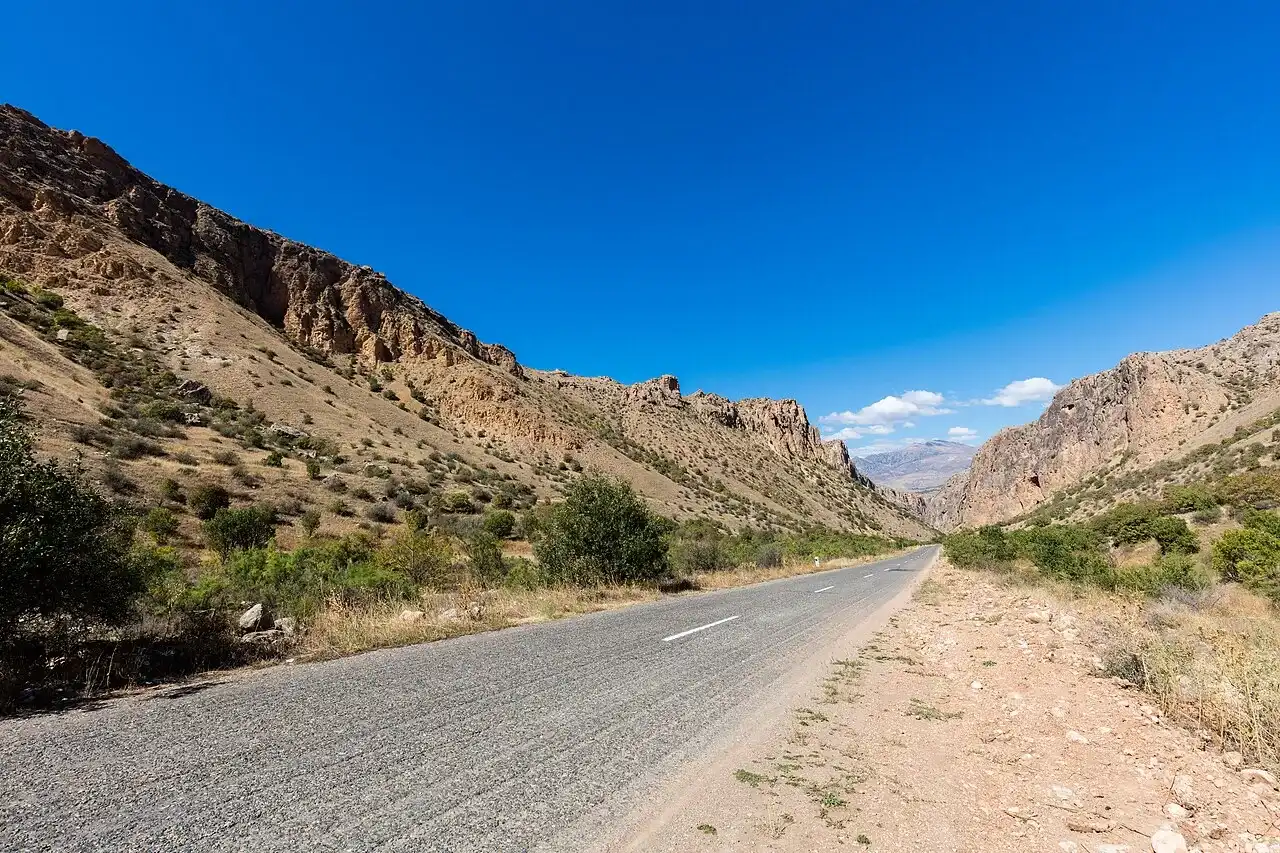
Car rental · 9 min read
Do You Need a Car in Armenia? Tours vs Rental
Verified · August 8, 2026Group tours from $30 a person include admissions; a private car from $240 doesn't. What actually gets you to Armenia's monasteries, and what it costs.
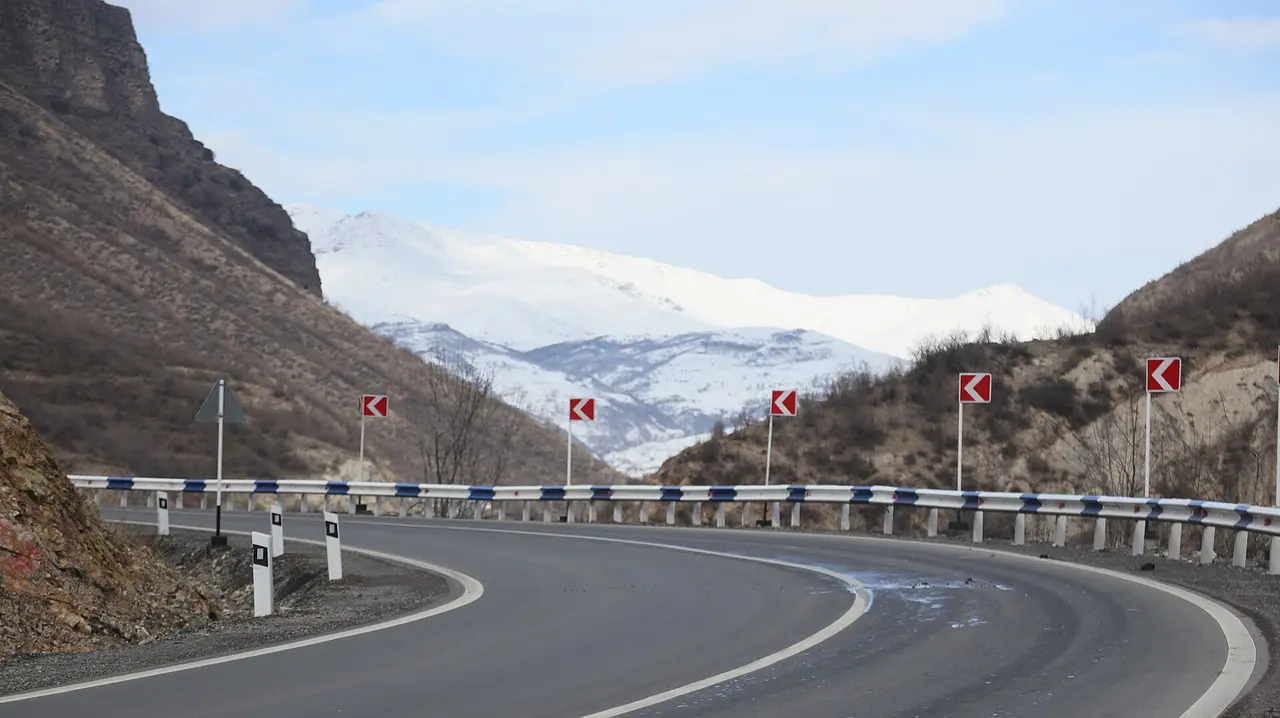
Car rental · 10 min read
Rental Car from Georgia to Armenia
Verified · July 9, 2026Taking a Georgian rental car into Armenia in 2026: the cross-border permit, the insurance gap, the Bagratashen crossing and the Azerbaijan catch.
Car rental · 10 min read
Driving in Armenia: Roads, Rules & Tips
Verified · July 4, 2026How to drive in Armenia: which side, speed limits, the traffic-police reality, mountain roads and winter, plus the eastern border zones to stay out of.