Yerevan Public Transport: Metro, Buses & Fares
How Yerevan public transport works in 2026: the Soviet metro, city buses and trolleybuses, vanishing marshrutkas, and the new 150 AMD tap-and-go fare.
Yerevan runs on three things: a single-line Soviet metro that’s genuinely worth riding for its own sake, a fleet of city buses and trolleybuses that has been overhauled in the last few years, and a shrinking cast of yellow marshrutka minibuses. Since 2025 they all take the same 150 AMD ticket (about $0.40), paid by tapping a bank card or scanning a QR code - the old metro tokens and paper tickets are gone, so ignore any guide still telling you to buy a 100-dram jeton. Here’s how each part works, what it actually reaches, and how to pay without getting stuck at the gate.
The metro is a one-line time capsule
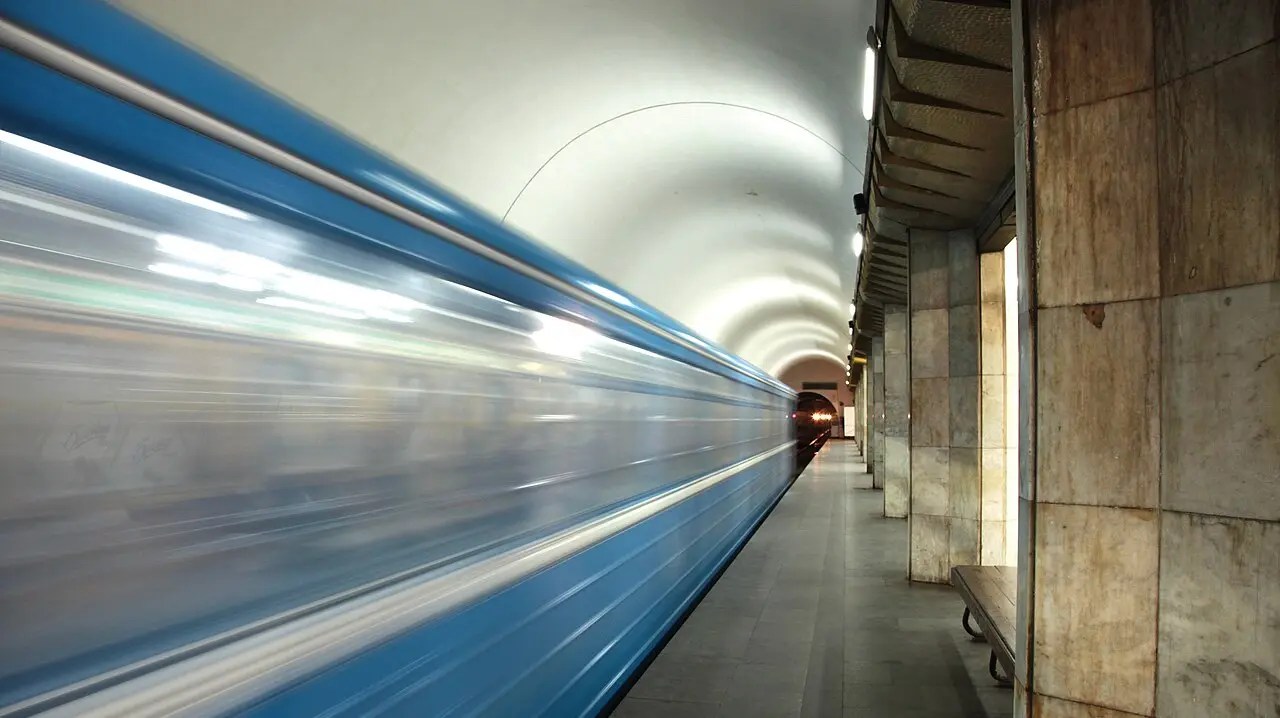
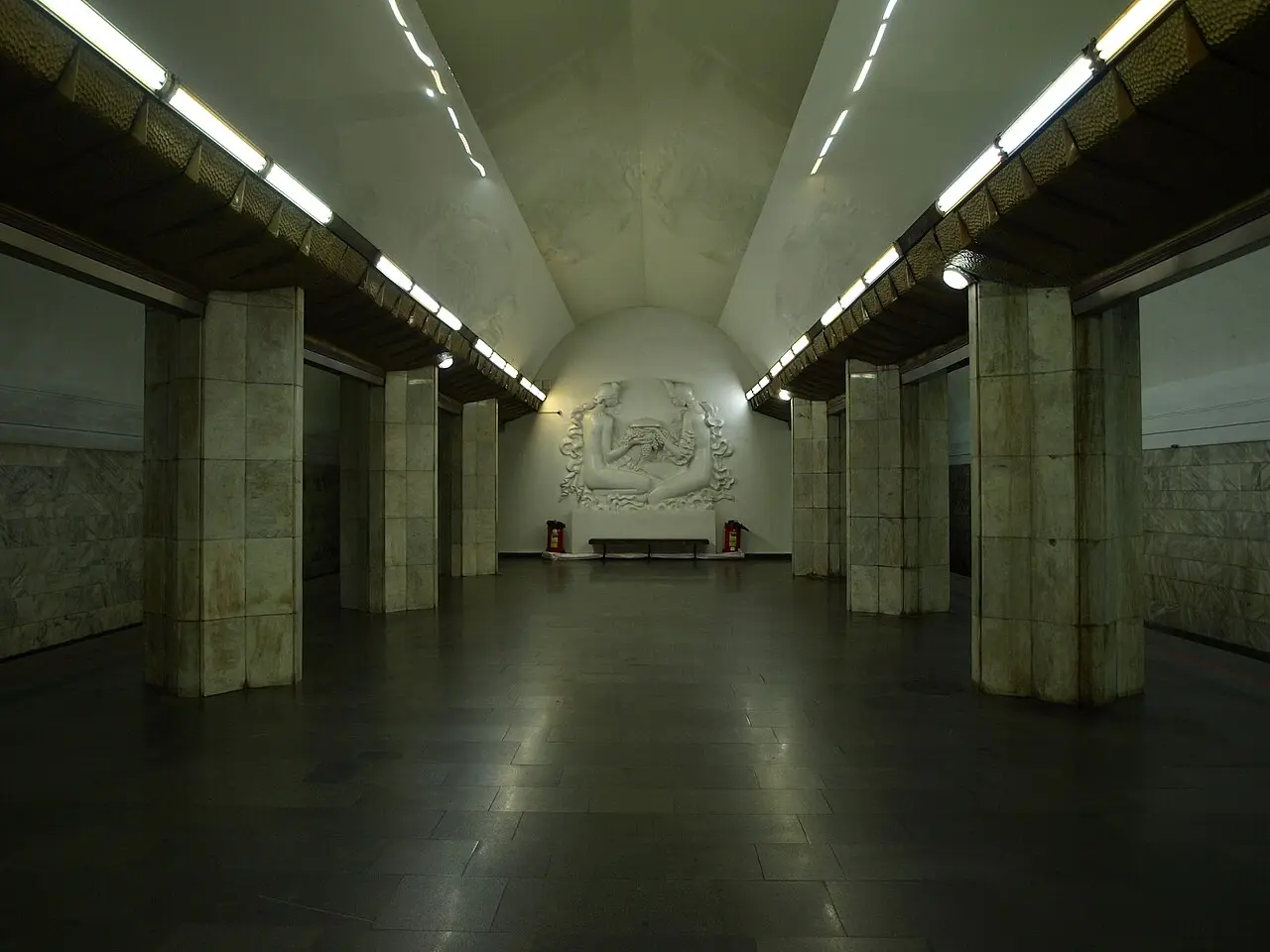
Start with the metro, because it’s the easy win. The Karen Demirchyan Yerevan Metro opened in 1981 as the eighth in the Soviet Union, and it still feels like it: deep marble halls, stone cladding hauled in from quarries all over the old USSR, and the odd bas-relief staring down an empty platform. There is one line and ten stations running 13.4 km across the city, plus a little single-car shuttle out to Charbakh that you will probably never need. That simplicity is the whole point. With one line you can’t really get lost - you’re either heading north to Barekamutyun or south to Garegin Nzhdeh - and the signage runs in Armenian and English.
Trains come every five minutes or so in the rush and up to ten off-peak, run from around 7am to midnight, and carry roughly 80,000 people a day, so this is a working commuter line, not a museum piece. But it’s also the cheapest sightseeing in the city. A few of the stations are small works of art, granite and travertine and mosaic from the Soviet building spree, and riding down just to look at one costs you the price of a single fare. In the July heat, the tunnels are also blessedly cool, which is reason enough on a 35-degree afternoon.
What the metro reaches, and what it doesn’t
Here’s the catch that trips people up: one line only covers one axis of the city, so the metro is brilliant for some trips and useless for others. The stations you will actually use are Yeritasardakan, which drops you two minutes from the Cascade, Northern Avenue and the cafe belt of the centre; Hanrapetutyan Hraparak (Republic Square), the literal heart of town; and Sasuntsi David, which sits right at the main railway station if you’re catching the Gyumri or Tbilisi train. The two end stops double as transport hubs: Garegin Nzhdeh in the south and Barekamutyun in the north are where a lot of intercity marshrutkas gather, so the metro is the fast way to reach your onward minibus without a cross-town taxi.
What it doesn’t do is reach most of the sights. There’s no metro to the top of the Cascade, the Genocide memorial, Victory Park or any of the day-trip monasteries - for those you’re back on a bus, a taxi app or a tour. Our guide to things to do in Yerevan sorts which sights sit near a metro stop and which need wheels, which is worth a glance before you plan a day on foot.
Buses, trolleybuses and the vanishing marshrutka
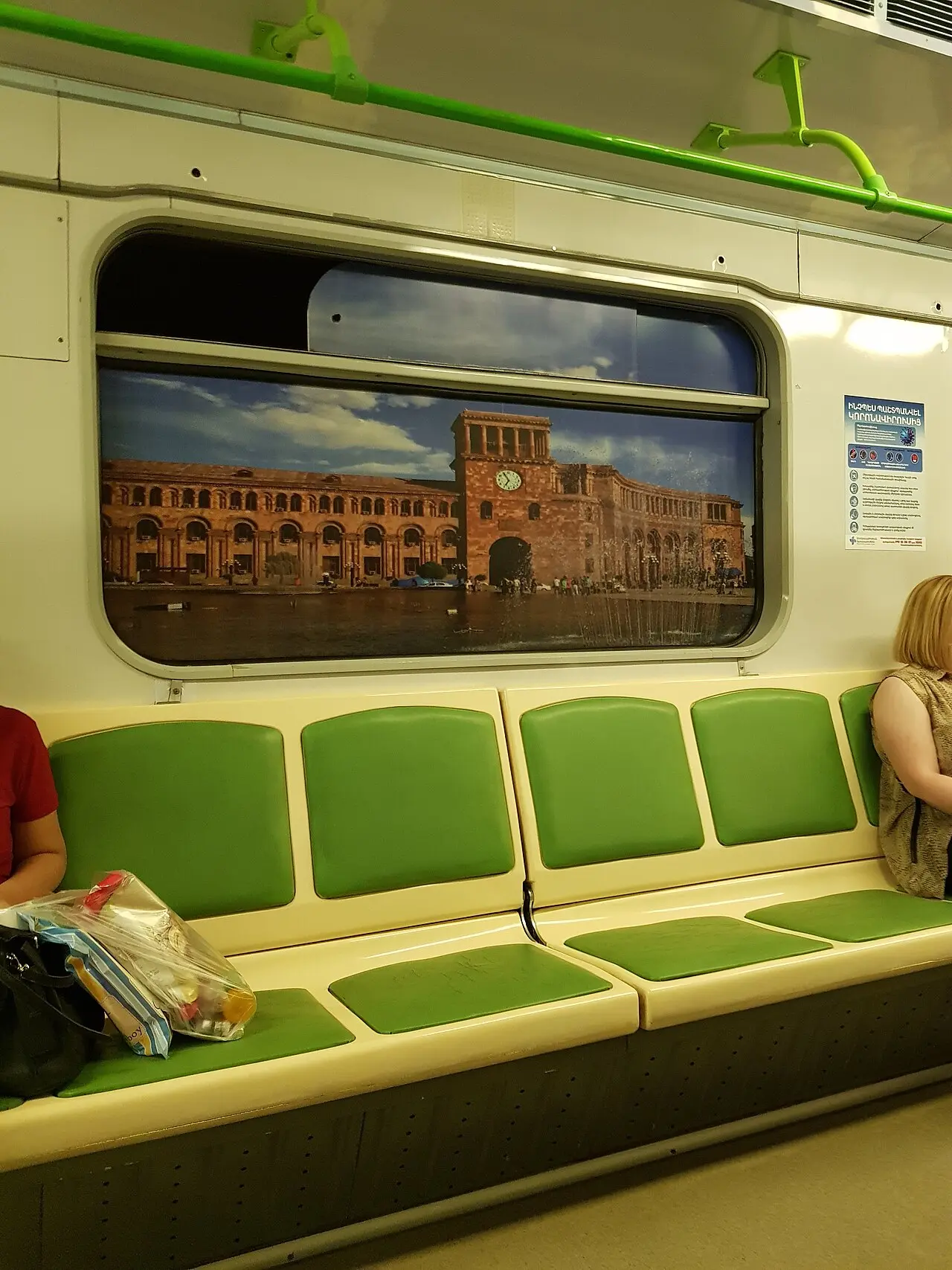
Above ground the network has changed a lot, and is still changing. For years Yerevan ran on the marshrutka - a battered GAZelle minibus that stopped anywhere you waved and cost a flat fare. The city has spent the last few years pulling those off the road and replacing them with proper municipal buses, mostly newer low-floor models, and marshrutkas are now a small minority of routes. You’ll still meet a few, usually on the fringes, and they work the old way: flag it down, squeeze in, pay the driver.
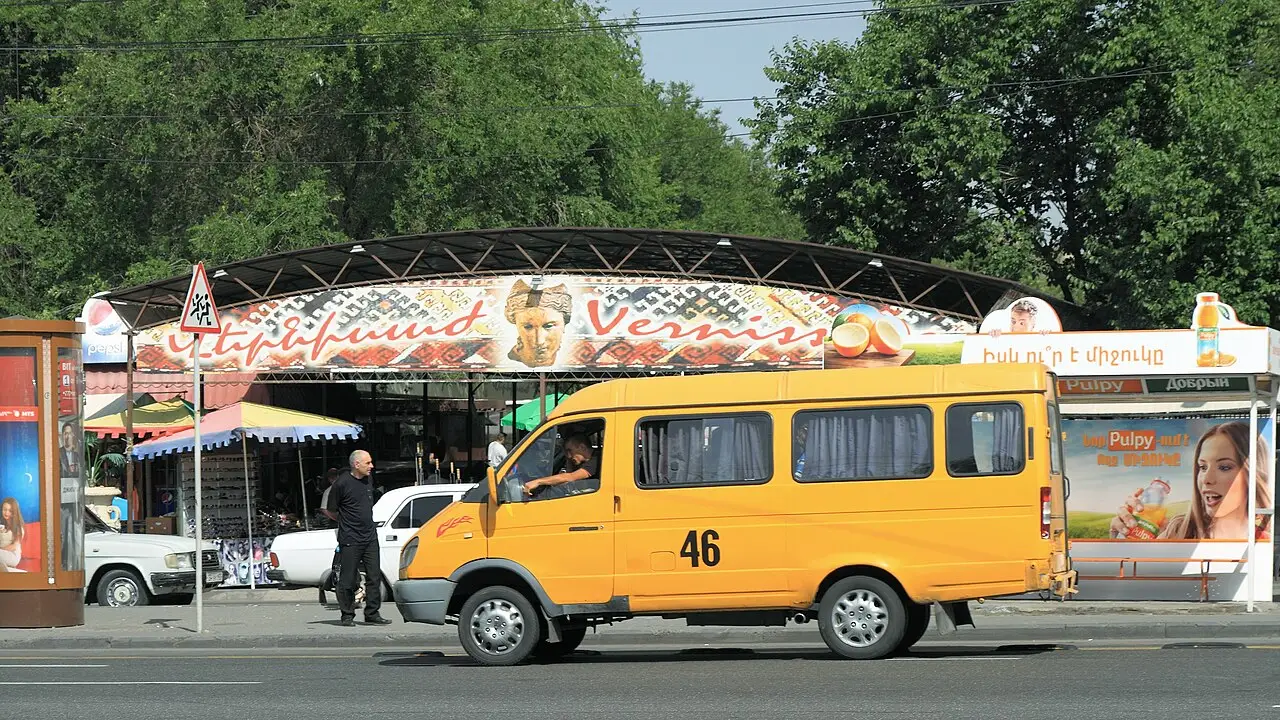
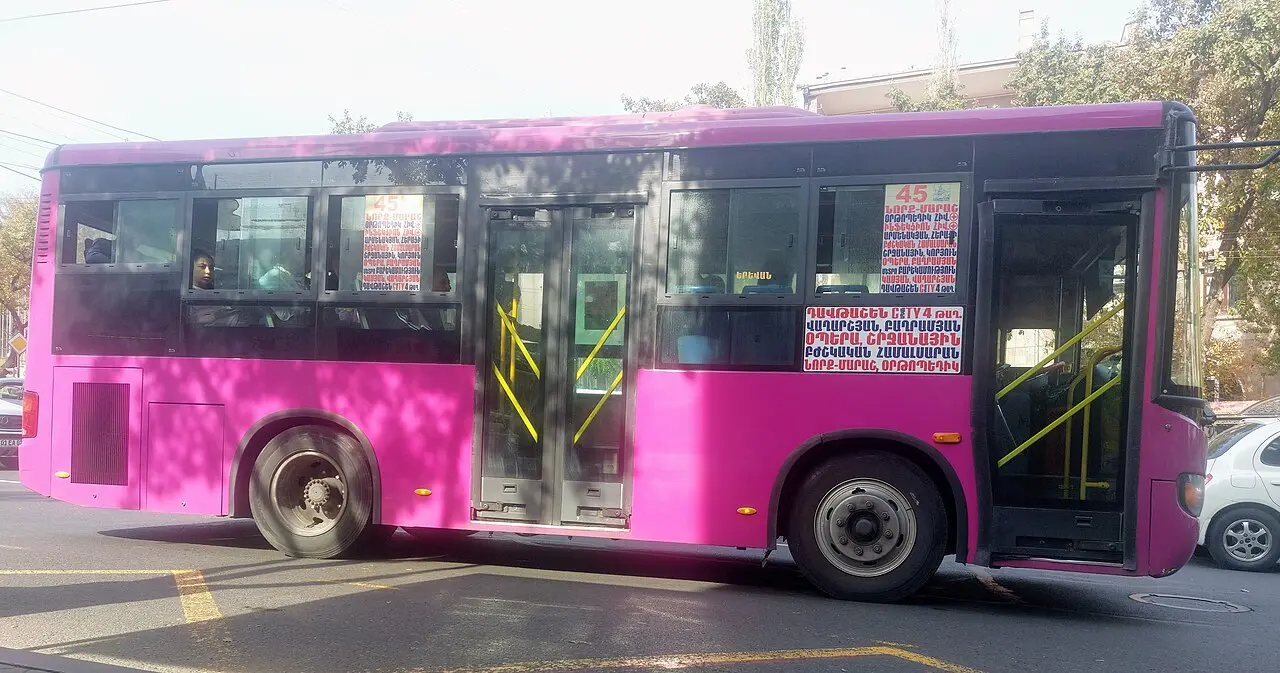
The buses are the workhorses now, covering far more of the city than the metro ever could, and there’s also a small network of white-and-green trolleybuses on a handful of central routes. Buses run roughly 7am to 11pm; trolleybuses knock off earlier, around 9pm. The honest problem with all of it’s legibility: routes are numbered but signed mostly in Armenian, and there is no tidy English map at the stop. The fix that changes the game is Yandex Maps - every bus, minibus and trolleybus shows up on it with live positions, so you can watch your bus crawl towards you in real time and know which number to flag. Set your phone up with data, open the map, and the surface network suddenly makes sense.
Paying: one 150 AMD ticket, and the app trap
This is the part that has genuinely changed, and where old advice will steer you wrong. Yerevan switched to a single electronic ticketing system in 2025: one 150 AMD ride now works on the metro, the buses and the trolleybuses alike. The metro’s orange tokens were retired in late 2024 and the paper QR tickets followed in 2025, so the barrier now wants a tap or a scan, not a coin.
You have three ways to pay, and the difference matters for a short visit. The simplest is to tap a contactless bank card straight on the reader - no registration, no local number, it just charges the fare. There’s also a reloadable Telcell transport card, and the Telcell Wallet app with QR tickets, but be warned: the app’s sign-up leans on Armenian residency verification, so it’s fiddly for a tourist passing through. Skip it and tap your card. If you are staying longer, passes are cheap: a 180-minute ticket that covers a few connected rides is 300 AMD, a day is 900, a week 5,000 and a month 9,000 AMD, bought online or at Telcell terminals. For a few days of sightseeing, pay-as-you-go by card is all you need.
One more honest note: the network is mid-reform, so exact fares, routes and payment rules are moving targets. Treat the 150 AMD figure and everything here as a 2026 snapshot and check the reader on the bus if in doubt. It’s all cheap enough that a wrong guess costs you pennies rather than real money.
Making it work as a visitor
Put together, a sensible approach looks like this. Use the metro for anything along its line - it’s the fastest, coolest and most characterful way to cross the centre, and worth a ride purely to see the stations. Use buses with Yandex Maps for everything off the metro’s single axis. Keep a contactless card ready for tapping on, plus a little cash for the rare old marshrutka that still wants coins. And get your phone online early, because the whole system - route tracking, QR tickets, the taxi apps that fill the gaps - assumes you have mobile data.
Speaking of those gaps: public transport in Yerevan is cheap and, once you crack the code, genuinely easy, but it’ll not get you everywhere late at night or out to a trailhead. That’s what the ride-hailing apps are for, and our guide to taxi apps in Armenia covers GG and Yandex Go, what a ride across town costs, and how to register a local number. And once you want to leave the city for the monasteries, Lake Sevan or Gyumri, the city network hands off to a different beast entirely - our guide to getting around Armenia without a car covers the intercity marshrutkas, the trains and the tours that pick up where Yerevan’s buses stop.
Photos
Read also
Transport · 10 min read
Gyumri to Tbilisi 2026: Train, Road & Border
Verified · August 12, 2026Gyumri to Tbilisi in 2026: SCR train times via Gyumri (summer 16:29→00:11; winter 23:59→07:35), Bavra road crossing, marshrutka and private transfer.
Transport · 13 min read
Armenia to Iran Border Crossing: Meghri-Agarak (2026)
Verified · August 9, 2026Armenia-Iran border crossing at Meghri-Agarak in 2026: visa rules by nationality, the Yerevan-Tehran bus, carnet rules and the current safety picture.
Transport · 9 min read
Yerevan to Jermuk: Bus, Taxi & Car
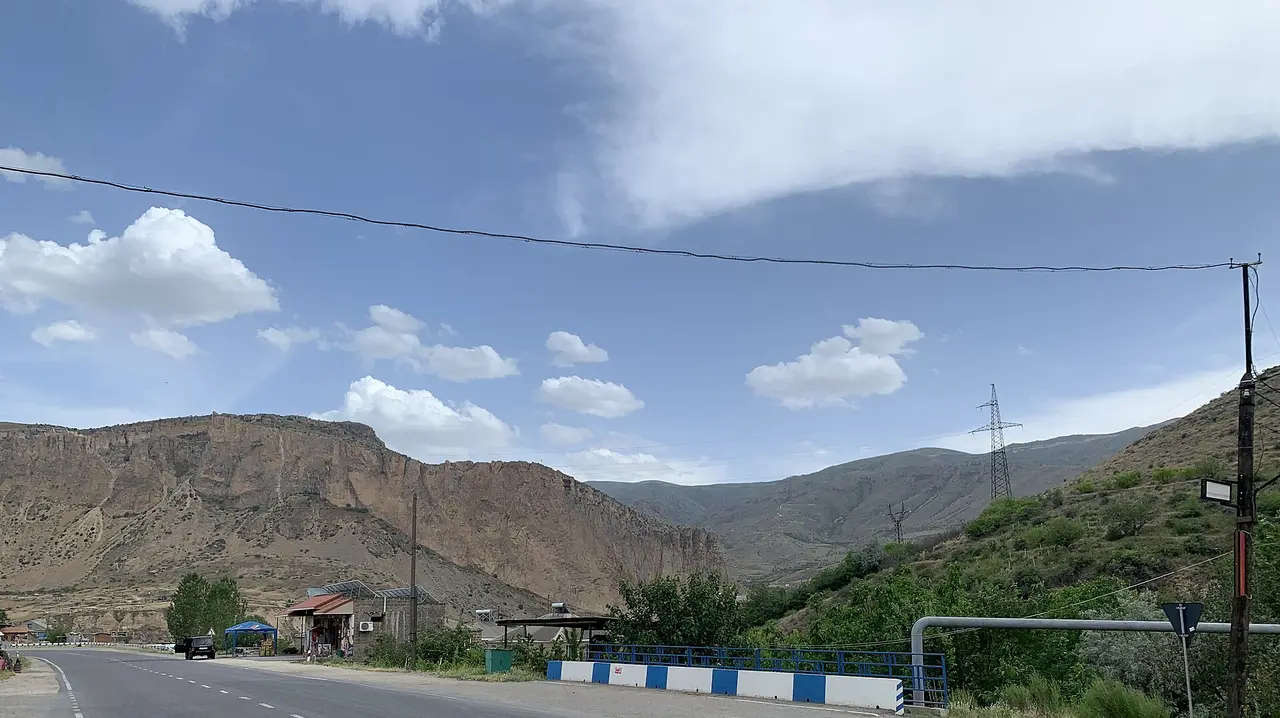
Verified · August 9, 2026How to get from Yerevan to Jermuk in 2026: the Kilikia marshrutka, taxis and private transfers, or self-drive - prices, times and the spa-town catch.
Transport · 8 min read
Gyumri Shirak Airport: Wizz Air Flights & Transfer
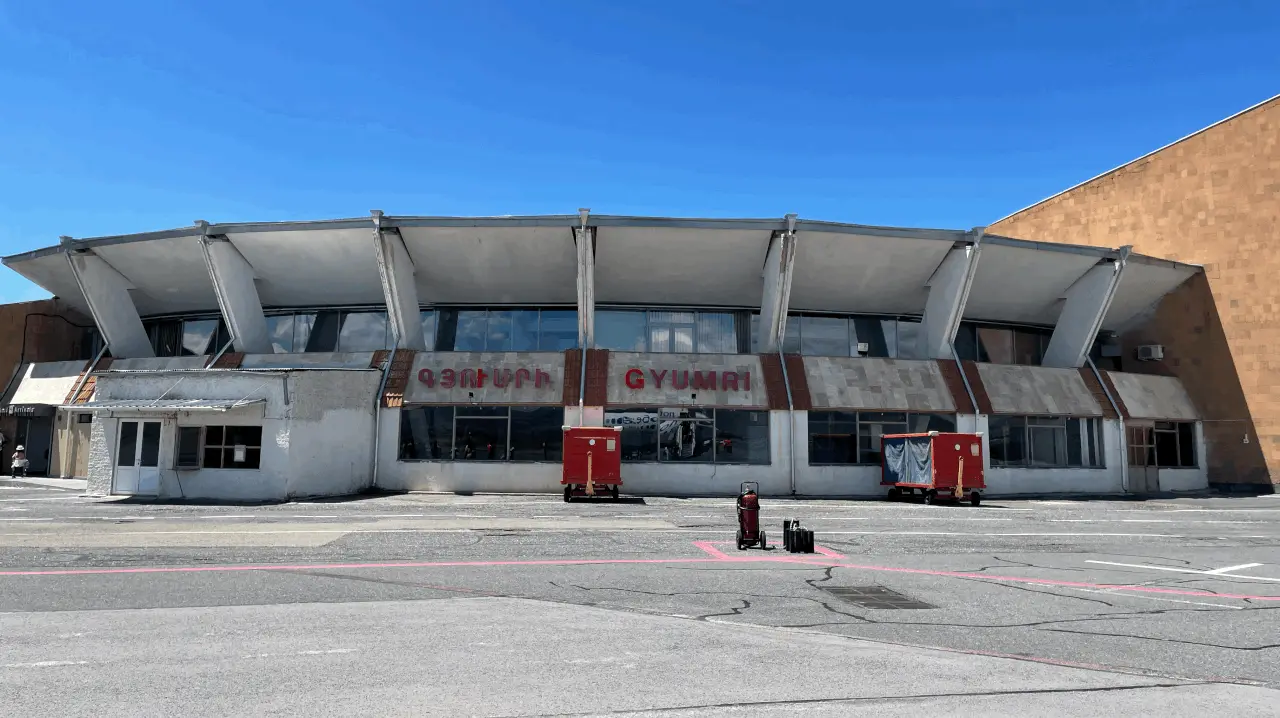
Verified · July 8, 2026Who flies to Gyumri Shirak Airport (LWN), the Wizz Air Larnaca route, how far it is from the city, and how to get to Gyumri and Yerevan when you land here.