Best Time to Visit Armenia (Month by Month)
When to visit Armenia: May and late September to mid-October are the sweet spots, summer is hot in Yerevan but cool in the mountains, winter is for skiers.
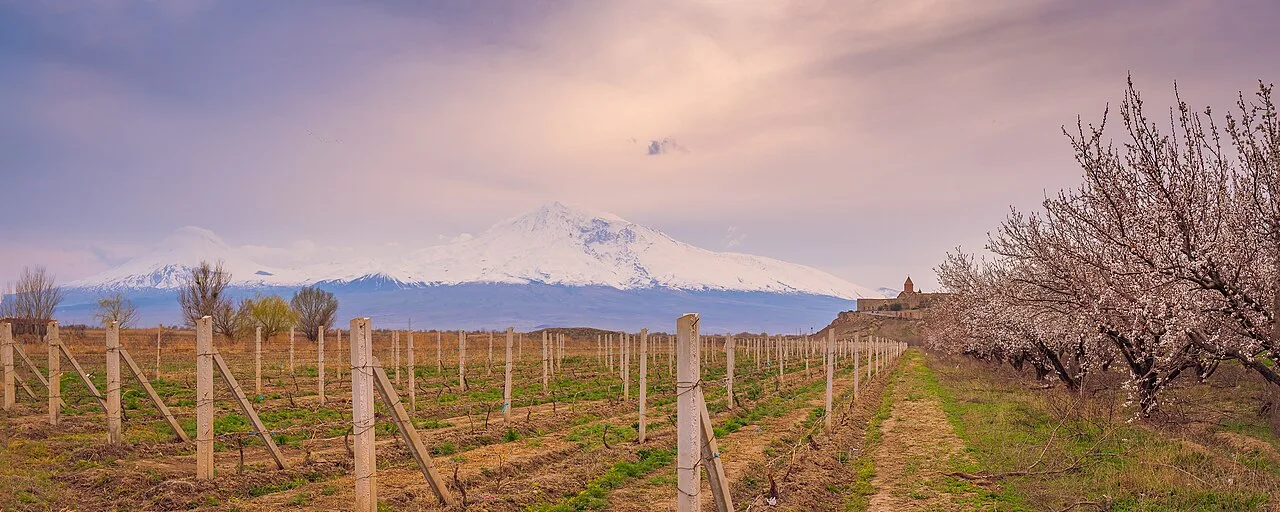
For most trips the answer is May, or the stretch from mid-September to mid-October: warm days, cool evenings, clear light on the monasteries, and none of the furnace heat that settles over Yerevan in July. That said, Armenia has no genuinely bad season, only trade-offs, and the right month depends less on the calendar than on what you came for. Wine and gold-leaf valleys pull you toward autumn; wildflowers and snowmelt waterfalls toward late spring; skiing toward January. If you’d rather plan around events, our Armenia festivals calendar lists the 2026 dates.
The short version, month by month
- April: green plains and blossom, but the high country stays cold and damp and some passes are still shut - a true shoulder month.
- May: late spring at its best - mid-20s in Yerevan, full waterfalls and a clear Ararat, though it’s also the wettest window.
- June: the gentlest of the summer months, warm rather than scorching, and home to Yerevan Wine Days (5-7 June in 2026).
- July-August: hot in Yerevan, with highs near 33°C and the odd push into the mid-30s; worth it only if you escape to Sevan, Dilijan and the high country.
- September: the best all-rounder - easing summer warmth (highs near 28°C), the grape and pomegranate harvest, and soft light.
- October: golden forests and the Areni wine festival early on, low-20s by day and sharp nights, turning cold and grey late in the month.
- November-March: low season - cold and often snowy, but cheap and crowd-free, with skiing at Tsaghkadzor from mid-December.
The one thing to fix in your head before anything else is altitude. Armenia is a high, crumpled country, and a single day can swing from a sweltering capital to a chilly lake shore in the space of an hour’s drive. Yerevan sits around 1,000 metres; Lake Sevan is near 1,900; the ski slopes climb past 2,800. So there’s no single national temperature, and packing a warm layer makes sense in almost every month of the year.
Spring (April to May): waterfalls, wildflowers, green plains
Late spring is my quiet favourite. By May the Ararat plain is properly green, the fruit trees are in blossom, and the snowmelt has the rivers and waterfalls running full. Yerevan is comfortable rather than hot, with daytime highs around the mid-20s Celsius and cool evenings that still want a jacket. It’s also the year’s wettest window (the rainiest stretch runs roughly early April to late June), so pack something for the odd afternoon shower and accept that the mountain passes may still hold snow.
April is a shoulder within a shoulder: lovely on the plains, but the high country and the northern forests can stay cold and damp, and some mountain roads open late. If you want the wildflowers and the meltwater drama without the risk of a washout, aim for mid-to-late May. Ararat, incidentally, tends to be at its shyest in the summer haze and its clearest in spring and autumn, so if the mountain is on your list, spring is a good bet.
Summer (June to August): hot capital, cool escapes
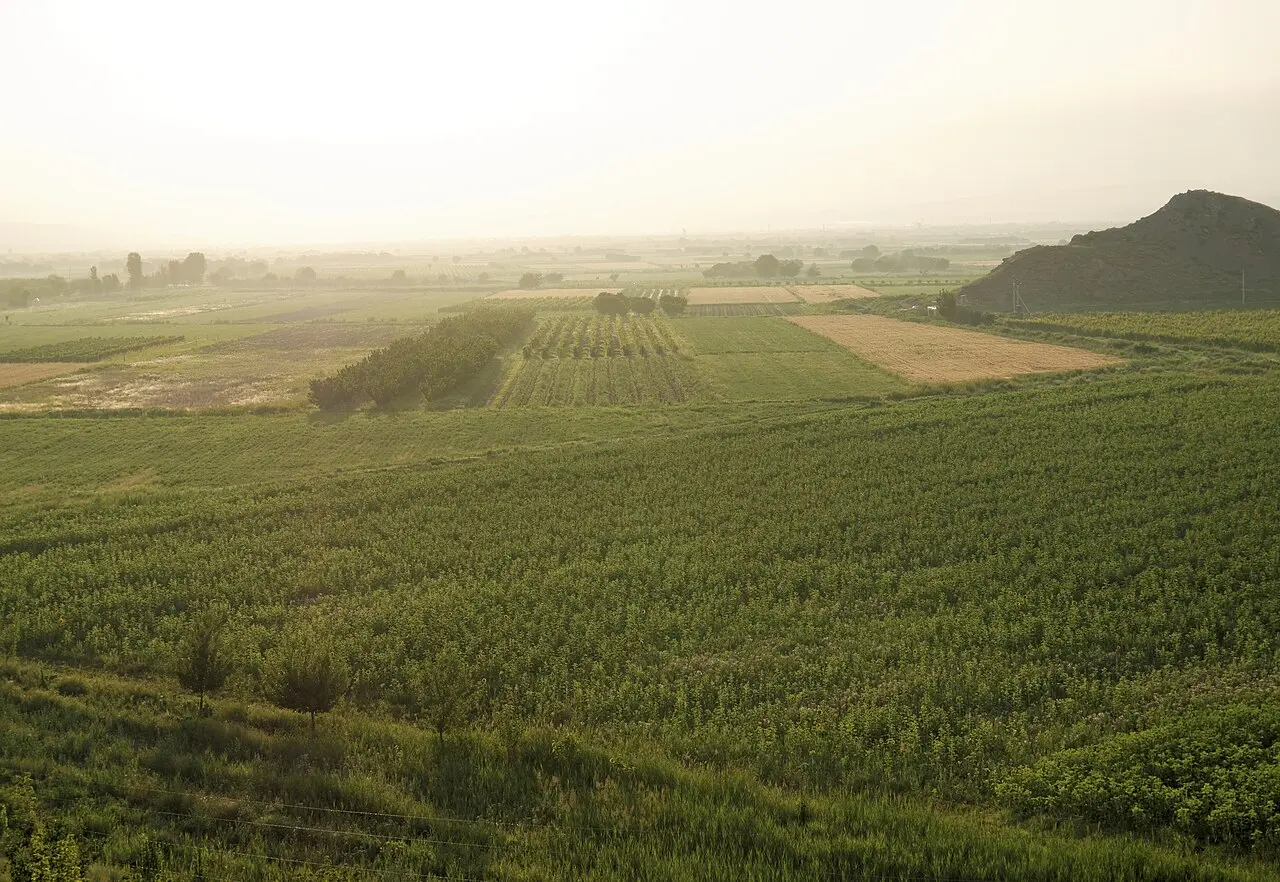
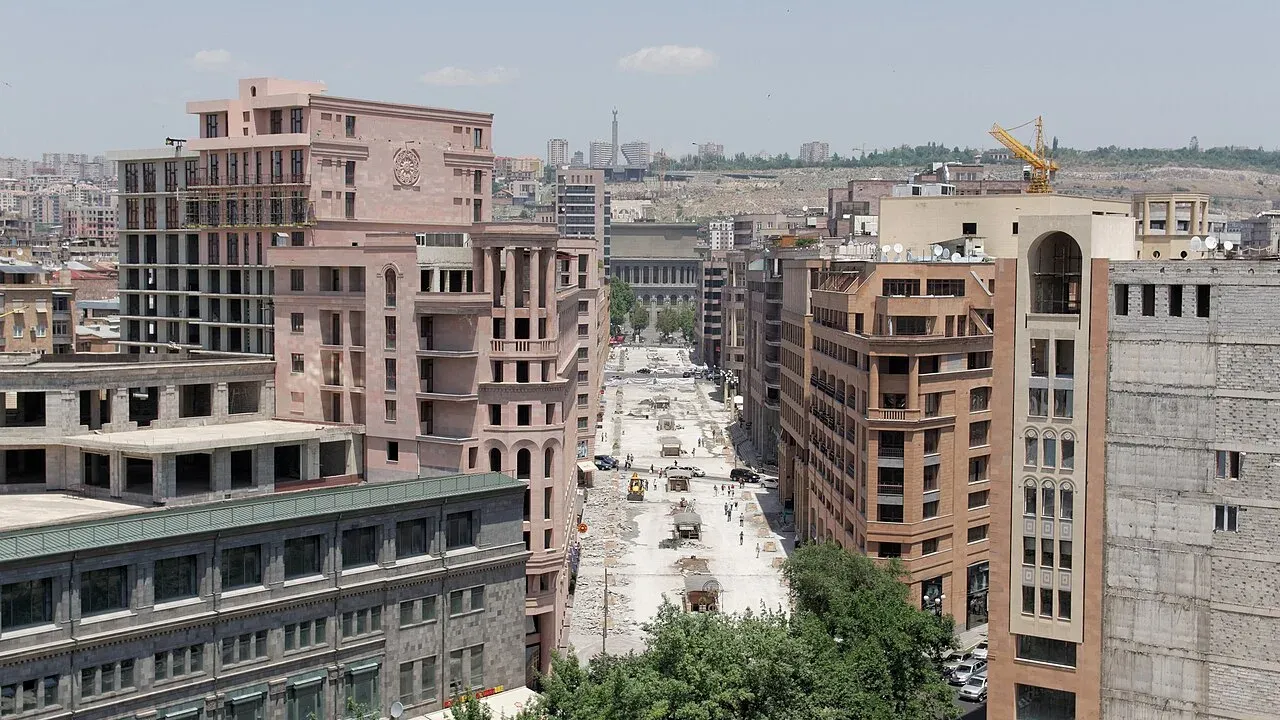
Peak season, and the one that most needs a caveat. Yerevan in July and August is genuinely hot - average highs sit around 33°C and the thermometer can push into the mid-30s on the worst afternoons, with the pink tuff of the city radiating heat well into the evening. If your whole trip is capital-bound in high summer, you’ll spend a lot of it hunting shade and cold tan (the local yoghurt drink). Locals treat the heat with a shrug and a long lunch, and the city genuinely comes alive after dark, when the fountains on Republic Square run and the cafes fill up.
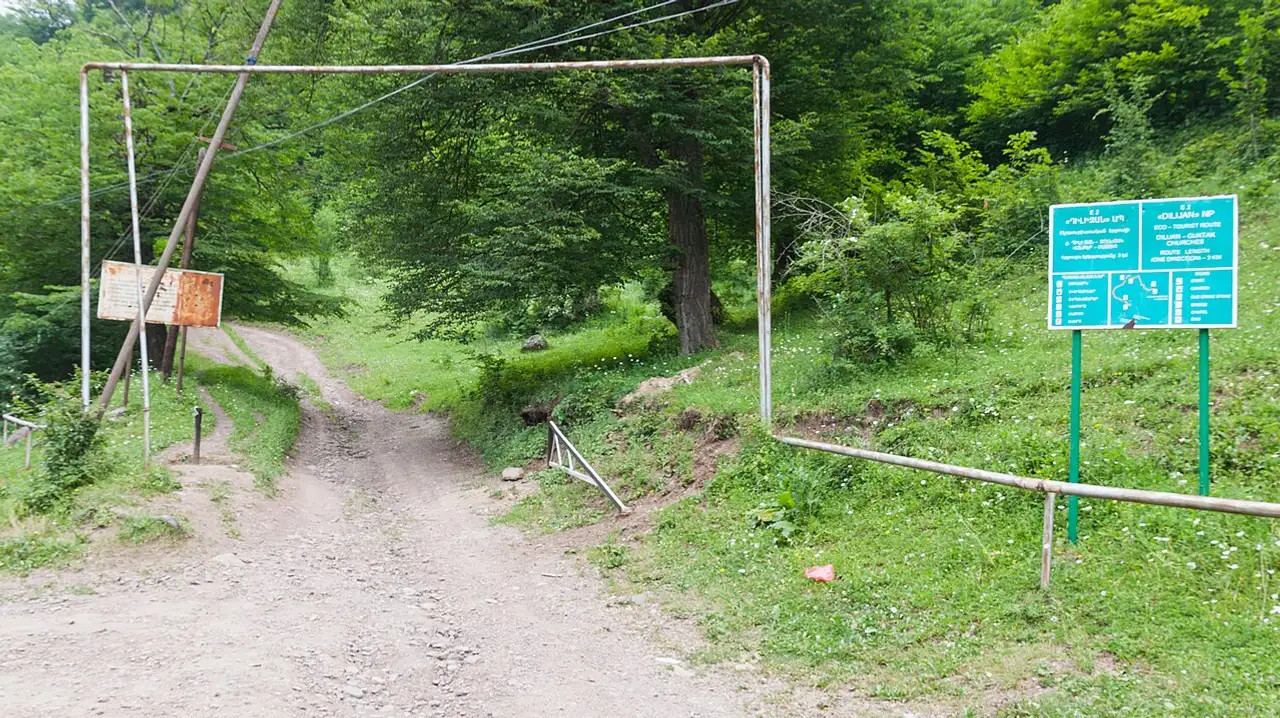
The trick is that summer is exactly when the mountains earn their keep. Drive an hour to Lake Sevan and it’s noticeably cooler by the water; carry on to Dilijan and you’re in cool, forested air that can feel like a different country. Jermuk, the southern spa town, and the high monastery approaches are all pleasant when Yerevan is baking. High summer is also the only real window for the alpine country of Mount Aragats and Lake Kari, where the road to the 3,200 m lake is usually open only from about mid-May to mid-October, and for the high volcanic peaks in our roundup of the best hikes in Armenia. June is the gentlest of the three summer months, and it also lands the year’s biggest party: Yerevan Wine Days, an open-air street festival across central Yerevan (in 2026, June 5-7, free to enter with paid tasting packages). Dates shift year to year, so confirm before you build a trip around it. Our guide to things to do in Yerevan covers how to survive and enjoy the hot months in the city itself.
Autumn (September to October): the wine and the gold
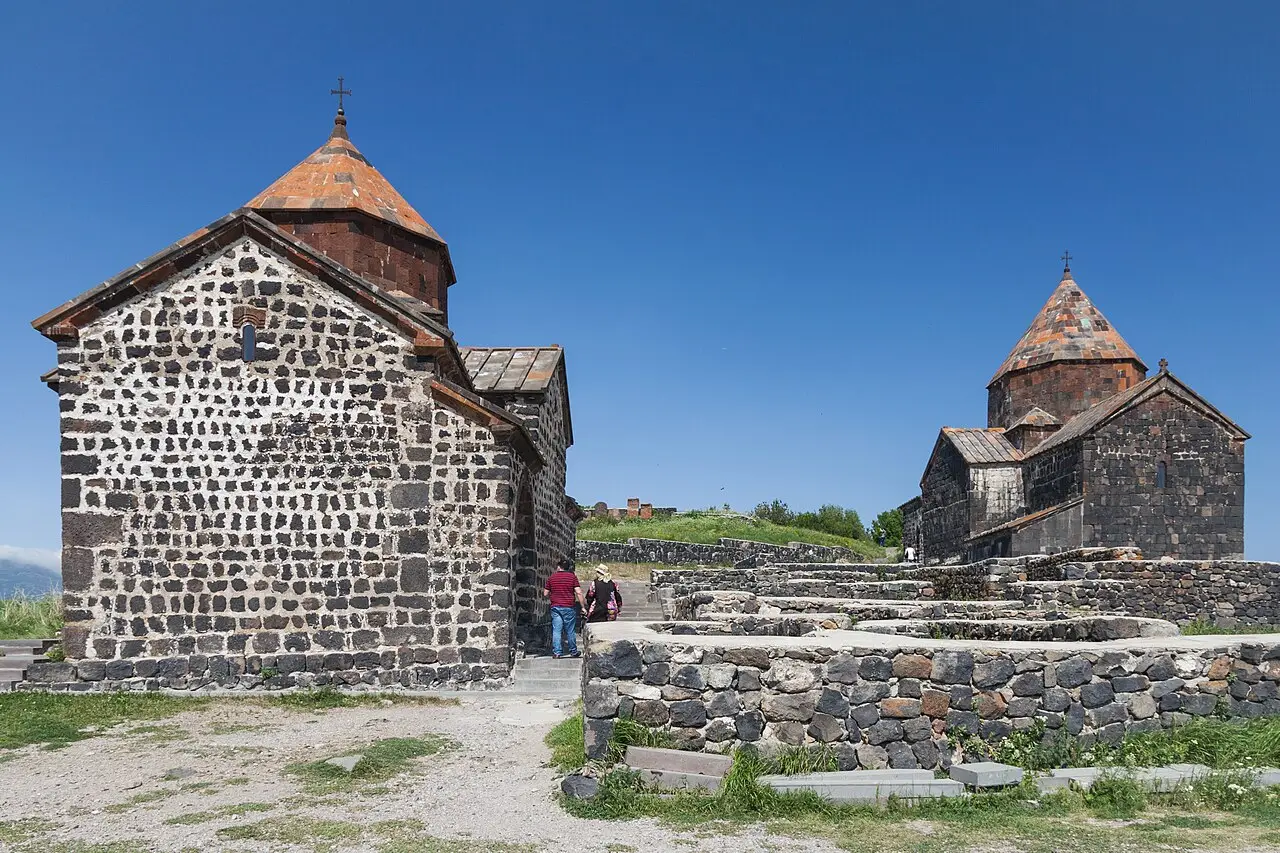
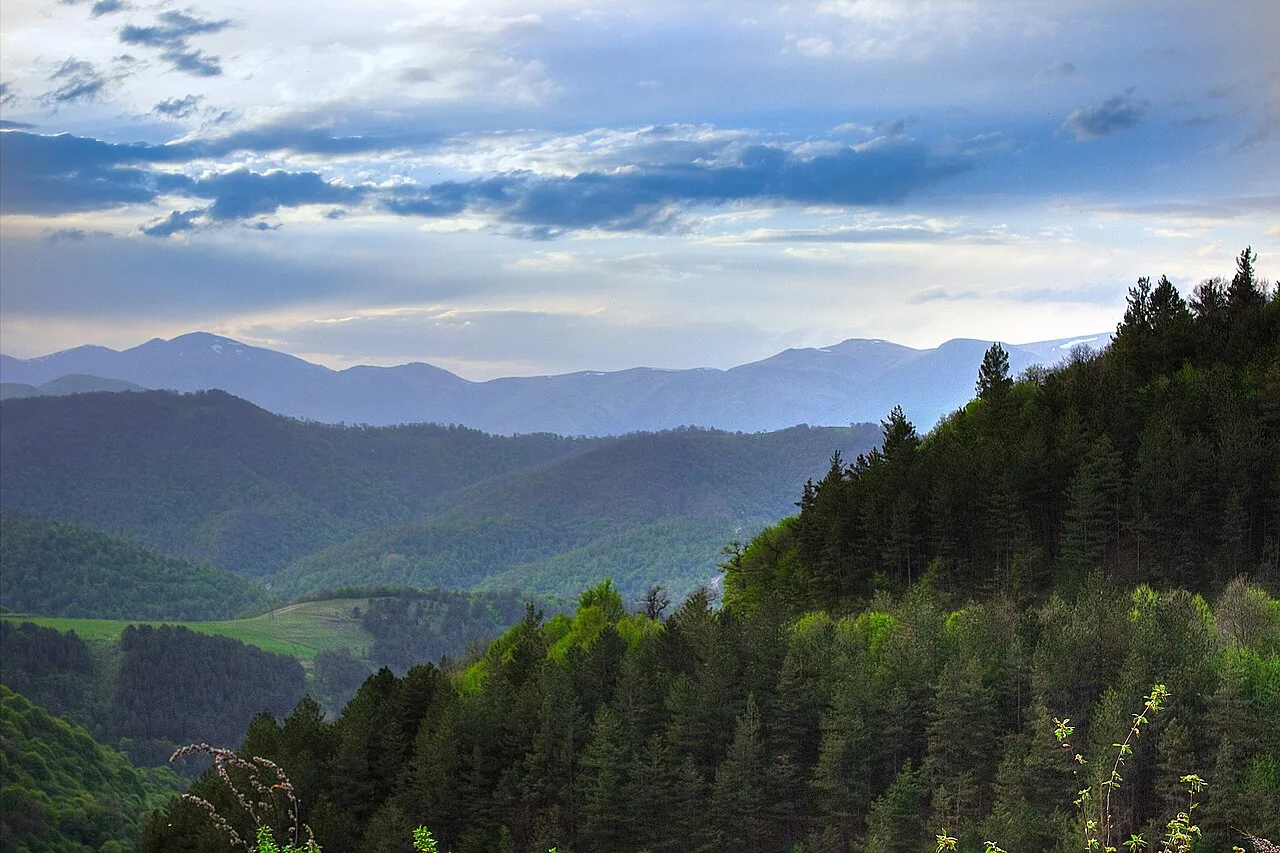
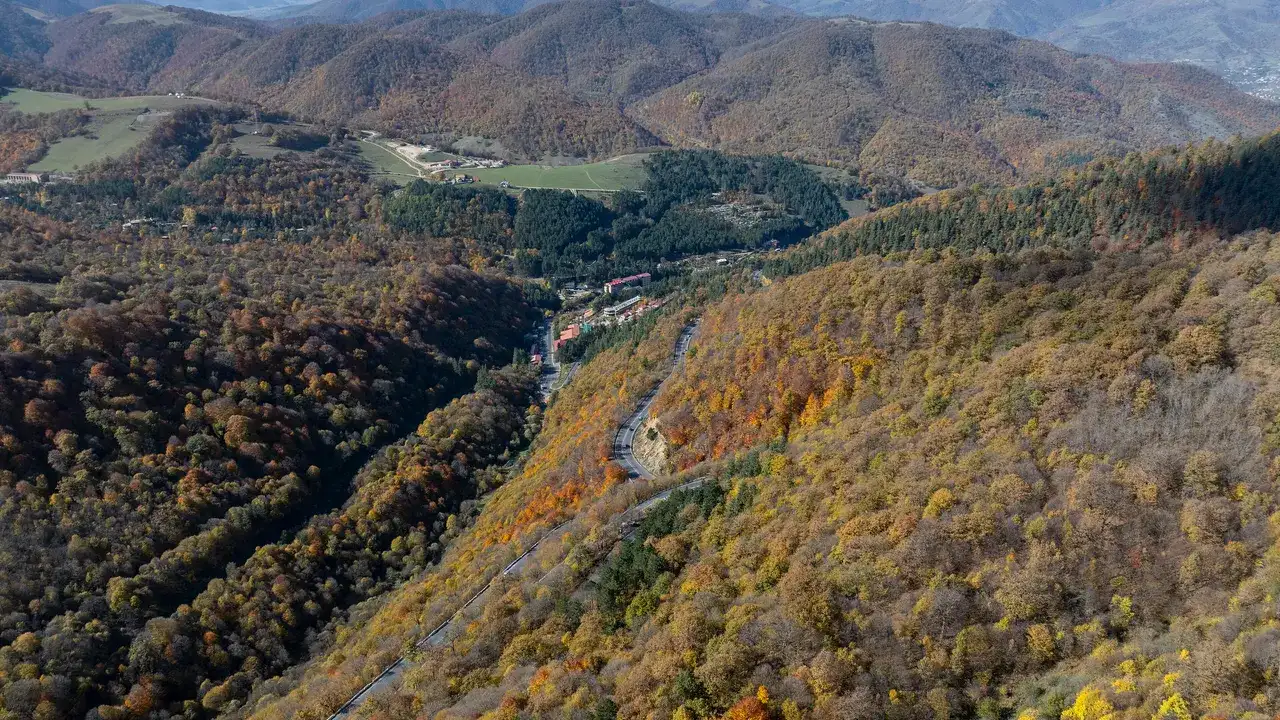
If I had to book one arbitrary week for a first-time visitor, it would fall in late September or early October, and the reason is harvest. The vineyards of Vayots Dzor come in, pomegranates and grapes pile up in the markets, and the forests around Dilijan turn through orange and yellow. September still carries plenty of summer warmth (Yerevan highs near 28°C) without the peak-August furnace, while October cools to the low 20s by day and can feel sharp at night, especially up high. Our month-level guide to Armenia in September breaks that month into its hot first days and its golden second half.
This is also festival season for wine lovers. The Areni Wine Festival, out in the southern wine country, traditionally lands on the first Saturday of October (around October 3 in 2026), with village stalls pouring hundreds of homemade wines beside grilled khorovats and local cheese. As with Wine Days, don’t treat the exact date as fixed - check nearer the time. The light in autumn is the softest of the year, which is worth knowing if you care about photographs of the monasteries. The only real downside is that late October can turn abruptly cold and grey, so the earlier half of the window is the safer bet - that’s when you’ll still get warm afternoons.
Winter (November to March): snow, ski slopes and empty monasteries
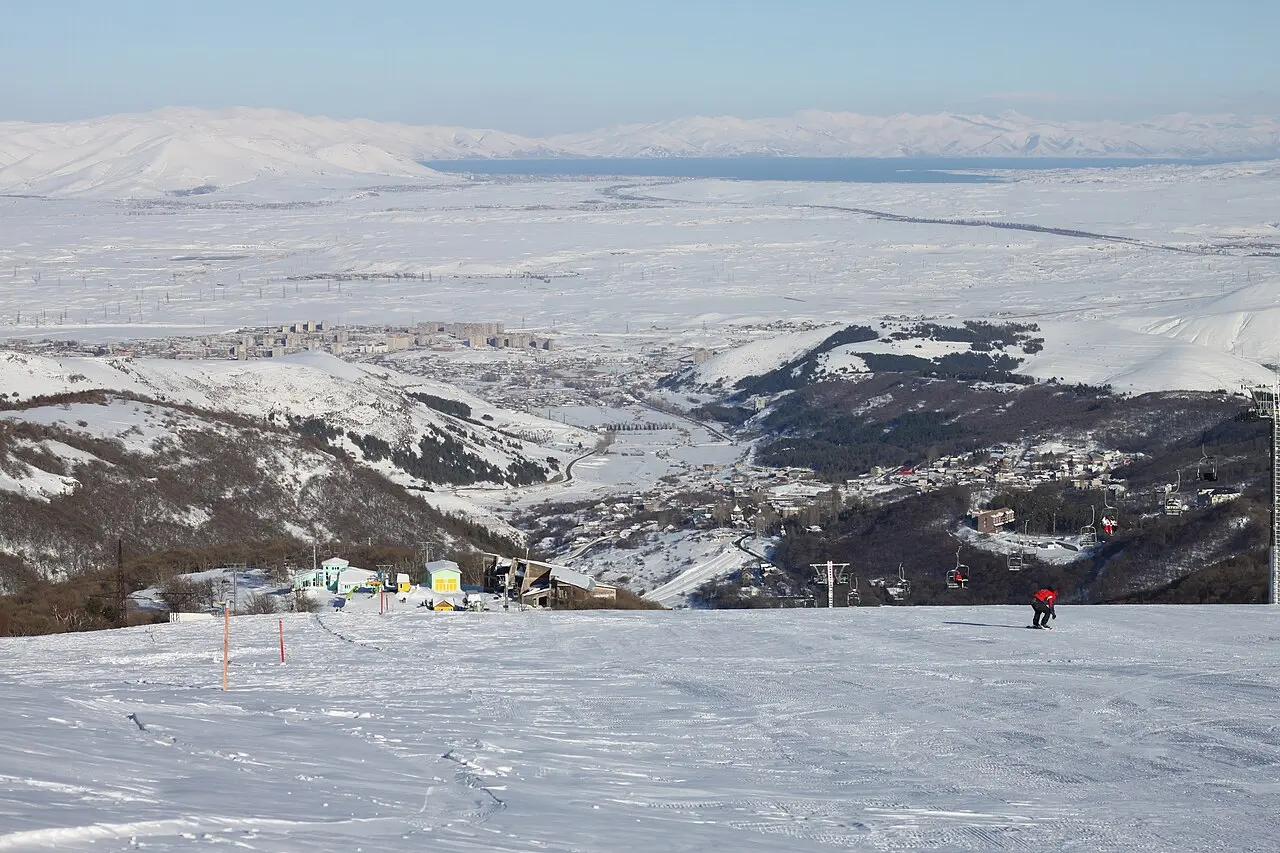
Winter is the season people skip, and that’s precisely its appeal if you know what you’re after. Yerevan gets cold and can see snow from December into February, with January the deep point of the year (average lows around -7°C). It’s low season, prices soften, the tourist crowds vanish, and the monasteries under a dusting of snow are genuinely beautiful - just be ready for short days and the occasional road closed by weather.
The active reason to come in winter is skiing at Tsaghkadzor, about an hour and a half from the capital. The season generally runs from mid-December into March, with the best snow usually in January and the top runs sometimes skiable into April; the linked lifts climb between roughly 1,966 and 2,819 metres on Mount Teghenis. It’s a modest resort by Alpine standards, but affordable and easy to reach, and it pairs well with the spa town of Jermuk further south. Our guide to the best resorts in Armenia sets Tsaghkadzor, Jermuk, Dilijan and the rest side by side by season, if you’re picking a base around the weather. Deep winter isn’t the time for a monastery-heavy road trip through the south, where snow and ice make the long drives slower and less predictable, so plan for a tighter, capital-plus-slopes kind of trip.
So when should you go?
Line it up against your priorities and the choice more or less makes itself. Come in May for green plains, waterfalls and a clear Ararat; in September or early October for harvest, wine and the softest light of the year, which is the answer that suits the most people; in July or August only if you’ll get out of the hot capital into the lakes and forests; and in December to March if you’d rather ski, dodge crowds, or watch snow fall on a thousand-year-old monastery. The monasteries themselves keep no season and reward a visit any month you turn up, weather permitting on the higher roads.
Whenever you land, let altitude, not the calendar, guide your packing: a warm layer for the evenings and the high country in every month, and something waterproof if you’re travelling in the wet spring window. For the fine detail behind these seasons, our guide to Armenia’s weather month by month lays out the temperatures, rainfall and what’s open or closed for each of the twelve months. Once you have your season, the next question is how long to give the country, and our breakdown of how many days you need in Armenia sorts that out by trip length. If your dates land in the warm half of the year, a cool day at Lake Sevan is the classic antidote to a hot capital, and worth pencilling in early.
Photos
Read also
Before you go · 10 min read
What to Pack for Armenia: Plugs & Layers
Verified · August 7, 2026Armenia packing list: Type C/F plugs at 230V, summer heat in Yerevan vs cold mountain nights, layers, eSIM and insurance to sort before you fly.
Before you go · 8 min read
Where to Stay in Goris: Hotels for Tatev
Verified · August 7, 2026Where to stay in Goris for Tatev: centre hotels and guesthouses, honest day-trip warning (12-13 hours), and what a night in Syunik actually costs.
Before you go · 8 min read
Solo Female Travel in Armenia: Is It Safe?
Verified · August 6, 2026FCDO reports low crime in Armenia. Solo women should avoid informal or street-hailed taxis and use app, licensed or arranged transport.
Before you go · 12 min read
Armenia in October: Autumn Colour and Wine Festivals
Verified · September 23, 2026Armenia in October: peak leaf colour 15-20 October, the Areni wine festival on the 3rd, five times September rain, and what shuts for winter.