Orbelian (Selim) Caravanserai Guide
Basalt Silk Road inn of 1332 at 2,410 m on Vardenyats (Selim) Pass: how to visit, when snow closes the road, and how to pair it with Sevan or Yeghegnadzor.
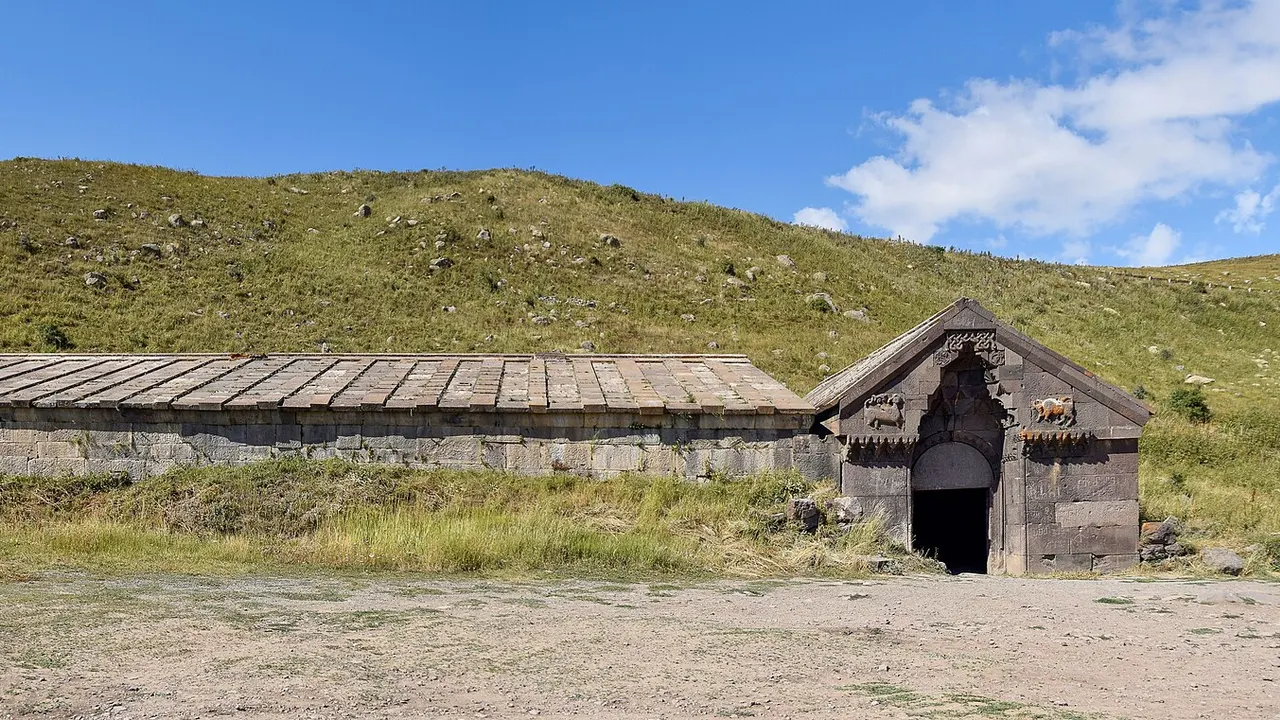
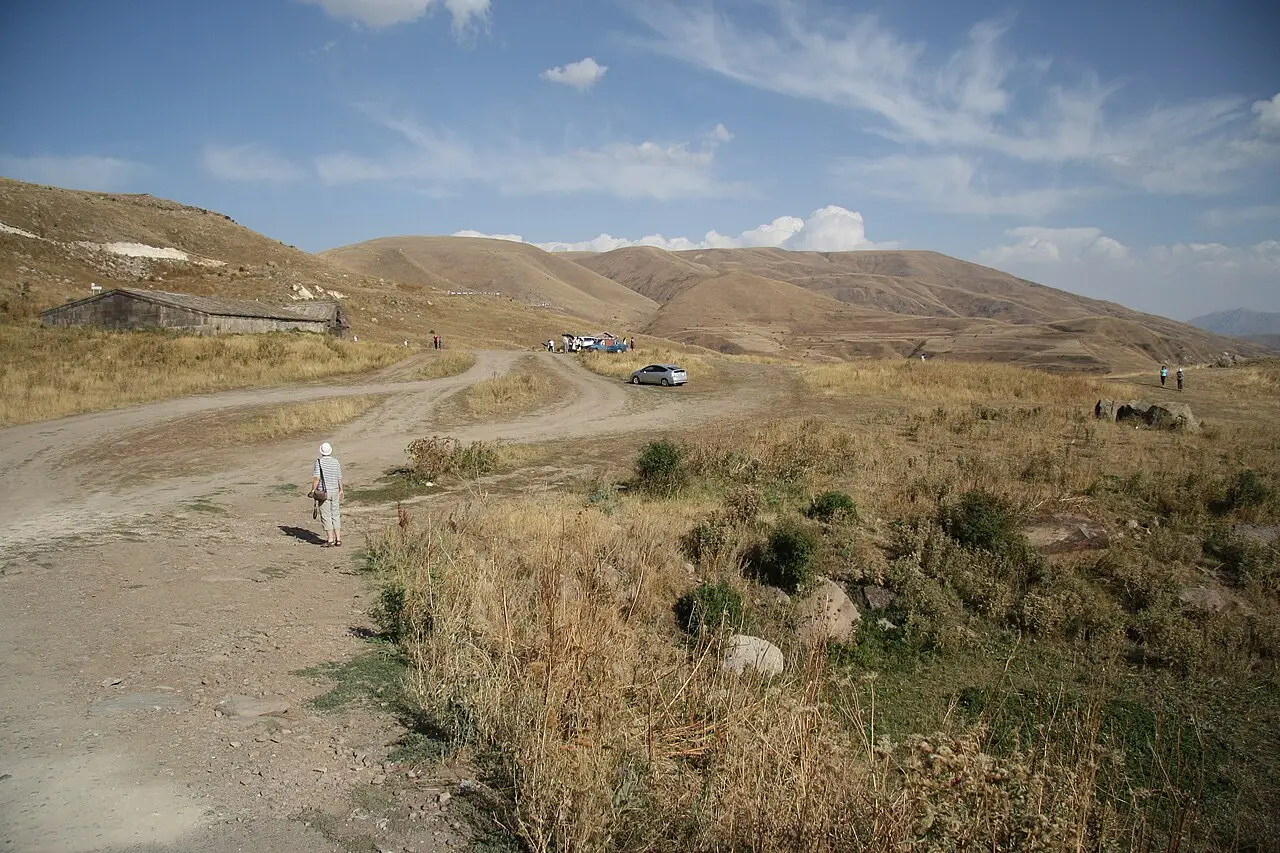
Orbelian’s Caravanserai - still searched as the Selim Caravanserai - is Armenia’s best-preserved medieval Silk Road inn: a long basalt hall finished in 1332 by Prince Chesar Orbelian, sitting just below the summit of the Vardenyats Pass at 2,410 m. There’s no ticket booth and no cafe. You park by the road, walk down into the wind, and step from bright highland light into a cool, dark vault that once slept merchants and their animals between Lake Sevan and Vayots Dzor.
What makes the stop worth the climb isn’t a museum label. It’s the odd collision of a working mountain road with a building that still does exactly what it was designed to do: shut out weather. If you’re driving between Sevan and the wine country, this is the stone punctuation mark on the pass - twenty or thirty honest minutes that change how the rest of the day feels.
Two names on one doorway
Maps and guidebooks still say Selim. Official Armenian naming, after a 2014 decision by the then governor of Vayots Dzor, prefers Orbelian’s Caravanserai and Vardenyats Mountain Pass. The old label stuck hard: road signs, GPS pins and Google queries still lean on Selim, and locals answer to either. Use both when you search, and you’ll find the same basalt roof.
The building sits on the southern side of the pass, in Vayots Dzor, on the historic climb that linked the Sevan basin around Martuni with the Arpa valley around Yeghegnadzor. That corridor mattered when caravans moved between the Caucasus and routes toward Iran and beyond. Today it’s the reason almost every self-drive loop that stitches Lake Sevan to the southern monasteries rolls past this door.
Inside the hall: how a mountain inn was built
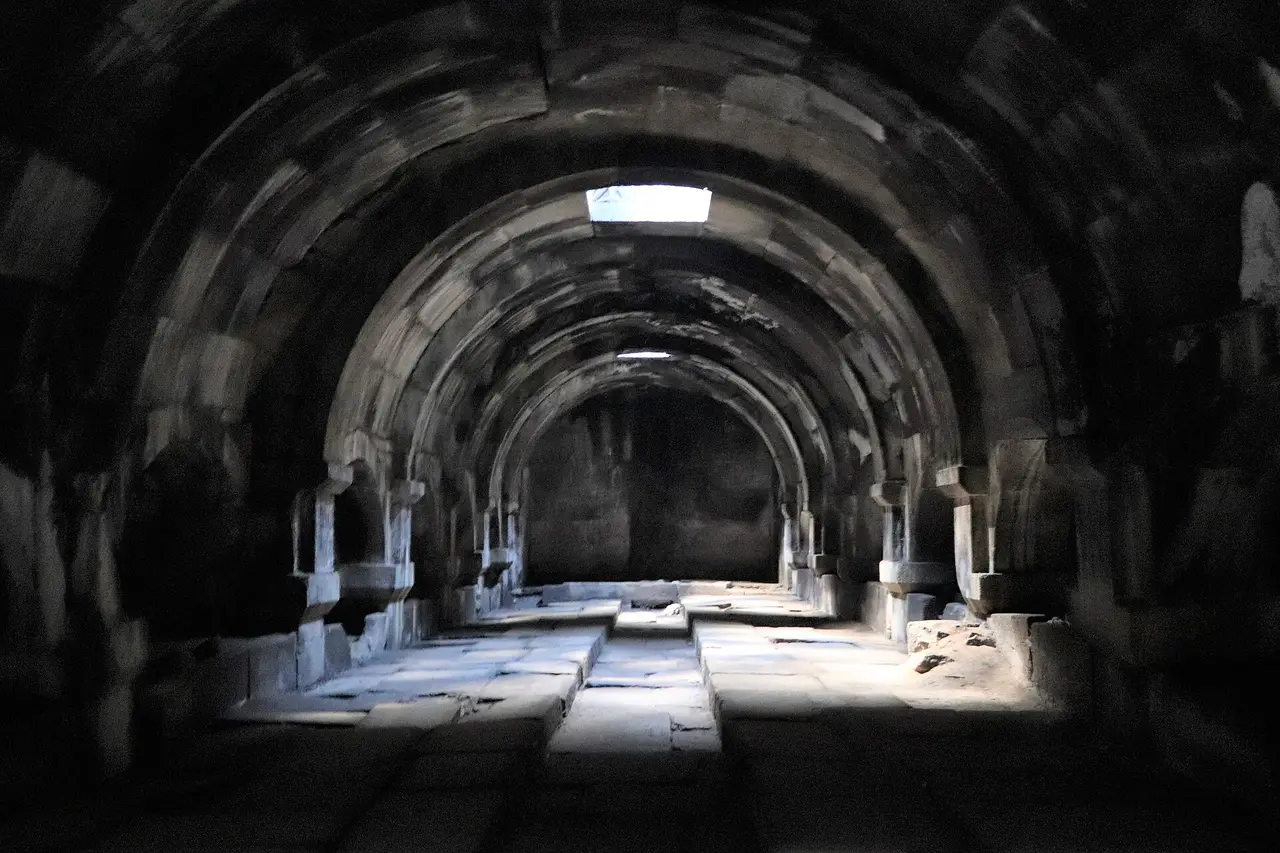
Unlike many Anatolian hans with open courtyards, this caravanserai is almost entirely covered space - a practical answer to wind and snow at 2,410 m. You enter a rectangular vestibule, then pass through a low doorway into a long hall of about 13 by 26 metres, divided into three naves by seven pairs of stone pillars.
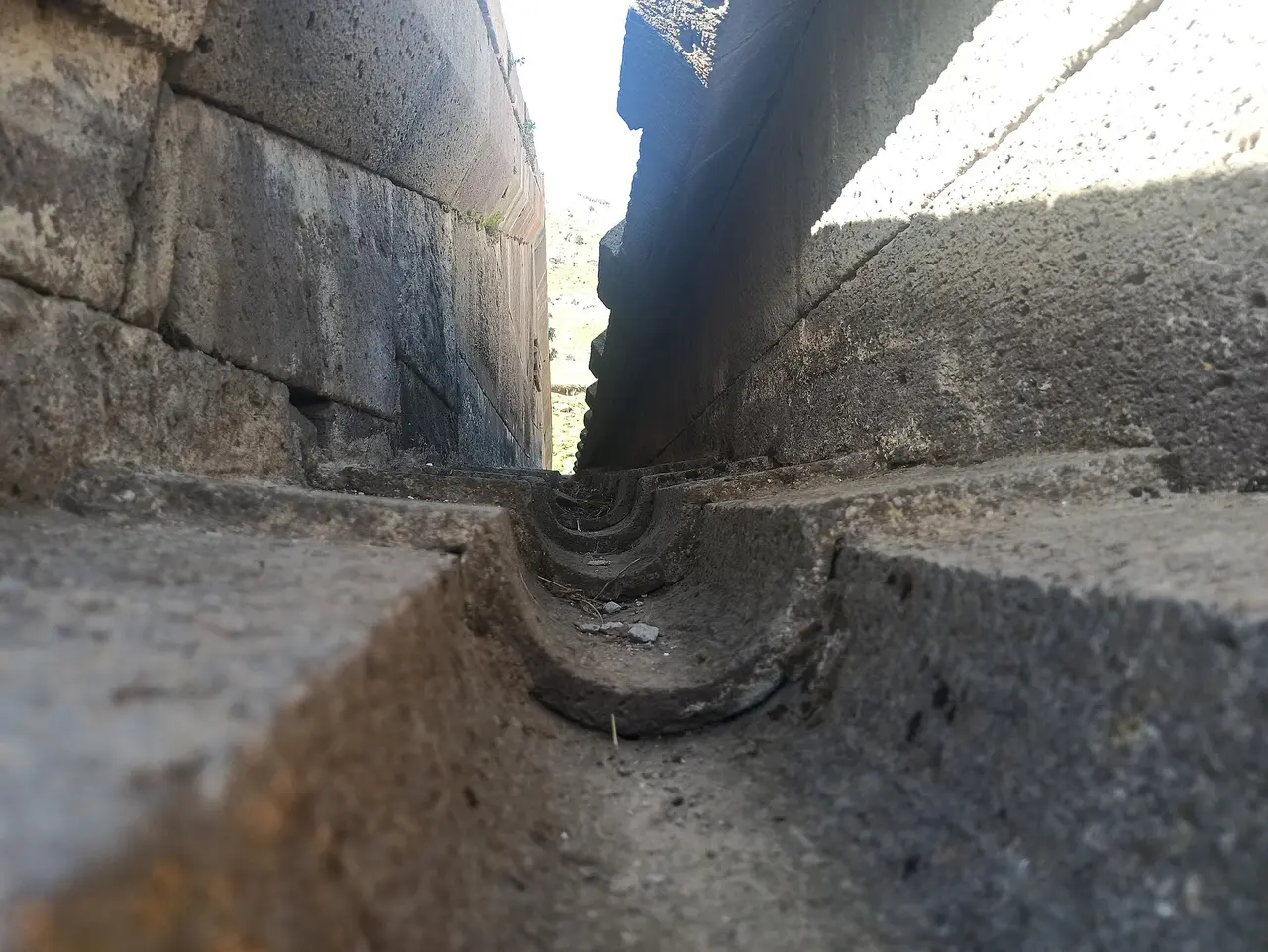
Animals stood in the narrow side aisles, where stone troughs sit between the pillars and a water pool occupied one corner. Travellers slept in small rooms at the western ends of those aisles. Three parallel vaults cover the hall; the central one is taller and wider. Oculi cut in the roof let in daylight and let out smoke - the dim shafts of light you see in every photograph.
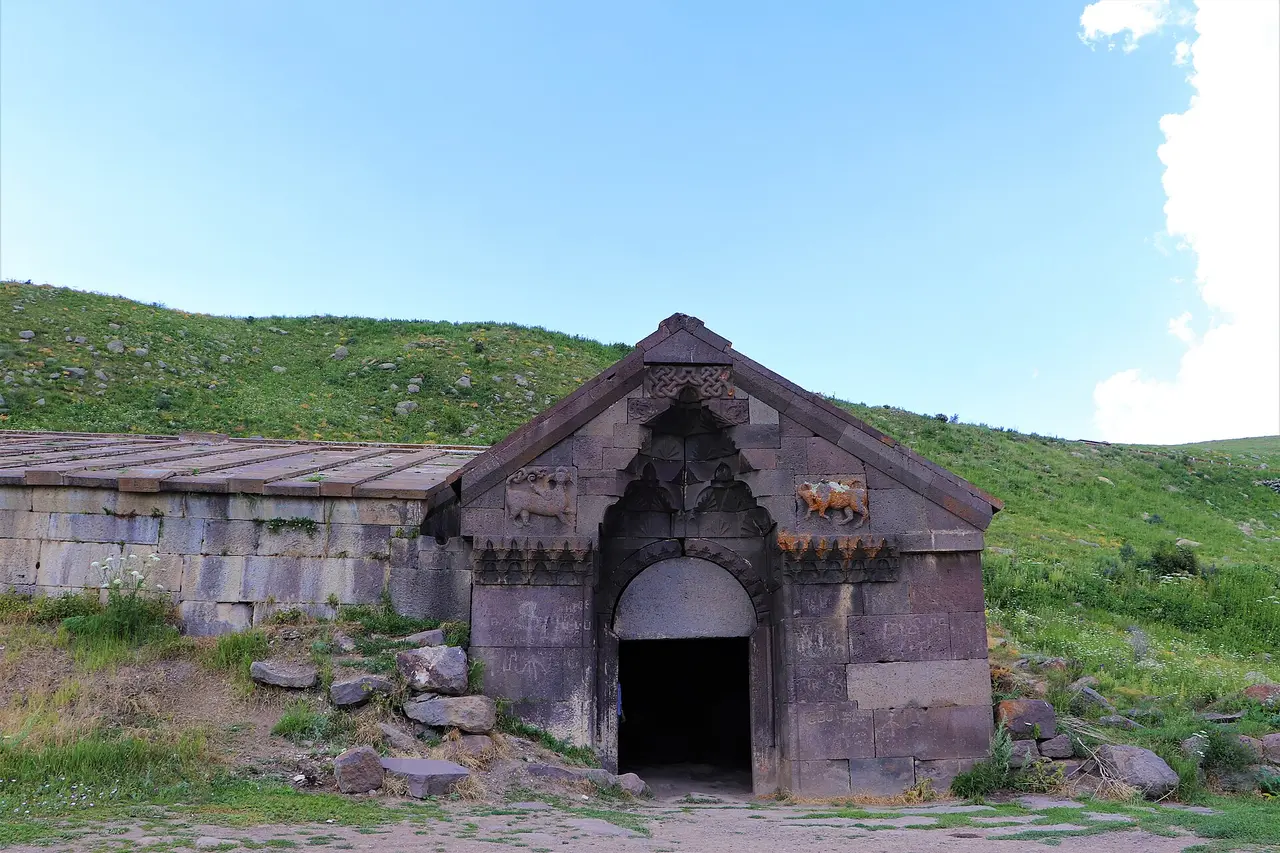
Almost all decoration sits on the south wall of the vestibule and the entry facade: a half-rounded lintel, muqarnas (stalactite) work, and two high-relief animals above the door. Heritage descriptions call them a lion and a bull; some architectural notes describe the left figure as a winged beast. Either way, they’re the detail worth a second look before you go inside.
The structure was restored in 1956-1959. Partial excavations followed in 2012, and work in 2014 showed that ruins east of the vestibule - long assumed to be a chapel - weren’t a church after all. Bring a flashlight if you like reading stone up close; the roof light is atmospheric and not bright.
Who paid for it: the 1332 inscription
The date everyone quotes comes from a long Armenian inscription on the eastern interior wall of the vestibule. It records that in 1332, under the world-rule of Busaid Khan (the Ilkhanid ruler Abu Sa’id), Chesar Orbelian - son of Liparit, with his mother Ana, his brothers Burtel, Smbat and Elikom, and his wife Khorishah - built “this spiritual house” with their own funds for the salvation of their souls and those of their kin. It ends by asking passers-by to remember them.
A Persian text on the outer lintel, now badly worn, is usually read as 1326-7. The heritage service notes a second inscription spanning 1326-1337, which may mark facade work rather than a rival foundation date. For a traveller, the clean takeaway is simple: the Orbelians finished a mountain inn here in the early 1330s, and they wanted anyone walking through the door to know who paid.
That family name will already be familiar if you’ve been in Vayots Dzor. The same Orbelian princes patronised Noravank a short drive south, and their valley seat sits behind Yeghegnadzor. The caravanserai is the secular twin of that monastic world: same dynasty, different job.
Getting onto the pass
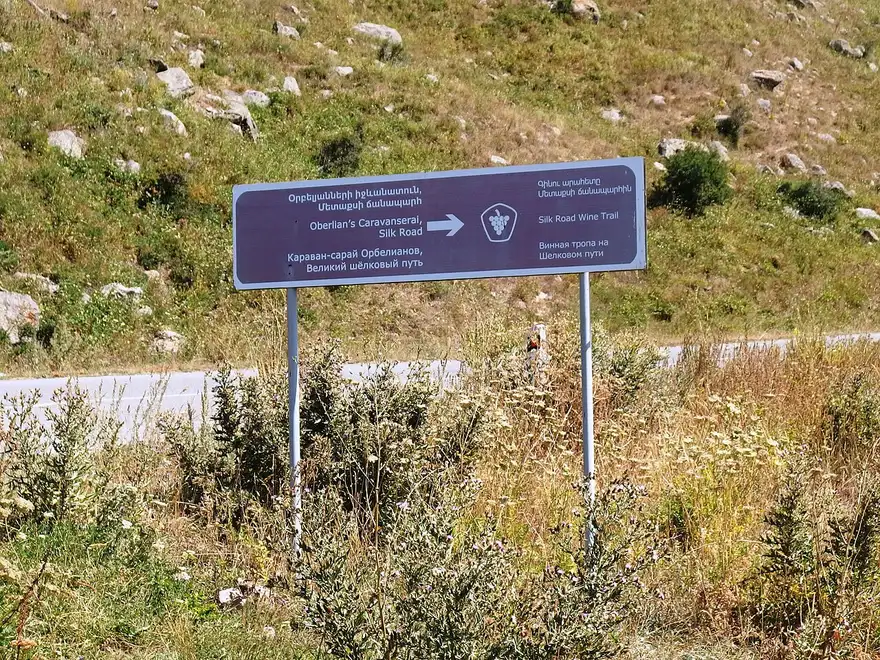
There’s no direct public transport to the caravanserai. Marshrutkas will get you to Martuni or Yeghegnadzor; the last climb is a rental car, a hired driver, or a tour that already includes the pass. Reckon on roughly two to two and a half hours from Yerevan each way, depending on which approach you take and how often you stop.
Two clean routes:
- Via Lake Sevan and Martuni - take the M4 to the lake, continue to Martuni, then climb south over the pass. This is the natural finish if you’re already doing Sevanavank, Hayravank or the Noratus khachkars.
- Via Yeghegnadzor / Getap - stay on the M2 into Vayots Dzor, then turn north and climb to the summit from the wine-country side. Handy if Noravank or Areni is already on the day’s plan.
The pass itself is the real gatekeeper. Armenian Road Department notices regularly flag Vardenyats Pass as closed or difficult in mid-winter, sometimes for all vehicles. Travellers treat May to October as the reliable window, and even then a cold front can ice the southern drop. Check the same morning with your hotel, a local driver, or a rental desk before you leave Yerevan counting on the shortcut. If the pass is shut, the long way around on the M2 still reaches Vayots Dzor - you just lose this stop.
On site, expect nothing: no toilets, no snack stall you can count on, patchy mobile signal. Carry water and a layer even in July - at 2,410 m the wind cuts through a T-shirt. Half an hour inside and around the building is plenty; linger longer if you want photographs without other cars in the frame. A smaller ruined caravanserai sits further down toward Lernantsk / Aghdenk, but the Orbelian hall is the one worth the detour.
For the paperwork and deposit reality of mountain driving here, see our car rental in Armenia page. If you’d rather not drive the switchbacks yourself, a guided Armenia day tour that already climbs toward Sevan or the south is the less stressful option.
How to fold it into a real day
Don’t make a special pilgrimage from Yerevan just for the caravanserai unless you’re a Silk Road nerd with time to burn. It earns its keep as a hinge between bigger pieces.
Sevan side first. Start at the lake - Sevanavank, the western shore, maybe Noratus - lunch around Gavar or Martuni, then climb the pass in the afternoon when the light is lower on the basalt. Our full Lake Sevan loop writes that sequence as a 1-2 day self-drive, with the caravanserai as the high point before you drop into Yeghegis or peel back toward the capital.
Wine country second. Climb from Yeghegnadzor in the morning, when the air is clearer, then drop back for Areni tastings and Noravank in the red gorge. The town page for Yeghegnadzor is the right base if you want a night in Vayots Dzor instead of racing the daylight home. The quieter Yeghegis valley loop adds Smbataberd and the medieval Jewish cemetery without forcing another Yerevan overnight.
Spa night after. If your legs are done with mountain roads, keep going east within the province to Jermuk for the waterfall and the mineral-water gallery. It isn’t next door to the pass - budget a separate leg - but it’s the soft landing after a high, empty afternoon of basalt and wind.
One honest caveat: the caravanserai is small. People who race in for five minutes and race out again leave wondering what the fuss was about. Give the hall time for your eyes to adjust, read the inscription panel if it’s still readable, walk the outside once, and only then decide you’ve seen it. The building hasn’t changed its job in seven centuries - it still rewards the traveller who arrives cold and leaves warmer than the pass outside.
On the map
The map loads on click - to keep the page lightweight.
The map didn’t load. Check your connection and refresh the page.
Good to know
No ticket booth and no posted hours: travellers treat it as free and open whenever the mountain road is passable. Go in daylight. Confirm the Vardenyats Pass is open before you commit in the shoulder months.
Details checked: August 14, 2026
Distance roughly 2-2.5 h by car
- Yerevan roughly 2-2.5 h by car No direct public transport to the pass. Drive via Martuni on Lake Sevan, or climb north from Yeghegnadzor / Getap. The road is often snowbound in winter.
Read also

What to see · 10 min read
Soviet Modernist Yerevan: An Architecture Walk
Verified · September 5, 2026Walk Yerevan's Soviet modernism: Rossiya Cinema, Komitas Hall, Cascade, Hrazdan Stadium and Demirchyan Complex - dates, route order, and what still stands.

What to see · 9 min read
Kond: Walking Yerevan's Oldest Neighborhood
Verified · September 3, 2026Walk Kond, Yerevan's oldest living quarter: Surp Hovhannes, Tepebashi mosque walls, Leo Street alleys, and how to visit without treating it like a set.
What to see · 8 min read
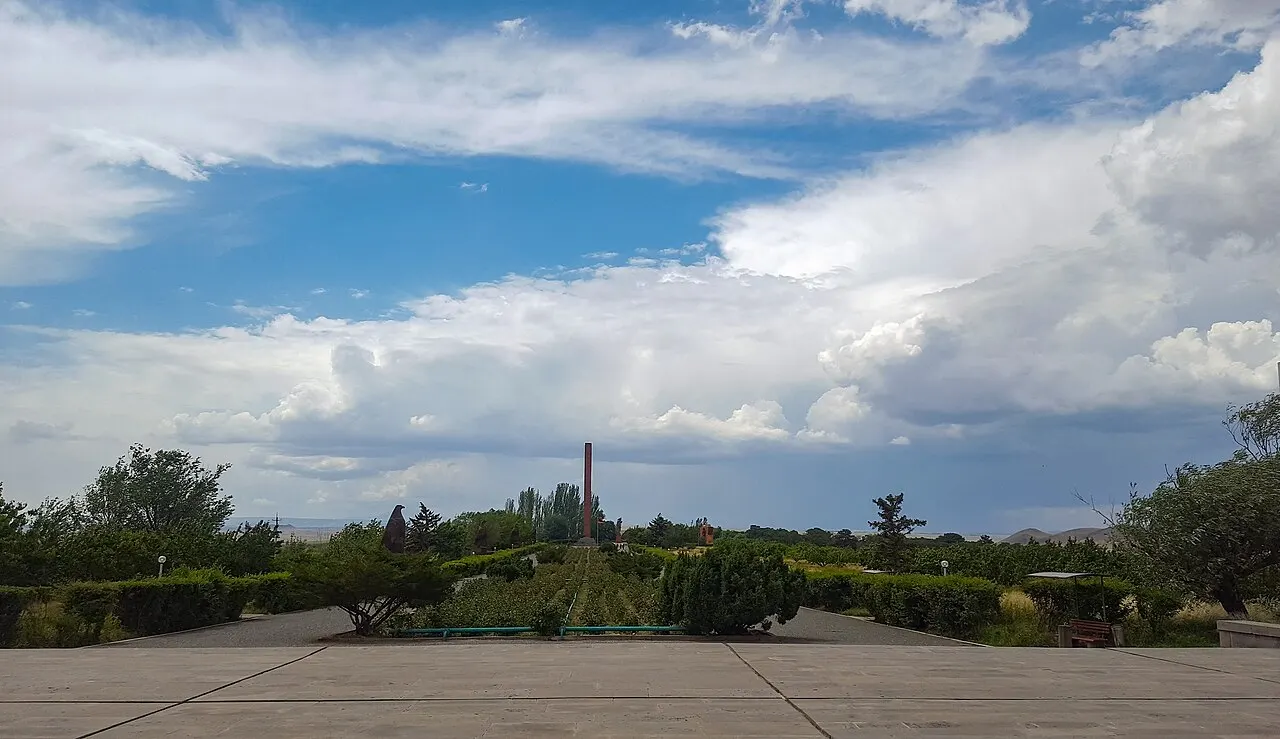
Sardarapat Memorial: Armenia's 1918 Battle Site
Verified · August 31, 2026Sardarapat Memorial near Armavir: 1918 battle site, Israelyan's red-tufa complex, ethnography museum tickets, hours and how to reach it from Yerevan.
What to see · 12 min read
Goshavank Monastery & the Village of Gosh
Verified · August 29, 2026Visiting Goshavank: Mkhitar Gosh's law code that reached Poland, the 1291 embroidered khachkar, his statue and hillside tomb, and the drive from Dilijan.