Lavash: Armenia's UNESCO Bread and Where to Bake It
Lavash is Armenia's thin tonir-baked flatbread and a UNESCO heritage craft since 2014. What it is, how it's made, and where to bake it yourself.
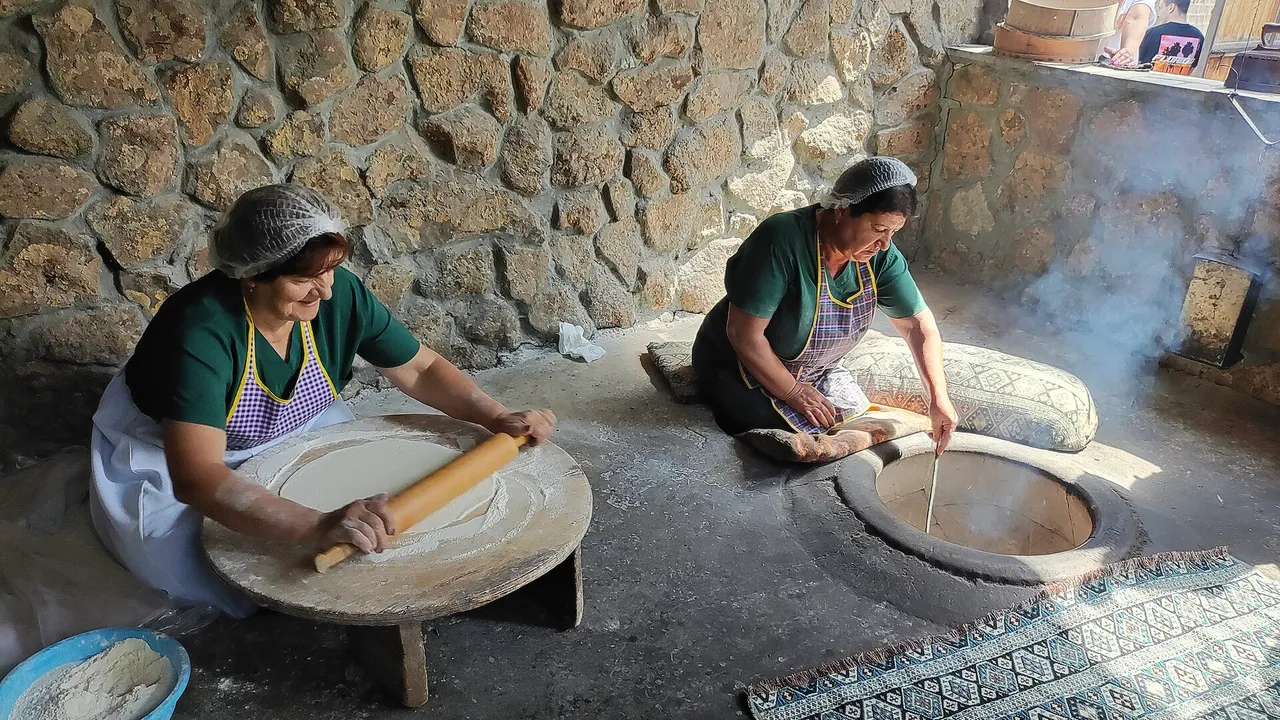
Lavash is the thin, soft flatbread that turns up under, around and instead of a plate at almost every Armenian meal. It’s nothing more than wheat flour, water and salt, slapped onto the searing wall of a clay pit oven and peeled off less than a minute later, yet the craft of making it has been on UNESCO’s Intangible Cultural Heritage list since 2014. The best part for a visitor: you can stop paying attention to it as a side dish and actually bake a sheet yourself, most easily on a day trip out to the temple at Garni.
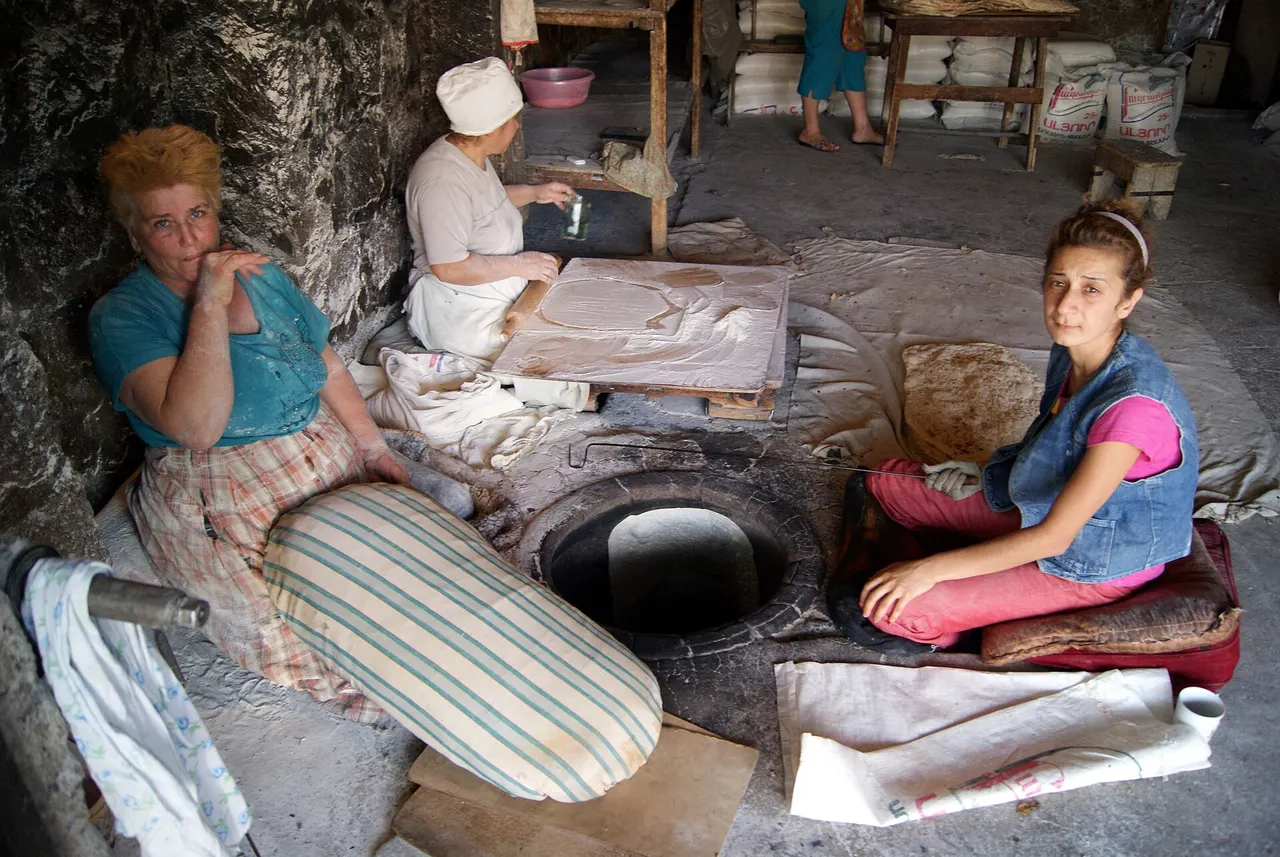
Watch it made once and the whole thing clicks. A woman flours a ball of dough, stretches it thin over an oval cushion until it’s nearly see-through, then leans headfirst into a fire pit and presses the dough onto the hot wall. Thirty seconds, maybe a minute, and she hooks it back out, blistered and steaming. That is lavash, and everything else here’s detail.
What lavash actually is
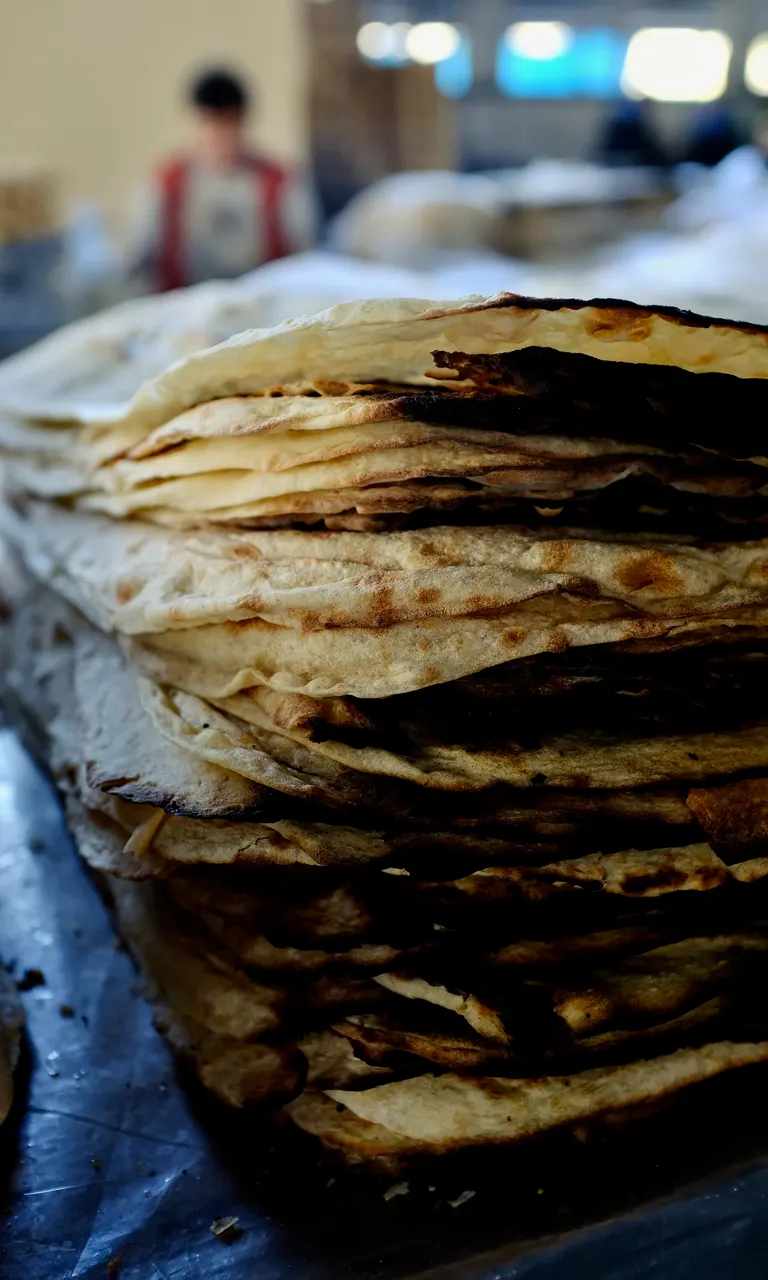
Forget the vacuum-packed wraps sold abroad under the same name. Real lavash is a large oval sheet, thin as a good tortilla and softer, with a faint sourness and dark freckles from the oven. It has no yeast and no fat, so a fresh sheet is pliable enough to roll a whole meal into and tear apart by hand.
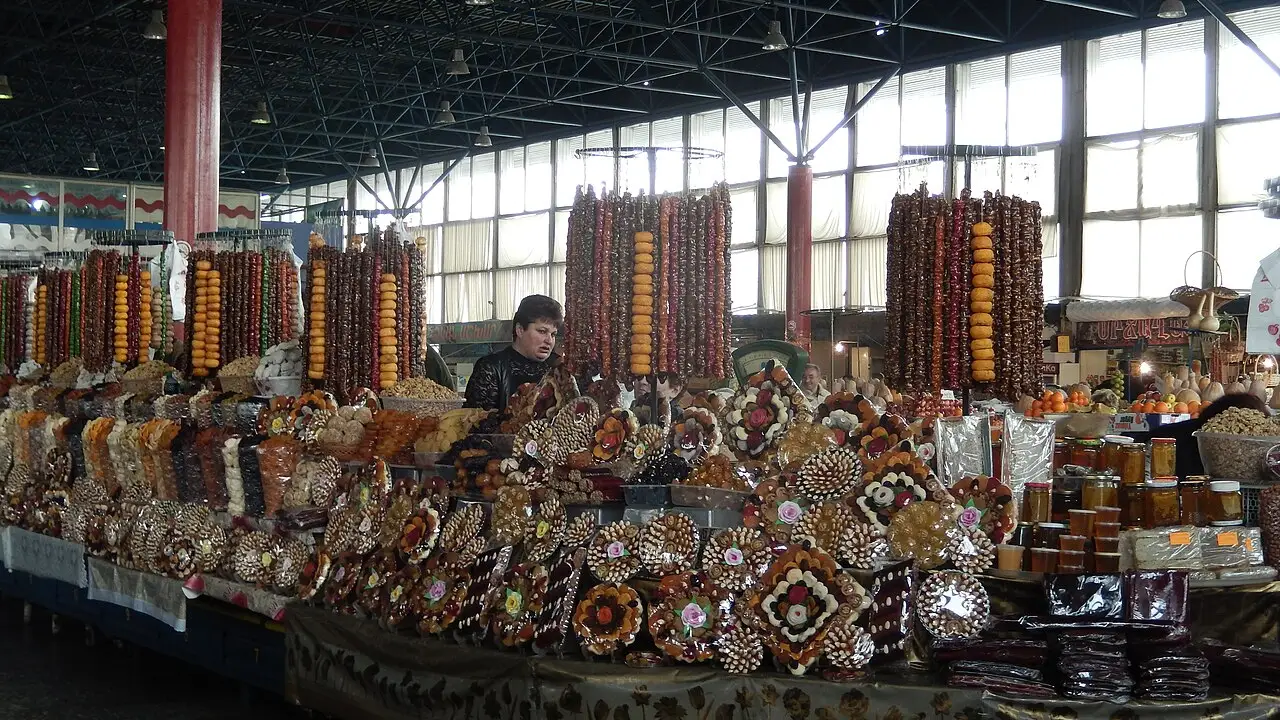
It is not a side, it’s the base the table is built on. You wrap grilled khorovats in it, use it to pinch up cheese and greens, mop the last of a stew, and eventually eat the bread you have been using as a napkin. Fresh lavash lasts a day or two soft; after that it dries stiff and cracker-hard, which isn’t a fault but the point. Dried, it keeps for months, which is why you see it stacked in tall pale sheaves at markets like Yerevan’s GUM. Sprinkle a dry sheet with water, cover it with a cloth for a few minutes, and it comes back soft enough to fold.
The tonir, and how the bread gets on the wall
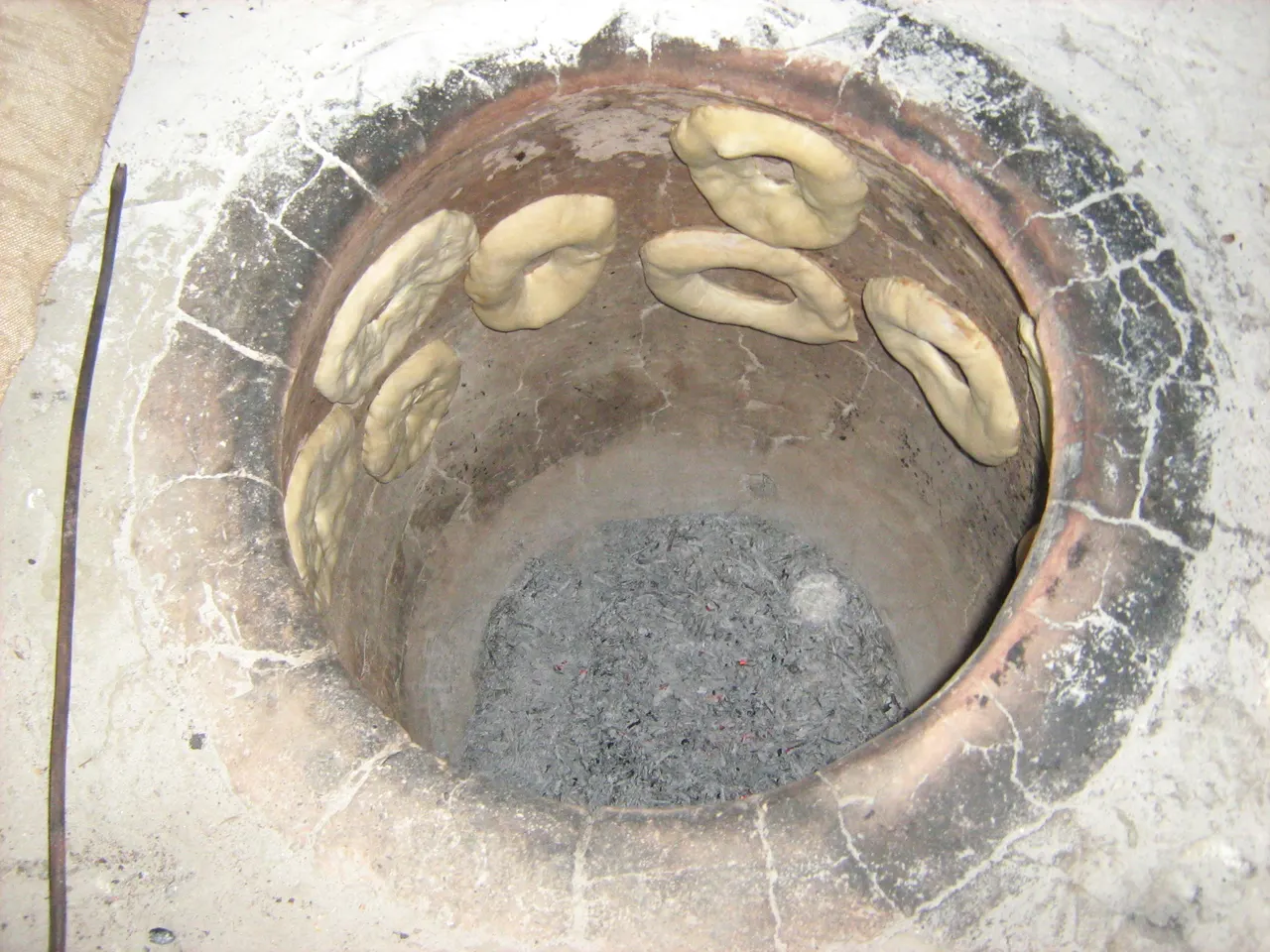
The oven does the heavy lifting, and it is worth understanding because it explains the taste. A tonir is a conical clay oven sunk into the ground, fired with wood or dried grapevine cuttings until the clay walls glow. The same pit bakes lavash, roasts gata pastries and slow-cooks pots buried in its embers. Heat radiates off the curved walls rather than blasting from below, which is why the bread bakes in seconds and picks up those charred spots without burning through.
Baking is the tricky part, and the reason most people are happy to leave it to someone who has done it ten thousand times. The dough is rolled paper-thin, then draped over a firm oval cushion, sometimes called a batat. The baker plunges her arms into the pit, slaps the cushion against the wall so the dough sticks, and pulls the cushion back out. A few beats later the sheet is lifted off with a hooked rod. Lean in too slowly and you scorch your forearms; lean in too fast and the dough tears or falls into the fire. It looks effortless only because it’s not. Fresh sheets also sell at Yerevan’s GUM Market, stacked and ready to take home.
Why UNESCO put a flatbread on the list
The 2014 inscription isn’t really about the bread. Its full title is a mouthful, “the preparation, meaning and appearance of traditional bread as an expression of culture in Armenia,” and what UNESCO recognised was the whole social act around the tonir. Lavash is baked communally, usually by several women working as a team, and the skill is passed down by daughters and granddaughters standing at the oven, not by recipe cards. Baking day is a gathering as much as a chore.
The bread also carries ritual weight. At a traditional wedding, sheets of lavash are laid on the shoulders of the bride and groom to wish them fertility and prosperity, a gesture you’ll still see in villages. That mix of everyday food and ceremony is exactly the kind of living tradition the heritage list is meant to protect.
One point worth getting straight, because it trips people up. Armenia’s 2014 listing is its own, for lavash specifically. Two years later, in 2016, UNESCO added a separate multinational entry, “Flatbread making and sharing culture: Lavash, Katyrma, Jupka, Yufka,” submitted jointly by Azerbaijan, Iran, Kazakhstan, Kyrgyzstan and Turkey. Thin flatbread baked on a hot clay wall belongs to a whole region, and the two inscriptions are different files, not a contradiction. Armenia simply got its own on the board first.
Where to bake it yourself
Here’s the payoff, and the reason this is more than a museum bread: you can put your own sheet on the wall. The easiest way is the standard day trip east of Yerevan to the Garni temple and Geghard monastery, which many operators pair with a lavash-baking stop in Garni village. You knead, stretch and help press a sheet toward the wall with a baker beside you, then eat it warm with cheese and greens. It slots neatly into the same half day as the Roman temple and the Symphony of Stones basalt columns, so you lose no sightseeing time.
Prices shift with the operator, the season and group size, so check current rates rather than trusting a number you read months ago, but the baking add-on is usually a small part of the tour cost. If you would rather drive, the roads out to the vineyards and monasteries are dotted with roadside stalls where women bake to order. The lay-bys on the way to Noravank, in Vayots Dzor, are a reliable place to buy a warm sheet straight off the cushion and, if you ask nicely, watch or even try the slap onto the wall.
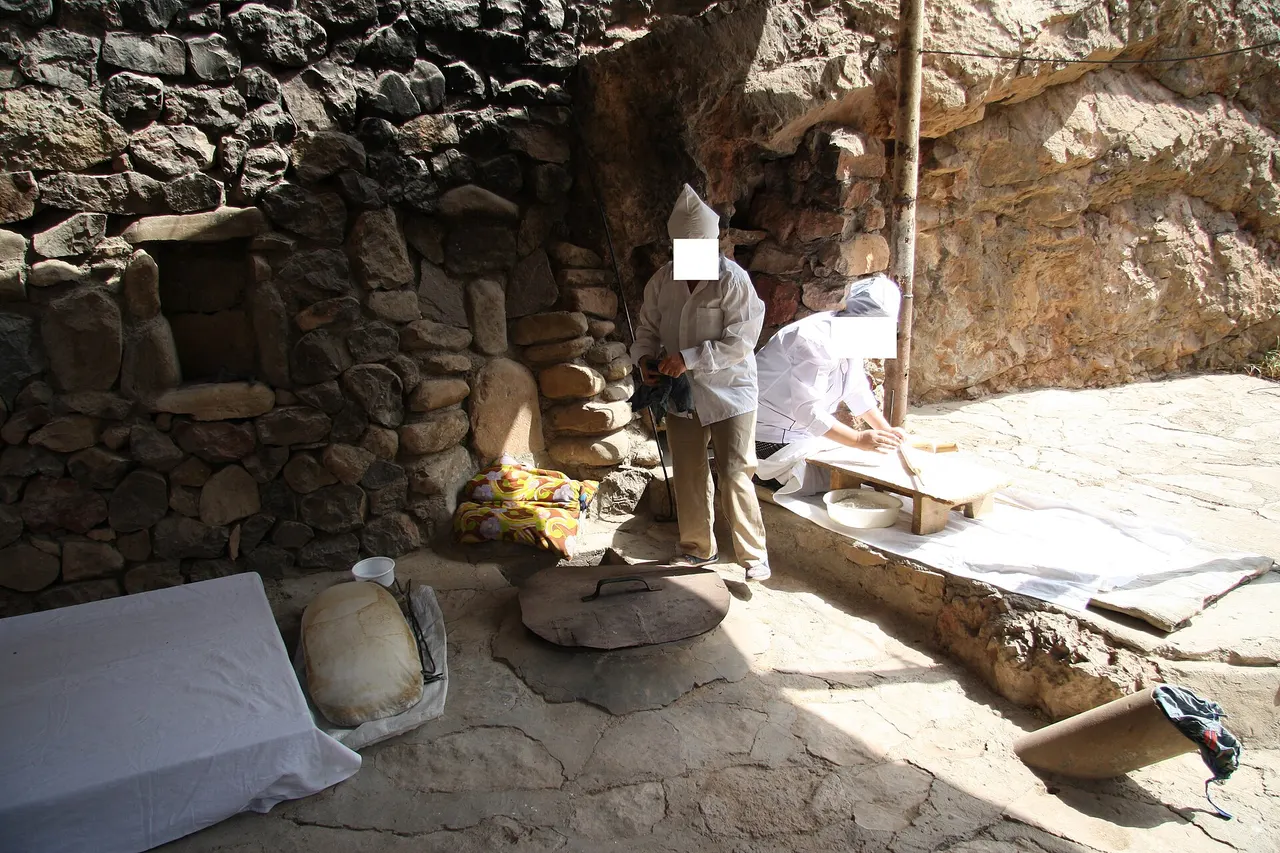
Two honest caveats. The masterclass is genuinely fun but it’s a short, hands-on taste, not a two-hour course, so book it for the experience rather than expecting to come home a baker. And the tonir is fierce; you’ll do the fun stretching part and watch the actual reach into the fire, which is fair, because that reach is the hard-won bit.
How to eat it without looking lost
Lavash is meant to work, not just sit there. Tear a piece, lay a strip of grilled meat, a slice of chechil cheese and a few sprigs of tarragon or basil across it, and roll it into a fat cigar. That roll, called a brduch, is the standard Armenian handheld and the honest fast food of the country. At the table you also simply tear and scoop, using bread where a fork would be fussier.
A few things locals do that visitors miss: fold, do not stack, so a sheet doesn’t go leathery on the plate; keep the driest sheets for wrapping and the freshest for eating plain; and treat the char spots as flavour, not a defect. If a whole side of Armenian eating is new to you, our wider guide to Armenian dishes and where to try them covers everything you’ll be wrapping in this bread, from khorovats to tolma.
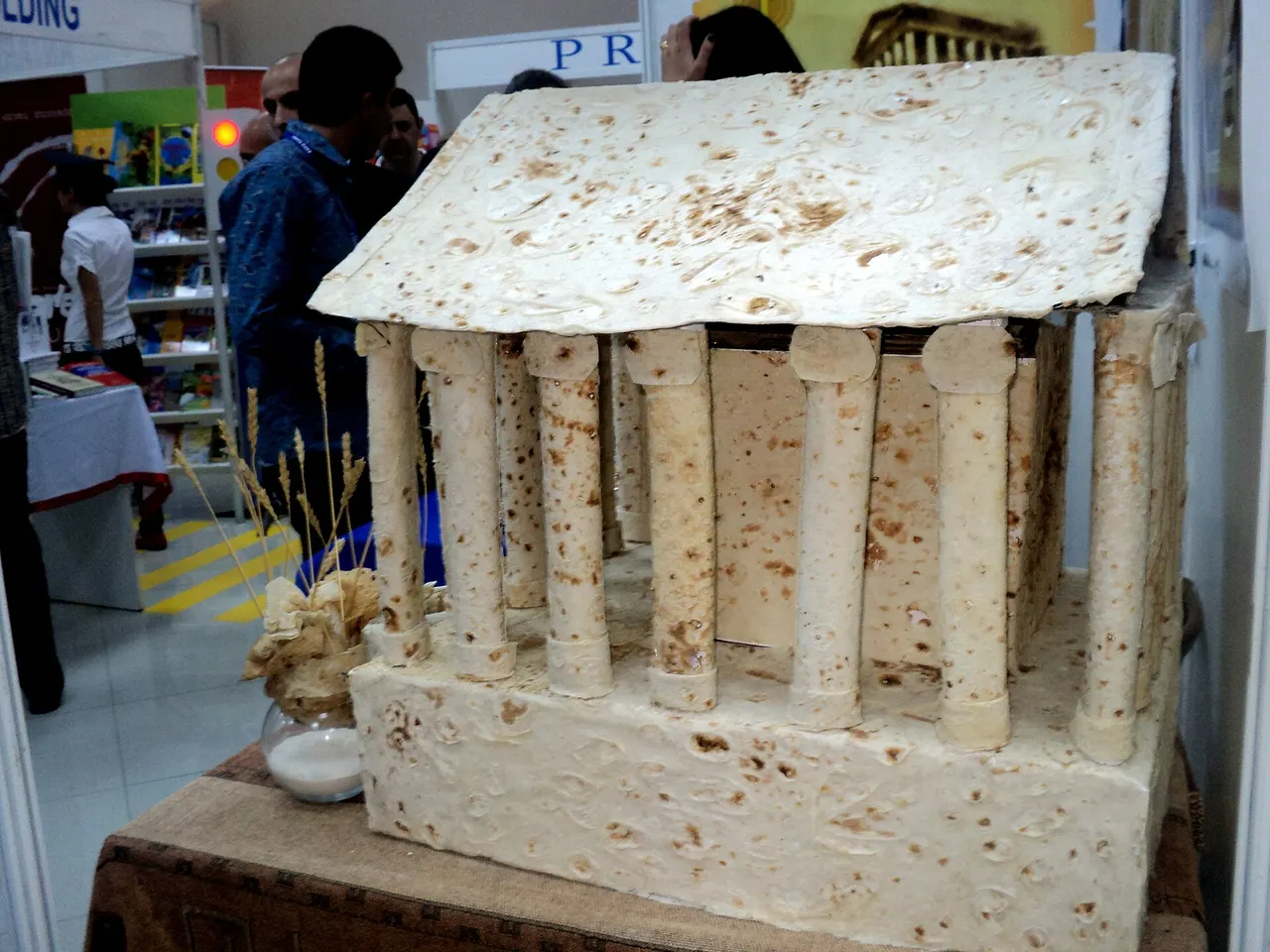
If you only take one food memory home from Armenia, make it this: not the taste of lavash, which is quiet by design, but the thirty seconds of leaning into a fire and pulling out bread you made with your own hands.
Photos
Read also

Food · 8 min read
Where to Eat in Dilijan: Best Restaurants
Verified · September 4, 2026Where to eat in Dilijan: Haykanoush on Sharambeyan, Hovk and Old Winery on Myasnikyan, Flying Ostrich, plus resort dining with real menu prices.
Food · 9 min read
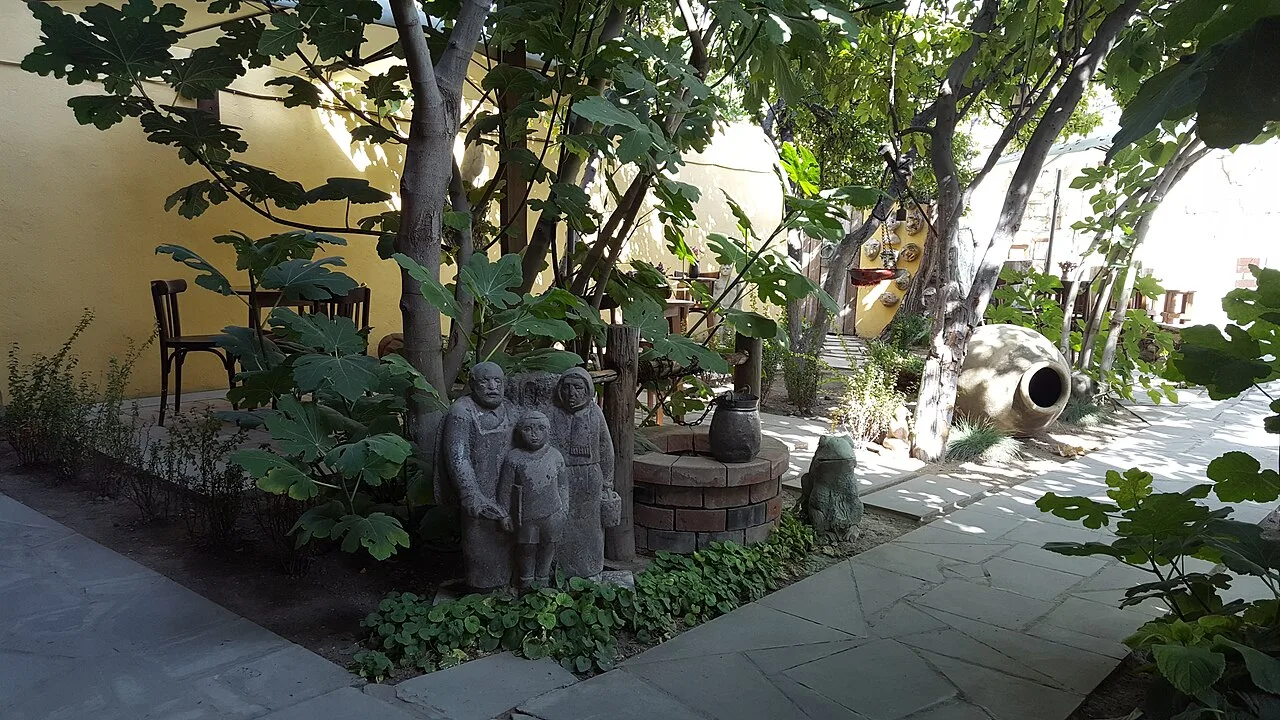
Yerevan Cafe Culture: Coffee, Courtyards & Cakes
Verified · August 30, 2026Yerevan cafe culture: soorj in a cezve, specialty roasters, vine courtyards and cakes. Where to sit with coffee in Kentron - not dinner restaurants.
Food · 8 min read
GUM Market: Yerevan's Fruit & Spice Bazaar
Verified · August 24, 2026Dried fruit, sweet sujukh, basturma and chechil at Yerevan GUM Market: address, hours, what to taste, sampling etiquette and how to bargain.
Food · 9 min read
Gyumri Restaurants: 5 Places by Dish, Panrkhash 1,950 AMD
Verified · August 23, 2026Gyumri restaurants by dish: trout at Cherkezi Dzor (open 09:00-23:00), panrkhash 1,950 AMD at Gwoog, the Poloz Mukuch beerhouse, new Rustaveli Street row.