Gyumri Restaurants: 5 Places by Dish, Panrkhash 1,950 AMD
Gyumri restaurants by dish: trout at Cherkezi Dzor (open 09:00-23:00), panrkhash 1,950 AMD at Gwoog, the Poloz Mukuch beerhouse, new Rustaveli Street row.
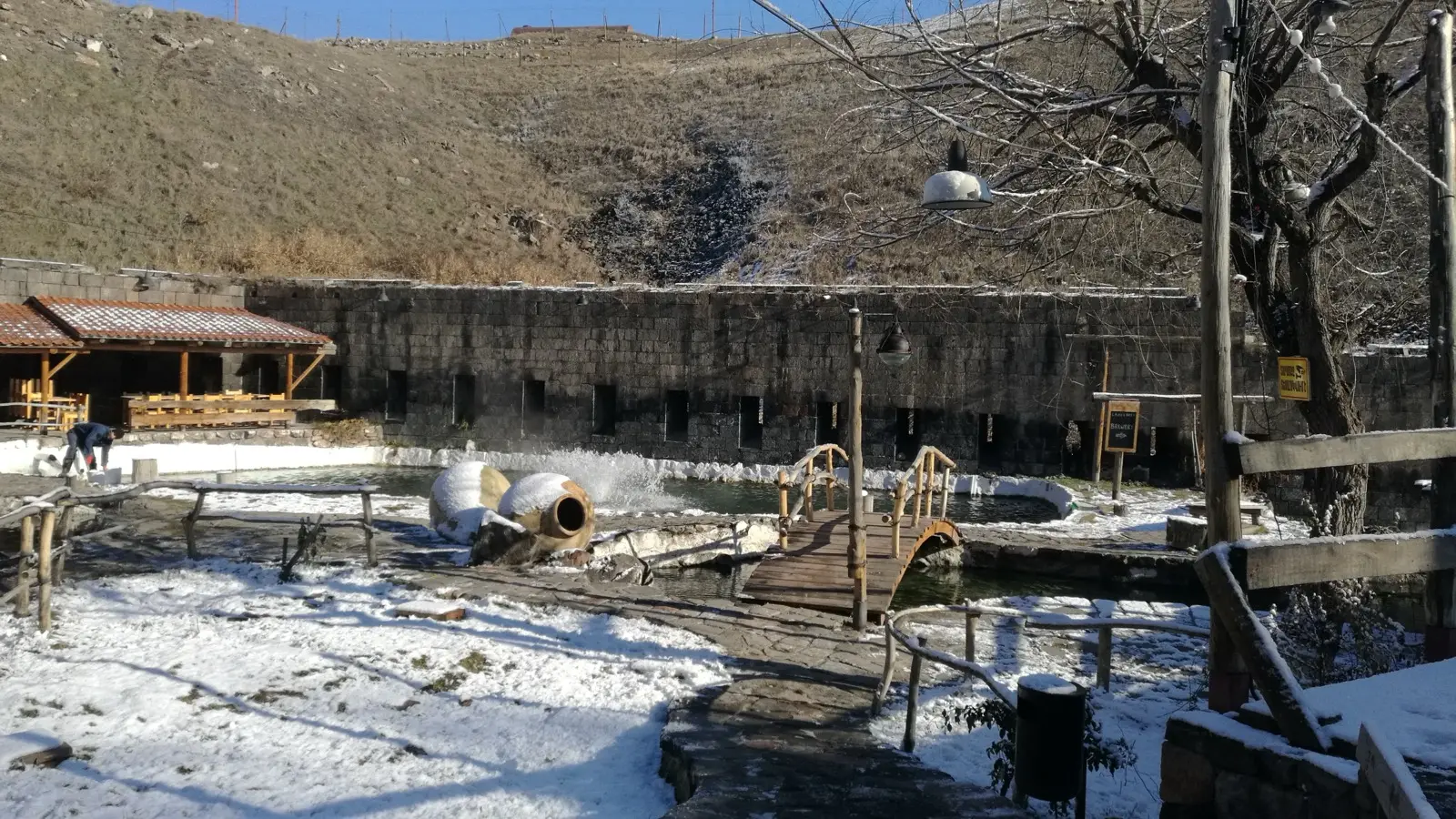
Gyumri doesn’t really have a “best restaurant.” It has a dish map: you go to one address for khash, a different one for the local panrkhash, and a third one where they raise the trout in the water you can see from your table. Here is the short list worth building a day around, plus a few newer names that show where the scene is headed next.
The dish map: how locals eat here
This is the part worth printing out. Gyumri’s food culture sorts itself by dish more than by restaurant name, and once you know the map you’ll order better than most visitors do. Go to Zero or Jam for khash, the boiled cow’s-foot soup that’s a winter ritual as much as a meal; Hatsatun for khorovats and grilled meat done fast and well; Gwoog for panrkhash and dolma; Miro for pochov apur; Poloz Mukuch for tanov apur, a tangy matsun-based soup that’s a cold-weather staple; Yaghli House for yaghli, a dish the city’s own tourism site singles out as uniquely Gyumri’s; and Cherkezi Dzor for anything that swam that morning. If you only try one thing that’s specific to this city and nowhere else, make it panrkhash: it’s a Gyumri dish first, an Armenian one second, and one you rarely see on menus outside Shirak.
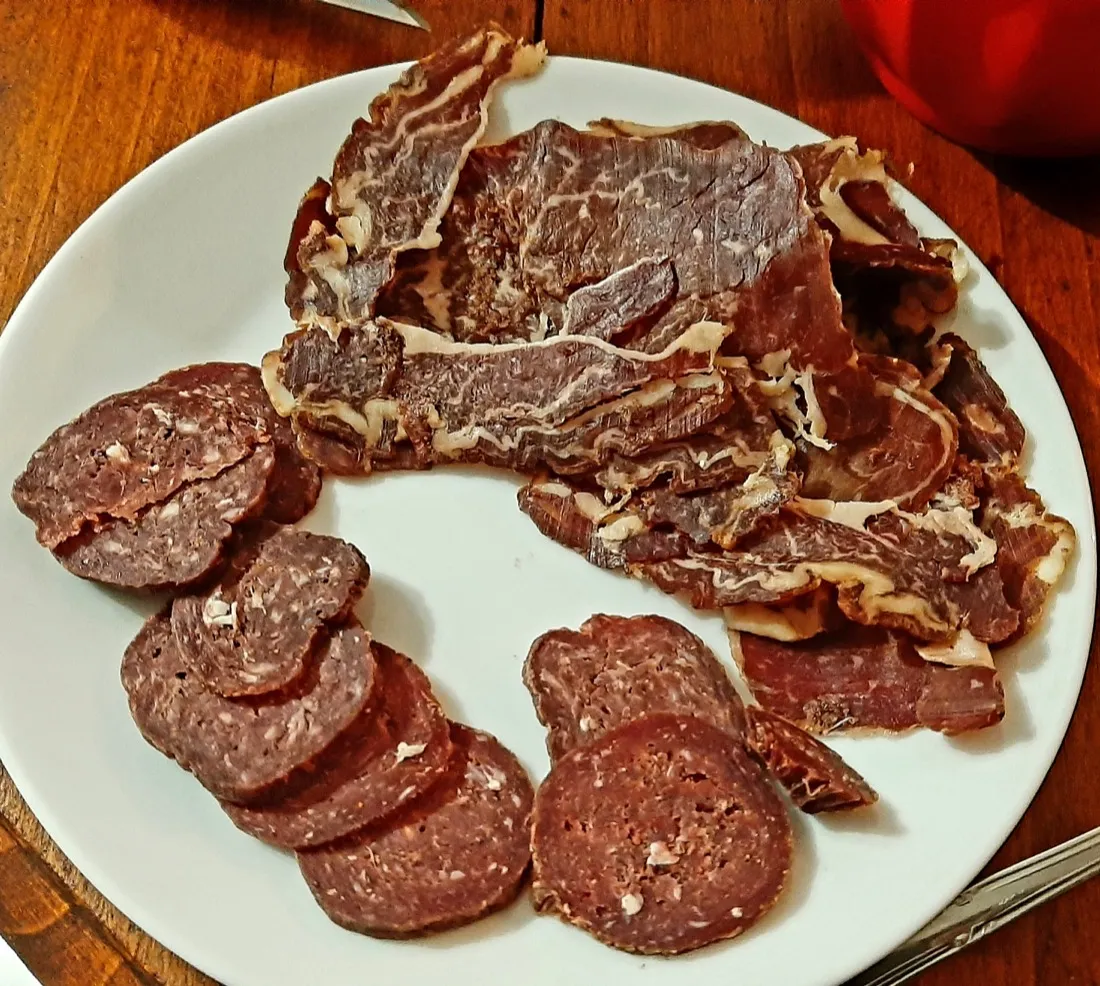
Basturma and sujuk, the cured and spiced dried meats you’ll see on cold-starter plates across the country, are worth ordering here too, even if they’re not unique to Gyumri; a good plate of both, thinly sliced, is the easiest way to start a meal while you decide what to order next.
The trout farm that doubles as a restaurant: Cherkezi Dzor
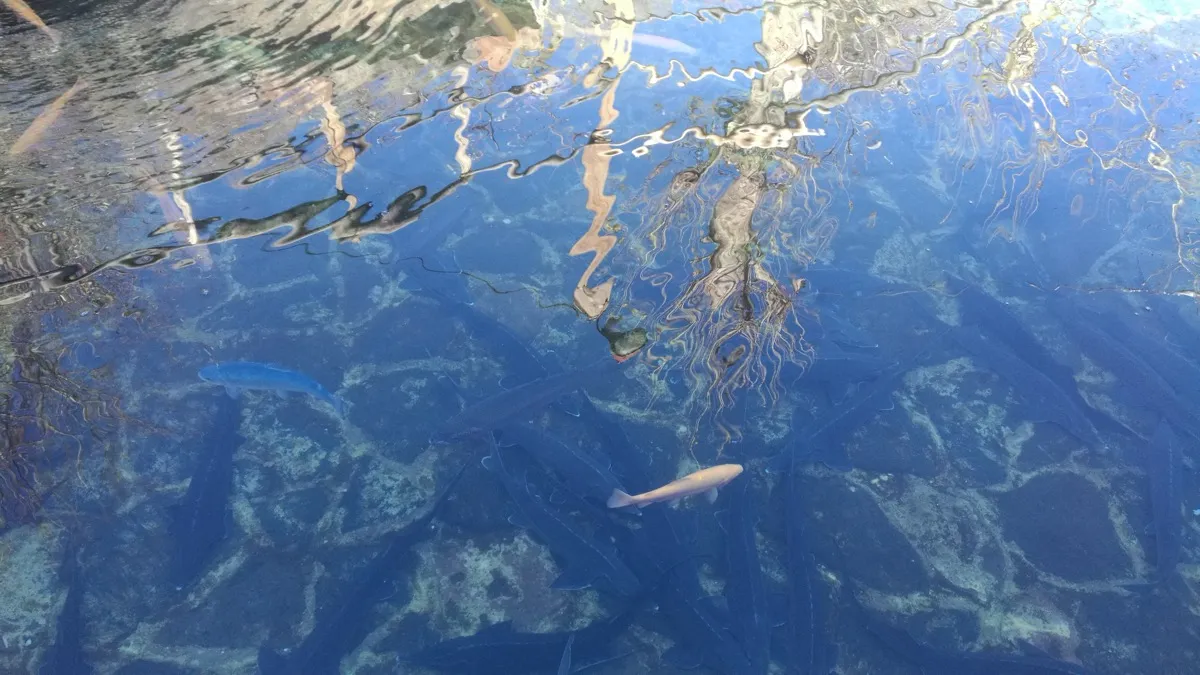
Cherkezi Dzor sits in a canyon on the western edge of town, and it is less a restaurant with a fish tank than a working fish farm that happens to feed you. Spring water is channeled through a string of pools where four types of trout and one variety of Siberian sturgeon are raised, and you can watch them swimming before anything reaches the kitchen. It opened in the late 1990s and has stuck around because the pitch never gets old: a canyon, cold clean water, and fish that goes straight from the pool to the pan.
The kitchen runs more than twenty fish dishes: tonir-roasted sturgeon, fish soup, boiled trout, fish kebab, a fish caviar starter. One reviewer’s advice is worth repeating: the trout is better boiled than grilled here, which cuts against the usual instinct to order everything off a barbecue. There is no published price list, so treat it as a proper sit-down meal and not a quick snack, and ask the price of your fish by weight before it goes on the fire. It’s open daily from 09:00 to 23:00, and it’s genuinely out of the way: about a 1.3 km walk up the canyon from the stadium, uphill enough that most visitors take the short taxi ride instead of the 15-20 minutes on foot. Call ahead for a table on a weekend evening, since the setting means it fills up with families making a whole afternoon of it.
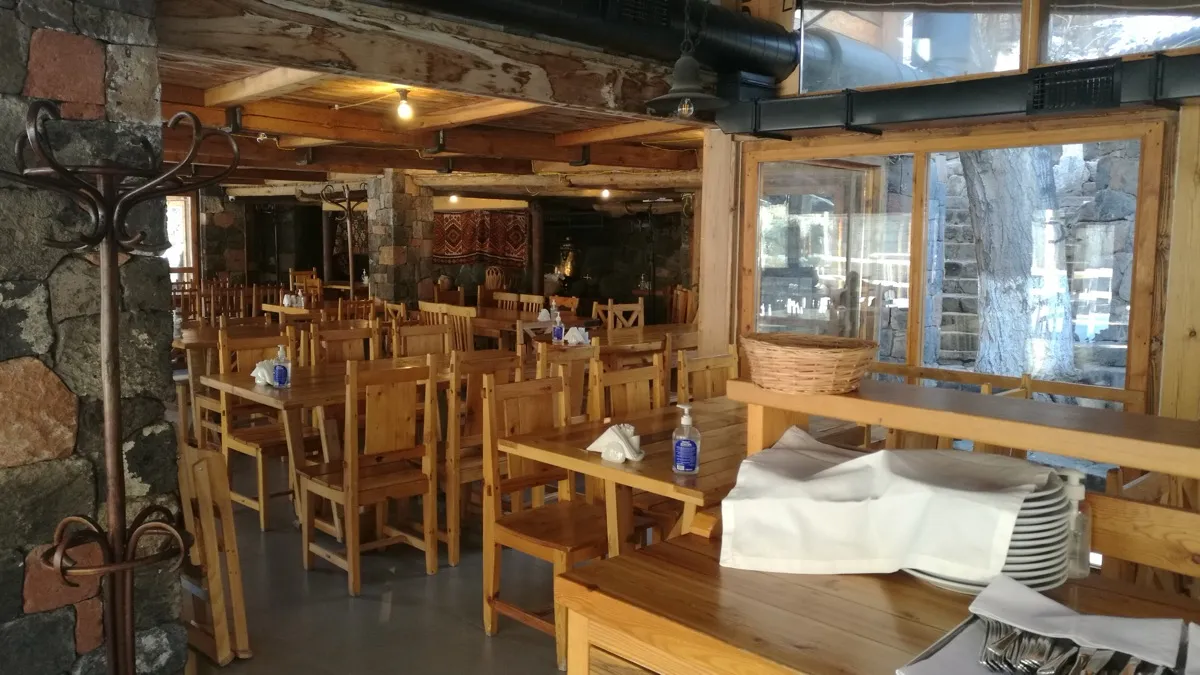
Gwoog Gastrohouse: Shirak food, not “Armenian food for tourists”
If Cherkezi Dzor is a novelty you plan a trip around, Gwoog Gastrohouse is the opposite: a small, serious kitchen that only cooks the food of the Shirak region, the plateau Gyumri sits on, and skips the general Armenian menu aimed at visitors. It opened in July 2019, and the name comes from the local Shirak dialect word for a cellar or storeroom, which tells you roughly what it is going for. It’s run by a husband-and-wife team, Hamlet Gevorkian and Eliza, near the railway station.
The dish to order is panrkhash, lavash bread baked together with local cheese, onion and butter into something closer to a rich, cheesy bread pudding than a flatbread. Gyumri’s city-run tourism site rates Gwoog’s version as the best in town, and it is easy to see why once it lands at the table: it’s meant to be shared, and you will want a nap afterward. The menu has real, published prices, which is rarer than it should be here: panrkhash runs 1,950 AMD, a whole baked ghapama pumpkin is 8,800 AMD, dolma rolls are 2,950 AMD for 350 g, and an Armenian coffee is 450 AMD (checked 2026-08-22, prices move, so treat these as a steer and not a promise). The place picked up a mention in the Forbes Travel Guide’s coverage of spring travel and a nod from the Absolute Armenia travel blog, which is decent company for a restaurant named after a cellar.
Poloz Mukuch: history under a beer hall roof
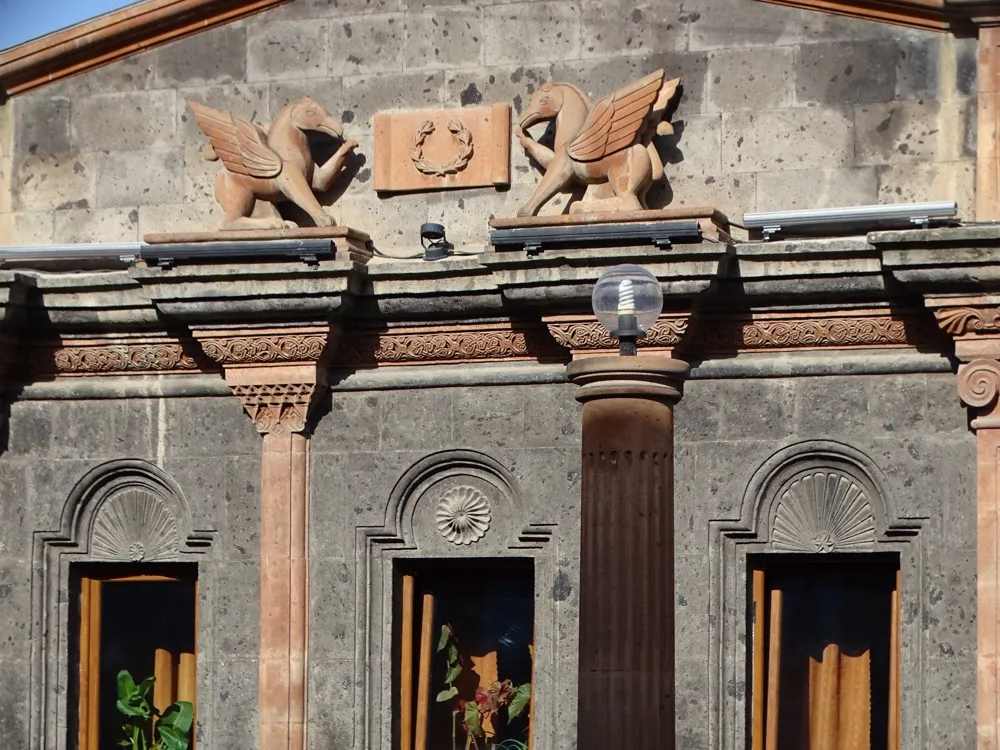
Every city has one address that’s more story than menu, and in Gyumri that’s Poloz Mukuch Beerhouse on Jivani Street, in the historic Kumayri quarter. The building itself went up in the 1860s for Ter-Suqias Meliqyan, who was executed by the Soviet secret police, the NKVD, in 1937; the property was nationalized that same year, then privatized again in the late 1990s. The beerhouse that now occupies it opened back in the 1960s and took its name from Mkrtich Melkonyan, a Gyumri humorist known by the nickname “Poloz Mukuch,” whose bust still greets you at the door. It’s the kind of layered local history you would not guess from a plate of khorovats and a mug of beer, which is exactly why it’s worth knowing before you sit down.
The building is roughly 160 years old and still carries its original stone-and-timber look, not a renovated stand-in for it. Expect straightforward Armenian food built around beer rather than the other way round, and hours that run roughly midday into the evening; call ahead to confirm, since Gyumri opening times shift more than a chain restaurant’s would. There’s no published menu with prices online, so treat it as a normal sit-down meal, not a bargain, and ask about the bill as you go.
Florence, and the new restaurant row on Rustaveli Street
For a while Gyumri’s dining scene was mostly old buildings doing old things well. That’s shifting. Florence, across from the still-working 1898 Old Alexandrapol Brewery on Jivani Street, reopened as a restaurant in 2019 with a menu that mixes Armenian dishes with Italian ones and a few things that don’t fit either category. By one travel account it’s the priciest table in Gyumri, and the outdoor terrace facing the brewery building is worth asking for.
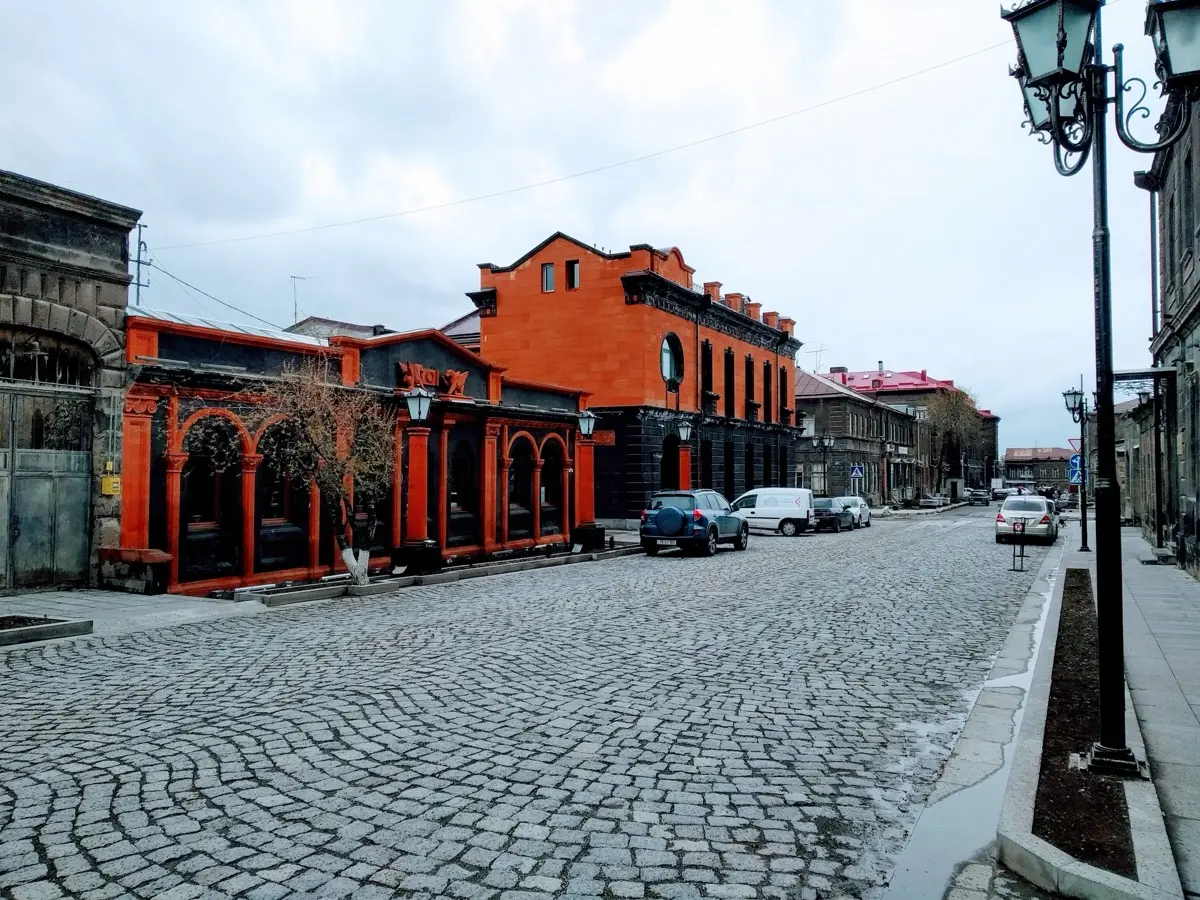
The bigger shift is on Rustaveli Street, where businessmen Arman Sahakyan and Vardan Sirmakes bought a row of four 1840s buildings in 2017, renovated them, and had the block up and running as a small restaurant row at a single address by early 2022, creating something like 80 jobs - mostly, though not only, for people from Gyumri. Basturma Shop and Grill Bar, which opened in 2021, pairs Armenian basturma with American-style burgers, cooking 60-70% of the menu over charcoal; Miro, which followed in 2024, does Armenian and European food with small private dining nooks; and Al Ahwaz serves Syrian-Armenian food, run by Hrat Alaibozanyan, who named it after a neighbourhood cafe back in Aleppo. None of this reads like a sleepy provincial food scene, and it’s the clearest sign that Gyumri’s kitchens are not just preserving the past.
Where to stay and how to get here
Gyumri’s small size does the planning for you: the old town, the Rustaveli row and the Kumayri side streets sit within a comfortable walk of each other, and Cherkezi Dzor’s canyon is the one place worth booking a taxi for rather than walking. Most visitors arrive by train or marshrutka from Yerevan, a route our Yerevan to Gyumri guide covers in full, and the smaller number flying in on Wizz Air’s Larnaca route land at Gyumri’s own Shirak Airport just outside town. If you’re staying the night to fit in a proper dinner and a slower breakfast the next morning, our guide to where to stay in Gyumri covers the central areas and the better-value hotels and guesthouses, and the broader Gyumri city guide rounds up the old town, the Black Fortress and everything else that fills the hours between meals.
A city this size runs on reservations and cash more than Yerevan does: call ahead for a weekend table rather than turn up on spec, since there simply aren’t as many alternatives if your first choice is full, and don’t assume a card machine at the smaller kitchens or out at the fish farm - ask about payment when you sit down, not when the bill arrives. For addresses, opening hours and a map pin on each of the five places above, our
Photos
On the map
The map loads on click - to keep the page lightweight.
The map didn’t load. Check your connection and refresh the page.
Read also

Food · 8 min read
Where to Eat in Dilijan: Best Restaurants
Verified · September 4, 2026Where to eat in Dilijan: Haykanoush on Sharambeyan, Hovk and Old Winery on Myasnikyan, Flying Ostrich, plus resort dining with real menu prices.
Food · 9 min read
Yerevan Cafe Culture: Coffee, Courtyards & Cakes
Verified · August 30, 2026Yerevan cafe culture: soorj in a cezve, specialty roasters, vine courtyards and cakes. Where to sit with coffee in Kentron - not dinner restaurants.
Food · 8 min read
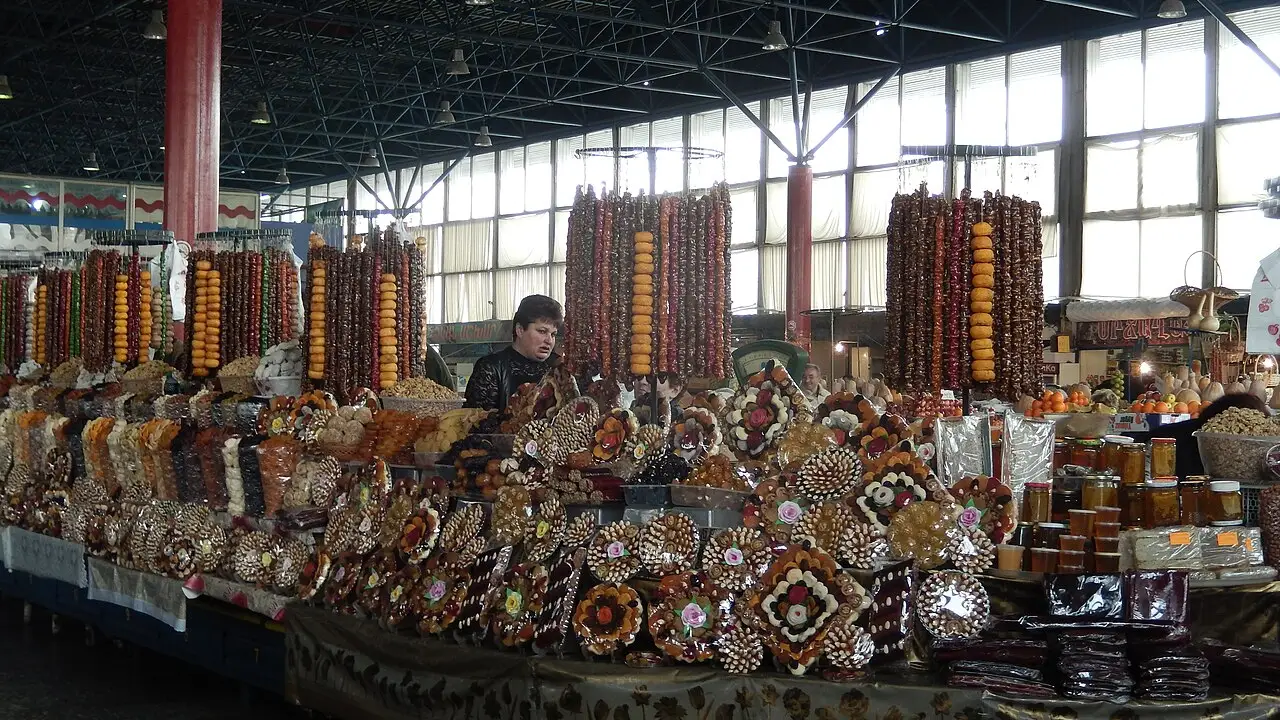
GUM Market: Yerevan's Fruit & Spice Bazaar
Verified · August 24, 2026Dried fruit, sweet sujukh, basturma and chechil at Yerevan GUM Market: address, hours, what to taste, sampling etiquette and how to bargain.
Food · 9 min read
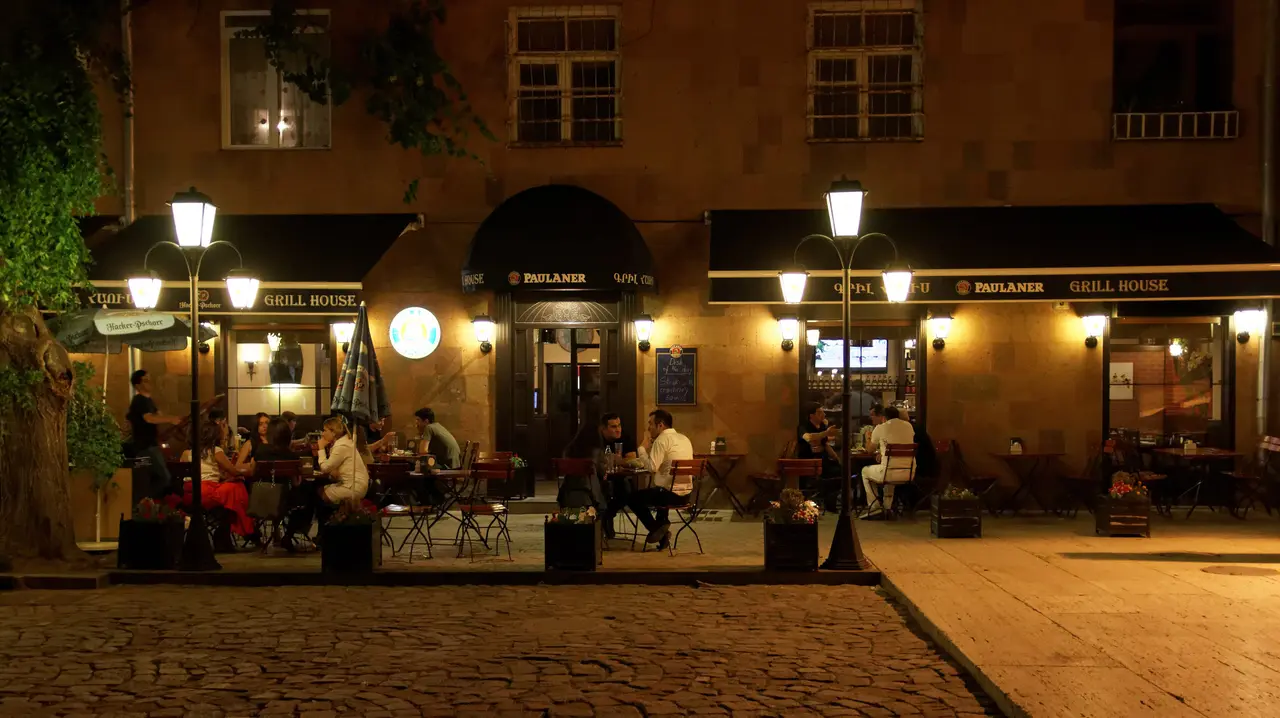
Wine Tasting in Yerevan: Bars, Prices & In Vino
Verified · August 20, 2026Saryan Street's wine bars, In Vino, prices by the glass, organised tastings and Yerevan Wine Days: how to actually drink well in the city.