Camping in Armenia: Wild Camping & Campsites
Wild camping is legal across most of Armenia. Rules for Sevan and Dilijan, mountain weather, water, fires, dogs, and the best lakeshore campsites in 2026.
Yes, you can camp in Armenia - and for many visitors that’s the surprise. Unlike much of western Europe, wild camping on open public land is widely tolerated across the country, and Armenia’s official tourism board states plainly that pitching outside formal campgrounds is allowed. What catches people out isn’t the law but the landscape: a night at Lake Sevan at 1,900 m feels nothing like a forest pitch in Dilijan, and both are a world away from a tent on the bare volcanic ridges of the Gegham range. This guide covers where you’re welcome, where you’re not, how to handle water and mountain weather, and the organised campsites around Sevan and Dilijan if you’d rather not improvise.
Is wild camping legal here?
For ordinary countryside, the short answer is yes. The Transcaucasian Trail organisation - which maintains long-distance routes through Armenia, Georgia and Azerbaijan - lists wild camping as legal in all three countries and the normal option in remote sections. Armenia’s state tourism portal goes further, encouraging visitors who want to sleep under the stars.
That freedom comes with common sense, not a detailed rulebook. There are no published national limits on how many nights you can stay in one spot or how far from a road you must be on generic public land. What matters is respect: don’t pitch on fenced farmland, in someone’s orchard, or inside a village yard without asking first. Armenians are famously hospitable - it’s common for a farmer to wander over with fruit or an invitation to coffee rather than an eviction notice - but if a local asks you to move, you move.
Protected areas are different. Sevan National Park and Dilijan National Park have their own management rules, campfires are often restricted in dry summers, and you should treat monastery precincts and busy beach strips as off-limits for overnight stays even if nobody posts a sign.
Wild camping ethics: fires, rubbish and dogs
The countryside here is generous; don’t repay it by leaving a mess. The basics are the same ones the Transcaucasian Trail spells out for hikers:
- Pack out everything you pack in, including food scraps and toilet paper.
- Bury human waste at least 60 m (200 feet) from any water source - Leave No Trace puts it at about seventy adult paces, and the Transcaucasian Trail defers to those principles rather than setting its own number, in a small hole you cover properly - there are no mountain toilets on most wild pitches.
- Never leave a fire unattended and assume open flames are banned in forest parks during hot, dry weather. In Dilijan National Park, published trail guidance lists open fires as prohibited; use a stove instead.
- Arrive late, leave early if you’re near a village path, so you don’t block grazing routes or picnic spots.
Two Armenian realities aren’t in any brochure. Shepherd dogs guard flocks all over the high country; give livestock a wide berth, don’t feed the dogs, and store food inside your tent or vehicle at night. Stray dogs turn up at lakeshores and roadside lay-bys; they’re usually curious rather than aggressive, but don’t leave dinner unattended on the ground.
Water: what you can drink and what you can’t
Don’t treat Armenia’s lakes and streams like a tap. Lake Sevan is magnificent for swimming in July and August - our Lake Sevan guide has the seasonal temperatures - but it’s a managed reservoir inside a national park, not drinking water. Filter or treat any stream water in the hills, and carry enough for dry ridges where springs are unreliable.
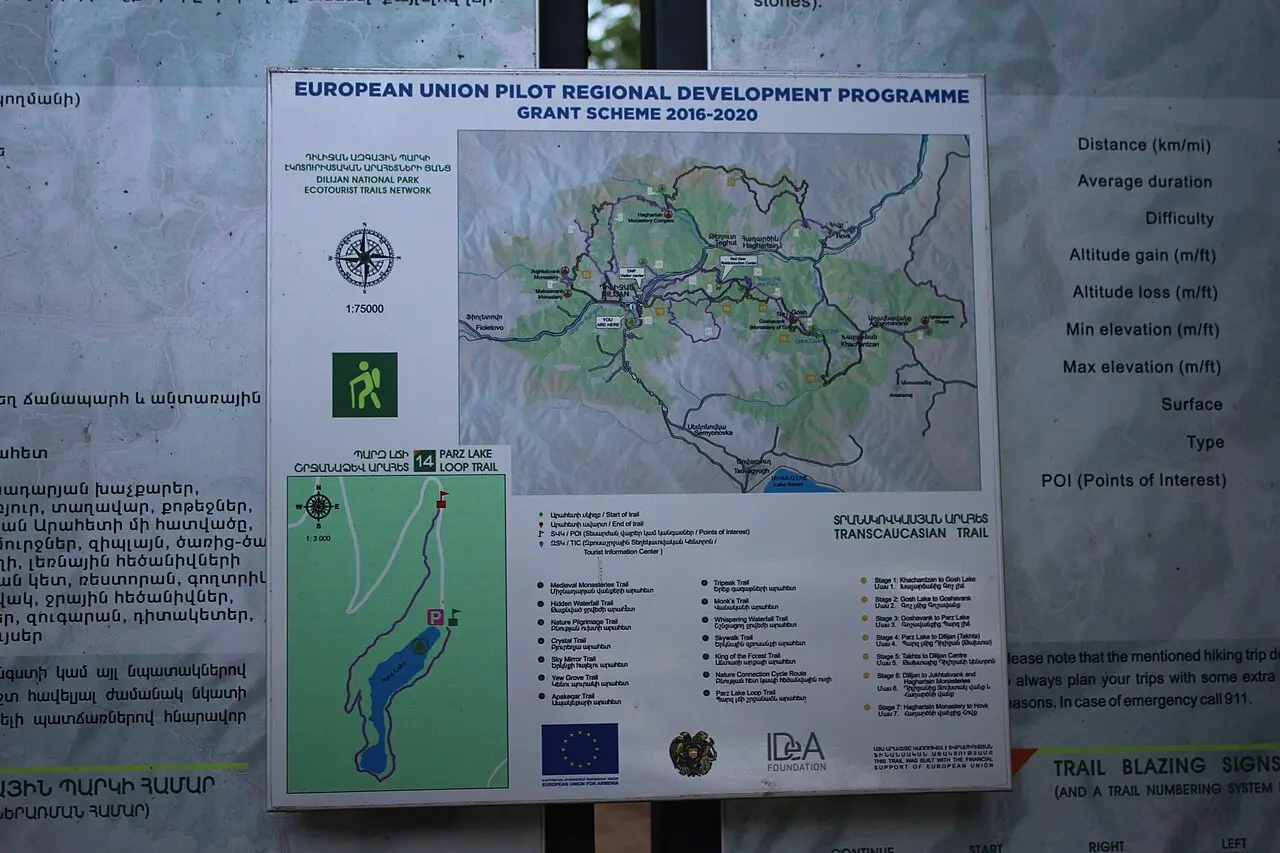
On the Transcaucasian Trail through Dilijan, trail notes flag stretches where the only dependable spring is a single point before you drop toward Parz Lake. If you’re linking forest camps on a multi-day walk, fill up when you find water rather than assuming the next valley will have some. For a packing list that already accounts for Armenia’s hot-cold split, see what to pack for Armenia.
Mountain weather and when to camp
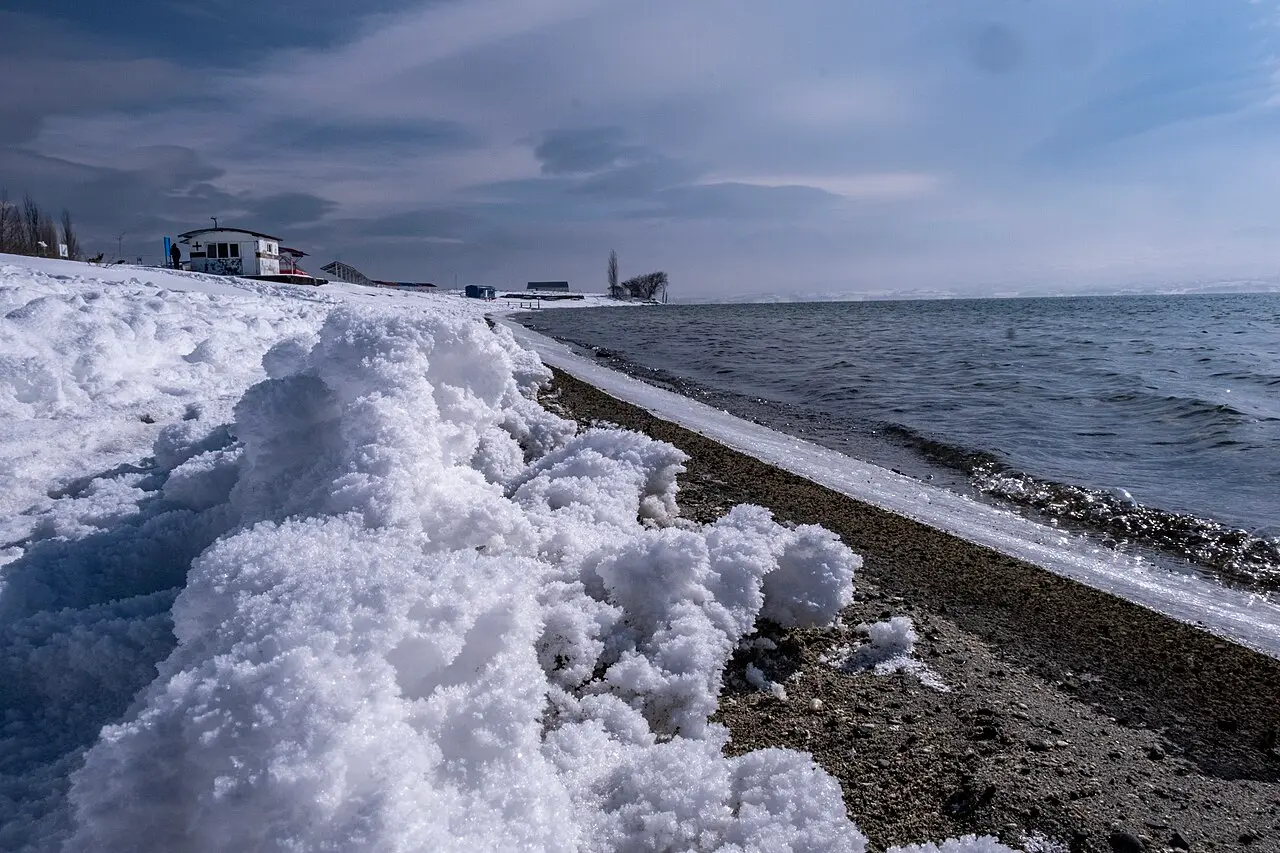
Altitude does the scheduling. Sevan sits near 1,900 m: even when Yerevan bakes at 34°C, evenings on the shore routinely run 8-12°C cooler once the sun drops behind the ridges. You’ll want a proper sleeping bag in summer, not just a hostel blanket.
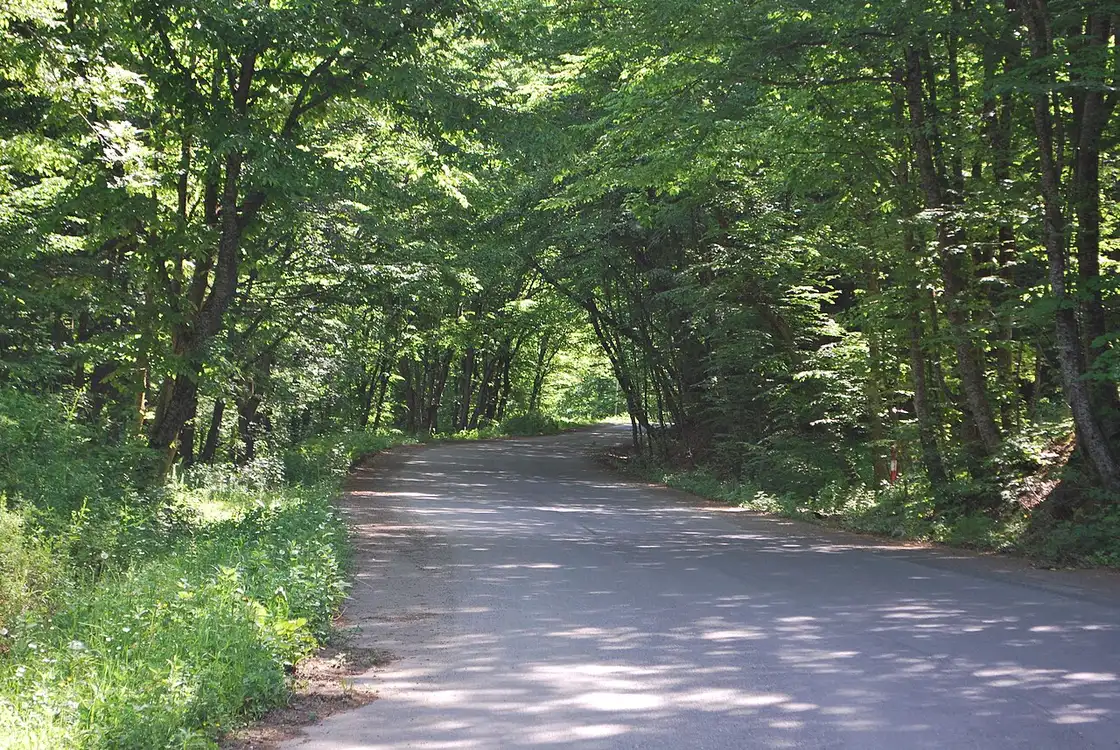
Higher camps - on the Gegham traverse, Mount Khustup, or the tent nights that come with serious hikes in our best hikes in Armenia roundup - belong to a narrow window from late June or July through September. Outside that, snow lingers on the passes and afternoon thunderstorms build fast on bare summits. In Dilijan’s beech forest the air stays humid and mosquitoes appear in July; it’s cooler than the capital but not cold, and rain on a ridge can turn a pleasant trail into slippery clay within an hour.
If you’re new to camping at altitude, August at Sevan or June-September in Dilijan are the forgiving introductions. Save the volcanic high camps for when you’ve already tested your kit lower down.
Lake Sevan: wild shores and proper campsites
Sevan is where most Armenian families “camp” in the informal sense - awning, portable grill, children on the beach for days at a time - and it’s the obvious first stop for visitors too.
Informal lakeshore camping
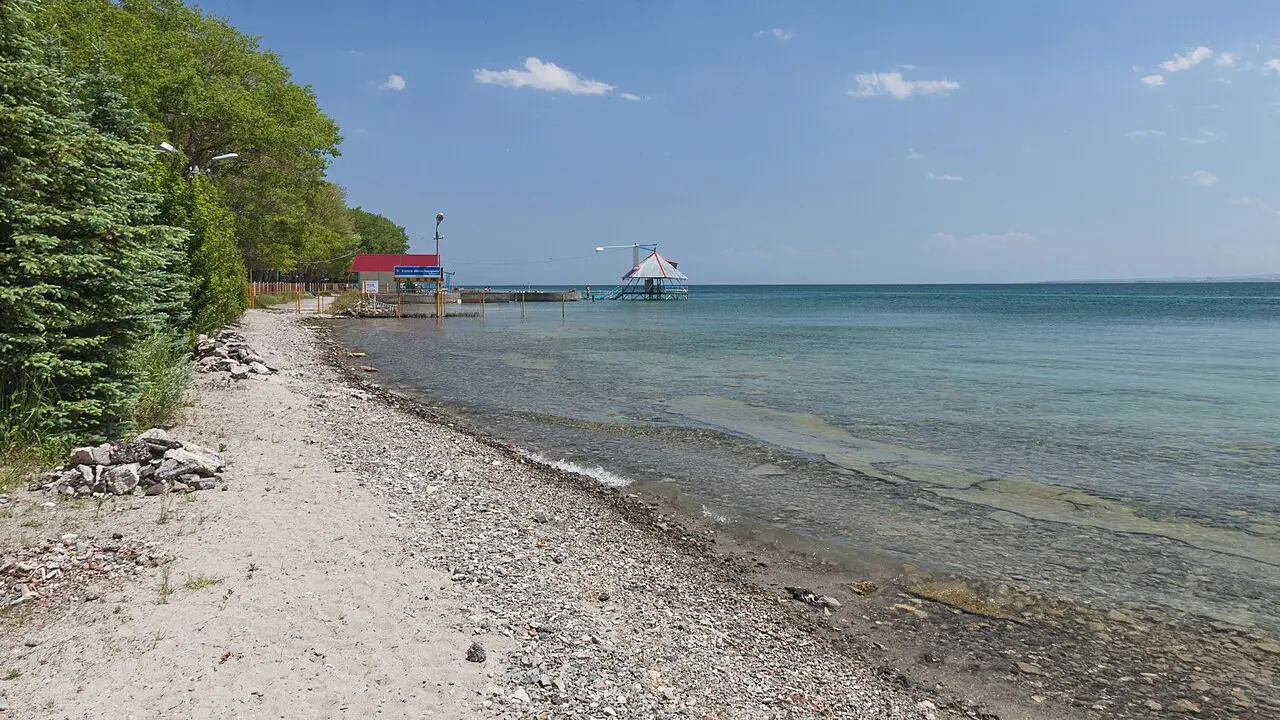
The southern and eastern shores around Shorzha have been a DIY camping coast for generations: wide pebble beaches, few facilities, no formal fee for pitching on the open shore. Facilities are minimal (a handful of kiosks) and litter is a real problem, so pack out more than you bring in. Don’t camp in the immediate grounds of Sevanavank on the peninsula - it’s a working monastery and a busy day-trip site, not a campsite.
The north-west shore near Sevan town and the peninsula is easier by bus but louder on summer weekends. For a hotel instead of a tent, our where to stay at Lake Sevan guide compares the shores.
Official public beaches
The Sevan National Park management has designated three public beaches along the M4 Yerevan-Sevan highway with free access for citizens and visitors alike: at the 63rd, 66th and 66.5th kilometre markers of the Yerevan-Sevan highway. These are day-beach zones with improving facilities rather than full campgrounds, but they’re the legal, signed entry points to the managed shore.
Commercial lakeside camps
For showers, a locked gate, or a cabin when the weather turns:
- Armenian Camp in Artanish village on Sevan’s coast offers cabin and tent pitches year-round according to the operator; confirm rates and availability on armcamp.com before you drive out.
- Wishup Shore on the lake runs a long-established shore camp with cottages and tent space; booking is by direct contact through wishup.am.
Prices change by season and aren’t published on a single official tariff - check with the operator, don’t trust random blog figures.
Dilijan: forest pitches and organised sites
Dilijan is Armenia’s other camping magnet: beech forest, alpine meadows, and the emerald bowl of Parz Lake at about 1,334 m.
Informal forest camping
Several spots are informally tolerated though they have no toilets, no bins, and no rangers on patrol - our Dilijan hiking trails guide names them in trail context: a clearing with a fire pit between Parz Lake and town, the terraces behind Haghartsin Monastery (ask monastery staff before you pitch), and Gosh Lake (popular with locals for evening barbecues, so don’t expect silence). Secondary sources suggest camping permits may be required for some park zones; if you’re planning more than one night, stop at the Dilijan Tourist Information Centre on the river and ask what’s current before you head into the trees.
Campsites and glamping
For a shower after a muddy trail day:
- Ecokayan Dilijan Resort & Camping on Hovk Street combines lodge rooms with camping pitches on the edge of the national park forest.
- Owl Glamping House and several forest lodges around town offer fixed tents or cabin beds with Wi-Fi and parking - useful if your own gear is light.
The tourist information centre can also rent tents and sleeping bags according to local outdoor guides - gear shops are thin on the ground in the Caucasus, so don’t assume you can hire a full kit in Yerevan unless you’ve confirmed it.
Getting there: why a car changes everything
Buses reach Sevan town and Dilijan, but they don’t drop you on a quiet beach or at a forest clearing with your tent. For lakeshore camping, a rental car is the practical choice - compare options in our car rental in Armenia guide and remember that the Armenia-Azerbaijan border region carries a Do Not Travel advisory and is off-limits whether you’re driving or camping - the US State Department keeps Armenia at Level 2 overall but that border strip at Level 4, and bars embassy staff from Gegharkunik east of Vardenis and from Syunik east of Goris and south of Kapan (checked 24 August 2026). Shorzha and Artanish, recommended above, sit outside it.
A simple loop that works well with a tent: Yerevan - Sevan (night on the shore) - Dilijan (forest day) - back via the M4, using the same highway that links the two in our Lake Sevan article. Fill up with water and food in town before you turn off onto dirt tracks toward a wild pitch.
Wild camp or campsite: a quick chooser
| Your situation | Better fit |
|---|---|
| First time camping in Armenia, need a swim | August on Sevan’s shore near Shorzha or a commercial camp with facilities |
| Multi-day hike on the TCT or Gegham | Wild camp with stove, filter, and downloaded maps; see best hikes |
| Travelling with kids, want toilets nearby | Armenian Camp, Ecokayan, or a lakeside glamping pod |
| Budget night, comfortable with LNT | Informal shore or forest pitch away from houses and monasteries |
| No tent of your own | Dilijan TIC rental if available, or a fixed tent at a commercial site - confirm ahead |
Armenia rewards campers who do their homework: the law is on your side in the open country, the people are kind, and the views from a tent door at Sevan or in Dilijan’s beech woods are hard to match anywhere in the Caucasus. Pack warm layers, treat fire with respect, and you’ll wonder why more people don’t sleep out here.
Photos
Read also
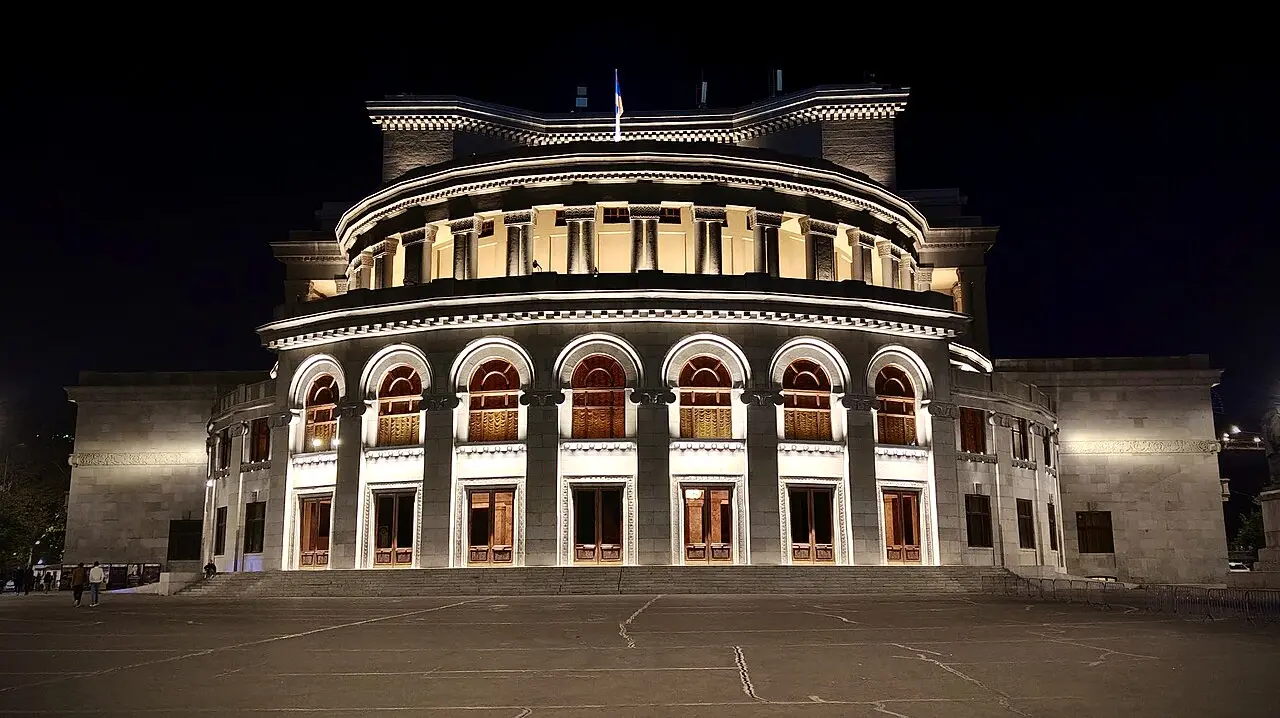
Entertainment · 9 min read
Yerevan Nightlife: Bars, Clubs & Live Music
Verified · August 28, 2026Saryan wine bars, Pushkin jazz at Malkhas, Dargett craft beer, Club 12, late food and night safety tips for central Yerevan.
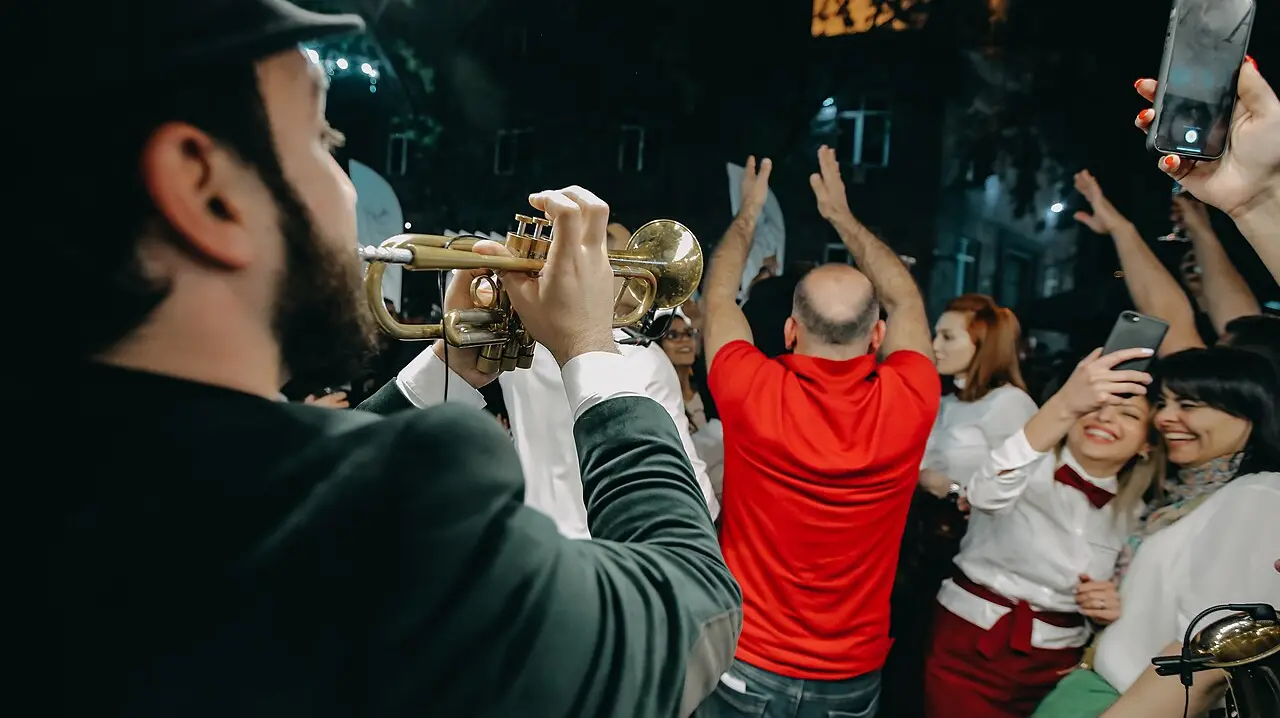
Entertainment · 8 min read
Yerevan Wine Days: The City's Street Wine Festival
Verified · August 26, 2026Yerevan Wine Days in early June: free street entry, tasting package, Saryan and Tumanyan routes, and how it differs from Areni and year-round bars.
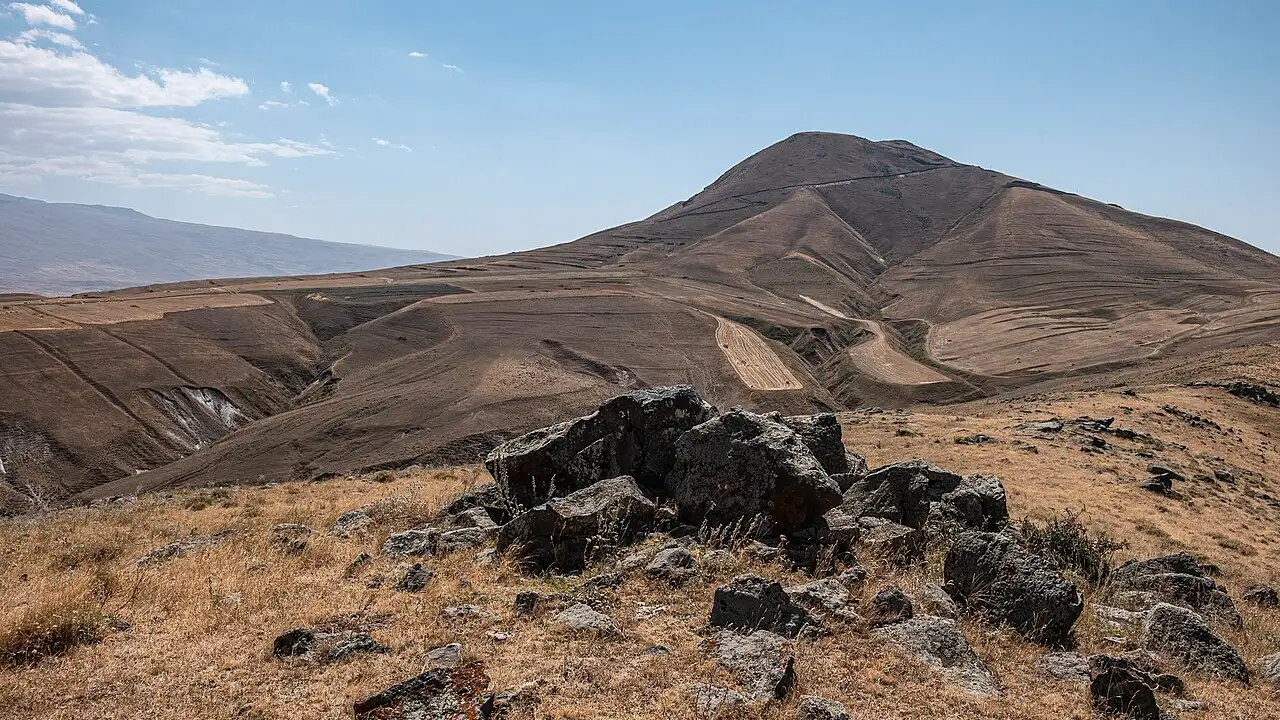
Entertainment · 9 min read
Best Day Hikes Near Yerevan
Verified · August 25, 2026Day hikes from Yerevan: Mount Hatis, Mount Ara, Garni Gorge, Khosrov Forest and Dilijan forest walks, with distances, seasons and trailhead access.
Entertainment · 7 min read
Erebuni-Yerevan Day: The City's October Birthday
Verified · August 25, 2026Erebuni-Yerevan Day 2026: Sunday 11 October is the main date (programme can spill to the 12th) - free concerts, dance and fireworks around Republic Square.