
Armenia SIM Card & eSIM Guide for Tourists
Armenia SIM card 2026: Viva, Ucom and Team all sell a 15-day tourist bundle for 2,500 AMD, two of them only at Zvartnots. Plus when an eSIM is worth it.
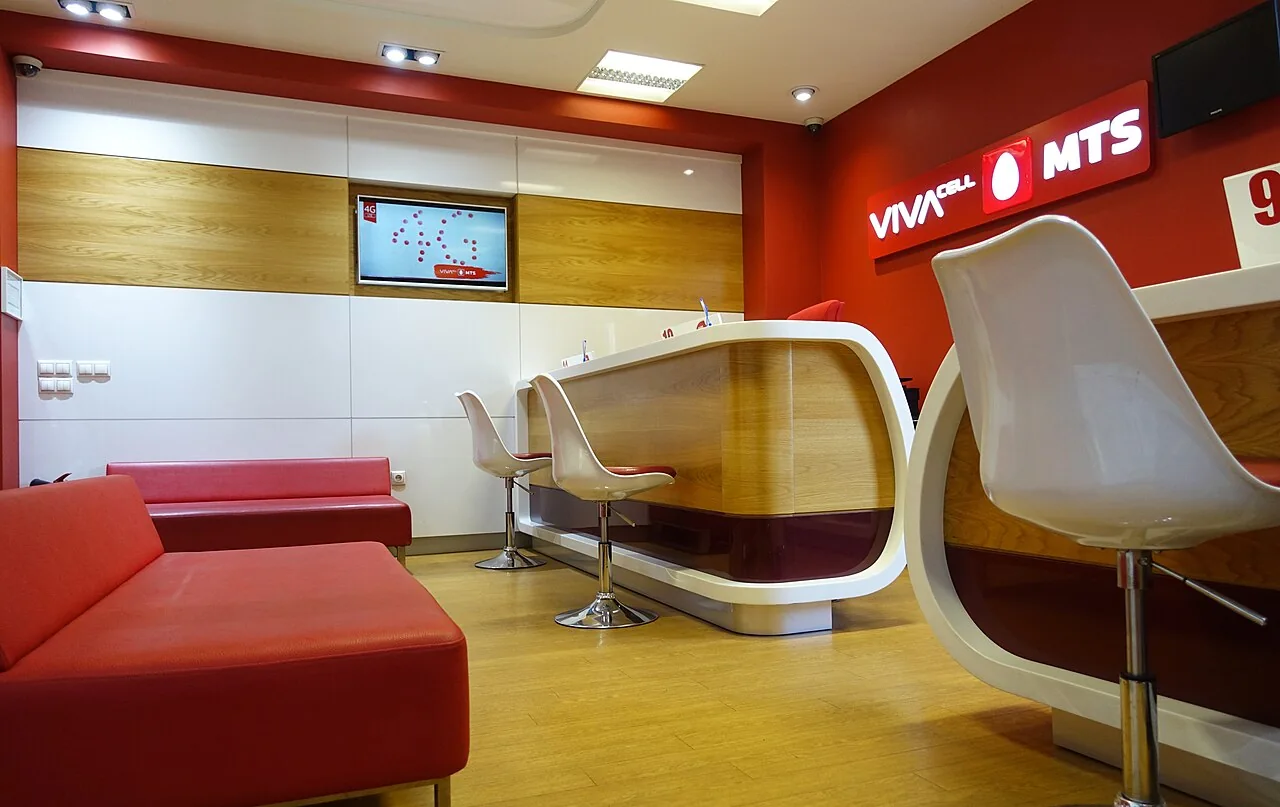
All three Armenian networks sell the same headline deal: Viva (formerly Viva-MTS), Ucom and Team (the old Beeline) each charge 2,500 AMD, roughly $7, for a 15-day tourist bundle with unlimited data, and each one wants your passport at the counter. Two of those three sell that bundle only at Zvartnots airport, so the arrivals hall matters more than the logo you pick, and all three keep their airport counters open around the clock. If you’d rather land already connected, a Yesim data eSIM starts at $3 for 1 GB, though 10 GB costs $19.20, nearly three times the local bundle. The one trap nobody warns you about is the taxi app: GG and Yandex Go sign you up with an SMS code, and some foreign numbers never receive it.
At a glance
The three tourist bundles line up almost exactly on price and length, so the table below is really about the small print and about where each one can be bought:
| Network | Best for | Tourist bundle (15 days) | Regular 30-day plan | Passport needed? |
|---|---|---|---|---|
| Viva (ex Viva-MTS) | Tourist bundle not tied to the airport on Viva’s own page | TOURIST UNLIM: 2,500 AMD, unlimited data, 300 min, 300 SMS | Y: 3,200 AMD, 20 GB, 1,500 min | Yes |
| Ucom | Widest 5G: 94.62% of the population (16 January 2026) | uWelcome: 2,500 AMD, unlimited data, 300 min, 300 SMS. Zvartnots only | Level Up+ 2500: 2,500 AMD, 20 GB, 1,000 min | Yes |
| Team (ex-Beeline) | Most minutes: 2,000, with the US and Canada included | Be Free 2500/15 days: 2,500 AMD, unlimited data, 2,000 min, 500 SMS. Zvartnots only | Be Free 3200: 3,200 AMD, 25 GB, 1,000 min | Yes |
| Travel eSIM (e.g. Yesim) | Landing already online, short trips | Data-only, no local number | 10 GB / 30 days: $19.20 | No |
Same price, different small print. Team’s bundle carries 2,000 minutes and 500 SMS against 300 and 300 at the other two, and both Ucom’s and Team’s minutes cover calls to the US and Canada, which is worth having if you’re checking in with people at home. They also part company on what happens after 15 days: Ucom reactivates its bundle automatically at the same 2,500 AMD, while Team charges 5,000 AMD for a 30-day package once the first fortnight runs out, and only if your balance covers it.
The three networks, and which to pick
Viva states on its own about page that its network reaches 99.8% of the population, and Ookla named it the fastest mobile network in Armenia on first-quarter 2026 Speedtest data. The practical argument for Viva, though, is simpler: its TOURIST UNLIM is the only one of the three whose tariff page sets no point-of-sale restriction.
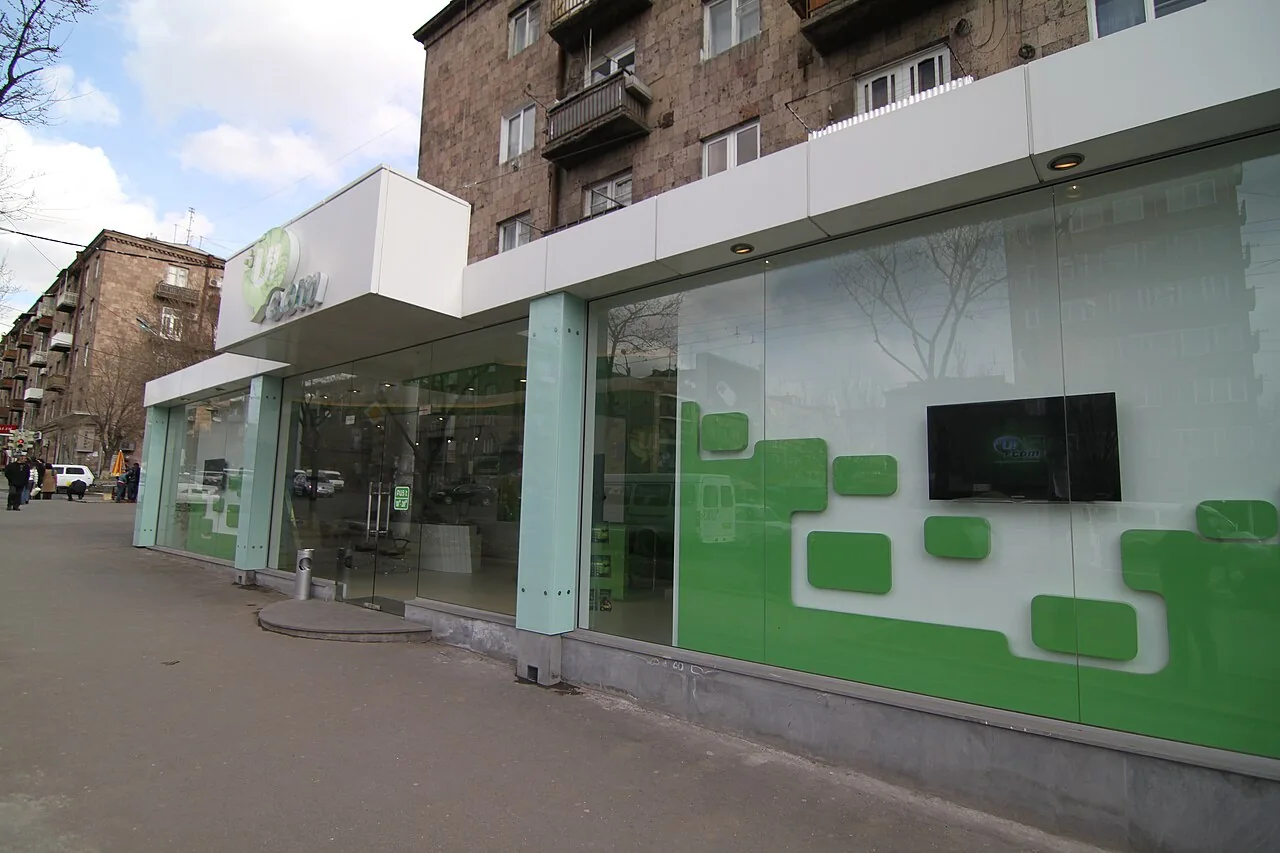
Ucom (formerly Orange) publishes coverage figures dated 16 January 2026: 3G reaching 99.74% of the population, and 5G, which it calls the widest footprint in the country, reaching 94.62%. On paper the two big networks are level, and the speed crown doesn’t stay put: Ookla gave its Armenian speed award to Ucom on second-half 2025 data and to Viva on the first quarter of 2026. Neither operator publishes coverage figures for empty mountain roads, so the real tie-breaker is the small print rather than the marketing.
Team (formerly Beeline) is the third network, and it’s the one with the most generous tourist bundle on paper: 2,000 minutes and 500 SMS, with calls to the US and Canada included, against 300 and 300 at the other two. The catch arrives on day 16, when the plan wants 5,000 AMD for a 30-day package. Its regular Be Free 3200 is the like-for-like comparison with the others: 3,200 AMD for 25 GB, 1,000 minutes and 300 SMS.

What it costs
The headline price is identical at all three counters, taken from each operator’s own tariff page instead of a comparison blog: Viva’s TOURIST UNLIM, Ucom’s uWelcome and Team’s Be Free 2500 all cost 2,500 AMD (roughly $7) for 15 days, with unlimited data and more minutes and SMS than a two-week trip will get through. What differs is where you’re allowed to buy. Ucom’s Armenian-language page says uWelcome can be bought only at its service centre in Zvartnots, and Team’s tariff page says the airport version of Be Free can only be bought at its Zvartnots service centre too. Ask for either in a city shop and you’ll be turned away, which leaves Viva’s TOURIST UNLIM as the only tourist bundle its operator does not tie to the airport.
If you’re staying longer, or want 30 days instead of 15, the regular bundles cost less per day, Viva’s X excepted, but cap your data. Ucom’s Level Up+ 2500 gives you 20 GB, 1,000 minutes (local networks plus the US, Canada, Russia and India) and 500 SMS for 2,500 AMD (roughly $7) a month, plus a one-time 100 AMD fee to activate a new SIM. Viva’s Y plan gives the same 20 GB with more minutes for 3,200 AMD (roughly $8.80); its X plan steps up to 30 GB and 3,000 minutes for 5,500 AMD (roughly $15). Team’s Be Free 3200 sits in between at 3,200 AMD for 25 GB and 1,000 minutes. One useful quirk: Ucom’s unlimited Level Up+ 5000 normally costs 5,000 AMD, but the first activation on a SIM bought at its Zvartnots centre costs 4,500 AMD (roughly $12), so for that plan the airport is the cheaper place to buy, not the pricier one.
A travel eSIM is priced differently again, in dollars rather than dram, and for data only. Yesim’s Armenia plans run from $3 for 1 GB over 30 days up to $33.60 for 30 GB, with a $19.20 tier for 10 GB that covers most two-week trips comfortably (yesim.tech, 23 September 2026). There are no minutes or SMS bundled in, because there’s no local number attached.
So which is cheapest? For unlimited data on a short trip, the 2,500 AMD tourist bundle, and the only question left is which counter you reach first. For 30 days instead of 15, Ucom’s Level Up+ 2500 costs the same 2,500 AMD and runs twice as long, as long as 20 GB is enough for you. An eSIM wins on convenience and on nothing else: 10 GB of eSIM data costs about $12 more than the local bundle, so what you’re paying for is the queue you skip.
Where to buy: airport or in town
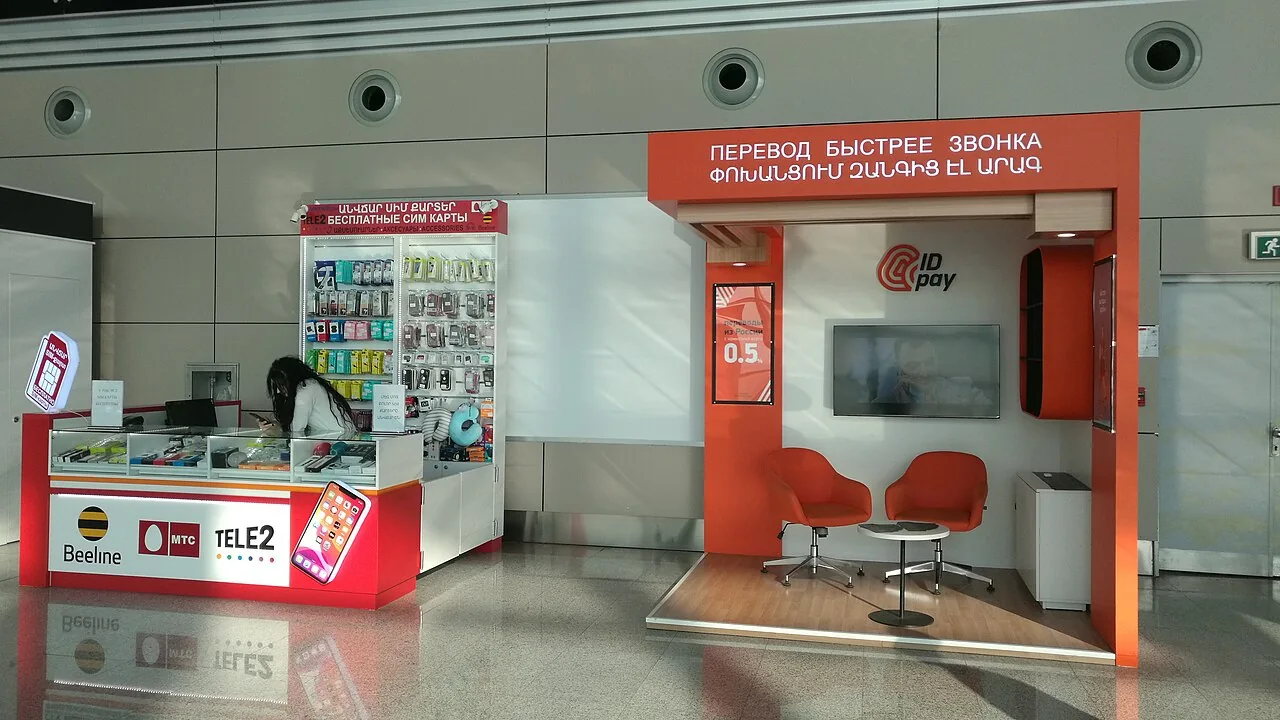
The most convenient place is Zvartnots airport (EVN), and all three operators are there around the clock. Viva lists two service points, one in the arrivals hall and one in the luggage hall, both marked 24/7. Ucom lists the same pair, arrivals hall and baggage reclaim area, also both 24/7. Team lists its Zvartnots office as 24/7 as well. That single fact takes the stress out of a night landing: there’s no opening time to plan around, and you can get the card registered while you’re still waiting for your bag to come round. It also settles the tourist bundle question, because Ucom’s uWelcome and Team’s airport Be Free are sold here and nowhere else.
In the city, operator stores are easy to find: along Northern Avenue and around Republic Square, in most neighbourhoods, and in the big shopping centres, where Ucom lists a branch in MegaMall. What a city shop cannot sell you is the 2,500 AMD tourist bundle from Ucom or Team, so if that’s the plan you want, buy it on arrival. Viva’s own tariff page sets no such restriction, though it names no points of sale either, so buying on arrival stays the safe move whichever operator you pick. Whichever you choose, bring your passport: SIM registration is mandatory in Armenia, and staff will register the card in your name, which is quick but not optional.
Physical SIM or eSIM?
Both work well; the question is what you value. A local physical SIM is cheaper from the first day, not only on long trips: about 2,500 AMD (roughly $7) buys 15 days of unlimited data, while 10 GB on a travel eSIM costs $19.20. It also gives you an Armenian phone number, which is the right call if you want that number for local bookings or apps. What you’re trading for that is the passport registration and a few minutes at a counter when you arrive.
A travel eSIM buys convenience rather than savings. You install it before you fly, choose Armenia as the destination, and it’s live the moment you land: no counter, no queue, no passport form, and your home SIM stays in the phone for calls on your usual number. The conditions are that your phone must be reasonably recent and eSIM-capable and unlocked (most flagships of the last few years are), and that a travel eSIM carries data only, so it gives you no Armenian number. Where the cheapest tier earns its keep is as a bridge: $3 for 1 GB is enough to order a GG or Yandex Go car at Zvartnots and run maps until you reach a shop in town.
The connectivity gotcha: local apps and your number
Getting around Yerevan runs on ride-hailing apps, and the ones that work here are GG, Yandex Go and UTaxi, not Uber or Bolt. They sign you up by phone number with an SMS verification code, and some foreign numbers simply never receive that code, which leaves you unable to register at exactly the moment you want a cheap ride from the airport. An Armenian number from a local SIM makes registration reliable, and either way you need data on the phone to open the app on the street. We cover the ride-hailing side in full in our guide to taxi apps in Armenia.
One small routine keeps this painless: register GG or Yandex Go at home, while your own SIM still receives texts. If the code never arrives there either, only an Armenian number will fix it, which is the strongest argument for a local SIM over an eSIM if taxis matter to your trip.
Sort your connectivity on the way out of the arrivals hall and everything else here gets easier. For moving around the country once you’re online, our guide to getting around Armenia covers the buses, minibuses and trains beyond the taxi.
Photos
Read also
Before you go · 10 min read
What to Pack for Armenia: Plugs & Layers
Verified · August 7, 2026Armenia packing list: Type C/F plugs at 230V, summer heat in Yerevan vs cold mountain nights, layers, eSIM and insurance to sort before you fly.
Before you go · 8 min read
Where to Stay in Goris: Hotels for Tatev
Verified · August 7, 2026Where to stay in Goris for Tatev: centre hotels and guesthouses, honest day-trip warning (12-13 hours), and what a night in Syunik actually costs.

Before you go · 8 min read
Solo Female Travel in Armenia: Is It Safe?
Verified · August 6, 2026FCDO reports low crime in Armenia. Solo women should avoid informal or street-hailed taxis and use app, licensed or arranged transport.

Before you go · 14 min read
Armenia in October: Autumn Colour and Wine Festivals
Verified · September 23, 2026Armenia in October: peak leaf colour 15-20 October, the Areni wine festival on the 3rd, five times September rain, and what shuts for winter.