
Tsaghkadzor or Gudauri: Ski Costs, Season, Transfers
Tsaghkadzor or Gudauri for skiing in winter 2026/27: a 12,000 AMD day card against 120 GEL for foreigners, lift heights, opening dates and transfers.
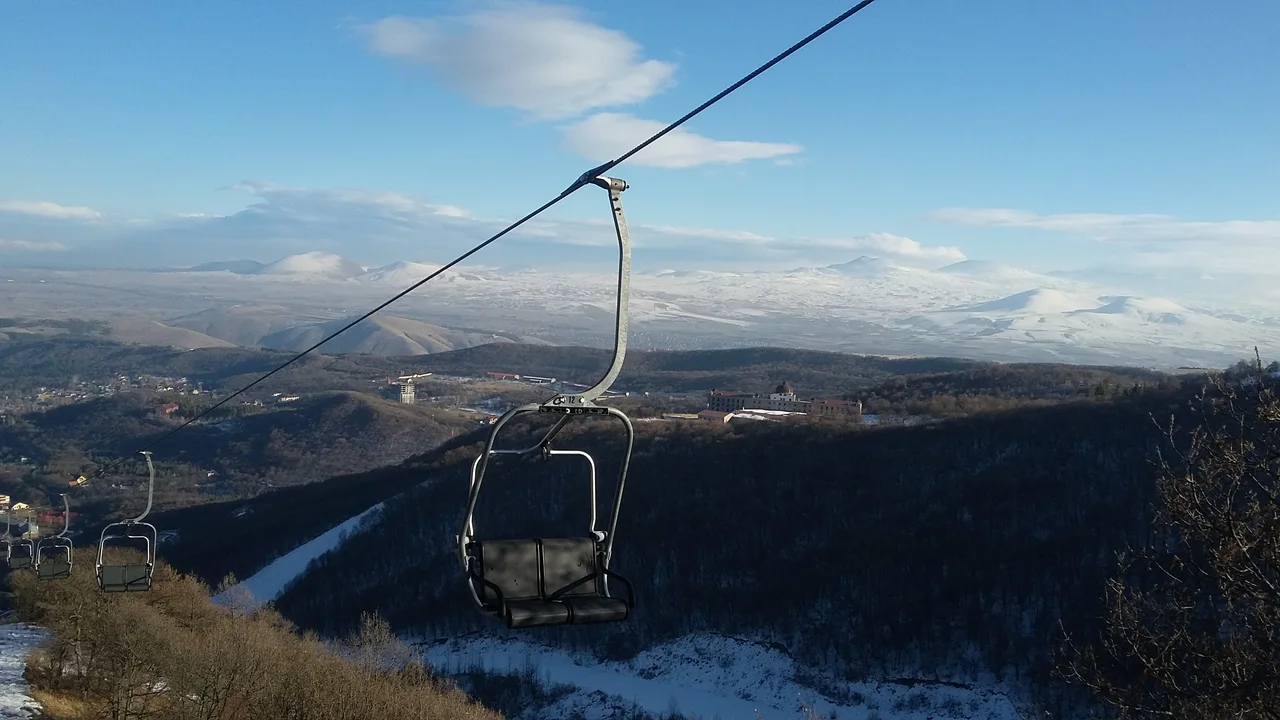
Tsaghkadzor is the cheaper, closer and gentler of the two, and Gudauri is the bigger, higher and longer-running one. For a foreign skier, a one-day lift card costs about $33 at Tsaghkadzor (12,000 AMD on the ropeway’s undated list, with no 2026/27 tariff out yet) and about $46 at Gudauri (120 GEL on MTA’s 2026/27 price page), both checked on 15 November 2026, and the Georgian resort is the one to book if you want serious terrain, not a cheap weekend. In the 2025/26 season the price gap ran the other way: a Gudauri day card cost 70 GEL (about $27), before the resort’s operator, MTA, added a pricier tariff for foreigners without a Georgian residence permit.
Two mountains, two scales
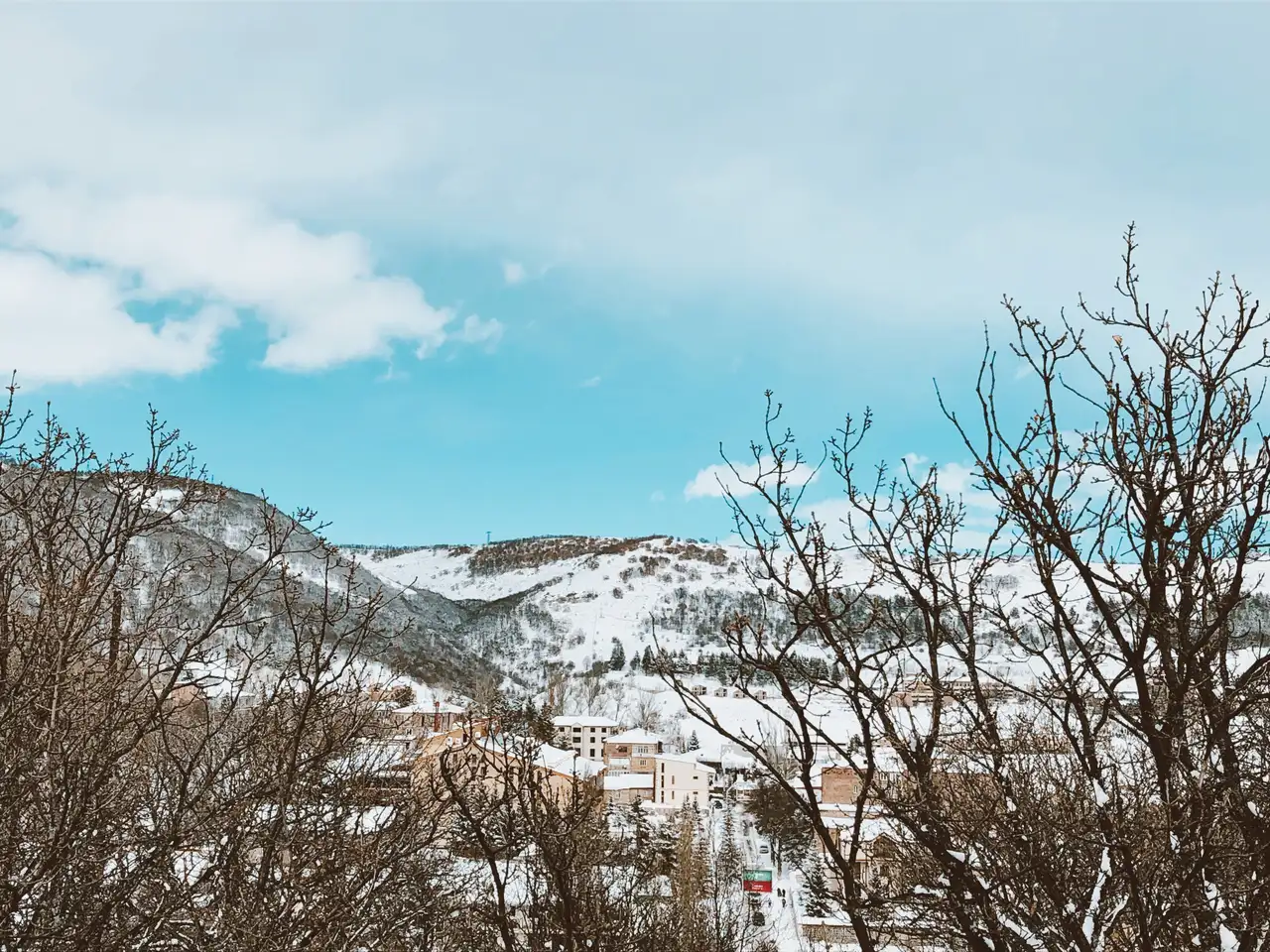
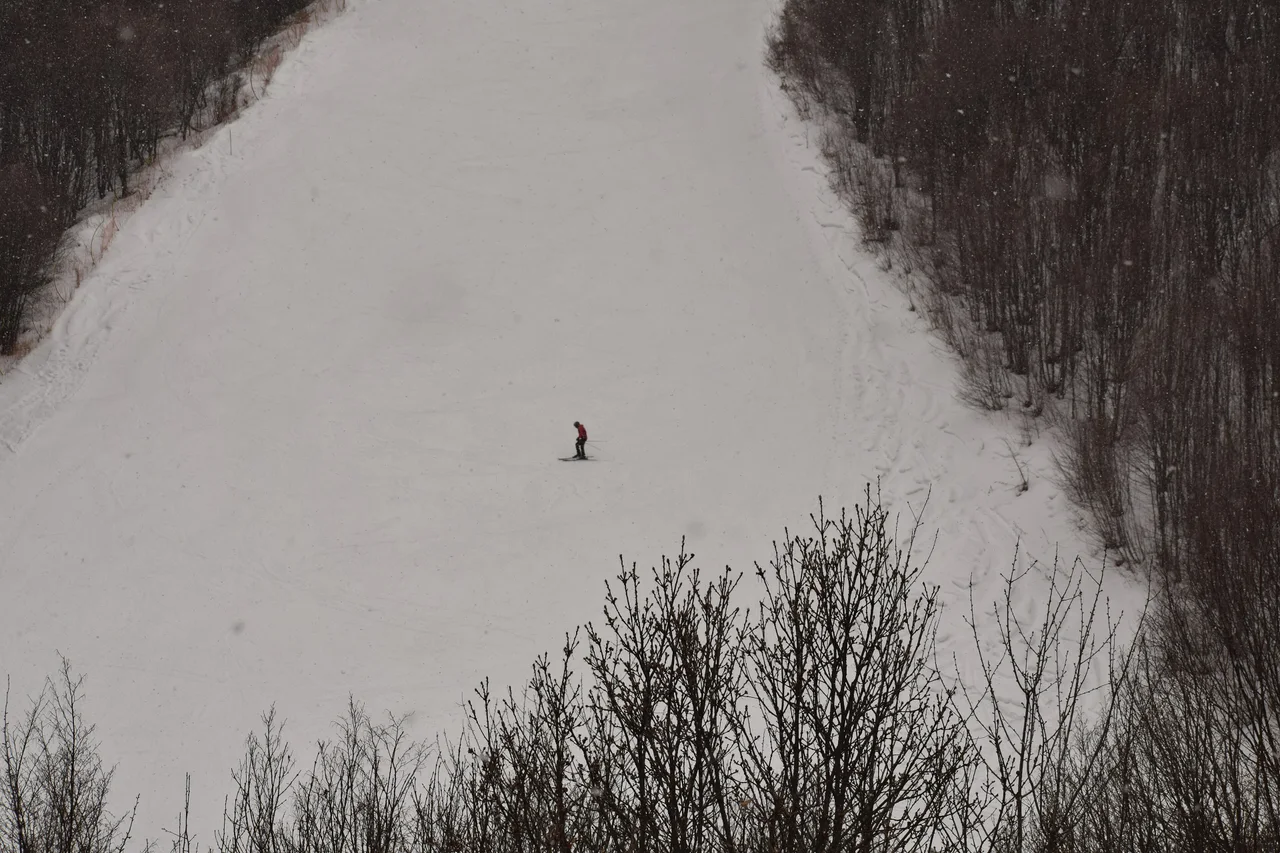
Tsaghkadzor sits on the slopes of Mount Teghenis, 58 km north of Yerevan, and Armenia’s national tourism portal calls it the largest ski resort in the country. Its chairlift climbs in stages from 1,966 m to 2,819 m, about 850 m of vertical, on a line that has run since 1967 (the operator’s own figures). Our Tsaghkadzor guide describes the runs as friendly: mostly easy and intermediate, with a short harder pitch near the top.
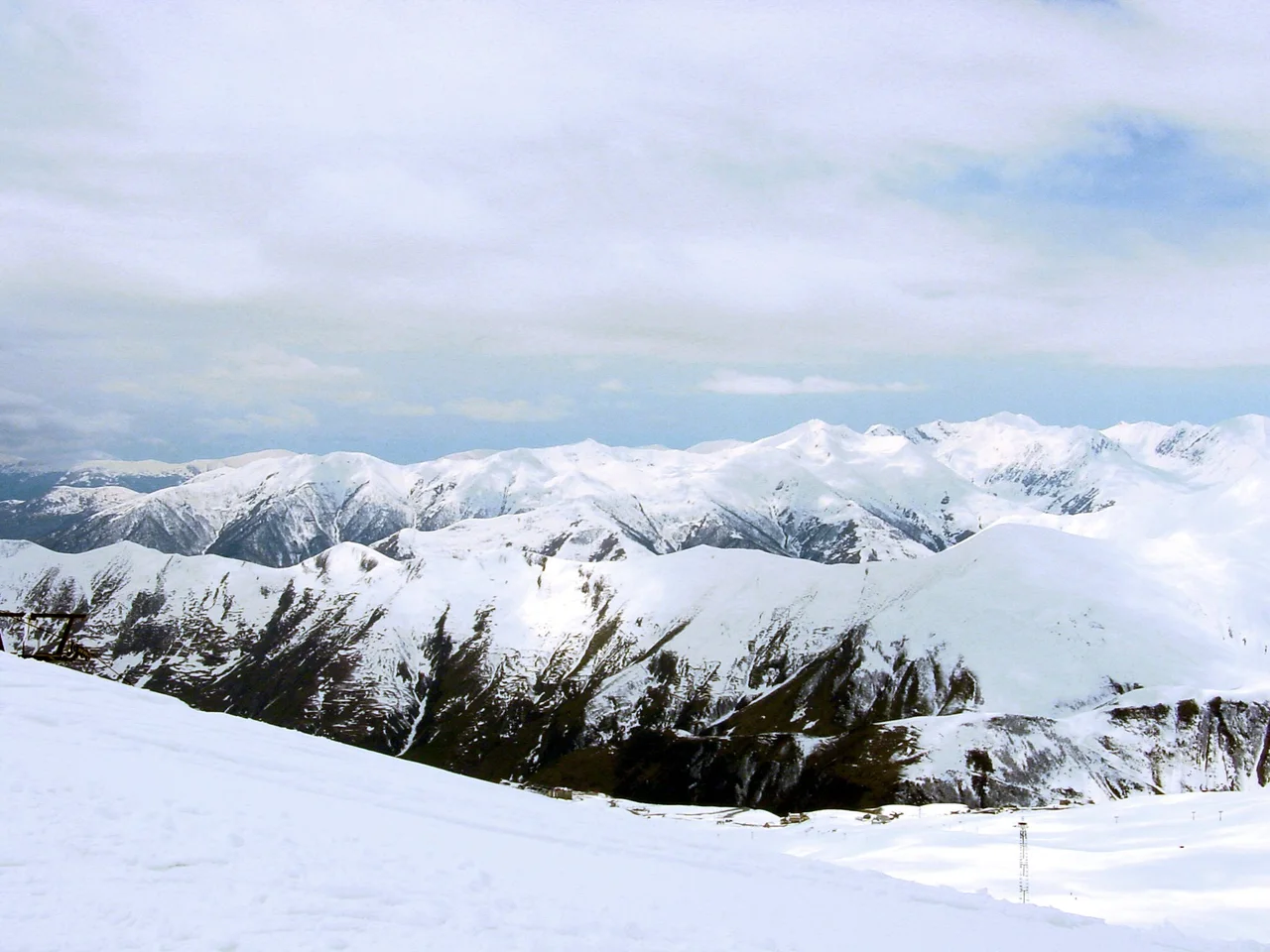
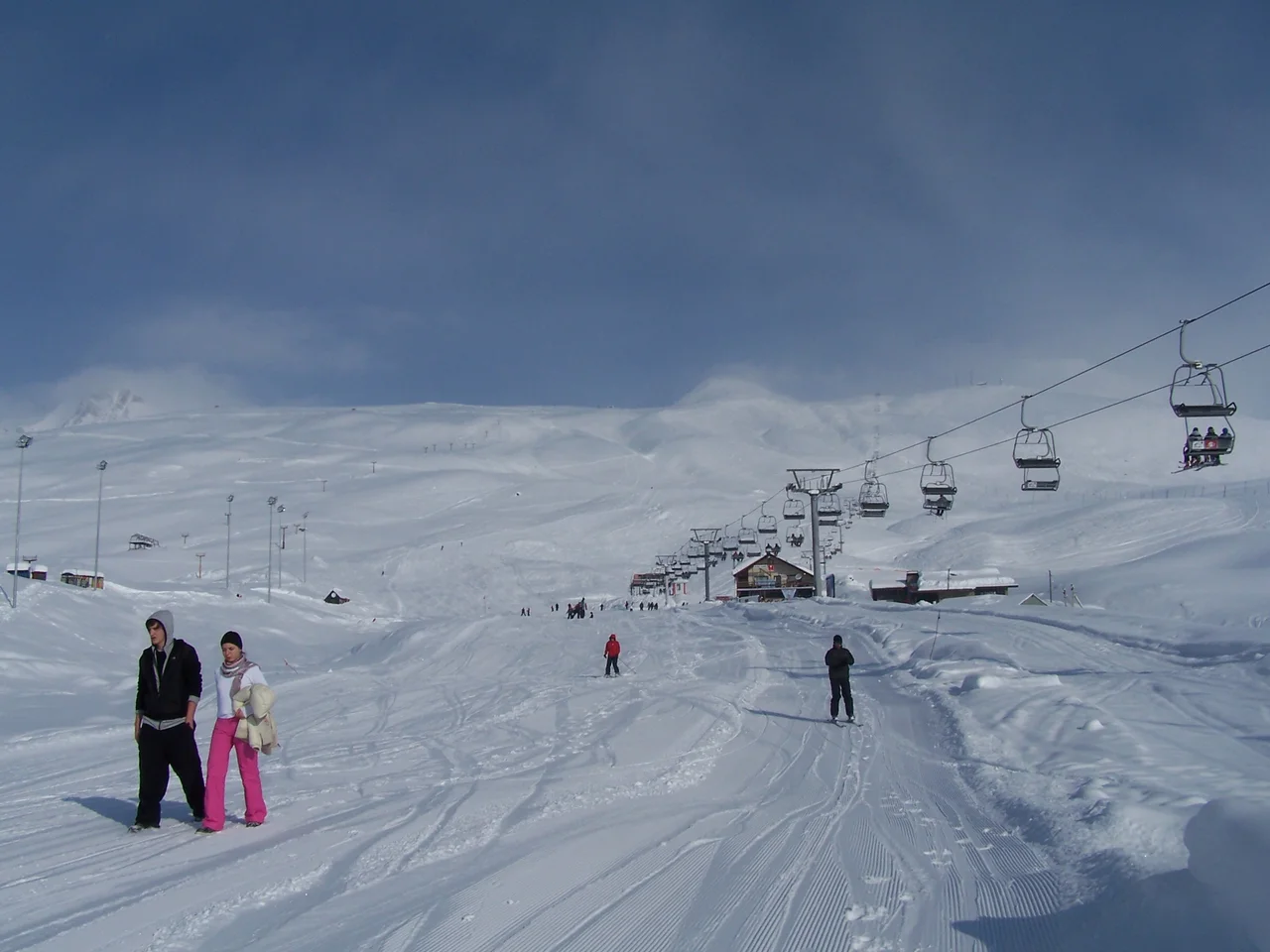
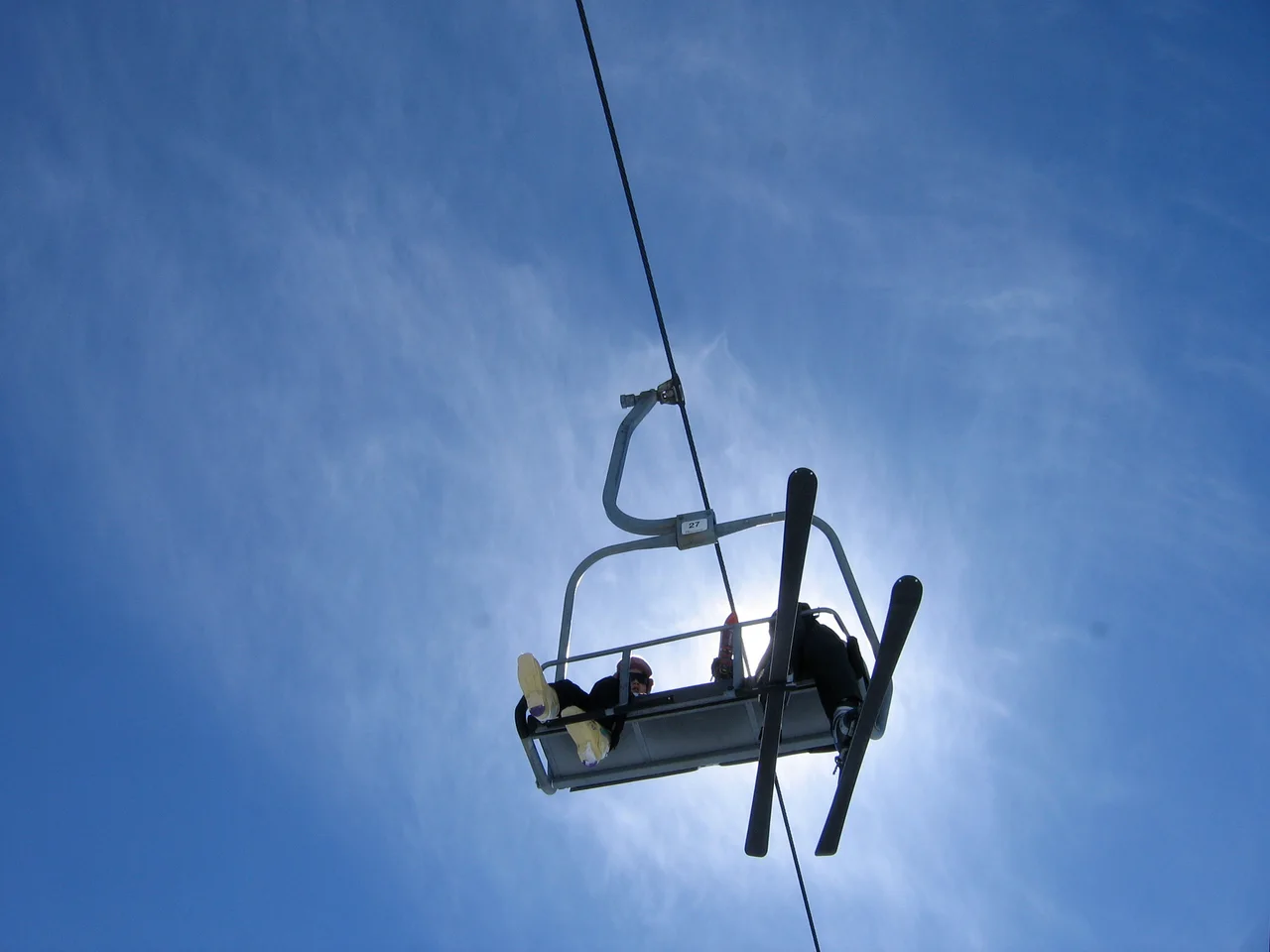
Gudauri works at another scale. Georgia’s tourism administration puts the base at 1,989 m and the highest lift at 3,276 m, which is about 1,300 m of vertical, and MTA, the lift operator, says two new runs due in December 2026 take Gudauri’s skiable terrain to 86 km. The tourism administration also calls Gudauri the highest ski resort in Eastern Europe. The terrain is open and treeless, so strong skiers can leave the groomed runs and head off-piste. Our sister site’s Gudauri ski resort guide covers the lifts and runs in detail, and its overview of skiing in Georgia shows where Gudauri sits among the other Georgian resorts.
If you’re learning, skiing with children or happy with a few easy runs and a long lunch, Tsaghkadzor is enough. If you ski every run in a day and still want more, Gudauri has the height and the space.
What a lift day costs a foreigner
MTA’s price page for Winter 2026/27 carries two tariffs: one for Georgian citizens and residence-permit holders, at 90 GEL for a day, and one for foreign citizens without a Georgian residence permit. As a visitor you pay the second, and that’s the column in the table below.
| Item | Tsaghkadzor | Gudauri |
|---|---|---|
| 1-day adult card | 12,000 AMD (about $33) | 120 GEL (about $46) |
| 3 days, adult | 30,000 AMD (about $83) | 305 GEL (about $118) |
| About a week | 63,000 AMD for 7 days (about $175) | 545 GEL for 6 days (about $210) |
| Child, 1 day | 9,000 AMD under 10 (about $25) | 60 GEL for ages 6-12, under 6 free (about $23) |
| Card fee | 2,000 AMD deposit | 5 GEL, refunded when you return the card |
| Ski rental | 5,000 AMD for skis (about $14); the list doesn’t say if boots are included | about 50 GEL a day for skis, boots and poles (about $19) |
Tsaghkadzor’s figures come from the ropeway’s winter price list, which carries no date and was checked on 15 November 2026; the operator hasn’t announced the 2026/27 tariff, so it may change. Its cards for 3 days or more cover consecutive days only. Gudauri’s figures come from MTA’s Winter 2026/27 price page, checked on 15 November 2026, when the operator still labelled the site as being in testing mode, so check the page again before you buy. Children’s cards need a passport at Tsaghkadzor, and Gudauri’s rental figure comes from the tourism administration with no date on it. Dollar figures use 360.54 AMD and 2.5934 GEL per dollar (central banks of Armenia and Georgia, mid-November 2026), so they move with the exchange rate.
A week at Gudauri is a different product from a week at Tsaghkadzor, and that’s why the table sets six days against seven. MTA sells single-resort cards for up to six days, and its 7-day MULTISKI card at 630 GEL for foreigners also works at Bakuriani, Goderdzi and Mestia, which matters only if you plan to hop between resorts. Night skiing at Gudauri is a separate ticket on top, 80 GEL for foreigners.
For a skier counting every dollar, the gap is real but not huge: for a couple on a three-day trip it’s roughly $70 on the lift cards. The transfer decides more than the pass does, as the section on getting to the lifts shows.
When each one opens
Gudauri has put a date on it. In a notice of 28 October 2026, MTA said the winter season will officially open on 20 December in Gudauri, Bakuriani, Goderdzi and Mestia, with two new T-bar lifts, a 200 m moving carpet, two new runs and snowmaking on two slopes being installed. In 2025/26 the lifts there ran from 27 December to 19 April, so a late-March or April trip is a Gudauri trip.
Tsaghkadzor hasn’t. On 15 November 2026 the latest notice on the ropeway’s homepage, dated 7 October, gave daily hours of 10:00 to 17:30, with no word on the opening of the ski season. Armenia’s tourism portal gives the usual window as mid-December to the end of March, from an article of June 2023, and that’s a planning range, not a promise. Read our Armenia in winter guide for how to watch for the announcement, and don’t pay for a non-refundable hotel in Tsaghkadzor for the second week of December before the operator confirms.
Getting to the lifts
Yerevan to Tsaghkadzor is about an hour by road, and our Yerevan to Tsaghkadzor guide explains the catch with the marshrutka: it costs a few hundred dram, but the last direct run back down leaves in the early afternoon, so a there-and-back day on the direct bus leaves little time on the snow. A fixed-price car is $51 (Economy), $56 (Comfort) or $77 (7 seats), and from Zvartnots airport it’s $60 or $65, per vehicle, from Kiwitaxi (operator pages, November 2026).
Tbilisi to Gudauri is 120 km and about two hours on the Georgian Military Highway. The same operator lists the transfer at about 1 h 50 min and $117 for Economy, $124 for a Comfort sedan with room for three bags and $182 for either a 4-seat Minivan or a 7-seat Minibus, per vehicle, on a search for 15 November 2026. Of these four classes, skis go only in the two larger cars, for $4 extra, and the operator caps the Minivan at 2 suitcases plus 1 pair of skis and the Minibus at 3 suitcases plus 2 pairs. Both also offer a roof box for skis and snowboards for another $4, but the operator doesn’t say how many pairs it holds, so a group of four with its own skis should ask before booking or rent at the resort. Economy from Tbilisi to Gudauri ($117) is more than double Economy from Yerevan to Tsaghkadzor ($51). Split four ways, the $182 Minivan is still about $45 a head, and a shared minibus from Tbilisi runs several times a day in high season, which the sister site’s Tbilisi to Gudauri guide covers.
The less obvious cost is the starting point. Tsaghkadzor is an hour from the capital with a big airport. Gudauri sits two hours from Tbilisi on a road where heavy snow brings traffic restrictions, so don’t book the last flight of the day after a ski day.
Both in one trip
You can ski both, but it’s a Georgia-then-Armenia or Armenia-then-Georgia trip with a day of road between them: Yerevan and Tbilisi are about 260 km apart, and the guide to getting from Yerevan to Tbilisi puts the ride at five to seven hours. Our two-week Armenia and Georgia itinerary shows how to join the countries, and Armenia vs Georgia compares what else each offers. Use Tsaghkadzor for a first day on skis or a family afternoon, and spend the long days on the Georgian side.
If you plan to rent a car in Tbilisi for Gudauri, ask the desk about winter tyres when you book. Georgian rules require them on designated road sections from 1 December to 1 March (Interior Ministry notice of 22 November 2024), and our sister site’s Gudauri guide gives the details.
Insurance needs a second look as well. Since 1 January 2026 Georgia has required every tourist to carry health and accident insurance with cover of at least 30,000 GEL for the whole stay, so on the Georgian side a policy is an entry requirement, not an option. The Georgian tourism administration warns that standard travel insurance often does not cover skiing, and the same is worth checking for Tsaghkadzor. Look at your policy’s winter-sports clause before you fly.
Photos
Read also
Before you go · 10 min read
Armenia in Winter: Ski Season, Pass Closures, Hot Springs
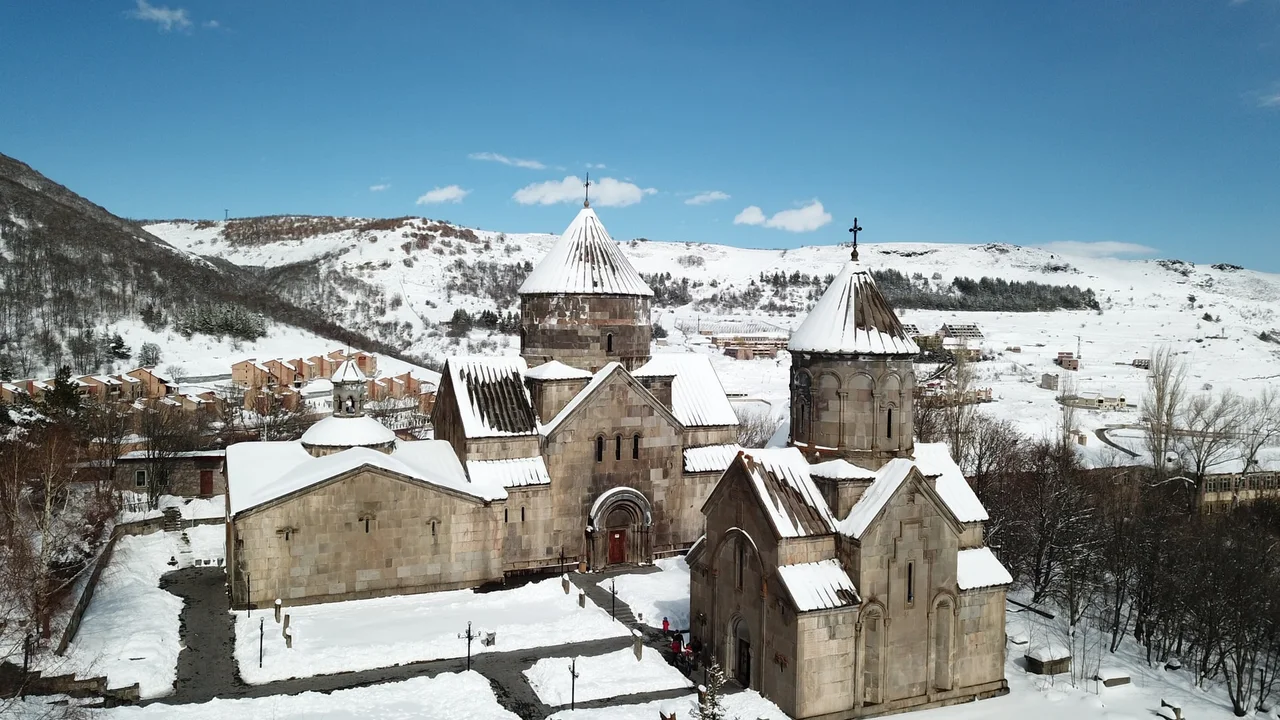
Verified · November 8, 2026Armenia in winter 2026/27: where the ski season stands, which passes the Rescue Service reports closed, the hot springs, and how Tatev and Sevan change.
Before you go · 10 min read
What to Pack for Armenia: Plugs & Layers
Verified · August 7, 2026Armenia packing list: Type C/F plugs at 230V, summer heat in Yerevan vs cold mountain nights, layers, eSIM and insurance to sort before you fly.
Before you go · 8 min read
Where to Stay in Goris: Hotels for Tatev
Verified · August 7, 2026Where to stay in Goris for Tatev: centre hotels and guesthouses, honest day-trip warning (12-13 hours), and what a night in Syunik actually costs.
Before you go · 8 min read
Solo Female Travel in Armenia: Is It Safe?
Verified · August 6, 2026FCDO reports low crime in Armenia. Solo women should avoid informal or street-hailed taxis and use app, licensed or arranged transport.