Armenia & Georgia Itinerary: 2 Weeks in the Caucasus
A day-by-day 2-week Armenia and Georgia itinerary: Tbilisi, Kazbegi and Kakheti, the overland border, then Lake Sevan, Yerevan and Tatev.
Two weeks is the sweet spot for the South Caucasus, long enough to do both Georgia and Armenia properly without sprinting. The plan that works best for most people is an open-jaw loop: fly into Tbilisi, which has the region’s widest choice of flights, spend a week working south through Georgia’s mountains and wine country, cross the land border into Armenia, and fly home from Yerevan. Below is a day-by-day that balances the two countries, keeps the driving sane, and hits the sights that actually earn their place. Treat it as a spine you can flex, not a rulebook.
Why this direction? Geography. Georgia’s headline scenery sits in the north, Armenia’s monastery country runs south of the border, so travelling top to bottom means you rarely double back. If you’d rather commit fully to one country instead, our Armenia vs Georgia comparison helps you choose, and for the Armenian leg on its own our 7-day Armenia itinerary is the canonical route.
Days 1 to 3: Tbilisi and around
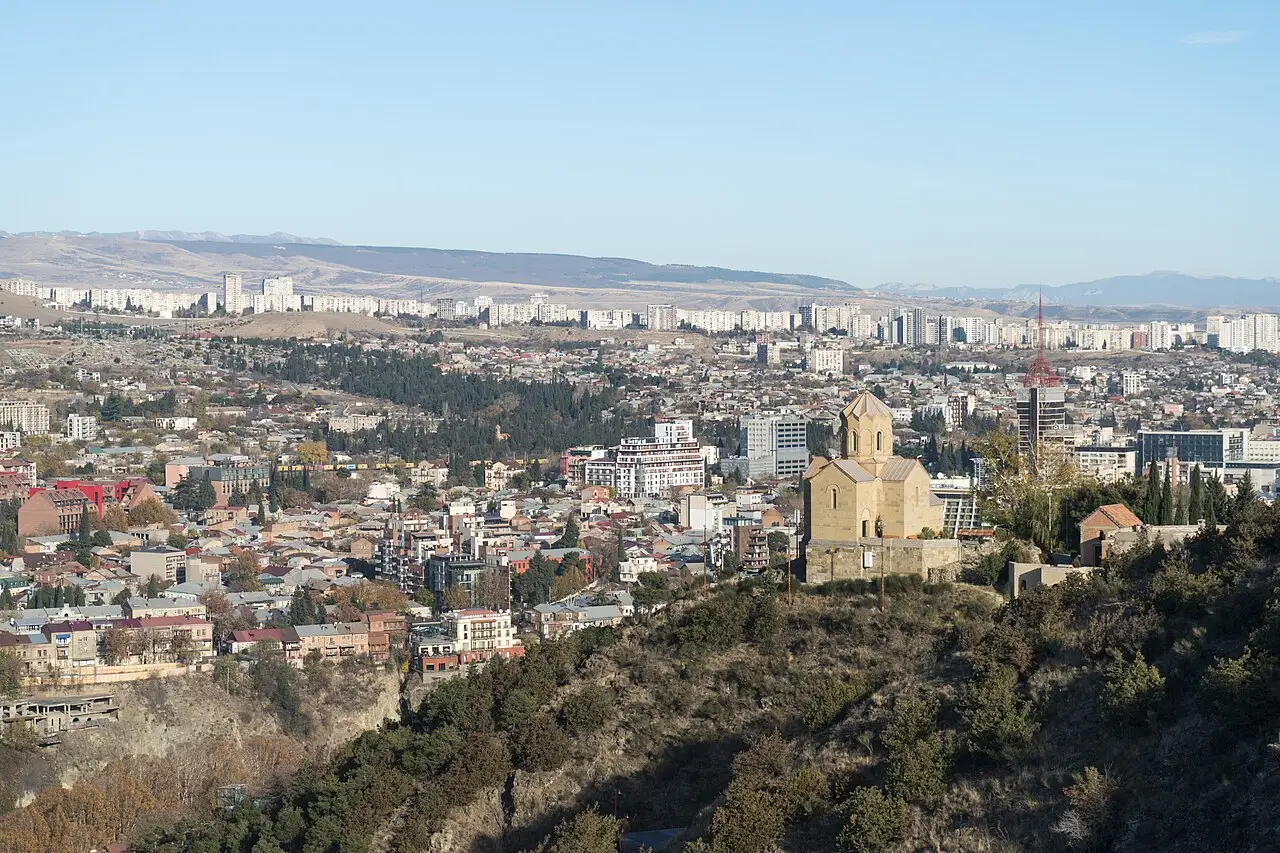
Start in the Georgian capital and give it a couple of full days. Tbilisi rewards slow wandering: the tangle of the Old Town under the Narikala fortress, the sulphur bathhouses of Abanotubani, the cable car to the ridge, and a dinner-and-wine-bar scene that runs late. Use day three for a half-day out to Mtskheta, the old royal capital and a UNESCO site 20 minutes away, or a first taste of Kakheti wine. Our sister site’s guide to Tbilisi covers the city in full.
Days 4 to 5: Kazbegi and the mountains
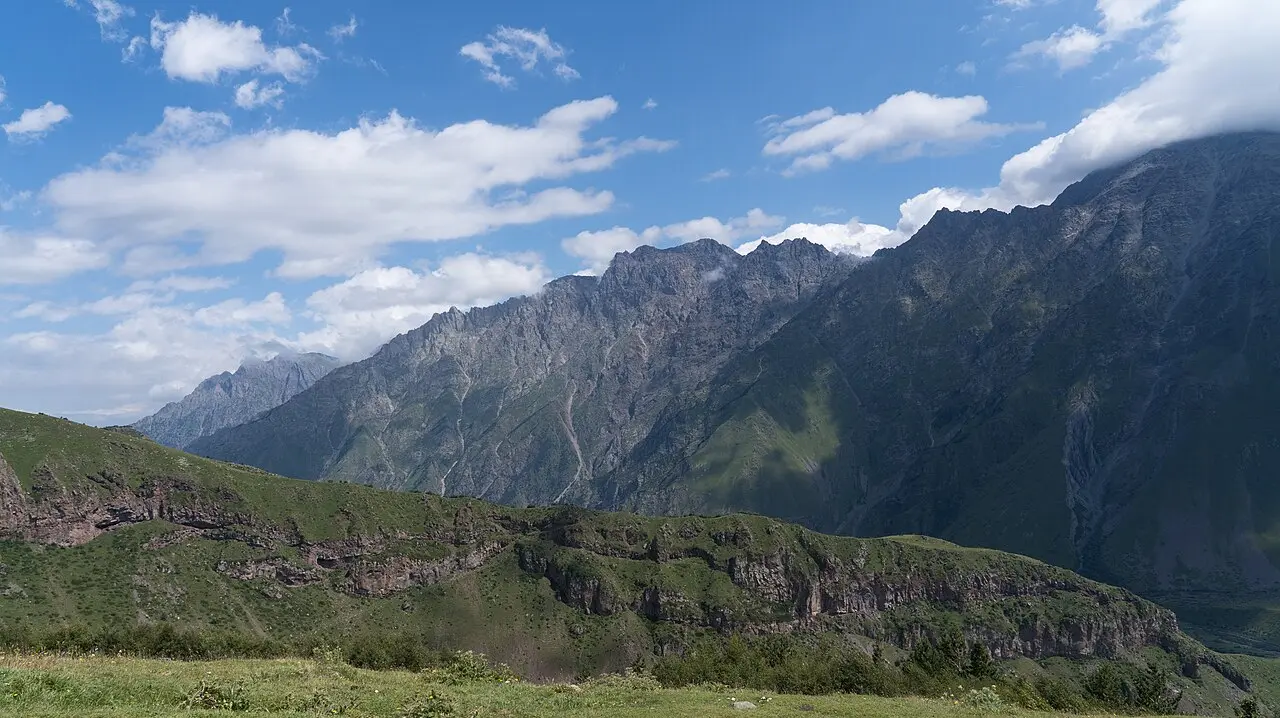
Head north up the Georgian Military Highway to Stepantsminda, better known as Kazbegi, stopping at the Ananuri fortress on its reservoir and the viewpoint at Gudauri on the way. The payoff is Gergeti Trinity Church on its hill under Mount Kazbek, a peak of over 5,000 m, one of the defining images of the Caucasus. The walk up to the church takes about an hour and a half from the village, or you can grab a 4x4 taxi if the weather or the legs are against you. Stay two nights so a full day is free to hike higher toward the Gergeti glacier or the Truso valley rather than treating it all as a rushed photo stop. This is the high-mountain half of the trip, so pack a warm layer, because it stays cool and changeable up here even in summer, and savour it.
Day 6: Kakheti wine country
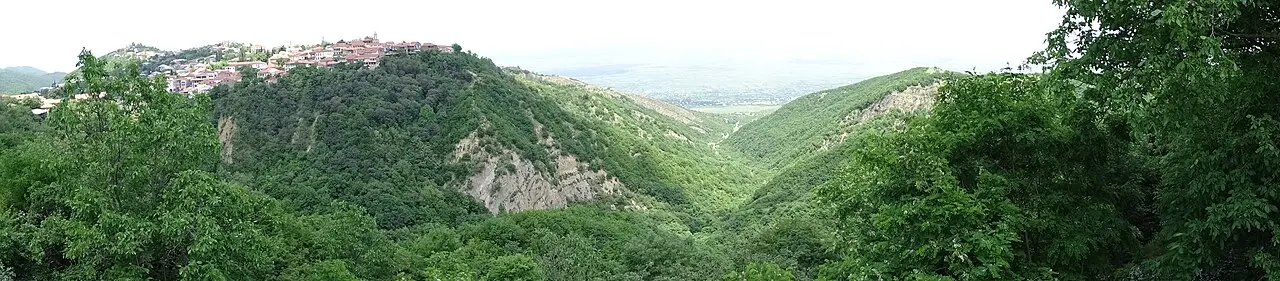
Drop back down and swing east into Kakheti, Georgia’s main wine region and the heartland of the qvevri method that put Georgian wine on the UNESCO list. Base yourself in or visit Sighnaghi, a walled hilltop town of balconied houses looking out over the Alazani valley, and tour a cellar or two. Just below the town sits the Bodbe convent, and if you’d rather not reposition you can just as easily do Kakheti as a long day trip straight from Tbilisi. It’s an easy, indulgent day and a gentle contrast to the mountains before you change countries.
Day 7: Cross into Armenia
This is your travel day. From Tbilisi it’s roughly 260 km south to Yerevan, and you cross at the Bagratashen-Sadakhlo checkpoint, an easy stop for most Western passports; a weekday morning clears in 20 to 40 minutes. The clever move isn’t to blast straight through but to break the drive in Armenia’s Debed canyon, where the UNESCO monasteries of Haghpat and Sanahin sit above the gorge, then push on to Dilijan or Lake Sevan for the night. The full run-down of marshrutka, shared taxi and the seasonal sleeper is in our Yerevan to Tbilisi guide; a private transfer with monastery stops is the smoothest way to do it as a sightseeing day.
Days 8 to 9: Lake Sevan and Dilijan
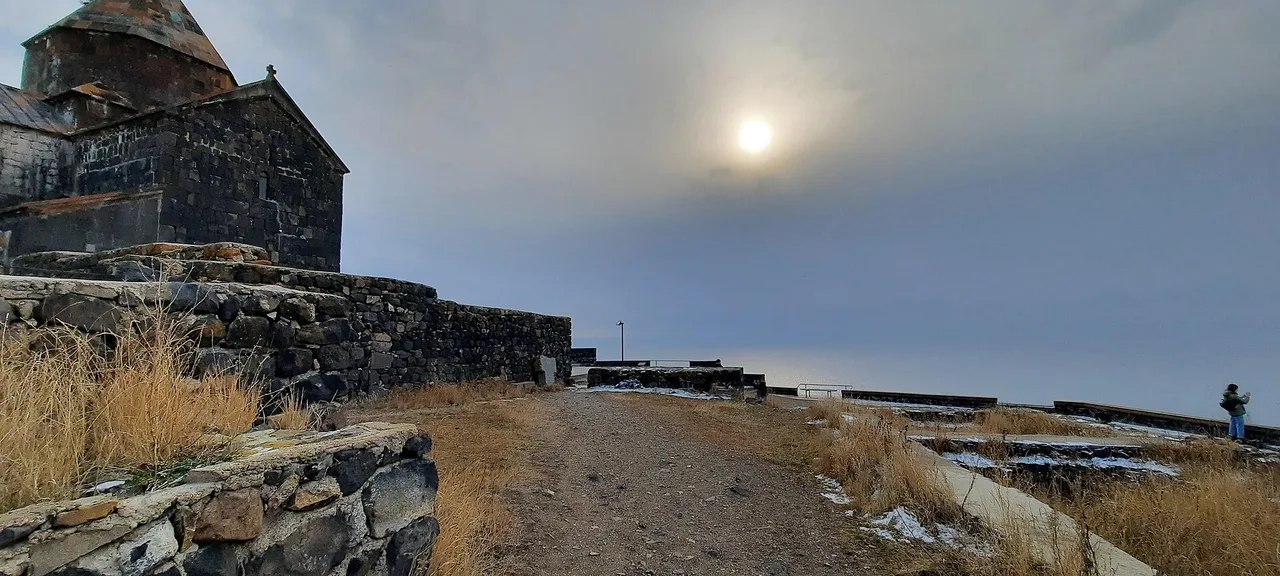
Ease into Armenia through its green north. Dilijan is the forested spa town locals call “little Switzerland”, good for a slow morning and the restored Sharambeyan craft street, with the wooded monasteries of Haghartsin and Goshavank a short drive up into the hills. Then it’s a short hop to Lake Sevan, the vast high-altitude lake that’s the country’s summer playground, with the Sevanavank monastery on its peninsula as the classic stop. Order the lake trout, ishkhan, while you’re here, and in July and August you can even swim. This stretch is the calm, scenic decompression between Georgia’s mountains and Armenia’s harder-hitting sights to come.
Days 10 to 11: Yerevan and its day trips
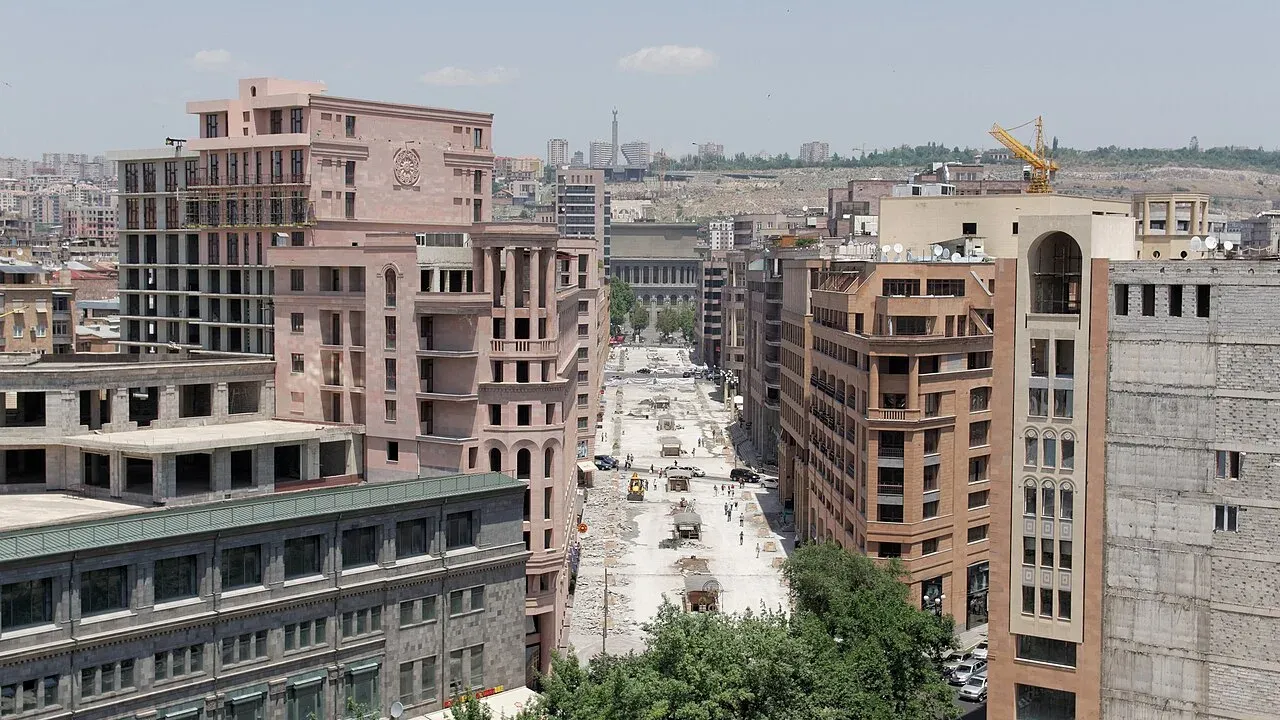
Settle into the Armenian capital, a walkable, cafe-loving city of pink tufa built around Republic Square and its evening singing fountains, the sculpture stairway of the Cascade, the Matenadaran manuscript museum and the weekend Vernissage market, with Mount Ararat floating on the skyline. Use it as a base for the two great half-day loops: the Hellenistic temple at Garni, with the basalt Symphony of Stones in the gorge below it, and the cave-church of Geghard, and, on the other side, Khor Virap monastery directly under Ararat paired with the cathedral city of Echmiadzin. Both are UNESCO-grade and both are close. Give the city itself an evening or two; the food and wine scene is a highlight in its own right.
Days 12 to 13: The Armenian south
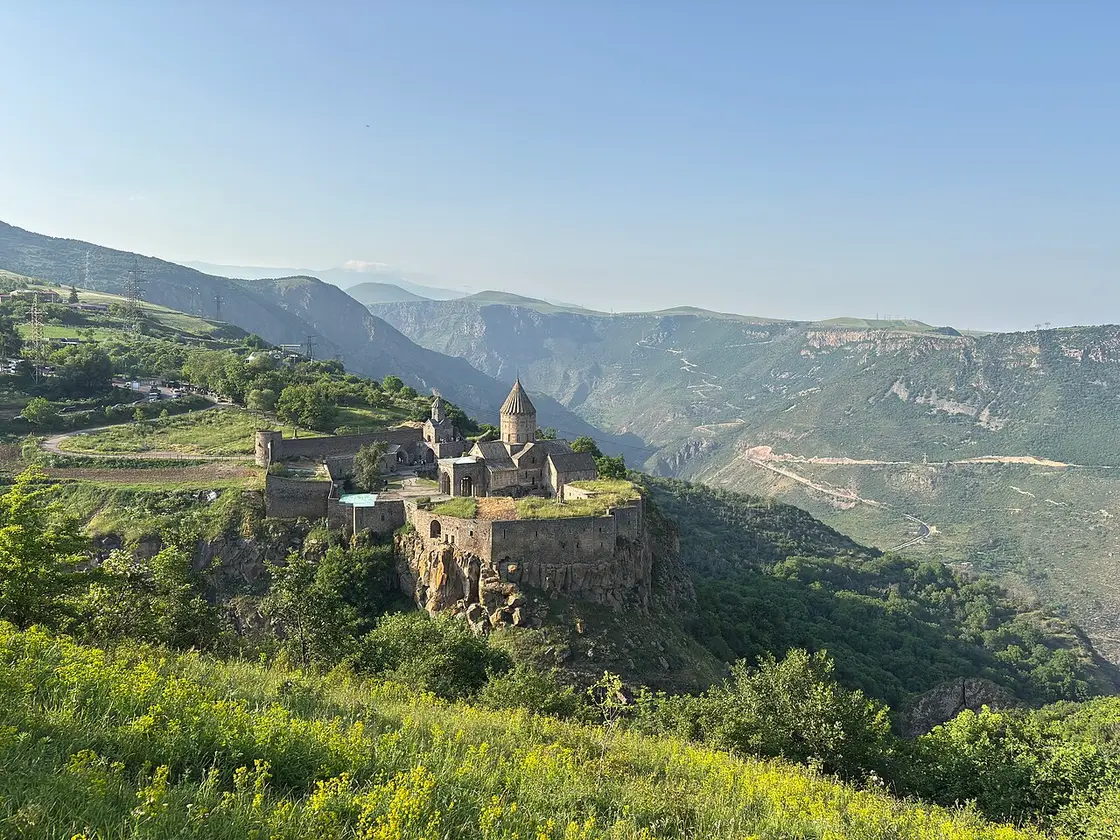
Save one of the country’s best drives for last. Head south through Areni, Armenia’s wine village and home to the Areni-1 cave where the world’s oldest known winery was excavated, to the red-rock canyon monastery of Noravank, then on to Tatev, reached by the Wings of Tatev, the world’s longest reversible cable car, strung across a deep gorge to a monastery on the far cliff. It’s a long way down and back, so overnight in Goris or Yeghegnadzor rather than trying to round-trip it from Yerevan in a day. This southern leg is where Armenia is at its most dramatic and least crowded, and if you have the extra day the swinging bridge and cave village at Khndzoresk are close by.
Day 14: Fly home, or add the coast
Return to Yerevan and fly out, having crossed the whole region from the Georgian high mountains to the Armenian deep south. If you’ve flown open-jaw, this is painless. Want more? In summer the direct sleeper train from Yerevan continues to the Black Sea, so you can tack on a few beach days in Batumi and fly home from there instead, using our Yerevan to Batumi train guide and our sister site’s Batumi page to plan it.
When to go
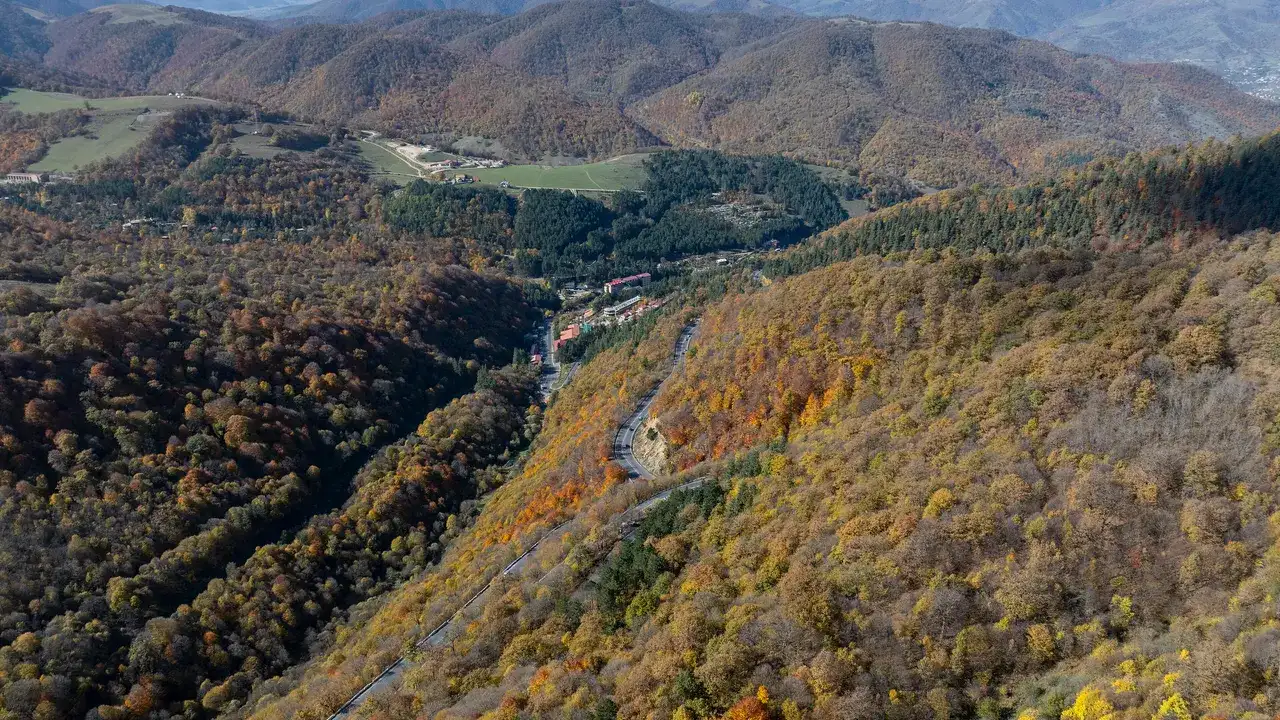
The prime windows are late spring and early autumn. May and June bring green hills, wildflowers and long days, while September and October give you warm afternoons, the grape harvest and real autumn colour, especially in Dilijan and the Georgian mountains. Peak summer, July and August, is hot in both capitals but ideal for Lake Sevan and the high country. Winter is the weakest time for this particular loop, because snow closes or complicates some mountain roads, including parts of the Kazbegi and Tatev approaches, so if you’re set on the full route, aim for the shoulder seasons.
Practical notes and how to flex it
A few things to lock down before you go. On entry, most nationalities get generous visa-free stays in both countries, up to 365 days per entry in Georgia and up to 180 days a year in Armenia, but confirm your own passport’s terms in our Armenia visa and entry guide. One entry rule is new and easy to miss: since 1 January 2026 Georgia requires every tourist to carry valid health and accident insurance of at least 30,000 GEL for the whole stay, it can be checked at the border, and without it you can be refused entry, so sort a policy before you fly into Tbilisi (US Embassy in Georgia; rules change, checked July 2026). Remember that Armenia’s borders with Turkey and Azerbaijan are closed, so the Georgian crossing is your only overland way in or out unless you go via Iran. Both countries are among the cheapest trips within reach of Europe, and both run on cash outside the capitals. On transport, most independent travellers mix marshrutkas and shared taxis with a rented car or a hired driver for the mountain legs, where public options thin out; a car earns its keep around Kazbegi and in the Armenian south far more than in the two walkable capitals.
To flex the plan: short on time, cut Kakheti and one Yerevan day for a ten-day version; got three weeks, add Georgia’s Svaneti in the far northwest or Armenia’s northern monasteries and a proper southern loop. If you’re still sizing the trip, our how many days in Armenia guide helps you weight the two halves. However you shape it, doing Georgia and Armenia together is the way to understand the Caucasus, two close cousins that make far more sense seen side by side than apart.
Read also
Before you go · 10 min read
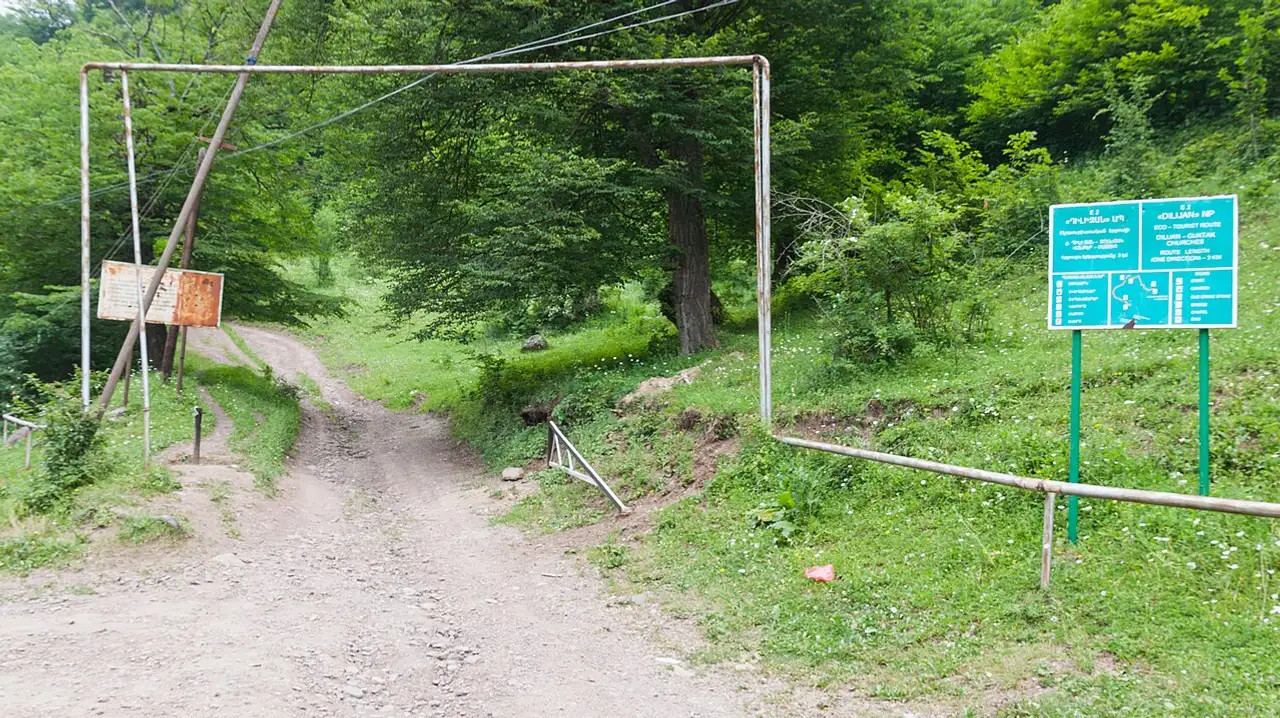
What to Pack for Armenia: Plugs & Layers
Verified · August 7, 2026Armenia packing list: Type C/F plugs at 230V, summer heat in Yerevan vs cold mountain nights, layers, eSIM and insurance to sort before you fly.
Before you go · 8 min read
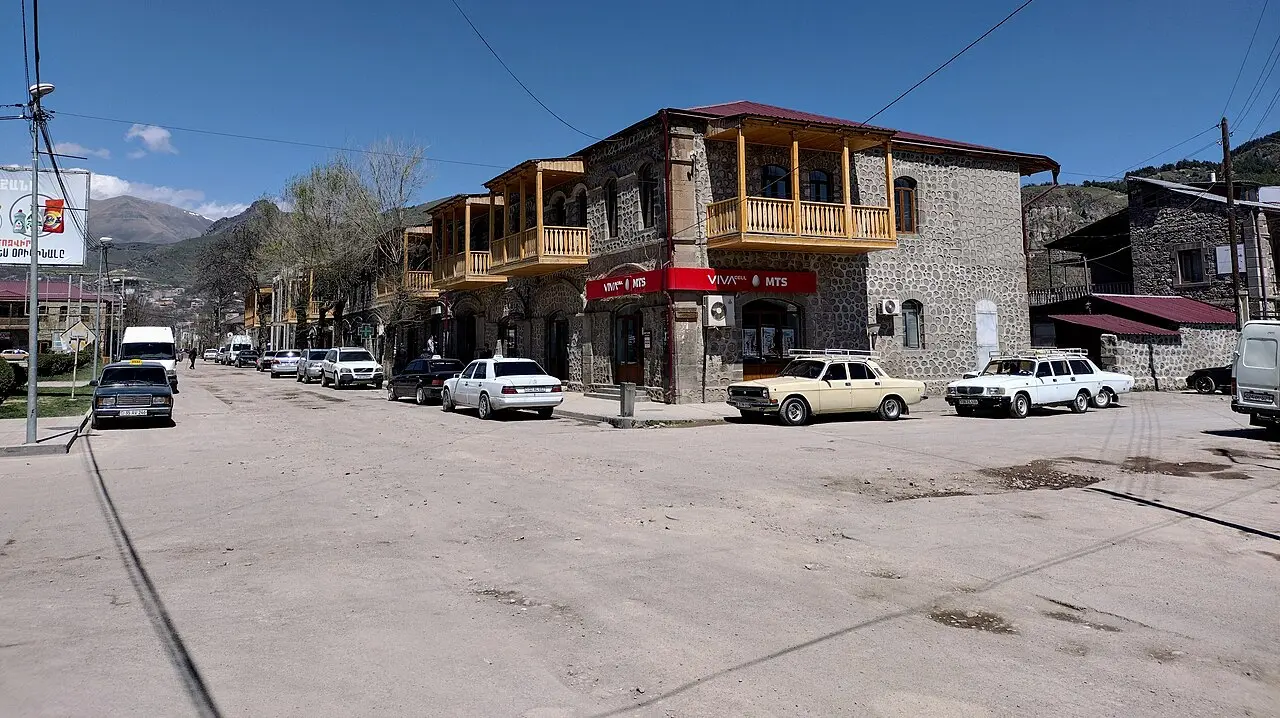
Where to Stay in Goris: Hotels for Tatev
Verified · August 7, 2026Where to stay in Goris for Tatev: centre hotels and guesthouses, honest day-trip warning (12-13 hours), and what a night in Syunik actually costs.
Before you go · 8 min read
Solo Female Travel in Armenia: Is It Safe?
Verified · August 6, 2026FCDO reports low crime in Armenia. Solo women should avoid informal or street-hailed taxis and use app, licensed or arranged transport.
Before you go · 12 min read
Armenia in October: Autumn Colour and Wine Festivals
Verified · September 23, 2026Armenia in October: peak leaf colour 15-20 October, the Areni wine festival on the 3rd, five times September rain, and what shuts for winter.