Yerevan to Tbilisi: Bus, Marshrutka & Train
How to get from Yerevan to Tbilisi in 2026: marshrutka and shared taxi (5-7 hours), the every-other-night sleeper, the Bagratashen border, prices and tips.
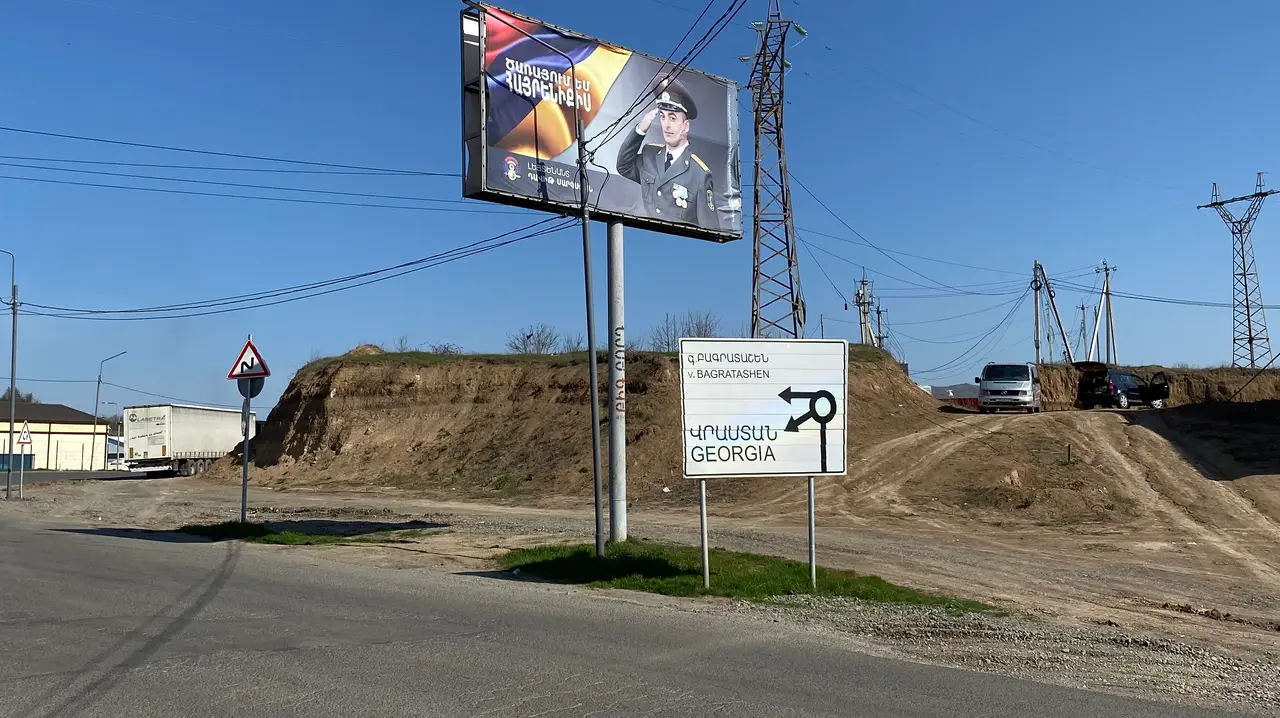
Yerevan and Tbilisi are the two great cities of the Caucasus, about 260 km apart, and getting between them is one of the classic overland trips in the region. You have three real ways to do it: the cheap and frequent marshrutka (a shared minibus, around 5-7 hours), a faster shared taxi for a bit more money, or the overnight train, which runs every other night and lets you sleep across the border. Getting to the bus station in the capital is simple with Yerevan’s taxi apps. The two road options cross at the Bagratashen-Sadakhlo checkpoint, an easy crossing for most Western passports; the train takes the rail crossing at Ayrum-Sadakhlo instead, where passport control comes to your berth. This guide covers what each option costs, how long it takes, where the buses leave from, and which one fits your trip (prices are 2026 ballparks and drift, so treat every figure as a rough guide).
The quick answer
If you want the cheapest, most frequent option and don’t mind a long day on the road, take the marshrutka from Yerevan’s Kilikia bus station for somewhere around 7,000-8,000 AMD. If you’re two or three people, or you value your time, a shared taxi covers the same route faster and more comfortably for more money. If you’d rather not lose a daytime to transit, the overnight train is the smart move, because it runs through the night and saves you a hotel bill; just note that on the summer timetable only the Tbilisi-to-Yerevan run is overnight, while the Yerevan-to-Tbilisi train leaves in the afternoon. And if you’ve luggage, a group, or simply want zero hassle, a pre-booked private transfer takes you door to door on your own timing.
One thing that surprises first-timers: there’s no fast option here. The road is winding through the mountains and the railway is old and slow, so nothing does this trip in under five hours. Build it into your plan as a travel day, not a quick hop, and it becomes a pleasant one.
Marshrutka: cheapest and most frequent
The shared minibus is how most people, locals and travellers alike, make this trip. From Yerevan they leave from the Kilikia central bus station (Kilikia avtokayan), a short taxi ride west of the centre, and the fare is roughly 7,000-8,000 AMD, paid in cash to the driver. Different sources quote anywhere from 6,500 to 8,000 AMD depending on the operator and the month, so carry a little extra and don’t be surprised by small variation. There’s no online booking: you turn up, buy a seat, and it leaves when it fills or at its scheduled time.
Departures run through the day, roughly from early morning until evening. Recent timetables have listed starts around 07:30, 08:30, 10:30, 13:00, 15:00, 17:00 and a late 21:30 run, but these change often, so confirm at the station the day before rather than banking on a specific slot. Coming the other way, marshrutkas leave Tbilisi from the Ortachala / Avlabari area on a similar spread through the day. The journey takes about 5.5 to 7 hours including the border stop, so a morning departure gets you in by mid to late afternoon.
Be honest with yourself about comfort. These are workhorse minibuses, often full, with limited legroom and a driver who sets his own pace and rest stops. It’s cheap and it’s sociable, but it’s not luxurious, and a long stretch of mountain road can feel long. If that’s fine by you, the marshrutka is unbeatable value.
The Bagratashen-Sadakhlo border crossing
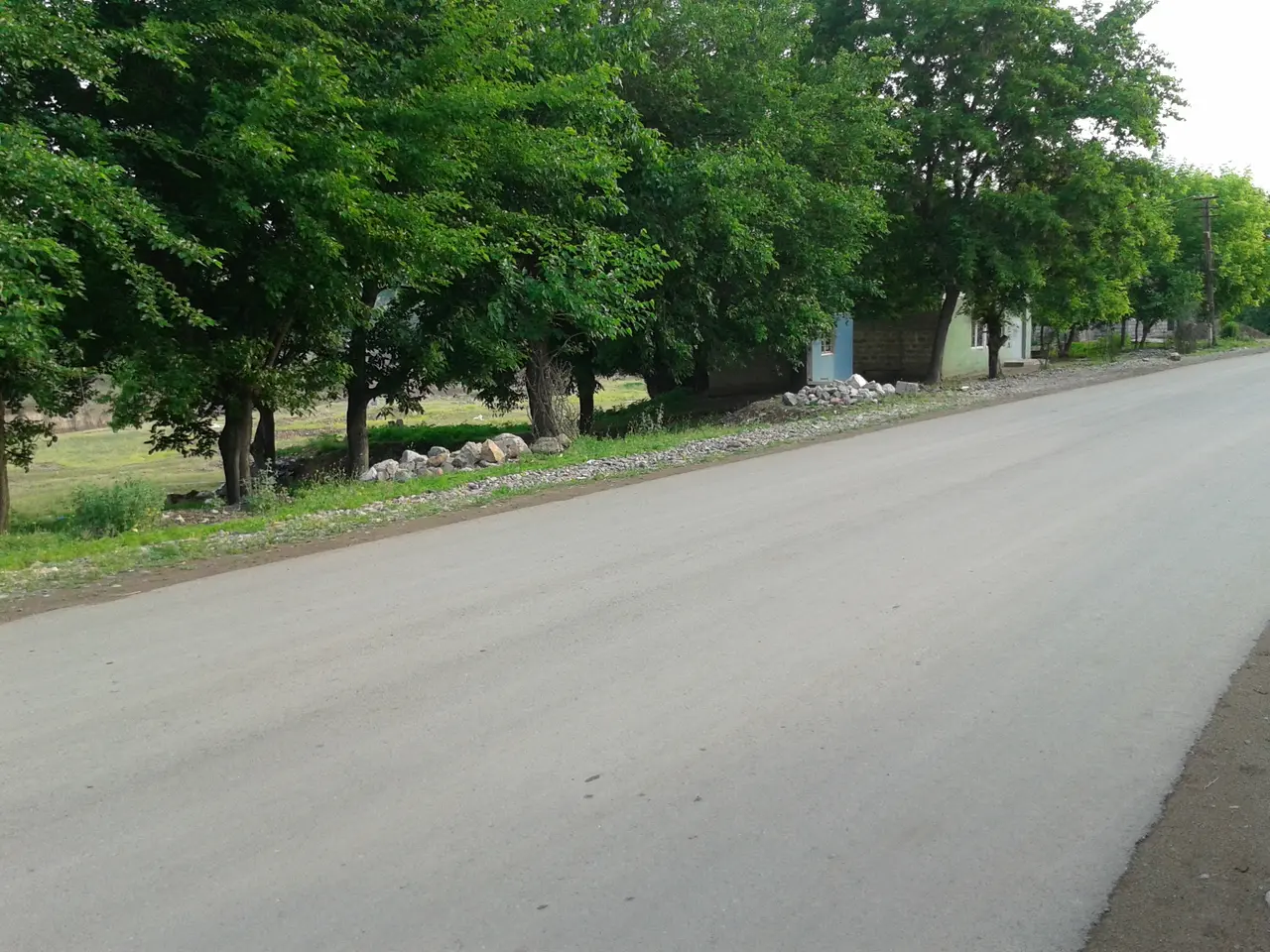
Every road option crosses at the same place: Bagratashen on the Armenian side, Sadakhlo on the Georgian side, in the green farming country of the far north. It’s a straightforward crossing, and the good news is you keep your seat. The minibus or taxi carries you right up to it; you get out only for passport control, walk across the short bridge over the Debed river, show your passport to the officers on the other side, then reboard the same vehicle and carry on. Your driver waits for the group.
How long it takes depends entirely on timing. On a weekday morning it can be as quick as 20-40 minutes; on a Friday, weekend or holiday it can stretch to an hour or two as the queues build. There’s not much you can do about it beyond travelling early in the week if you have the choice. Keep your passport and any documents in your hand luggage, not the hold, so you’re not digging for them at the window.
On visas, most Western travellers have nothing to arrange: citizens of the EU, UK, US, Canada and Australia enter Armenia visa-free for up to 180 days, and Georgia is generous too, so the crossing itself is just a stamp for those passports. Rules do change and depend on your nationality, though, so check your own situation before you travel; our full Armenia visa and entry guide walks through who needs what.
Shared taxi: faster, for a bit more
If the marshrutka feels too slow or too cramped, a shared taxi covers the same route with fewer stops and more room. Drivers gather at the same bus stations and around the border towns, filling a car with four passengers headed the same way, and they generally move faster than the minibus because they make fewer halts. You pay more per seat than the marshrutka, and it is worth agreeing the exact fare before you get in rather than after, since there’s no meter and prices are negotiable.
For a small group this is often the sweet spot. Split between three or four people, a shared or chartered taxi isn’t wildly more expensive than the bus, and you get door-to-flexibility, your own luggage space and a driver who will usually stop where you ask. If you would rather lock the price and the pickup in advance rather than haggle at a station, a pre-booked private transfer does exactly that: a fixed fare agreed online and a driver who takes you the whole way, from your Yerevan address to your Tbilisi one, on your schedule.
The overnight train: sleep across the border
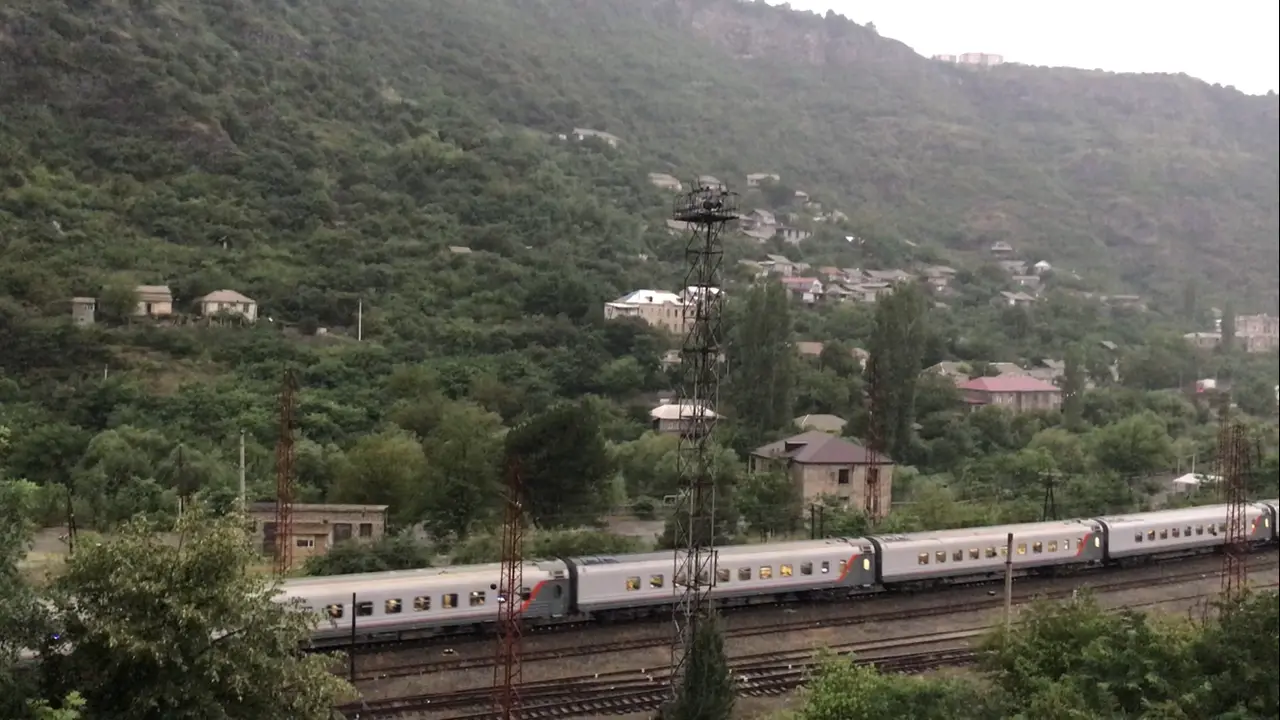
The Yerevan-Tbilisi sleeper is the romantic option and, in one direction, a genuinely practical one. It’s the last surviving passenger rail link between the two capitals, an old Soviet-era service that trundles north through the Debed canyon, and it runs year-round on an every-second-night pattern, with a different summer timetable: through the summer, roughly from mid-June to the start of October, it also continues on to Batumi on the Black Sea coast, which we cover in full in our guide to the Yerevan to Batumi summer train. Because it’s every other night rather than daily, and the times shift between the summer and winter schedules, check the current calendar before you build a plan around it.
On the summer timetable (14 June to 1 October in 2026) the timings strongly favour one direction. Coming from Tbilisi to Yerevan, it’s a true overnight run: it leaves Tbilisi late, around 22:40, and pulls into Yerevan the next morning, around 09:00, so you sleep the whole way and save a night’s accommodation. Going the other way, from Yerevan to Tbilisi, the same train leaves in the early afternoon, around 14:00, and reaches Tbilisi just after midnight, which is a long scenic afternoon on the rails but a late, tired arrival. Most travellers therefore take the road south to north and the train north to south, using it on the Tbilisi-to-Yerevan leg where the overnight timing works in their favour. From 2 October 2026 to 13 June 2027 the winter timetable makes it an overnight run both ways, leaving Yerevan on even-numbered dates in the evening and reaching Tbilisi in the morning. The whole trip is around 10 hours either way, slower than the road but far more restful when you can sleep through it.
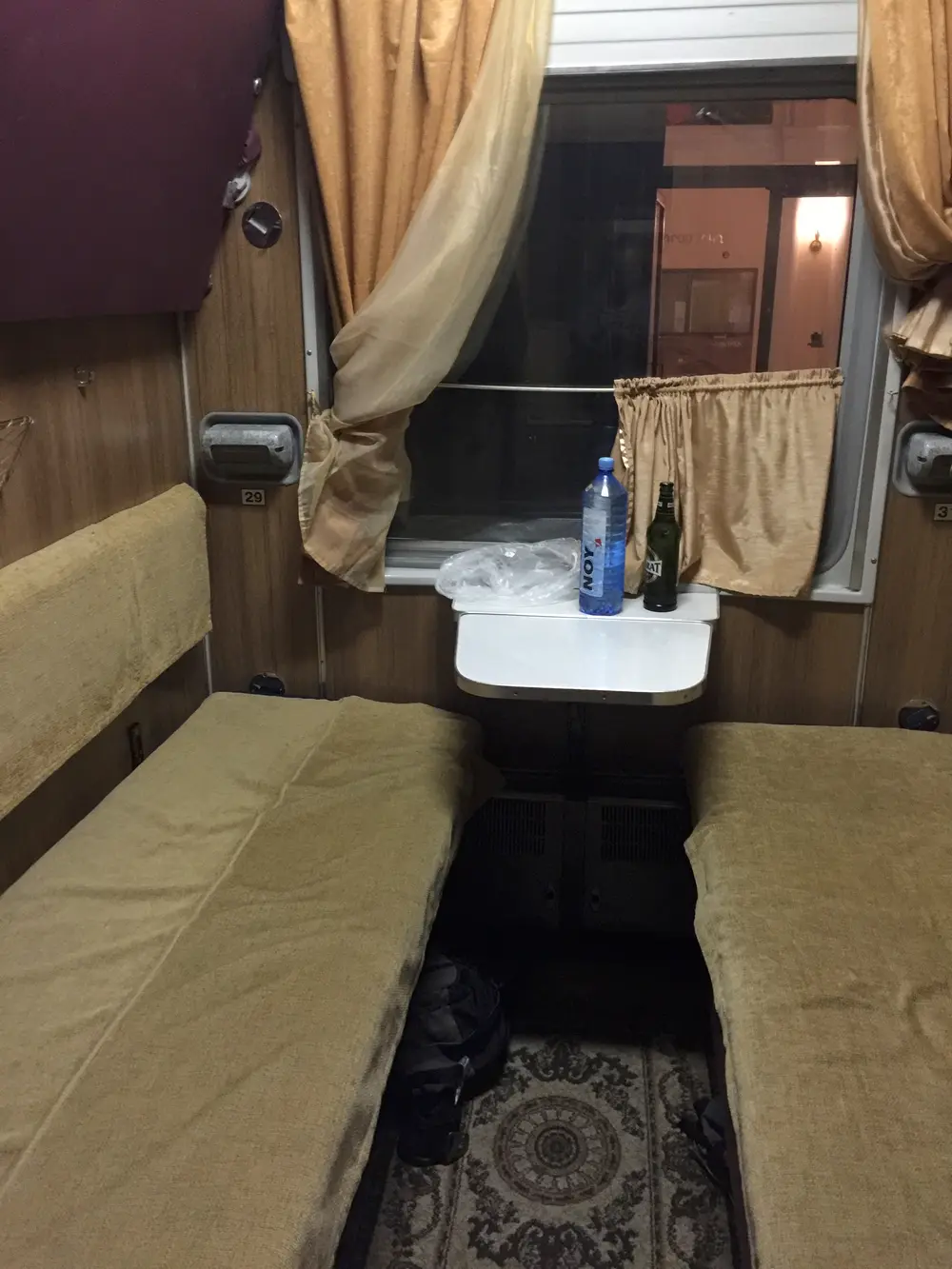
There are three main classes, and the price a little more than doubles from cheapest to dearest. Cheapest is platskart, the open dormitory-style carriage; then the four-berth kupe compartment; and at the top a two-berth SV (soft) compartment, which the railway’s site calls lux. In late September 2026 South Caucasus Railway’s own booking site sold a Yerevan-Tbilisi berth on the summer train for about 11,700 AMD (roughly $32) in platskart, 16,200 AMD (roughly $45) in kupe and 26,500 AMD (roughly $73) in lux, and listed the winter train from 2 October at about 15,700-29,900 AMD (roughly $43-82). Prices moved a little even between the two days we checked, so look up your own date when you book. Tickets can be bought online in English via the South Caucasus Railway site, or in person at the station, and sales open around 40 days ahead. In July and August the sleepers fill, so book early if you want a specific class or the overnight direction.
What about flying?
There are also short flights between Yerevan and Tbilisi, and on paper the flight time is tiny. In practice, for a trip this short, flying rarely wins: once you add getting to Zvartnots, check-in, security and the ride from Tbilisi airport into the city, the door-to-door time isn’t far off the road, and the fare is usually much higher than a bus seat. It can make sense if you find a cheap deal, if you’re connecting to somewhere else, or if you simply want to skip the border. For most travellers doing the classic Caucasus route, though, the overland trip is cheaper, more scenic and part of the experience.
Which should you choose?
Match the option to your trip rather than defaulting to one:
- Marshrutka: cheapest and most frequent, around 7,000-8,000 AMD, 5-7 hours, several daily from Kilikia. Best if you’re counting the budget and don’t mind a long, basic ride.
- Shared taxi: faster and roomier than the bus for more money; agree the fare first. Best for a small group or when you value time and comfort.
- Overnight train: every second night, about 11,700-26,500 AMD (roughly $32-73) by class in late September 2026, more on the winter train. Best on the Tbilisi-to-Yerevan leg, where it runs overnight and saves a hotel; book early for July-August.
- Private transfer: fixed price, door to door, your own timing. Best with luggage, a family or a group who want zero hassle.
- Flight: fast in the air but rarely worth it door to door for so short a hop, unless you find a deal or are connecting onward.
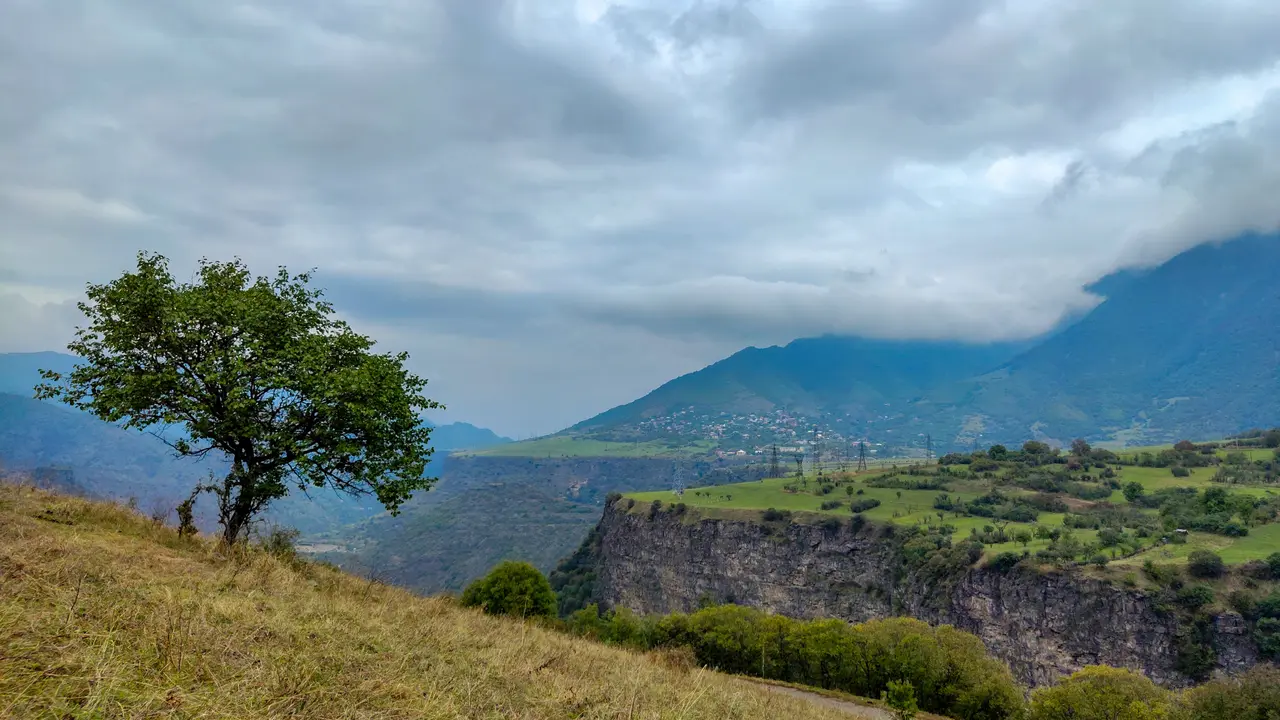
Whichever you pick, this is a travel day worth savouring rather than rushing: the road and rail both climb through the Debed canyon, one of the prettiest stretches in northern Armenia, and the border itself is a small adventure. If you break the journey, the Armenian second city of Gyumri sits close to the route and makes a natural overnight stop, and it’s well worth a day. For getting around once you’re back on Armenian soil, our guide to getting around Armenia without a car covers the marshrutka stations, the domestic trains and the taxi apps, and if Yerevan is your first stop in the country, our guide to how to get to Armenia covers the flights and the wider overland picture. Arriving in Tbilisi with a night or two to spare? Our sister site’s guide to Tbilisi will point you at the old town, the sulphur baths and the wine. If you’re still deciding whether to give more of your trip to Armenia or Georgia, our Armenia vs Georgia comparison lays out the trade-offs, and if it’s the two capitals themselves you’re choosing between, our Yerevan vs Tbilisi guide weighs them side by side. Sort your seat, keep your passport handy, and enjoy the ride between the Caucasus capitals.
Photos
Read also
Transport · 10 min read
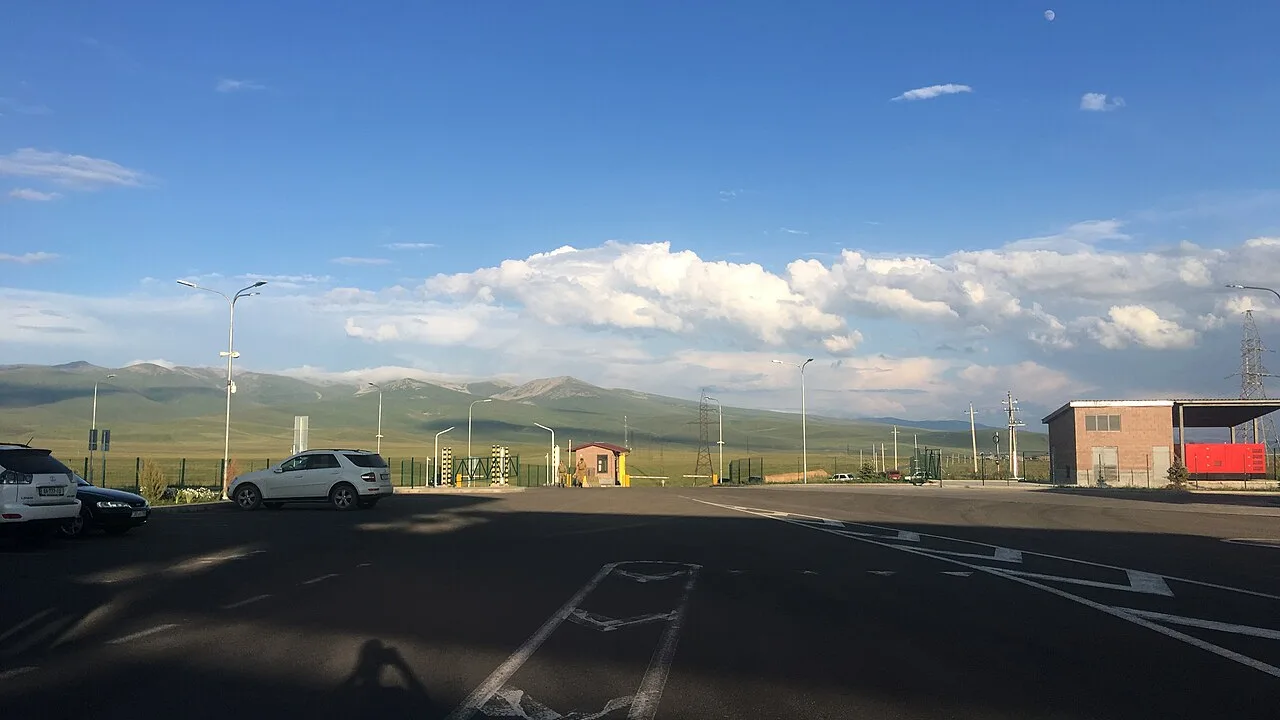
Gyumri to Tbilisi 2026: Train, Road & Border
Verified · August 12, 2026Gyumri to Tbilisi in 2026: SCR train times via Gyumri (summer 16:29→00:11; winter 23:59→07:35), Bavra road crossing, marshrutka and private transfer.
Transport · 13 min read
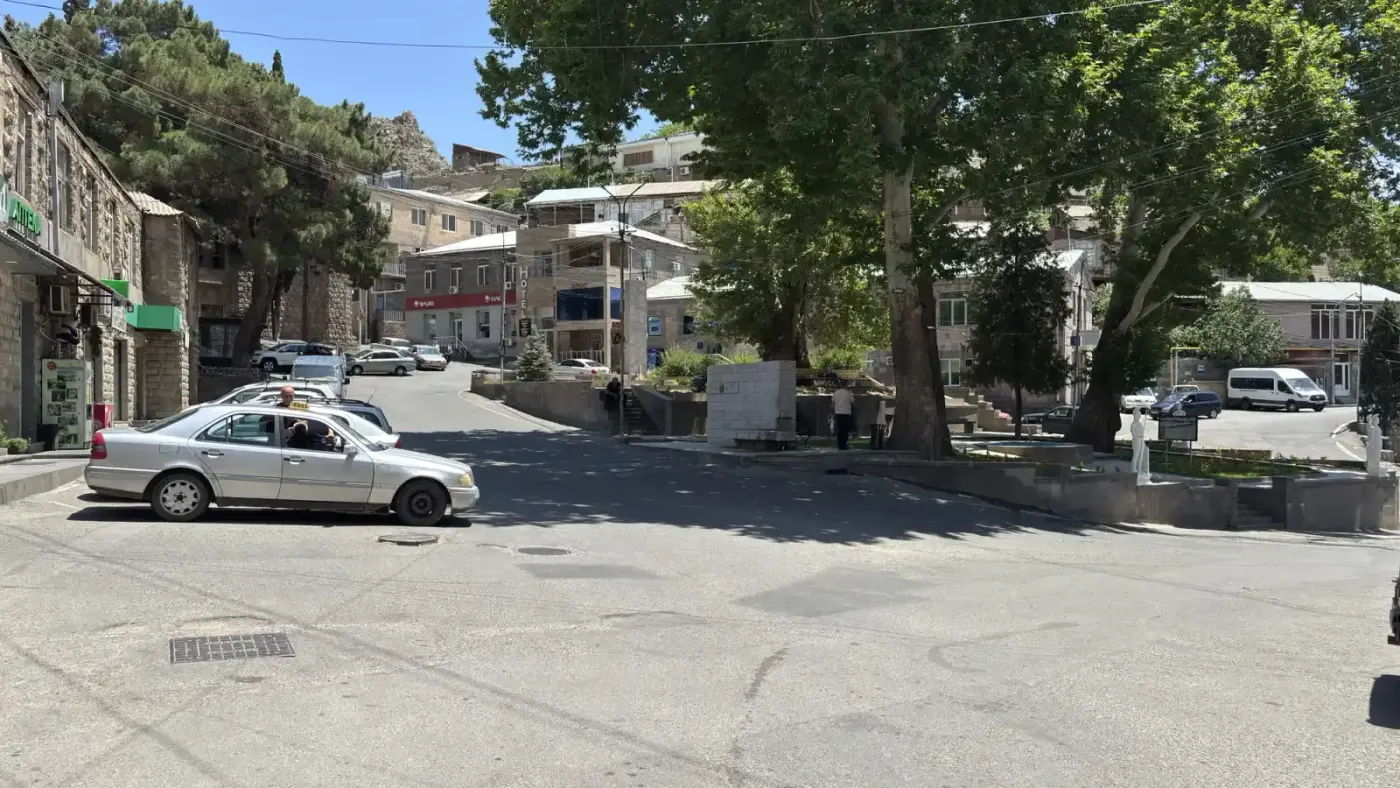
Armenia to Iran Border Crossing: Meghri-Agarak (2026)
Verified · August 9, 2026Armenia-Iran border crossing at Meghri-Agarak in 2026: visa rules by nationality, the Yerevan-Tehran bus, carnet rules and the current safety picture.
Transport · 8 min read
Yerevan Public Transport: Metro, Buses & Fares
Verified · July 12, 2026How Yerevan public transport works in 2026: the Soviet metro, city buses and trolleybuses, vanishing marshrutkas, and the new 150 AMD tap-and-go fare.
Transport · 9 min read
Yerevan to Jermuk: Bus, Taxi & Car
Verified · August 9, 2026How to get from Yerevan to Jermuk in 2026: the Kilikia marshrutka, taxis and private transfers, or self-drive - prices, times and the spa-town catch.