Yerevan vs Tbilisi: Which City to Visit First?
Yerevan or Tbilisi? A city-break comparison on walkability, cafes, wine, nightlife and cost, plus which Caucasus capital to see first when you do both.
If you’re flying into the Caucasus and can only book one city, the easy call is Tbilisi first, purely because it has far more direct flights and works better as a base for the wider region. But that’s a logistics answer, not a taste answer. As city breaks the two capitals feel genuinely different: Yerevan is the compact, cafe-lounging, pink-stone grid where everything is a walk away, and Tbilisi is the older, hillier, louder one with the sulphur baths and the club scene. This guide breaks down how each city actually reads on the ground, so you can decide which one you want to give the first and best days of your trip to.
The two sit about 260 km apart and are joined by a cheap marshrutka and a seasonal sleeper train, which is why almost nobody who comes this far does only one. If you’re weighing the whole trip rather than just the cities, our Armenia vs Georgia comparison covers the nature, coast, safety and visa side; this page zooms in on the two capitals.
The short answer by type of traveller
Pick Yerevan if you want a calm, walkable, coffee-and-brandy kind of break where you can see most of the centre on foot and never feel rushed. Pick Tbilisi if you want a bigger, buzzier city with a denser old town, a real nightlife reputation and more variety in where to eat. First-timers to the region and anyone chasing a party lean Tbilisi; people who like a slower, more understated city and repeat Caucasus visitors often prefer Yerevan. Neither is a mistake, and both are small enough to know well in two or three days.
Getting around: compact grid vs hillside sprawl
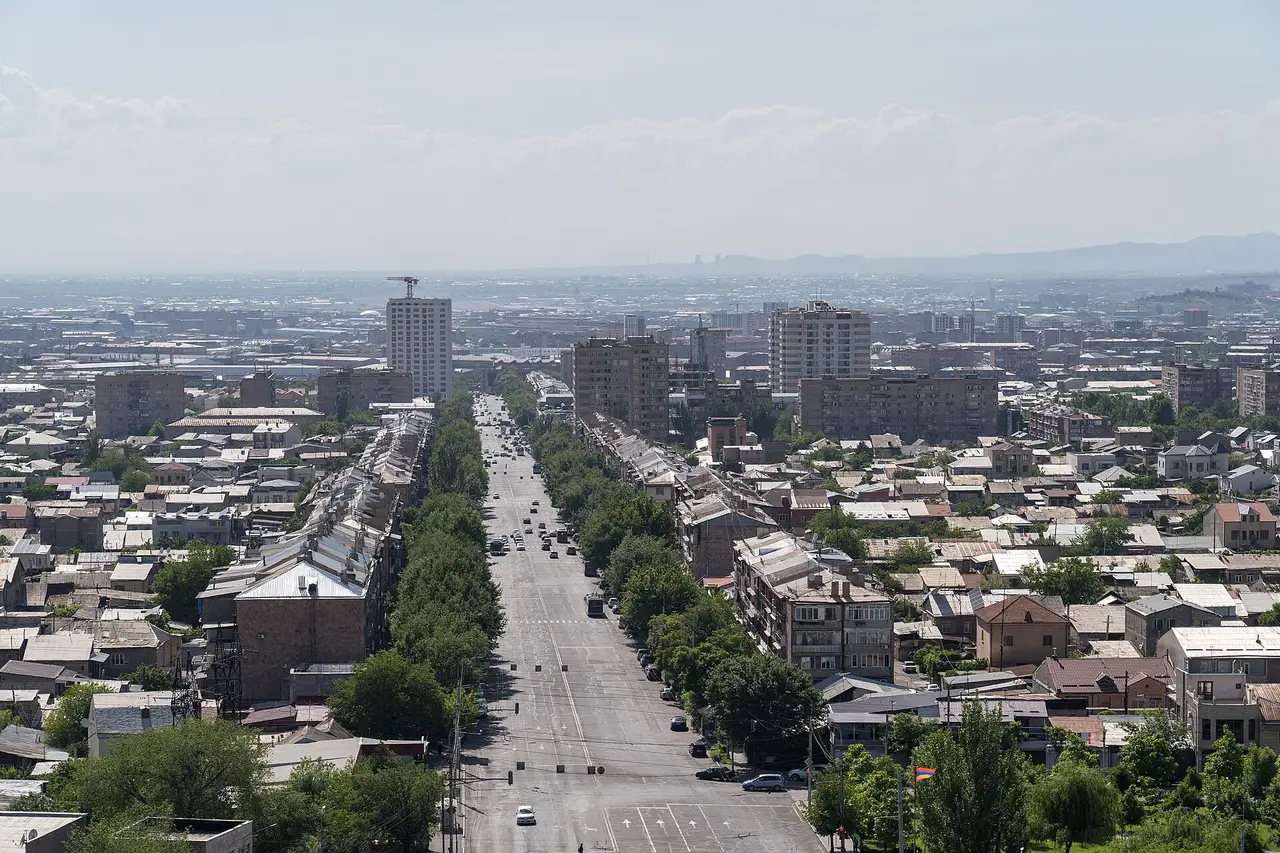
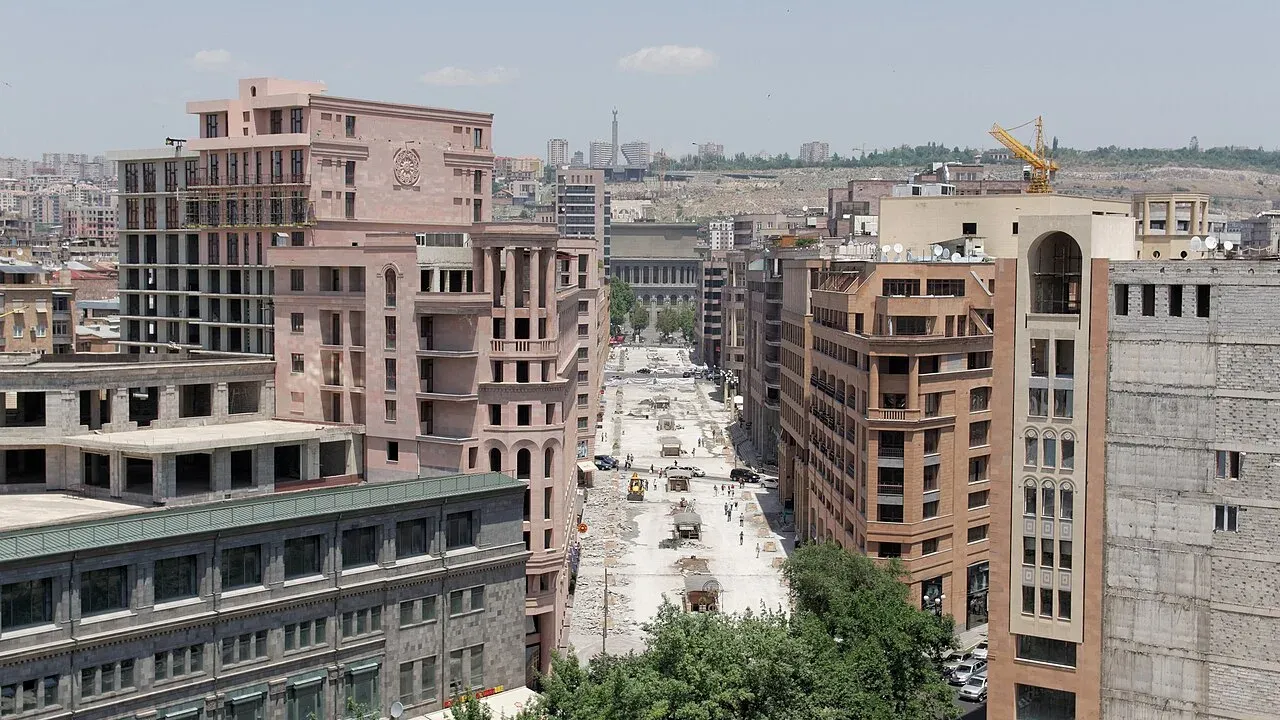
The single biggest practical difference is how the two cities are laid out. Yerevan is flat and tightly gridded, built in the twentieth century around a ring of boulevards, so the sights cluster inside a walkable core. Republic Square, the Opera, the Cascade, the Vernissage market and the cafe streets are all a ten-to-twenty-minute stroll from each other. You can genuinely do central Yerevan without ever opening a ride app, which is rare for a capital.
Tbilisi is the opposite: old, and draped over steep hills on both banks of the Mtkvari river. The medieval Old Town, the fortress, the newer districts and the leafy Vake and Vera neighbourhoods are spread out and separated by climbs, so you’ll lean on the metro, the odd cable car and short taxi hops far more than in Yerevan. That sprawl is part of the charm, but be honest with your knees: Tbilisi is a city you work at, and Yerevan is one you drift around.
The look and the feel
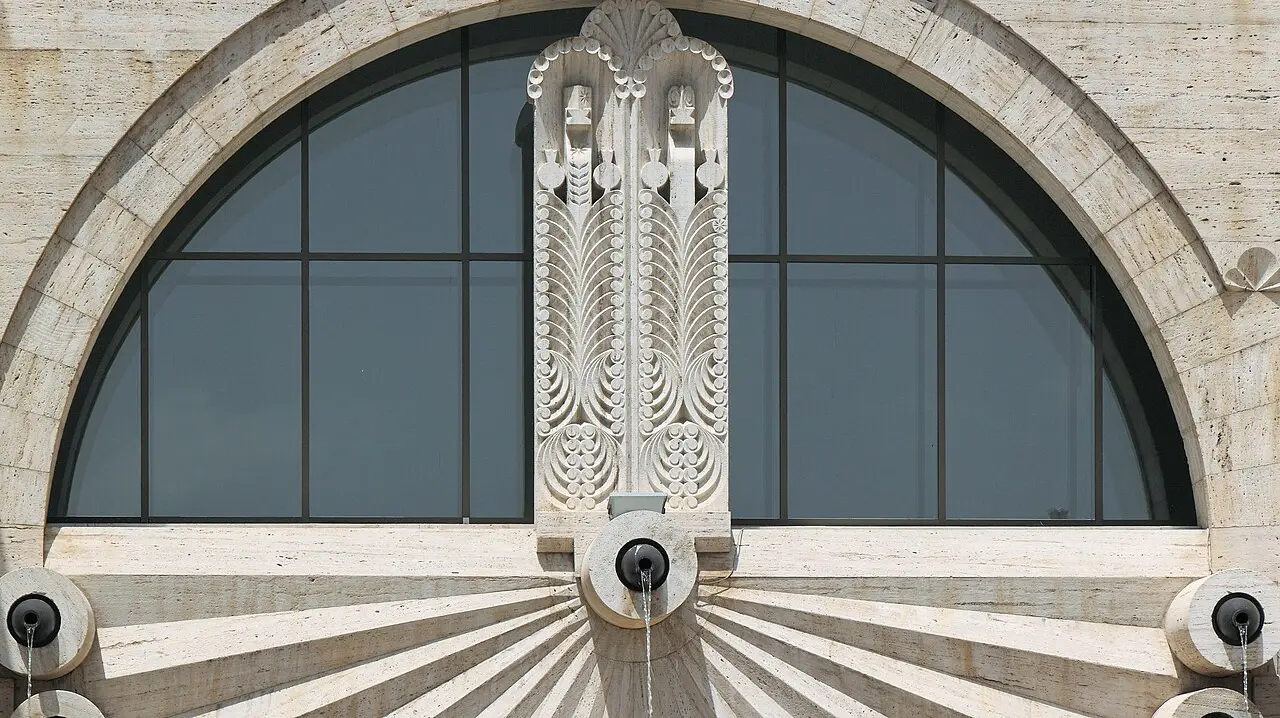
They photograph as different eras. Yerevan is a pink and apricot city, built almost entirely from the local volcanic tufa that turns gold at sunset, laid out in wide tree-lined avenues with fountains and Soviet-era monuments. The centrepiece is the Cascade, a giant limestone stairway of terraces and sculpture galleries climbing the hillside, and on a clear morning Mount Ararat floats on the skyline behind it. It’s a young-feeling, deliberately planned city, and the older Yerevan predates most of Europe: it was founded in 782 BC as the fortress of Erebuni, which makes it a little older than Rome, even if almost nothing of that age is still standing.
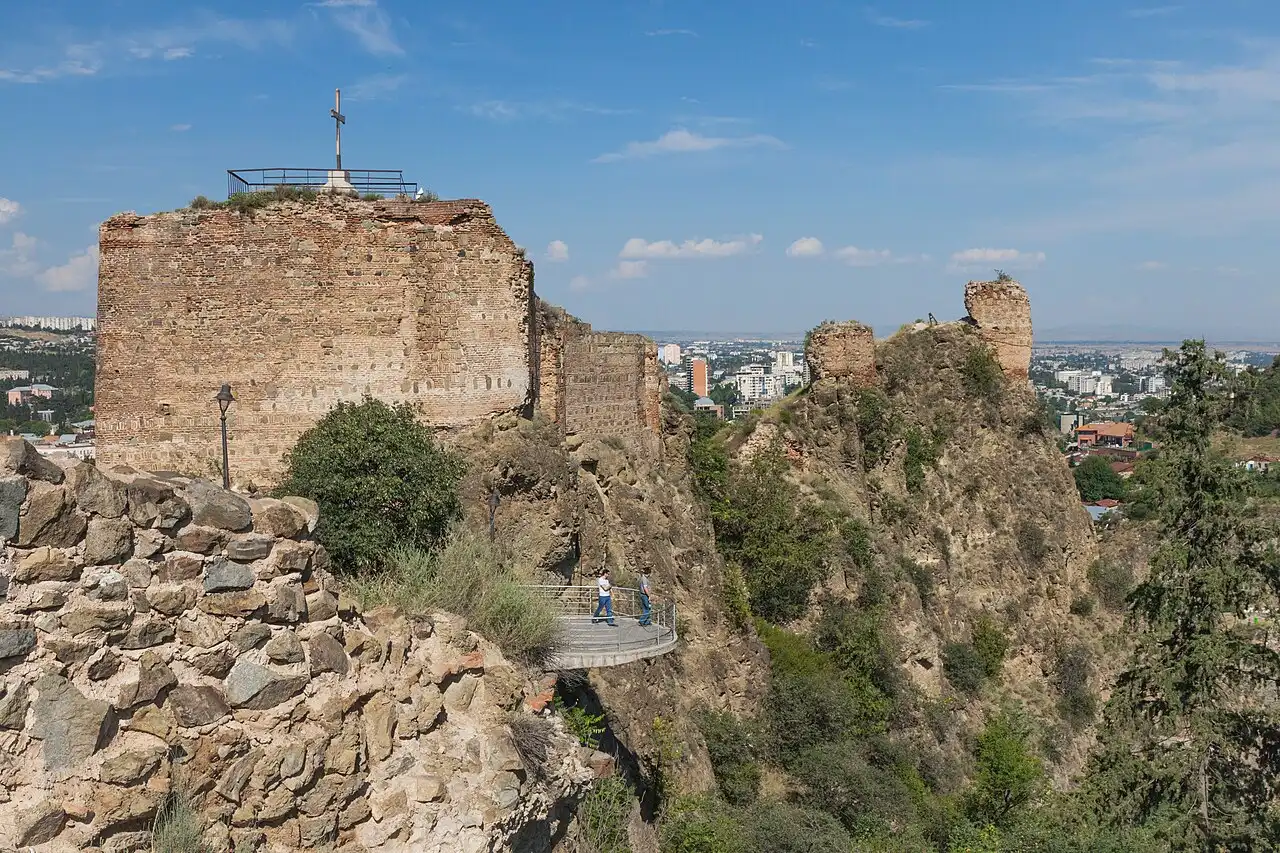
Tbilisi wears its age on the surface. The Old Town is a tangle of carved wooden balconies, crooked lanes and courtyard churches under the Narikala fortress, with the domed brick Abanotubani sulphur baths in the middle and a cable car running up to the ridge. Founded in the fifth century AD, the story goes, when King Vakhtang’s hunting falcon fell into a hot spring, it even takes its name from the Georgian for warm. Where Yerevan is planned and uniform, Tbilisi is layered and slightly chaotic, and if you’re after the texture of an old city, this is the richer one to wander.
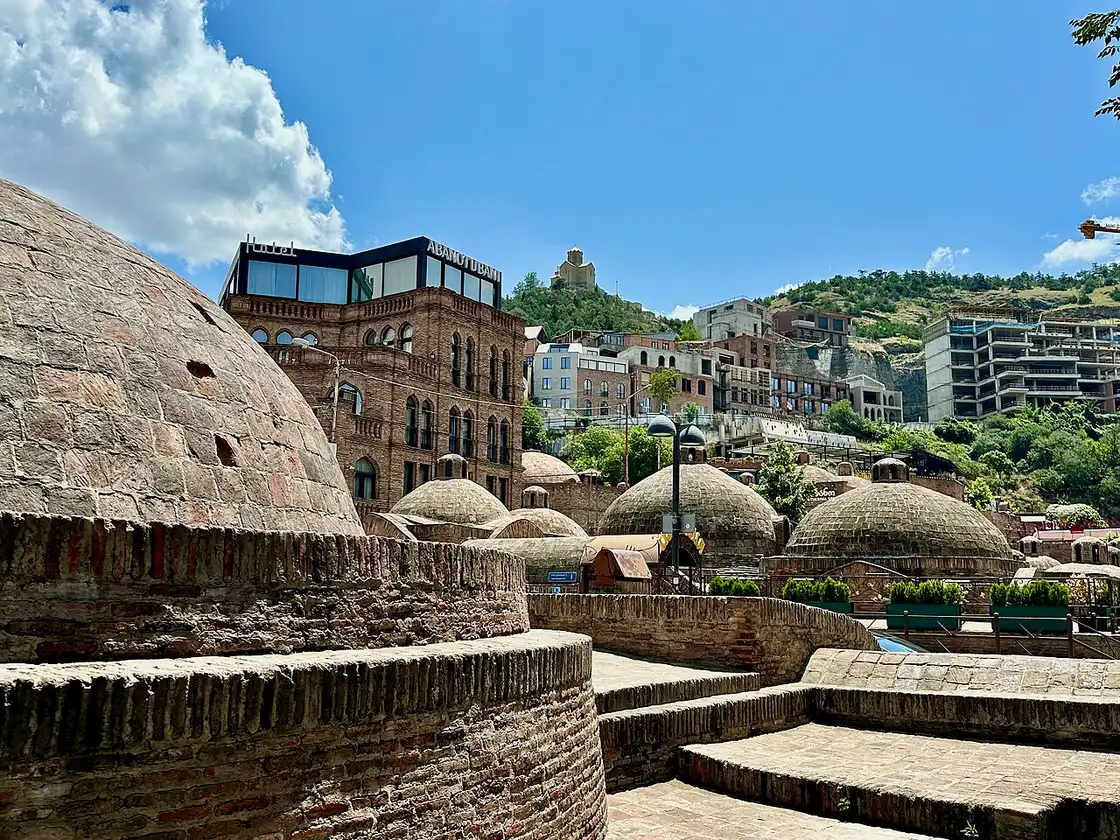
Cafes, food and wine
Both cities eat and drink extremely well, but the register differs. Yerevan runs on cafe culture. In summer the tables spill across the squares and down the boulevards, coffee and Armenian brandy are the local ritual, and the pace is unhurried - you’ll sit for hours, and that’s the point, not a problem. The food leans on khorovats barbecue, dolma, lavash and the fruit that ends up in everything.
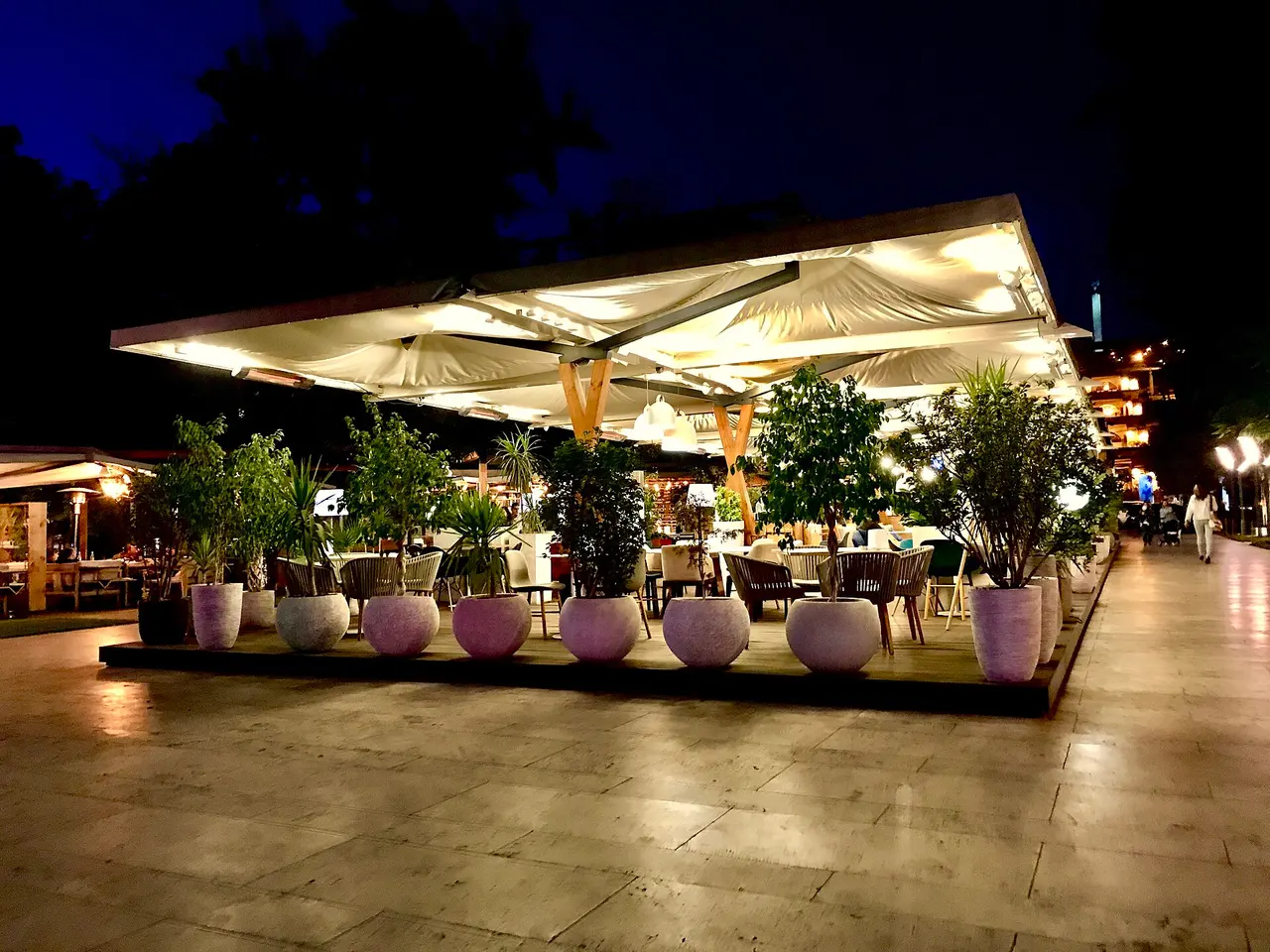
Tbilisi has the deeper and more varied dining scene, with more international options and a wave of buzzy modern Georgian restaurants alongside the classics of khinkali dumplings and molten khachapuri cheese bread. On wine, this is a proper rivalry with real history on both sides: Georgia holds the older continuous winemaking tradition, fermenting in buried qvevri jars in a method now on the UNESCO list, while Armenia holds the oldest excavated winery, the 6,100-year-old press in the Areni-1 cave. In the glass, Tbilisi has the denser cluster of natural-wine bars, while Yerevan pairs its wine with a brandy heritage the Georgians can’t match. Neither city will leave you hungry or sober.
Nightlife
If a big night out is a deciding factor, Tbilisi wins clearly. It has built an international name on its club scene, with serious techno venues and a wine-bar culture that keeps going late, and it simply offers more choice after midnight. Yerevan is livelier than its reputation suggests, with plenty of bars and late cafes and a warm social buzz on the squares well past midnight, but the overall volume is lower and the vibe is more relaxed than raucous. Party travellers should start in Tbilisi; anyone who prefers a good dinner and a long drink over a 3 am club will be perfectly happy in Yerevan.
What it costs
Both capitals are among the best-value city breaks within reach of Europe, and the gap between them is small. Broad cost-of-living comparisons put Tbilisi at roughly ten percent cheaper than Yerevan overall, though prices swing far more with the season and with your own habits than with which side of the border you’re on. In practice, a coffee, a good dinner with wine, a museum ticket and a taxi across town all cost about the same modest amount in either place. For where to base yourself in the Armenian capital, our guide to where to stay in Yerevan breaks down the neighbourhoods, and to see how far a daily budget stretches, our cost of living in Yerevan piece has the real numbers.
As a base for day trips
This is where the choice gets strategic, because you’re really choosing a launchpad. From Yerevan you’re within a couple of hours of an extraordinary density of sights: the temple at Garni and the cave-church of Geghard, Khor Virap under Ararat, Lake Sevan, the monasteries of the north and the cable car to Tatev in the south. The list of what fills those days is in our guide to the best things to do in Yerevan. From Tbilisi the day trips run to the wine region of Kakheti, the cave city of Uplistsikhe, the hilltop town of Sighnaghi and, further out, the high-mountain drama of Kazbegi. Both are excellent hubs; Tbilisi’s day trips lean towards wine and mountains, Yerevan’s towards ancient stone churches in dramatic settings.
So which one first?
If you’re doing both, and you should, the logistics usually decide the order for you. Fly into Tbilisi, because it has the wider choice of direct flights and cheaper fares from Europe and the Gulf, give it your first few days, then take the marshrutka or the summer sleeper down to Yerevan and work the Armenian side from there; the timings and the border are laid out in our Yerevan to Tbilisi guide. A couple of practical notes on that leg: the marshrutka takes about 5.5 to 7 hours through the Bagratashen-Sadakhlo checkpoint, which clears in 20 to 40 minutes on a weekday morning but can stretch to an hour or two on a Friday or weekend, and the sleeper runs every other night rather than daily, so check the current calendar before you build a plan around it. Keep your passport in your hand luggage, not the hold, for the border window. If you’re planning the Georgian half in detail, our sister site’s guide to Tbilisi is the place to start.
If you genuinely have to choose only one, choose by mood. Want a dense, hilly, going-out old city with the best dining and clubs in the region? Tbilisi. Want a calm, walkable, coffee-and-Ararat city you can cover on foot and still feel unrushed? Yerevan. And if you can’t decide, that’s the clearest sign of all that you should be booking both.
Read also
Before you go · 10 min read
What to Pack for Armenia: Plugs & Layers
Verified · August 7, 2026Armenia packing list: Type C/F plugs at 230V, summer heat in Yerevan vs cold mountain nights, layers, eSIM and insurance to sort before you fly.
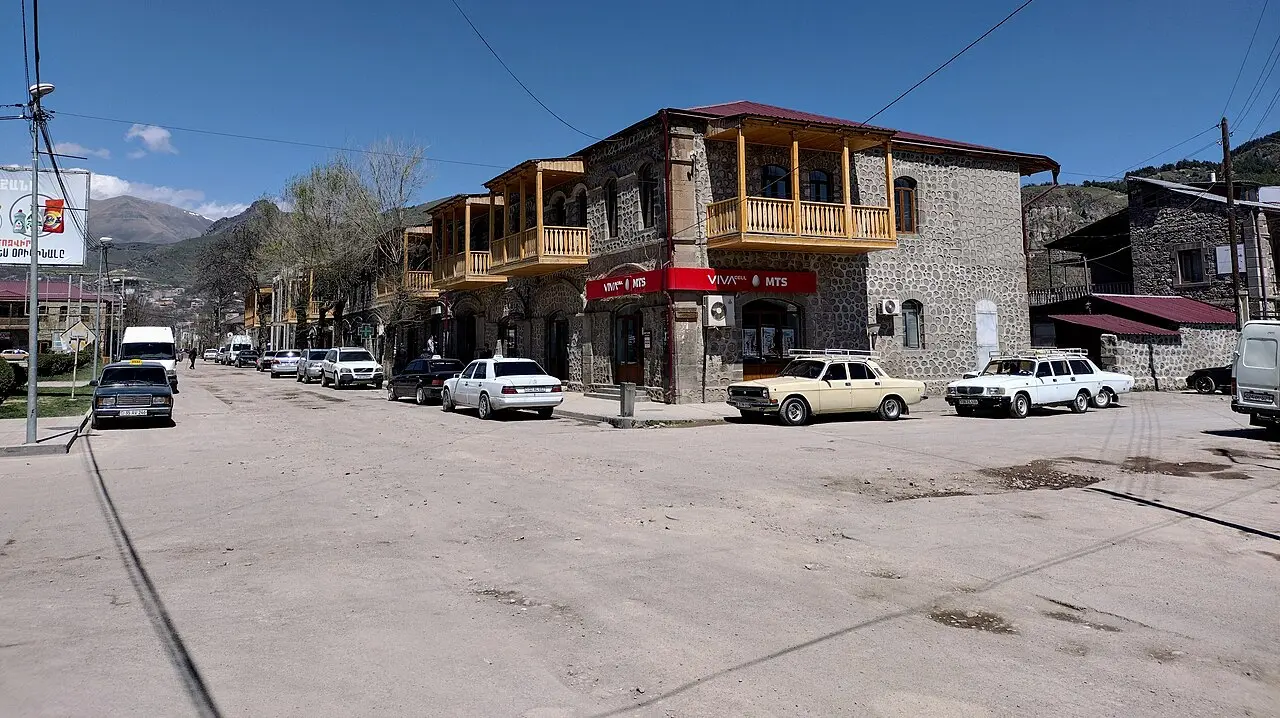
Before you go · 8 min read
Where to Stay in Goris: Hotels for Tatev
Verified · August 7, 2026Where to stay in Goris for Tatev: centre hotels and guesthouses, honest day-trip warning (12-13 hours), and what a night in Syunik actually costs.
Before you go · 8 min read
Solo Female Travel in Armenia: Is It Safe?
Verified · August 6, 2026FCDO reports low crime in Armenia. Solo women should avoid informal or street-hailed taxis and use app, licensed or arranged transport.
Before you go · 12 min read
Armenia in October: Autumn Colour and Wine Festivals
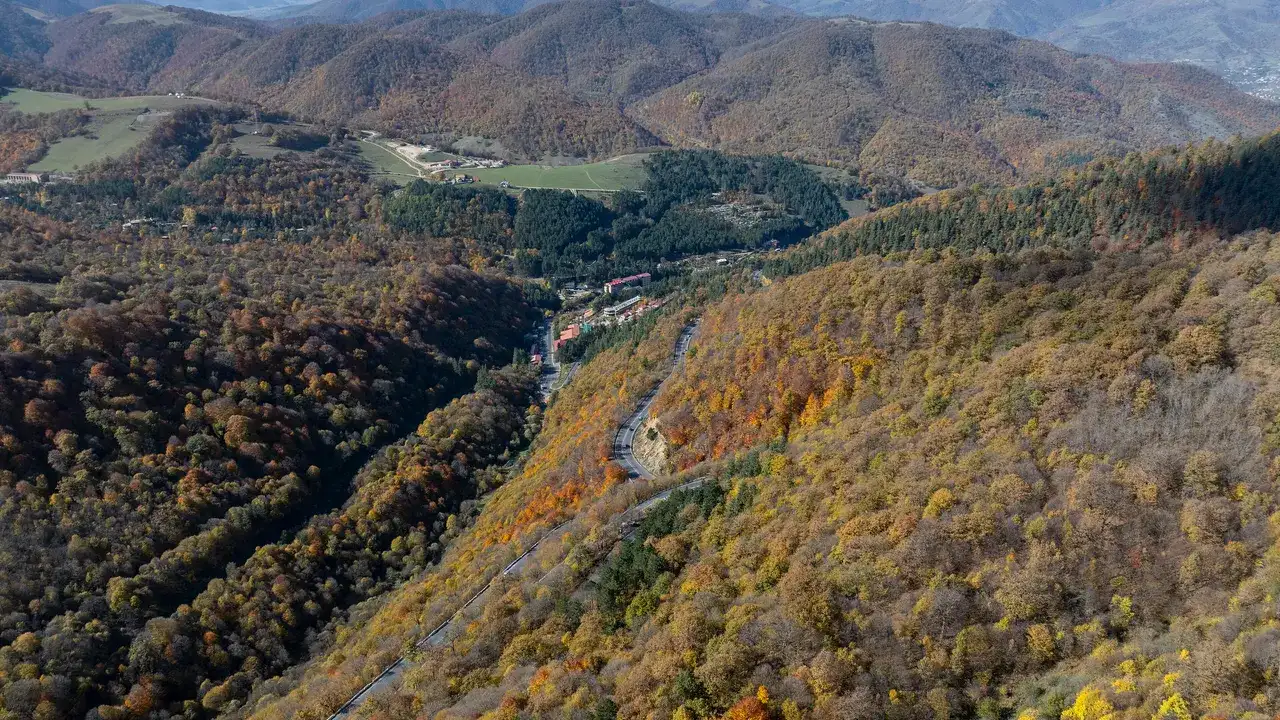
Verified · September 23, 2026Armenia in October: peak leaf colour 15-20 October, the Areni wine festival on the 3rd, five times September rain, and what shuts for winter.