
Cost of Living in Yerevan
What it costs to live in Yerevan as a nomad or expat: rent, groceries and markets, transport, coworking and mobile, with realistic monthly budget ranges.
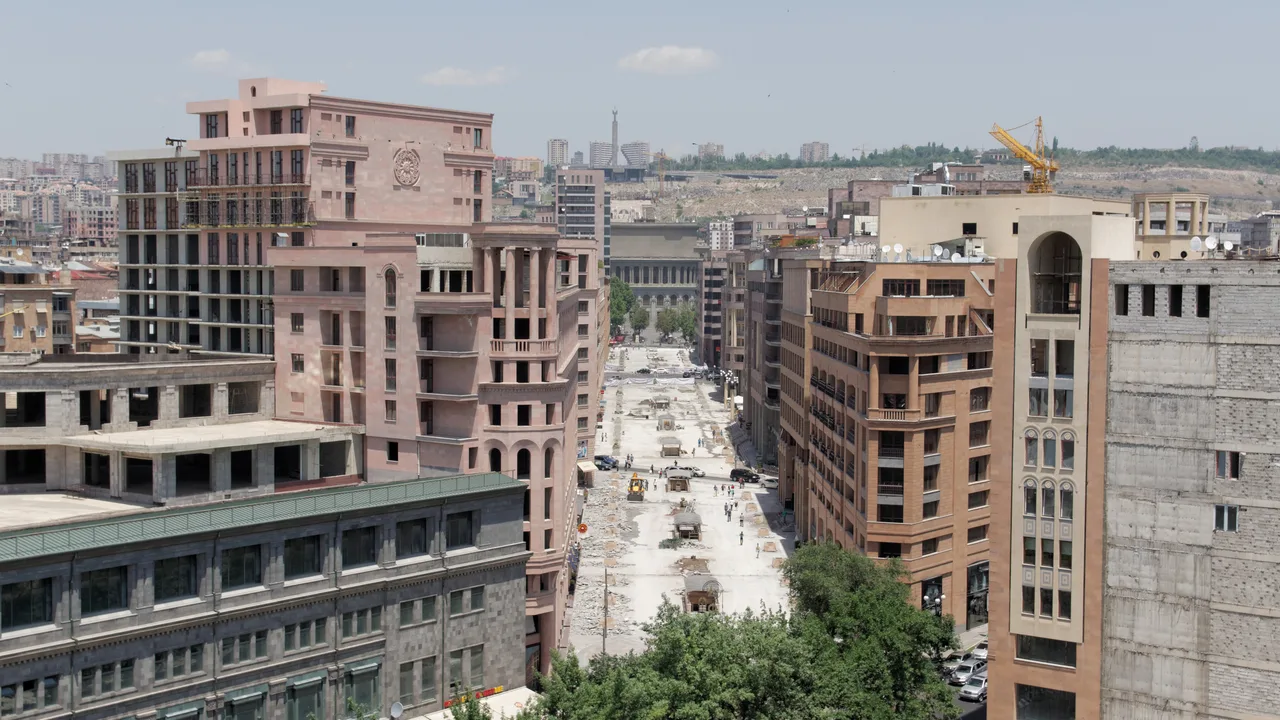
Living in Yerevan runs most nomads and remote workers somewhere between $900 and $2,000 a month, depending mostly on rent and how often you eat out. A lean but comfortable single-person budget lands around $1,000-1,300; a central flat with a coworking membership and regular restaurant meals pushes you toward $1,800-2,000. Rent is the big lever, groceries and transport are cheap, and coffee-shop culture is where the small daily spending adds up. Every figure here’s a rough, order-of-magnitude guide, not financial advice: prices move with the season, your neighbourhood and the exchange rate, so treat these as starting points and build in headroom.
One number worth fixing before anything else: the exchange rate. In mid-2026 the dram trades at roughly 368 AMD to the US dollar; it softened through the first half of the year, from about 382 to around 368, but it’s still stronger than it was a couple of years ago, which keeps Yerevan a little pricier in dollar terms than the old guides suggest. If you earn in dollars or euros, budget with that in mind rather than trusting an old blog’s figures. For how the dram works day to day, where to change money and which cards to bring, see our money in Armenia guide.
Rent: the number that decides your budget
Rent is far and away the biggest line, and it swings hard on location. A one-bedroom in the central Kentron district runs roughly $700-1,100 a month (around 258,000-405,000 AMD), while the same flat a bit further out drops to about $450-750 (roughly 166,000-276,000 AMD). Kentron buys you walkability, the cafes, and being able to skip taxis entirely; the outer districts buy you space and a lower rent for a short metro or bus ride into the middle.
There’s a catch that surprises people used to comparing local averages, and it is worth spelling out. The furnished, flexible, monthly rentals that nomads actually take cost noticeably more than a bare local flat signed on a twelve-month lease. Aggregator sites quote the local long-lease rate; the Airbnb-style monthly you find in your first week sits above it. If you’re staying three months or more, a local lease arranged through an Armenian agent, priced in dram, is dramatically cheaper than rolling short-term bookings, and it’s the single biggest saving available to anyone settling in for a while. For a short scouting visit before you commit, our guide to where to stay in Yerevan by area breaks down the districts and what each is like to live in. The long-term search itself - asking prices, deposit, contract - is in renting an apartment in Yerevan.
Utilities and internet: cheap, except in winter
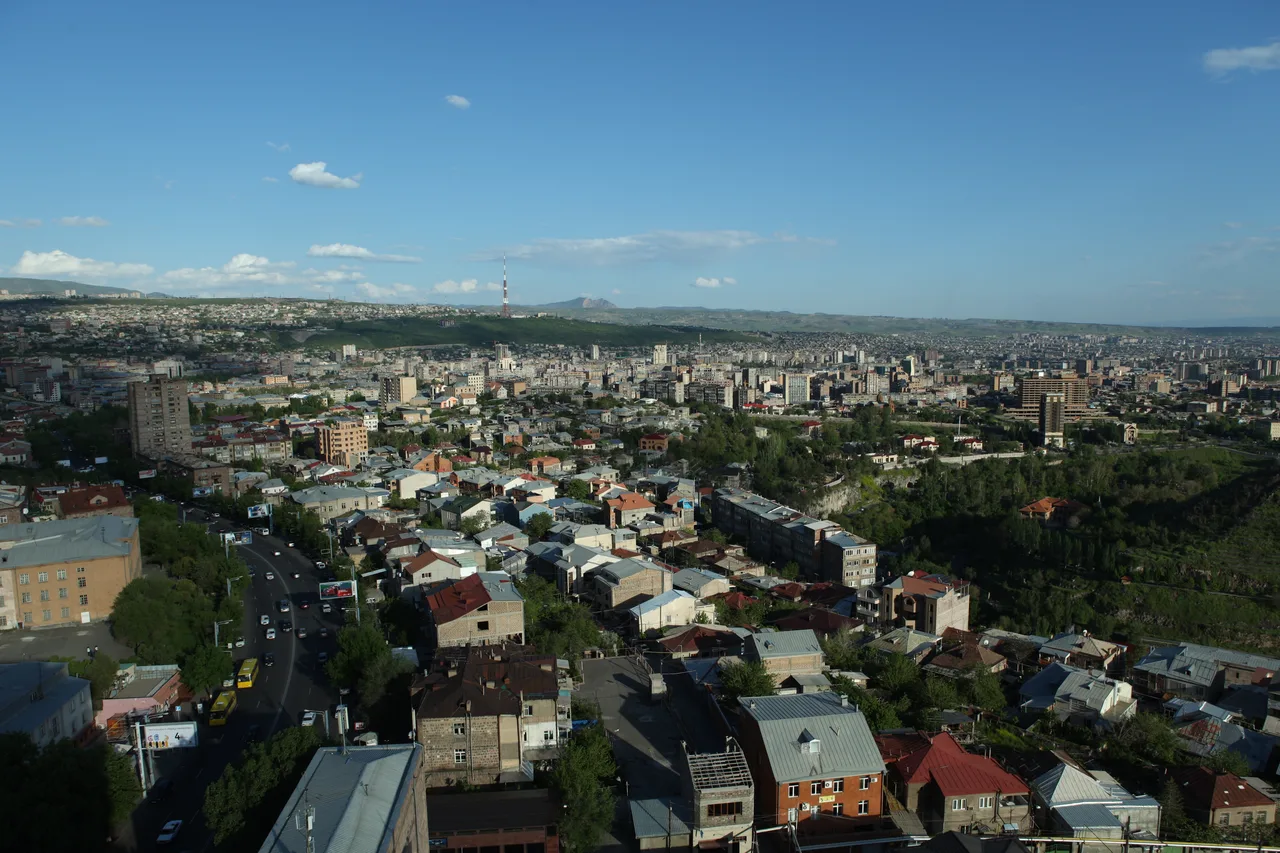
Utilities are modest for most of the year and then jump in winter, which is the seasonal trap in every Yerevan budget. Reckon on $70-150 a month all in (roughly 27,000-58,000 AMD), but understand that the range is really two seasons: in summer you might pay $40-60 for electricity and water and little else, while in the cold months gas heating alone can add $40-100, so a December bill can be double a July one. Budget for the winter figure if you’re staying the year, not the summer one.
Connectivity is one of Yerevan’s quiet strengths. Fibre internet costs about $15-25 a month (around 8,000 AMD) and is genuinely fast and reliable, especially in the centre, where video calls and big uploads are a non-issue. A local SIM with a generous data bundle runs $10-20 a month (roughly 3,000-8,000 AMD), which makes staying connected on the move cheap. If you would rather land already online, an eSIM is the painless way to have data from the airport before you sort a local plan.
Food: market shopping keeps it low
How much you spend on food comes down to how often you cook. Groceries, if you cook regularly, run about $200-350 a month. Staples stay cheap at market and supermarket shelves - milk, bread and eggs are everyday prices, not a fixed quote, so check the current tags rather than an old list. The real move, though, is to shop the markets rather than the supermarkets for anything fresh. The GUM produce market in particular is where locals buy fruit, vegetables, cheese, herbs and Armenia’s famous dried fruit far cheaper and fresher than the chains, and it is worth building into your week.
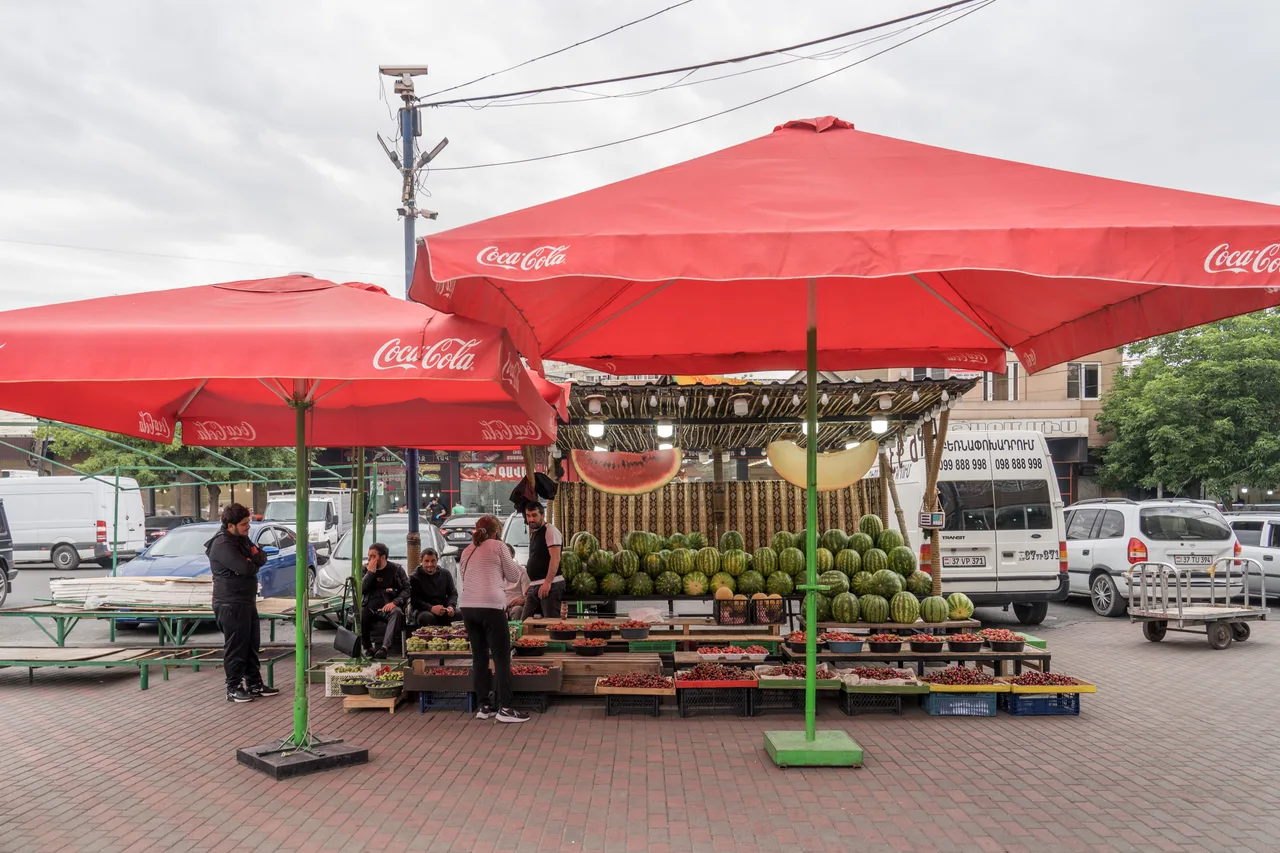
Eating out is where the small numbers stack up, because Yerevan’s cafe scene makes it easy. A coffee is $2-4, a casual meal $8-15, and a mid-range dinner for two lands around $20-35. None of that’s expensive on its own, but a daily flat white and a couple of dinners out a week quietly turn into $300-500 a month if you let them. That gap between cooking and eating out is, along with rent, the main thing that separates a $1,000 month from a $2,000 one.
Getting around: among the cheapest lines
Transport barely registers on a Yerevan budget. The city overhauled its public transport payment in late 2024, and a single ride on the metro, bus or trolleybus now costs around 150 AMD (well under a dollar), tapped with a bank card, QR code or a Telcell transport card. A 180-minute ticket at 300 AMD covers a few connected journeys with transfers, and a monthly pass runs about 9,000 AMD (roughly $24.50) if you ride a lot. All told, most people spend $30-70 a month getting around.
When you don’t fancy the bus, the ride-hailing apps GG and Yandex Go are cheap and everywhere, with typical fares of a few dollars across town; there’s no Uber or Bolt here. Between the two, you rarely need a car in the city at all, which keeps this line comfortably low.
Coworking and working costs
If you work from cafes, your “office” cost is just the coffee. If you want a proper desk, Yerevan has a healthy coworking scene, and a monthly membership runs about $120-250, with a dedicated desk closer to $250-350 and a day pass around $10-20. If you turn up most weekdays, a monthly membership beats buying passes as you go; if you drop in only now and then, pay-as-you-go wins.
The other recurring cost worth planning for is health cover. Armenia has no reciprocal healthcare for most visitors, so nomads typically carry private or international insurance at roughly $40-100 a month for basic cover. It’s not the place to cut corners: a single clinic visit or a medical repatriation dwarfs a year of premiums, and having it sorted before you arrive is one less thing to scramble over. Our guide to healthcare in Armenia for expats and nomads breaks down what’s actually free, what a private clinic visit costs, and how the new 2026 payroll insurance law changes the picture if you end up on a local contract.
Sample monthly budgets
Rolling the lines together, three rough profiles cover most people. Read them as ballparks, not promises:
- Lean (~$900-1,200): a one-bed outside the centre or a room in a share, cooking most meals with market shopping, public transport, cafe-working, a cheap SIM. Doable and comfortable if you’re careful.
- Comfortable (~$1,400-2,000): a central Kentron one-bed, a coworking membership, eating out several times a week, taxis when you like. This is where most settled nomads sit.
- Higher-comfort ($2,200+): a nicer or larger central flat, a dedicated desk, frequent restaurants and trips out of the city at weekends.
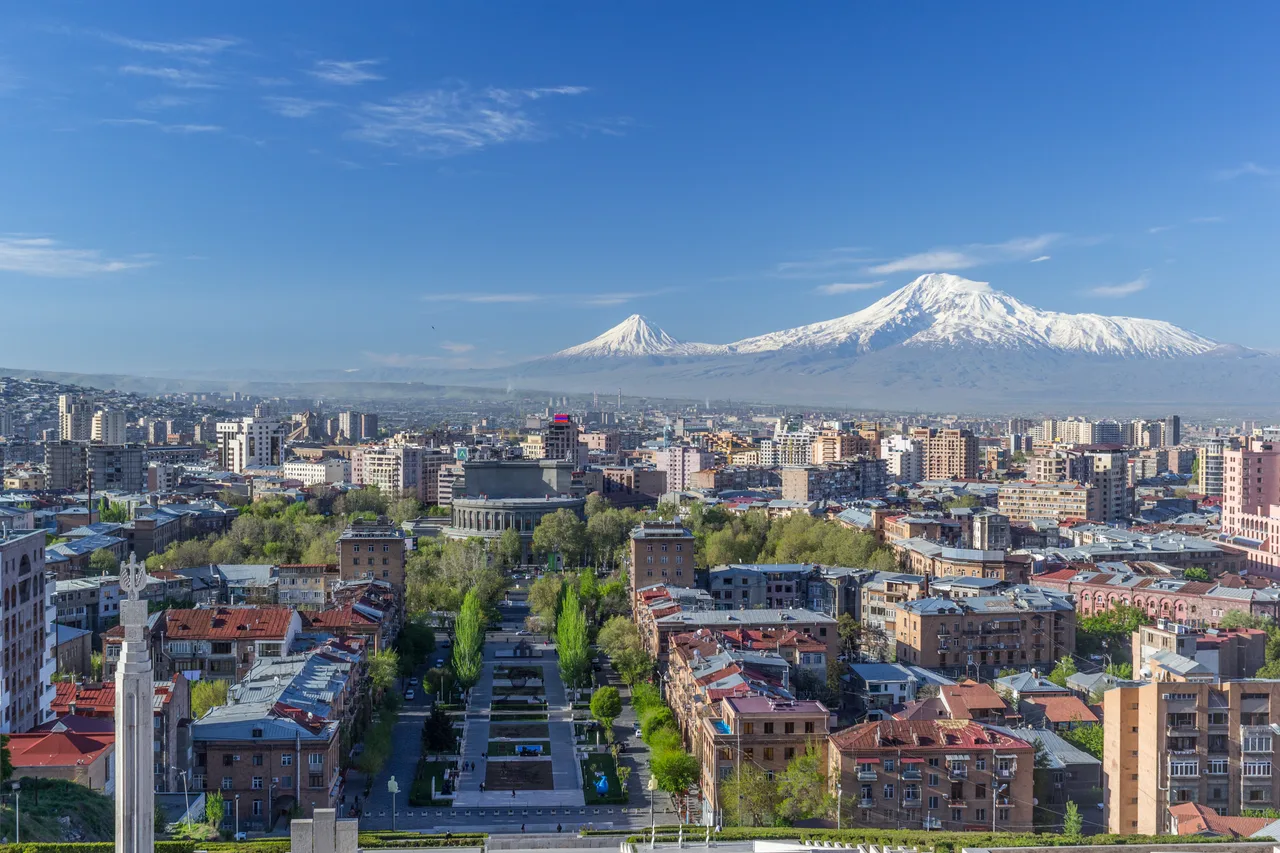
Against most European capitals those numbers are gentle, which, along with the fast internet, the safety and the walkability, is why Yerevan keeps drawing remote workers. For the practical side of actually basing yourself here, the coworking, the community and the visa position, see our guide to living in Yerevan as a digital nomad; for what the city is like to spend your downtime in, things to do in Yerevan; and for a short scouting trip before you commit to a lease, where to stay in Yerevan by area. One last variable to factor into the annual picture is the weather, since heating drives that winter utility spike: our guide to the best time to visit Armenia sets out the seasons. Sort your rent smartly, shop the markets, and Yerevan is one of the better-value bases going.
Photos
Read also
Relocation · 10 min read
Registering a Business in Armenia: IE & LLC
Verified · September 1, 2026How foreigners register an IE or LLC in Armenia via e-register: fees, timelines, documents, tax election, and residence links. Checked Sept 2026.

Relocation · 7 min read
Armenia vs Georgia for Relocation
Verified · August 27, 2026Armenia vs Georgia for relocation: visa stay, permits, remote-worker tax, rent, banking and citizenship - not tourism.
Relocation · 9 min read
Armenian Citizenship by Descent: 2026 Guide
Verified · August 27, 2026Armenian citizenship by descent: who qualifies, documents, 50,000 AMD fee, dual citizenship and the 2026 mcs-citizenship.am portal.
Relocation · 9 min read
Buying Property in Armenia as a Foreigner
Verified · August 27, 2026Can foreigners buy property in Armenia? Apartments yes, farmland via a company. Cadastre steps, taxes and why a deed is not a residence permit.