
Money in Armenia: Dram, ATMs, Cards & Exchange
How money works in Armenia: the dram, where cards work, ATM fees, the best place to change cash, how much to carry, and what to tip.
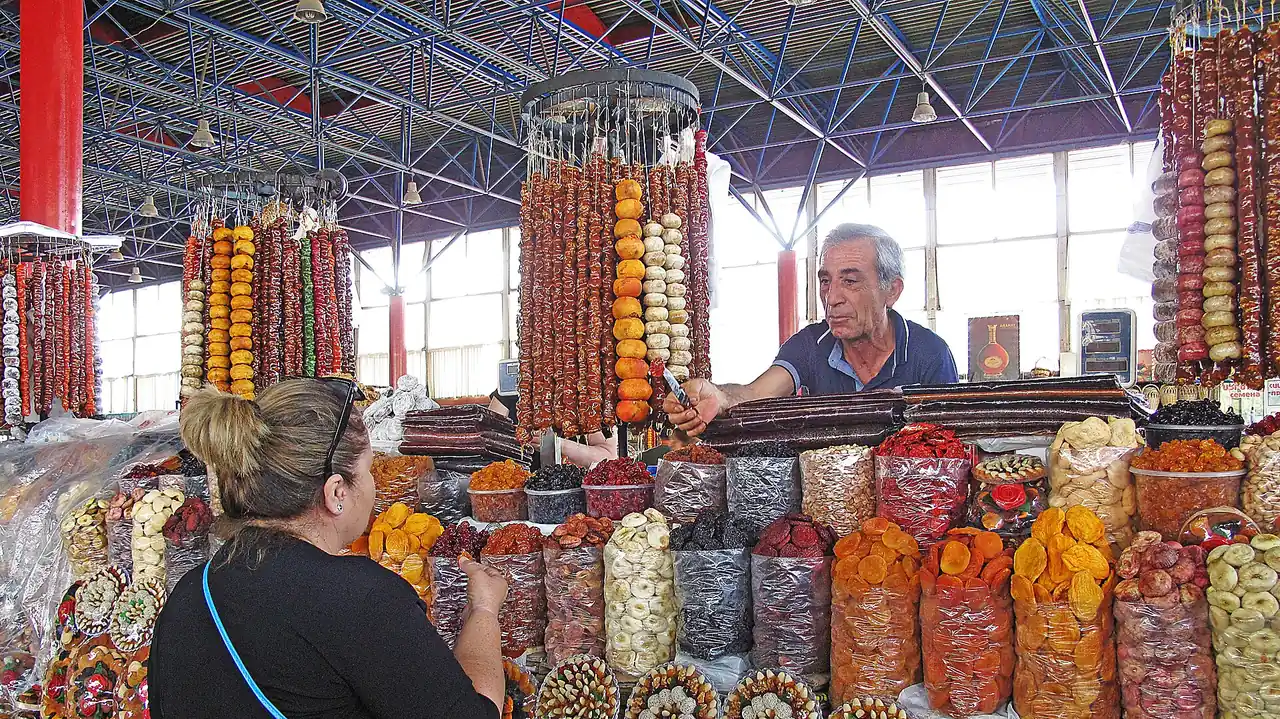
Armenia runs on the dram, and the short version is simple: carry some cash, bring a card, and you’re covered. Yerevan takes cards almost everywhere, right down to tapping your phone for a coffee, while the countryside still runs largely on banknotes, so you keep a little cash on you once you leave the capital - and cash still lives on market counters too, including Yerevan’s GUM food market. Changing money is easy and cheap if you avoid the airport counters, ATMs are everywhere and mostly free for foreign cards, and tipping is light. This guide covers the dram, cards versus cash, ATM fees, where to get the best exchange rate, and what to actually tip, so you spend less time on money admin and more on the trip.
The dram, in one minute
The currency is the Armenian dram (AMD), written as Դ or just “dram” after the number. Notes come in 1,000, 2,000, 5,000, 10,000, 20,000, 50,000 and 100,000 dram; coins exist but you’ll barely handle them, since everyday amounts are counted out in notes and coins mostly turn up as change at the till. One practical warning: the 100,000 note is hard to break in a taxi or a village shop, so split big notes at a supermarket or a busy cafe while you can.
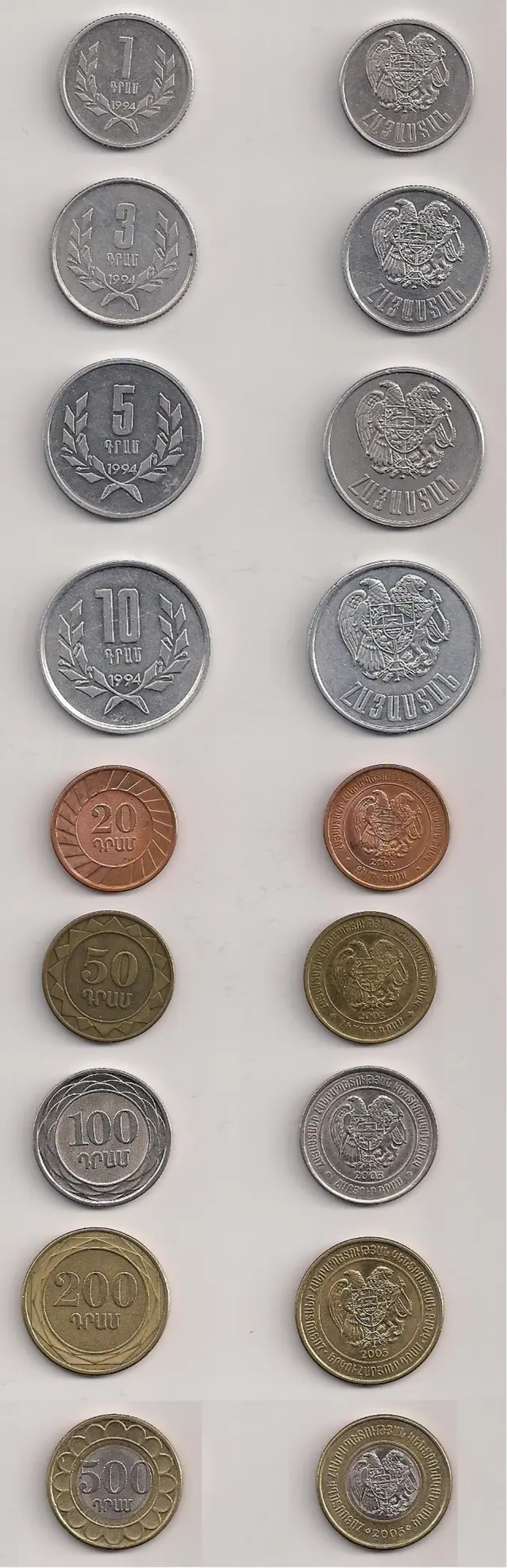
On rates, the dram has been steady in the mid-hundreds against the dollar: roughly 365 to 370 dram to 1 US dollar through mid-2026 (about 367 on 10 July 2026), with the euro trading a bit higher. Those numbers drift, so check a live source like rate.am or afm.am for the day’s figure before you change a large sum. As a rough feel, 1,000 dram is a little under three US dollars. To turn those rates into a daily budget, our cost of living in Yerevan guide has real prices, and our Armenia travel budget guide sets out what a trip costs day by day.
Cards or cash: where each one works
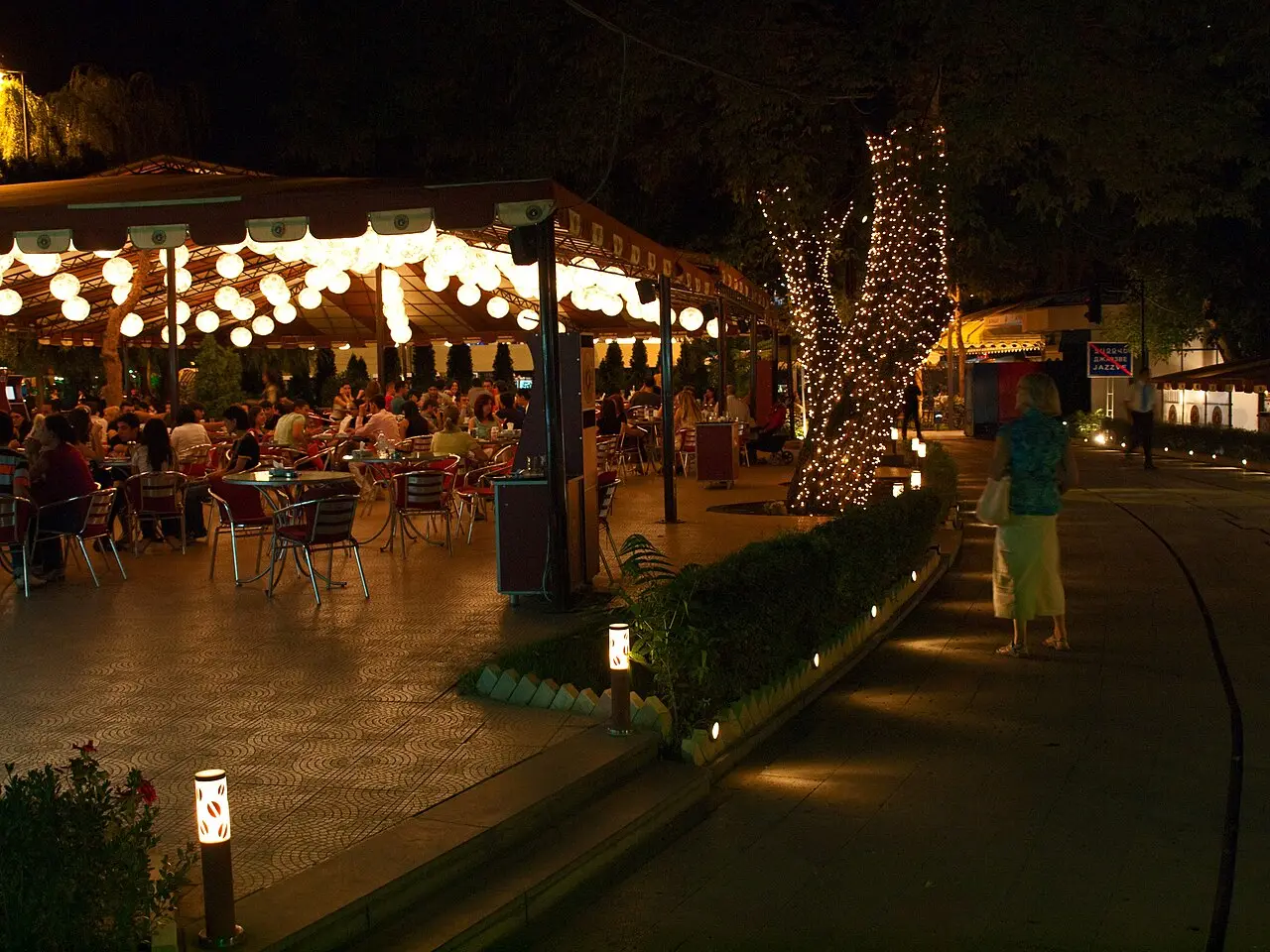
Yerevan is genuinely card-friendly. Cafes, restaurants, supermarkets, museums and most shops take contactless, and tap-to-pay with a phone or watch is normal. You can spend several days in the capital barely touching cash beyond a taxi or a market stall; the feel is closer to a Western capital than a cash economy, with a card terminal even at a small cafe or an ice-cream stand.
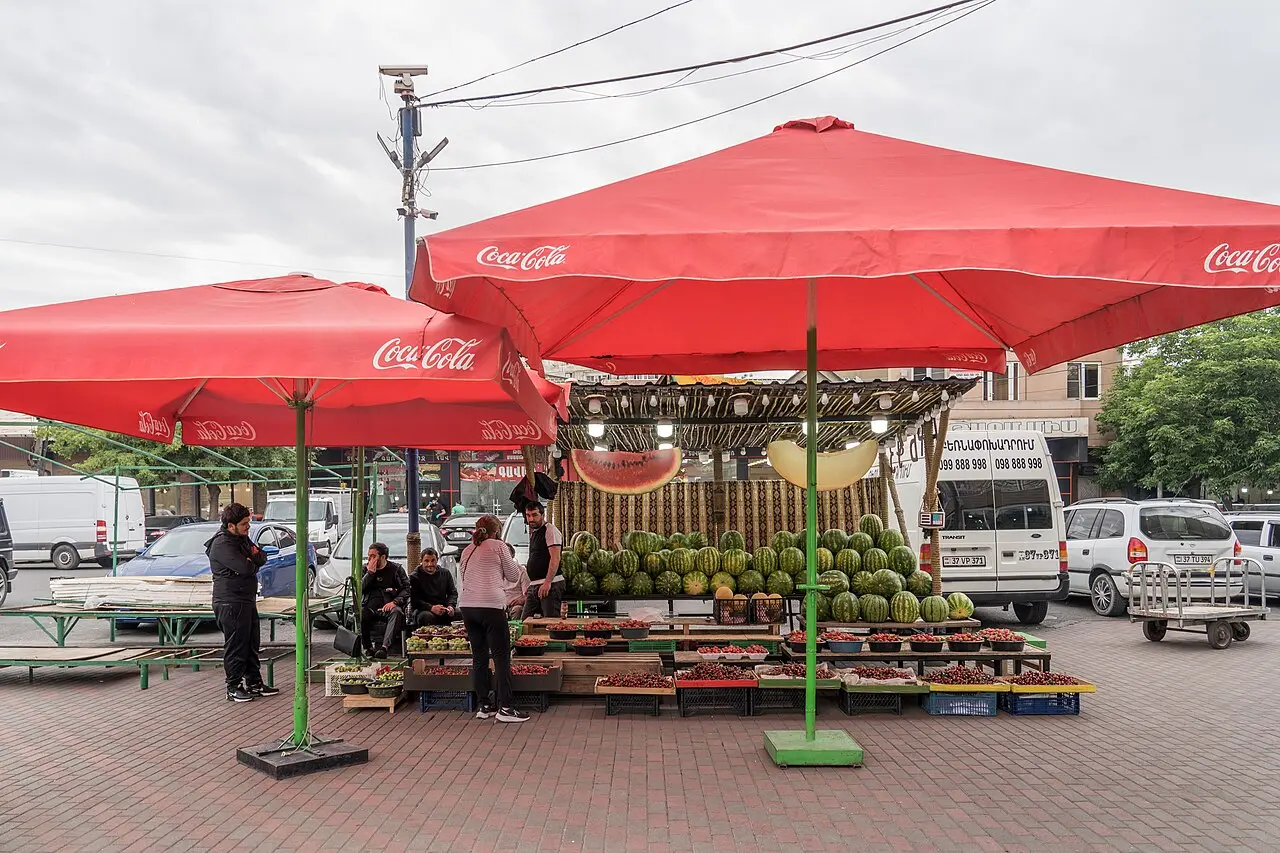
Step outside the city and the balance flips. In villages, at small monasteries, at roadside fruit stands and with many marshrutka drivers, cash is still king, and ATMs thin out fast. The rule of thumb is to carry enough dram to cover a day or two in the provinces before you leave a decent-sized town, because you can’t count on a machine in a mountain village, and the nearest working one can be half an hour away in the next town.

Getting cash from ATMs
ATMs are plentiful in Yerevan, Gyumri and Vanadzor, and here Armenia is unusually kind to foreign cards: most bank machines add no fee of their own for a foreign withdrawal. Ardshinbank, ACBA, Unibank, VTB and Armeconombank are widely reported as fee-free. The one to avoid for cash is Ameriabank, popular with tourists but charging a flat 1,500 dram (about $4) on every foreign-card withdrawal; a few other machines take a percentage instead. It pays to spot a fee-free bank’s ATM in advance and draw a larger sum at once, rather than chasing small amounts from machine to machine.
Two limits to plan around. A single withdrawal is usually capped at around 100,000 to 150,000 dram, and daily limits sit near 500,000 dram (roughly $1,350), so a big cash-out may mean two goes. Always let the ATM charge in dram, not your home currency: choosing “with conversion” hands the machine’s own poor rate to you, a small trap known as dynamic currency conversion. If you’re staying longer or want a local account, our guide to opening a bank account in Armenia covers that path.
Changing cash: skip the airport
If you’re bringing physical currency, US dollars, euros and Russian roubles change most easily, and clean, newer notes get the best rate. Don’t exchange more than pocket money at Zvartnots airport: like airports everywhere, the rates lag the city. The saving grace is that Ardshinbank, Fast Bank and Unibank run 24-hour desks in the arrivals hall at their normal city rate with no airport markup, so changing a taxi fare there’s fine; just save the bulk for town.
In Yerevan the best rates aren’t usually at a bank counter but at exchange booths, including the 24/7 currency desks tucked inside big supermarkets like SAS and Yerevan City, which run very thin spreads. There’s normally no commission; the spread between buy and sell prices is the whole cost, so compare the sell rate against rate.am and you’ll know within seconds if a booth is fair. Bank branches work too and are the safe choice for larger amounts.
The cards worth bringing
The neat setup is a travel card plus a normal backup and a little cash. A Wise or Revolut card is the standout: both spend at close to the real mid-market rate and give you a monthly allowance of fee-free ATM withdrawals, which pairs perfectly with Armenia’s fee-free machines. Bring an ordinary Visa or Mastercard debit or credit card as a backup, keep a modest float of dram for markets and taxis, and you’ve every situation covered. It is worth telling your bank you’re travelling so a first withdrawal in Armenia does not trip a fraud block, and tucking away a small reserve of clean dollars or euros as genuine emergency cash, since a note you can always change beats a card that has been swallowed by a machine. On the money-in, money-out question at the border: you can carry up to $10,000, or the equivalent in dram or another currency (very roughly 3.6 to 3.9 million dram at 2026 rates), in or out without declaring it; above that line you fill in a customs declaration for the State Revenue Committee.
While you’re sorting cards, it is worth having a working phone plan too, since ride-hailing and paying apps all lean on data; our taxi apps in Armenia guide explains why the app fare beats the flagged-down price.
Tipping: light and mostly cash
Tipping in Armenia is modest and nobody chases you for it. At sit-down restaurants in Yerevan, around 10% is now the norm for good service. Before you add it, read the bill: some tourist-facing places already tack on a service charge of 5 to 10%, and if that line is there you don’t tip again, though rounding up for an attentive waiter is always welcome. Outside the capital, tipping is less expected and never obligatory.
Everywhere else, keep it simple. Taxis get rounded up rather than tipped, so you leave the change rather than work out a percentage. In cafes and bars, dropping the coins or a small note is plenty. Small tips for a helpful hotel porter or a good tour guide are appreciated but not required, and nobody minds if you leave nothing. One practical note: tip in cash even when you pay the bill by card, because many card terminals here have no tip line, and the person serving you would rather have the notes anyway. That’s one more reason to keep a few small denominations on you, the same ones you will want for the food stalls in our Armenian dishes guide.
The short version
Land, change a taxi fare’s worth of dollars or euros at the airport bank desk, then draw the rest from a fee-free ATM or a supermarket exchange booth in town. Tap your card for almost everything in Yerevan, carry a day or two of cash before heading into the provinces, keep small notes for markets and tips, and add roughly 10% at restaurants unless a service charge already appears. Do that and money in Armenia is one of the easiest parts of the trip. Next, line it all up against real prices in our cost of living in Yerevan breakdown, and time your visit with the best time to visit Armenia guide.
Read also
Before you go · 10 min read
What to Pack for Armenia: Plugs & Layers
Verified · August 7, 2026Armenia packing list: Type C/F plugs at 230V, summer heat in Yerevan vs cold mountain nights, layers, eSIM and insurance to sort before you fly.
Before you go · 8 min read
Where to Stay in Goris: Hotels for Tatev
Verified · August 7, 2026Where to stay in Goris for Tatev: centre hotels and guesthouses, honest day-trip warning (12-13 hours), and what a night in Syunik actually costs.
Before you go · 8 min read
Solo Female Travel in Armenia: Is It Safe?
Verified · August 6, 2026FCDO reports low crime in Armenia. Solo women should avoid informal or street-hailed taxis and use app, licensed or arranged transport.
Before you go · 14 min read
Armenia in October: Autumn Colour and Wine Festivals
Verified · September 23, 2026Armenia in October: peak leaf colour 15-20 October, the Areni wine festival on the 3rd, five times September rain, and what shuts for winter.