Armenia Travel Budget 2026: What a Trip Really Costs
Armenia on $25-30/day backpacker, $60-75 mid-range, $120+ comfort (2026, before flights). Real daily budgets, a sample week and where to save.
Armenia is one of the cheapest trips you can take within a short flight of Europe. As a rough frame for 2026: a careful backpacker can travel on around 25 to 30 US dollars a day, a comfortable mid-range trip runs closer to 60 to 75 dollars a day, and even a soft, hotel-and-private-driver version rarely tops 130 or so. Those are per-person, on-the-ground figures and they exclude your flights. This guide breaks the number down line by line, with real prices for beds, food, transport and tours, and a worked sample week, so you can build a budget that matches how you actually like to travel.
One thing up front: the country runs largely on cash once you leave Yerevan, and a lot of prices float with the season. Treat every figure here as a 2026 ballpark that drifts, and for the mechanics of dram, ATMs, cards and tipping, read our money in Armenia guide alongside this one. The dram has sat around 367 to the US dollar through mid-2026, so as a quick feel, 1,000 dram is a little under three dollars.
Currency converter
- AMD
- ֏36,168
- USD
- $100
- EUR
- €89.34
- GBP
- £74.80
The three daily budgets
Here’s the short version before the detail. Backpacker, about 25 to 30 dollars a day: a hostel dorm, street food and self-catering, marshrutka minibuses between towns, and the many monasteries that are free to walk into. Mid-range, about 60 to 75 dollars a day: a private room in a good guesthouse or a three-star hotel, sit-down restaurant meals, the odd shared day tour and taxis around town. Comfort, from about 120 dollars a day: a four-star hotel or boutique stay, a private driver or rental car, private tours and long wine dinners. Solo travellers pay a little more per head because a room splits better between two; couples get the best value.
Trip budget calculator
Estimated total for the trip, flights excluded
- USD
- $840-1,050
- AMD
- ֏303,812-379,765
- EUR
- €750-938
- GBP
- £628-785
Accommodation: your biggest single lever
Where you sleep is the line you control most. Hostel dorm beds in Yerevan run roughly 5,000 to 8,000 dram, about 15 dollars, and private rooms in guesthouses start from a similar 14 to 15 dollars in the provinces. Step up and a simple hotel room often lands in the low thirties of dollars a night on booking sites, while a comfortable three-star is nearer the mid-seventies - those are live-quote planning bands, not a tariff, so check current rates for your dates. The smart, sociable middle ground is a family-run guesthouse, which is where Armenia is at its best value and its warmest. A practical bonus worth angling for: many family guesthouses fold a homemade breakfast into the rate and will cook a generous dinner on request for a little extra, which quietly trims your food line as well as your bed one. Prices climb in Yerevan and peak in September, the busiest month, so book ahead if you’re travelling then. To see the trade-offs by neighbourhood in the capital, where to stay in Yerevan lays out the areas, and you can compare live rates for a specific set of dates below.
Food and drink: cheap and very good
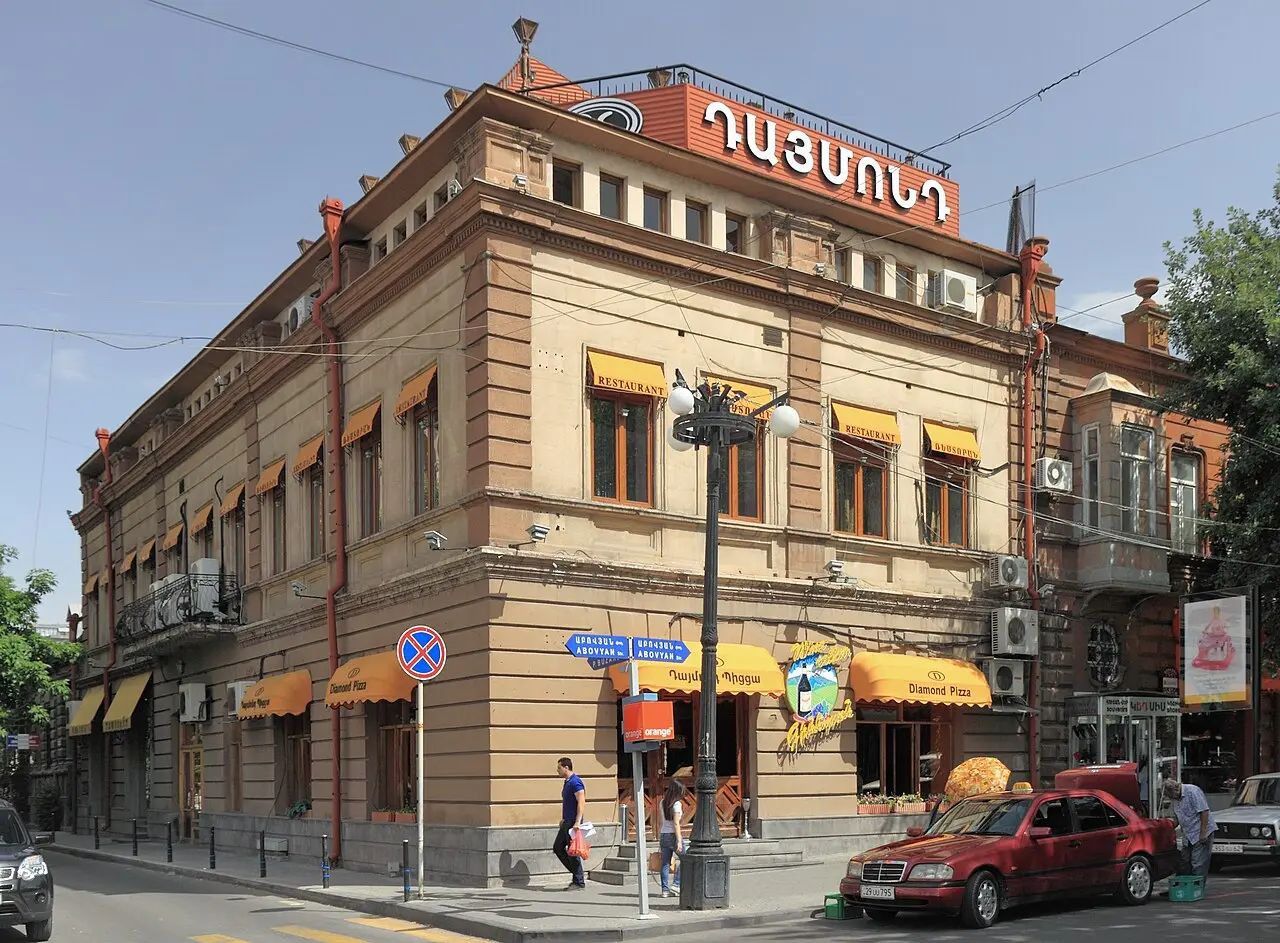
Eating is where Armenia quietly overdelivers. A quick meal costs about three dollars: a lahmajun or a stuffed jingalov hats flatbread from a bakery, a shawarma, a bowl of something at a canteen. Sit down in a mid-range restaurant and a proper dinner with a starter runs more like 4,000 to 8,000 dram a head, and a bottle of good local wine on top is startlingly cheap by European standards. Budget travellers eat well on around 8 to 12 dollars a day by mixing bakeries, markets and the odd restaurant; a mid-range eater who sits down twice a day lands closer to 20 to 25. Tap water is safe and the street pulpulak fountains are free and everywhere, so bottled water is optional. Tipping is light, roughly 10 percent when there’s no service charge.
Getting around: the cheapest line of all
Transport is almost comically affordable if you use the local networks, and this is where independent travel pulls far ahead of packaged trips. Marshrutka minibuses are the backbone, and most routes run to ministry-approved timetables: 24 departures a day from Yerevan to Lake Sevan, a bus to Gyumri every 45 minutes, and two a day on the 5 h 50 min haul south to Goris. What those timetables don’t print is a fare, so ask the driver as you board and pay in cash. The exception is Vayots Dzor, where the minibuses to Yeghegnadzor and Jermuk have no published timetable at all. Where a transport price is published, it’s small: the train to Gyumri costs 1,300-1,500 dram on the daily services and 2,500 dram on the weekend express. Inside Yerevan the metro, buses and trolleybuses all share one flat fare of 150 dram, tapped with a bank card. Taxis are cheap too, with a short hop across the capital often under 1,000 dram through the GG or Yandex Go apps. The full picture is in our guide to getting around Armenia.
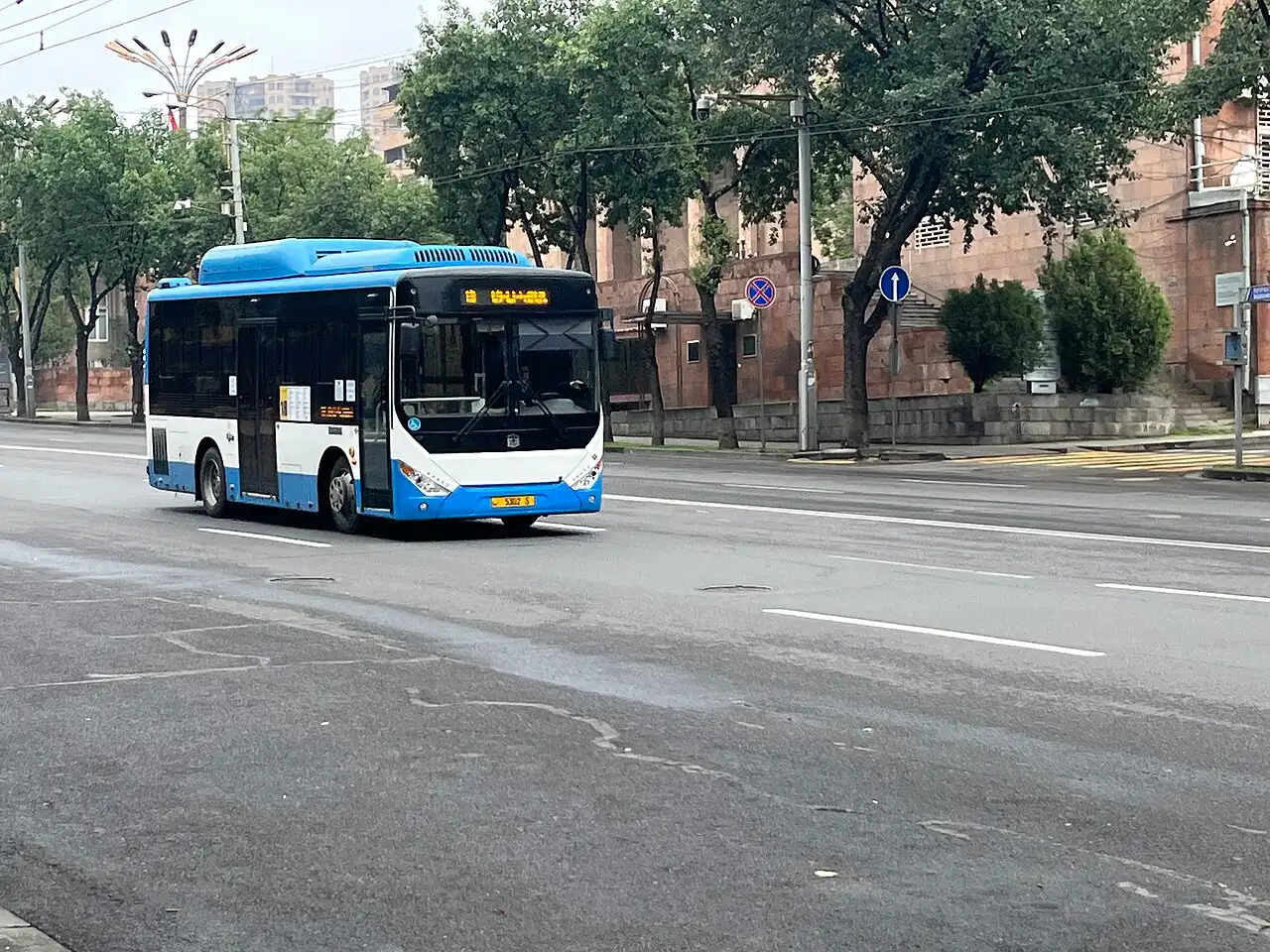
The expensive alternative buys you freedom: a small rental car runs a few tens of dollars a day plus fuel, which only makes budget sense split between a few people or if you want to reach the monasteries and mountain roads that buses miss. If you are pricing the overland hop to Georgia, the Yerevan to Tbilisi marshrutka is around 7,000 to 8,000 dram.
Tours, day trips and entrance fees
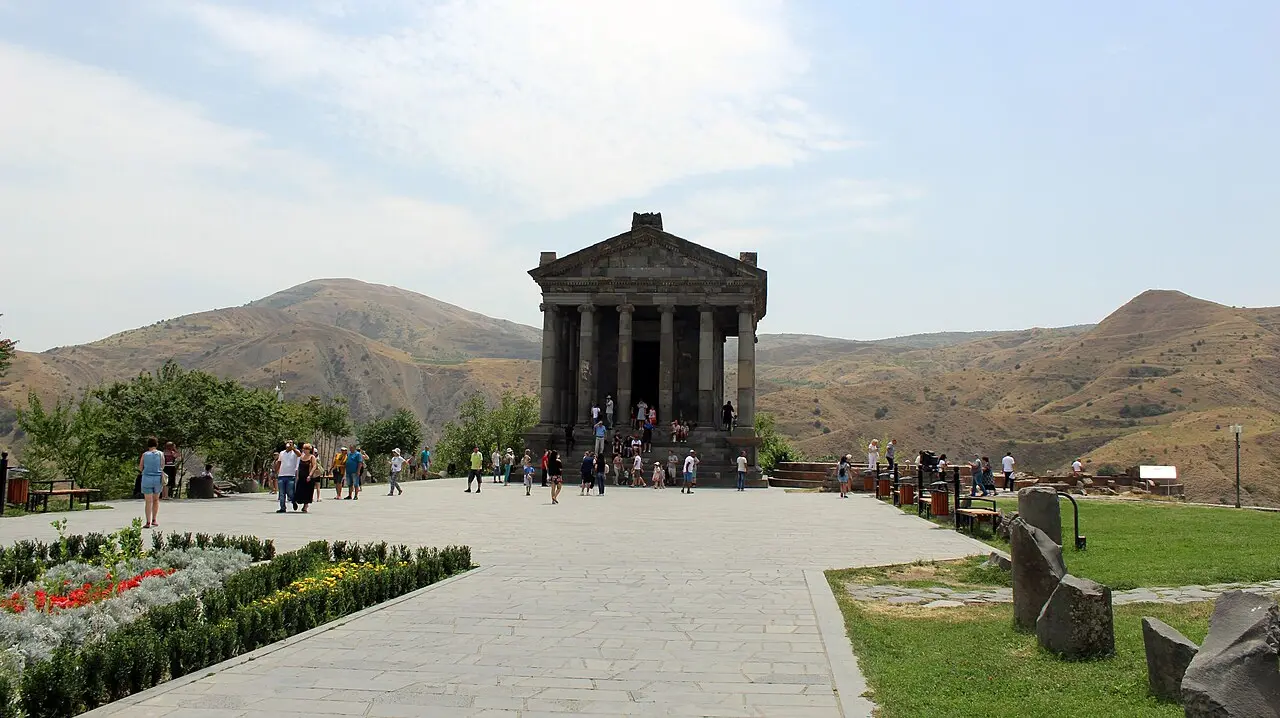
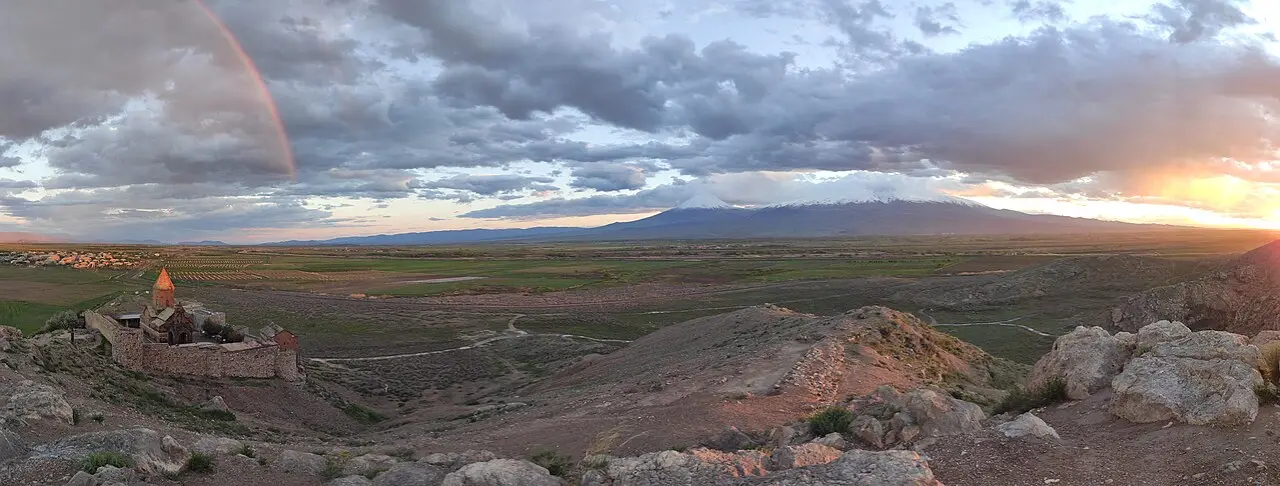
This is the line most people get wrong, because you don’t need to spend much here at all. Most of Armenia’s headline monasteries are free to enter, and museum tickets are modest, running about 1,890 to 9,400 dram. When you do want a driver and a guide for a big loop, the cheapest route is a shared small-group day tour run by a local operator: Garni, Geghard and the Symphony of Stones start from around 4,000 dram, the Khor Virap, Areni and Noravank run from about 7,000 dram, and the long day south to Tatev and Khndzoresk from roughly 9,500 dram. One catch to know: many operators run a two-tier price, so foreign visitors pay more than the local rate for the same seat. A private tour or a chauffeured car costs several times that, which is worth it for a group or a special day but a budget-killer as a habit.
What the daily figure leaves out
Two things sit outside these on-the-ground numbers, so add them on top. The big one is flights: fares swing wildly with your home airport and the season, and a summer ticket can easily cost more than your whole week in the country, so price them as a separate line. The small extras are quick to sort. A local SIM card or eSIM is cheap and saves you painful roaming bills, as we cover in the Armenia SIM and eSIM guide. Travel insurance is a few dollars a day that you’ll be glad of if a hike or a road trip goes wrong, laid out in our travel insurance for Armenia checklist. The visa itself is free for most nationalities, so that at least is one line you can leave at zero.
A sample week, costed
Say you spend a week as a mid-range solo traveller, based in Yerevan with trips out. Seven nights in a good guesthouse or three-star at around 40 dollars is 280 dollars; food at roughly 22 a day is 150; local transport, taxis and a couple of marshrutka runs come to maybe 40; two shared day tours and a clutch of entrance fees add about 60; and a wine dinner, a coffee habit and a few extras round it off at around 50. That lands the week near 580 dollars, or about 83 a day, before flights and before a big-ticket splurge like a private Tatev day or a fancy hotel night. Shift to dorms, street food and buses only and the same week drops under 250 dollars; add a rental car and boutique hotels and it climbs past 900. To decide how many of these days you actually need, our how many days in Armenia guide sizes the trip.
Where the money really goes, and how to save
The pattern is clear: beds and tours are the swing costs, food and transport barely move the needle. If you’re trimming, the biggest wins are choosing guesthouses over hotels, doing the free-entry monasteries yourself by marshrutka or shared tour rather than private car, and eating where the bakeries and canteens are. The season matters too, since rooms cost most in peak summer and September; our best time to visit Armenia guide covers the shoulder-season sweet spots when prices ease. And if you’re weighing a longer stay or a move rather than a holiday, the monthly maths is different again, laid out in our cost of living in Yerevan breakdown. Whichever tier you pick, the headline holds: Armenia gives you ancient churches, big mountains and generous food for a fraction of what the same trip costs further west.
Read also
Before you go · 10 min read
What to Pack for Armenia: Plugs & Layers
Verified · August 7, 2026Armenia packing list: Type C/F plugs at 230V, summer heat in Yerevan vs cold mountain nights, layers, eSIM and insurance to sort before you fly.
Before you go · 8 min read
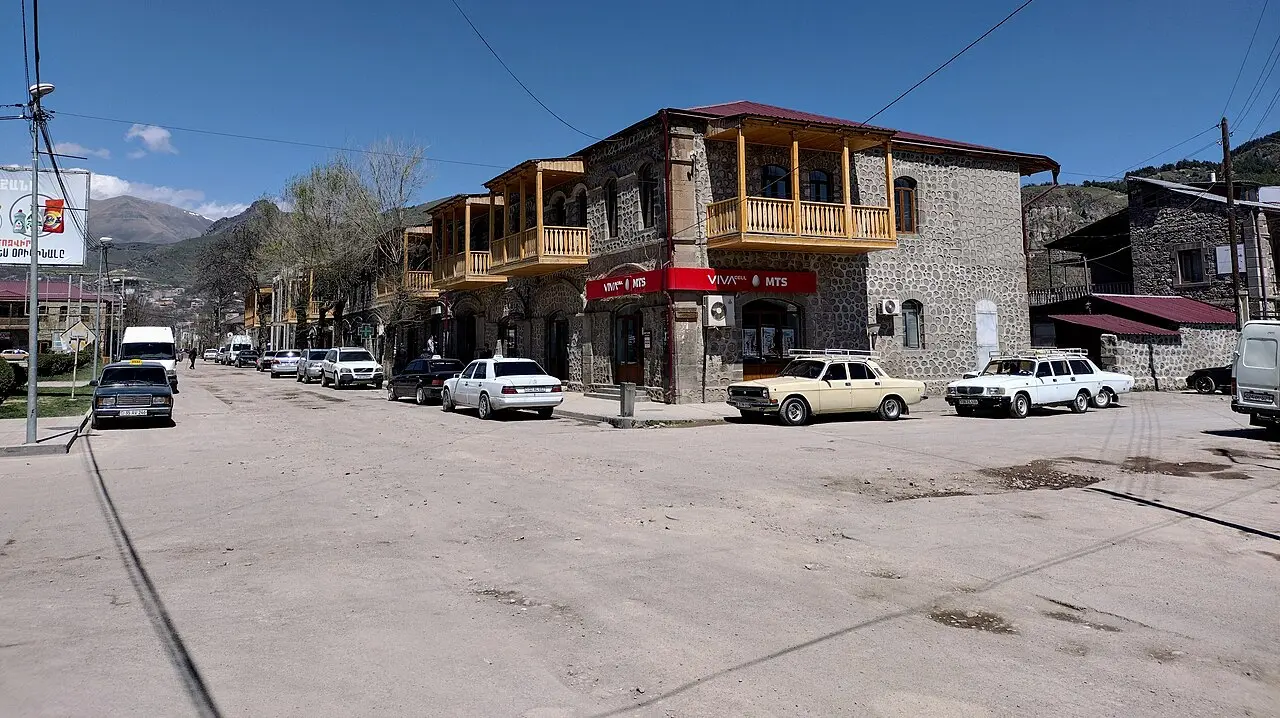
Where to Stay in Goris: Hotels for Tatev
Verified · August 7, 2026Where to stay in Goris for Tatev: centre hotels and guesthouses, honest day-trip warning (12-13 hours), and what a night in Syunik actually costs.
Before you go · 8 min read
Solo Female Travel in Armenia: Is It Safe?
Verified · August 6, 2026FCDO reports low crime in Armenia. Solo women should avoid informal or street-hailed taxis and use app, licensed or arranged transport.
Before you go · 14 min read
Armenia in October: Autumn Colour and Wine Festivals
Verified · September 23, 2026Armenia in October: peak leaf colour 15-20 October, the Areni wine festival on the 3rd, five times September rain, and what shuts for winter.