Living in Yerevan as a Digital Nomad
Yerevan for digital nomads: coworking and cafe-working, internet speed, the 180-day visa-free stay, the community, districts and honest trade-offs.
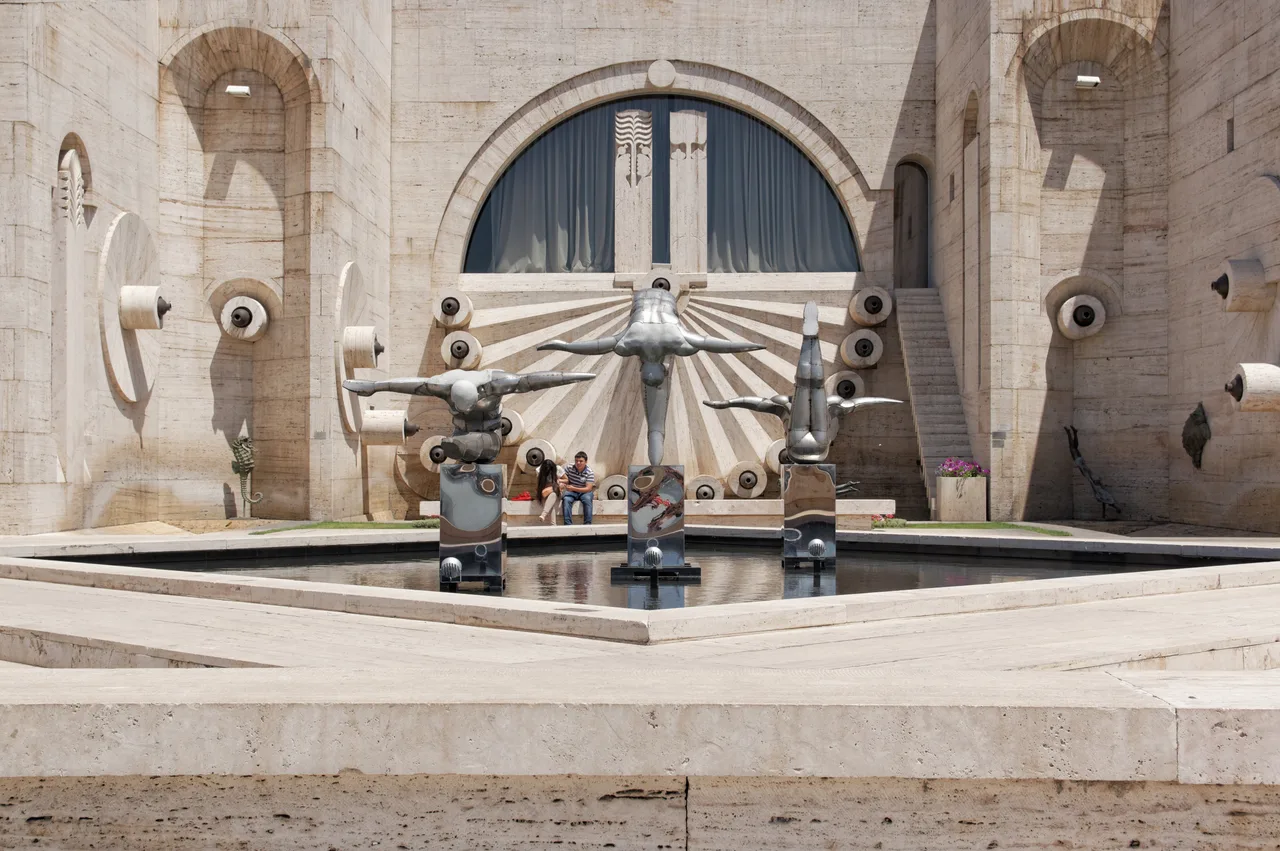
Yerevan has quietly become one of the easier bases in the region for remote work: most Western nationals can stay visa-free for up to 180 days a year, the internet is fast, the cost of living is gentle, and the city is compact, safe and full of cafes you can actually work from. What it’s not is a mega-hub like Lisbon or Bali; the nomad scene here’s smaller and more local. For a lot of people that’s a fair trade, and this guide covers the practical side of setting up, working, the visa position, where to live, and the honest pros and cons of the place (rules and figures shift, so verify anything time-sensitive before you commit).
The visa position: 180 days, and why it matters
Start with the part that makes Yerevan work as a base. If you hold a passport from the US, the UK, an EU or Schengen state, Canada, Australia, New Zealand, Japan and a long list of others, you can enter Armenia visa-free and stay up to 180 days within a one-year period, no paperwork, just an entry stamp. That is unusually generous, and it’s why the city draws long-stay travellers rather than just week-trippers.
Two details are worth understanding rather than glossing. First, the 180 days are counted within a one-year period, not per calendar year: the Foreign Ministry’s wording is “during one year”, and there’s no 1 January reset to bank on, so don’t build a plan around doubling up across New Year - keep your own tally of days instead. Second, if you want to stay beyond your allowance, the right route is a residence permit through the migration service, not an endless string of border runs to Georgia. There is also a separate temporary waiver for certain residence-permit holders, which has its own moving country list and dates. Because visa rules genuinely change, treat the above as orientation, not gospel, and confirm your own nationality on the official portal; our full guide to Armenia’s visa and entry rules covers the e-visa, the residence-permit waiver and the border situation in detail.
Internet: can you actually work here?
For remote work, the connection is the thing, and Yerevan mostly holds up. Home broadband is typically fast, tens of Mbps, fibre is widely available and reliable in the central districts, and mobile data is quick too, comfortably enough for video calls, big uploads and screen-sharing. Most apartments in Kentron come with solid fibre, and coworking spaces and the better cafes run fast WiFi as standard.
It’s not flawless, and it’s fair to say so. Some older buildings and smaller cafes have weaker or patchier connections, and a handful of nomads report the odd frustrating day, so if your work is bandwidth-critical, check the actual line in a flat before you sign and keep a mobile-data backup. A local SIM with a big data bundle is cheap (a few thousand dram a month), and an eSIM lets you land already online while you sort a local plan. As a rule, though, connectivity is one of the reasons Yerevan punches above its weight for remote work rather than a reason to avoid it.
Where to work: coworking and cafes
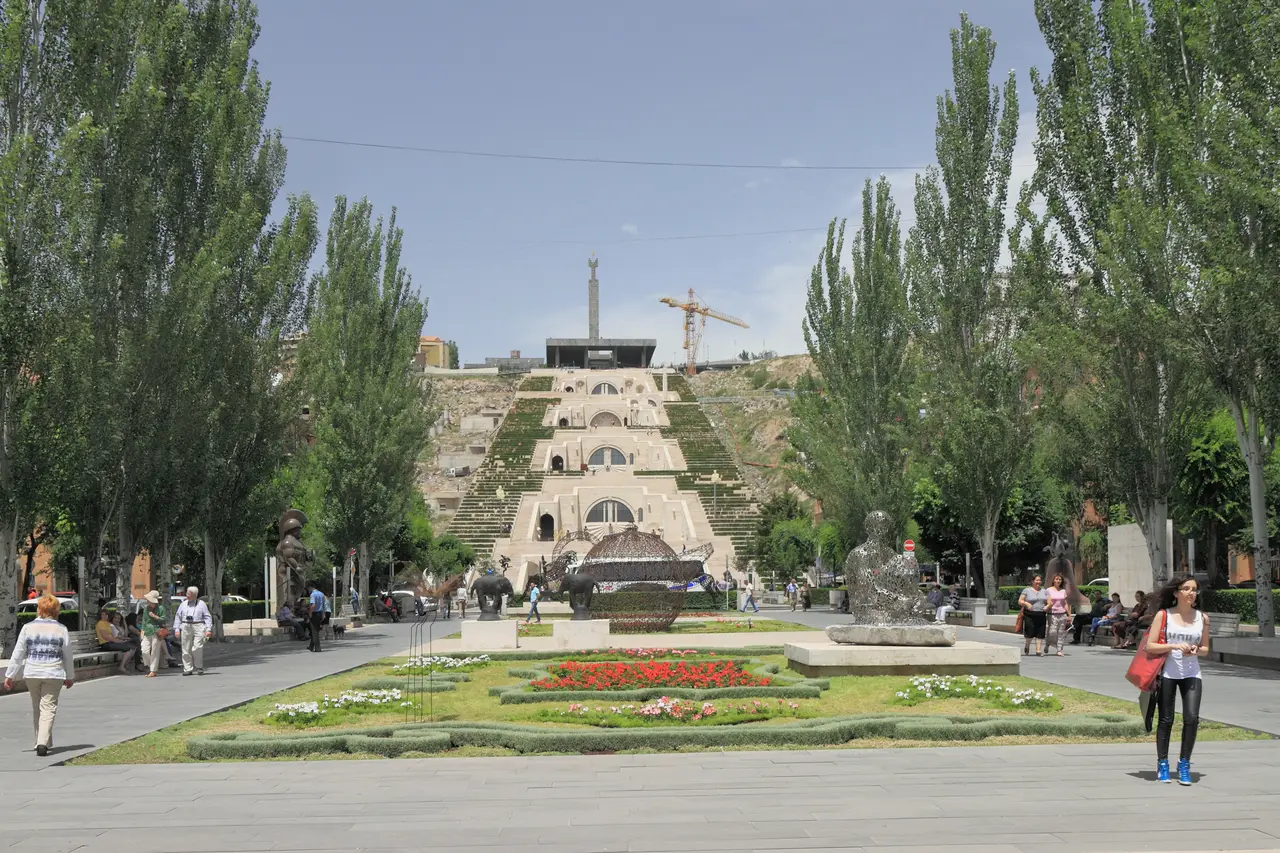
You have two realistic setups, and the good news is you can do either cheaply. The cafe route is genuinely viable in Yerevan in a way it’s not in busier hubs: coffee is a couple of dollars, staff do not push you out after an hour, and the density of good cafes in the centre, especially around Saryan Street and the Cascade, means you’re rarely more than a short walk from a table and a plug. For a lot of people, that alone covers the working day.
If you want a dedicated desk and a bit of routine, the coworking scene is small but decent. Impact Hub Yerevan is the best-known, centrally placed, with fast internet, printing, lockers and a cafe, and there is a clutch of others including Aeon, 256 HUB, Loft, BeCoworker and the aptly named COWO (“Coffee Working”). A monthly membership is the sensible buy if you work most days; drop-in passes suit occasional use. The full pricing sits in our cost of living in Yerevan guide, which breaks down memberships alongside rent, food and the rest.
The community: smaller, and more local
Set expectations honestly here. Yerevan’s nomad community is growing but still modest next to Tbilisi, Lisbon or Bali, so if you want a large, transient, international party crowd, this isn’t that. What it has instead is a strong local tech scene and a tighter-knit mix of international remote workers, which means the networking that does happen tends to be more personal and more useful, easier to meet actual founders, engineers and long-stayers rather than a churn of strangers. Organised trips run too: outfits like Nomad Armenia have put together month-long nomad stays, which are a soft landing if you want a ready-made group.
The natural companion city is Tbilisi, four or five hours north and a much bigger nomad hub, which makes a Caucasus loop easy: many people split time between the two, or hop over for a change of scene. If a busier scene matters to you, pairing Yerevan with Tbilisi gives you both.
Where to live
For a nomad stint, most people base in or near Kentron, the central district, because it puts the cafes, coworking, restaurants and the Cascade within walking distance and you can skip taxis almost entirely. It’s the priciest area, but “pricey” here’s still gentle. If you want lower rent and a quieter, more residential feel, the districts just north such as Arabkir and Aygedzor trade a few minutes on the metro for noticeably cheaper flats and leafy streets.
The single biggest money-saver, if you are staying a few months, is to take a local lease in dram through an Armenian agent rather than rolling short-term bookings, which sit well above the local rate. Our guides to where to stay in Yerevan by area and the cost of living between them cover the districts and the numbers so you can pick a neighbourhood that fits both your budget and how you like to live. Banking is doable if you settle in, though opening a local account takes some paperwork; many shorter-stay nomads simply run on cards and a service like Wise and never bother. Our guides to where to stay in Yerevan by area, the cost of living and renting an apartment long-term between them cover the districts, the monthly numbers and the lease itself, so you can pick a neighbourhood that fits both your budget and how you like to live.
The honest pros and cons
What Yerevan does well: it’s cheap by Western standards, safe, and very walkable, the internet is fast, the visa-free allowance is long, and the cafe culture makes working out of the house easy and pleasant. Add the food, the wine, the mountain backdrop and the easy hop to Georgia, and it’s a strong-value base.
Where it falls short is worth being straight about. The community is smaller than the big hubs, so it can feel quiet if you crave a large social scene. Winter is the real trade-off: it gets genuinely cold, heating pushes your bills up, and Yerevan’s air quality dips in the cold-season inversions, which is why a lot of nomads treat it as a spring-to-autumn base or a shorter stint rather than a year-round home. English is common in the centre and the tech world but thins out beyond it, where Armenian and Russian dominate, so a few phrases go a long way. None of these are dealbreakers; they are the reasons Yerevan suits some people brilliantly and others for a season.
The verdict
Yerevan is at its best as a one-to-three-month base, or as half of a Caucasus loop with Tbilisi, for a remote worker who values low costs, an easy long visa and a walkable, safe city over a big party scene. Come in the warmer months, take a local lease if you are staying a while, and carry proper health cover, since Armenia has no reciprocal healthcare for visitors: healthcare in Armenia for expats and nomads covers what the new 2026 insurance law does and doesn’t do for you, and what a private policy should cost. Set up like that, it’s one of the better-value and lowest-hassle bases in the region, and an easy place to be productive.
Photos
Read also
Relocation · 10 min read
Registering a Business in Armenia: IE & LLC
Verified · September 1, 2026How foreigners register an IE or LLC in Armenia via e-register: fees, timelines, documents, tax election, and residence links. Checked Sept 2026.
Relocation · 7 min read
Armenia vs Georgia for Relocation
Verified · August 27, 2026Armenia vs Georgia for relocation: visa stay, permits, remote-worker tax, rent, banking and citizenship - not tourism.
Relocation · 9 min read
Armenian Citizenship by Descent: 2026 Guide
Verified · August 27, 2026Armenian citizenship by descent: who qualifies, documents, 50,000 AMD fee, dual citizenship and the 2026 mcs-citizenship.am portal.
Relocation · 9 min read
Buying Property in Armenia as a Foreigner
Verified · August 27, 2026Can foreigners buy property in Armenia? Apartments yes, farmland via a company. Cadastre steps, taxes and why a deed is not a residence permit.