
Renting an Apartment in Yerevan: Long-Term Guide
Long-term rent in Yerevan: List.am asking prices by district (Aug 2026), contracts, deposits and agencies. Ranges with a check date, not legal advice.
A long-term flat in Yerevan, in August 2026, is not one number. On List.am the same morning you can open a 42-square-metre walk-up on Mashtots Avenue asking 295,000 AMD and, a few ads later, a new-build in the dollar column asking $3,000-4,000. Those are two products sharing a URL, not an average you should budget against. Filter by district, currency and building age before you fall for a photo.
This is a practical search page, not legal advice. Asking prices below are what was on the long-term apartment board on 17 August 2026; they move, they get negotiated, and a furnished new-build is not the same object as a Soviet-era two-room with a balcony full of drying laundry. For how rent sits inside a whole month, use our cost of living in Yerevan breakdown. For whether the city even fits as a base, that’s living in Yerevan as a digital nomad.
Two markets on one listings page
Weighing purchase instead of a lease? Our buying property in Armenia as a foreigner guide covers title and land rules.
List.am is where most long-stay searches actually start (category 56, long-term apartments). The trap is treating the first screen as a single market. It isn’t.
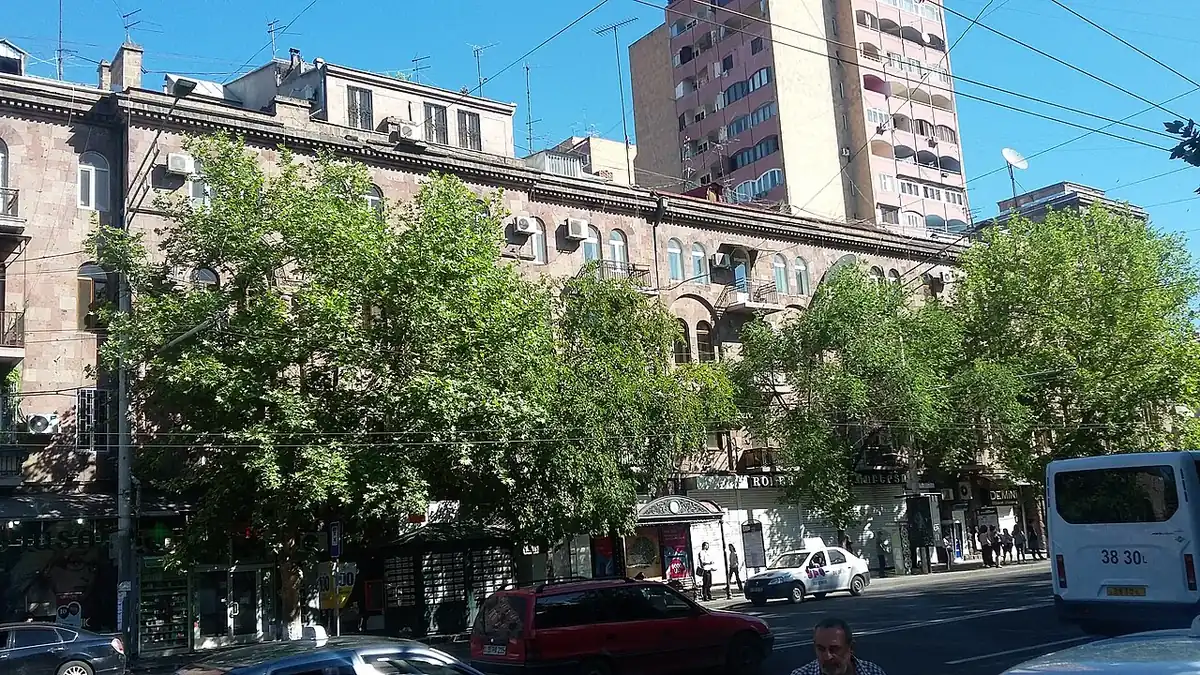
On 17 August 2026 the dram column for compact Kentron stock clustered roughly 250,000-400,000 AMD a month (about $680-1,090 at the Central Bank’s mid-August rate of about 366 AMD to the dollar, 365.82 on 14 August). That day’s board had 295,000 AMD for 42 sq.m. on Mashtots, 250,000 AMD for 50 sq.m. on Argishti, 400,000 AMD for 70 sq.m. on Pavstos Buzand. Same district, the dollar column for newer two-to-four-room flats ran $1,000-2,500 in the thick of it, with a luxury tail at $3,000-4,000 and the odd $8,000 listing. Average those rows and you invent a city that doesn’t exist.
Arabkir, a metro ride north, showed the same split lower down. Ordinary one- and two-rooms sat around 200,000-350,000 AMD. Newer or larger stock on Komitas, Adonts and Griboyedov asked 350,000-550,000 AMD, or $900-1,650 where the ad was written in dollars.
Further out - Erebuni, Ajapnyak, Malatia-Sebastia, Davtashen, Shengavit - small flats on that day’s first pages asked about 215,000-300,000 AMD. Kanaker-Zeytun and Nor Nork ran higher on the same scroll, so “outer” is not automatically cheaper; it’s a different commute.
Every figure here’s an asking price on a classifieds site, not a signed lease. Owners take less, agencies hold the line, furniture and “new building” change the number overnight. Recheck the live board the morning you go viewing.
Kentron, Arabkir, and the districts further out
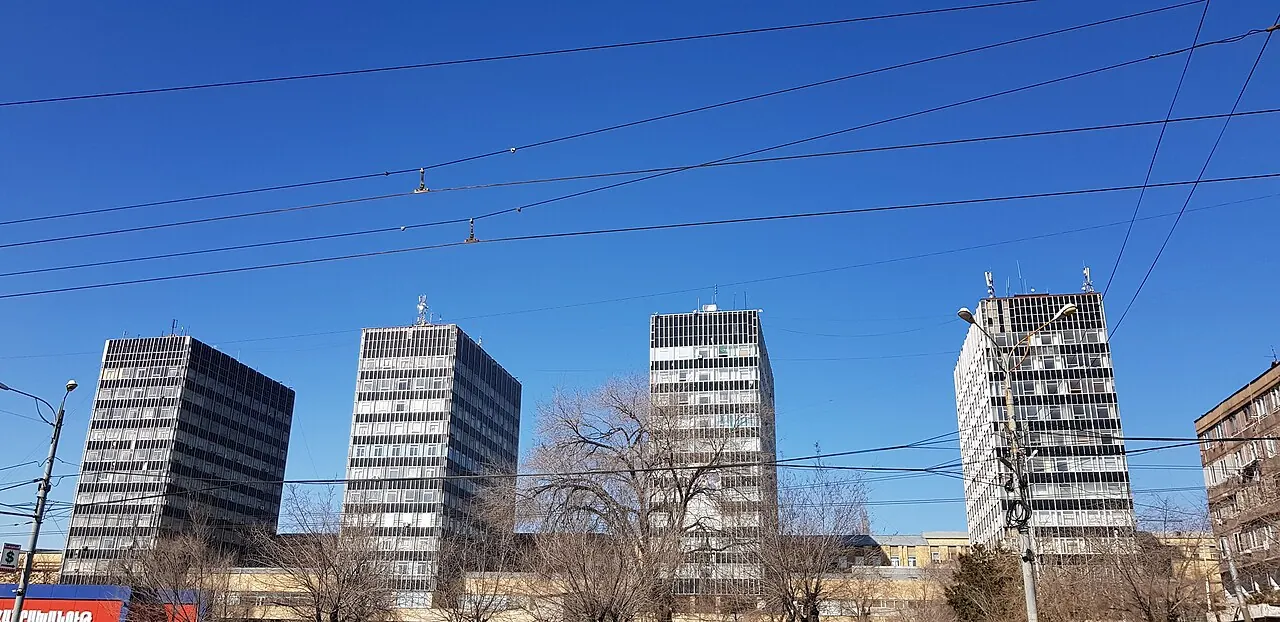
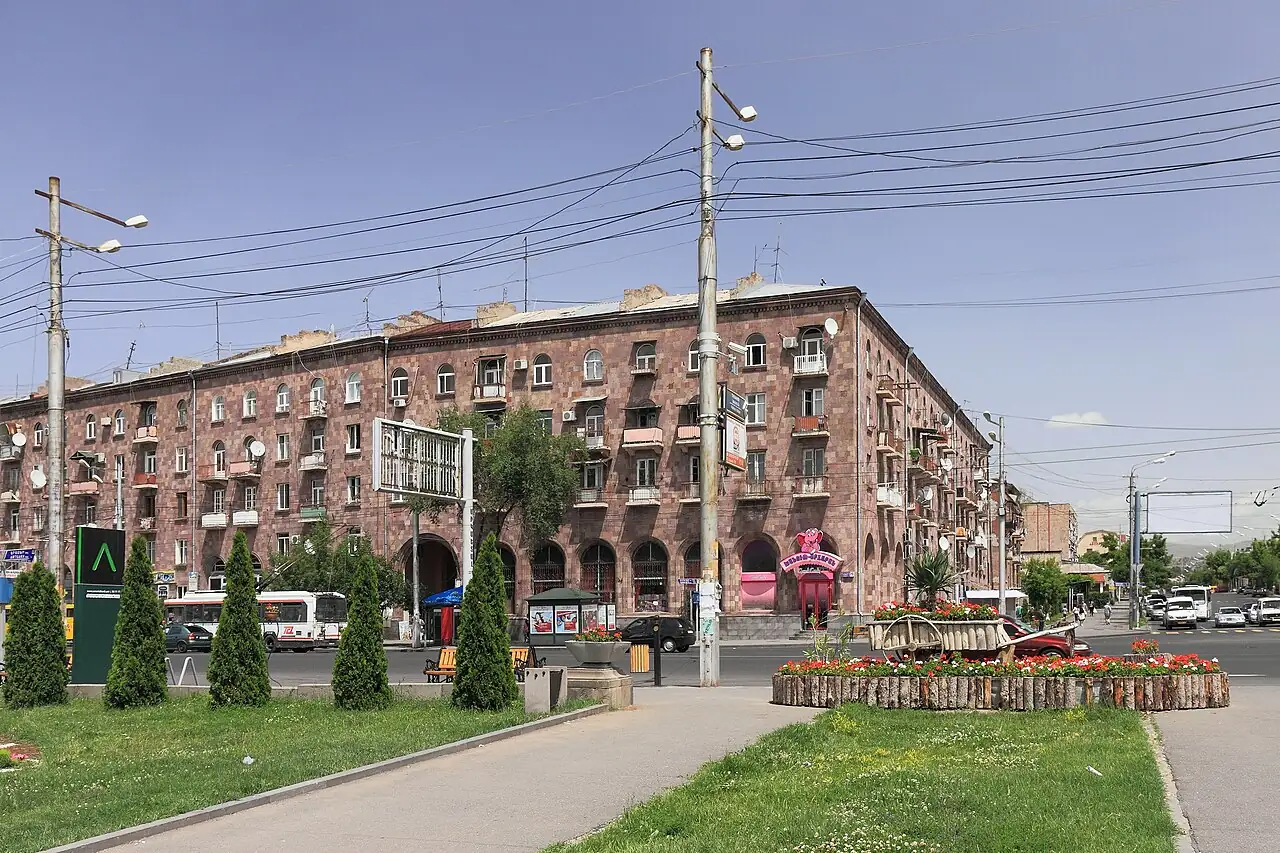
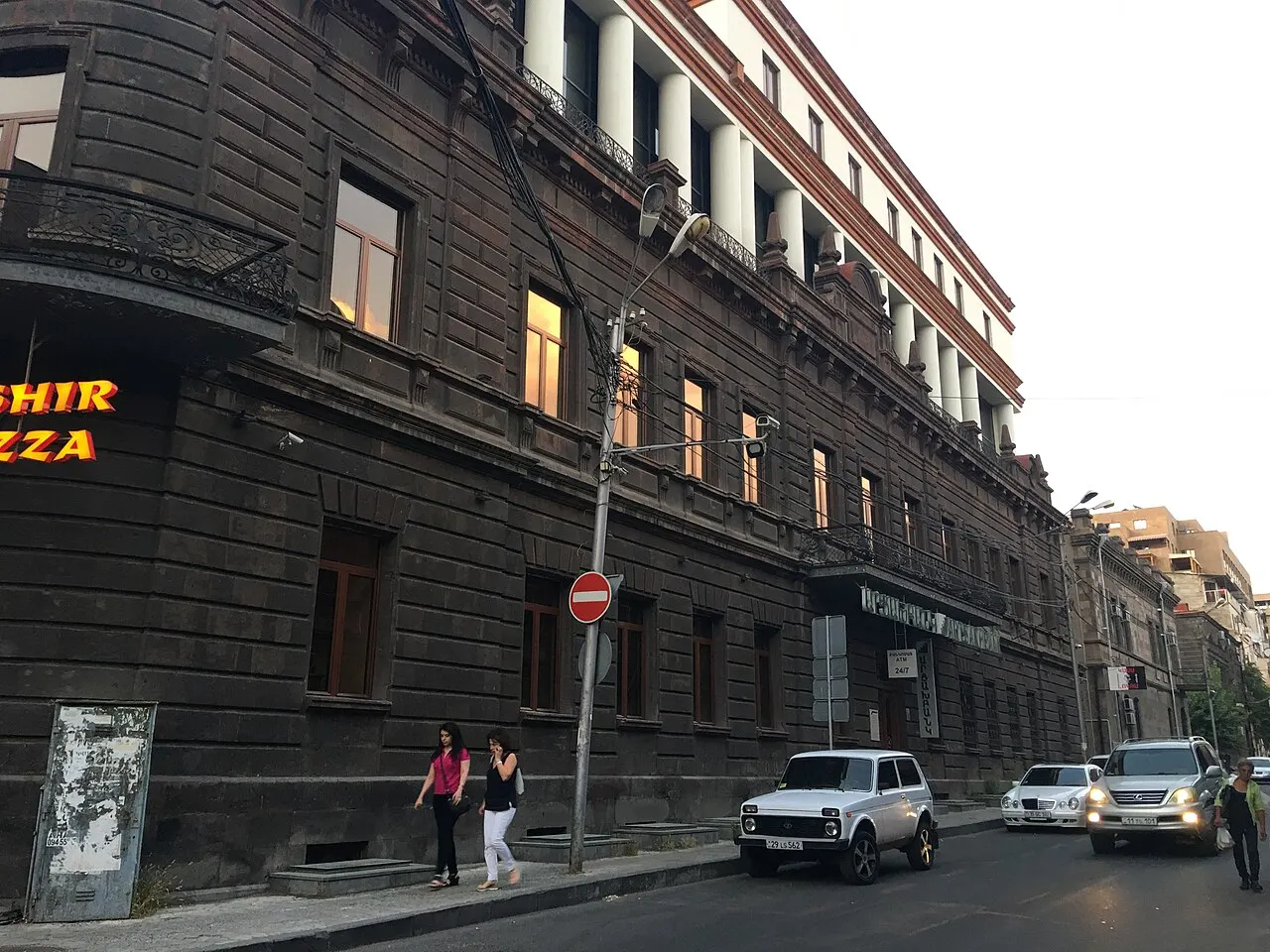
Kentron is the walkable core: Republic Square, the Opera, Northern Avenue, the cafe grid. You pay for that with money and noise. A four-night hotel stay belongs in where to stay in Yerevan by area; a twelve-month lease is a different purchase. You’ll live with the street at 1 a.m. and whichever heating the building actually has, not a listing photo of Ararat from a roof you won’t be allowed onto.
Arabkir is the default “I work in the centre and sleep somewhere quieter” answer for a lot of long-stayers: Komitas Avenue, the metro, mid-rise blocks, a supermarket you can walk to in slippers. Aygedzor sits in the same northern band. You’re trading a short ride for lower asking rents and a more residential night. That’s the trade, not a moral ranking.
The outer districts only make sense if you already know why you’re there - a specific office, family, or a school. Malatia-Sebastia sat in the mid-200,000s on that August snapshot; Shengavit ran closer to 300,000 AMD. Both are a taxi or a slow bus from the wine bars. Don’t pick them off a map because the number looks kind.
Owners, agencies, and a fee that is not published
List.am lets you filter Owner versus Agency. On 17 August 2026 the first pages were agency-heavy. That doesn’t make agencies a scam and it doesn’t make owners a bargain. It means the person texting you may be taking a cut, and you should know the number before you spend a Saturday in marshrutkas.
There is no official published tariff for an agent’s fee in Armenia that we could cite. Do not budget a percentage you read on a forum. Ask, in writing, what they charge, who pays it, and whether the viewing is free. If they won’t put the fee in a message, you’re already negotiating in the dark.
Agencies are still useful when you don’t speak Armenian and you need five flats in one afternoon. Owners are useful when the ad is priced in dram and the person on the other end is the name on the Cadastre extract. Either way, the next section matters more than who sent the WhatsApp pin.
The contract the Civil Code actually describes
Armenian residential leases sit in the Civil Code, not in a Facebook comment. The English text of the Code on the official legal database (ARLIS) says, among other things:
- the contract is concluded in writing, as a single document signed by the parties (Article 662);
- it is subject to notary certification (same article, as amended in 2023);
- rights arising from the contract are subject to state registration (Article 663);
- the amount of rent is set by agreement, and a unilateral change is not allowed except as the law or the contract provides (Article 671);
- if no term is written, the contract is treated as concluded for an indefinite term (Article 672);
- the lessee of a dwelling may terminate at any time with the consent of the people permanently living there, by giving the lessor three months’ notice (Article 675).
The Cadastre Committee registers rights of use, among other rights, at any service office or online through e-cadastre.am. Fees sit in the Law on State Registration of Rights to Property and the Law on State Duties; look them up on the day, don’t copy an old blog.
Handshake deals exist. People will tell you “everyone does it that way.” This page is not going to bless that, and it is not going to tell you a handshake is fine, or that registration is optional under some term you picked. Confirm the current notary and Cadastre steps with the notary in front of you, the Cadastre Committee, or an Armenian lawyer who does residential work. Rules change; a classifieds ad is not a statute.
One clause worth fighting for in plain language, because the Code puts the default on you: who pays the utilities. Article 667 says the lessee makes utility payments unless the contract says otherwise. If gas, electricity, water, building fees and internet are meant to be the landlord’s problem, the contract has to say so.
Money on day one: deposit, first month, currency
Before you transfer anything, you want three numbers in the same document: the monthly rent, the currency, and whatever security sum the landlord is holding.
Deposit. The Civil Code does not publish a statutory “one month” or “two months” for residential security. We are not going to invent an average. Some landlords ask for a sum equal to a month, some ask for more, some fold it into the first payment and then argue about it in March. Write the amount, the conditions for keeping it, and the conditions for returning it into the notarised contract, then transfer. If that sentence feels slow, that’s the point.
Currency. The 17 August board mixed AMD, USD and the odd euro ad. Daily life in Yerevan runs in dram. If the rent is written in dollars, ask how the rate is set on payment day - Central Bank print, a named bank’s sell rate, or a number frozen in the contract. A “about 366” conversation in August is not a payment clause. For how the dram behaves in shops and on cards, see money in Armenia. A local account makes standing transfers less painful; opening a bank account as a foreigner is its own errand.
First month. Expect to pay the first period plus the security sum together, often in cash or a local transfer the landlord can see the same day. Don’t wire a deposit to a stranger’s card because the photos looked like Northern Avenue.
Bills, a phone number, and winter heating
Once the keys are in your pocket, the building still has to bill someone. Electric Networks of Armenia, the gas company and the water utility want a name, an address and a reachable number. The Public Services Regulatory Commission said on 30 December 2025 that consumer electricity tariffs stay unchanged for 2026; read the current kWh rate on your ENA bill or on psrc.am, not on a three-year-old screenshot. Winter is the swing: Yerevan heats on gas, and a January bill is not a July bill. Ask the landlord for last winter’s statements before you sign. We are not printing a made-up monthly total.
Internet is usually already in the wall. Ask which operator (Ucom, Viva, Team, or someone else) and what the current plan costs - those tariffs were not pulled for this page, so confirm with the operator, not with us.
You’ll want a working local number before the first utility SMS. An eSIM that is live when you land is the boring way to stop missing the landlord’s call from the stairwell.
Address registration is a different errand from a residence permit
Two offices get confused here, and mixing them up wastes a week.
Address registration (grantsoum) is a Population Register update. The national services page on Hartak, checked 17 August 2026, lists the service for foreign citizens, stateless persons and refugees who already have the right to reside in Armenia. The state duty is 1,000 AMD. Processing is up to three working days on a permanent basis, or eight if the police have to confirm you actually live there. If you apply on the basis of a lease, Hartak asks for a passport (with the extra translation rules that page spells out for foreigners and for Russian citizens) plus a document confirming registration of the right-of-use in the Cadastre Committee, plus the duty receipt. Other bases exist - ownership, the owner’s consent, a police check of actual residence. Use the Hartak page, not a Telegram rumour.
A residence permit is a separate status, applied for at the Migration and Citizenship Service. The official document list on migration.e-gov.am names grounds such as descent, business, family and study. It does not, on that page, treat a rental contract as a standalone ticket. Don’t file a lease and assume the permit follows. The full picture is our guide to an Armenia residence permit.
A workable first two weeks
Land with a short booking, not a twelve-month signature. Spend the first days walking Kentron at night and Arabkir at 8 a.m., because that’s when you’ll actually live there. Filter List.am by district and by AMD versus USD so you’re not comparing a Mashtots walk-up with a Northern Avenue new-build. View in daylight, run the taps, ask for last winter’s gas bill, and photograph the meter numbers.
When a flat survives that, slow down. Cadastre extract, names matching the person in the room, contract in Armenian with a translation you can actually read, notary, then the money. Parallel to that, decide whether you even need a residence permit for the stay you have in mind, and keep the address-registration appointment for after the right-of-use paper exists, not before.
Do that and the market is searchable. Skip the filters and you’ll spend a month on tourist-adjacent rent while a dram price on Komitas sat on the same page.
Photos
Read also
Relocation · 10 min read
Registering a Business in Armenia: IE & LLC
Verified · September 1, 2026How foreigners register an IE or LLC in Armenia via e-register: fees, timelines, documents, tax election, and residence links. Checked Sept 2026.

Relocation · 7 min read
Armenia vs Georgia for Relocation
Verified · August 27, 2026Armenia vs Georgia for relocation: visa stay, permits, remote-worker tax, rent, banking and citizenship - not tourism.
Relocation · 9 min read
Armenian Citizenship by Descent: 2026 Guide
Verified · August 27, 2026Armenian citizenship by descent: who qualifies, documents, 50,000 AMD fee, dual citizenship and the 2026 mcs-citizenship.am portal.
Relocation · 9 min read
Buying Property in Armenia as a Foreigner
Verified · August 27, 2026Can foreigners buy property in Armenia? Apartments yes, farmland via a company. Cadastre steps, taxes and why a deed is not a residence permit.