Healthcare in Armenia for Expats & Nomads
Armenia's public system barely covers foreigners, but a payroll insurance law started in January 2026. What expats pay, and who still needs private cover.
Armenia has no free healthcare for the average adult, and that part hasn’t changed. What did change, on 1 January 2026, is that thousands of legally employed foreigners got pulled into a new state-run insurance scheme automatically, through their payslip, whether they asked for it or not. This guide sorts out what the public system actually covers, what a private clinic visit costs if it doesn’t, and where the new law leaves you if your income never touches an Armenian payroll.
Check the official source. This reflects Armenia’s healthcare and insurance rules as published by the Prime Minister’s office (primeminister.am), the UK Foreign, Commonwealth & Development Office (gov.uk) and independent tax and HR advisories, checked 8 August 2026. The 2026 insurance reform is brand new and its fine print is still settling, so confirm your own situation with your employer’s accountant, your insurer or the Health Insurance Fund before you rely on any figure here. This is not medical or legal advice.
What’s actually free (and what isn’t)
Start with the short list, because it really is short. Armenia funds a Basic Benefits Package that covers children under 18, pensioners, pregnant women, people with disabilities and a handful of other protected groups, plus emergency stabilisation and a set of named conditions such as tuberculosis and some cancer treatment. A working-age adult, Armenian or foreign, sits outside almost all of that and pays out of pocket or through insurance for routine care. Public hospitals in Yerevan handle straightforward problems reasonably well; outside the capital, expect facilities the UK government describes, in its own wording, as “likely to be basic.”
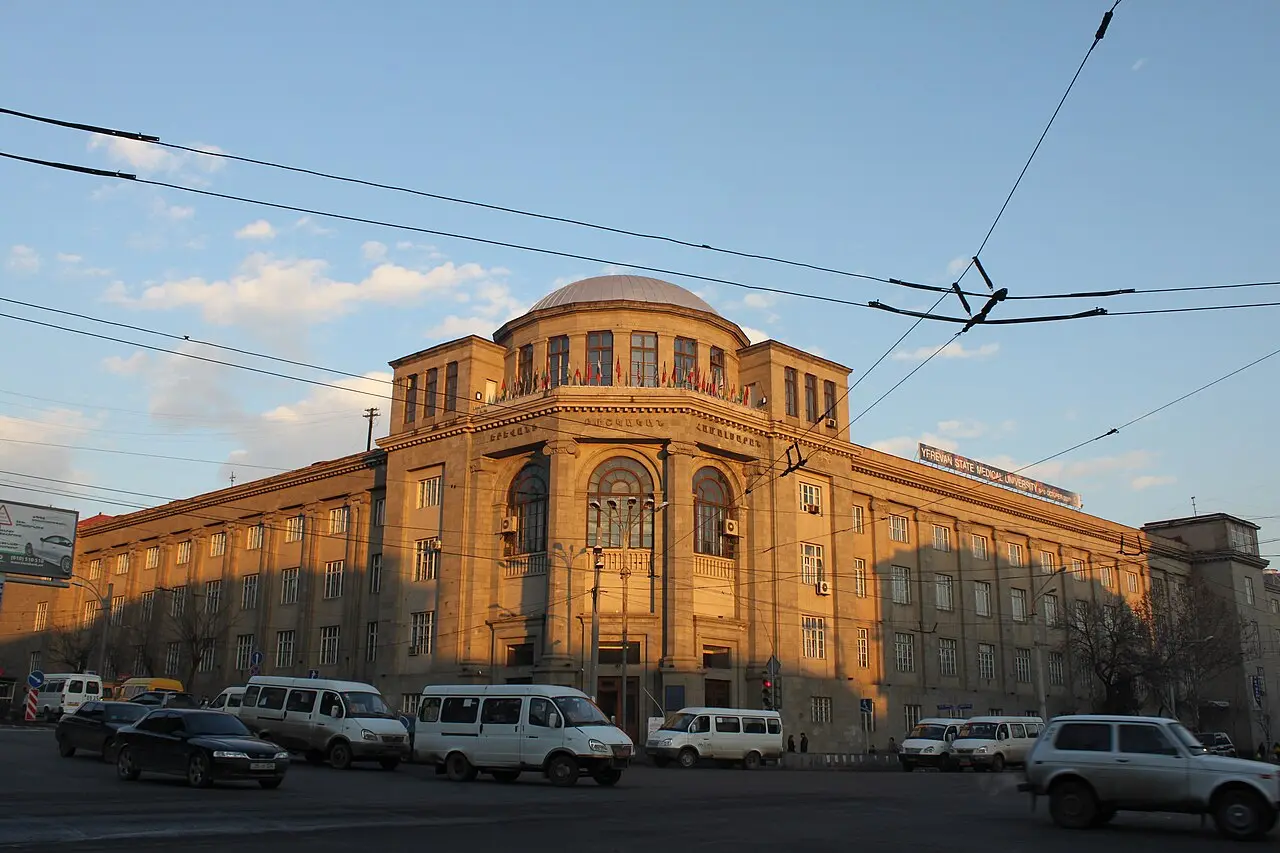
None of that means the medicine itself is poor. Armenia trains its own doctors at Yerevan State Medical University, and plenty of specialists there and in the private clinics below trained or worked abroad. The gap isn’t skill, it’s who is paying, and for a foreigner that answer is almost always you.
The new rule: payroll health insurance since January 2026
Armenia’s government spent years promising universal health insurance and kept postponing it. It finally arrived on 1 January 2026: a Health Insurance Fund now runs a mandatory scheme funded through payroll, the same way income tax is withheld. This first year it only catches employees whose gross pay for a reference month, November 2025, was above 200,000 AMD, around 190,000 people, and once you clear that bar you stay a contributor for the next 12 months even if your pay later dips below it; everyone who was under the threshold joins from 1 January 2027 instead. Self-employed people and individual entrepreneurs are pulled in too once their income from the previous year passes 2,400,001 AMD, paying a flat annual premium by 20 April.
The premium itself is 129,600 AMD a year, about 10,800 AMD a month, deducted automatically like a tax. For 2026 the government has softened the hit for people just over the line: earners between 200,001 and 500,000 AMD a month see a net deduction closer to 300 AMD, thanks to temporary offsets against other payroll charges, while those between 500,001 and 1,000,000 AMD pay around 3,300 AMD monthly. Above 1,000,000 AMD, you pay the full amount.
One nuance matters if you’re not Armenian: nothing in the published rules appears to carve out foreign nationals by citizenship. The mechanism runs on where your income comes from, not your passport. One tax advisory puts it plainly - obligations generally apply if you receive taxable income from Armenian sources. Read that as: a foreigner on a genuine local employment contract, or registered as an Individual Entrepreneur, above the relevant threshold looks to be treated the same as an Armenian employee. No single official source spells this out for foreigners explicitly, so don’t take it as settled. Ask your employer’s accountant, or whoever filed your Individual Entrepreneur registration, whether the deduction is already coming off your pay, and if not, why.
Private clinics, and what a visit actually costs
For anything the new insurance doesn’t reach, or while you’re still working out whether it applies to you, the fallback is the same one tourists use: pay and claim. Private hospitals in Armenia are genuinely good, and the same UK advisory is blunt that they “can be expensive.” Wigmore Clinic in central Yerevan is one that publishes its prices: a consultation for anyone who isn’t an Armenian citizen is 25,000 AMD (about $69), and a keyhole appendix removal is 280,000 AMD (about $769), with the whole list marked indicative. A hospital stay, drugs and follow-up visits come on top of lines like these, so treat them as a floor rather than a quote.
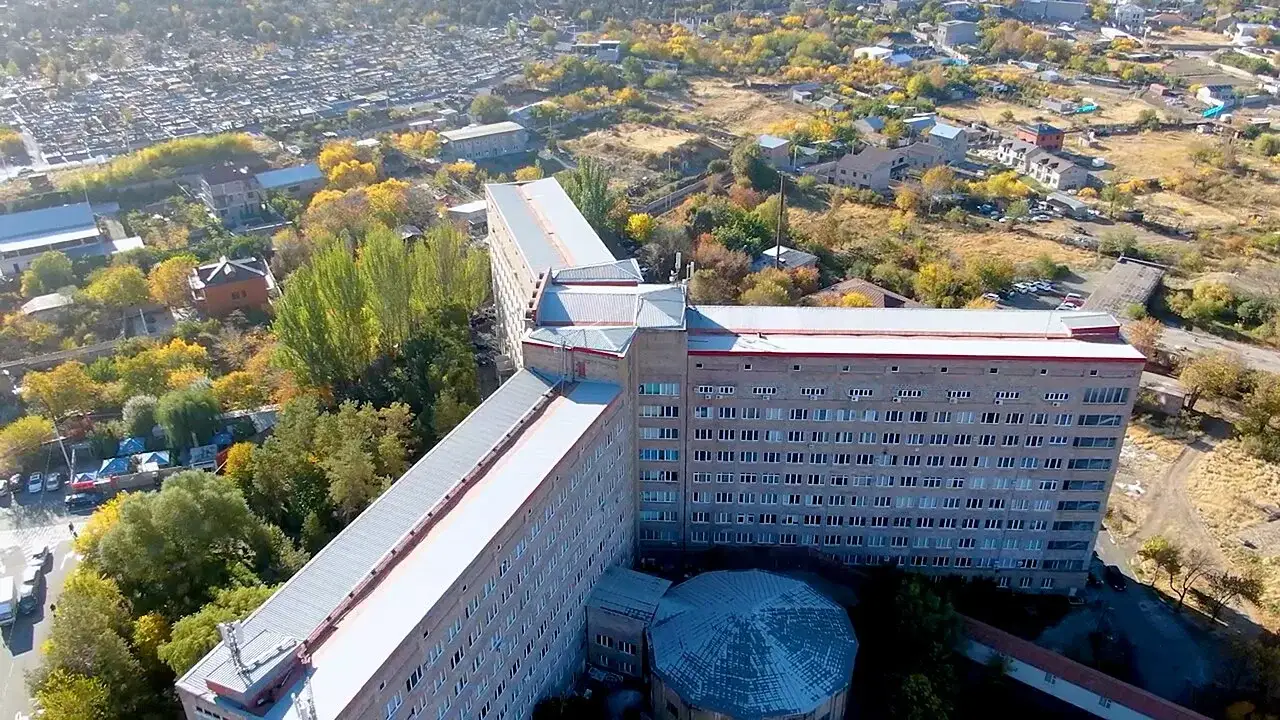
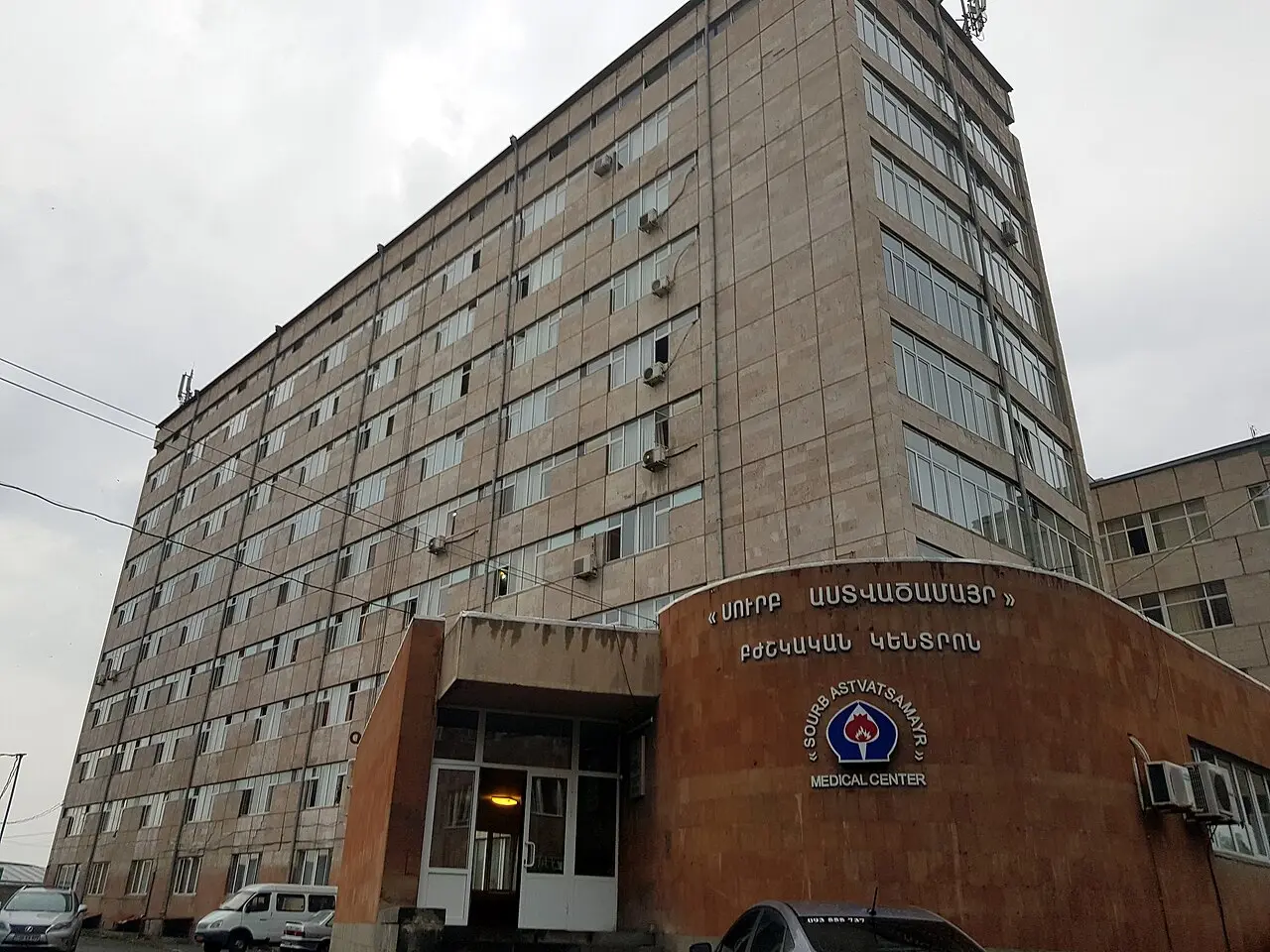
Yerevan holds the country’s strongest facilities by a wide margin. Wigmore Clinic and Erebouni Medical Center come up often as the private options, both known for English-speaking staff and modern equipment. Worth knowing separately: Surb Astvatsamayr Medical Center is one of Yerevan’s larger multi-profile hospitals, run by the city rather than privately, and it handles everything from trauma care to paediatric surgery - a foreign patient without the new insurance still pays there too for anything outside the Basic Benefits Package. None of this is a recommendation for one clinic over another - it’s an honest map of where the country’s better care actually sits, so you’re not starting from zero if something goes wrong.
If your income doesn’t run through an Armenian payroll
This is where digital nomads and remote employees of foreign companies need to pay attention, because the new law was built around Armenian payroll and Armenian business turnover, not around a laptop and a client abroad. If you’re living in Yerevan on the 180-day visa-free stay, or on a residence permit but paid by a company outside Armenia with no local registration, there’s a real chance you never touch the state insurance system at all, this year or next. That doesn’t make you exempt from getting sick. It makes you exactly the traveler our guide to travel insurance for Armenia is written for: someone who pays a private clinic on the spot and claims it back afterwards.
Long-term nomads based here typically carry private or international insurance. For scale, SafetyWing’s Essential plan cost US$62.72 for four weeks at ages 10-39 when we checked on 25 September 2026, roughly 3.5 times that at 60-69, and it isn’t sold past 69. Even the top age band is a fraction of what one bad week in a hospital costs without cover. Essential is travel cover, though: SafetyWing treats the country where you principally live and get your mail as your home, and covers you there for only 30 days in every 90. Once Armenia is your main base, look at an international health plan instead. This isn’t the place to economise: check the policy for real evacuation cover and a 24/7 assistance line, not just the lowest headline price you can find.
Coming from Russia, Belarus, Kazakhstan or Kyrgyzstan?
There’s a persistent myth that the Eurasian Economic Union buys citizens of its member states free healthcare in fellow member states. It doesn’t, not automatically, and the fine print matters more for someone living here than for someone passing through. Under Article 98 and Annex 30 of the EAEU Treaty, citizens of member states get emergency and urgent care on the same terms as locals only once they’re legally employed in another member state, and the same right extends to their resident family members. It covers emergency care specifically, not planned treatment, and it only kicks in once you’re actually working, not while you’re job-hunting or freelancing informally.
So if you hold a Russian, Kazakh, Belarusian or Kyrgyz passport and have a real Armenian employment contract, you and your family have a genuine right to emergency care alongside Armenian citizens. Working informally or still job-hunting, that right doesn’t apply yet, and you pay like any other foreigner. Either way, the 2026 payroll insurance above runs on separate rules and can still apply to you once you’re formally on a local payslip above the threshold.
Pharmacies and prescriptions
Pharmacies are easy to find and marked with a green cross, and a few chains, including ALFA-PHARM and MED911, deliver around Yerevan into the small hours - Med911 lists 08:00 to 02:00, with free delivery on orders over 10,000 AMD. Enforcement of prescription rules is inconsistent in practice: some medications that would need a prescription elsewhere are sold over the counter, while controlled or specialised drugs are properly restricted. Generics are widely available and noticeably cheaper than imported originals, which helps if you’re managing an ongoing condition on a local budget.
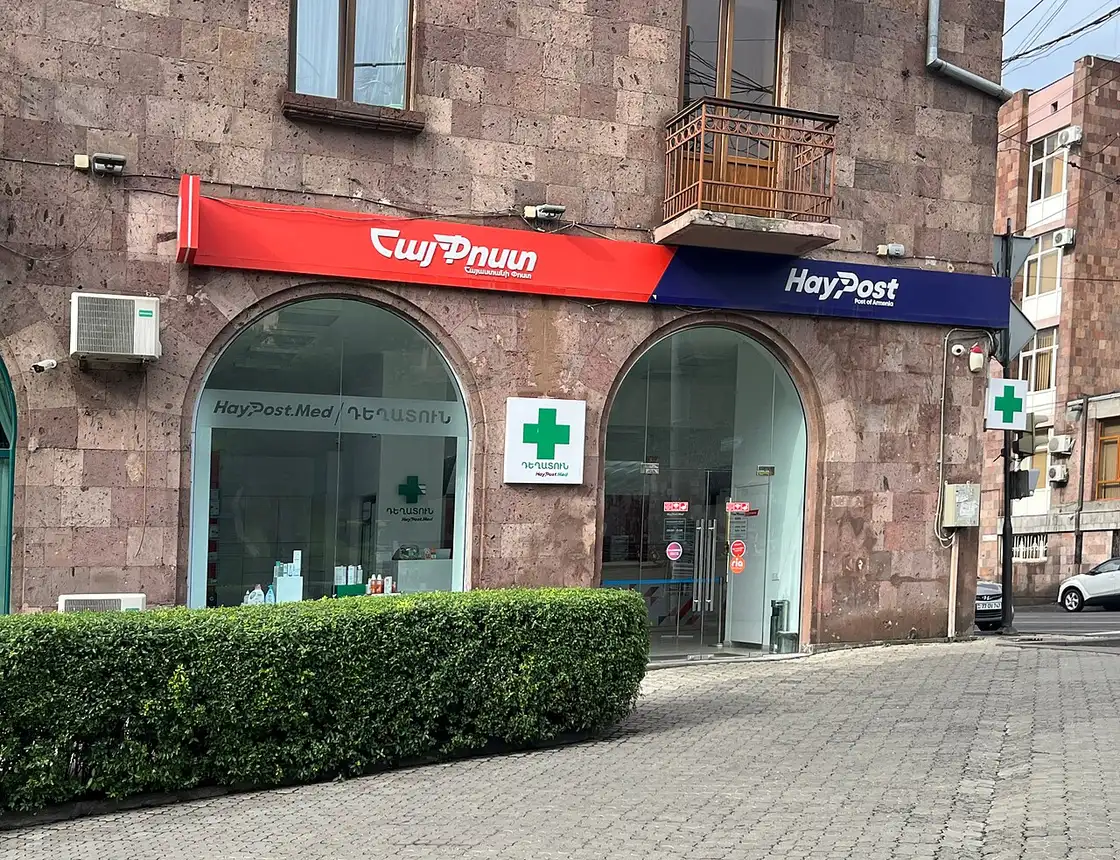
If you take a regular medication, bring a supply that covers your transition plus a doctor’s letter or the packaging with the generic (INN) name, since brand names differ between countries and a pharmacist working from the generic name can usually find an equivalent fast.
Emergency care: the number to know
Dial 112. Since 15 February 2026 it’s been Armenia’s single number for the police and the fire and rescue service, run by the Ministry of Internal Affairs, and the old 911, 102 and 101 still work by redirecting to it. An ambulance has its own line, 103; in Yerevan that rings the city ambulance service’s dispatch centre. The UK government’s advice for foreigners still says to call 911 and ask for an ambulance with an English speaker. That call now lands at 112, which doesn’t cover the ambulance service yet, so for a medical emergency 103 is the direct route. Whichever you dial, ask for an English speaker, because one isn’t guaranteed by default. Under Armenian law, emergency treatment for an immediate threat to life is free regardless of nationality or insurance status.
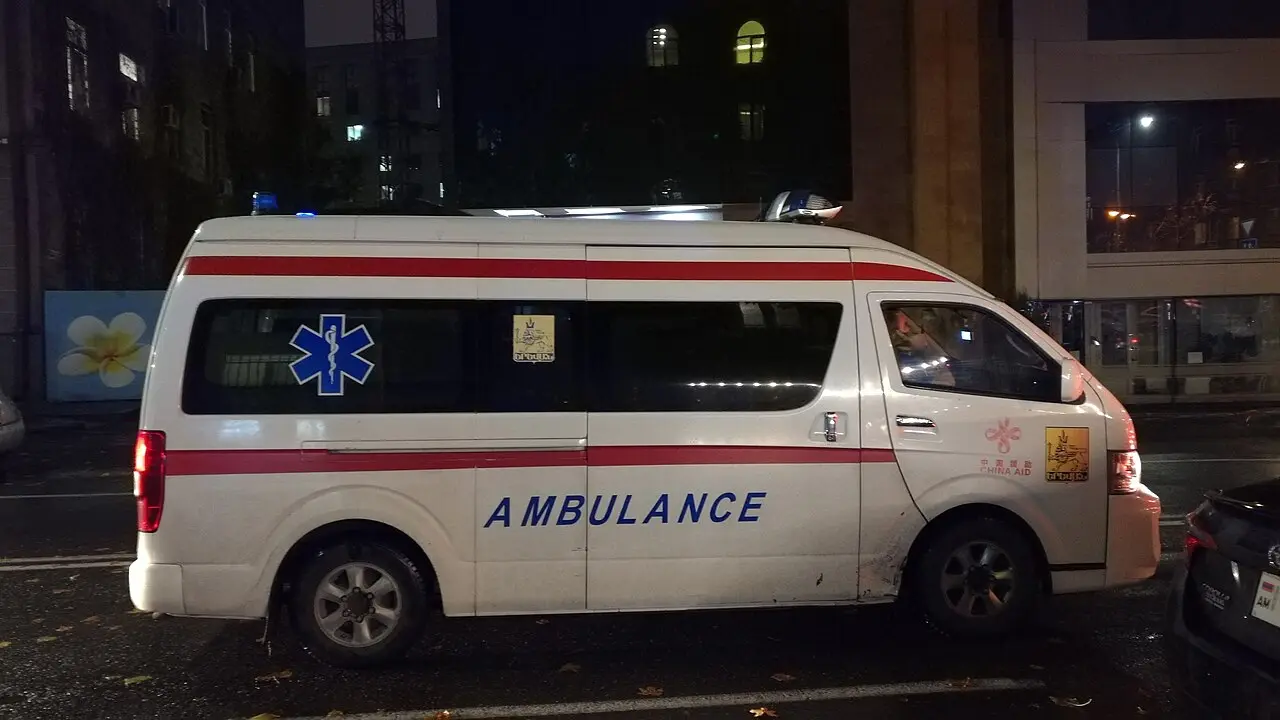
That guarantee is narrower than it sounds. It covers the emergency itself, the ambulance, the stabilisation, keeping you alive. Once you’re out of danger, everything that follows, the ward stay, the operation, the physiotherapy, gets billed the normal way, to you or to whichever insurance you sorted out above.
Working out which box you’re in
Figure out which category actually applies to you before anything goes wrong, because the right move changes with the answer. On an Armenian payroll above 200,000 AMD a month, or registered as an Individual Entrepreneur past the income threshold, you’re probably already inside the new insurance system, so check your payslip instead of guessing. Paid from abroad with no local registration, you’re very likely not, and a private or nomad policy is doing the job the state system would otherwise do. Legally employed and from an EAEU country, add an emergency-care right on top of whatever else you arrange. Whichever box fits, keep a policy that covers evacuation, save the emergency numbers offline, and don’t assume the free part of Armenian healthcare reaches further than it actually does.
Photos
Read also
Relocation · 10 min read
Registering a Business in Armenia: IE & LLC
Verified · September 1, 2026How foreigners register an IE or LLC in Armenia via e-register: fees, timelines, documents, tax election, and residence links. Checked Sept 2026.
Relocation · 7 min read
Armenia vs Georgia for Relocation
Verified · August 27, 2026Armenia vs Georgia for relocation: visa stay, permits, remote-worker tax, rent, banking and citizenship - not tourism.
Relocation · 9 min read
Armenian Citizenship by Descent: 2026 Guide
Verified · August 27, 2026Armenian citizenship by descent: who qualifies, documents, 50,000 AMD fee, dual citizenship and the 2026 mcs-citizenship.am portal.
Relocation · 9 min read
Buying Property in Armenia as a Foreigner
Verified · August 27, 2026Can foreigners buy property in Armenia? Apartments yes, farmland via a company. Cadastre steps, taxes and why a deed is not a residence permit.