
Armenia in Winter: Ski Season, Pass Closures, Hot Springs
Armenia in winter 2026/27: where the ski season stands, which passes the Rescue Service reports closed, the hot springs, and how Tatev and Sevan change.
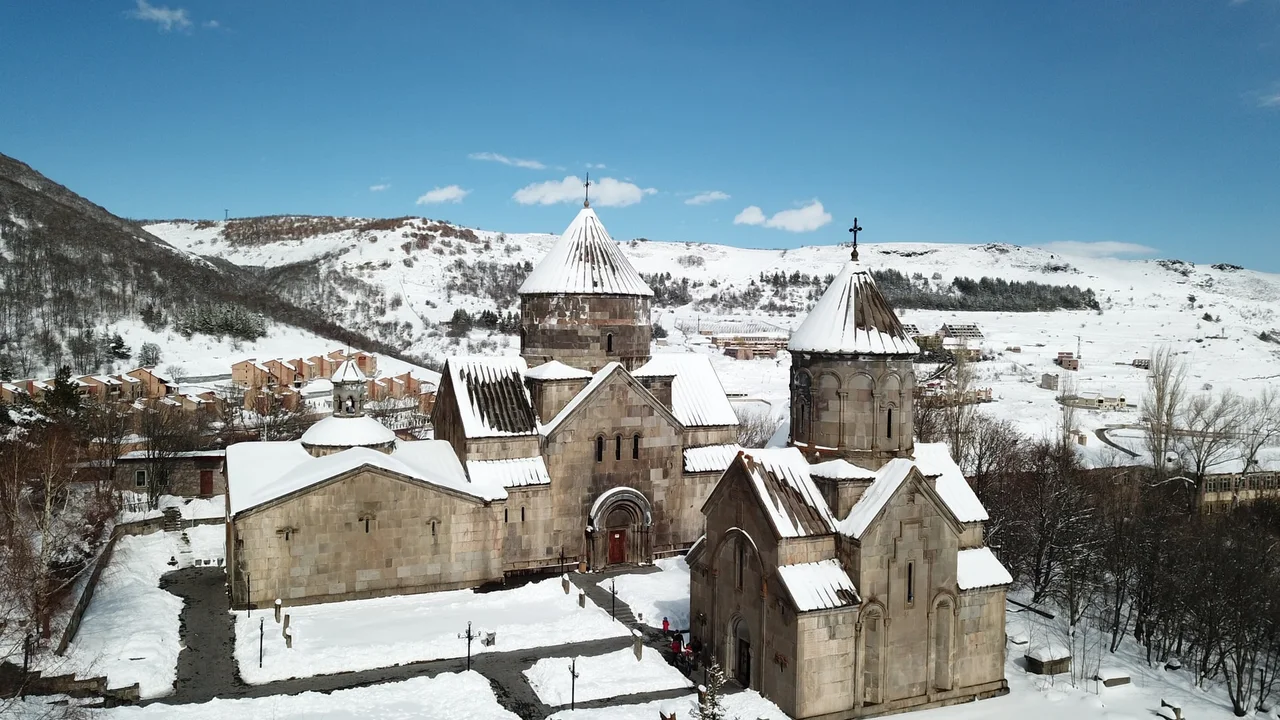
Winter in Armenia works if you plan around three checks: whether the Tsaghkadzor lifts are running yet, which passes the Rescue Service has flagged that morning, and whether the Tatev cableway runs on the day you drive south. Yerevan and the Jermuk pools carry on through the cold months; it’s the passes and the high side roads where a winter day goes wrong.
On 8 November 2026 the 2026/27 ski season hadn’t been announced yet. Below is how to spot the announcement before you pay for a hotel, and why the second clause of a road bulletin matters more than the first.
When the ski season opens
Armenia’s tourism portal gives the standard answer for the main resort: skiing at Tsaghkadzor starts in mid-December and lasts until the end of March. Take that as a planning window only. It comes from an article published in June 2023, and the actual opening date moves with the snow. How to get there without a car, and how to plan the return, is in Yerevan to Tsaghkadzor.
The operator is more useful than the portal. The Tsaghkadzor ropeway’s own site lists working hours of 10:00-17:30 from 7 October 2026, which is its autumn schedule, and carries no opening notice for the ski season. There’s a small tell here: the page source keeps a switched-off banner reading “The wait is over: the Tsaghkadzor Ropeway proudly opens the alpine skiing season”, next to old notices about the night slope in January. An opening notice on the homepage is the signal that the lifts are running. Check ropeway.am before you pay for non-refundable hotels in the first weeks of December, and keep your dates loose if you can.
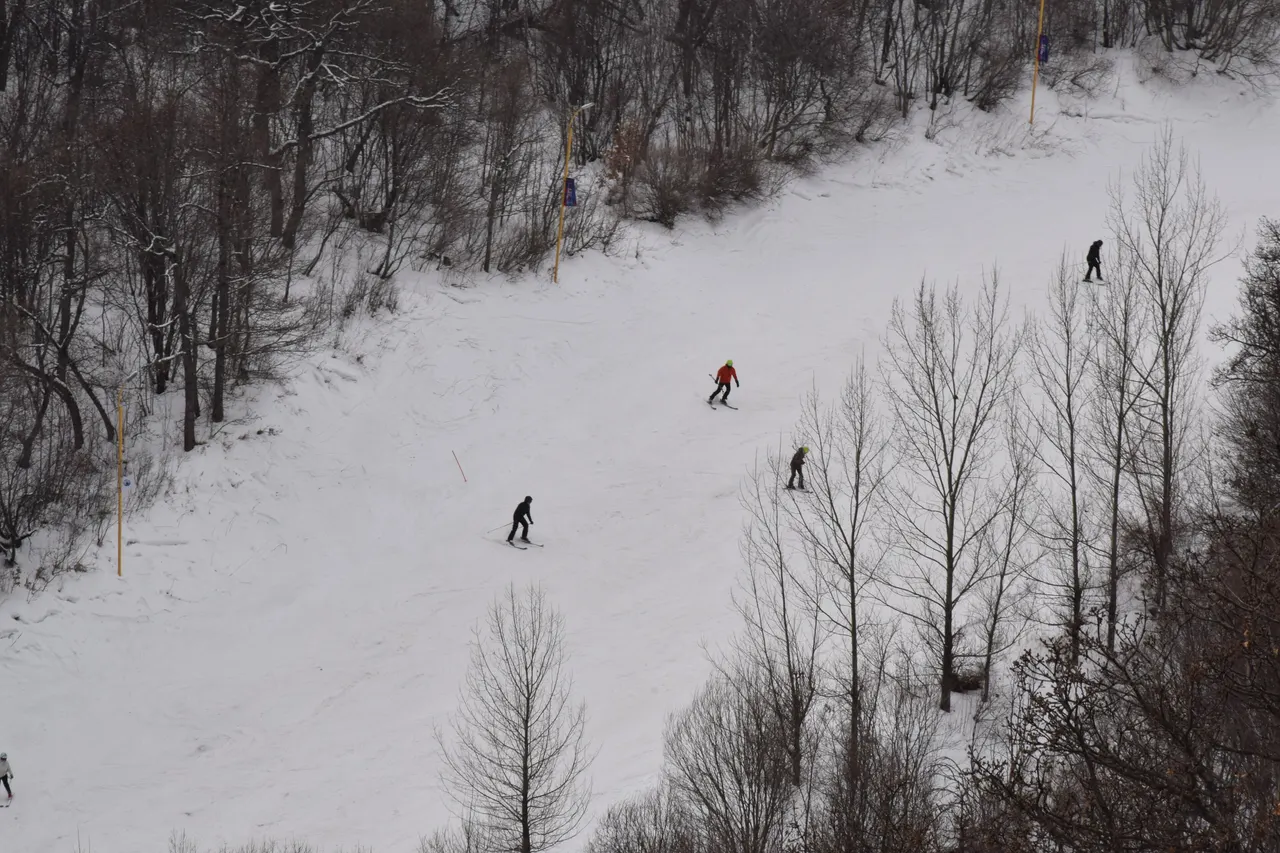
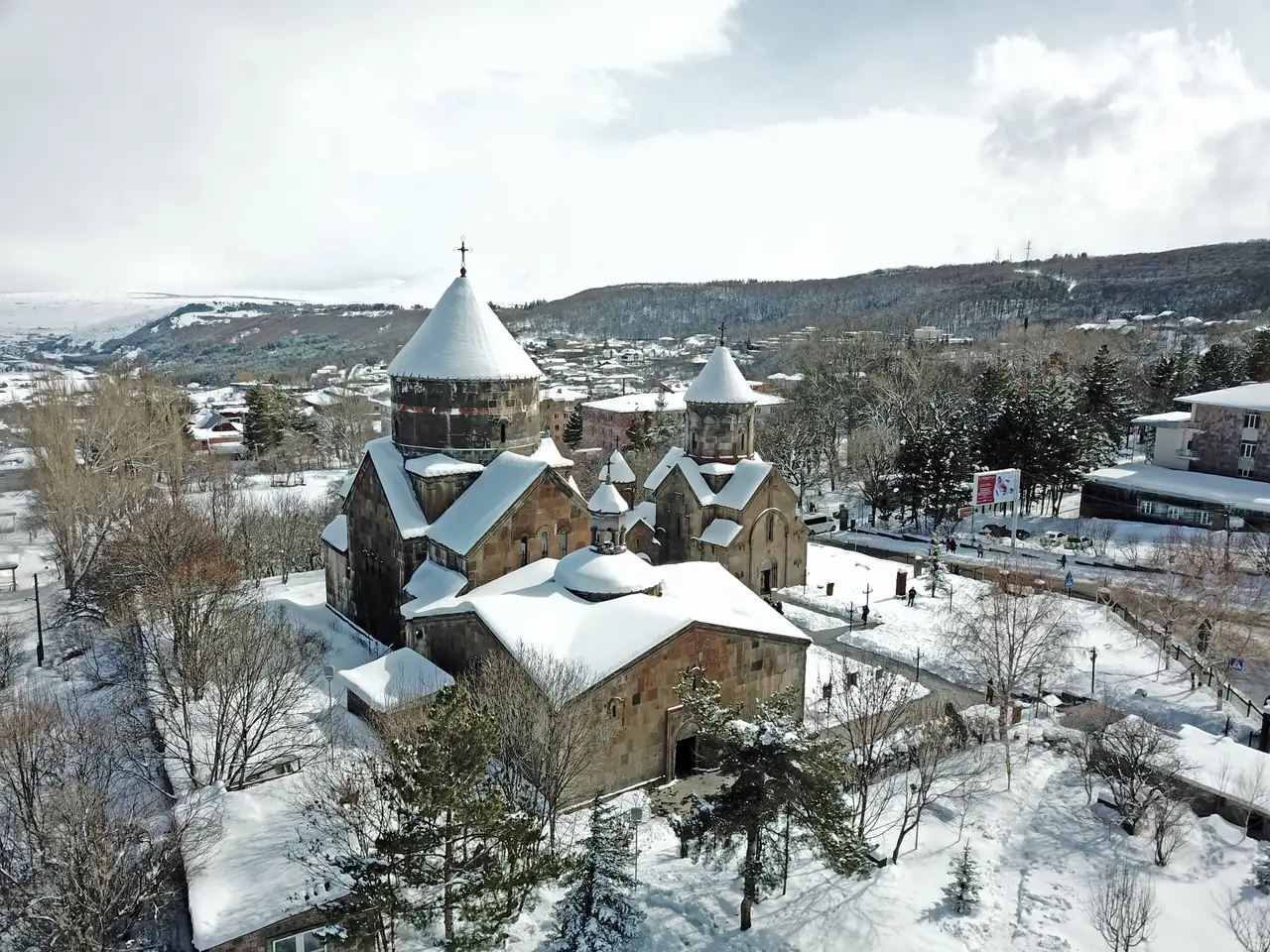
For what the resort offers once it opens (lift stages, the day-card tariff, the Kecharis monastery five minutes from the slopes), the Tsaghkadzor guide carries the operator’s figures with their dates. They stay on that page, because the 2026/27 tariff may differ from the 2025/26 one.
Jermuk is the second option. Its ropeway climbs to 2,480 m and in winter works as a ski lift for two runs, according to the official tourism portal armenia.travel, whose article of 2 December 2025 also describes the ropeway as “currently being renovated”. We found no operator notice for the 2026/27 opening as of 8 November 2026, so treat Jermuk skiing as “ask the hotel first”. The better reason to go in winter isn’t the slopes anyway, as the hot-water section below explains. The town guide is Jermuk: spa town and waterfall.
If you only want to see snow and not ski on it, a winter day in Tsaghkadzor works without a lift ticket: the Kecharis monastery under snow is the picture many people make the trip for, and a taxi or marshrutka from Yerevan covers it in about an hour.
Read the Rescue Service bulletin before any pass
Armenia’s road risk in winter sits on the passes and mountain approaches rather than in the capital. The Rescue Service of the Ministry of Internal Affairs posts a road bulletin every day in the “Roads in Armenia” section of rescue.mia.gov.am (on a calm day it simply reads “Roads are passable in the Republic of Armenia”), and its wording is worth learning because it decides your day.
Three bulletins from the last two winters show the pattern (all read on 8 November 2026):
- 27 December 2024: Vardenyats Pass “closed for trucks with trailer”; snow in Jermuk and Dilijan; drivers advised to use winter tyres only.
- 20 February 2025: Vardenyats Pass “closed for trucks and difficult to pass for other types of vehicles”; Dilijan’s bends hard going for trailer trucks.
- 10 February 2026: Vardenyats Pass closed for trucks with trailers and “difficult to pass” for other vehicles; the roads from Vardanidzor to Kajaran and from Zanger to Noravan closed to trucks with trailers; the road from the Amberd weather station to Lake Kari closed.
Read past the first clause. “Closed for trucks” is a freight notice and doesn’t stop a hire car. “Difficult to pass for other vehicles” is the line that’s about you, and for Vardenyats it turns up in two of the three bulletins above, February 2025 and February 2026; in December 2024 the pass was shut only to trucks with trailers. Vardenyats (also called Selim) is the scenic shortcut between Lake Sevan and Vayots Dzor; in winter, plan the longer way round or a different day. Our Armenia in October guide lists the same pass and the Aragats road with their January and February 2026 bulletin dates.
What that means in practice:
- Ask for winter tyres in writing when you book a car, and don’t count on the default set being right. The bulletin’s own advice is winter tyres only.
- Read the bulletin the evening before and again at breakfast. A storm can close a road overnight, and the notice is posted in English.
- Build one buffer day into any plan that crosses a pass.
- Skip self-drive on the day of a storm if you’re not used to ice. A private transfer, where the driver knows which side of the pass is clear, costs less than a missed flight home.
The main highways are the easy part. It’s the side roads, the access lane to a guesthouse and the high plateau roads that tend to bite.
Hot water in the snow
Armenia’s hot springs are at their best with snow on the ground. Jermuk sits above 2,000 m, so the town is snowy and quiet, and the mineral gallery in the centre pours the mineral water into five stone jars, each at a different temperature. Drinking it is more ritual than taste, and the pools and sanatoria stay open through the cold months (our hot springs guide compares Jermuk with Hankavan and Arzni, and the Jermuk spa hotels page covers where to stay).
A realistic winter plan pairs the two: a day on the snow at Tsaghkadzor, then two nights in Jermuk, because the drive there, about three hours from Yerevan, takes a good part of the first day. For the route, see Yerevan to Jermuk. The upper road to the plateau can be cold and icy, so this is a day-before bulletin check, not a day-of surprise.
Hankavan is the one to keep for another season. The way in is a private car or driver, as the hot springs guide explains, and a snowy forest road is no place to improvise.
Tatev and the deep south
The Wings of Tatev cableway doesn’t close for winter. It runs all year, with shorter winter hours and a cheaper winter fare; the Tatev guide has the figures and the dates they were read.
Monday is a day off in every season unless it’s a public holiday (the timetable reads Tuesday to Sunday and holidays), so a Monday arrival after a long drive usually finds a locked station. The operator’s table also carries a line most people skip: “additional non-working days may occur due to weather conditions and/or technical issues”, with updates posted on its site and social channels. Its winter row lists December, January from the 2nd, and February, with no line for 1 January, so ask before planning a New Year’s Day ride.
The drive south is a long haul, and in winter the Syunik roads make it a gamble. The February 2026 bulletin above closed two Syunik stretches to trucks with trailers, so the southern roads carry their own winter restrictions. The Yerevan to Goris and Tatev guide covers the buses and the overnight in Goris. In winter, book the Goris night from the start: arrive the afternoon before, check the bulletin and the cableway notice over dinner, and ride the next morning once you know it’s running.
Sevan and Dilijan in short days
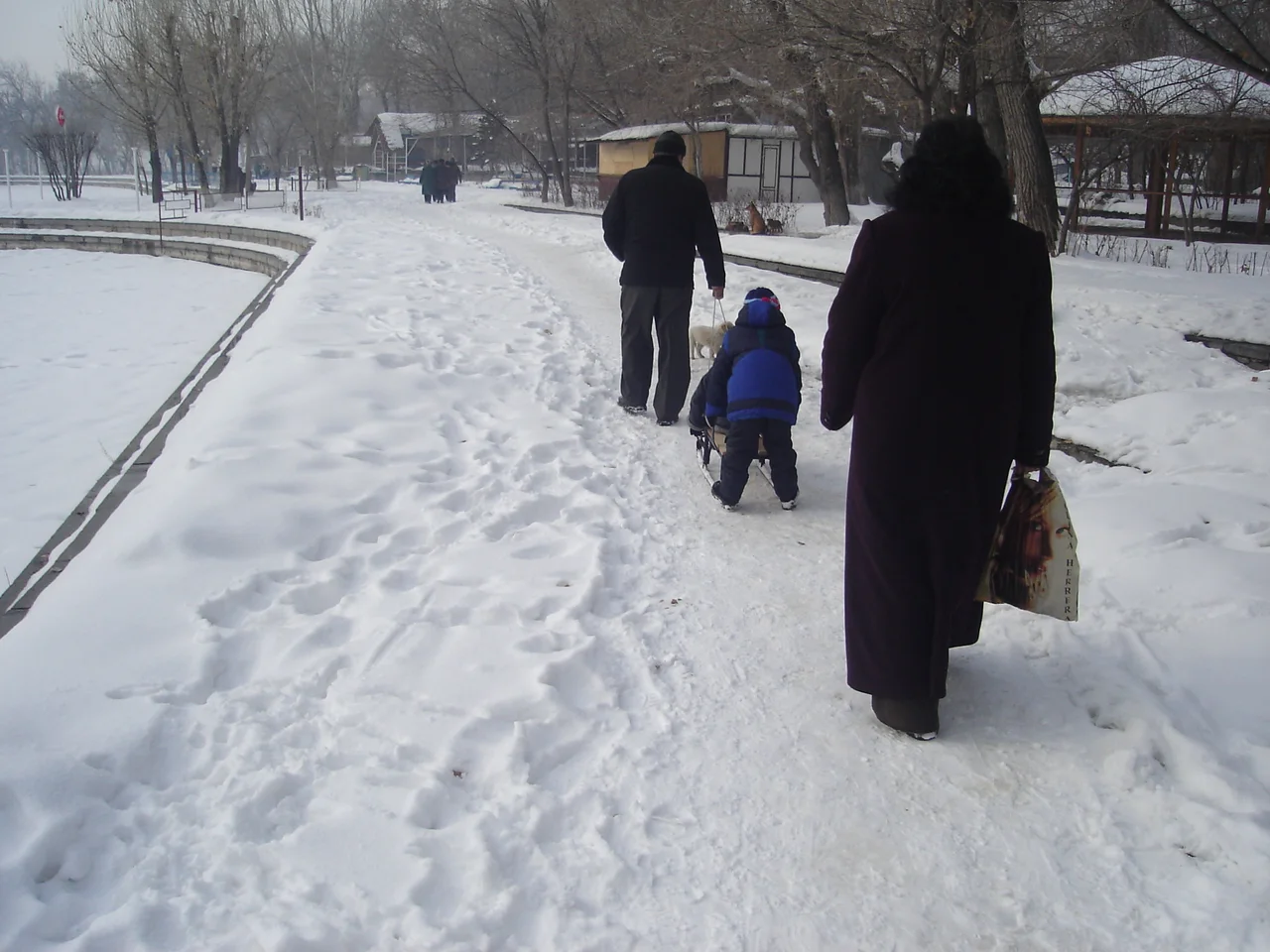
Lake Sevan in winter is far emptier than in August. The water falls to 2-3 degrees in January and February and can freeze in a hard winter, so there’s nothing to do but walk the shore and visit the monasteries. That’s the appeal: Sevanavank with no tour coaches. The stairway up to the monastery can be icy, so pack boots with a grip.
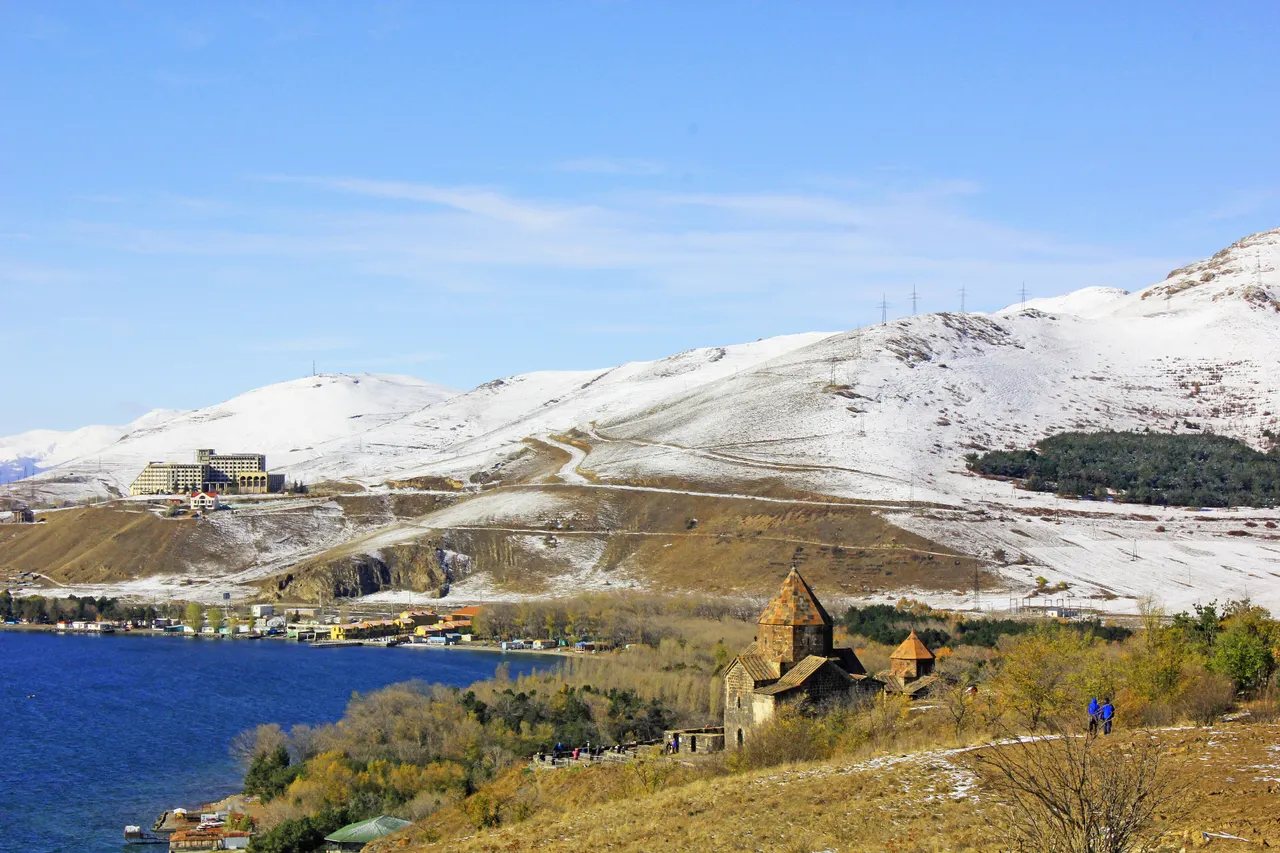
The practical risk is the road. Dilijan itself was among the towns with snow in the December 2024 bulletin, and its bends appear in the February 2025 one. Our Lake Sevan guide advises reading the day’s bulletin before crossing the Sevan Pass towards Dilijan in snow. Go by the main road, leave early and plan the day around the short daylight.
Booking with the weather in mind
Winter trips fail on rigid bookings, so book around the three checks above:
- Hotels in ski towns: choose a rate you can cancel until the lifts have opened, since the ropeway homepage carried no opening notice on 8 November 2026.
- Your last night: sleep in Yerevan, not in Tsaghkadzor, Jermuk or Goris, so a morning closure on a mountain road can’t cost you the flight.
- Cover: read the winter-sports clause of any policy before you rely on it. Standard travel insurance often limits skiing, and a mountain evacuation is not a bill you want to find out about afterwards.
- Phone: carry a power bank. The bulletin, the ropeway homepage and the Tatev notice all live on your phone, and phones drain fast in the cold.
If the slopes open late or the pass closes, the capital doesn’t. Yerevan’s museums and restaurants run through winter, and the best time to visit Armenia guide shows how winter sits against the other seasons. For a base comparison across the resort towns, our best resorts in Armenia guide sets Tsaghkadzor, Jermuk and Dilijan side by side. For the temperatures behind all this, see Armenia weather by month.
Photos
Read also
Before you go · 10 min read
What to Pack for Armenia: Plugs & Layers
Verified · August 7, 2026Armenia packing list: Type C/F plugs at 230V, summer heat in Yerevan vs cold mountain nights, layers, eSIM and insurance to sort before you fly.
Before you go · 8 min read
Where to Stay in Goris: Hotels for Tatev
Verified · August 7, 2026Where to stay in Goris for Tatev: centre hotels and guesthouses, honest day-trip warning (12-13 hours), and what a night in Syunik actually costs.
Before you go · 8 min read
Solo Female Travel in Armenia: Is It Safe?
Verified · August 6, 2026FCDO reports low crime in Armenia. Solo women should avoid informal or street-hailed taxis and use app, licensed or arranged transport.
Before you go · 14 min read
Armenia in October: Autumn Colour and Wine Festivals
Verified · September 23, 2026Armenia in October: peak leaf colour 15-20 October, the Areni wine festival on the 3rd, five times September rain, and what shuts for winter.