Hot Springs of Armenia: Jermuk, Hankavan, Arzni
Armenia's three spring towns compared: Jermuk's hot baths, Hankavan's forest pools and Arzni's cold, fizzy spring - which to pick and how to get there.
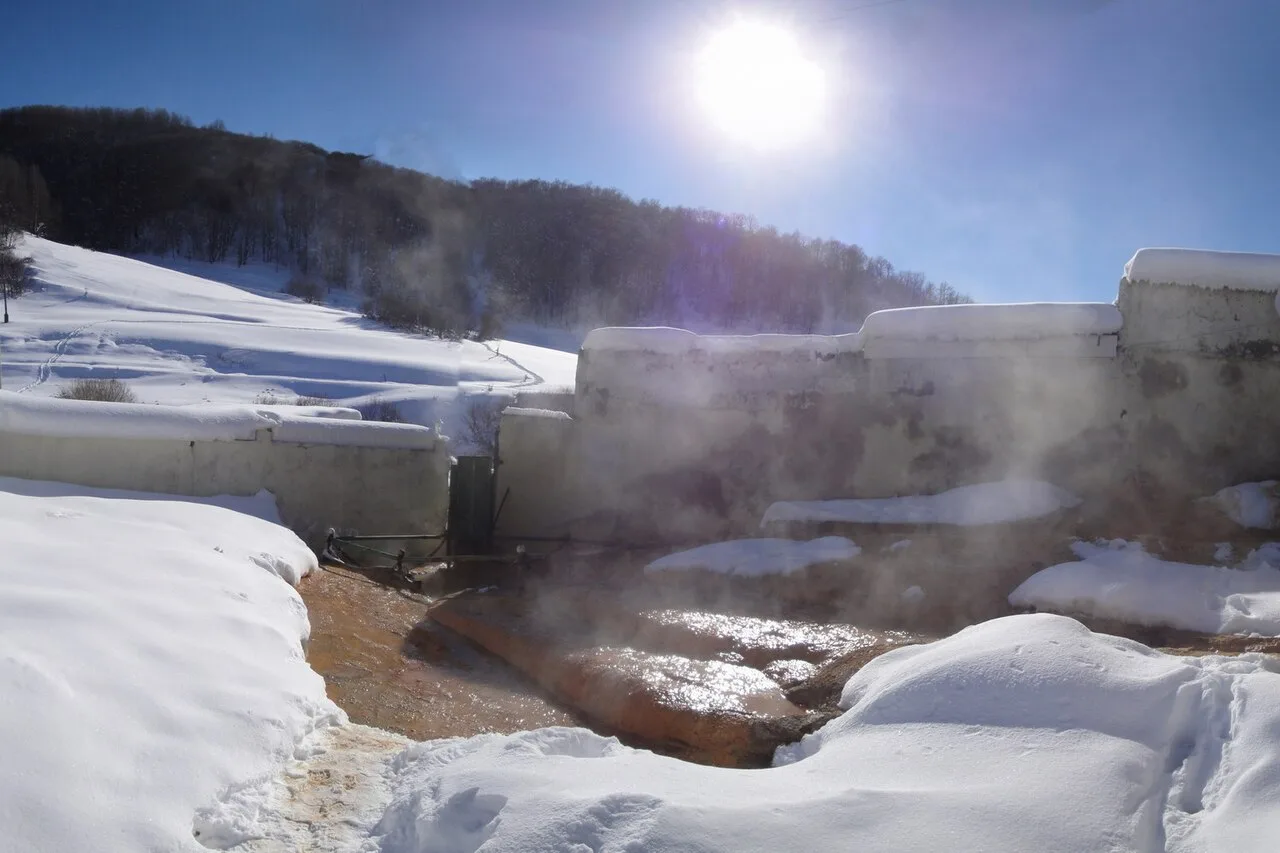
Ask which Armenian “hot spring” to visit and you’ll hear three different names - Jermuk, Hankavan, Arzni - and each one means something different once you’re standing in the water. Jermuk is a proper hot sanatorium soak; Hankavan is a forest pool 90 minutes from Yerevan; Arzni is a cold, heavily carbonated spring that Armenians drink more than they bathe in. Sort that out before you plan around one of them, or you’ll either burn three hours driving south for a dip you could have had closer, or turn up at a “hot spring” that barely runs warm. Here’s how each one works, and which one earns your day.
How the three springs actually differ
The word “hot spring” gets used loosely in Armenia, and the temperature swings by a lot more than the marketing suggests. Jermuk is the only one of the three that’s unambiguously hot at the source - 57 to 64°C from roughly forty outlets around town, cooled in stages to about 30-53°C at the drinking-gallery taps. Hankavan runs cooler and the numbers disagree between sources: some put the spring water itself at 30-35°C, while the developed bathing pool is reported closer to the low 40s once it has been channelled and settled. Arzni is the outlier - its spring emerges cool, and its whole reputation rests on carbonation, not heat, so don’t go expecting a soak there.
| Town | Distance from Yerevan | Water character | Best for |
|---|---|---|---|
| Jermuk | ~170 km, ~3 h | Genuinely hot (57-64°C at source), sanatorium pools | A proper multi-day spa cure |
| Hankavan | ~80 km, ~1.5 h | Warm, roughly 30s to low 40s°C, forest setting | A one-day soak without the long drive |
| Arzni | ~20-23 km, ~20 min | Cool, intensely carbonated, drunk more than bathed in | A quick, curious stop near the city |
Armenia has smaller, more informal mineral spots too - Arzakan, near Aparan, runs colder still at around 22-28°C and has no real facilities to speak of. But Jermuk, Hankavan and Arzni are the three worth building a stop around, and that’s what the rest of this guide breaks down, town by town.
Jermuk: the real spa town
If your idea of a hot spring involves a robe, a course of treatments and a doctor checking you in, that’s Jermuk, not the other two. It sits high on a plateau at 2,080 m, about three hours southeast of Yerevan, and its whole town plan is built around the water: a free public drinking gallery where taps pour the same spring at rising temperatures, plus private hotel and sanatorium pools that channel the hot water (57-64°C at source) into soaking baths. Armenia’s first Jermuk sanatorium opened in 1962, and the town has been topping up and modernising the offer ever since.
The catch is that Jermuk isn’t a drop-in bathhouse. Public tasting at the gallery is free and open to anyone, but the actual soak happens through a hotel or sanatorium stay, and the classic package bundles full board with a prescribed course of treatments rather than selling single visits by the hour. That model rewards a couple of nights, not a flying visit. Our Jermuk town guide covers the waterfall, the gallery and the springs in full, and Jermuk spa hotels and sanatoriums breaks down how the treatment packages work and what they run, hotel by hotel.
Hankavan: the forest pool closer to the capital
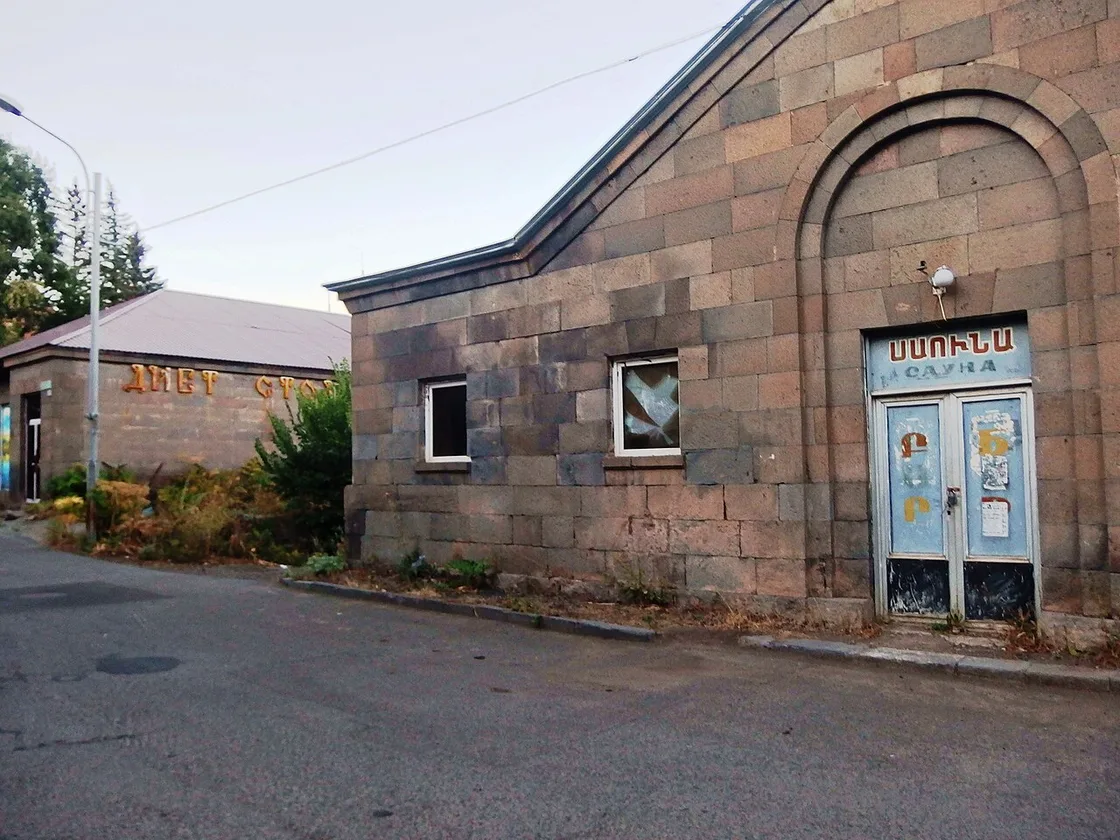
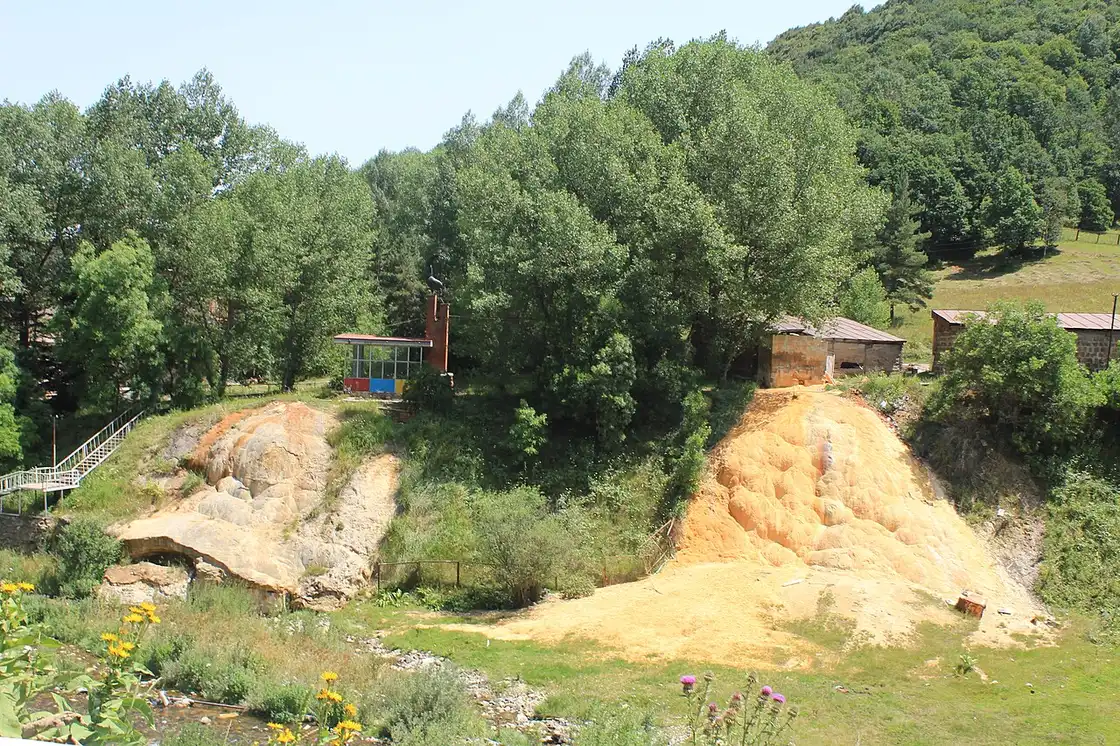
Hankavan is the answer if Jermuk sounds like too much commitment for one soak. It sits in the Kotayk hills on the Marmarik river, roughly 80 km and about an hour and a half north of Yerevan, at close to 1,990 m elevation - high enough that the forest around it stays cool even in summer. There’s no scheduled marshrutka out here: the way in is a private car, a taxi, or a hired driver, typically via Aparan, and it pairs naturally with a stop at the Tsaghkadzor ski resort, about 20 km away, if you’re driving yourself - one more reason a rental car earns its keep on this trip. The bathing setup is modest by design: an outdoor and indoor pool complex built during the Soviet sanatorium years, basic changing rooms, a small café, and mineral terraces stained orange by decades of the same water running over the same rock. It’s a regular weekend habit for Yerevan residents rather than a polished resort, and that’s part of the appeal.
Here’s the one thing worth knowing before you go: sources genuinely don’t agree on how hot the water runs. Some describe the spring itself at a mild 30-35°C, others describe the developed bathing pool running closer to the low 40s once it has settled and mixed. Either way it’s a real, comfortable soak rather than Jermuk’s superheated version, and it’s simplest to ask which pool or tap you’re being pointed to rather than assume a single number applies to the whole site. A small, unexpected detail: the village was settled in 1827 by Greek families fleeing the Ottoman Empire, and it remains one of the last Greek communities in Armenia - not why you come, but an interesting footnote once you’re soaking.
Traveler reports on iOverlander put a private pool at around 5,000 AMD (roughly $13) an hour, with the water inside running 35-40°C - a useful ballpark, though no operator publishes an official rate card, so treat it as a starting point and confirm on arrival. A taxi from Yerevan runs roughly $24-29 one-way; agree the fare before you get in rather than after.
Arzni: the cold, fizzy one everyone forgets is a spring
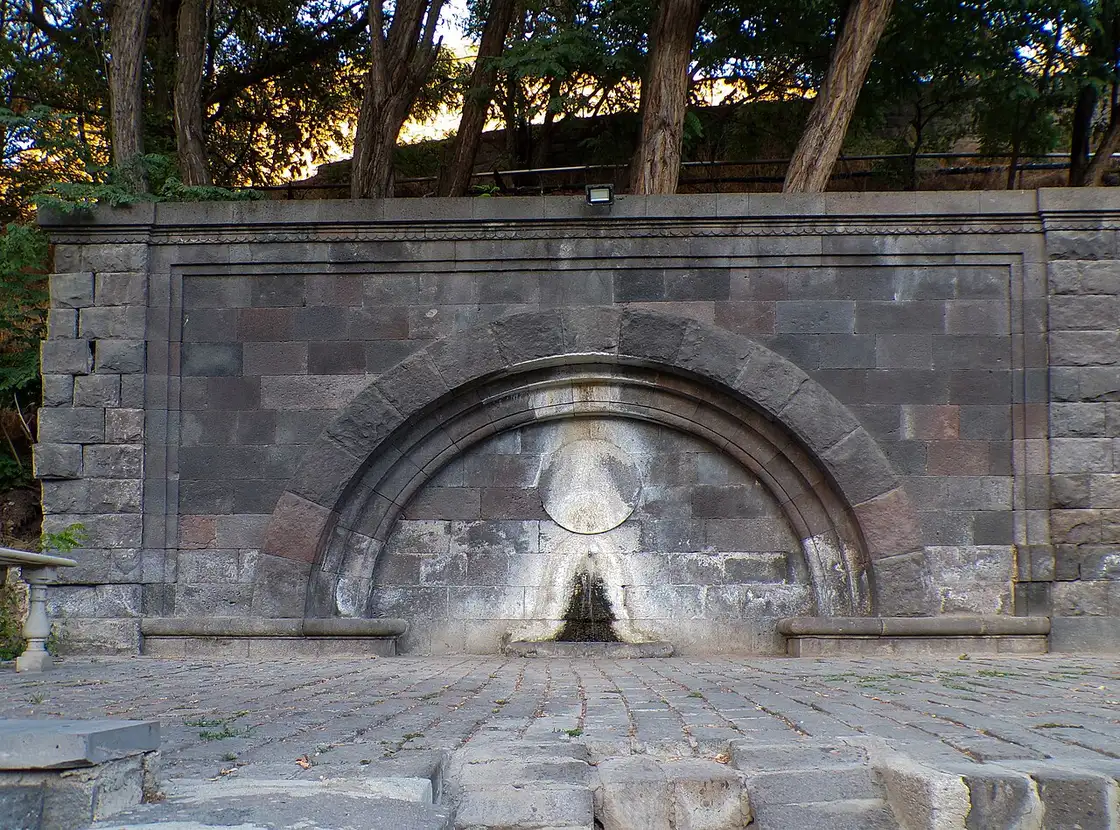
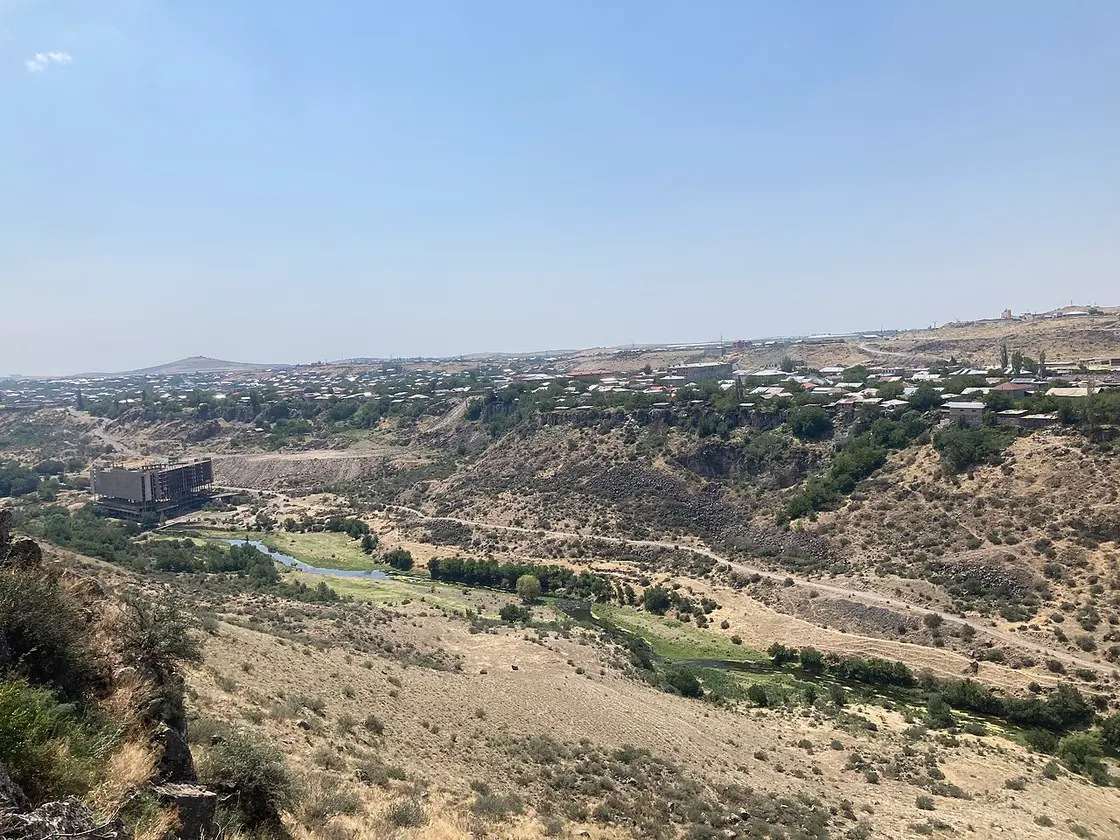
Arzni breaks the pattern entirely, and that’s the useful thing to know about it. It sits in the Hrazdan river gorge about 20-23 km, 15-20 minutes’ drive north of Yerevan, at roughly 1,250 m, which makes it by far the easiest of the three to fit into a half-day rather than a whole trip. The water itself is naturally, heavily carbonated - a bicarbonate-chloride-sodium spring with real fizz in it, historically compared by Armenian sources to Vichy in France and Borjomi over the border in Georgia. Locals have always drunk it more than bathed in it, and that is exactly the opposite habit from Jermuk and Hankavan.
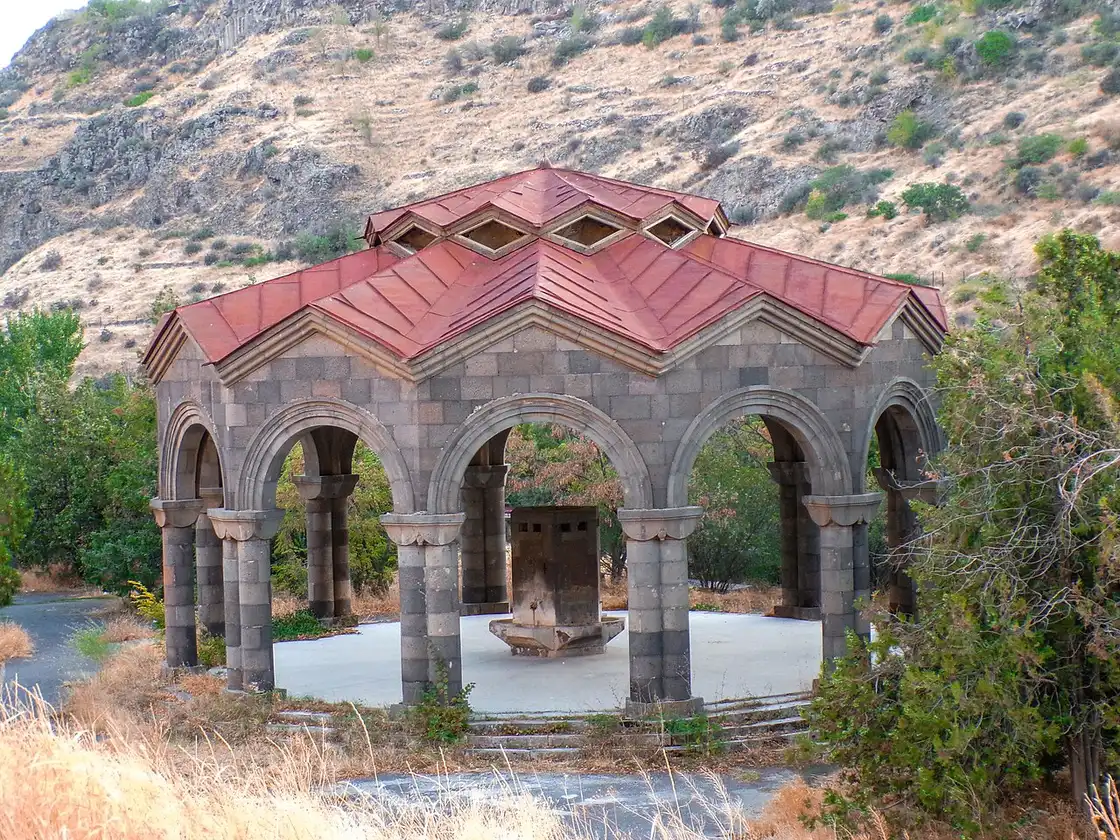
Armenia’s very first mineral-water sanatorium opened here in 1925, decades before Jermuk’s first one in 1962, which makes Arzni the oldest of the three by a wide margin even though it’s the least visited by tourists today. The resort that operates there now runs a proper medical-sanatorium programme - mineral baths, hydrotherapy, massage, physiotherapy, paraffin and clay treatments - aimed mostly at cardiovascular and musculoskeletal rehab rather than a casual spa afternoon, and it’s booked through the sanatorium rather than walked into. For most visitors the honest reason to come is the pretty stone drinking pavilion over the spring and the quiet gorge around it, not a soak.
Three travelers, three answers
The wellness traveler with two or three nights to spare wants Jermuk: book the sanatorium package rather than a day trip, since the whole point is the treatment course, not the drive down. The Yerevan-based traveler with a single free day wants Hankavan: close enough for an out-and-back, warm rather than scalding, and cheap by any Western measure. The curious traveler passing through Kotayk province on the way to somewhere else wants Arzni: a 20-minute detour for the fizzy water and the pavilion, not a bath.
If you’re building a season around this rather than a single stop, Jermuk keeps a small ski slope running through winter and its pools work year-round, while Hankavan’s forest setting is at its best from late spring to autumn; our best time to visit Armenia guide lines up the wider seasonal picture. And if resorts in general are the goal rather than springs specifically, Armenia’s best resorts compares all five of the country’s mountain getaways, springs included.
Planning a soak: tours, cars and timing
Getting to Jermuk without your own car is the real logistics question, since it sits at the end of a branch road three hours out; our Yerevan to Jermuk transport guide lays out the marshrutka, transfer and driving options and what each one costs. Arzni has a local minibus from Yerevan and is easy enough to fold into a half-day on public transport; Hankavan doesn’t - there’s no scheduled service, so a taxi, a hired driver, or your own rental is the only reliable way in. Neither town has the tourist infrastructure Jermuk does, so turning up without a plan for the return trip is the easiest way to lose an afternoon - agree a pickup time with your driver rather than assuming you’ll flag one down in the village.
A day tour is the simplest way to cover more than one of these without driving yourself, particularly if you want to pair Jermuk with the Areni wine villages or Noravank monastery on the way down. Renting a car buys you the flexibility to do Hankavan or Arzni as a genuine half-day add-on to something else near Yerevan, which is hard to justify booking a driver for on its own. Whichever way you go, none of the three springs demand a booking weeks out - the exception is a genuine multi-night sanatorium package at Jermuk, which is worth arranging before you arrive rather than hoping for a walk-in room.
Photos
Read also

Entertainment · 10 min read
Paragliding in Armenia: Where to Fly Tandem
Verified · September 3, 2026Tandem paragliding in Armenia: Sky Club, AERO CLUB and Armenian Geographic prices (30,000-85,000 AMD), launch sites, season and how to book.
Entertainment · 9 min read
Yerevan Nightlife: Bars, Clubs & Live Music
Verified · August 28, 2026Saryan wine bars, Pushkin jazz at Malkhas, Dargett craft beer, Club 12, late food and night safety tips for central Yerevan.
Entertainment · 8 min read
Yerevan Wine Days: The City's Street Wine Festival
Verified · August 26, 2026Yerevan Wine Days in early June: free street entry, tasting package, Saryan and Tumanyan routes, and how it differs from Areni and year-round bars.
Entertainment · 9 min read
Best Day Hikes Near Yerevan
Verified · August 25, 2026Day hikes from Yerevan: Mount Hatis, Mount Ara, Garni Gorge, Khosrov Forest and Dilijan forest walks, with distances, seasons and trailhead access.