Jermuk Spa Hotels & Sanatoriums
Where to stay in Jermuk for the cure: the big spa resorts, the classic sanatoriums and simpler stays, how the treatment package works, and 2026 prices.
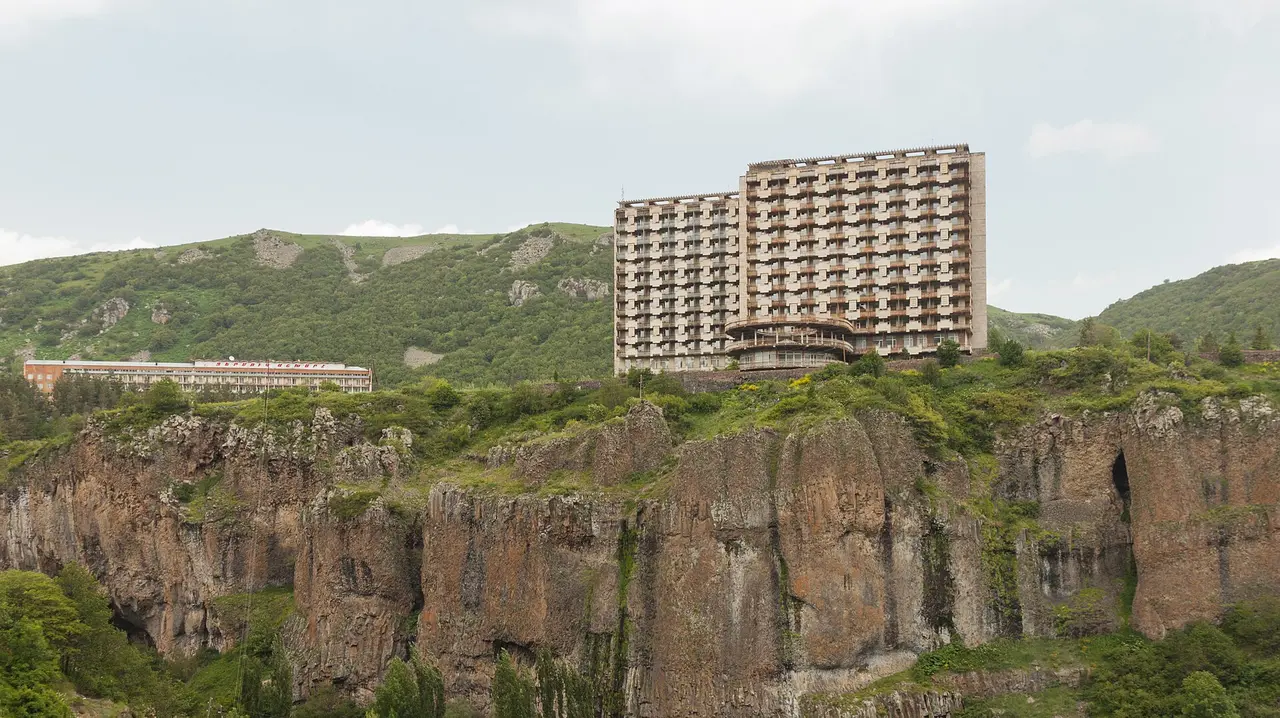
Choosing where to stay in Jermuk is really one question: which sanatorium or spa hotel, because almost everything here’s built around the mineral-water cure rather than just a bed for the night. The big all-in resorts like the Grand Resort Jermuk and the Jermuk Hotel & SPA run full treatment clinics; the classic sanatoriums such as Olympia and the historic Armenia Wellness & SPA bundle board and a course of therapies into the rate; and there are simpler guesthouses if you just want to see the waterfall. Rooms start from around $89-95 a night and climb from there. This guide sorts the options, explains how a Jermuk stay actually works, and flags the one thing that trips up first-timers pricing it against a normal hotel (every figure here’s a 2026 ballpark that shifts with season, so confirm at booking).
The quick answer
For a full spa resort with a pool, a proper treatment menu and an easy walk to the drinking gallery, the Grand Resort Jermuk is the headline choice, from around $89 a night. For the traditional sanatorium experience - a doctor, a prescribed course of treatments and three meals a day, all in one price - Jermuk Olympia Sanatorium (from roughly $95-118) or the veteran Armenia Wellness & SPA Hotel are the picks. And if you’re only here overnight for the waterfall and the gallery, a simple guesthouse in town does the job for much less, without the medical side.
The key thing to settle first is what you actually want: a genuine multi-night health cure, or a short spa break. Jermuk does both, but the town was built for the former, and matching your hotel to your intention is the difference between a stay that works and one that disappoints.
How a Jermuk stay actually works
This is the part worth understanding before you compare prices, because a Jermuk sanatorium isn’t a normal hotel. The tradition here, inherited straight from the Soviet resort era, is the all-in stay: you book a room for several nights, and the rate typically includes three meals a day and a course of treatments prescribed after you see the resort’s doctor on arrival. The treatments draw on the town’s superthermal mineral water and the high-mountain climate, and cover the balneotherapy staples - mineral baths, showers, the drinking cure at the gallery, plus physiotherapy, massage and inhalation for the chest. At the Olympia, for instance, most medical treatments are included in the room rate, with massage and ultrasound the usual paid extras.
That model has one practical consequence people miss: compare like for like. A sanatorium at, say, $110 a night that includes full board and a daily programme of treatments isn’t more expensive than a $60 room-only hotel down the road - it’s a different product, and often the better value once you’ve paid separately for meals and a few spa sessions. When you read a Jermuk rate, always check what the number includes.
Two honest caveats. First, the cure is cumulative: the whole point is a course over several days, so a single overnight gets you the pool and maybe a massage, not the “treatment” a sanatorium is built to deliver. Give it at least three or four nights if the health side is why you’re coming. Second, the medical claims made for the waters - better circulation, digestion, calmer nerves - are the resorts’ own, part of a long spa tradition rather than anything to take as medical advice; come for the rest, the baths and the mountain air, and treat any benefit beyond that as a bonus.
The big spa resorts
If you want the modern end of Jermuk, the full-service resorts are where to look. The Grand Resort Jermuk is the town’s flagship: a large four-star complex of around 92 rooms right in the centre, roughly 200 m from the Mineral Water Gallery, with a full spa, an indoor pool, sauna, hot tub, a fitness centre and a menu of therapeutic services. Rooms start from about $89 a night, and it consistently rates near the top of the town’s hotels, so it’s the safe pick if you want reliable comfort with the treatments on tap. It occupies the site that was once earmarked as a Hyatt, which is why you’ll still see it listed under old names on some booking sites.
The Jermuk Hotel & SPA is the other serious wellness address, and it leans harder into the medical side. It runs on an all-inclusive basis with a clinic offering more than 50 therapeutic procedures, built on the superthermal mineral waters and the high-mountain climate, with doctors on hand and a range of room categories. It publishes its treatment approach rather than nightly prices, so you enquire directly for a package quote - which fits its positioning as a proper health resort rather than a walk-in hotel.
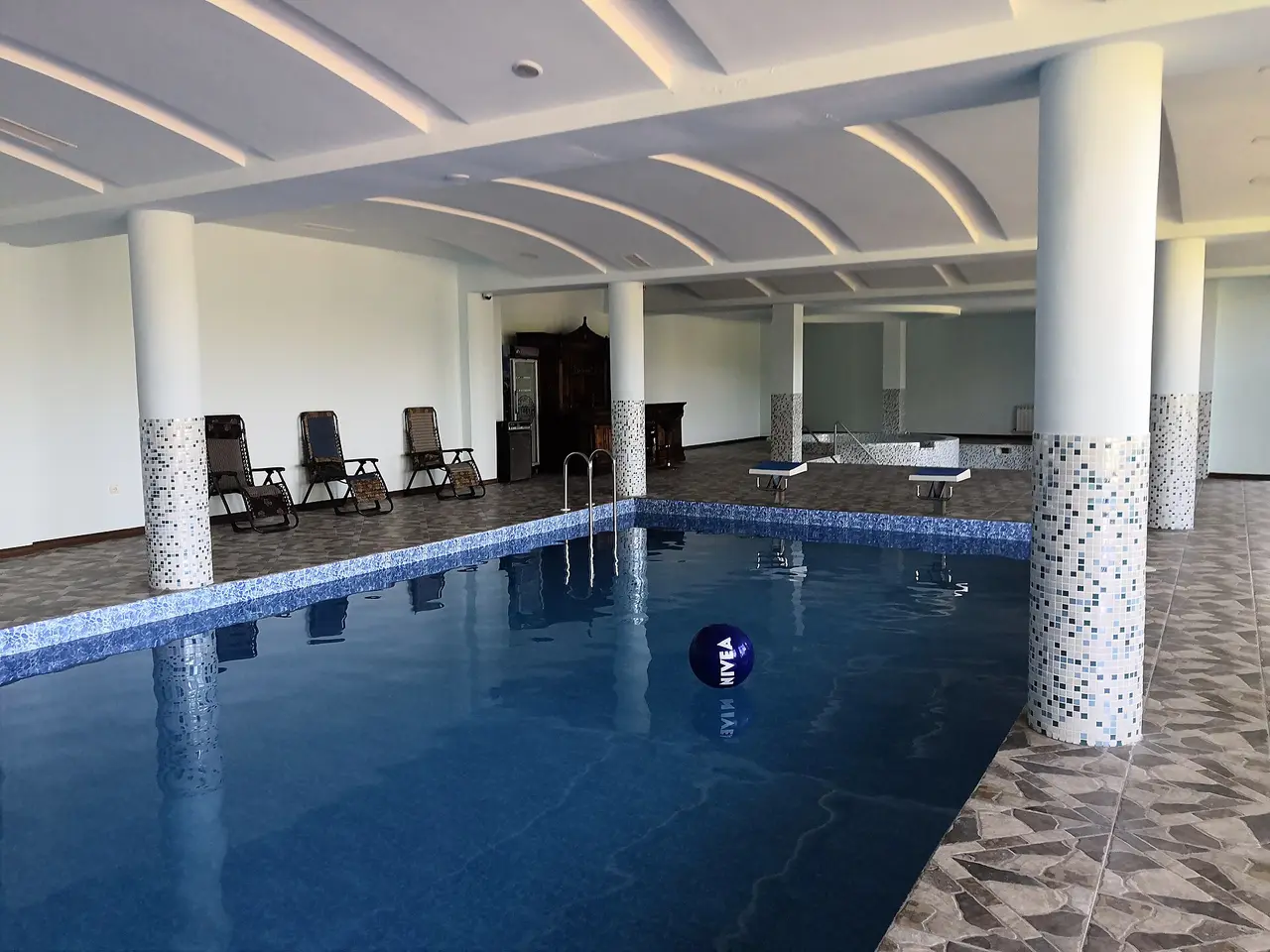
The classic sanatoriums
For the traditional experience at a gentler price, the older sanatoriums are the heart of Jermuk. The Jermuk Olympia Sanatorium is a well-liked four-star that runs the classic model properly: rates from roughly $95-118 a night with three buffet meals a day and most medical treatments included, a spa and sauna, and a scatter of resort extras like bicycle hire, a billiards room and a shuttle. Guests tend to praise the food, the medical staff and the setting, which makes it a dependable middle-ground between the polished resorts and the bare-bones blocks.
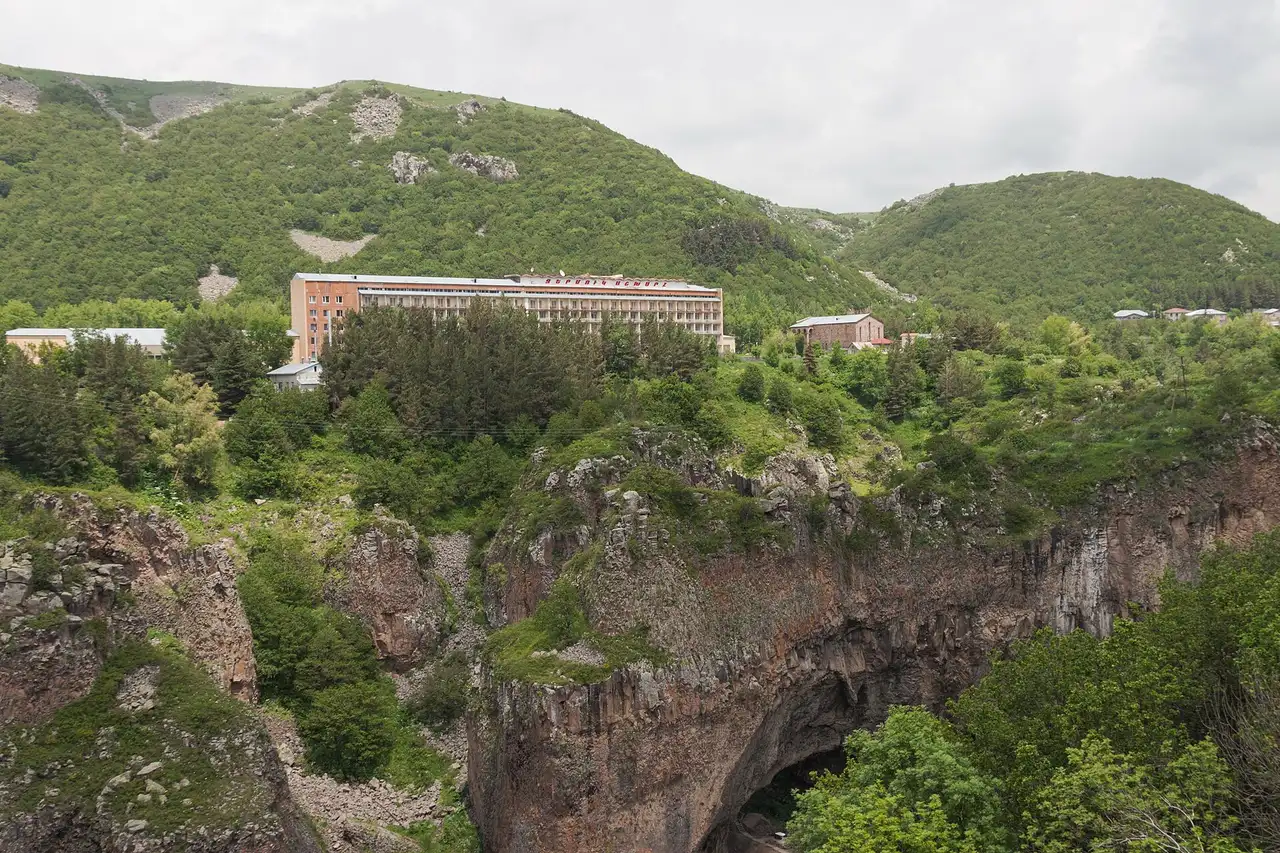
The grande dame is the Armenia Wellness & SPA Hotel, long the most famous sanatorium in the country, sitting near the centre within easy reach of the gallery and a short walk from the waterfall. It carries the history of the place and tends to be more affordable than the newest resorts. Beyond these, Jermuk has a spread of other sanatoriums and spa hotels of varying vintage, from smartly renovated to distinctly time-worn, so this is a town where reading recent reviews really matters - two buildings side by side can be a world apart inside.
Budget and simpler stays
Not everyone comes for the cure. If Jermuk is a one- or two-night stop to see the 70 m waterfall and taste the water at the gallery, you don’t need a sanatorium at all. The town and its edges have guesthouses and small B&Bs that give you a clean room and often a home-cooked breakfast for a good deal less than the treatment resorts, and they put you within walking distance of the sights. You lose the pool, the doctor and the therapies, but if all you want is a base for a night in the mountains, that’s money well saved. Just book ahead in summer, when the town fills up.
What it costs, and when to book
Hold the numbers loosely, because Jermuk rates move with the season and with what’s bundled in. As a 2026 guide, the big resorts and sanatoriums start around $89-95 a night, the mid four-star sanatoriums run to roughly $100-120, the medical all-inclusive places quote by package on request, and guesthouses undercut all of them. Remember the like-for-like rule: a sanatorium price usually carries meals and treatments a plain hotel doesn’t.
On timing, August is the peak, when Armenians flee the Yerevan heat for the cool 2,080 m air, so it’s the busiest and priciest month and the one to book early for. The shoulder seasons, late spring and September to October, are cheaper, quieter and arguably lovelier, with the forests green or turning gold. For a fuller sense of the calendar, our guide to the best time to visit Armenia breaks the year down, and because Jermuk sits high and cool, pack a warm layer whatever the month.
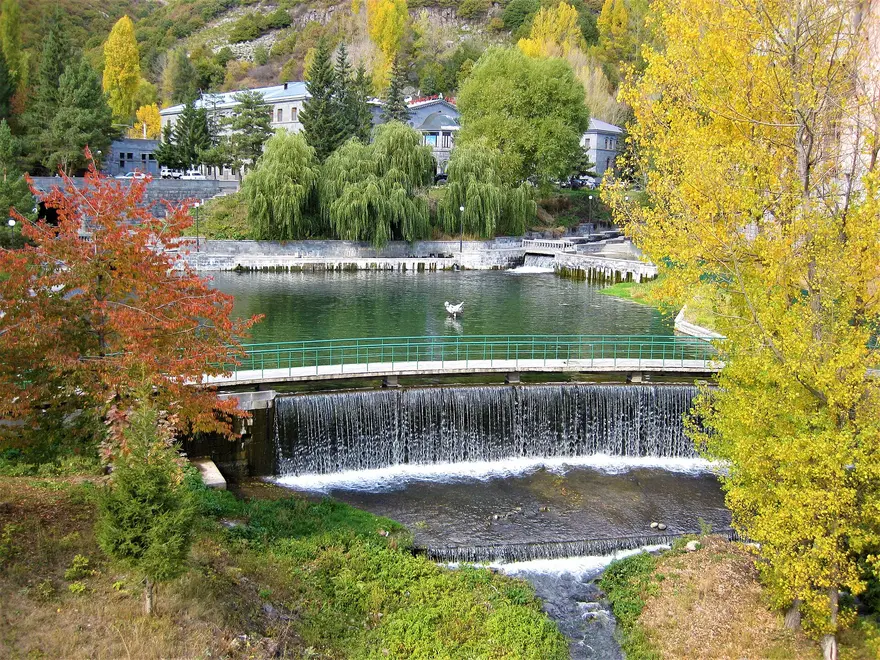
So where should you stay?
Match it to your trip. For a modern spa resort with the treatments and a pool, book the Grand Resort Jermuk. For a dedicated health course with a doctor and full board, the Jermuk Hotel & SPA or the Olympia Sanatorium. For history and value, the Armenia Wellness & SPA Hotel. And for a cheap overnight to see the sights, a guesthouse in town. Whichever you pick, give Jermuk more than a single night if you can, because the town rewards the slow rhythm it was built for.
For everything to see and do once you have a base - the waterfall, the gallery, the canyon walks and the springs - our full guide to Jermuk covers the town itself, and Yerevan to Jermuk has the marshrutka, taxi and driving options for getting there. If you’re touring the south, the red-rock monastery of Noravank and the Areni vineyards sit on the same road in, and for a wellness stay of a different kind in the green north, our guide to where to stay at Lake Sevan does the same job for the lakeshore. And if you’re wondering how Jermuk’s superhot springs stack up against Armenia’s other thermal towns, our hot springs of Armenia guide compares Jermuk, Hankavan and Arzni side by side. Book the right bed, take the waters slowly, and let the mountain do the rest.
Photos
Read also
Before you go · 10 min read
What to Pack for Armenia: Plugs & Layers
Verified · August 7, 2026Armenia packing list: Type C/F plugs at 230V, summer heat in Yerevan vs cold mountain nights, layers, eSIM and insurance to sort before you fly.
Before you go · 8 min read
Where to Stay in Goris: Hotels for Tatev
Verified · August 7, 2026Where to stay in Goris for Tatev: centre hotels and guesthouses, honest day-trip warning (12-13 hours), and what a night in Syunik actually costs.
Before you go · 8 min read
Solo Female Travel in Armenia: Is It Safe?
Verified · August 6, 2026FCDO reports low crime in Armenia. Solo women should avoid informal or street-hailed taxis and use app, licensed or arranged transport.
Before you go · 14 min read
Armenia in October: Autumn Colour and Wine Festivals
Verified · September 23, 2026Armenia in October: peak leaf colour 15-20 October, the Areni wine festival on the 3rd, five times September rain, and what shuts for winter.