Tsaghkadzor: Armenia's Ski Town in Every Season
Armenia's flagship ski resort, 58 km north of Yerevan: the Kecharis monastery, a five-stage ropeway, the ski slopes and what to do here in summer.
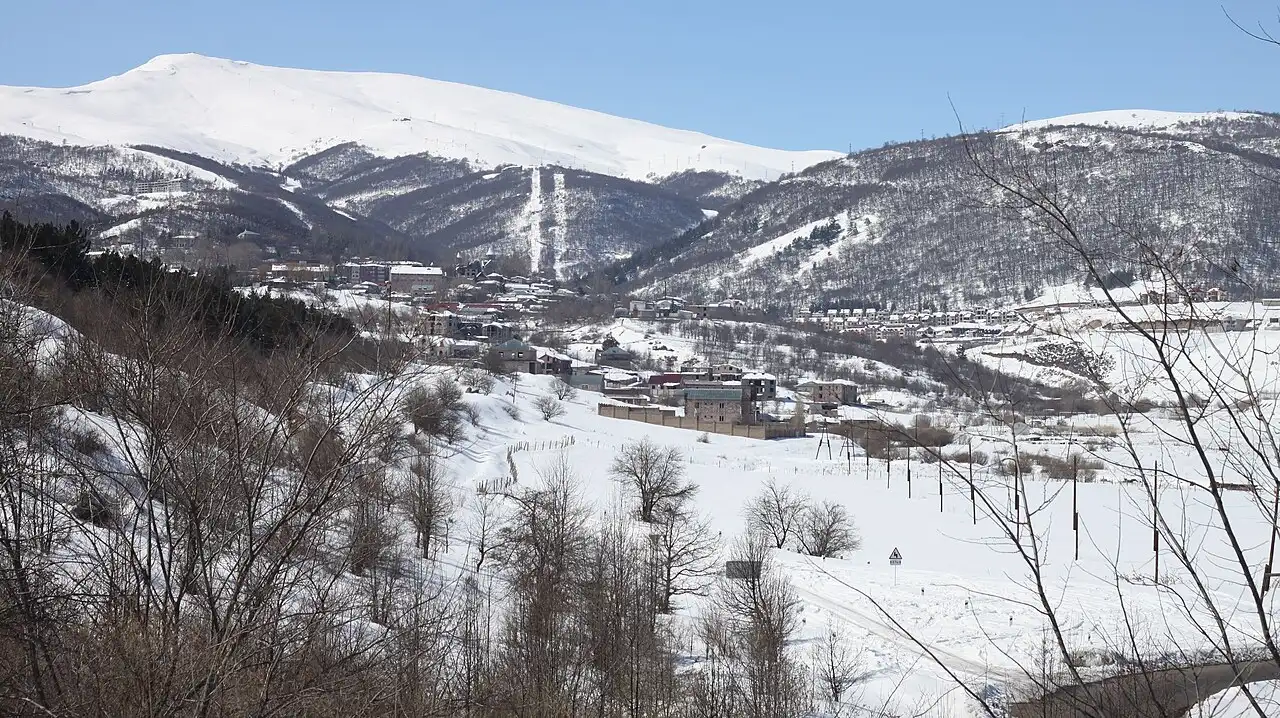
Tsaghkadzor is Armenia’s main ski resort, a mountain town about 58 km and an hour north of Yerevan in Kotayk province, and it’s the closest thing the country has to a proper alpine escape. But treating it only as a ski town sells it short. At 1,841 m on the wooded flank of Mount Teghenis, it works in all four seasons: skiing and snow in winter, forest hikes and cool air in summer, and a thousand-year-old monastery on the same hillside as a modern ropeway. Its name even means “valley of flowers.”
That combination is the reason to come. Nowhere else in Armenia can you ride a chairlift up a ski mountain in the morning and stand in an 11th-century monastic courtyard in the afternoon, five minutes apart. The town rewards a slower look than most day-trippers give it, and it is worth knowing what you’re working with before you drive up.
The quick orientation
Tsaghkadzor sits in a green fold of the Pambak and Tsaghkunyats mountains, close enough to Yerevan for a day trip but high enough to feel like a different country. The town itself is small, around a thousand permanent residents, and it’s built around two things: the ski slopes climbing the mountain to the west, and the old town with its monastery to the north. Everything is walkable or a short taxi ride apart. For people in the capital it is the default weekend escape, an hour from the city in any season, which is worth remembering if you want it quiet.
The peak above it, Mount Teghenis, tops out at 2,851 m, and the ski area runs up its south-eastern face. Because the whole resort sits between roughly 1,900 and 2,800 m, the air is thin and clean, which matters more than you might think, as it is the reason the town became a Soviet high-altitude sports base. For how the seasons feel across the country, our guide to the best time to visit Armenia sets the wider scene.
Kecharis: a monastery on the ski hill
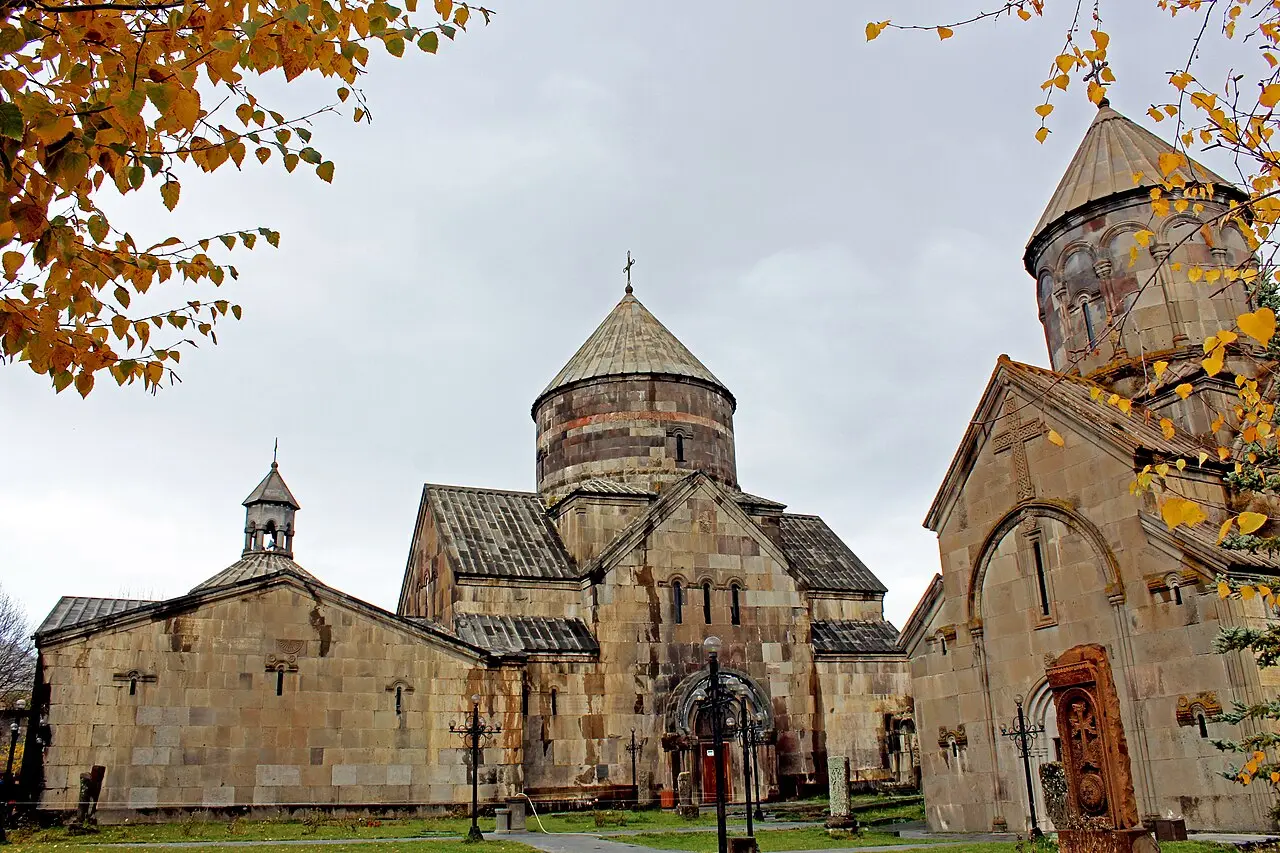
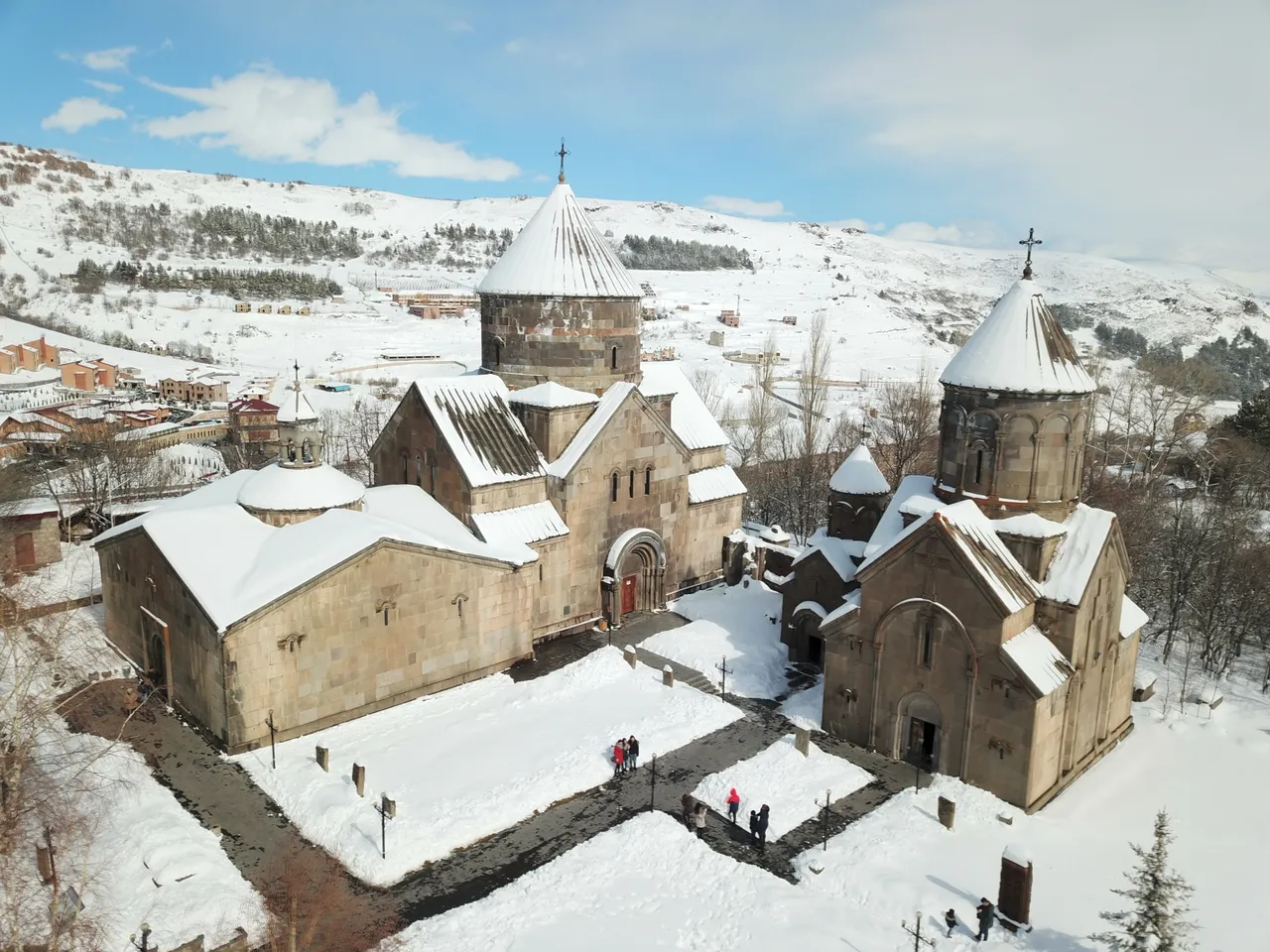
The one sight you shouldn’t skip, whatever the season, is Kecharis Monastery, a compact complex of grey and honey-coloured churches at the northern edge of town, barely five minutes from the ski lifts. It was founded in the early 11th century by Grigor Magistros Pahlavuni, the same scholar-prince whose family built across medieval Armenia, and the main Church of St Gregory went up in 1013. The monastery kept growing for two more centuries: the Katoghike church was raised between 1203 and 1214 by the architect Vetsik, and the Church of the Holy Resurrection (Surb Harutyun) followed in 1220, giving you a tight cluster of buildings that reads like a timeline of Armenian church architecture.
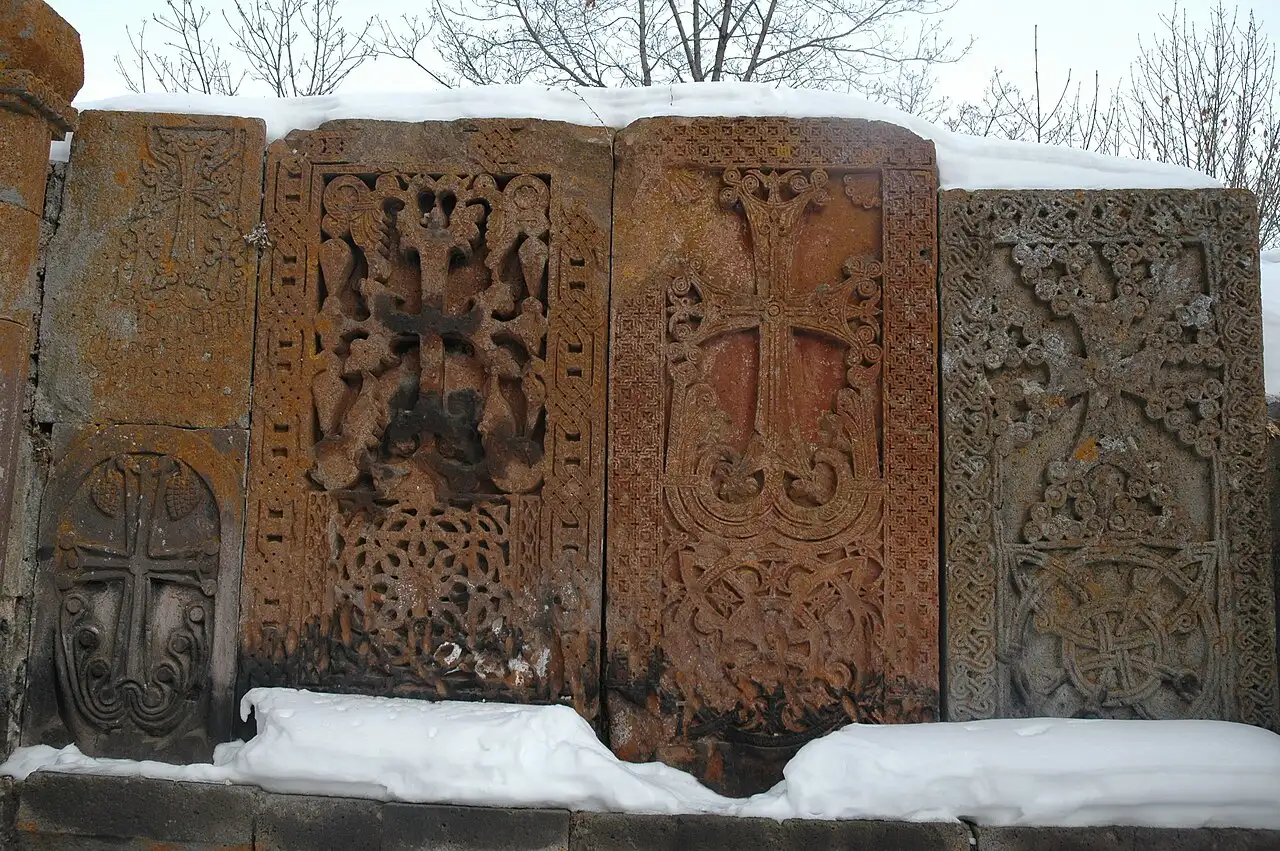
Like most Armenian monasteries, Kecharis took damage over the centuries, and an earthquake in 1927 brought down the domes of the two main churches. What you walk through today was carefully rebuilt between 1998 and 2000. Look for the row of khachkars, the carved cross-stones that are Armenia’s signature art form, lined up in the grounds; in a country that carved thousands of them, these are a fine set. Entry is free, it’s a working church, and it looks its best two ways: framed by golden birch leaves in October, or dusted with snow while skiers pass on the slope above. For where Kecharis sits among the country’s great monastic sites, see our roundup of the best monasteries in Armenia.
The ropeway and the ski slopes
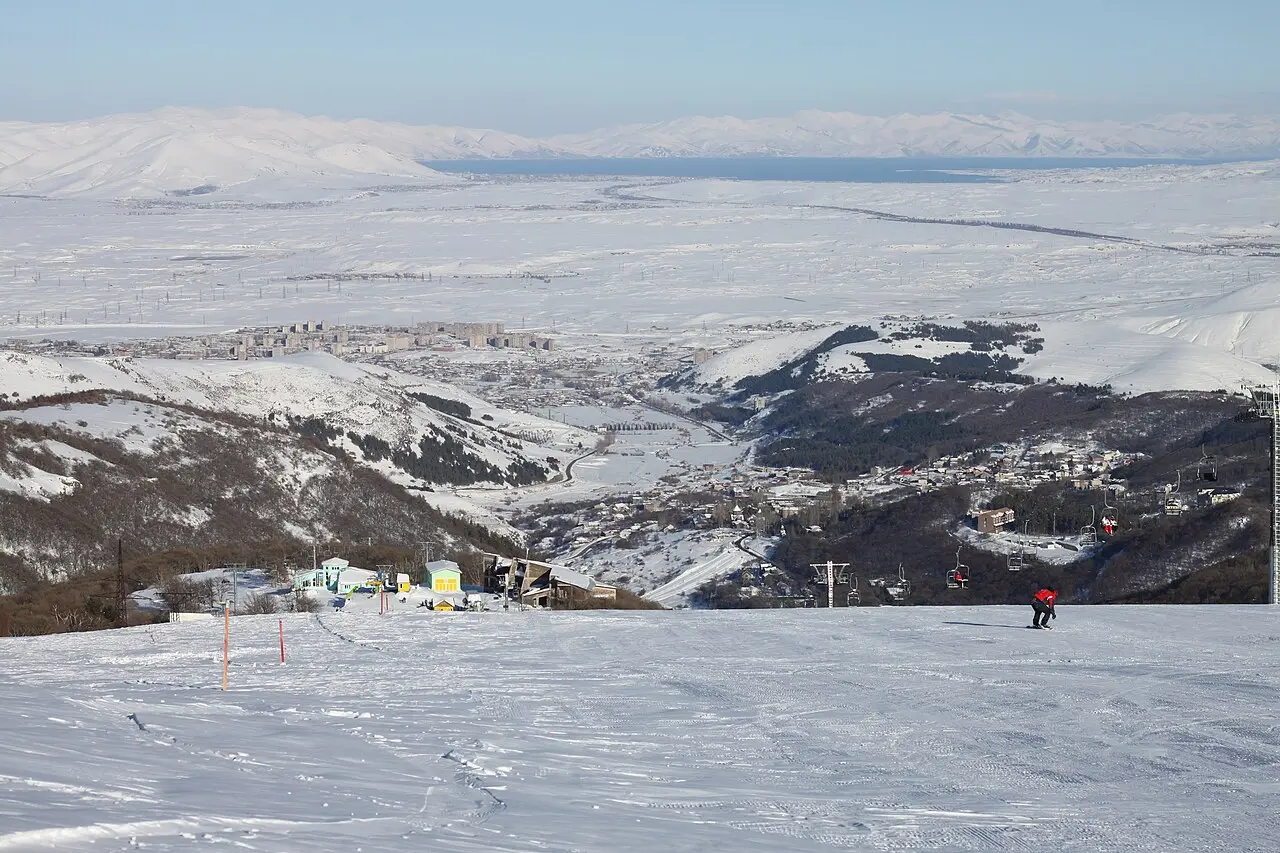
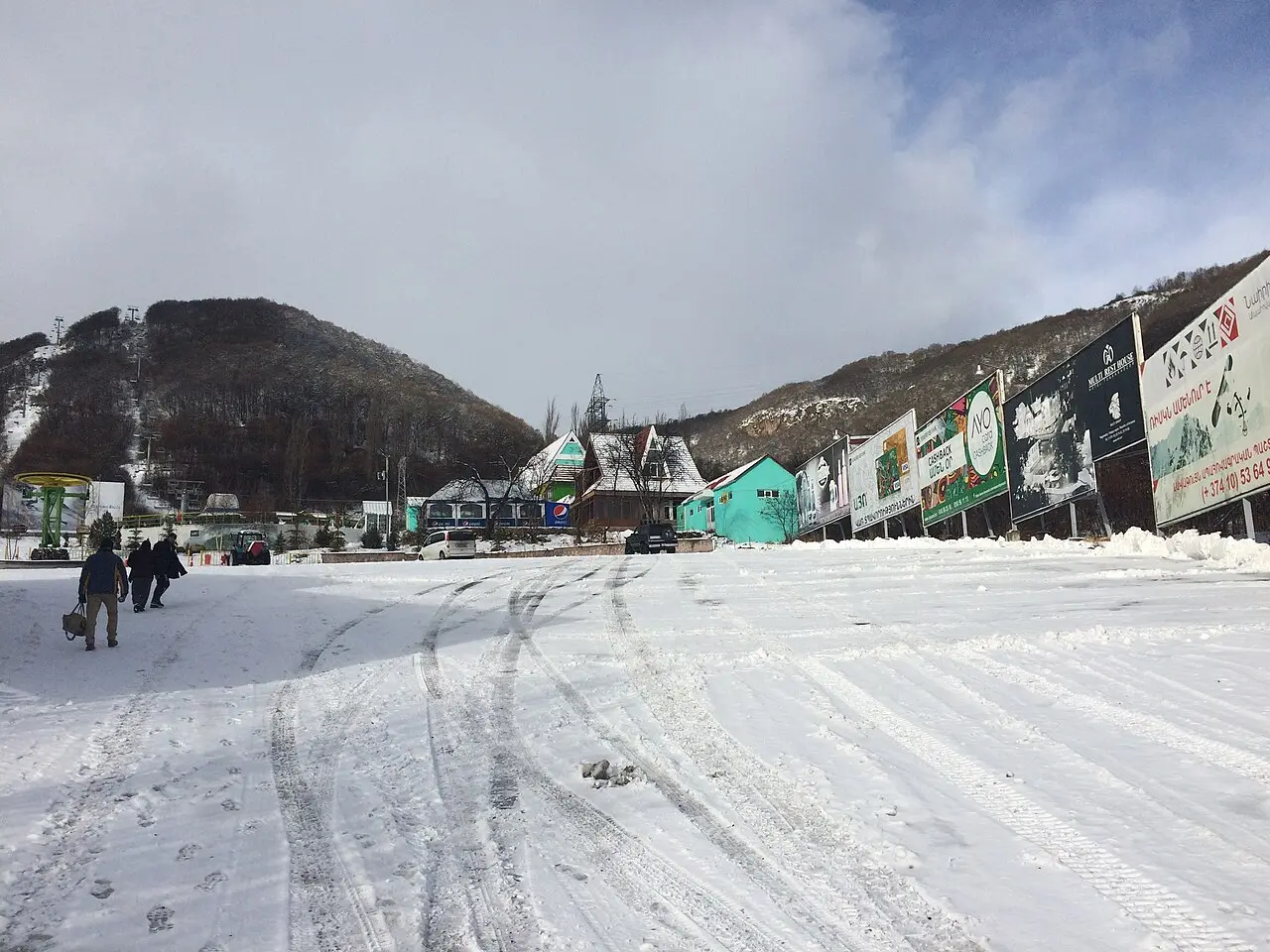
The reason most Armenians drive up is the ropeway. A chairlift climbs the mountain in five stages, from 1,966 m to the top station at 2,819 m on the shoulder of Teghenis, and the operator puts the full ride at about 32 minutes. The wider resort runs seven lifts and around 30 km of pistes, split roughly evenly between easy and intermediate runs with a short expert pitch up top, which makes it a genuinely friendly place to learn or to cruise rather than a serious steep-skiing destination. It’s comfortably the biggest and best-equipped ski area in the country, so for most Armenians “skiing” and “Tsaghkadzor” mean much the same thing, and it’s the yardstick every other small slope in the country gets measured against.
In numbers, the ski season runs mid-December to the end of March (Armenia’s national tourism portal; as of 22 October 2026 the ropeway operator has not announced the 2026/27 opening or its winter hours). In winter 2025/26 the operator’s homepage gave lift hours of 09:30 to 17:30, and its winter price list, undated and read on 22 October 2026, puts a one-day card at 12,000 dram for adults and 9,000 dram for children under 10 (passport required), plus 2,000 dram for the plastic card, taken as a deposit; the 2026/27 tariff may differ, so check ropeway.am once the season opens. That’s a fraction of Alpine prices, and gear rental is easy to find at the base, which is exactly why Tsaghkadzor pulls a crowd of Yerevan families and first-timers every weekend. A word of warning that catches people out: on a sunny Saturday in high season the lift queues and the base area get genuinely busy, so come on a weekday if you can.
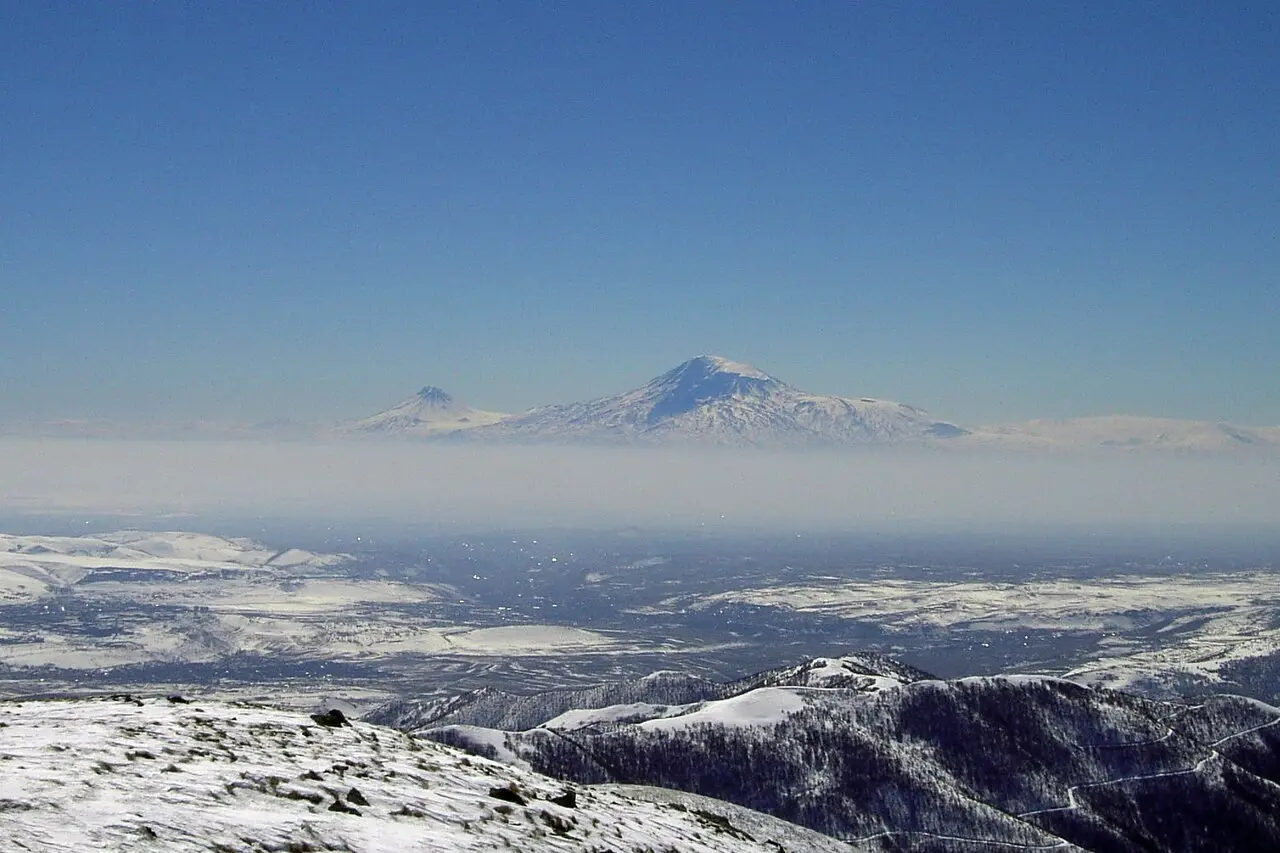
The other thing worth knowing is the view. On a clear day the upper stations look out over the whole plain to Lake Sevan in one direction and, further off, to Mount Ararat floating above the haze. That view is not just a winter thing, which brings us to the point most visitors miss.
Summer, autumn and the case for the off-season
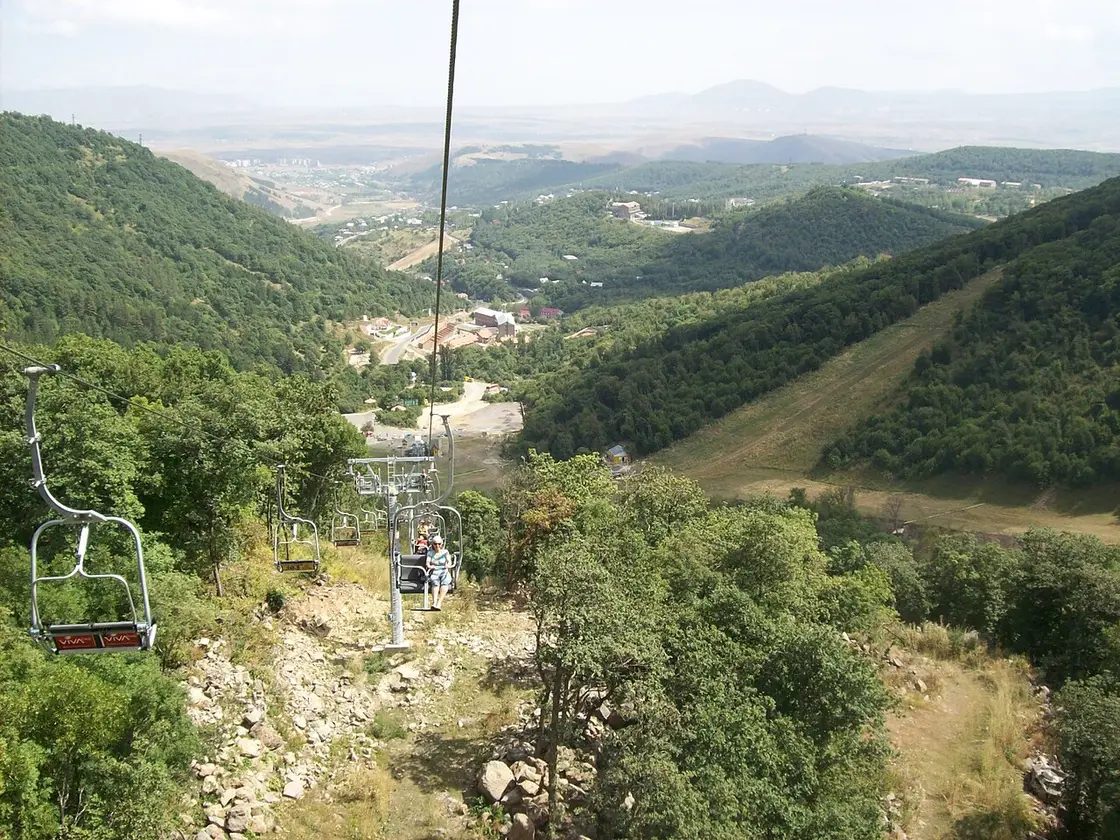
Tsaghkadzor doesn’t shut down when the snow melts, and plenty of people rate it higher in the green months. The ropeway keeps running in summer, and riding it up for the views and the cool air is a proper outing in itself, with the town a good ten degrees cooler than sweltering July Yerevan. From the top, the alpine meadows open into easy walking, and the forested slopes that carry the ski runs in winter turn into hiking ground. In October the woods around the town light up red and gold, which is arguably the single best time to come; for more of that autumn colour, our guide to the best hikes in Armenia points to where else the season peaks.
Down at the base, the Action Park near the monastery keeps kids busy with a zip-line over the valley, trampolines, bike paths and the usual arcade games, and it runs through the warm months. This all-season pull is why the town anchors our roundup of the best resorts in Armenia: it is one of the few places here that genuinely gives you something in every season, snow or no snow.
The Soviet sports legacy
Here is the piece of history that explains the town. In 1967 the Soviet Union built a major sports complex at Tsaghkadzor, and the reason was the altitude. The 1968 Summer Olympics were held in Mexico City, at over 2,200 m, and Soviet planners needed somewhere at a matching height to acclimatise their athletes; Tsaghkadzor, sitting around 2,000 m, fit the bill. The complex was renovated and reopened in 2008, and to this day national teams and athletes use the town for high-altitude training camps, which is part of why you’ll see running tracks and training halls alongside the ski hotels.
The town’s other cultural stop is the Orbeli Brothers House Museum, honouring the three Orbeli brothers, one a pioneer of underwater archaeology, one a leading physiologist, and one an orientalist who ran the Hermitage Museum in Leningrad for nearly two decades. It is a small, quiet museum, and a good rainy-afternoon alternative to the slopes.
Getting there and where to stay
Tsaghkadzor is an easy trip from the capital: roughly 58 km, about an hour by road, north on the M4 and then a short climb off the highway. In the ski season, shared marshrutkas run from Yerevan, though they drop you in town and run to their own timetable, so many visitors just take a taxi, a private transfer or a rental car for the freedom to leave when they like. Confirm the current marshrutka departure point and fare locally, as they shift with the season; our guide to getting around Armenia lays out the transport options in full.
For where to sleep, the town is stacked with hotels, from big Soviet-era sports complexes turned resort hotels to newer boutique places near the lifts, and prices swing hard with the season, high over the winter weekends and Armenian New Year, much softer in summer. In the peak winter weeks it pays to book well ahead, as the places right by the lifts go first, and Armenian New Year is the busiest stretch of all. If you want to ski straight from the door, base yourself near the lower ropeway station. Tsaghkadzor pairs naturally with the rest of the north, too, an easy add-on to Lake Sevan over the ridge or the forests of Dilijan, and it’s one of the standard escapes in our guide to the best day trips from Yerevan. Come in winter for the snow, autumn for the colour, or summer for the cool air, and the town holds up whichever you pick.
Photos
On the map
The map loads on click - to keep the page lightweight.
The map didn’t load. Check your connection and refresh the page.
Admission and opening hours
- Admission price
- One-day ski card 12,000 AMD adult / 9,000 AMD child under 10, plus 2,000 AMD plastic card deposit (operator winter price list, undated, checked 22 October 2026; the 2026/27 tariff may differ)
- Opening hours
- Ropeway 10:00-17:30 (autumn hours, operator notice, checked 14 October 2026); ski season mid-December to end of March, 2026/27 opening not announced as of 22 October 2026
Lift fares and summer ropeway hours change year to year - confirm at ropeway.am before you go.
Details checked: July 21, 2026
Distance ≈58 km · about 1 hour by road
- Yerevan ≈58 km · about 1 hour by road North on the M4 then the H55 turnoff; shared minibuses (marshrutkas) run from Yerevan in season, or take a taxi, transfer or rental car. Confirm the current marshrutka departure point and fare locally.
Read also
Cities · 13 min read
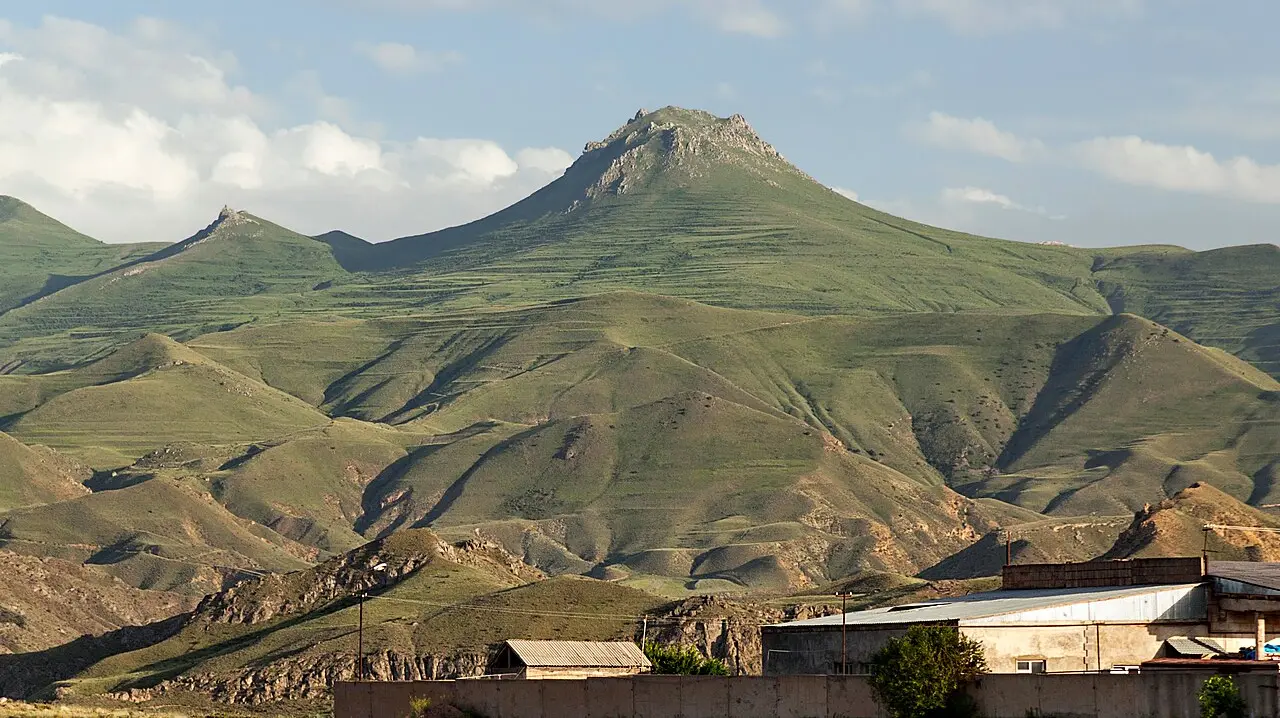
Yeghegnadzor: Wine Country Base in Vayots Dzor
Verified · July 23, 2026Why base yourself in Yeghegnadzor: Noravank and Areni on the doorstep, Gladzor, Smbataberd, a medieval Jewish cemetery and buried cheese.
Cities · 11 min read
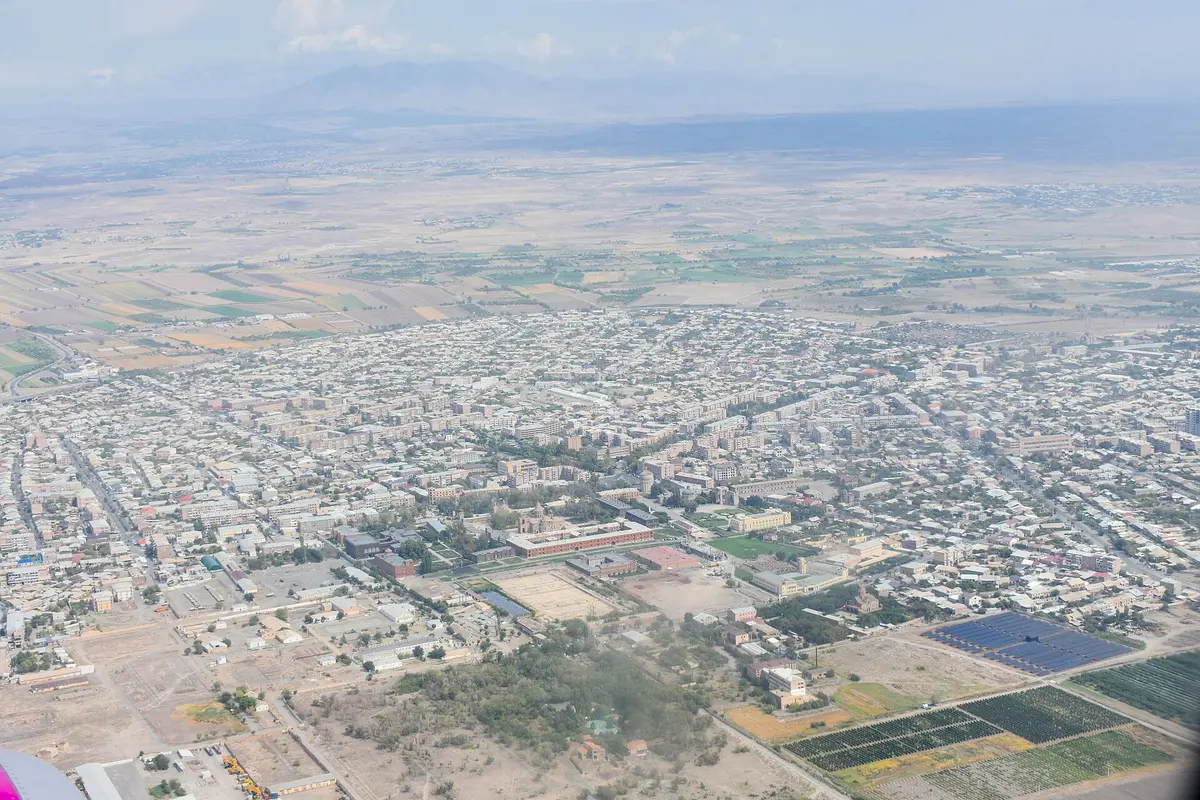
Vagharshapat (Etchmiadzin): Armenia's Spiritual Capital
Verified · July 16, 2026A guide to Vagharshapat (Etchmiadzin): the Mother See cathedral, the martyr churches of Hripsime and Gayane, Sardarapat memorial and how to visit.
Cities · 10 min read
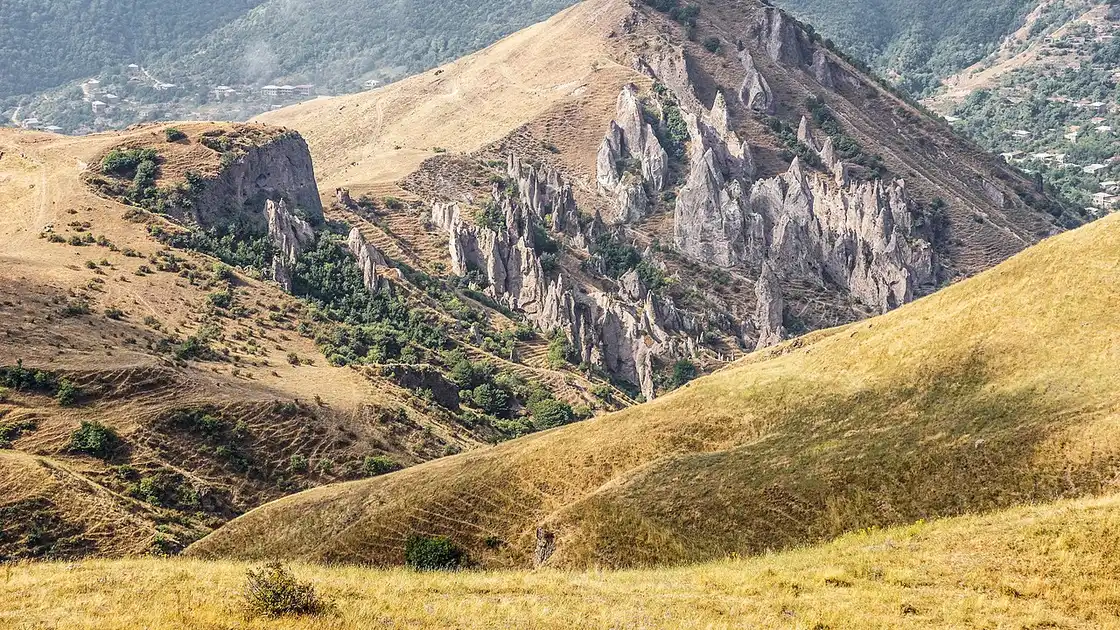
Goris: Gateway to Tatev & the South
Verified · July 4, 2026A guide to Goris, Armenia: the stone old town and rock cones, Old Khndzoresk and its swinging bridge, the base for Tatev, and how to get there.
Cities · 9 min read
Gyumri: Armenia's Second City
Verified · July 4, 2026A guide to Gyumri, Armenia's second city: the Kumayri old town, Vardanants Square, the Black Fortress, the 1988 earthquake, and how to visit from Yerevan.