Yerevan to Batumi Summer Train 2026: Fares from ~$31
Summer sleeper Yerevan to Batumi, mid-June to early October (2026: 14 June to 1 October): platskart from ~84 GEL ($31), kupe ~$44, and the odd-even trap.
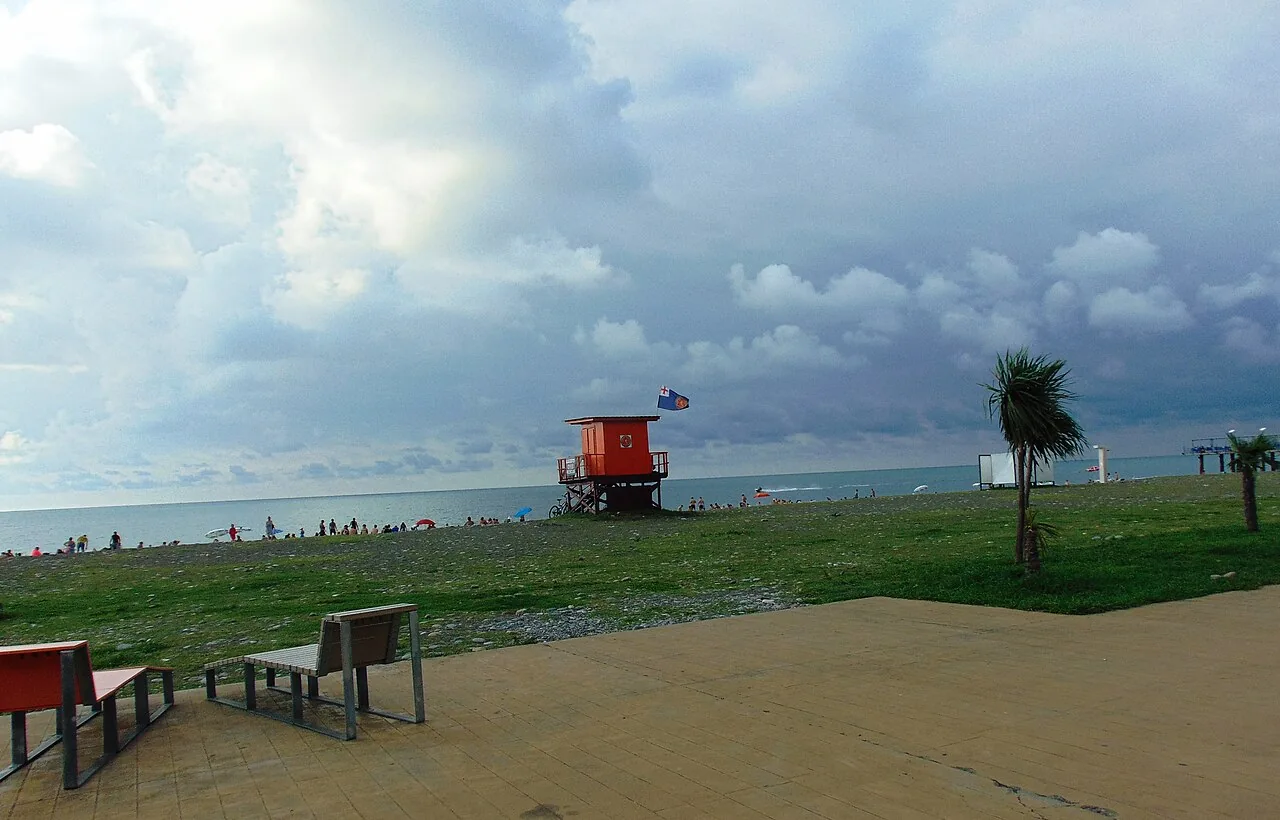
For a few months each summer, you can board a train in landlocked Yerevan and wake up on the Black Sea coast. From mid-June to the start of October the overnight sleeper that normally shuttles between Yerevan and Tbilisi keeps going past the Georgian capital all the way to Batumi, Georgia’s beach city - the 2026 season covered 14 June to 1 October, and outside that window the train turns back at Tbilisi, so check the current season’s dates with the operator before you build a trip around it. It’s the only rail route out of Armenia to the sea, it runs every other night rather than daily, and the trip takes the better part of a full day. This guide covers the dates, the odd-even scheduling trick that catches people out, what a berth costs, and whether a beach that takes 17 hours to reach is worth the ride.
The quick answer
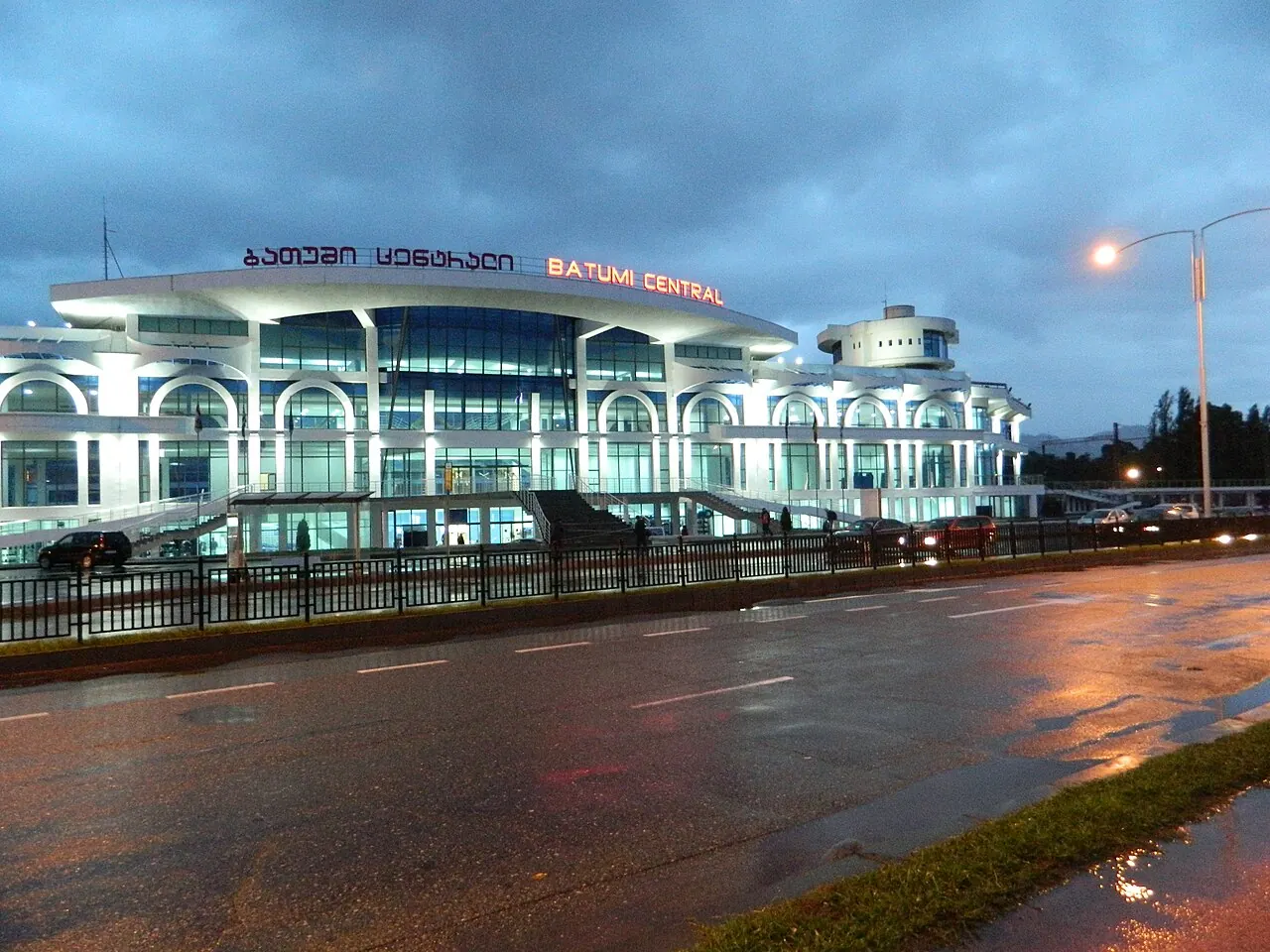
Yes, there’s a direct train, and no, it does not run every day. In summer the Yerevan sleeper is extended down to the coast, leaving Yerevan around 2 pm, calling at Tbilisi in the small hours, and rolling into Batumi around 7:30 the next morning, roughly a 17-to-18-hour run. It goes on an every-second-night pattern, so the single most important thing before you plan anything is to check whether the train actually runs on your date (more on that below). Book a berth in advance, especially for July and August, when the sleepers fill.
Is it worth it? If you want the beach fast, no: it’s slower than the road and far slower than flying via Tbilisi. But if you like the idea of falling asleep in the Armenian highlands and waking to the sea, saving a hotel night in the process, the sleeper is a genuinely nice way to cross the Caucasus, and it lands you a short walk from the sand. And if the coast is the finale of a longer Caucasus trip, our Armenia and Georgia itinerary builds up to it over two weeks.
When it runs: 14 June to 1 October, every other night
The Batumi extension is strictly seasonal. Outside summer the same train stops at Tbilisi and turns around; the through-service to the coast operates only from 14 June to 1 October. Miss that window by a week and there’s no train to Batumi at all, only to the Georgian capital.
Within the season, the catch is that it runs every other night, not nightly, and the direction alternates by the calendar date. For June, July and September, the train leaves Georgia for Armenia on odd-numbered dates (the 1st, 3rd, 5th) and Armenia for Georgia on even-numbered dates (the 2nd, 4th, 6th). In August the pattern flips: southbound to Georgia goes on odd dates, northbound on even. So if you want to travel Yerevan to Batumi, you need an even date in June, July or September, or an odd one in August. Get the parity wrong and you will turn up to an empty platform.
This is the part worth double-checking against the current calendar before you book anything else, because it dictates which nights you can actually leave. If your ideal date turns out to have no train, you either shift by a day or take the road, which I come back to at the end.
The timetable and the ride
Northbound from Yerevan, the train pulls out in the early afternoon, around 2 pm. It climbs out of the capital and threads north through Gyumri and Vanadzor, then drops into the Debed canyon past Alaverdi, one of the prettiest stretches of railway in the country, which you get in daylight if you’re not napping. It reaches the Ayrum-Sadakhlo rail border and crosses into Georgia in the evening; passport control happens on board, so you stay in your bunk while officers work down the carriage. Tbilisi comes and goes in the small hours, and if the coast is your goal you simply sleep through it. Morning brings the descent to the sea, and the train terminates at Batumi around 7:34 am.
Add it up and it’s about 17 and a half hours end to end. That’s a long time on rails, and it is worth being honest about what the journey is: an old Soviet-era sleeper that trundles rather than races. It is not fast, and it’s not new. What it is, is restful in a way a minibus never manages, because you’re lying down for most of it and the border doesn’t make you get out and queue in the dark.
Classes and prices
There are three kinds of sleeping accommodation, and the fare roughly doubles from the cheapest to the dearest. At the bottom is platskart, the open-plan dormitory carriage where bunks line an undivided corridor; then the four-berth kupe, a closed compartment with a door; and at the top the two-berth SV (soft), the most private and the priciest. There is also a “soft kupe” comfort tier that sits between the kupe and the SV on some services.
As a 2026 guide, expect somewhere around 84 GEL (about $31) for platskart, roughly 115 GEL (about $44) for a kupe berth, and up to 166 GEL (about $63) for the top SV. Fares are set in Georgian lari and drift, and resellers can quote higher, so treat every figure as a ballpark rather than a fixed price. For a single overnight I would take the kupe: platskart is fine and sociable but offers zero privacy for a 17-hour haul, while the SV is a treat if you’re two and want the compartment to yourselves.
One thing to know before you commit: refund rules for international tickets are strict and vary by source - some report no refund at all, others allow a refund if you cancel at least five days ahead with about a 15% fee. Confirm the exact conditions when you buy, and either way treat the date as good as fixed, which is all the more reason to get the odd-even calendar right first.
How to book
Tickets go on sale about 40 days before departure. The good news for 2026 is that the operator, South Caucasus Railway, sells them online in English through its ticketing portal (ticket.railway.am), so you no longer have to queue at a station or go through an agency, though you can still buy at the main stations in Yerevan, Tbilisi and Batumi if you prefer. In July and August the sleepers sell out on popular dates, so the moment you know your date has a train, book it, and pick your class while there’s still choice; platskart tends to go last and SV first.
Two practical notes for the ride itself. Onboard catering is basic to non-existent, so bring your own food, snacks and plenty of water, especially for a daytime departure when you will want lunch and dinner aboard. And keep your passport in your hand luggage, not buried in a bag in the luggage bin, so you’re not fumbling for it when the border officers come through.
Is Batumi worth the trip?
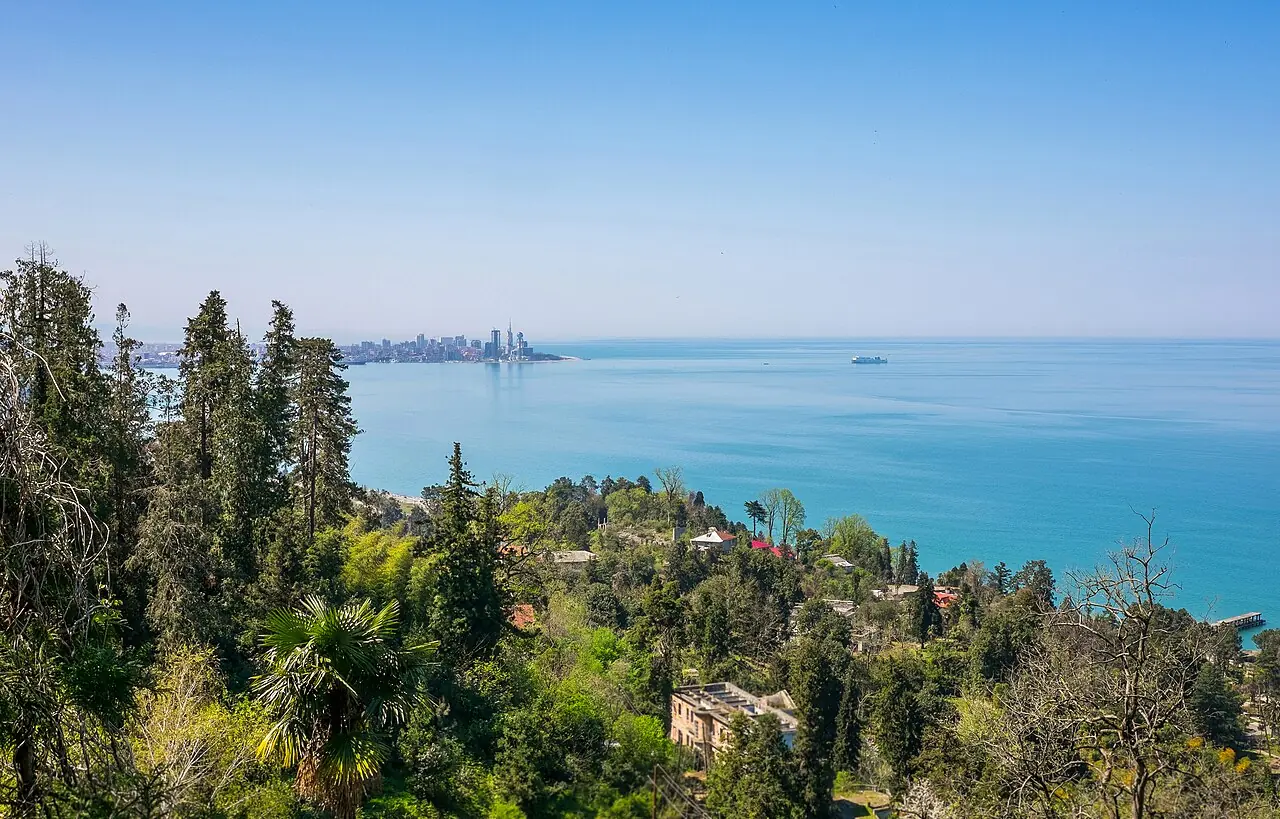
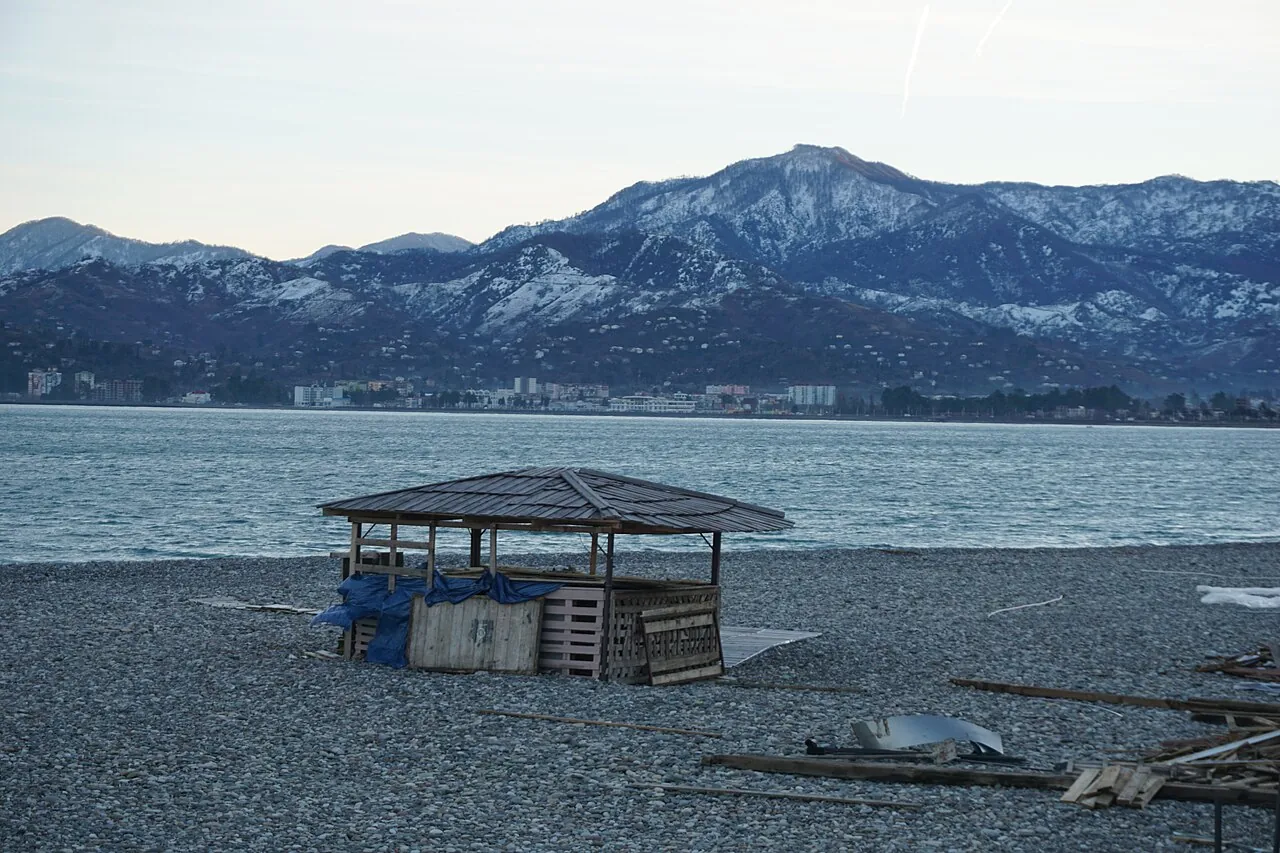
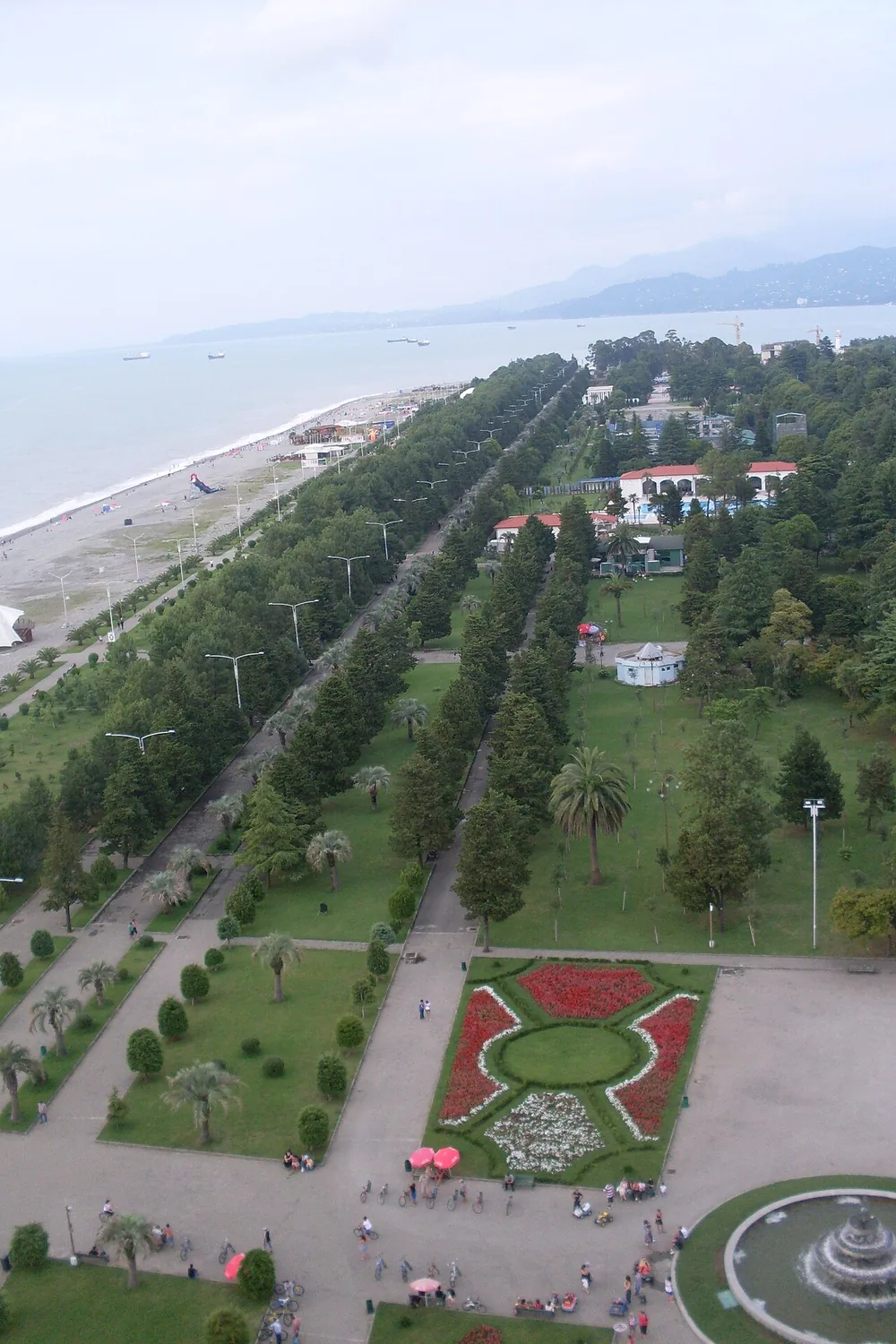
For anyone spending a summer in landlocked Armenia, Batumi is the obvious sea fix, and the train makes it a proper little adventure rather than a slog. The city is Georgia’s Black Sea resort: a long pebble beach (bring sandals, it is stones not sand), a leafy seaside boulevard good for an evening stroll, a botanical garden up the coast, and a brash, half-finished skyline of casinos and towers that is either fun or gaudy depending on your mood. The sea is warmest and the crowds thickest in July and August, which is exactly when the train runs, so the timing lines up.
Set expectations, though. Batumi is a resort, not a quiet fishing village, and after 17 hours you will want a shower and a lie-down before you enjoy it, so book somewhere for the morning you arrive rather than assuming you’ll bounce straight onto the beach. For where to base yourself and what the city is actually like, our sister site’s guide to Batumi has the detail; this page is about getting you there.
If the dates do not line up
Because it runs every second night, roughly half the calendar has no train, and the fares are locked once bought. When the timing doesn’t work, the road is the fallback. Shared minivans run between Yerevan and Tbilisi several times a day, and from Tbilisi you can pick up an onward marshrutka or train to Batumi; it is faster than the sleeper but breaks the trip in two and loses you the one-seat, sleep-through-it appeal. For the full rundown of every way across the border, including the marshrutka, the shared taxi and flying the Caucasus leg, see our guide to getting from Yerevan to Tbilisi.
If you would rather not chance the timetable at all, a pre-booked private transfer covers the Yerevan-to-Tbilisi leg on your own schedule, door to door, and you can carry on to the coast from there; it’s the zero-hassle option with luggage or a group. And if you are still working out how you’re getting into the region in the first place, our guide to how to get to Armenia covers the flights and the wider overland picture into Yerevan.
Whichever way you end up going, the summer train is the one worth planning around if you can. Get the odd-even date right, book your berth 40 days out, pack a picnic, and you get one of the last great sleeper journeys in the Caucasus, ending with your feet in the Black Sea.
Photos
Read also
Transport · 10 min read
Gyumri to Tbilisi 2026: Train, Road & Border
Verified · August 12, 2026Gyumri to Tbilisi in 2026: SCR train times via Gyumri (summer 16:29→00:11; winter 23:59→07:35), Bavra road crossing, marshrutka and private transfer.
Transport · 13 min read
Armenia to Iran Border Crossing: Meghri-Agarak (2026)
Verified · August 9, 2026Armenia-Iran border crossing at Meghri-Agarak in 2026: visa rules by nationality, the Yerevan-Tehran bus, carnet rules and the current safety picture.
Transport · 8 min read
Yerevan Public Transport: Metro, Buses & Fares
Verified · July 12, 2026How Yerevan public transport works in 2026: the Soviet metro, city buses and trolleybuses, vanishing marshrutkas, and the new 150 AMD tap-and-go fare.
Transport · 9 min read
Yerevan to Jermuk: Bus, Taxi & Car
Verified · August 9, 2026How to get from Yerevan to Jermuk in 2026: the Kilikia marshrutka, taxis and private transfers, or self-drive - prices, times and the spa-town catch.