Is Armenia Worth Visiting?
An honest answer to whether Armenia is worth visiting: ancient monasteries, Caucasus scenery, cheap prices and small crowds, plus the real downsides.
Yes, for the right traveller Armenia is very much worth visiting, and the profile is easy to name: if you want ancient churches in dramatic landscapes, mountain scenery, generous food and some of the world’s oldest wine, all at prices that undercut most of Europe and without the crowds, this is a rewarding, slightly under-the-radar trip. If your idea of a holiday is a beach, a resort and short transfers between polished sights, it’s a harder sell. This guide gives you the honest case for and against, so you can decide whether it fits the trip you actually want.
Armenia is a small, mountainous, landlocked country in the South Caucasus, wedged between Georgia, Turkey, Iran and Azerbaijan. It’s one of the oldest Christian nations on earth, and that history is written across the land in stone monasteries, many of them a thousand years old and set in places chosen for drama rather than convenience. It saw around 2.2 million visitors in 2024, a fraction of what neighbouring Georgia or nearby Turkey pull in, which is a large part of the appeal: you can stand in a UNESCO-listed monastery on a weekday morning with almost no one else there.
The case for going
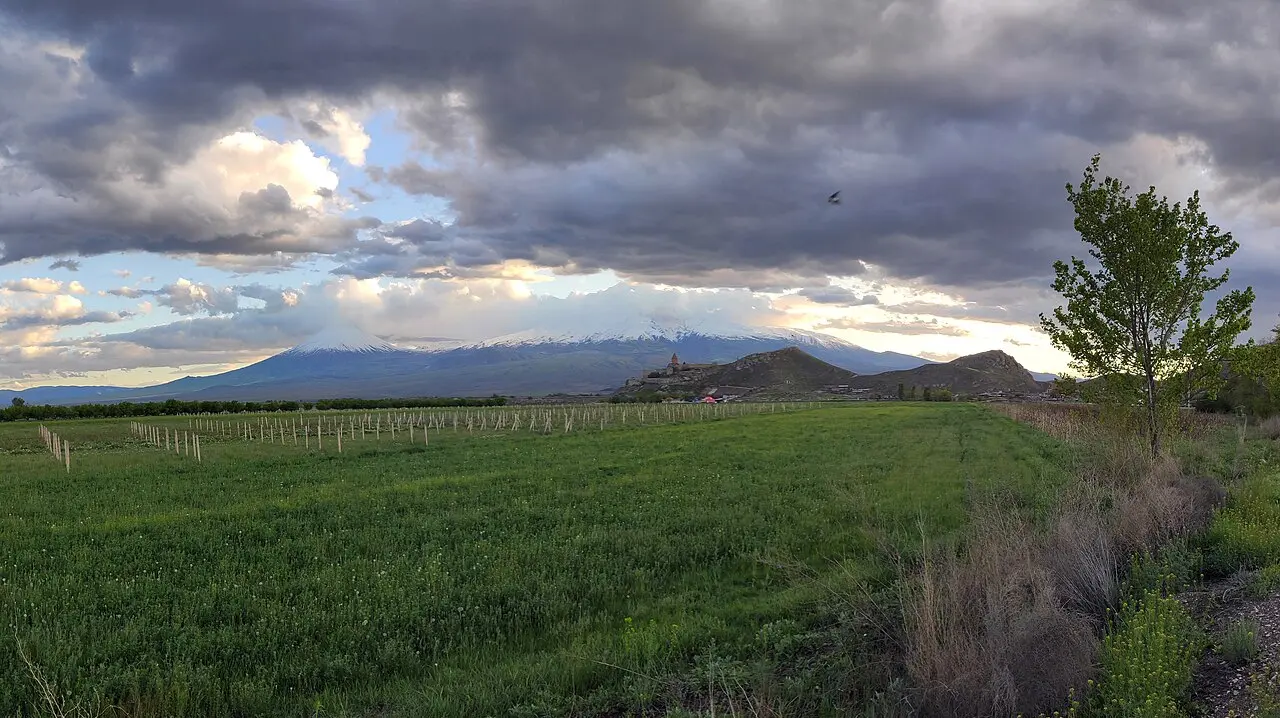
The monasteries are the headline, and they deliver. This is the one thing Armenia does better than almost anywhere. The signature view is Khor Virap, a hilltop monastery about 40 km south of Yerevan that sits directly beneath Mount Ararat, the snow-capped biblical peak that’s the national symbol (and, since the border closed, sits just inside Turkey). It’s where Gregory the Illuminator was said to be imprisoned in a pit for years before Armenia adopted Christianity, and on a clear morning the twin cones of Ararat behind the walls make it one of the most photographed scenes in the country. Our full guide to Khor Virap covers the pit, the timing and the best light.
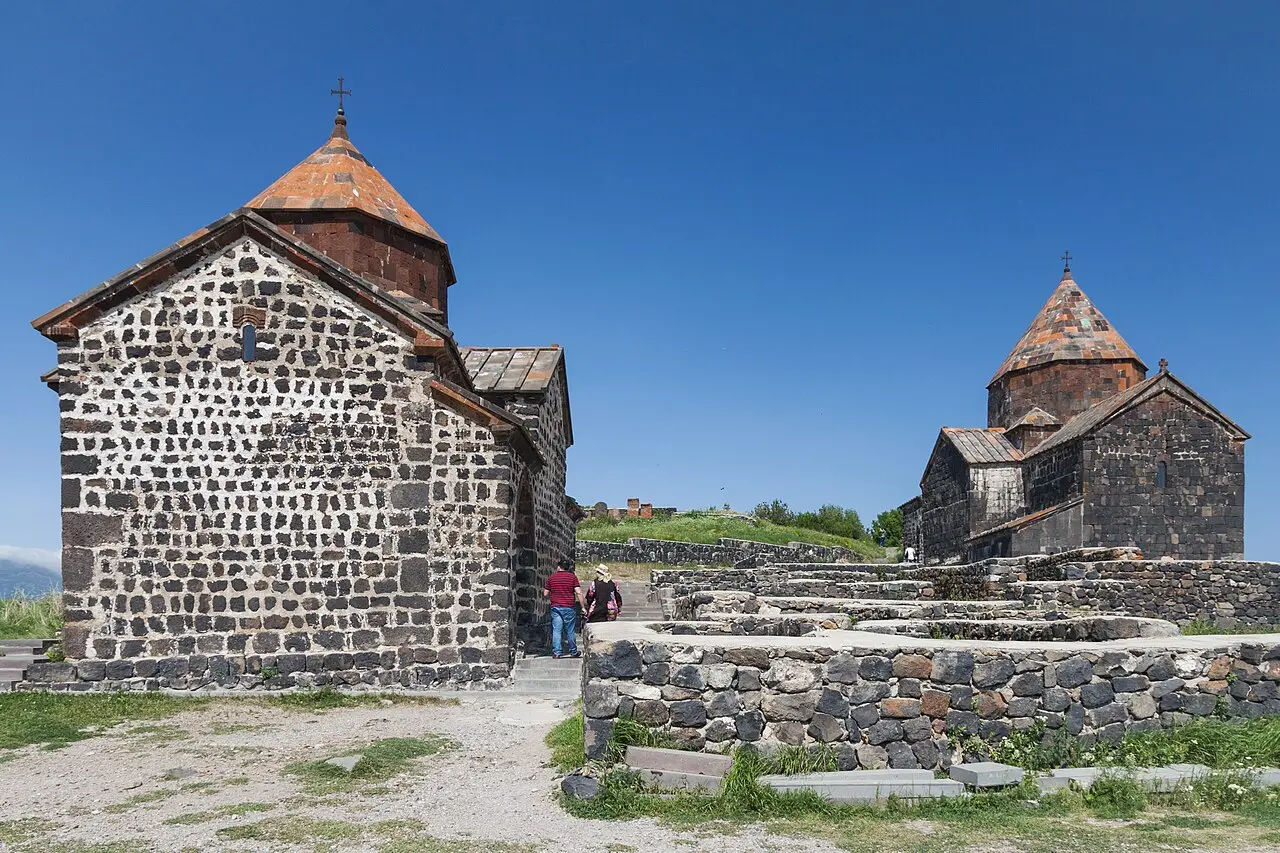
That’s only the start. Geghard is partly hacked straight out of the cliff behind it, its inner chambers carved from the living rock, paired on any day trip with the pagan-era Garni temple. In the deep south, Tatev clings to a canyon edge and is reached by the Wings of Tatev, at 5.7 km the longest reversible aerial tramway in the world. Between them sit Noravank in its red-rock gorge, Haghpat and Sanahin in the northern hills, and dozens more. If you only pick a handful, our roundup of the best monasteries in Armenia ranks the ones worth the drive.
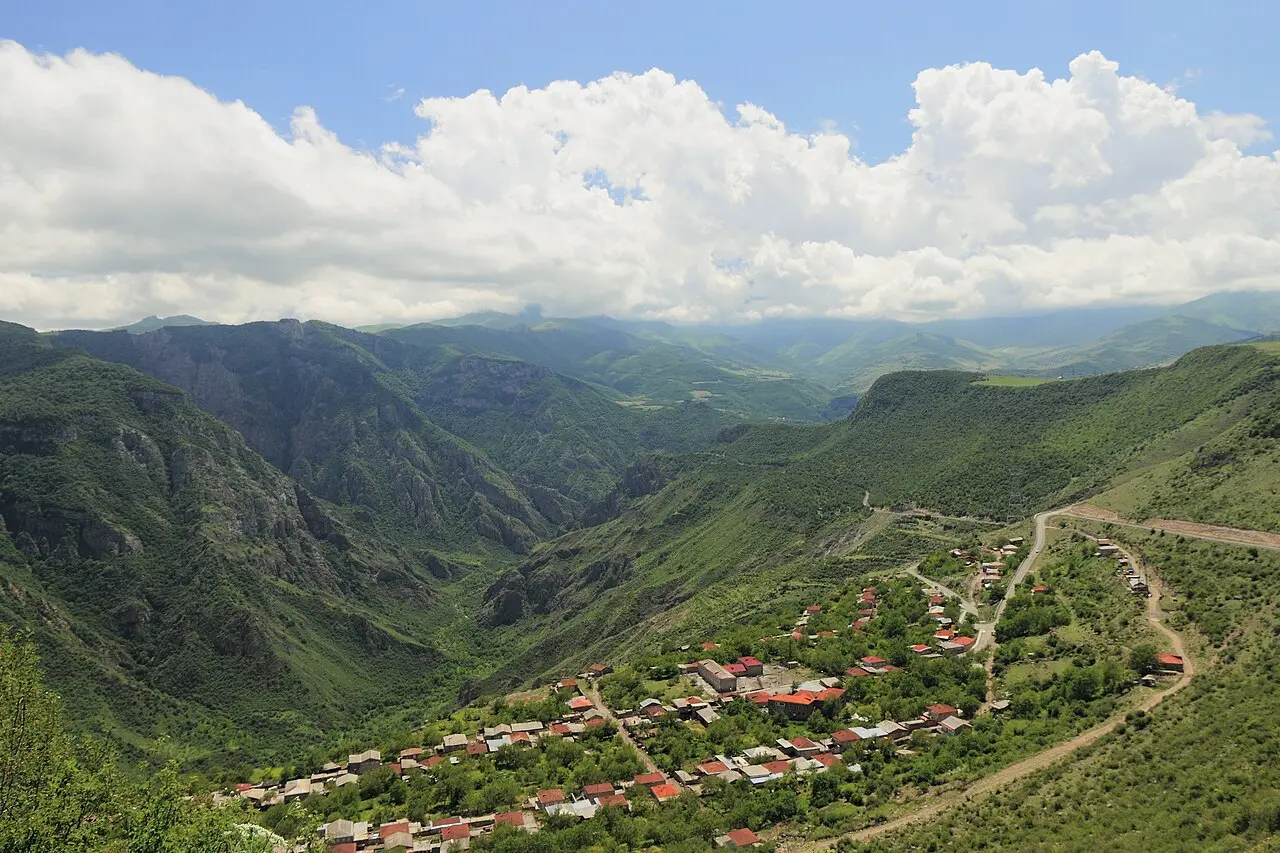
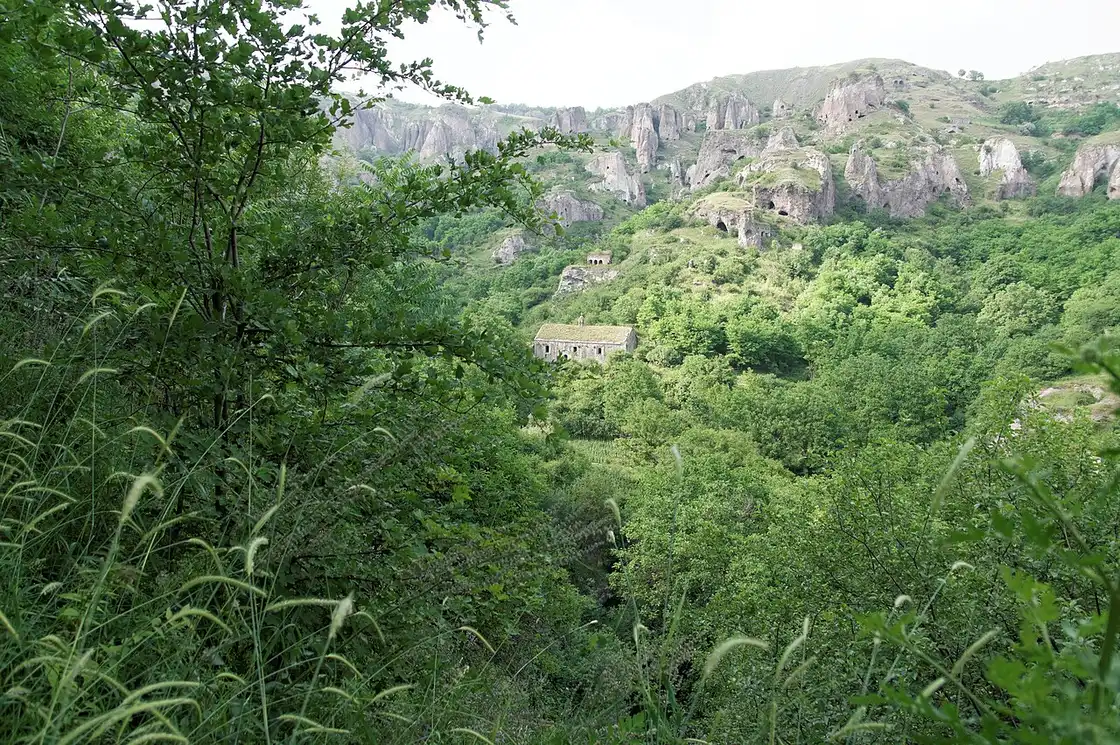
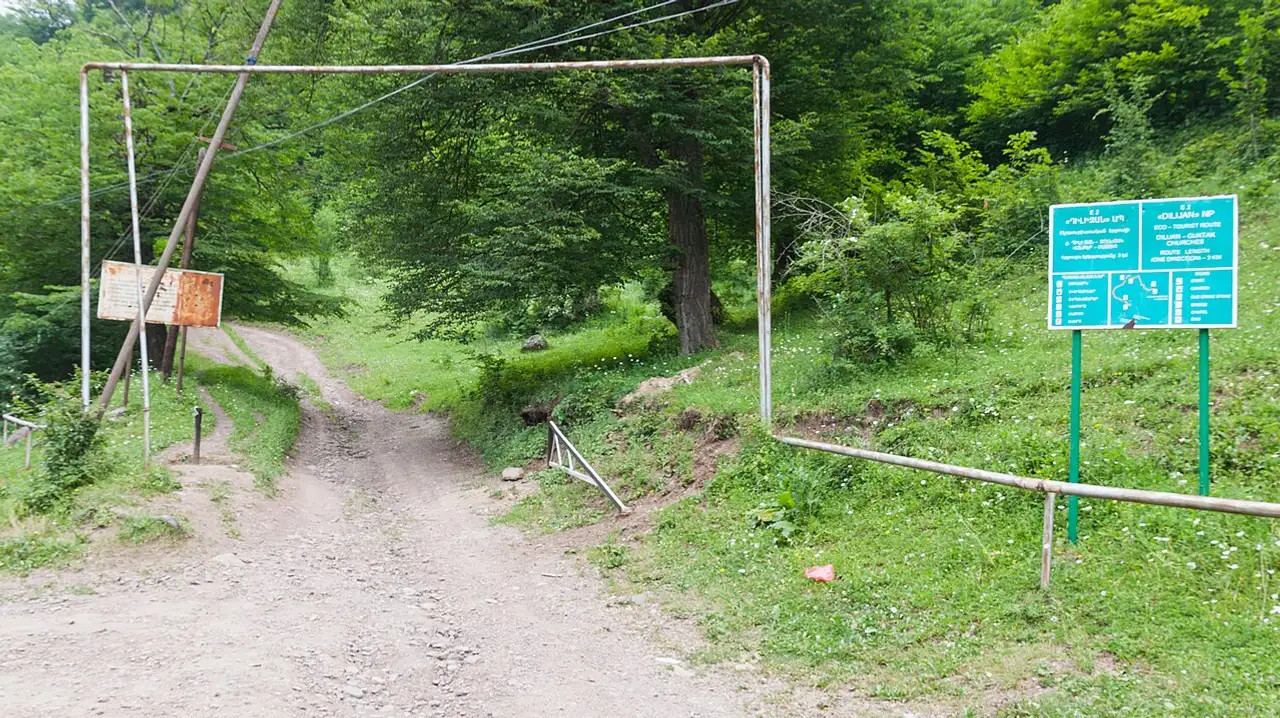
The scenery holds its own with the churches. Armenia is a country of high volcanic plateaus, gorges and alpine lakes, and it changes character fast. Lake Sevan, one of the largest high-altitude lakes anywhere at nearly 1,900 m, is a giant blue inland sea an hour from the capital, ringed by beaches and crayfish shacks. An hour further and you drop into Dilijan, a damp forested pocket that Armenians call their “Little Switzerland”. West of Yerevan, Mount Aragats rises to 4,090 m across four separate summits, the highest point in the modern country. For a first-timer the smartest move is to base in the capital and radiate out on day trips; our guide to the best day trips from Yerevan lays out the reachable ones.
The food and drink punch above the country’s size. Armenians will tell you they invented wine, and they have a decent claim: the Areni-1 cave in Vayots Dzor holds the world’s oldest known winery, a grape press and fermentation jars dated to around 6,100 years ago. The wine scene around Areni today is small, honest and worth a stop, and you can taste it on our guide to Armenian wine and the Areni region. Then there’s brandy: the Yerevan Brandy Company has been making its ARARAT label for more than 130 years, the drink Churchill supposedly had shipped by the case, and its riverside factory runs tastings covered in our Yerevan brandy guide. Around all that sits the everyday food, which is the real surprise: fresh lavash bread baked in a pit oven, char-grilled khorovats, herby dolma, apricots and pomegranates, all of it laid out on our Armenian dishes rundown.
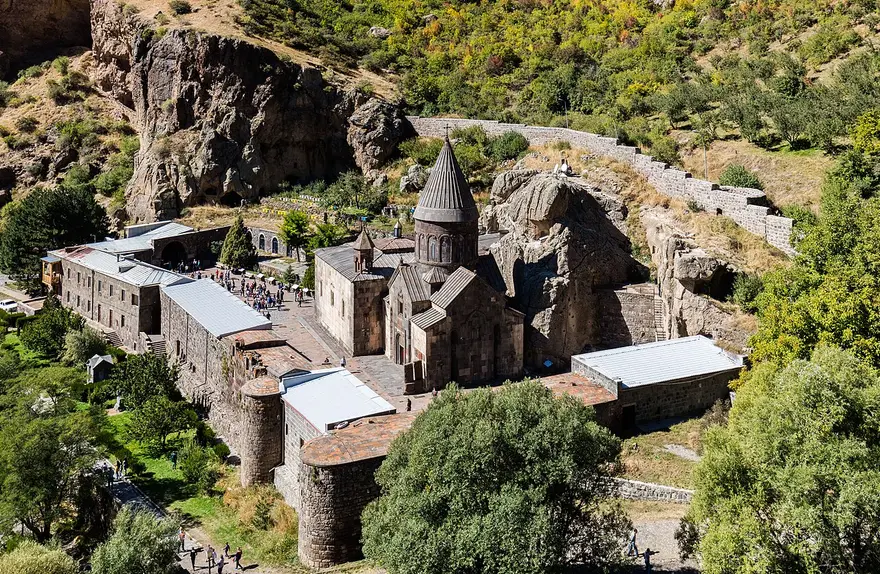
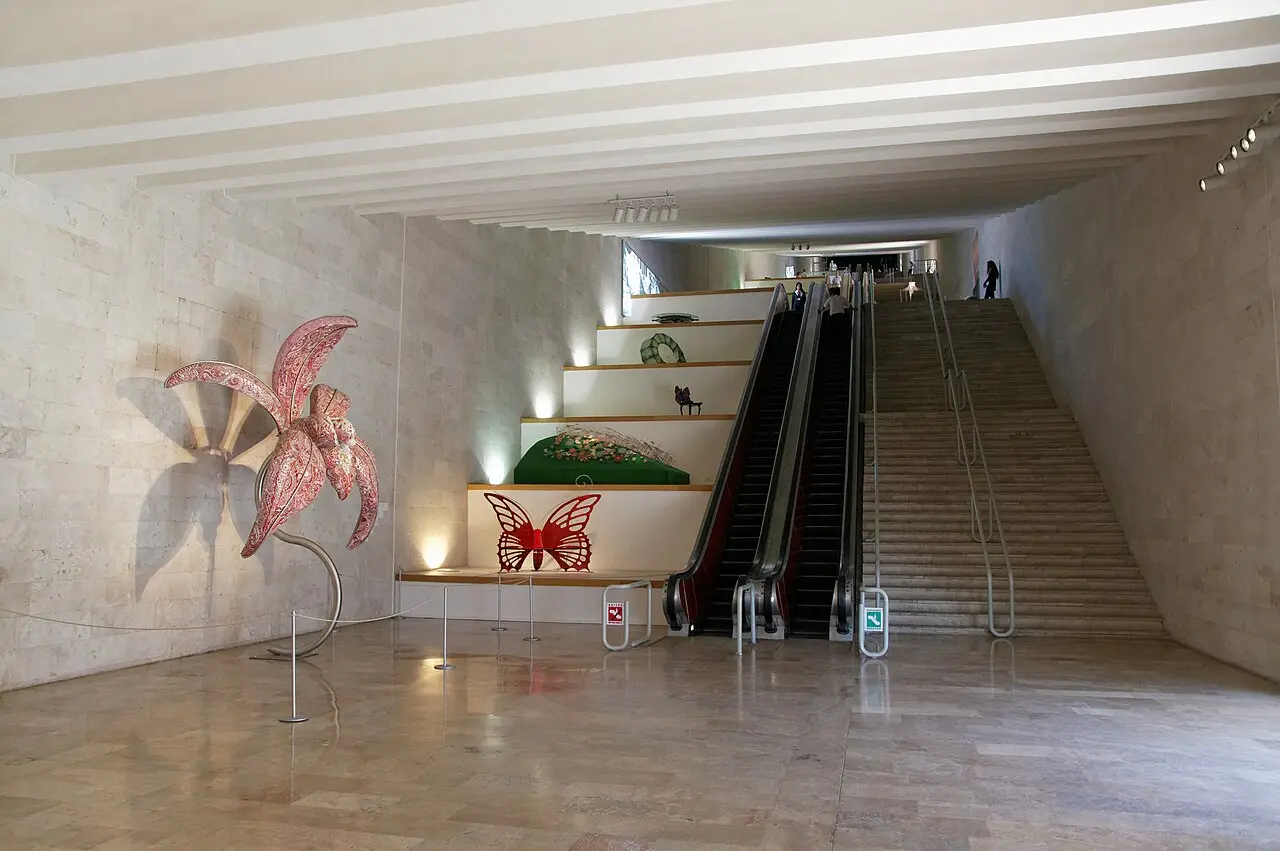
It’s cheap, and it’s friendly. Armenia is one of the better-value destinations within reach of Europe. A mid-range traveller gets by on roughly $35-40 a day, and a careful backpacker can do it on $20-25 by leaning on hostels, marshrutkas and street food; a bed, a good meal and a museum rarely add up to much. Yerevan itself is a genuinely likeable capital, walkable and cafe-heavy, with the pink-tufa buildings, the Cascade stairway of galleries and fountains, and a nightlife that runs late. And the hospitality is real rather than performed: it’s a country where strangers still invite you in for coffee, and where being a guest carries weight.
The case against, honestly
No country is for everyone, and Armenia has real trade-offs worth knowing before you book.
Two of its four borders are shut. The frontiers with Turkey (closed since 1993) and Azerbaijan remain sealed, so you can’t treat Armenia as a stepping stone between them. In practice you arrive and leave overland only via Georgia or Iran, or you fly; the country’s only working international rail line runs north to Tbilisi. That’s fine once you know it, but it shapes any regional plan and rules out the neat Turkey-then-Armenia loop some travellers imagine.
Part of the eastern edge is tense. The border zone with Azerbaijan has seen flare-ups, and at the time of writing the UK Foreign Office advises against travel within 5 km of the eastern border. This matters far less than it sounds for a normal trip: Yerevan, the monastery circuit, Lake Sevan, Dilijan, Gyumri and the Vayots Dzor wine country all sit well away from it and are calm. Still, this is a live, YMYL situation, so check your government’s current advisory before you go rather than relying on any guide.
The distances are real and the south is slow. Armenia looks small on a map, but the mountains make journeys long. The deep south around Goris and Tatev is a four-to-five-hour haul each way from Yerevan, which honestly deserves an overnight rather than a marathon day trip; our guide on getting from Yerevan to Goris and Tatev spells out the timings. Public transport is cheap but basic, roads can be rough, and outside the capital English thins out.
Season matters more than in flatter countries. This is a high place, and winter bites. Passes and higher sites close or turn treacherous with snow, the road over the Sevan pass and the summits of Aragats are seasonal, and even the spa plateau at Jermuk sits above 2,000 m. Come in late spring through autumn and the country is at its best; come in January and half the scenery is under snow and some of it’s unreachable. Our Armenia weather by month breakdown shows what each season actually looks like.
And there’s no coast. Armenia is landlocked, so if you’re looking for a beach fortnight, it’s not that trip. Lake Sevan gives you the nearest thing to a shoreline, but nobody comes here to sunbathe.
So who is it for?
Armenia suits the curious independent traveller: someone who likes history and landscape over lie-flat resorts, doesn’t mind a rough road for a great view, and enjoys a place that hasn’t been smoothed out for tourism. It’s excellent for hikers, for wine and food travellers, for photographers chasing that Ararat shot, and for anyone doing a wider Caucasus loop through Georgia; if you’re torn between the two, our Armenia vs Georgia comparison weighs them up side by side. It works well for solo travellers and is safe day to day, with the eastern border the only real caveat.
It’s a weaker choice if you need everything easy and close together, if you want a beach or a party-island scene, or if you have only a couple of days and a low tolerance for travel time. Families do fine in and around Yerevan but will find the long southern drives a stretch with young kids.
The verdict
For the traveller it fits, Armenia is one of the most rewarding trips in this corner of the world: ancient, cheap, scenic and refreshingly uncrowded, with monasteries and mountains that stay with you and a capital that’s easy to like. Come knowing the borders are complicated, the south takes time and the winters are hard, plan around the season, and give it more than a couple of days. Do that and it repays you generously. If you’ve decided to go, start with how many days in Armenia you actually need, then work out the best time to visit for the trip you want.
Photos
Read also
Before you go · 10 min read
What to Pack for Armenia: Plugs & Layers
Verified · August 7, 2026Armenia packing list: Type C/F plugs at 230V, summer heat in Yerevan vs cold mountain nights, layers, eSIM and insurance to sort before you fly.
Before you go · 8 min read
Where to Stay in Goris: Hotels for Tatev
Verified · August 7, 2026Where to stay in Goris for Tatev: centre hotels and guesthouses, honest day-trip warning (12-13 hours), and what a night in Syunik actually costs.
Before you go · 8 min read
Solo Female Travel in Armenia: Is It Safe?
Verified · August 6, 2026FCDO reports low crime in Armenia. Solo women should avoid informal or street-hailed taxis and use app, licensed or arranged transport.
Before you go · 12 min read
Armenia in October: Autumn Colour and Wine Festivals
Verified · September 23, 2026Armenia in October: peak leaf colour 15-20 October, the Areni wine festival on the 3rd, five times September rain, and what shuts for winter.