Travel Insurance for Armenia: What You Need
Travel insurance is not required to enter Armenia but strongly advised: hospitals charge foreigners upfront, so cover medical, evacuation and baggage.
Travel insurance is not required to enter Armenia, and most nationalities cross the border without anyone asking to see a policy. It is still one of the smartest things you can pack. Armenia has no public healthcare for tourists, so a foreign visitor who ends up in a clinic pays out of pocket, on the spot, and the bill for anything serious climbs fast. This guide sets out what a policy for Armenia should actually cover, the two things people routinely under-insure (mountain hikes and the rental car), and how to think about cost, so you buy the right level rather than the cheapest box you can tick. None of this is financial advice; treat it as a checklist and read your own policy wording before you rely on any single line of it.
The short version: for a standard city-and-monasteries trip, a normal travel medical policy with solid evacuation cover is plenty. The moment you add a high peak, a ski week, or a rental car, the details start to matter, and that is where a cheap policy can quietly leave you exposed.
Do you actually need it?
Legally, no. Practically, most experienced travelers and both the UK and US governments say yes, and the reason is money rather than paperwork. The UK Foreign Office advises visitors to “make sure you have adequate travel health insurance and accessible funds to cover the cost of any medical treatment abroad and repatriation.” The US State Department goes further and “strongly recommends supplemental insurance to cover medical evacuation,” and reminds Americans that US Medicare and Medicaid do not work overseas at all.
What trips people up is the order of payment: in Armenia you generally pay first and claim later. There is no reciprocal health arrangement for tourists, so a private hospital or a doctor will expect payment at the time of treatment, usually by card, and you submit the receipts to your insurer afterwards. That is fine when it is a fifty-dollar consultation. It is a different matter when it is a broken leg on a mountain, a night in intensive care, or an air ambulance. Insurance is really there for that low-probability, high-cost tail, not the sniffle you could have handled with a pharmacy visit.
Healthcare in Armenia: what you are insuring against
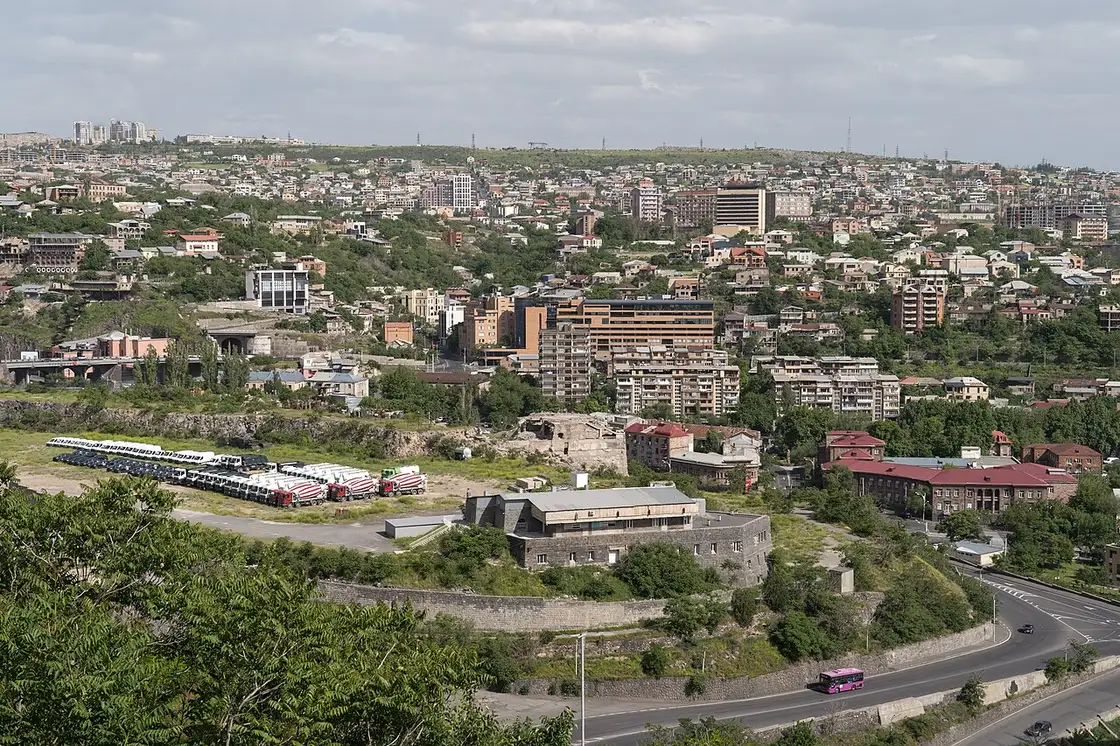
Knowing how the system works tells you what your policy has to do. Armenia runs a mix of state and private hospitals, and the gap between them is real. The UK government describes public facilities in Yerevan as “generally sufficient for minor or straightforward ailments,” while warning that “public healthcare outside Yerevan is likely to be basic.” Private care is the other end of the scale: good standard, and, in the government’s own words, “can be expensive.”
Yerevan holds the country’s strongest medical facilities, including well-regarded private hospitals such as Wigmore Clinic and Erebouni Medical Center. That is context, not a recommendation, and the point is not which door you walk through but that you walk through it as a paying patient. Reported private-hospital costs give a rough sense of scale rather than a price list: a GP consultation might run somewhere around 20 to 50 US dollars, a private room and basic treatment perhaps 100 to 250 dollars a day, and genuinely serious or intensive care can run into the thousands per day. Those figures move with the clinic, the treatment and the exchange rate, so read them as an order of magnitude, not a quote.
Two other realities shape the risk. Outside the capital, medical facilities thin out quickly, and the US State Department notes that ambulance services are unreliable in the regions, to the point that an injured traveler is often better off in a taxi to a major hospital than waiting for one to arrive. And the country’s mountains and long rural drives are exactly where accidents happen. Put those together and the case for good evacuation cover, the ability to get you from a village or a slope to Yerevan or, if needed, out of the country, is the strongest argument for insuring the trip at all.
What your policy should cover
Strip away the marketing and a policy for Armenia comes down to a handful of things worth checking line by line.
Emergency medical and hospital treatment. The core of any travel policy. Because you pay upfront here, look at the limit and, just as important, whether the insurer offers a 24/7 assistance line that can guarantee payment to a hospital directly in a real emergency, which spares you fronting a five-figure bill on a credit card.
Medical repatriation and evacuation. The expensive, trip-defining cover, and the one both governments single out. This pays to move you to adequate care or fly you home, and an air ambulance out of the Caucasus can cost tens of thousands. Some cheaper plans cap evacuation at around 25,000 US dollars, which sounds like a lot until you price a medical flight; aim higher if you can, and check whether the limit is per trip or, as with some plans, a lifetime cap.
Baggage loss and delay, and trip delay. Easy to overlook and genuinely useful in Armenia, because almost everyone arrives through the single hub of Zvartnots on a connection, often via Moscow, Doha, Dubai or Vienna. Every extra connection is another chance for a bag to go missing or a flight to slip, so cover that reimburses a delayed suitcase or a missed night is worth having.
Personal liability and 24/7 assistance. Liability covers you if you injure someone or damage property; the assistance line is the number you actually call at 3am when something goes wrong and you do not speak Armenian.
To reach that assistance line, file a claim or send photos of receipts from a clinic, you will want data on your phone rather than a hunt for hotel wifi. A local Armenia eSIM keeps you connected the moment you land, which matters more than it sounds when you are trying to get an insurer on the line from a regional hospital.
The bit people under-insure: hiking, altitude and winter sports
This is where a standard policy can leave you exposed, and it is specific to what makes Armenia worth the trip. If your plans run beyond sightseeing, read the activities schedule of your policy closely, because “adventure” activities are frequently excluded or need a paid add-on.
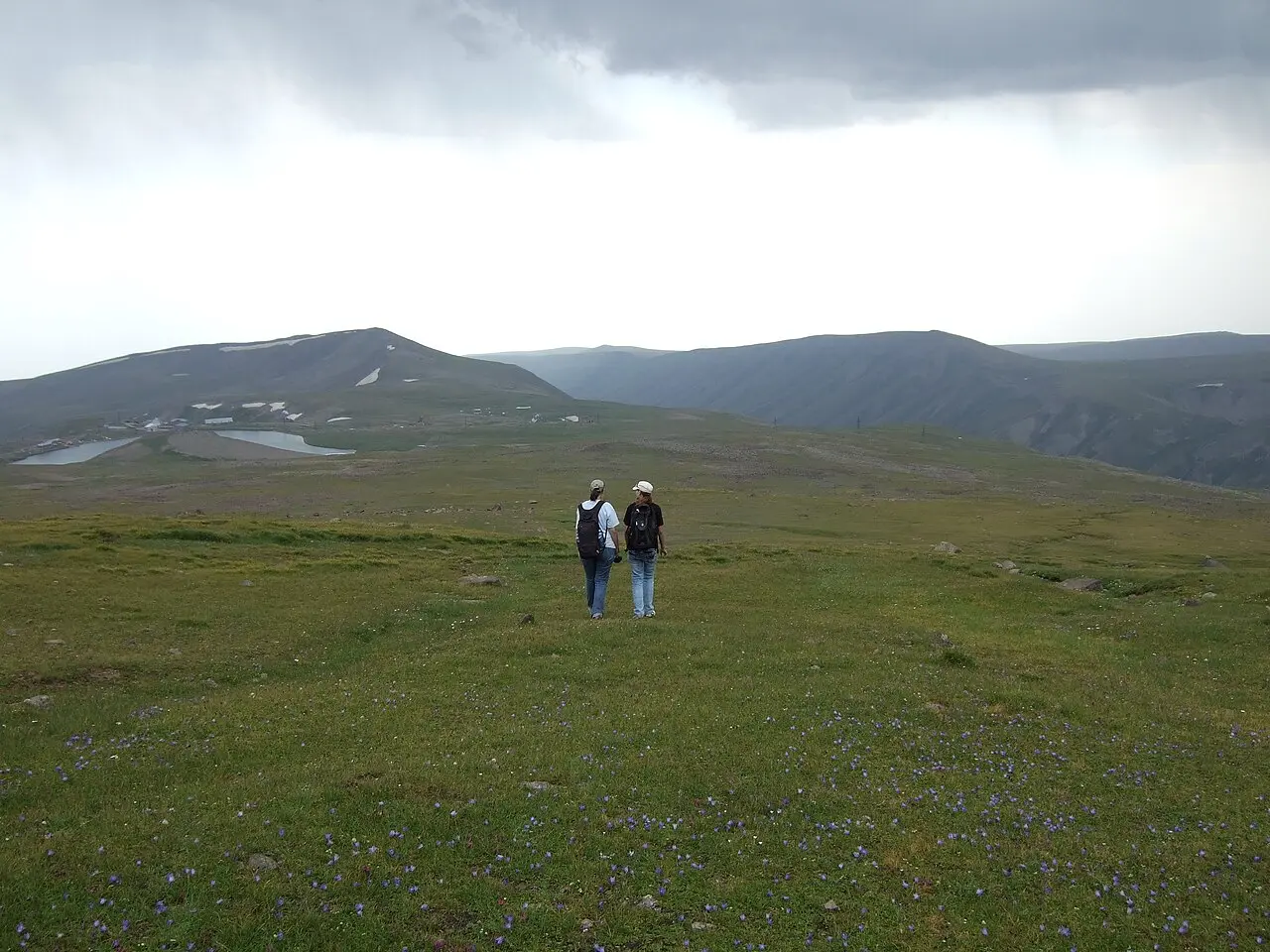
Altitude is the usual trigger. Many policies draw a line at a set elevation, above which ordinary cover stops. SafetyWing’s popular nomad plan, for example, does not cover sports or activities at 4,500 metres or higher unless you buy its adventure-sports add-on, which then extends trekking and mountaineering cover up to 6,000 metres. The practical upshot for Armenia is reassuring but worth confirming: the country’s classic day-hikes sit below that line. The southern peak of Mount Aragats tops out around 3,888 metres, Azhdahak in the Gegham range is about 3,597 metres, and Mount Khustup near Kapan is roughly 3,201 metres, all under 4,500. So for most trekking you are within a standard plan, but that assumes your specific policy covers hiking at all, and some define even a marked-trail walk as an adventure activity. Do not assume; check the wording, and if you are eyeing anything higher, more technical or a multi-day expedition, price the add-on. Our roundup of the best hikes in Armenia lays out which trails are gentle strolls and which are demanding high-country days, so you can match the cover to the plan.
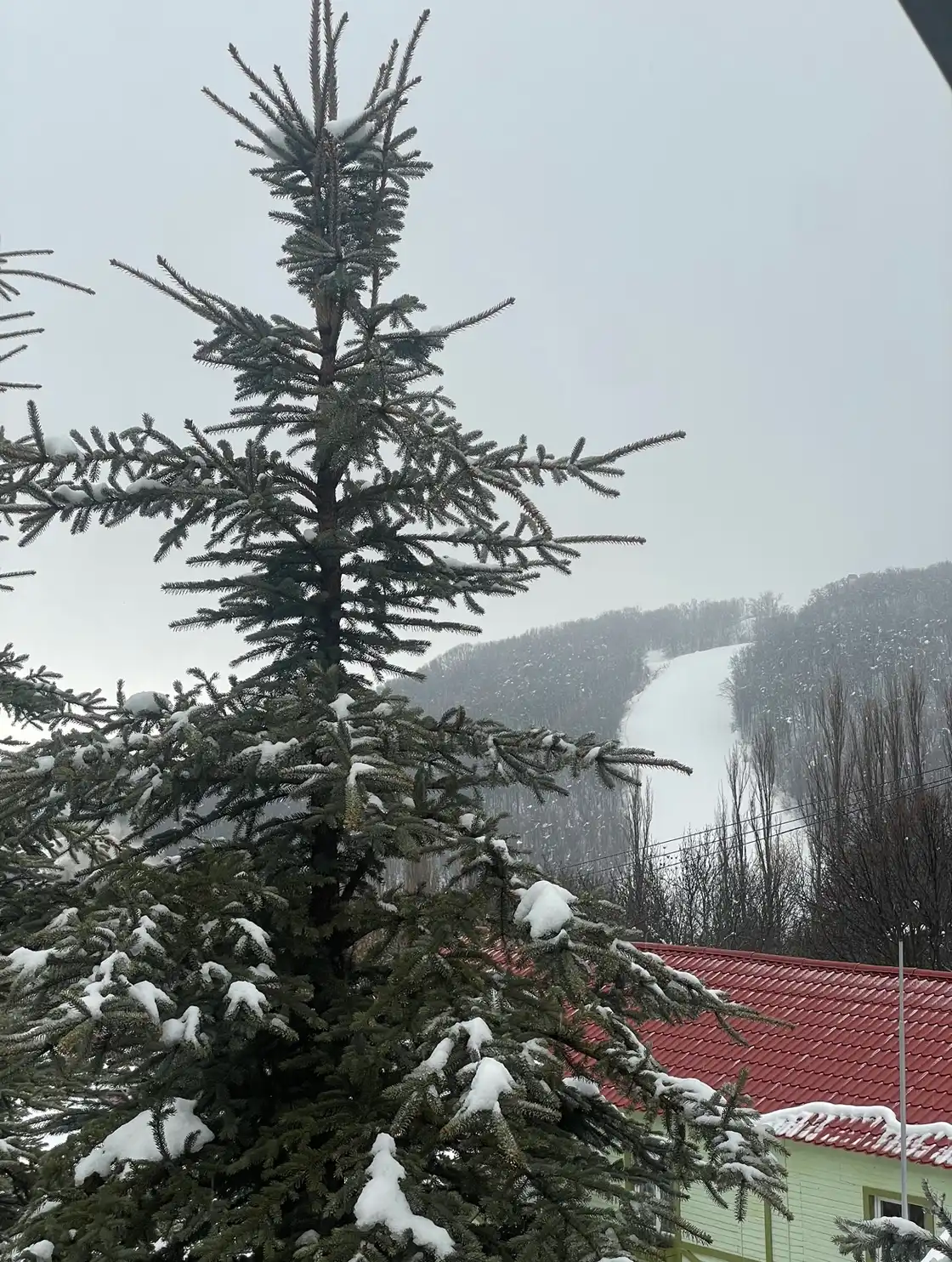
Winter sport is the other gap. If you are heading to Tsaghkadzor to ski, confirm that snow sports are included; many policies cover on-piste skiing on the base plan but exclude off-piste and skiing against the local ski school’s advice, and some treat winter sports as a rider you have to add. A day on the slopes without the right cover is a classic, avoidable hole in a policy.
The rental car: travel insurance is not car insurance
One point trips up almost everyone who drives here, so it is worth stating plainly: your travel policy does not insure the rental car. Damage to the vehicle is handled by the rental company’s own collision damage waiver (CDW) and third-party cover, which comes with the car, not by your travel medical plan. What a travel policy might cover is you, the driver and passengers, if you are injured, subject to the same activity and driving-licence conditions as anything else.
The gap that costs money is the excess (the deductible you still owe on the CDW if the car is damaged), which can run to a four-figure sum. That is not covered by a standard travel policy either. If you want it covered, you either buy the rental company’s excess-reduction product at the desk or a separate car-hire-excess policy, which is often cheaper. Either way it is a distinct decision from your health cover. Our guide to driving in Armenia walks through the CDW, the excess and the road realities in detail, and is worth reading before you sign anything at the rental counter.
How much does it cost?
There is no single number worth quoting, because the premium depends on you and the trip. The big levers are your age, the length of the trip, the coverage limits you choose, and any add-ons for adventure activities or winter sports. A short trip for a young, healthy traveler on a standard plan is genuinely cheap, often a small fraction of the airfare. Older travelers, longer stays, higher medical and evacuation limits, and any pre-existing conditions push it up, sometimes sharply.
Rather than chase a headline price, get a quote for your exact dates and cover level and compare a couple of providers, because the same trip can be priced very differently. A monthly, renewable option such as SafetyWing’s Nomad Insurance suits open-ended or long trips and remote workers, while a fixed-dates single-trip policy from a mainstream travel insurer often works out better value for a defined two-week holiday. Whichever you choose, weigh it on the evacuation limit and the exclusions, not the sticker price alone, since the cheapest plan is usually the one with the lowest ceiling exactly where you would need it most.
The one thing to get right
If you take a single decision away from all this, make it the evacuation cover, then read the exclusions for whatever you actually plan to do. A basic medical policy is fine for a city break built around Yerevan and the monasteries and day trips; the risk profile changes the moment you add a summit, a chairlift or a set of car keys, and each of those has its own small print. Buy for the trip you are really taking, keep the insurer’s assistance number saved offline before you fly, and remember that in Armenia the receipt in your pocket is what gets reimbursed, so hang on to every one. For the ground logistics that shape the rest of your planning, our guide to getting around Armenia covers how you will actually move between all these places.
Photos
Read also
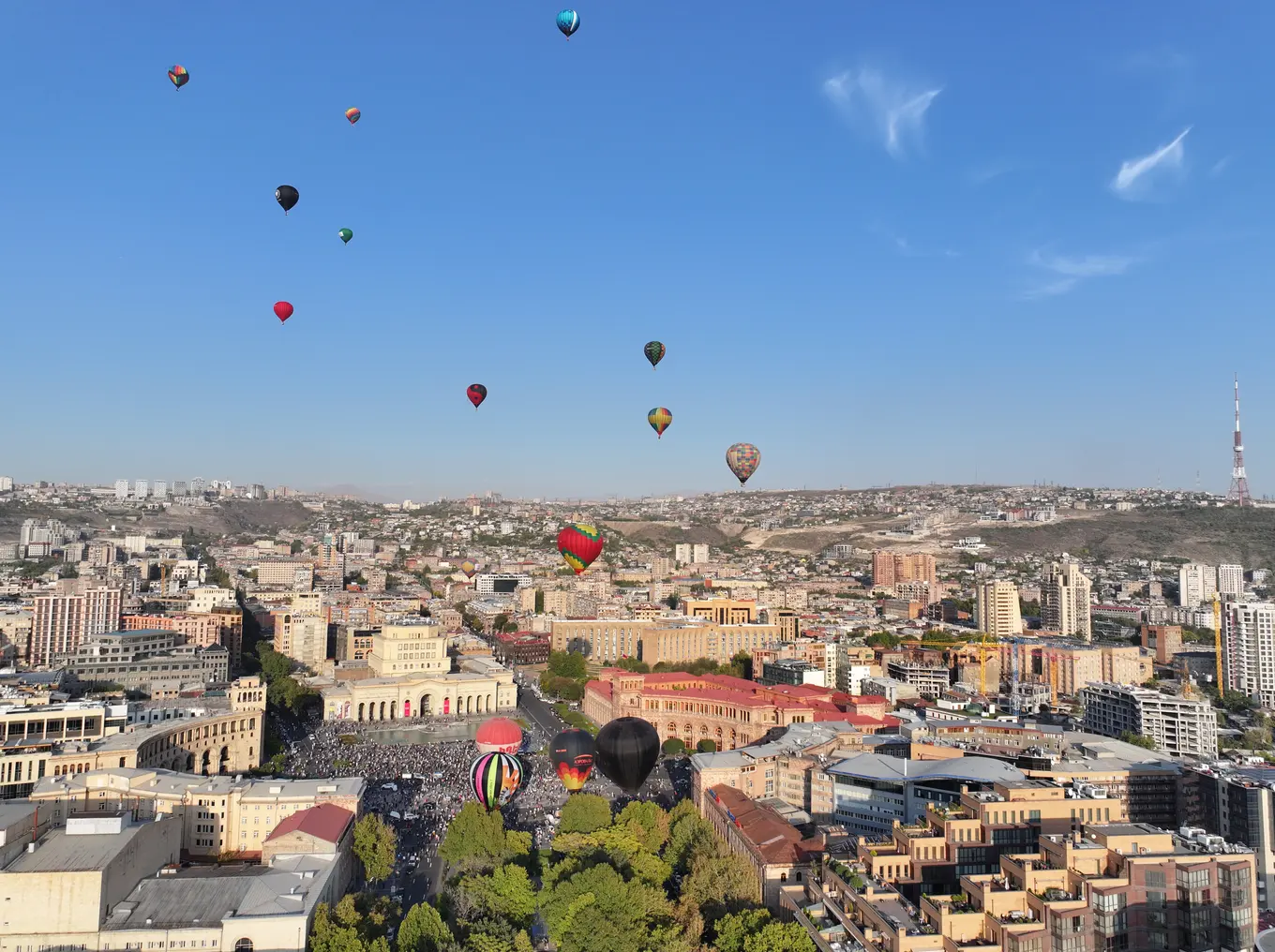
Armenia Visa & Entry Rules (2026)
Verified · July 4, 2026Armenia visa and entry rules in 2026: who is visa-free for 180 days, the e-visa for everyone else, passport rules and the closed land borders.
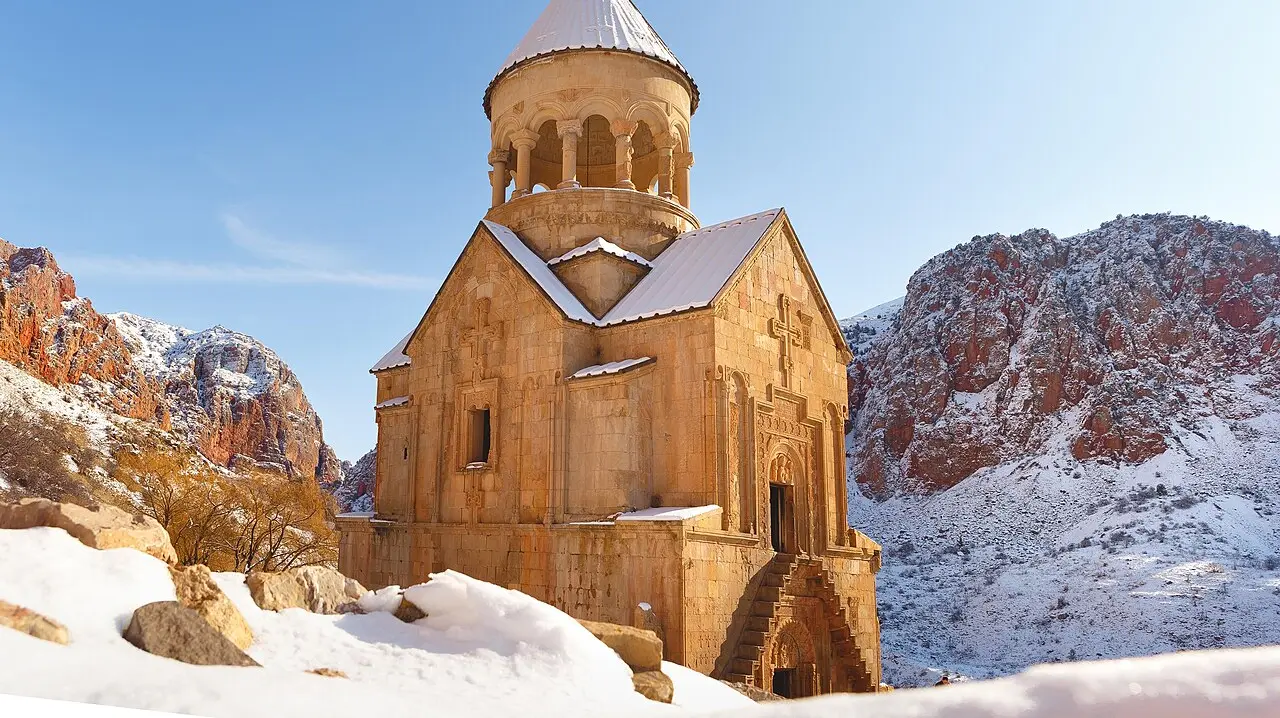
Armenia Weather by Month
Verified · July 4, 2026Armenia weather month by month: average temperatures, rain and what is open or closed, from snowbound January to the golden harvest of October.
Best Time to Visit Armenia (Month by Month)
Verified · July 4, 2026When to visit Armenia: May and late September to mid-October are the sweet spots, summer is hot in Yerevan but cool in the mountains, winter is for skiers.
Is Armenia Worth Visiting?
Verified · July 4, 2026An honest answer to whether Armenia is worth visiting: ancient monasteries, Caucasus scenery, cheap prices and small crowds, plus the real downsides.