Northern Armenia: Lori, Haghpat & Sanahin
What to see in Lori, northern Armenia: the UNESCO monasteries of Haghpat and Sanahin, Odzun, the Debed canyon, Lori Berd and Tumanyan country in Dsegh.
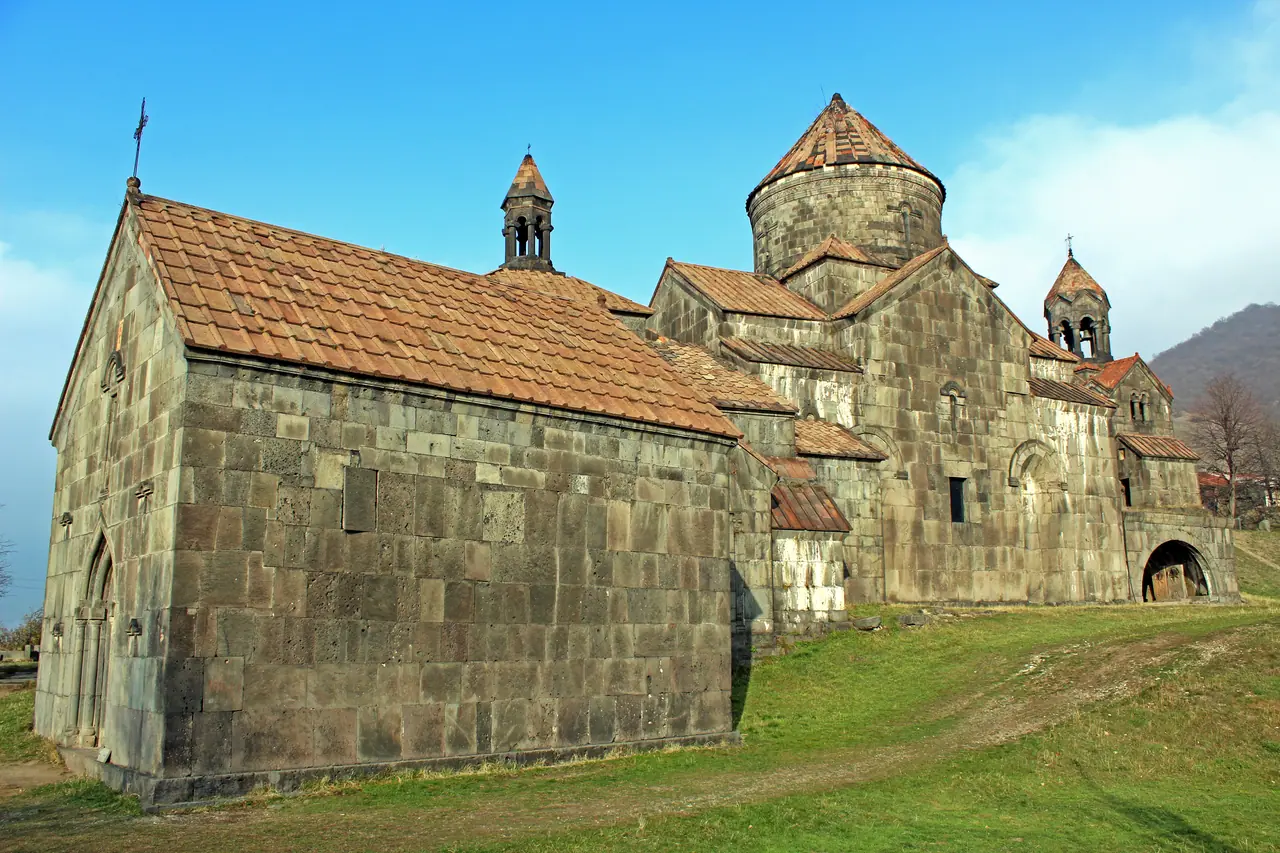
Lori is the green, cool, half-forgotten north of Armenia, the province you cross on the way to Georgia and, far too often, drive straight through. Slow down for it. Two of the country’s oldest and most atmospheric monasteries, Haghpat and Sanahin, sit three kilometres apart on the rim of the Debed canyon and share a single UNESCO listing between them. Add the pink basilica at Odzun, the poet’s village of Dsegh, and the ruined fortress of Lori Berd, and you have a region that rewards a night away from Yerevan far more than a rushed afternoon. Allow roughly 180 km and about three and a half hours from the capital, most of it easy highway with a twist of mountain road at the end.
One thing to set expectations up front: Lori rewards a slow pace, not a tick-list - a monastery caught empty in the evening light, a canyon road driven with the windows down, a night in a village guesthouse rather than a dash back to Yerevan. Everything below is orientation you can plan around, not a timetable set in stone.
Why Lori is worth the detour
Most first trips to Armenia stay south and central: Khor Virap under Ararat, the wine valleys, Tatev on its ridge. Lori runs the other way, north from Yerevan through Vanadzor and down into the Debed gorge, and it feels different the moment you arrive. The air is wetter, the hills are wooded rather than bare, and the villages have a lived-in, working-farm quality that the polished monastery-tour circuit further south can lack.
What pulls people here is a rare density of medieval Armenia in one narrow valley. Haghpat and Sanahin weren’t just churches; they were centres of learning, with libraries, scriptoria and a teaching academy, at a time when the surrounding kingdom was near its height. You can stand in a thousand-year-old hall where scholars once argued philosophy, walk out to a cliff edge, and see the river still running far below. For anyone who came to Armenia for the monasteries, Lori is where several of the very best sit close enough to link on foot.
Haghpat and Sanahin: two monasteries, one UNESCO listing
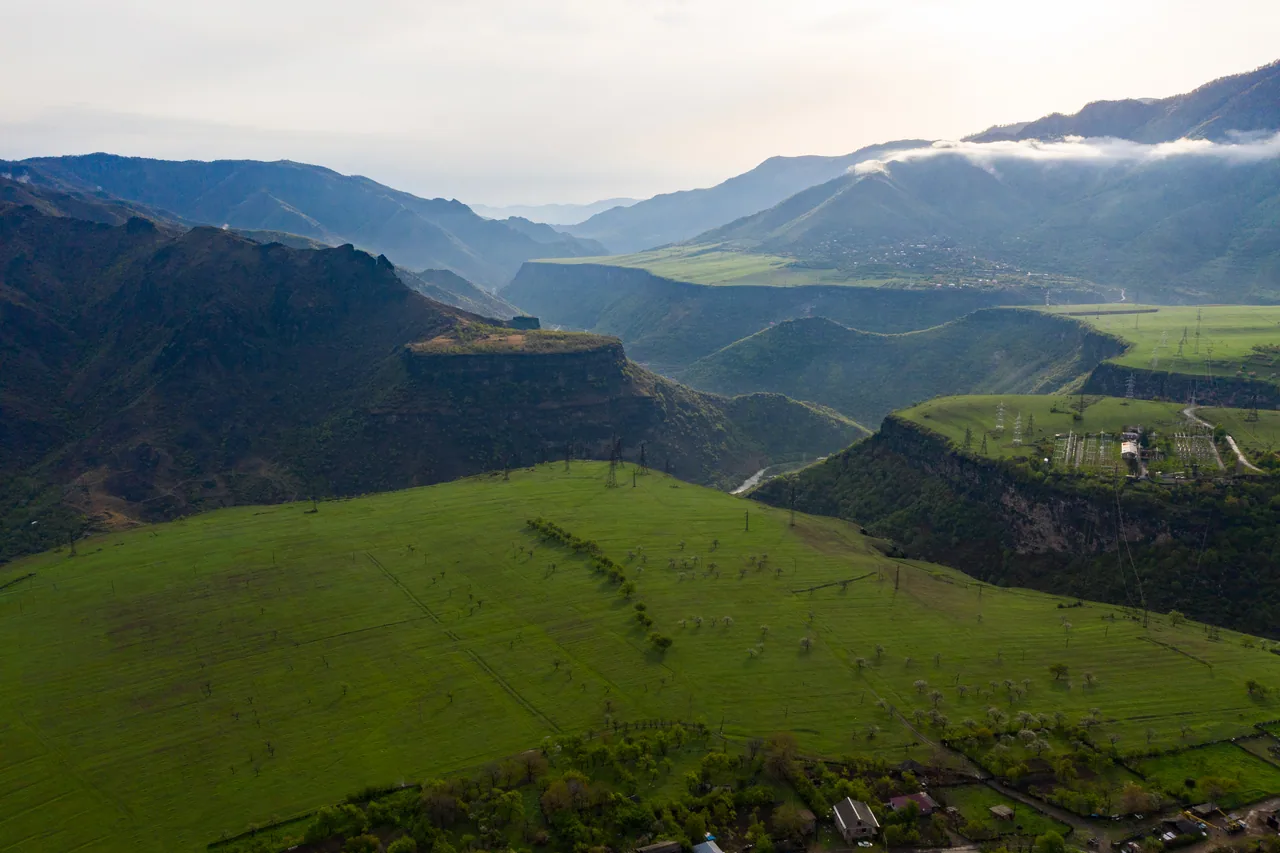
The headline pair. Together they’re inscribed on the UNESCO World Heritage list as the “Monasteries of Haghpat and Sanahin,” a serial site recognised for the flowering of Armenian religious architecture between the 10th and 13th centuries, a style that fused Byzantine church-building with the older stonework traditions of the Caucasus. Haghpat went on the list in 1996; Sanahin was added as an extension in 2000.
Haghpat was founded in 976, traditionally credited to Queen Khosrovanush, wife of King Ashot III. It stands above a village of the same name, a compact huddle of churches, a bell tower and vaulted gavit halls, with a much-photographed refectory and a scatter of carved khachkars (Armenian cross-stones). The setting does a lot of the work: the whole complex sits on a shelf of green with the mountains stacked behind it.
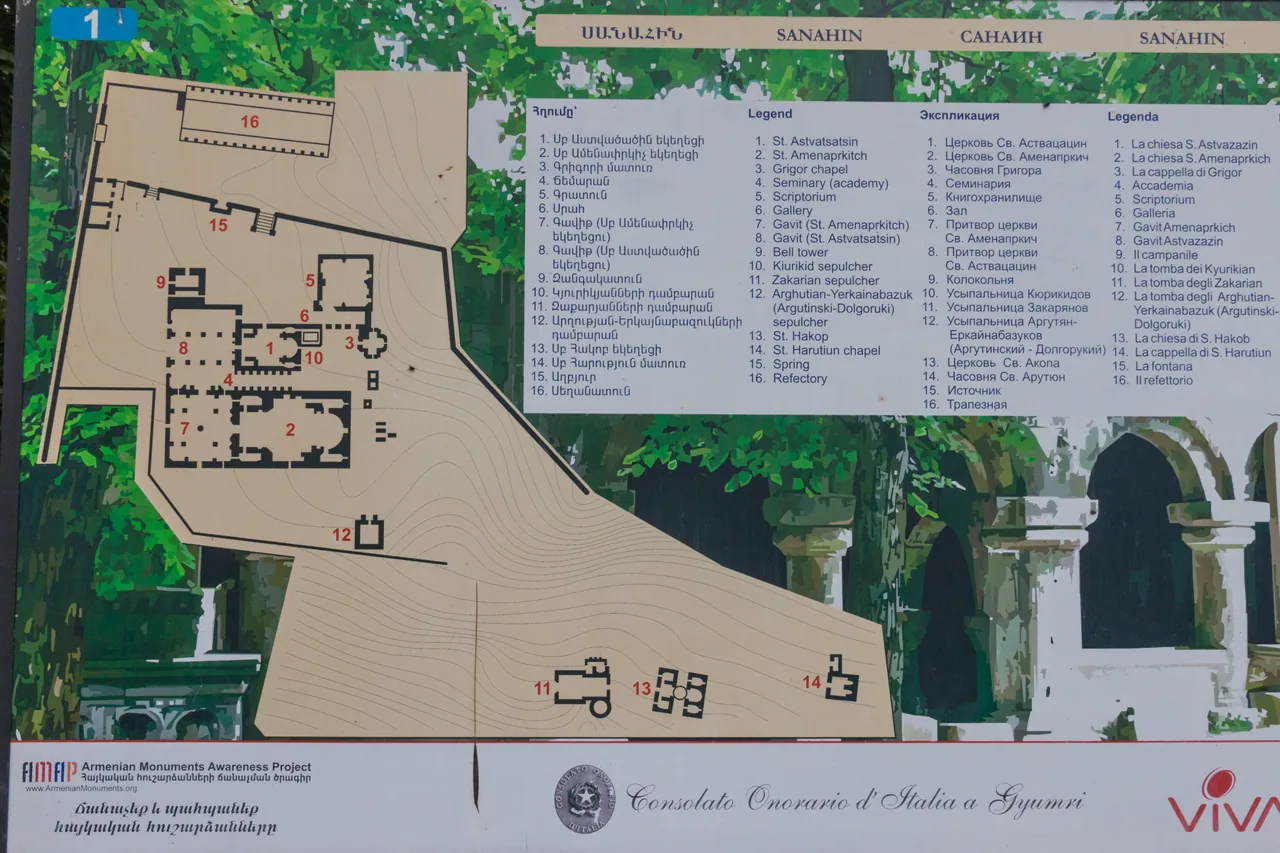
Sanahin, a short hop away, is the slightly older of the two, its first church built in the 10th century under the Bagratuni kings. The name is usually translated, with a wink, as “this one is older than that one,” a dig at its neighbour. Sanahin held one of the oldest and largest libraries in Armenia and an academy where the scholar Grigor Magistros is said to have lectured, students seated on the stone benches that still line the walls. Around fifty khachkars survive in the grounds. Of the two, Sanahin feels the more scholarly and shadowed; Haghpat the more open and grand. See both. They are three kilometres apart, and a marked footpath links them through the hills for anyone who would rather walk it than drive the loop through Alaverdi in the valley between them.
Odzun, Kobayr and the Debed canyon
The two famous monasteries are the reason to come, but they’re not the whole of Lori, and the mistake is to tick them off and leave. A short drive from Alaverdi brings you to Odzun, a rose-coloured basilica standing almost alone on a wide plateau. It’s far older than Haghpat and Sanahin, dated to somewhere around the 5th to 7th centuries and rebuilt in the 8th by a local churchman who became head of the Armenian church. Beside it stands an unusual funerary monument, two carved stelae under arches, and the plateau gives long views over the gorge. Odzun tends to be quiet, which is part of its charm.
If you like your ruins hard-won, Kobayr clings to the canyon wall above the railway line near Tumanyan, a half-collapsed monastery with faded frescoes that takes a short uphill scramble to reach. It rewards the effort with frescoes you rarely see elsewhere in the country and a view straight down the gorge. Between these stops, the Debed canyon itself is the connective tissue: a deep, wooded river gorge that the road and the old Soviet railway both thread, with churches and villages balanced on its ledges. Driving it slowly, windows down, is half the pleasure of a Lori day.
Dsegh, Lori Berd and the human side of the north
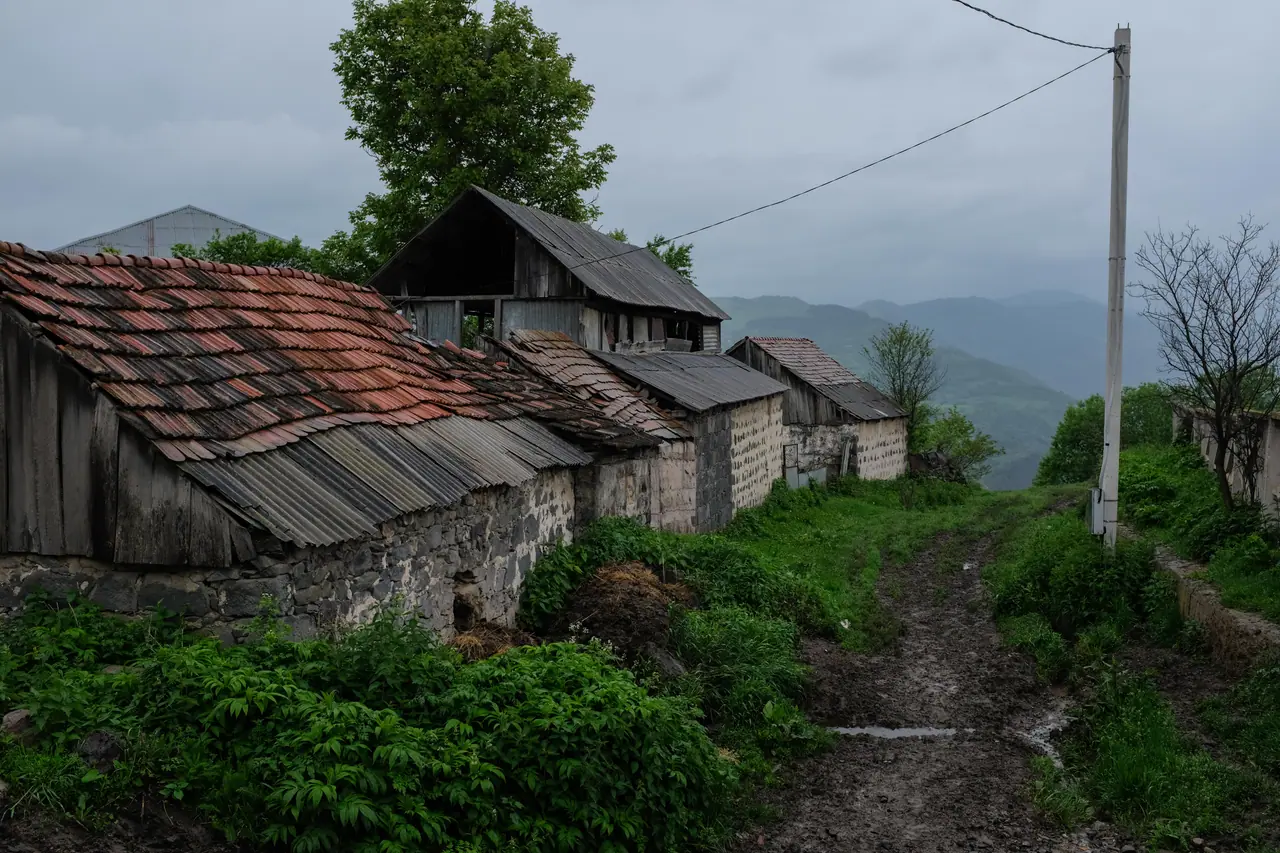
Lori is more than stones and saints. The village of Dsegh, on a wooded shelf high above the Debed south of Alaverdi, is the birthplace of Hovhannes Tumanyan, Armenia’s national poet, born here in 1869. His childhood home is now a house-museum, and there’s a small chapel in the garden where his heart is buried. Even if the name means nothing to you before you arrive, the village is worth the turn-off for its setting alone, and Armenians treat the place with real affection, which tells you something.
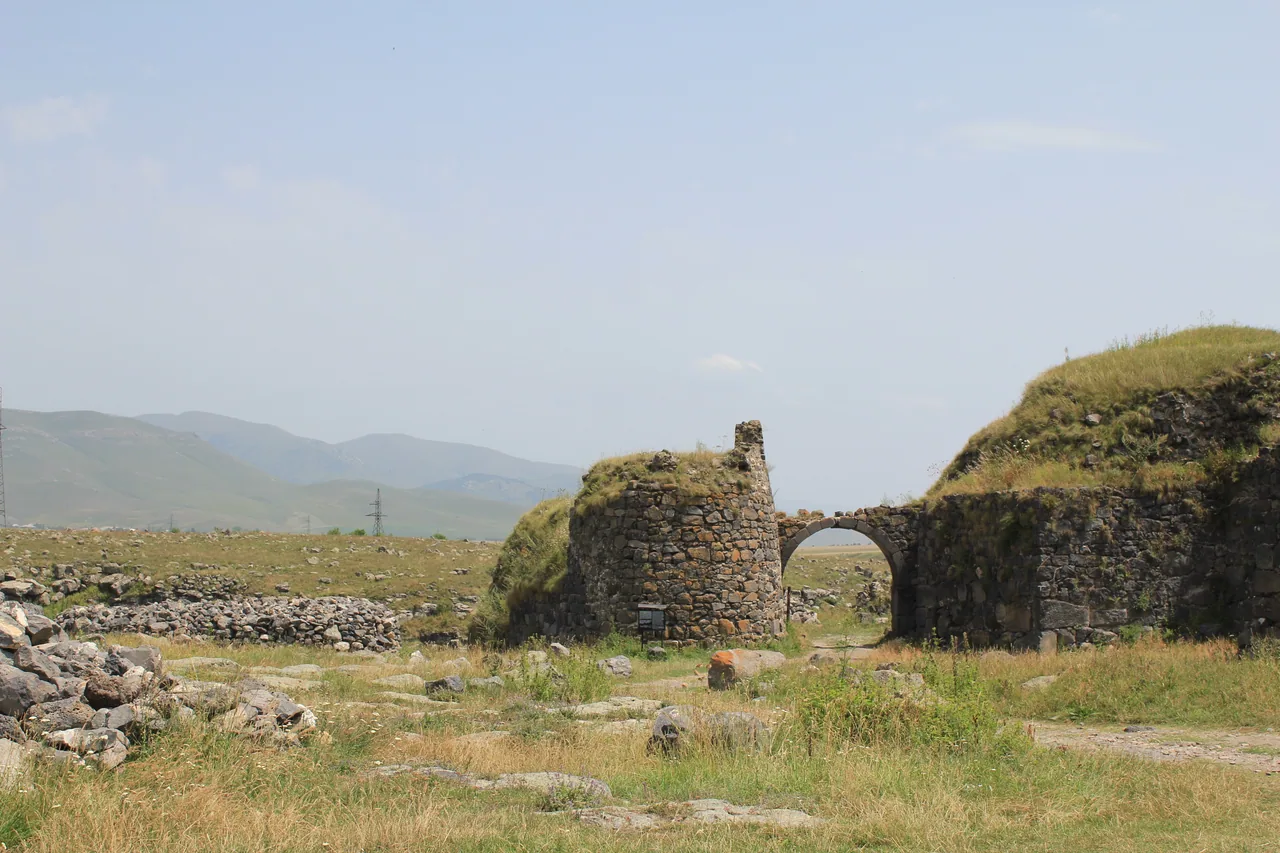
Further west, near the town of Stepanavan, the fortress of Lori Berd sits on a grassy promontory wedged between two gorges, the medieval stronghold of a local Armenian kingdom. There’s not a great deal standing, but the position is dramatic and the walk out along the spur, with sheer drops on either side, is memorable. Stepanavan also has a well-known arboretum nearby for anyone travelling with restless children or a soft spot for old trees.
Practicalities: getting there, when to go, how long
Drive or tour? Both work, and it depends on your appetite for the wheel. Lori sits about 180 km north of Yerevan, about three and a half hours, on good highway most of the way with narrower roads once you drop toward the monasteries. A rental car gives you Odzun, Dsegh and Lori Berd at your own pace, none of which fit a standard group itinerary; if you would rather not drive after Yerevan, plenty of operators run a long day-tour that pairs Haghpat, Sanahin and sometimes Akhtala or the canyon. A tour handles the big two efficiently; a car lets you reach the quiet corners.
One day or two? You can see Haghpat and Sanahin as a very long day trip from Yerevan, but it’s a lot of driving for a short stop, and you will skip everything else. The region genuinely rewards a night: sleep in a guesthouse near Alaverdi or in one of the canyon villages, do the monasteries unhurried in the soft evening or early-morning light, and fold in Odzun and Dsegh the next day. Lori also strings naturally onto a wider northern loop through Dilijan and Lake Sevan. If you want the night built in for you, our Debed Canyon road trip lays out exactly that two-day version.
When to come. Late spring through autumn is the sweet spot, when the hills are green and the higher roads are clear. Summer is pleasantly cooler up here than in baking Yerevan, which is a quiet argument for a July or August escape north. Winter turns the gorge moody and can make the side-roads slick, so check conditions before you commit to the smaller stops.
Opening and entry. The monasteries are working religious sites, generally free to enter and open through daylight hours; dress modestly and keep quiet if a service is on. Small museums such as the Tumanyan house in Dsegh charge a modest ticket. None of this is fixed, so treat times and fees as things to confirm locally rather than promises.
The short version
Lori is Armenia’s underrated north, and Haghpat and Sanahin are the reason to go, two UNESCO monasteries three kilometres apart on the edge of the Debed canyon, older and quieter than the famous sites down south. Give the region a night rather than a rushed afternoon, add Odzun and Dsegh if you have the time and a car, and let the canyon set the pace.
If you’re still mapping the trip, our 7-day Armenia itinerary shows how a northern leg like this slots in alongside the classics, and Dilijan makes a natural green counterpart an hour or so east, the two of them the best of forested northern Armenia. For the logistics of moving between regions without your own car, getting around Armenia lays out the marshrutkas, trains and shared taxis that reach the north. And to see how Haghpat and Sanahin rank among the country’s finest churches and how to pace a monastery trip, read our roundup of the best monasteries in Armenia.
Photos
Read also

What to see · 10 min read
Soviet Modernist Yerevan: An Architecture Walk
Verified · September 5, 2026Walk Yerevan's Soviet modernism: Rossiya Cinema, Komitas Hall, Cascade, Hrazdan Stadium and Demirchyan Complex - dates, route order, and what still stands.

What to see · 9 min read
Kond: Walking Yerevan's Oldest Neighborhood
Verified · September 3, 2026Walk Kond, Yerevan's oldest living quarter: Surp Hovhannes, Tepebashi mosque walls, Leo Street alleys, and how to visit without treating it like a set.
What to see · 8 min read
Sardarapat Memorial: Armenia's 1918 Battle Site
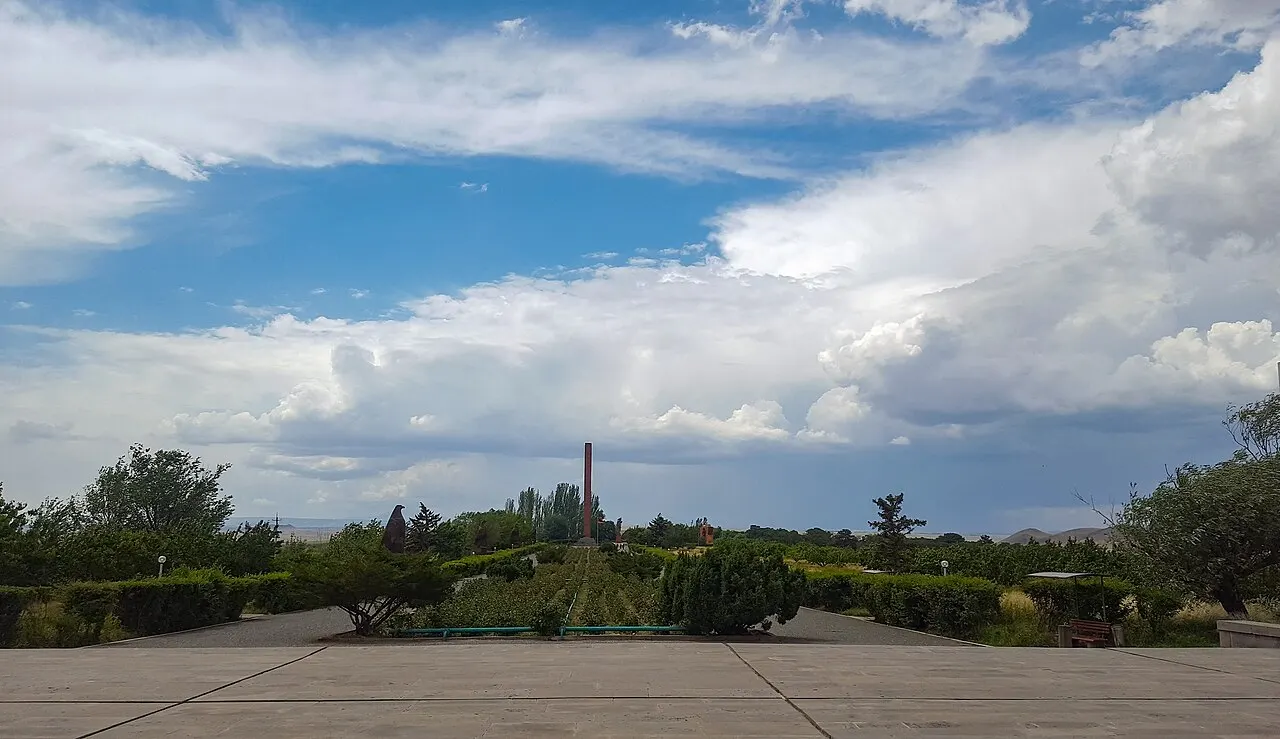
Verified · August 31, 2026Sardarapat Memorial near Armavir: 1918 battle site, Israelyan's red-tufa complex, ethnography museum tickets, hours and how to reach it from Yerevan.
What to see · 12 min read
Goshavank Monastery & the Village of Gosh
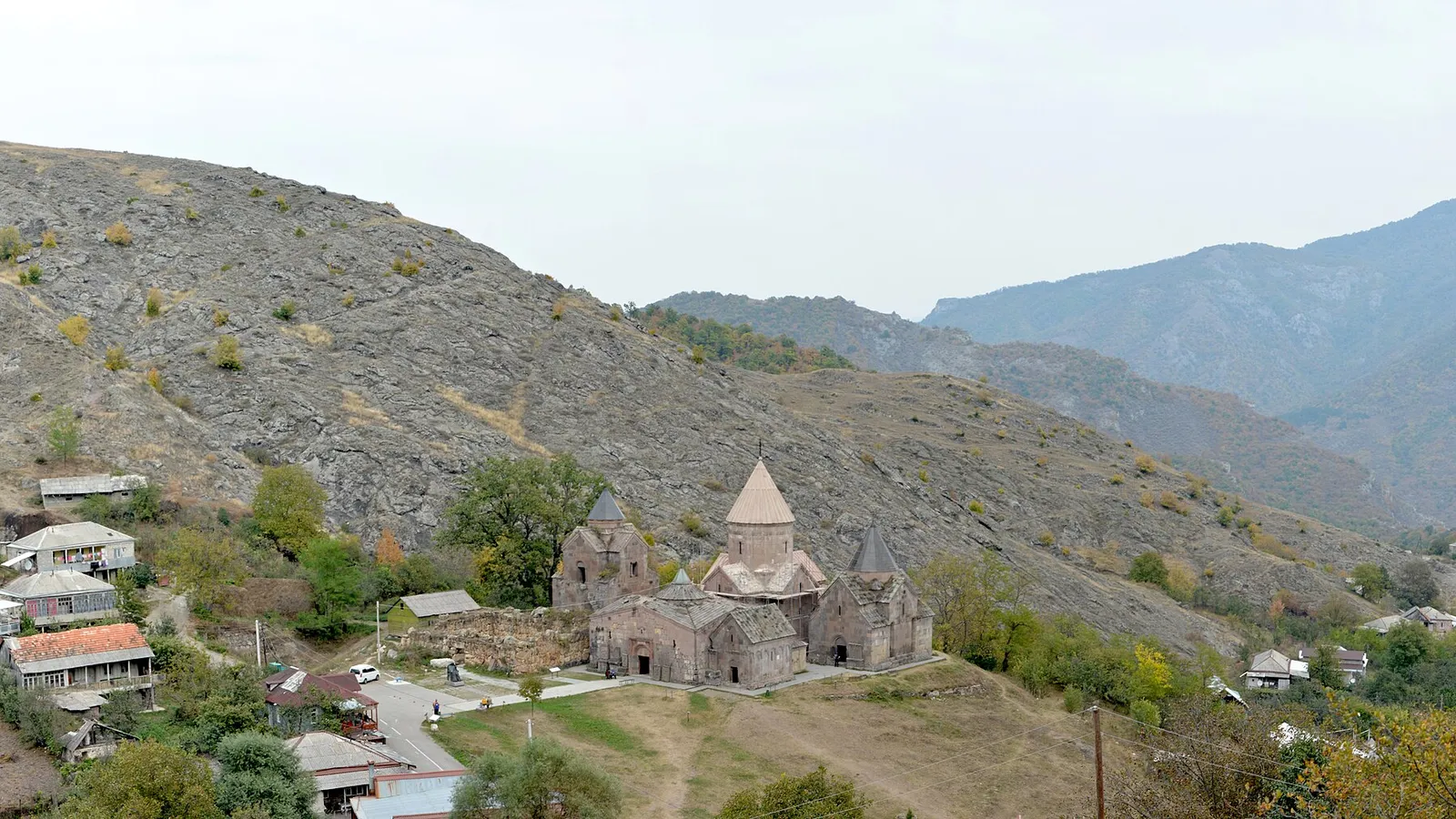
Verified · August 29, 2026Visiting Goshavank: Mkhitar Gosh's law code that reached Poland, the 1291 embroidered khachkar, his statue and hillside tomb, and the drive from Dilijan.