What to Eat in Armenia: A Food Culture Guide
How eating works in Armenia: khorovats, lavash, tolma, khash, harissa, wine and oghi, the shared table, and where and when each shows up.
Armenian food makes sense the moment you stop reading it as a menu and start reading it as a table. Order fewer main dishes than feels right and let the small plates carry the meal: bread torn straight off the oven wall, herbs by the handful, salty cheese, cured meat, something pickled, a bowl of yogurt soup, and a grill going in the background. That is the shape of a proper spread here, and once you know it, you order well anywhere. This guide is less a checklist of dishes (we have one of those in our round-up of Armenian dishes) and more a walk through how eating actually works: what turns up when, what the rituals mean, and where to find the real version.
The one habit to bring with you: share everything, and never leave the bread out of the story.
Bread first: lavash and the tonir
Nothing on an Armenian table matters more than lavash, the thin flatbread that doubles as plate, wrapper and utensil. It is slapped onto the searing inner wall of a tonir - a clay oven sunk into the ground - and peeled off in under a minute, then stacked in soft sheets that keep for weeks and are simply sprinkled with water to soften again. The craft is old enough and central enough that UNESCO added lavash to its Representative List of Intangible Cultural Heritage in 2014, recognising not just the bread but the whole ritual of women baking it together.
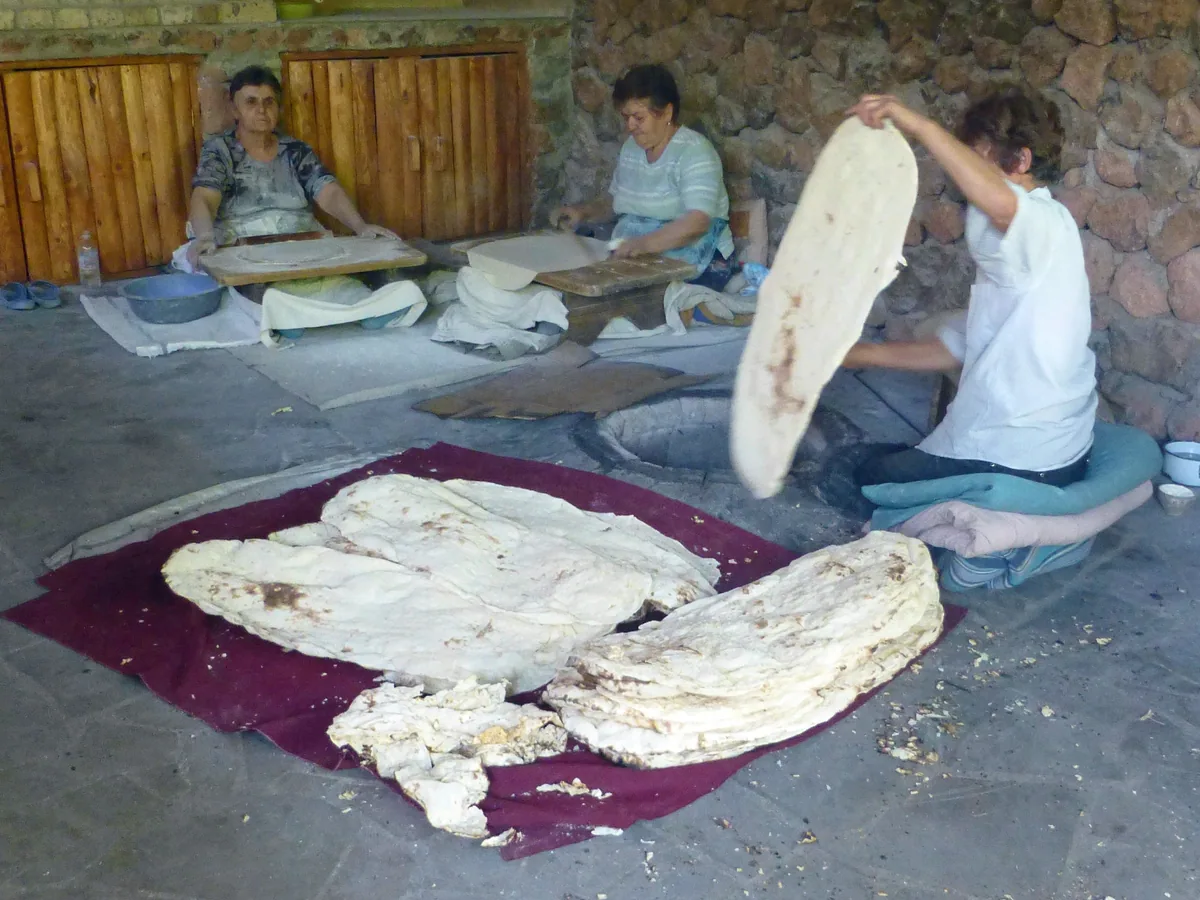
If you get one food-related detour on your trip, make it watching lavash come out of a village tonir, ideally somewhere rural where a family still bakes a season’s worth in a morning. It reframes every meal that follows.
Off the fire: khorovats
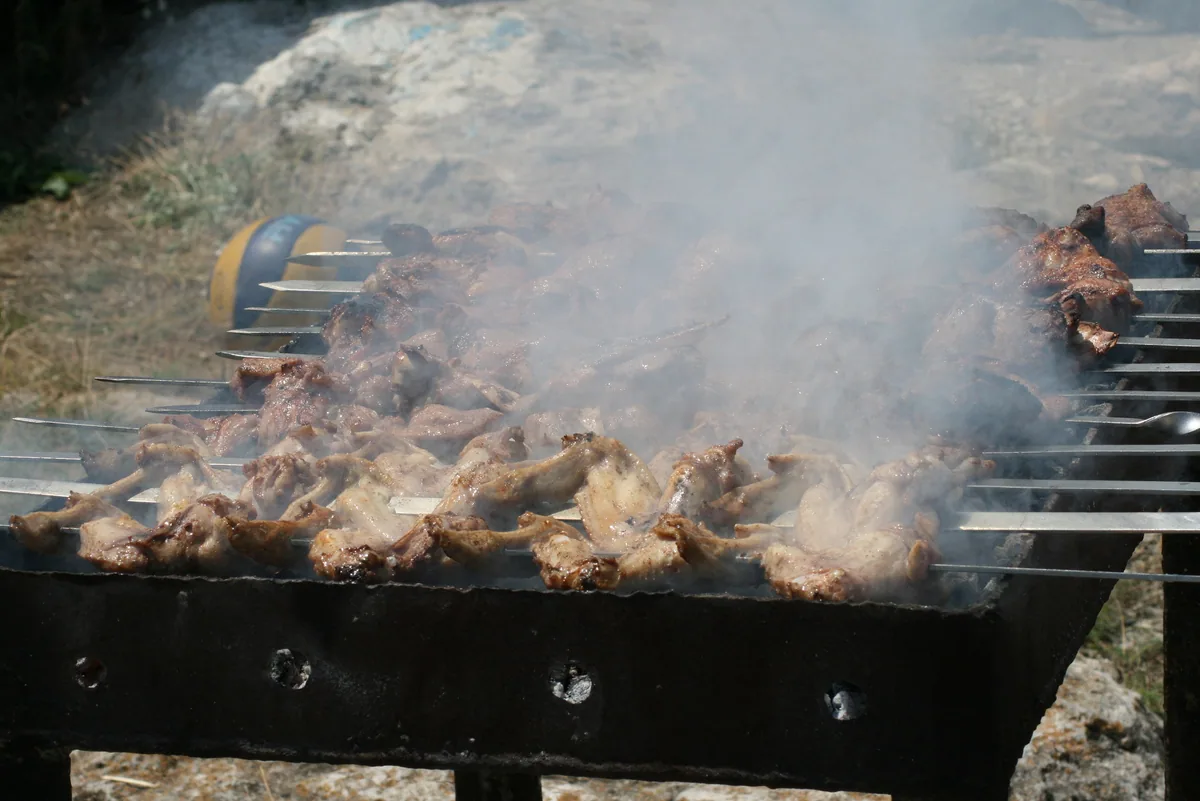
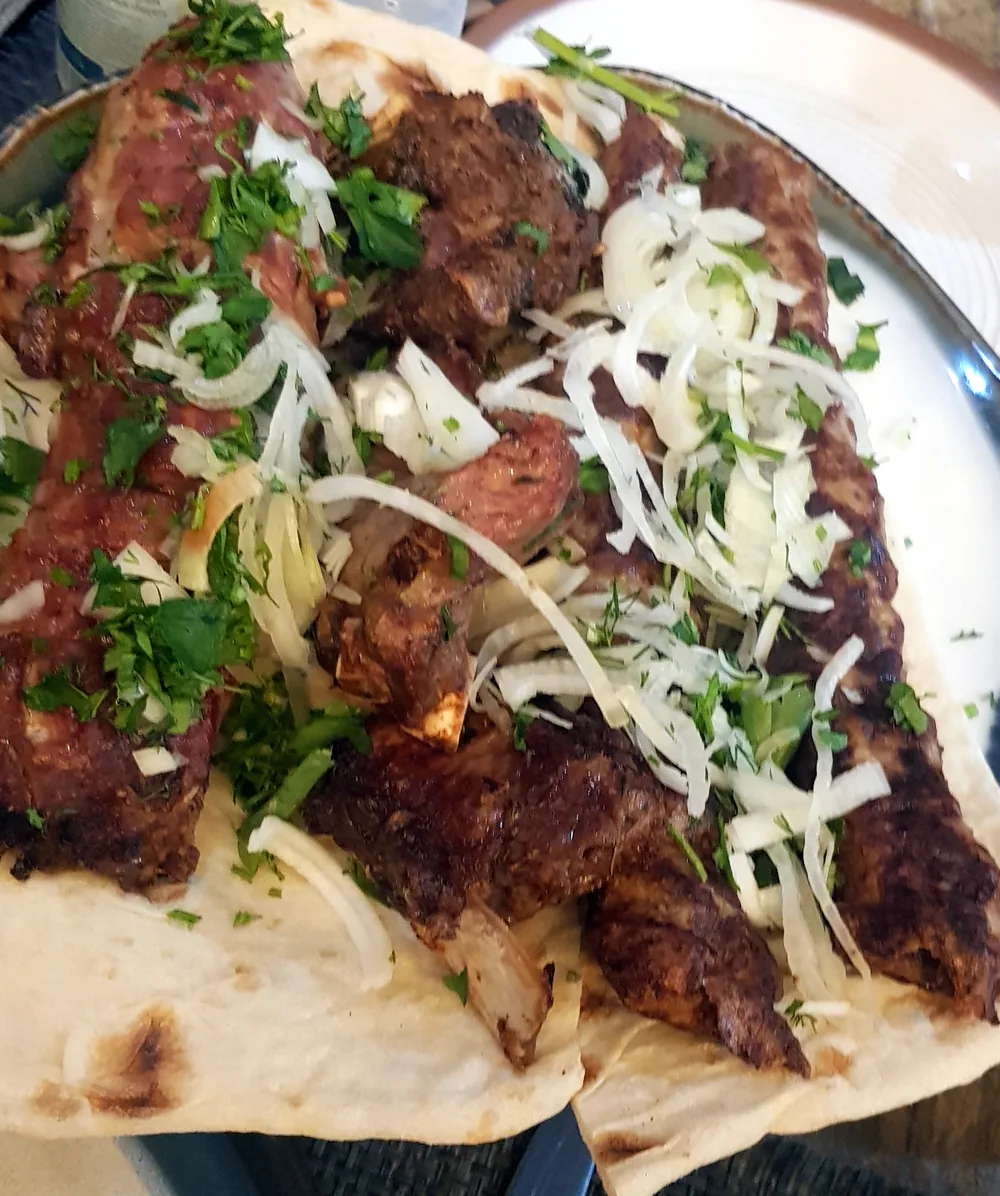
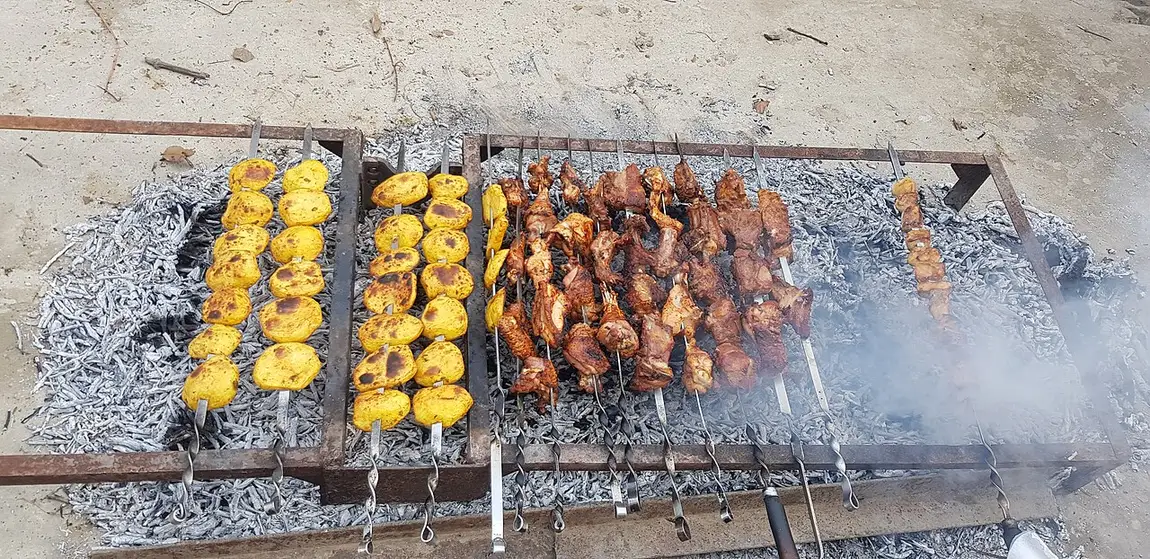
Khorovats is Armenia’s barbecue and, in practice, its national dish. It is what families cook for a birthday, a christening or a Sunday with nothing in particular to celebrate, and the ritual is half the point: the men take over the grill, the coals are ideally grapevine cuttings, and the meat (pork most often, but lamb or beef too) is grilled in big chunks rather than small kebabs. It comes piled onto lavash with grilled peppers and aubergine, plus a heap of raw onion tossed with herbs and a little sumac.
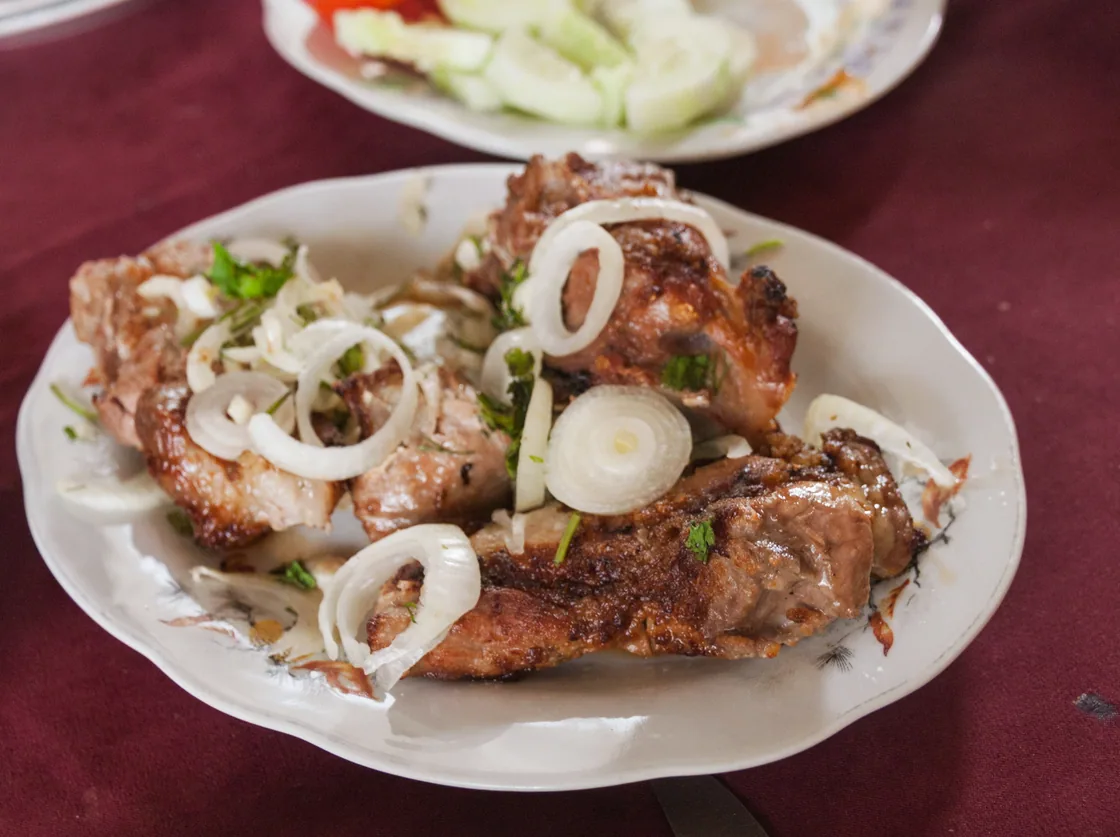
Two things worth knowing. First, there is a purely vegetable version, sometimes called summer khorovats, built from smoky grilled aubergine, peppers and tomato peeled and chopped into a salad - genuinely one of the best things you will eat, and a lifeline if you do not eat meat. Second, the best khorovats is rarely in a fancy restaurant. It is at a roadside grill, a lakeside shack or somebody’s yard, wherever a wood fire is actually burning.
The fish to seek out is ishkhan, the “prince” trout native to Lake Sevan, grilled whole by the water. A word of honesty: wild Sevan trout has been under real pressure for decades and most of what you eat is farmed, so treat it as an occasional treat rather than a default order, and eat it lakeside where it belongs.
The winter rituals: khash and harissa
Some Armenian food is less a dish than an event, and two of them belong to the cold months. Khash is the one locals will dare you to try: a plain, rich broth of slow-boiled cow’s feet and tripe, eaten early on a winter morning - often from around 8am - with masses of raw garlic mashed into it, dried lavash crumbled on top, radish on the side, and a shot of vodka or homemade oghi to steel yourself, punctuated by toasts. It is a male social ritual as much as a meal, tied to friendship and the depths of winter, and very much an acquired taste. Nobody minds if you admire it from a respectful distance.
Harissa is gentler and just as loaded with meaning: a porridge of cracked wheat and fat-rich meat (chicken or lamb), cooked for hours and beaten until it turns silky and almost stretchy. It is a national comfort food traditionally tied to Easter, and the community of Musa Ler makes it in enormous cauldrons each September, a commemoration of the 1915 Musa Dagh resistance. Plain-looking, deeply savoury, and the kind of thing that tastes of somebody’s grandmother.
Slow comfort: tolma, spas and ghapama
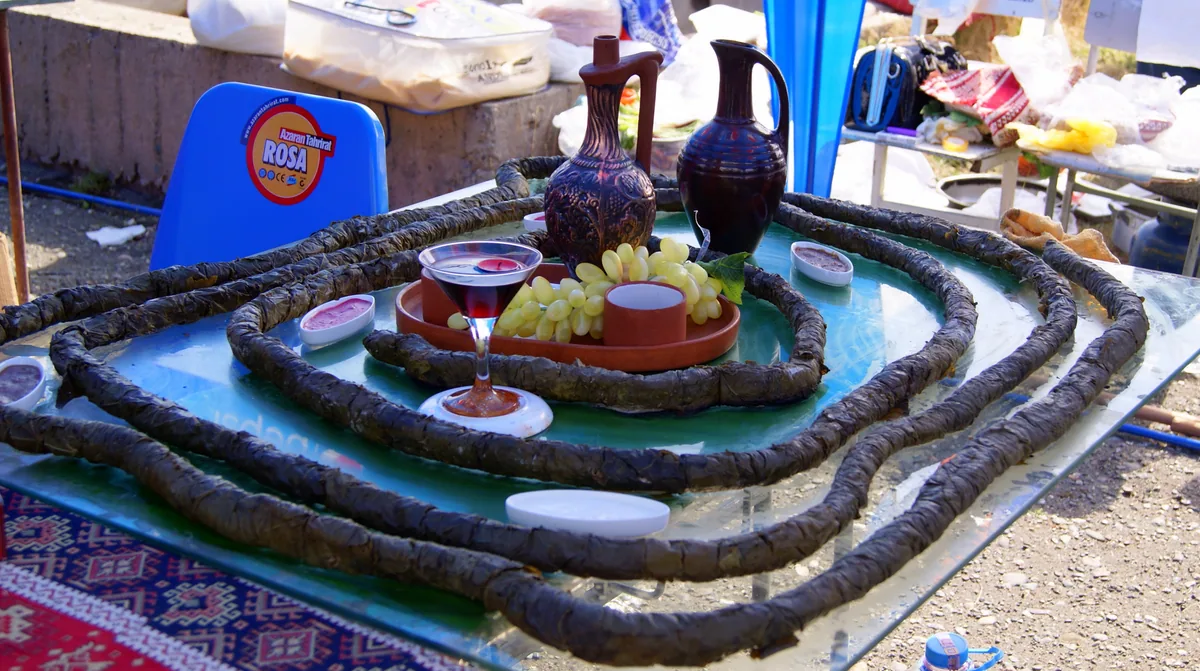
Tolma (you will also see it written dolma) is the dish to actually order. Classic tolma is minced meat and rice with herbs, wrapped in a grape or cabbage leaf and simmered soft, served with a garlicky yogurt to spoon over. Look out for the stuffed-vegetable “Echmiadzin” version, and a meatless summer tolma made with beans and grains for fasting days that is arguably even better. One caution for the curious: you will read that dolma is “UNESCO-listed,” but that inscription is Azerbaijan’s; Armenia’s tolma sits on its own national heritage list, so enjoy the dish and skip the internet argument.
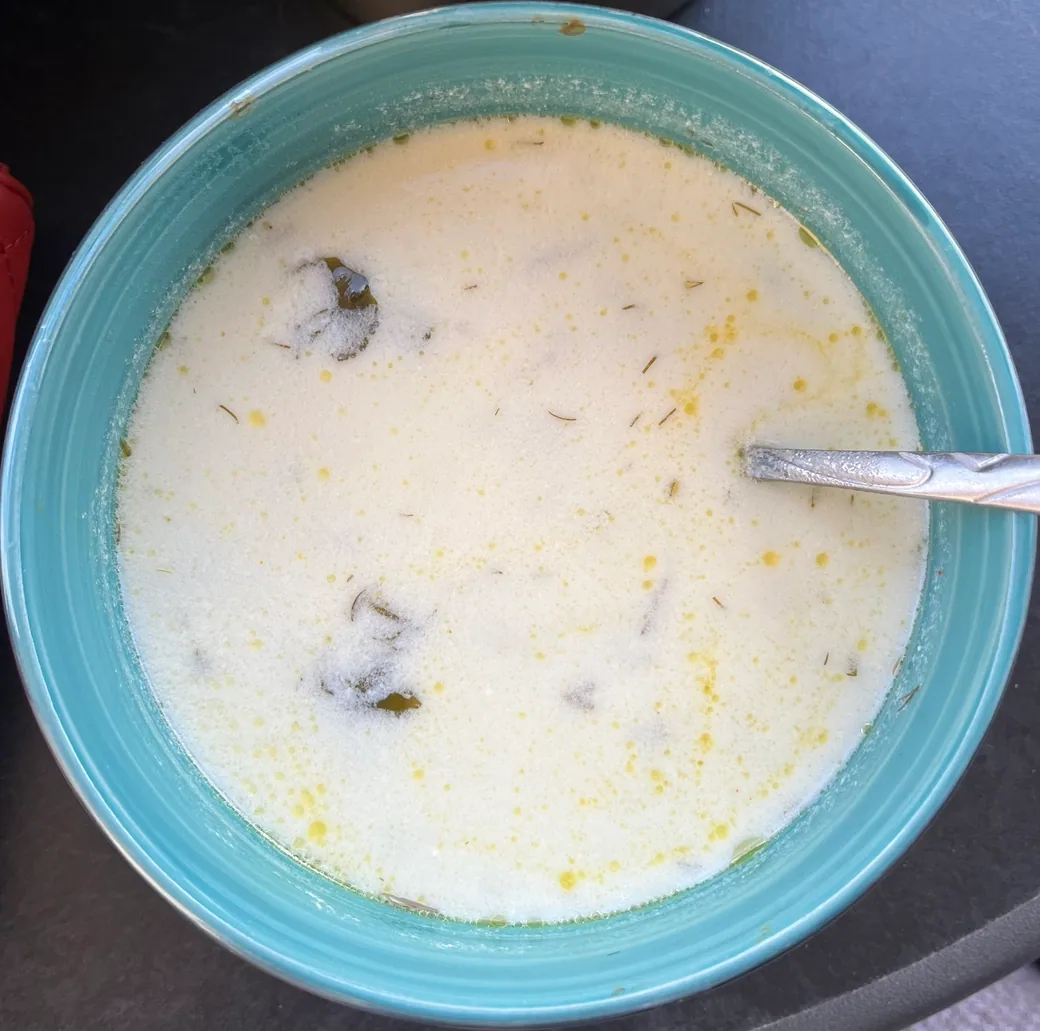
For soup, the one to know is spas (also called tanabur), a warm, tangy soup of yogurt (matsun) thickened with wheat or barley grains and flecked with herbs. It is the Armenian answer to chicken soup - soothing, a little sour, served hot in winter and sometimes cold in summer - and a gentle introduction to the country’s serious love of fermented dairy.
If you are here around New Year, watch for ghapama: a whole pumpkin hollowed out, stuffed with rice, dried apricots, plums, raisins and nuts, then baked until the shell caramelises. It is festive food, sweet and celebratory, and there is even a folk song about it. You will not stumble on it in an everyday canteen, so if a restaurant lists it, order it.
Greens and cheese: zhingyalov hats and chechil
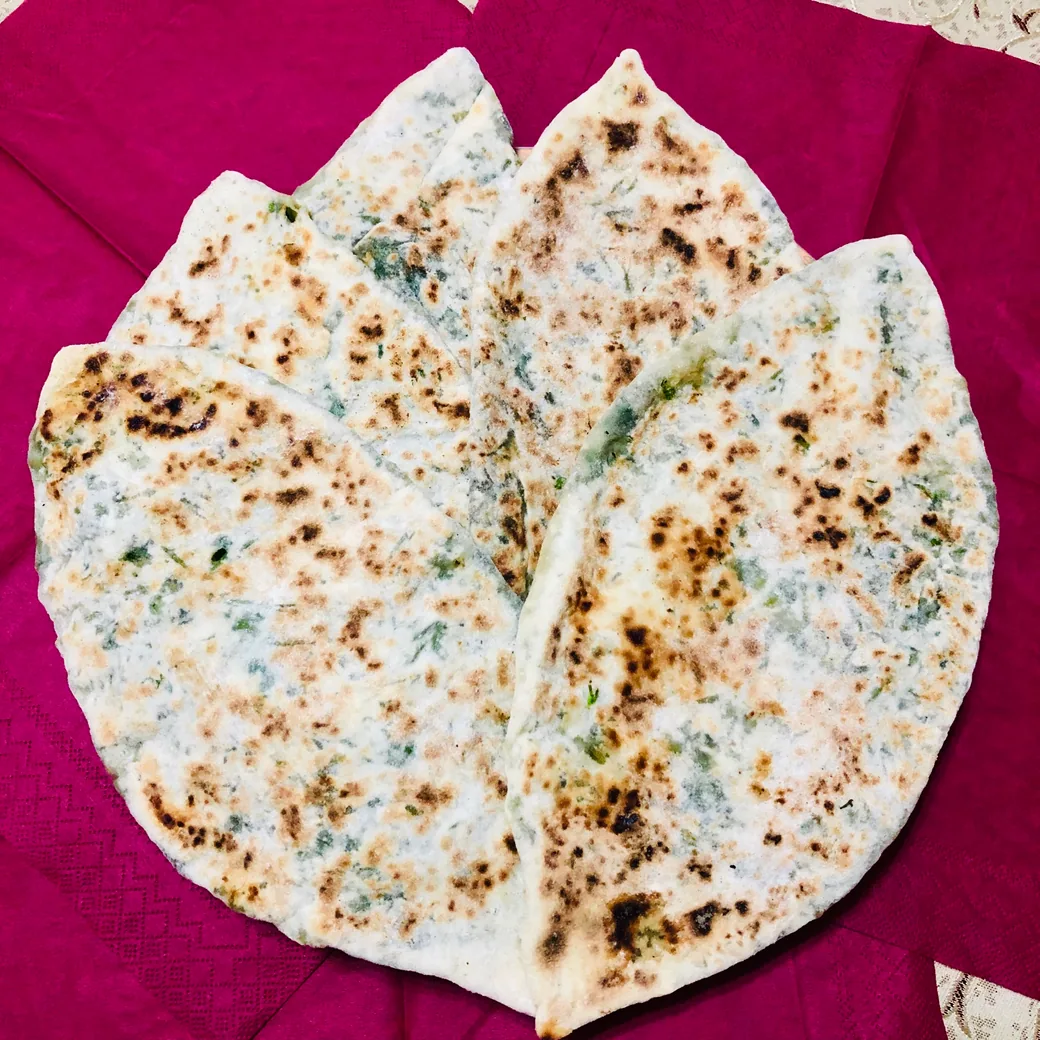
The most quietly loved thing in the country might be zhingyalov hats: a thin flatbread packed with a dozen or more chopped wild herbs and greens, then griddled until blistered. It comes from the south (Syunik and the Artsakh tradition), where it was historically a scarcity food, and it is completely vegan, cheap and filling. Locals eat it with beer or a glass of tan, the chilled savoury yogurt drink. It has spread all over Yerevan now, so you no longer have to travel south for it - though it is best where the herbs are wild.
Cheese turns up at every meal, and the one you will notice first is chechil, the salty string cheese that peels apart in strands and is sometimes smoked. Beyond it lie sharper aged cheeses like motal, cured in a clay pot or an animal skin, and the milder lori. A plate of cheese with fresh greens and lavash is the default opening to any table - build your first order around it and you will not go wrong.
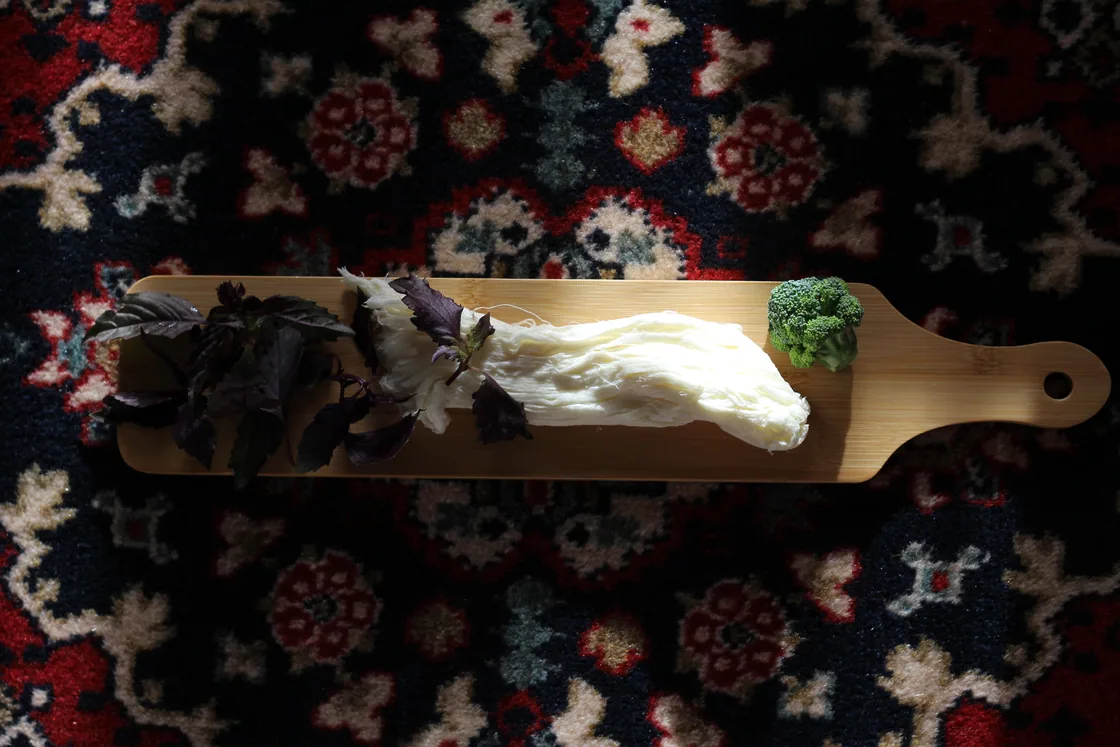
Cured meat: basturma and sujuk
Two cured meats belong on any starter plate. Basturma is air-dried beef, pressed and coated in a paste of fenugreek, garlic and paprika called chaman, then sliced wafer-thin - intense, aromatic and best in small doses. Sujuk is a firm, spiced dry sausage in the same family. One confusing overlap to file away: the word “sujukh” also names a sweet, walnuts threaded on string and dipped in thickened grape juice, much like the Georgian churchkhela - so if someone offers you sujukh, ask whether you are getting the sausage or the dessert.
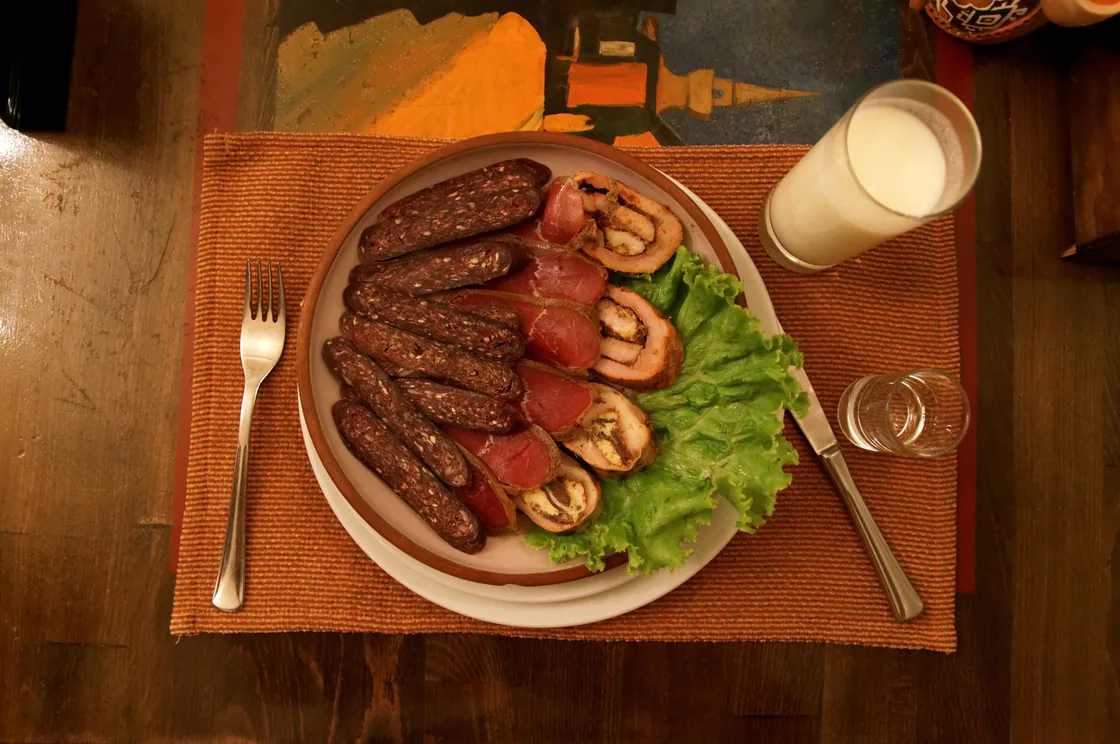
Something sweet: gata
Dessert here is homely rather than showy, and the one to try is gata: a rich sweet bread built around a buttery, sugary flour filling called khoriz, its top stamped with a pattern before baking. Every region bakes it a little differently, and the best-known place to buy it is at a monastery gate - the vendors outside Geghard are famous for it, and picking up a warm round on the way out of a monastery is a small Armenian pleasure worth planning for. You will also meet pakhlava, the local baklava of filo, walnuts and honeyed syrup, especially around Christmas and New Year.
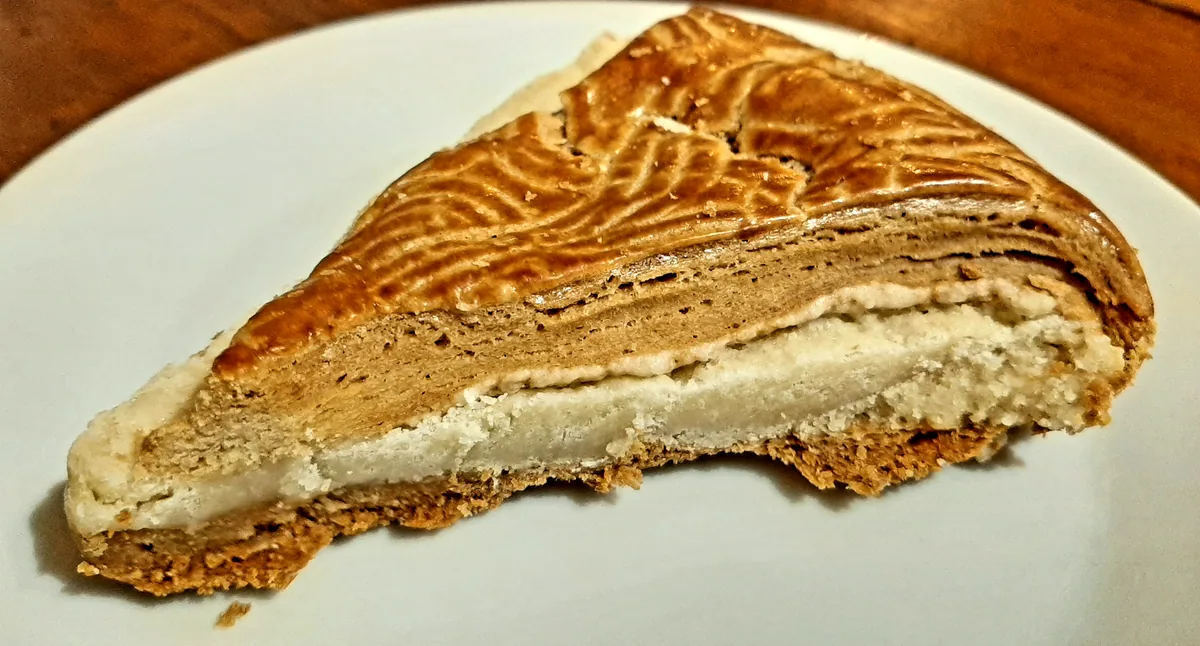
What to drink: wine, brandy, oghi and tan
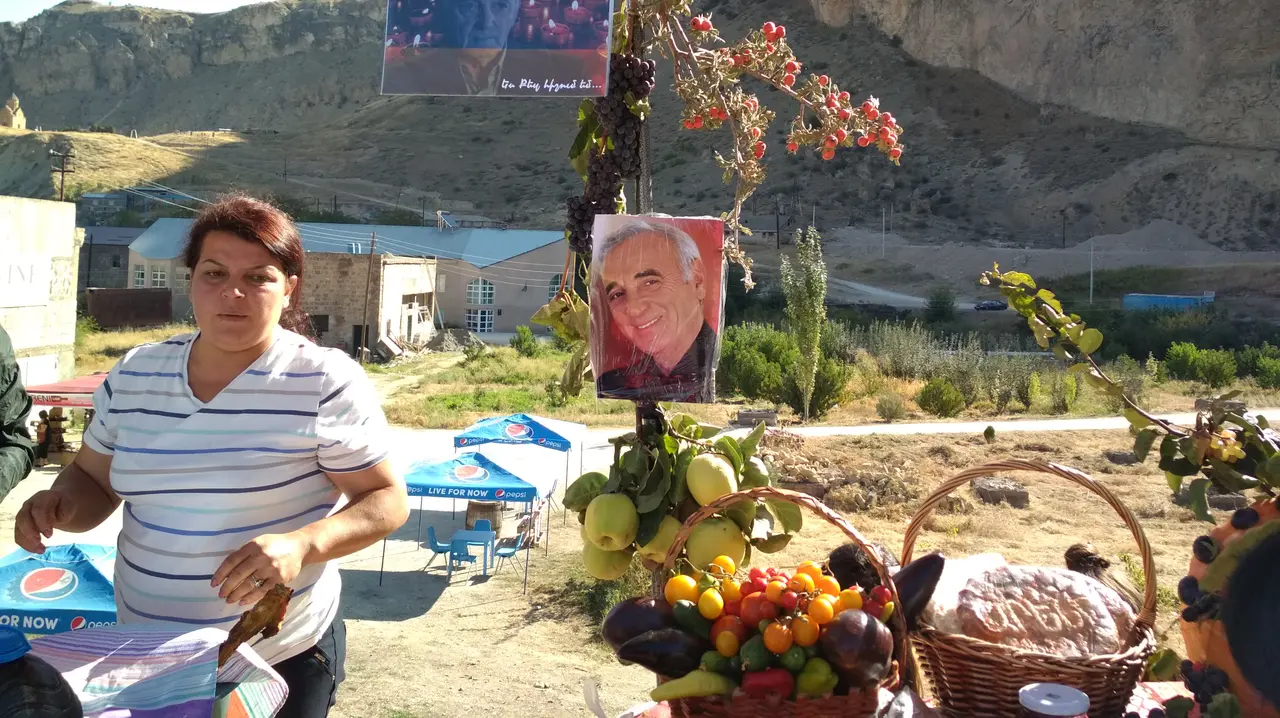
Armenia’s headline drinks claim is a serious one: it sits on the oldest known winemaking tradition on earth. The Areni-1 cave in Vayots Dzor holds the remains of a winery dated to around 4100 BC, roughly six thousand years old, which puts every glass here in a very long line. The wine to order is Areni Noir, the native high-altitude red from that same region - bright and food-friendly - alongside the crisp white Voskehat. In Yerevan the easiest way in is the wine-bar cluster on and around Saryan Street, where a wall of Armenian labels is open by the glass; our guide to Armenian wine and the Areni valley goes deeper on the grapes and the cellars.
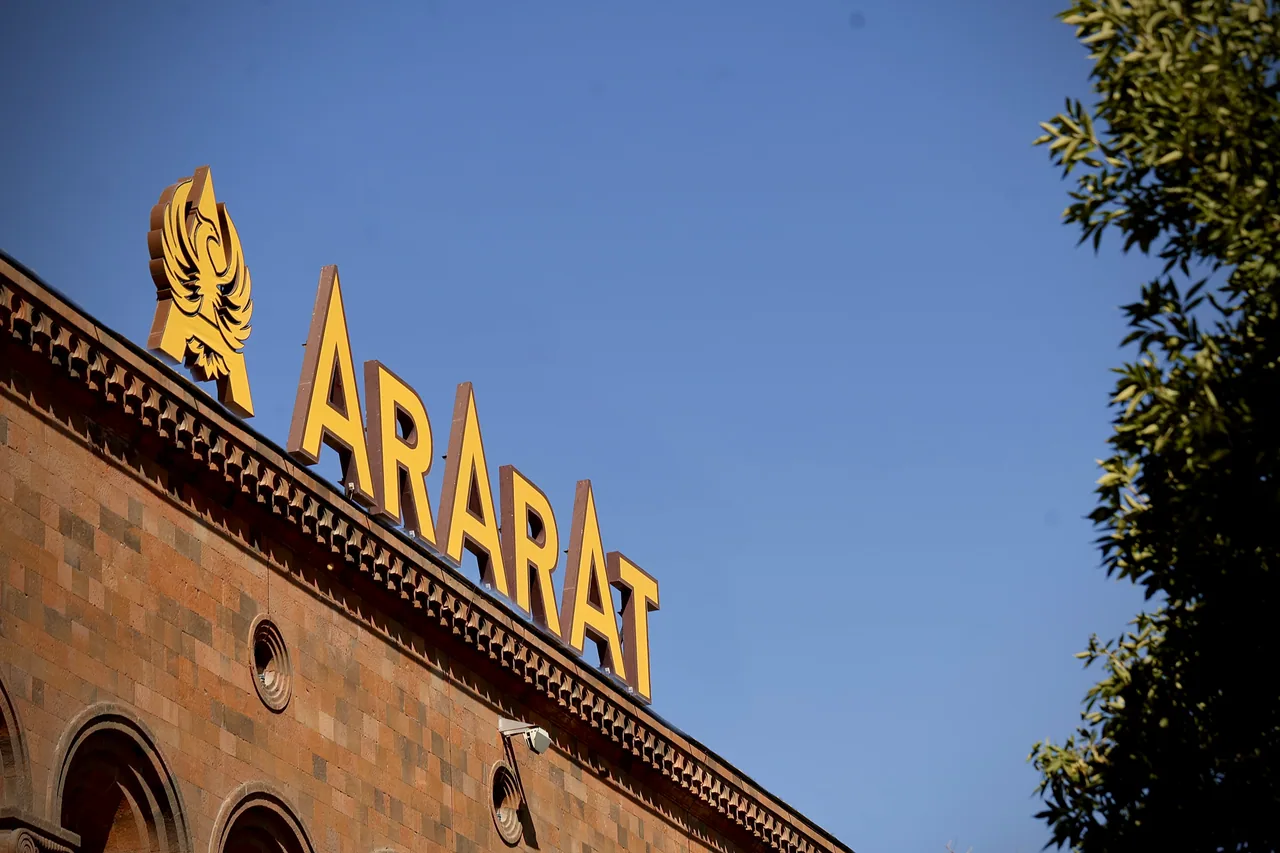
The other famous bottle is Armenian brandy, universally called “cognac” locally even though the name legally belongs to a French region. The Yerevan distilleries trace their craft to the 1880s, and a tasting is a classic rainy-afternoon plan in the capital - we cover it in the Yerevan brandy guide. Out in the villages you will meet oghi, a home-distilled fruit spirit made from mulberries, apricots, pears, cherries or grapes; the mulberry version (tuti oghi) is the classic welcome pour and is sold commercially too. It gets loosely called “vodka,” a Soviet-era relabelling that undersells it - it is really a fruit brandy, so sip rather than shoot. And for something long and cold on a hot day, reach for tan, the salted yogurt drink often flecked with mint. Coffee, when it comes, is thick and unfiltered, brewed in a little long-handled pot called a jazzve and served in small cups with the grounds left to settle.
How and where to eat it
A few practical steers to eat well rather than touristy. Base yourself in Yerevan and you will eat best in the country - the capital has both the wine bars and the serious khorovats places, and our things to do in Yerevan guide points at the food and Saryan Street scene. But save an appetite for the road: the grill shacks around Lake Sevan, the gata vendors at monastery gates, and the village bakeries turn out the versions restaurants only imitate, so build meals into your day trips from Yerevan rather than treating them as fuel stops.
Two closing tips. Carry cash - markets, village grills and monastery-gate vendors rarely take cards, and the best food is exactly where the card readers are not. And lean vegetarian without worrying: the Armenian Apostolic Church keeps long fasting periods, so meatless cooking is deeply woven in, and between zhingyalov hats, the bean tolma, grilled-vegetable khorovats, spas and a table of greens and cheese, you can eat superbly here without touching meat at all.
Read also
Armenian Food: 15 Dishes to Try
Verified · July 4, 2026The 15 Armenian dishes worth seeking out: khorovats, tolma, lavash, harissa, gata, ishkhan trout, Areni wine and brandy, and where to find them.
Areni: Armenia's Ancient Wine Country
Verified · July 4, 2026Areni in Vayots Dzor is Armenia wine country: the 6,100-year-old cave winery, the native Areni Noir grape, the cellars and the October festival.
Yerevan Brandy: Ararat, Noy & the 'Cognac'
Verified · July 4, 2026Armenian brandy explained: why it is called cognac, the Ararat and Noy factories in Yerevan, how to do a tour and tasting, and the famous Churchill legend.
Armenia Residence Permit: A Guide
Verified · July 4, 2026How to get an Armenia residence permit: the temporary, permanent and special types, the grounds, documents, fees and timeline, and the 2026 reform.