Vardavar 2027: Armenia's Water Festival
Vardavar, Armenia's nationwide water fight, falls on 4 July 2027 (23 July 2028). What it is, the etiquette, and how to keep your phone dry.
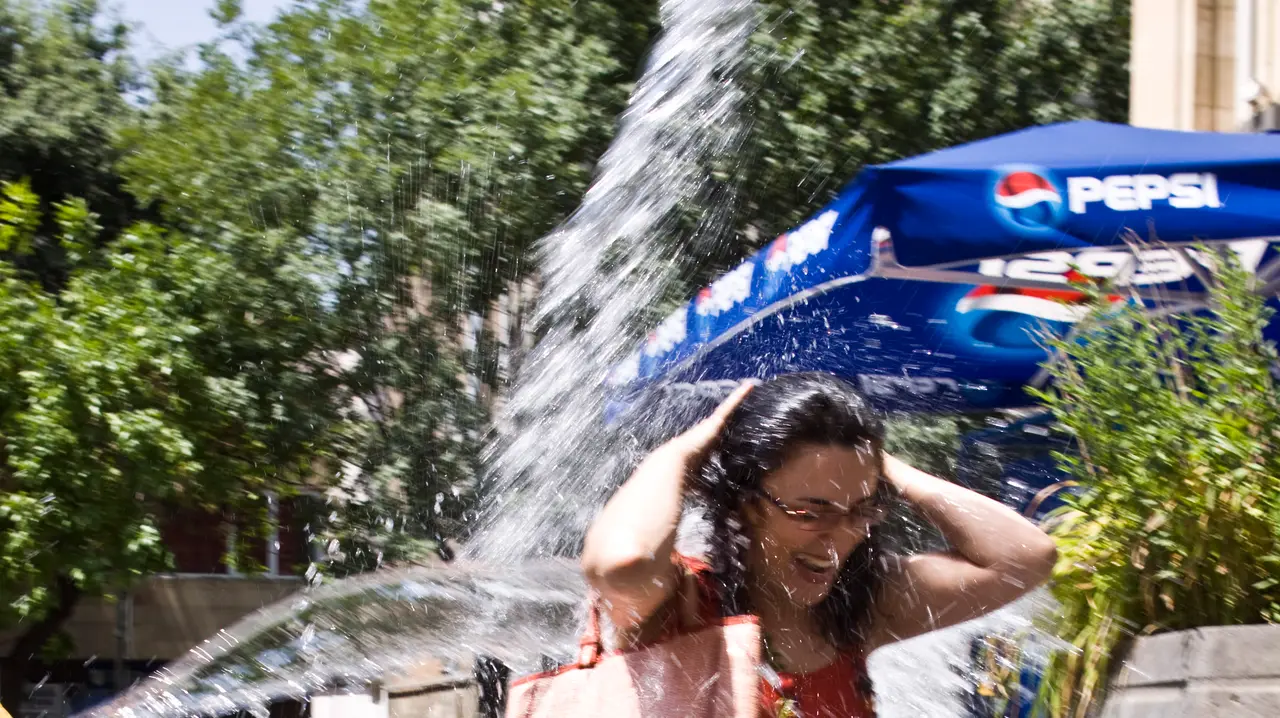
Vardavar is the one day of the Armenian summer when a stranger can empty a bucket of water over your head and everyone, including you, just laughs. It is a nationwide water fight with pagan roots, held 98 days after Easter (that lands on Sunday 12 July in 2026), and it turns Yerevan into a citywide splash zone from mid-morning to mid-afternoon. This guide covers what Vardavar actually is, how the day plays out, the unspoken rules, and the one thing to sort before you step outside: waterproofing your phone.
If you are in the country in mid-July, you will not be able to avoid it, so you may as well understand it and join in. Here is how.
The quick answer: what to expect
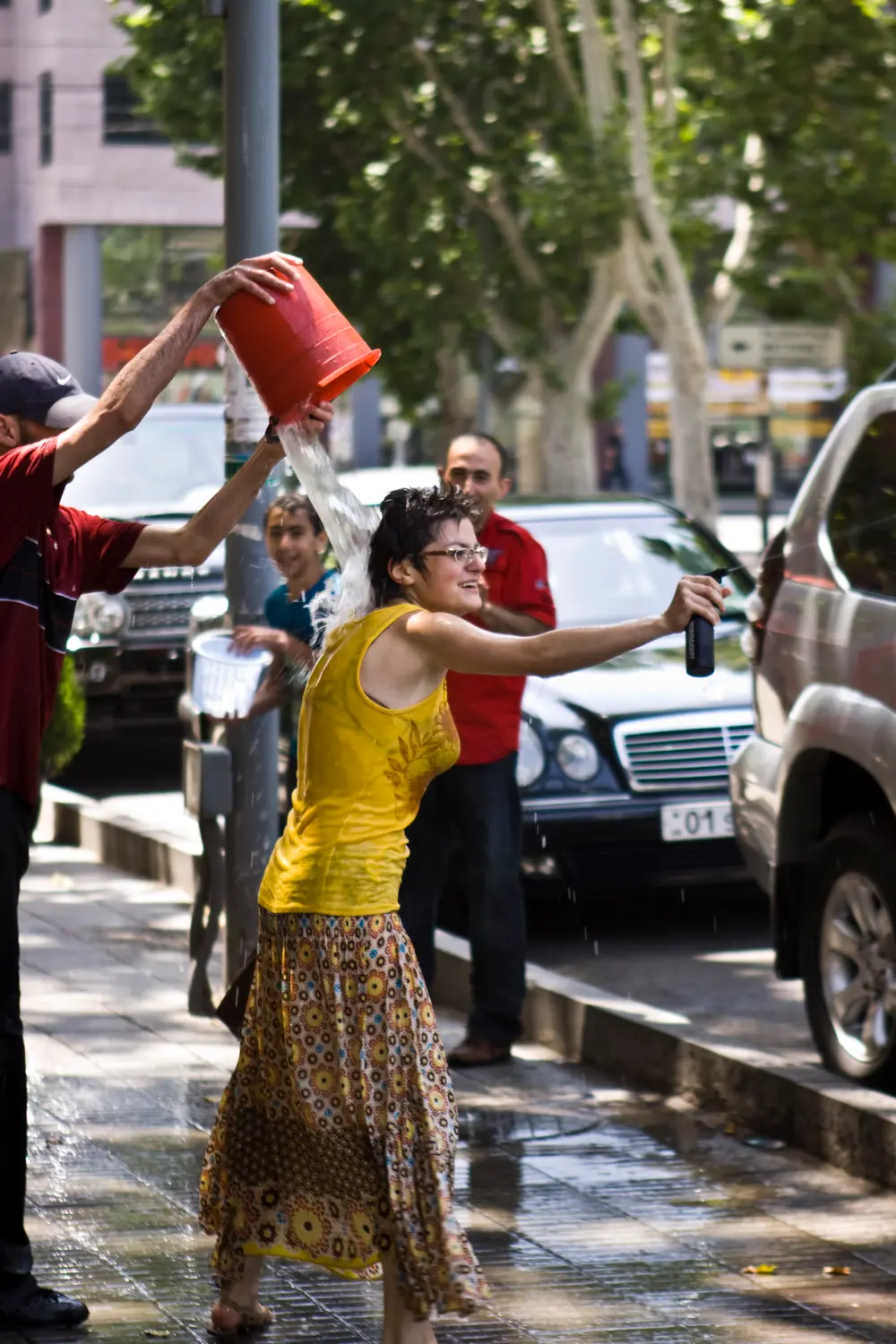
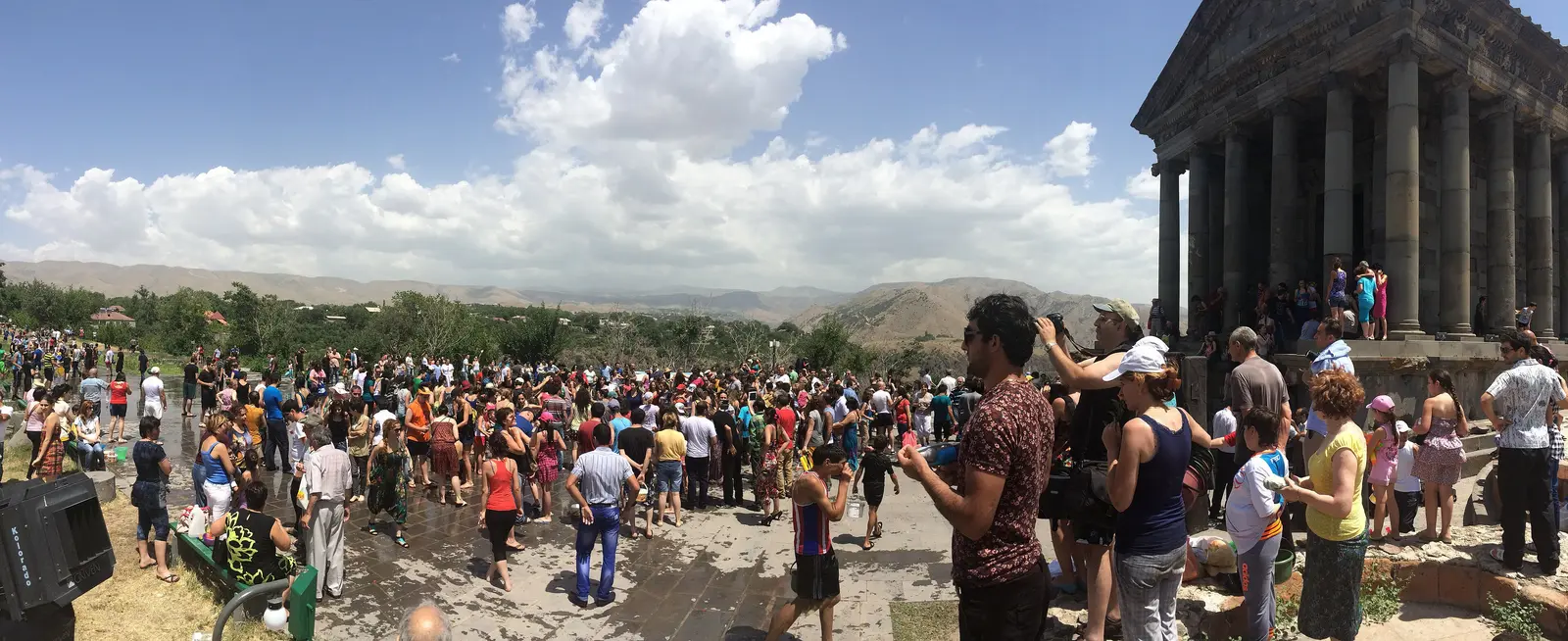
On Vardavar, water is fair game and so is everyone. Kids with water guns, teenagers with balloons, whole families with buckets, and the odd fire-brigade hose all take to the streets, and nobody is off limits: locals, tourists, people in office clothes on their way somewhere, all get soaked. In Yerevan it peaks around the central squares, the parks and the Cascade, where the city usually adds a stage, a DJ set and water trucks to the mix. Out at the Garni temple, about 40 minutes east, the same day is marked in a more folkloric, traditional style.
The practical takeaway is simple. Wear quick-drying clothes you do not mind ruining, put anything electronic in a sealed bag, and treat the whole city centre as a target zone between roughly 10am and 3pm. If you want a dry day, stay indoors until the evening, when it winds down almost as suddenly as it started. One thing worth knowing: it is not only the pavement that is dangerous, water also comes down from balconies onto people walking below, so even crossing to the far side of the street will not save you from a surprise bucket from above.
Where the name and the water come from
Vardavar is far older than Christian Armenia. It began as a pagan festival tied to Astghik, the Armenian goddess of water, love, beauty and fertility, and in the old belief water was sacred, life-giving and worth celebrating at the height of summer. The dousing started as a kind of ritual blessing, and roses came into it too: people offered roses to the goddess, and the name itself carries “vard”, the Armenian word for rose. You will see it translated as “rose water” or the “flame of the rose”.
When Armenia became Christian, the church did not stamp the festival out, it absorbed it. The Armenian Apostolic Church tied the rose to the Transfiguration of Christ and set the feast on the same summer Sunday, so today Vardavar carries both layers at once: an ancient water rite and a Christian holy day, celebrated on the street with buckets. That double identity is part of why it has survived so cheerfully for well over a thousand years.
The water, meanwhile, has a very practical logic. Mid-July in Armenia is genuinely hot, often 30 to 35C, so being drenched by a passing teenager is less an ordeal than a relief. For more on how July feels, see our Armenia weather by month breakdown.
When is Vardavar? (and future years)
Vardavar has no fixed calendar date. It falls 98 days (14 weeks) after Armenian Easter, the Sunday the church marks the Transfiguration, so it drifts around early-to-late July from year to year. Because Easter moves, the only reliable way to plan is to count from that year’s Easter or check locally.
For the next few years the dates work out roughly like this (worth confirming close to the time):
- 2026: Sunday 12 July
- 2027: Sunday 4 July
- 2028: around Sunday 23 July
- 2029: around Sunday 8 July
The 2026 and 2027 dates are confirmed; the later two are calculated from the Easter-plus-98 formula and should be double-checked nearer the year, since a shift in the Easter date shifts Vardavar with it. If you are timing a trip specifically for the festival, lock your accommodation early, because Yerevan hotels fill fast around it, especially in 2026 when Vardavar coincides with the opening of the Golden Apricot film festival.
Yerevan or Garni: two very different days
This is the choice most visitors do not realise they have, and it genuinely changes your day.
Yerevan is the loud, chaotic, all-ages version. The action concentrates around Republic Square, Swan Lake and the parks below the Cascade, and in recent years the city has run a proper programme here with a stage and DJs alongside the street chaos. It is a young crowd, high energy, water everywhere; expect to be a target the moment you step out of the metro. This is the version to pick if you want the full spectacle and do not mind being drenched within seconds.
Garni, about 40 minutes east near the first-century pagan temple, keeps the older, gentler spirit. The Federation of Youth Clubs has long run a Vardavar gathering here, and it leans folkloric: traditional dress, dance, and the temple columns and gorge as a backdrop rather than a city street. It still gets very wet, but it feels more like a cultural festival than a water riot. You can pair it neatly with a visit to the temple itself and the nearby monastery, covered in our guide to Garni and Geghard.
If you only have the one day, decide by taste: raucous city party, or a more traditional celebration with a view. Both are memorable; they are just memorable in opposite ways.
The etiquette: how to not get it wrong
Vardavar has one golden rule that trips up first-timers: if you are outside, you have consented to get wet. Nobody is being rude, and nobody is singling you out as a tourist; everyone on the street is equally fair game, and a bucket of cold water from a second-floor balcony is meant warmly, as a bit of goodwill. The worst thing you can do is get annoyed. Smile, wave, maybe splash back, and you are doing it right.
A few things worth knowing so you read the day correctly:
- It is not personal. Kids and teenagers are the main force, and they will soak their own grandparents with the same glee. You are not a special target.
- Splashing back is welcome, but read the room. Dousing a stranger who is clearly playing is fine. Emptying a bucket over an elderly person carrying shopping, or into an open shop, is not; use the same judgement you would anywhere.
- Inside is safe, mostly. Cafes, restaurants and shops are off limits, so if you need a dry break, step indoors. The truce holds at doorways.
- It fades by evening. The wild window is late morning to mid-afternoon. By dinner the streets are drying out and you can walk around normally, which is the moment to head out to eat.
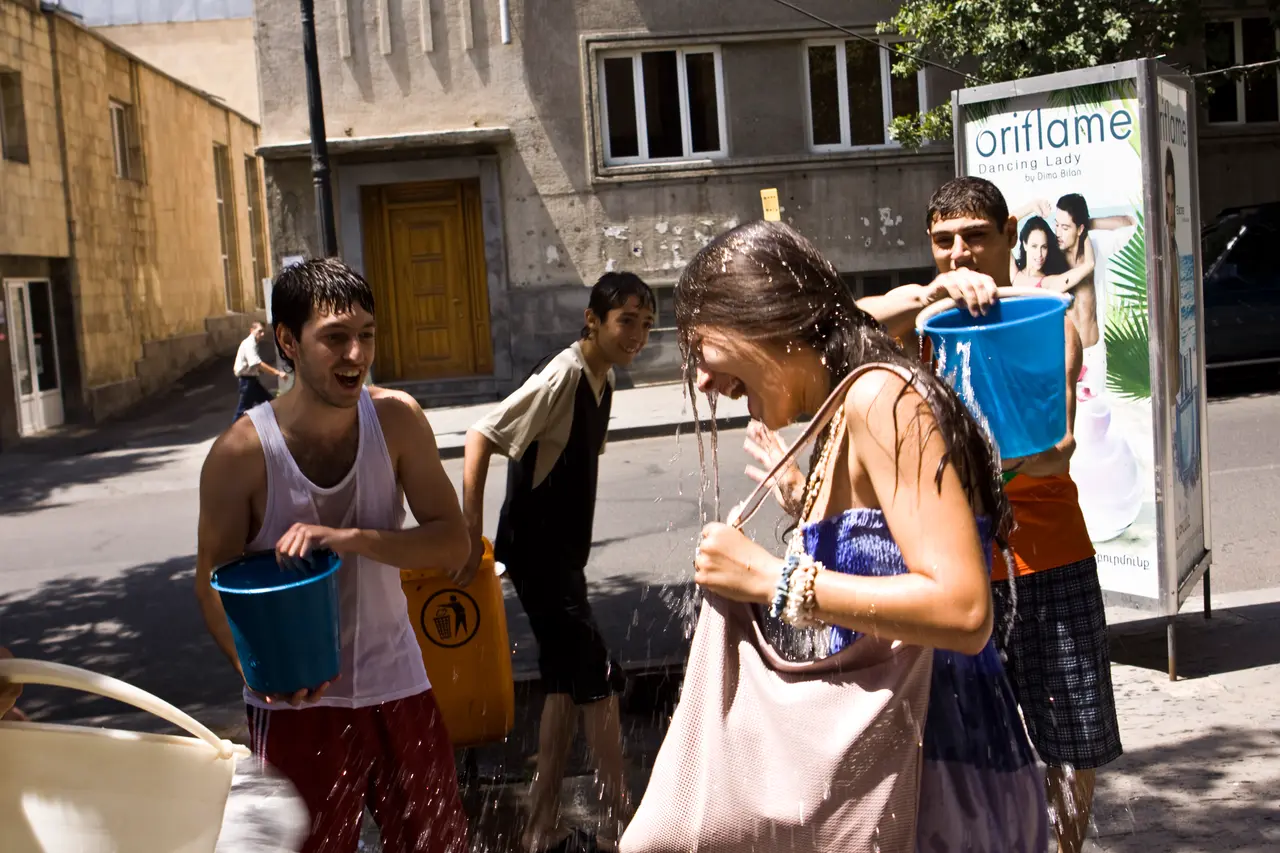
How to protect your phone (and everything else)
This is the part people wish they had read first. On Vardavar, a phone in a pocket is a phone that gets soaked, and a soggy phone can wreck a trip. The fix is cheap and simple.
Get a waterproof pouch or a couple of zip-lock bags before the day, from any Yerevan supermarket, and seal your phone, camera, earbuds and power bank inside. If you must carry documents or a lot of cash, either leave them at your hotel or double-bag them; better still, take only what you need and leave the rest behind. For clothing, wear dark, quick-drying fabrics and washable sandals, and skip a white t-shirt unless you enjoy the see-through effect, because you will be wet within seconds. Bring a small towel and, if you can, a dry change of clothes to leave somewhere central.
The one habit that saves the day: decide before you leave that everything on you is going to get wet, and pack accordingly. Do that, and Vardavar goes from a stressful gauntlet to genuinely one of the most fun days you can have in Armenia.
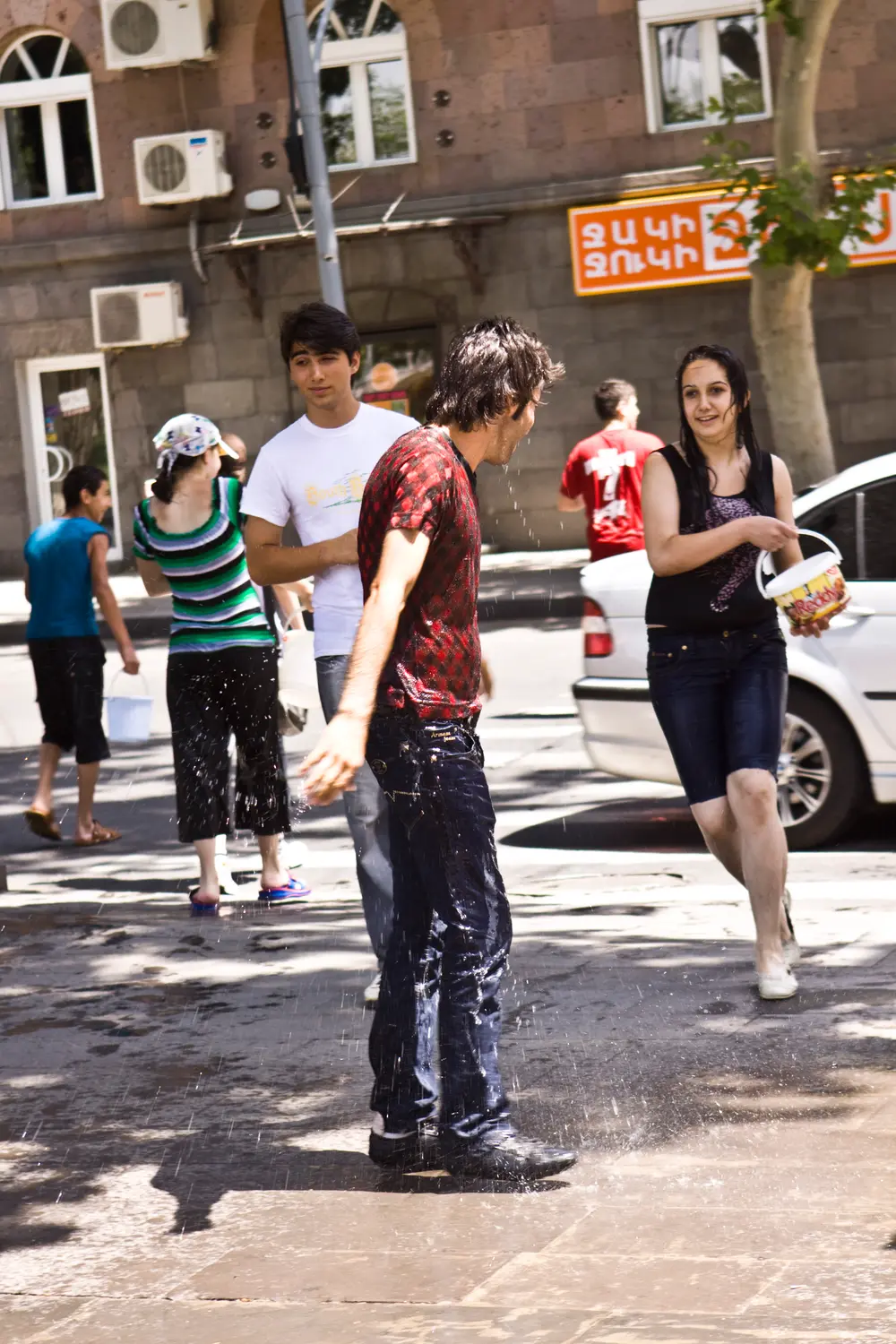
Once you are dry again, the capital has plenty to fill the evening, and Vardavar tends to leave the whole city in a good mood. Our guide to things to do in Yerevan picks up where the water fight leaves off, and if you are building the rest of a July trip around the festival, the Armenia festivals calendar shows what else is on around those dates.
Photos
Read also
Entertainment · 8 min read
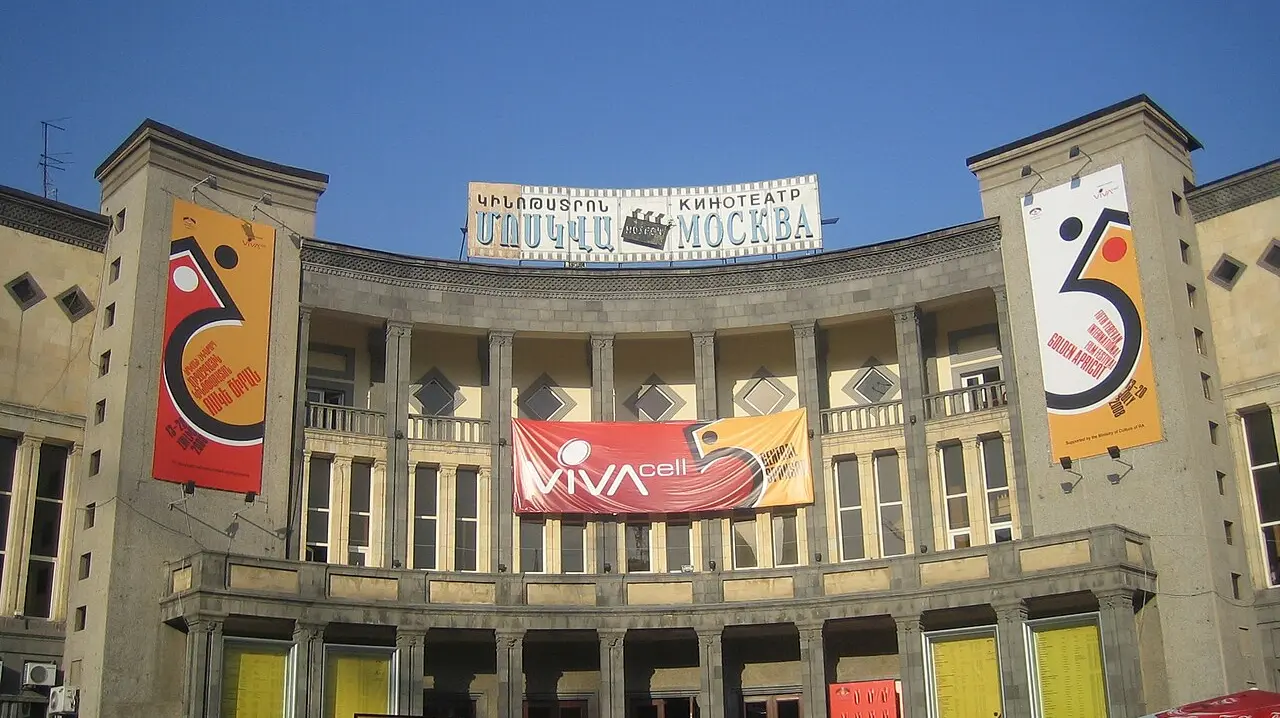
Golden Apricot Film Festival: A Visitor's Guide
Verified · July 21, 2026Armenia's biggest film festival, in Yerevan every July since 2004. What Golden Apricot is, its sections and venues, and how to catch a screening.
Entertainment · 7 min read
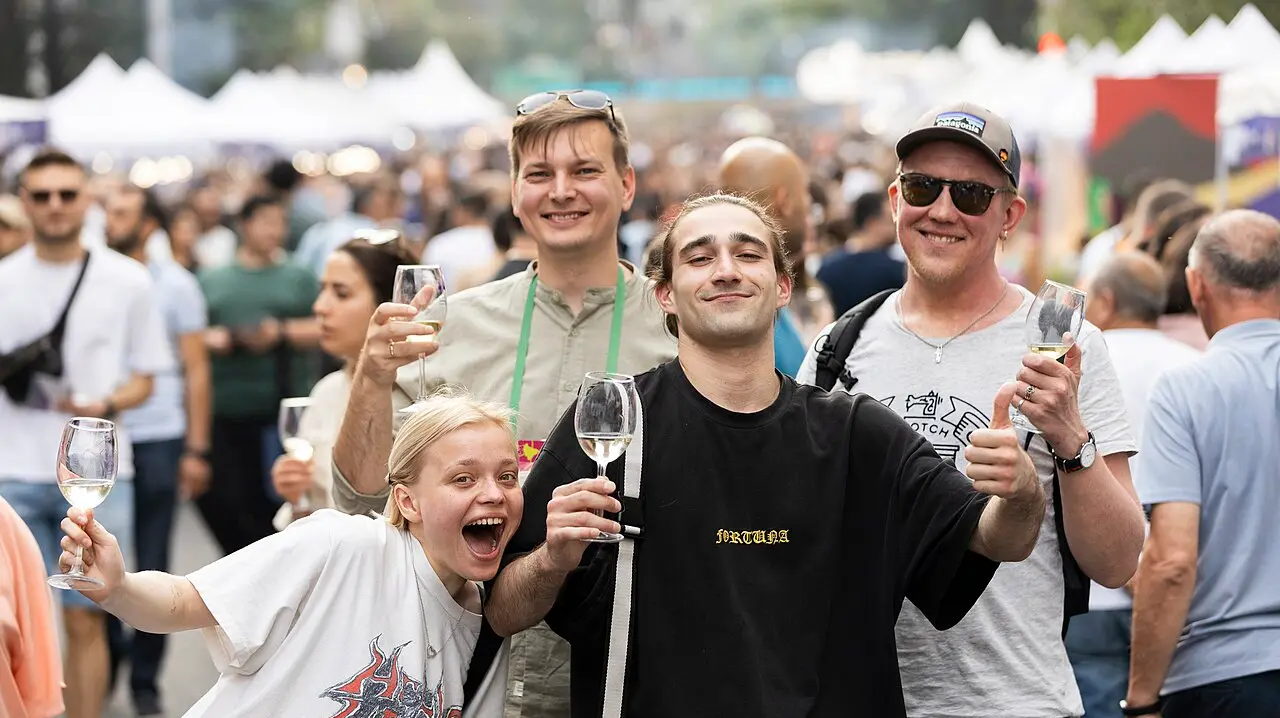
Armenia Festivals Calendar: What's On in 2026
Verified · July 8, 2026Armenia's festival calendar for 2026: Vardavar, Yerevan Wine Days, Golden Apricot, Beer Days, the Areni wine harvest and Yerevan's birthday, with dates.
Entertainment · 10 min read
Best Hikes in Armenia
Verified · July 4, 2026The best hikes in Armenia, from the easy Symphony of Stones walk to the volcanic summits of Aragats, Azhdahak and Khustup, and how to pick one by season.
What to see · 12 min read
Shaki Waterfall: Syunik's 18-Metre Cascade
Verified · July 27, 2026Shaki waterfall near Sisian runs to a hydro plant timetable: 11:00-19:00 in summer, 11:00-17:00 in spring and autumn. How to avoid a dry cliff.