Golden Apricot Film Festival: A Visitor's Guide
Armenia's biggest film festival, in Yerevan every July since 2004. What Golden Apricot is, its sections and venues, and how to catch a screening.
Golden Apricot is Armenia’s biggest film festival, held every July in Yerevan since 2004, and the useful thing for a traveller to know is that you can simply walk in. It is not a closed industry event: most screenings are open to the public, tickets are cheap, and the line-up regularly beats whatever is showing back home, from Cannes and Berlin prizewinners to films you will never get another chance to see on a big screen. If your trip lands in mid-July, this is the one cultural event worth building a couple of days around.
The catch is that the best titles fill up and the city is hot and crowded that week, so a little planning pays off. Get it right and you get a world-class programme for the price of a cinema ticket, in a city small enough to cross on foot between films.
The short version: can you actually go?
Yes, and it is easier than most first-timers expect. Golden Apricot runs for about a week in mid-July across a handful of cinemas in central Yerevan, and individual screenings are sold to the public like any normal film. You buy a ticket, you walk in, you watch. The opening and closing galas are ticketed red-carpet affairs aimed at guests and press, but the daytime and evening screenings, the retrospectives and the masterclasses are the part you join, and many of the talks are free.
Practically, that means you do not need accreditation or a festival pass to have a great few days here. Pick two or three films off the programme when it is published in early July, buy ahead for anything with buzz, and treat the rest as walk-ups. For where to base yourself within walking distance of the venues, our guide to where to stay in Yerevan sorts the central districts.
How Golden Apricot started
The festival was founded in 2004 by the Golden Apricot Fund for Cinema Development together with Armenia’s association of film critics, and it grew fast. The first edition ran 30 June to 4 July 2004 and already pulled in 148 films from around 20 countries, which for a first-year festival in a small post-Soviet republic was a statement of intent. Behind it were three people still shaping it today: director Harutyun Khachatryan as general director, and film critics Susanna Harutyunyan and Mikayel Stamboltsyan. The Armenian-Canadian director Atom Egoyan has led the festival since 2005.
The name is not decoration. The apricot is Armenia’s unofficial national fruit, its Latin name is prunus armeniaca, “the Armenian plum,” and the warm apricot-orange band on the national flag is said to stand for the same colour. The festival’s guiding theme, “Crossroads of Cultures and Civilizations,” is the real organising idea: it gathers cinema from the wider region alongside world titles, and gives a screen to work from places that rarely get one. Two decades in, it is one of the most respected festivals in the Caucasus and Middle East, and in 2026 it joined the FIAPF network, the international body that formally accredits only around 50 festivals worldwide, which puts Yerevan on a short and serious list.
What actually screens
The programme splits into a few competitions plus a run of non-competitive strands. The International Competition is the headline: full-length films of any genre from anywhere in the world, judged for the top prizes. The Regional Competition is the one I would not skip, feature and documentary work from the wider Western Asia region, the Caucasus, Iran, Turkey and the Middle East, which is where you catch fresh local cinema that almost never travels. Apricot Stone is the short-film competition, reserved for Armenian shorts. Around these sit the non-competitive sections: Yerevan Premieres, Retrospectives, Tributes, a genre-and-cult strand called Twisted Apricot, and one-off special screenings. The tilt across all of it leans toward auteur and art-house cinema rather than commercial blockbusters, which is the whole appeal: this is where you find the kind of films festivals exist to champion, and where a small country’s cinema gets to stand next to the wider world’s.
If you only have an evening or two, the retrospectives are often the quiet highlight, hand-picked line-ups you would struggle to see assembled anywhere else, and the regional documentaries punch well above their profile - a strand that got a further lift in 2026, when Golden Apricot joined the international Doc Alliance as a guest festival. To give a sense of scale, the 2026 edition showed 90 films from 40 countries, with a dozen titles in the international line-up alone.
The prizes worth knowing about
The top award is the Golden Apricot, given for best film in each competition, with the Silver Apricot as the runner-up. The money is real by regional standards, the international best-film Golden Apricot carries a prize of 1.5 million dram (roughly 3,800 US dollars), and winning here tends to push a film toward wider festival bookings and distribution. Separately, the festival hands out Parajanov’s Thaler, a lifetime-achievement honour named for the Armenian master Sergei Parajanov, whose surreal, banned-then-revered films are half the reason Armenian cinema has the reputation it does. If you want context before you come, Yerevan’s Parajanov Museum is a worthwhile afternoon in its own right; see our things to do in Yerevan for that and the rest of the city.
Where it happens
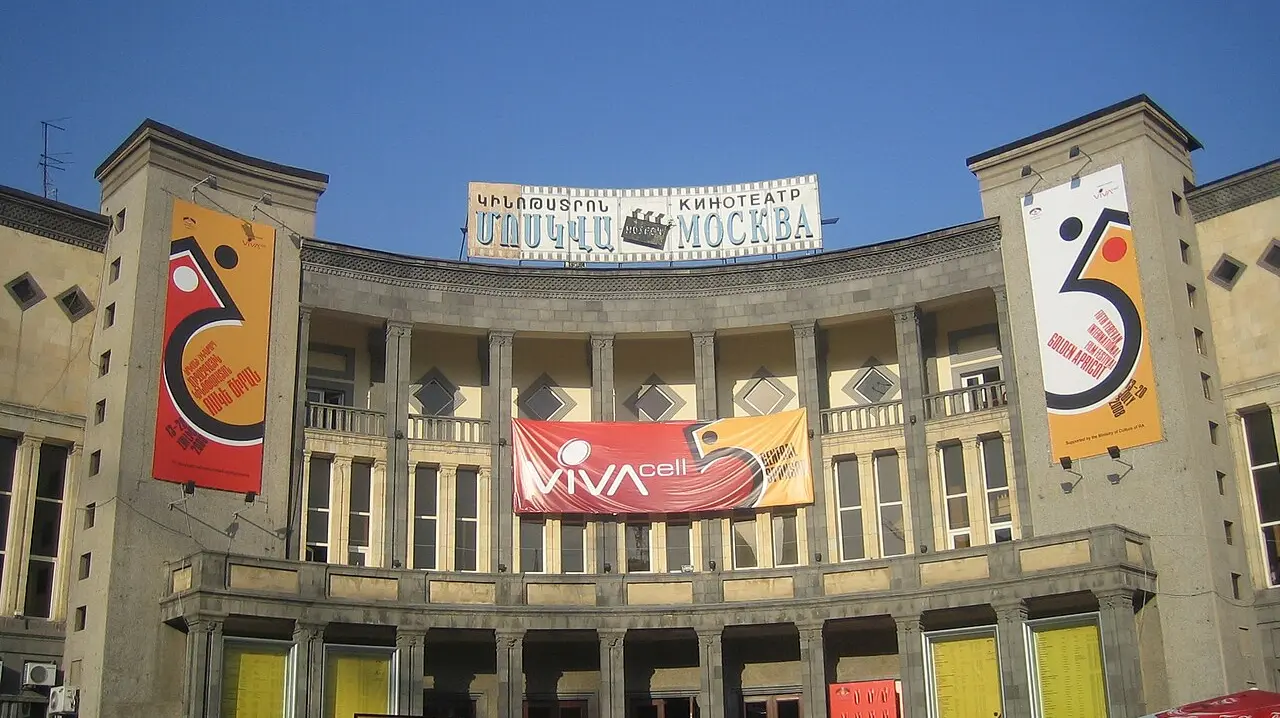
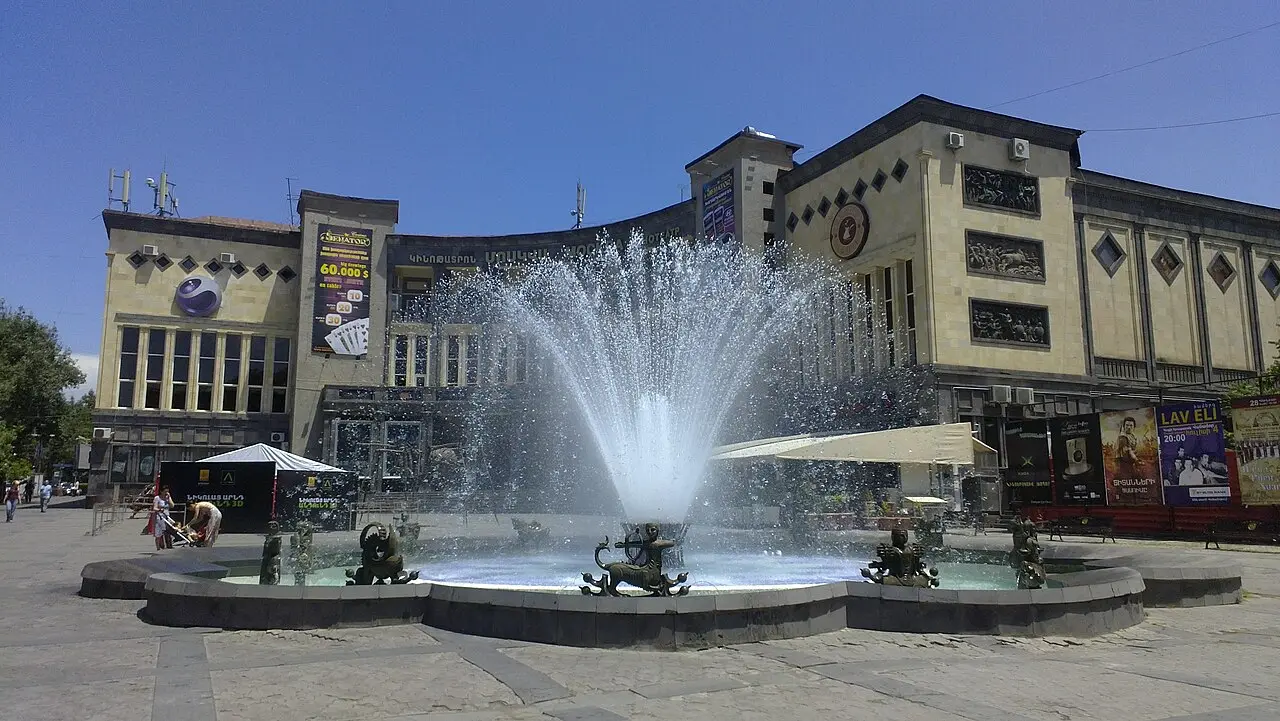
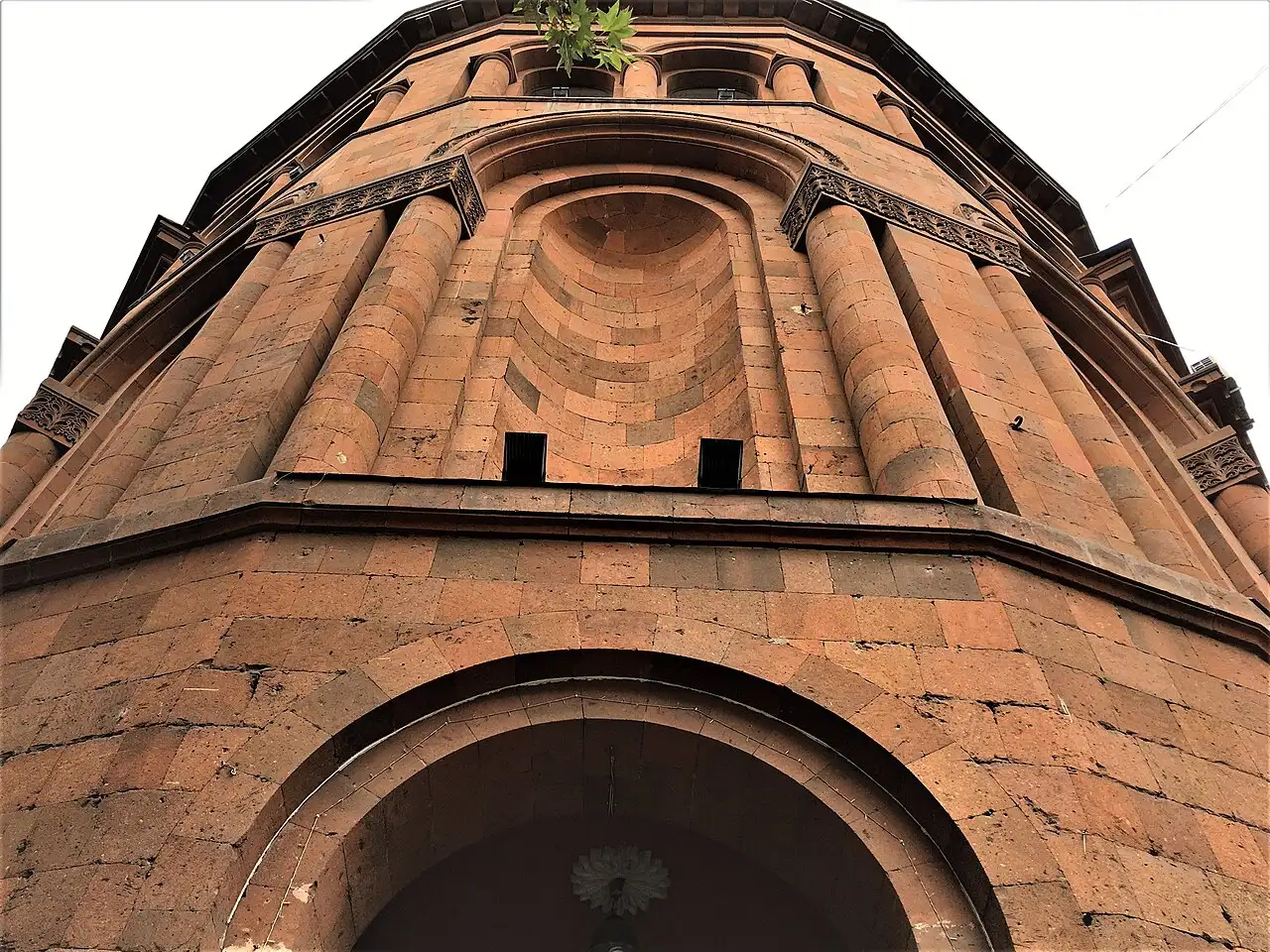
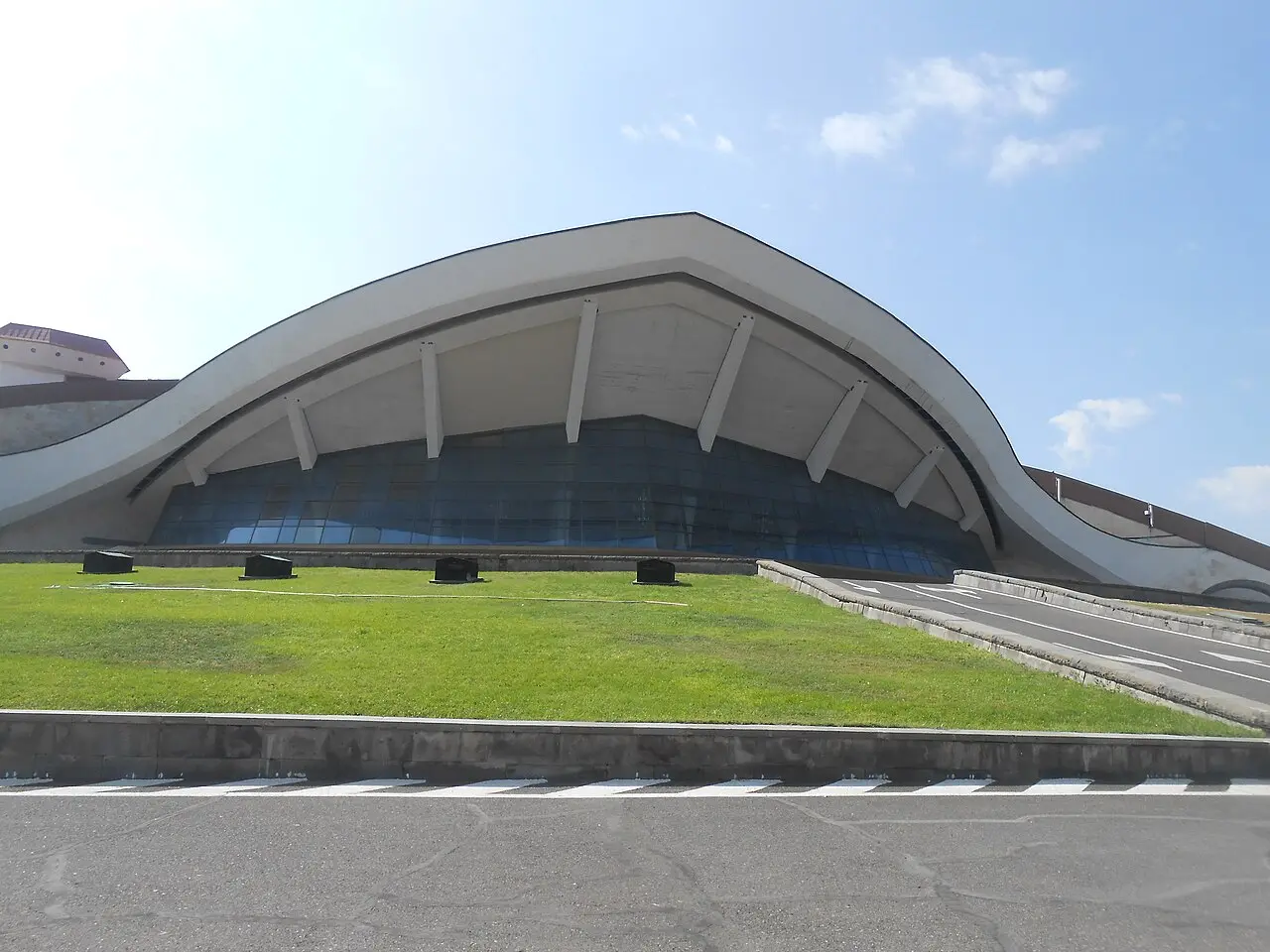
Everything is central and walkable, which makes festival-hopping easy. The historic heart is the Moscow Cinema (Kino Moskva), the fountain-fronted landmark where the big premieres and international screenings play. The Cinema House (Dom Kino) is the working hub, where the regional competition, the press conferences and the masterclasses tend to run, and the Nairi Cinema on Mashtots Avenue takes the overflow. In 2026 the opening ceremony moved up the hill to the vast Soviet-modernist Karen Demirchyan Sports and Concerts Complex for the gala and the premiere.
You can cover all of these on foot in a normal day, and that is part of the pleasure of Golden Apricot: it is a festival on a human scale, in a compact city, where you can walk from a morning documentary to a lunch on Saryan Street to an evening premiere without ever getting in a car.
How to catch a screening
Tickets go on sale as the festival approaches, both online through the festival’s channels and at the venue box offices, and by international standards they are cheap. The programme usually lands in early July, a week or so before the opening, so watch the official site, gaiff.am, and lock in anything with a big name attached, because premieres and awarded films are the ones that sell out. Everything else you can usually catch as a walk-up, especially the daytime documentary and regional slots, where turning up twenty minutes early is normally enough to get a seat.
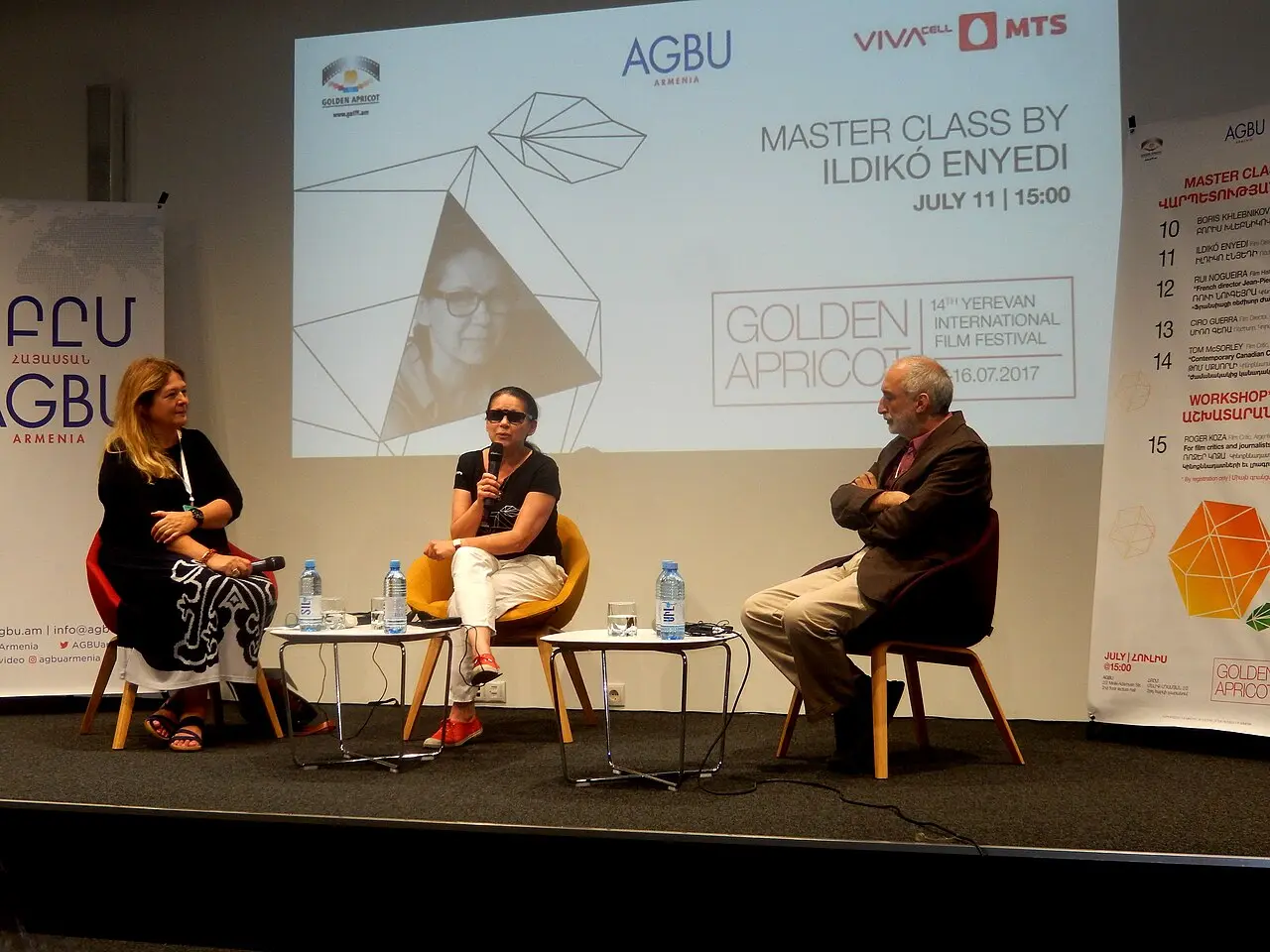
A few practical notes from experience. July in Yerevan is hot, often the mid-30s Celsius, so build your day around the heat: an early screening, a long shaded lunch, and the main films in the evening once the city cools; our weather by month has the fuller picture. The festival week also collides with other summer events, in some years the nationwide Vardavar water festival and the city’s Beer Days land in the same fortnight, which is fun but means hotels tighten and prices climb. Book your bed early. And do not overlook the free masterclasses: sitting in on a working director unpicking their own film is often the memory you keep, more than any single screening.
When is the next Golden Apricot?
The festival is annual and always lands in mid-July. The 2026 edition was the 23rd, held 12-19 July 2026, which makes the 2027 festival the 24th, and you can safely expect it in the same mid-July window. The exact dates are set and announced by the organisers a few months ahead on gaiff.am, so if you are timing flights specifically around it, confirm the days there before you book rather than trusting a guessed date, ours included.
If your travel is flexible, mid-July is a strong time to be in Armenia anyway: the festival, the water fight of Vardavar and the summer buzz all stack up in the same weeks. For the wider picture of what else is on through the year, from June’s wine days to the autumn harvest festivals, see our Armenia festivals calendar. Pick a couple of films, book a central room early, and Golden Apricot gives you the rare thing a lot of festivals promise and few deliver: a world-class programme in a city you can walk across in twenty minutes.
Photos
Read also
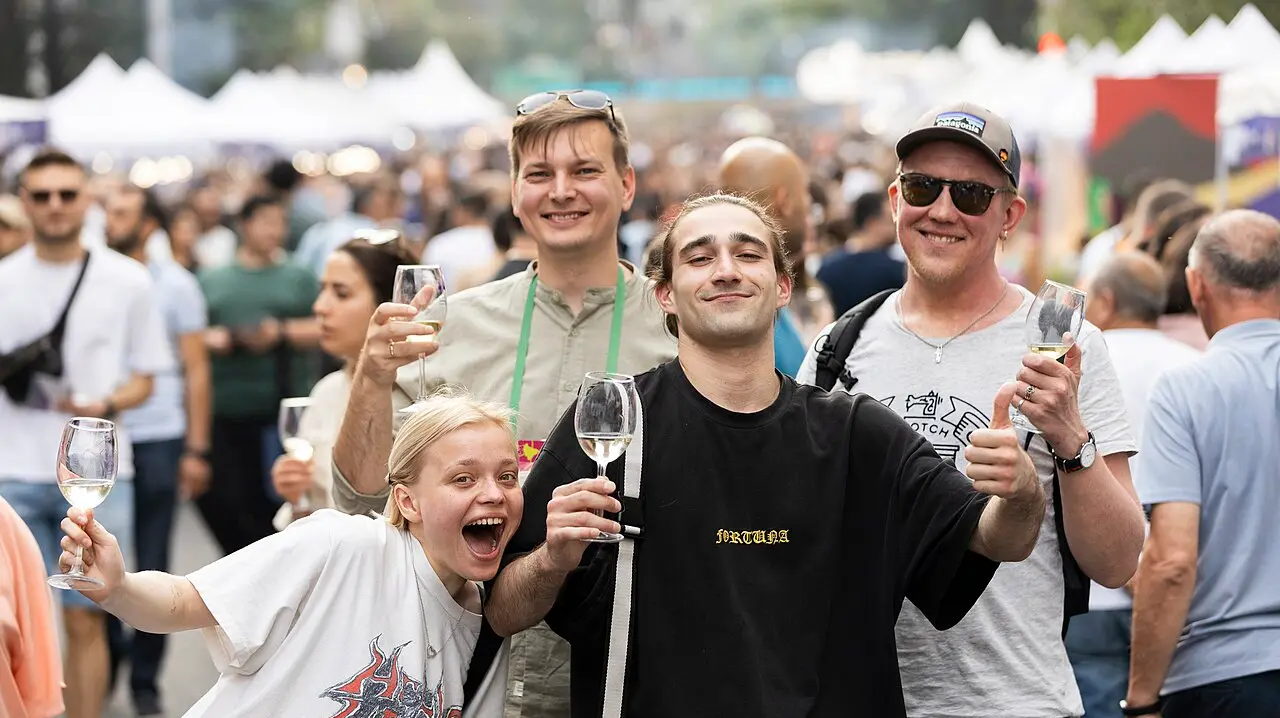
Entertainment · 7 min read
Armenia Festivals Calendar: What's On in 2026
Verified · July 8, 2026Armenia's festival calendar for 2026: Vardavar, Yerevan Wine Days, Golden Apricot, Beer Days, the Areni wine harvest and Yerevan's birthday, with dates.
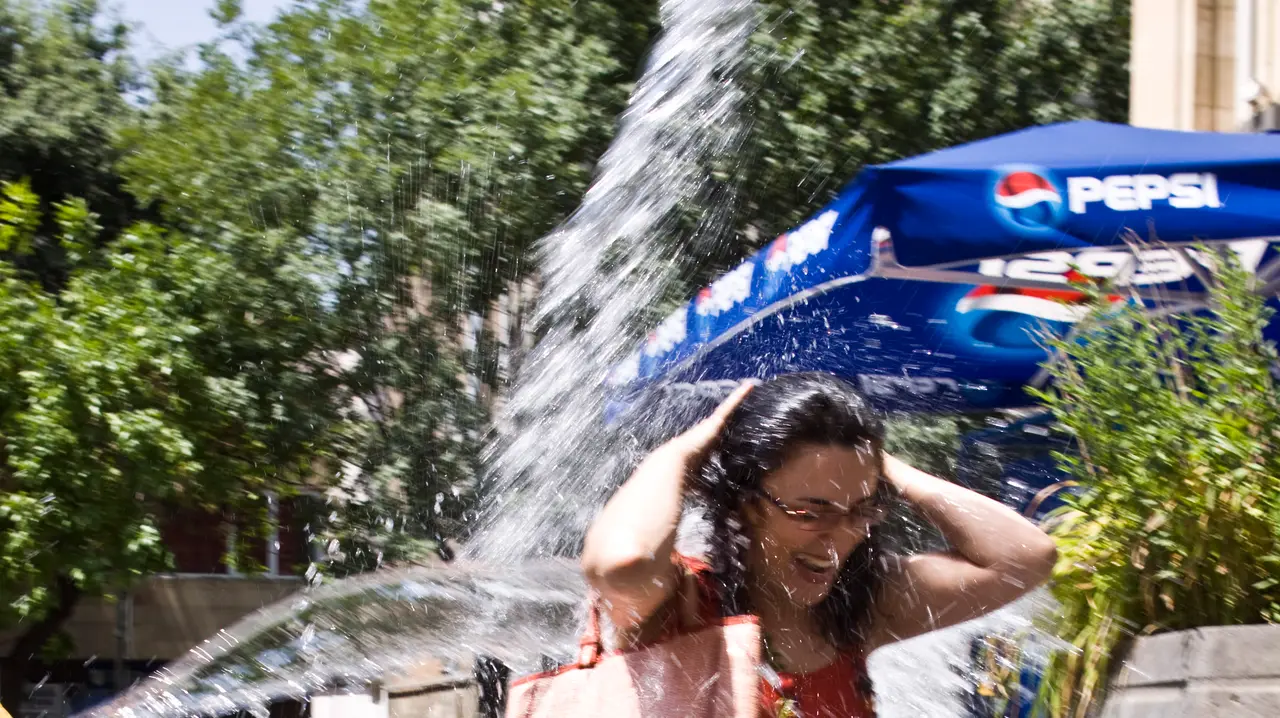
Entertainment · 8 min read
Vardavar 2027: Armenia's Water Festival
Verified · July 6, 2026Vardavar, Armenia's nationwide water fight, falls on 4 July 2027 (23 July 2028). What it is, the etiquette, and how to keep your phone dry.

Entertainment · 10 min read
Best Hikes in Armenia
Verified · July 4, 2026The best hikes in Armenia, from the easy Symphony of Stones walk to the volcanic summits of Aragats, Azhdahak and Khustup, and how to pick one by season.
What to see · 12 min read
Shaki Waterfall: Syunik's 18-Metre Cascade
Verified · July 27, 2026Shaki waterfall near Sisian runs to a hydro plant timetable: 11:00-19:00 in summer, 11:00-17:00 in spring and autumn. How to avoid a dry cliff.